
Nonsmooth Modelling Methods in Chemical Engineering 21 st
- Slides: 23
Nonsmooth Modelling Methods in Chemical Engineering 21 st Nordic Process Control Workshop Marius Reed, Marlene Lund and Johannes Jäschke 19 th January 2018 Department of Chemical Engineering - Process Systems Engineering
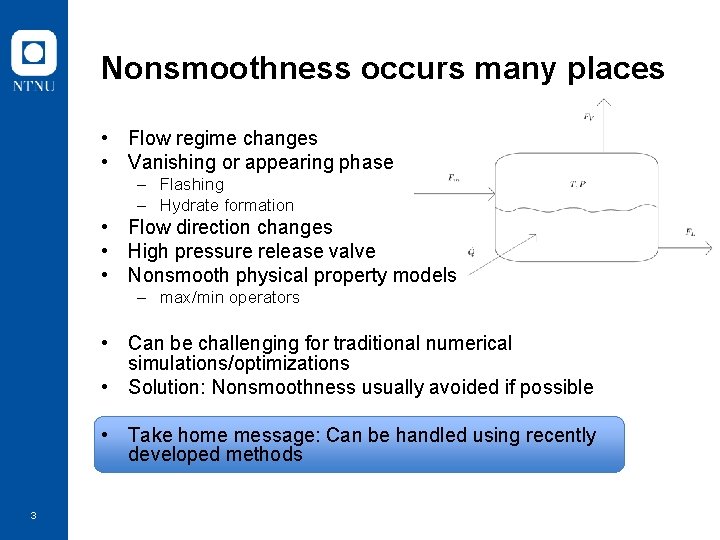
Nonsmoothness occurs many places • Flow regime changes • Vanishing or appearing phase – Flashing – Hydrate formation • Flow direction changes • High pressure release valve • Nonsmooth physical property models – max/min operators • Can be challenging for traditional numerical simulations/optimizations • Solution: Nonsmoothness usually avoided if possible • Take home message: Can be handled using recently developed methods 3
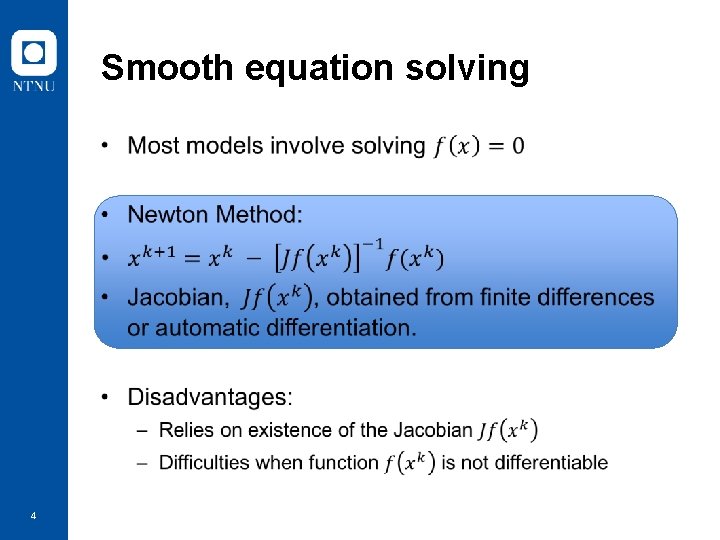
Smooth equation solving • 4
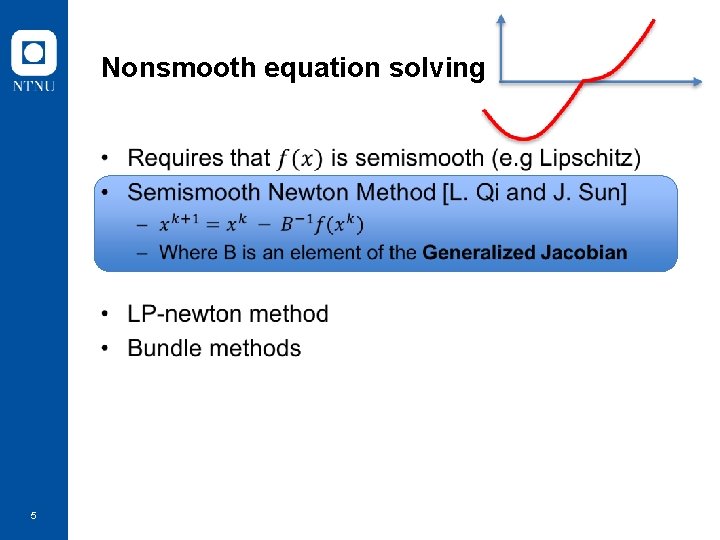
Nonsmooth equation solving • 5
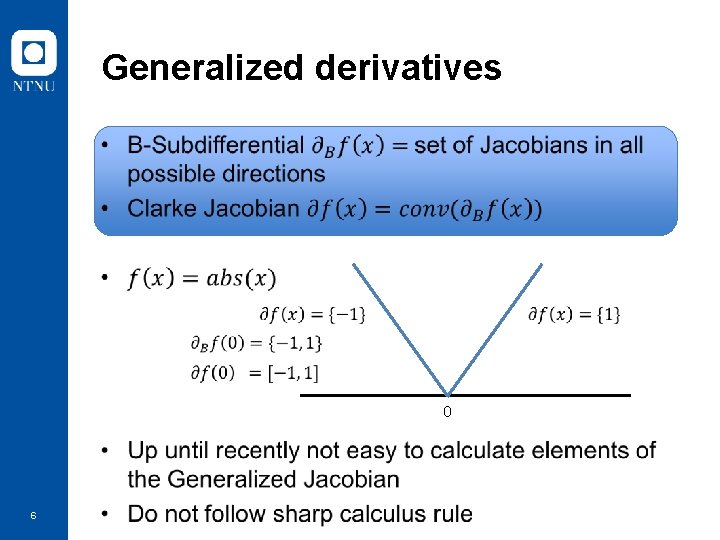
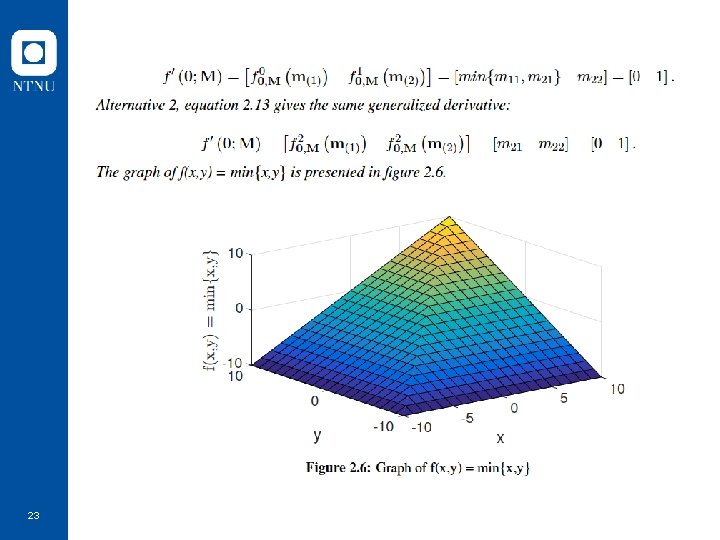
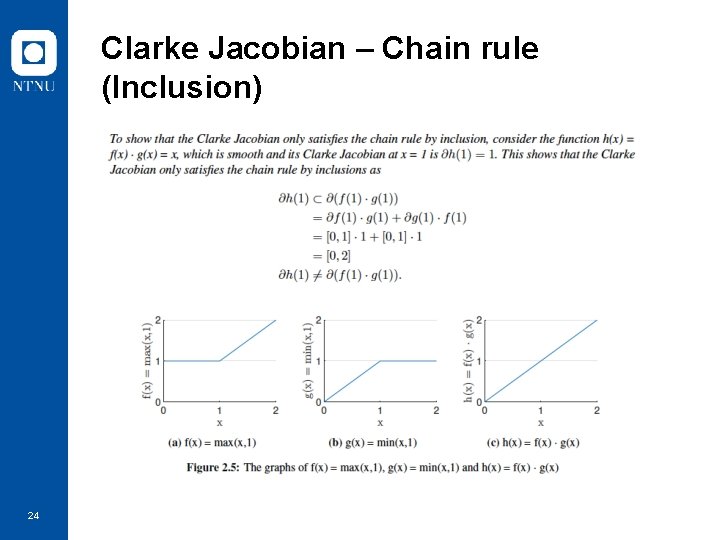
Generalized derivatives • 0 6
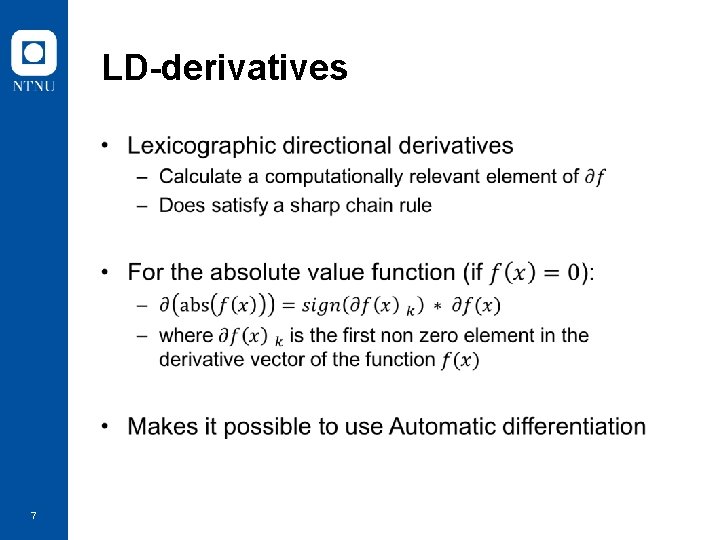
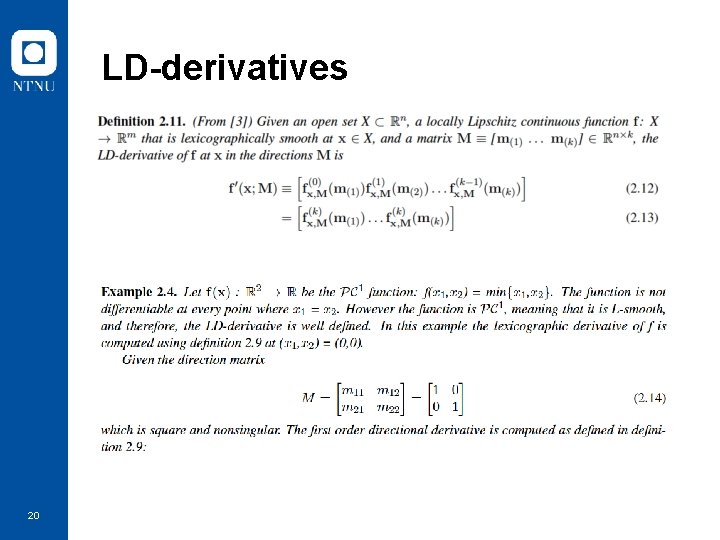
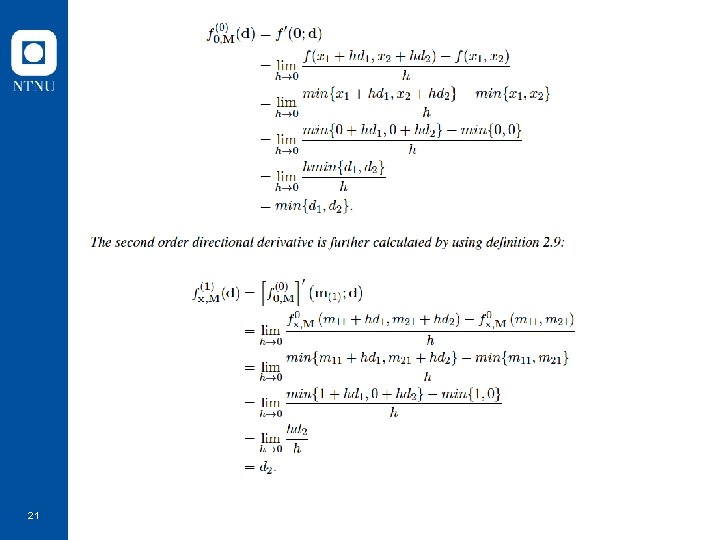
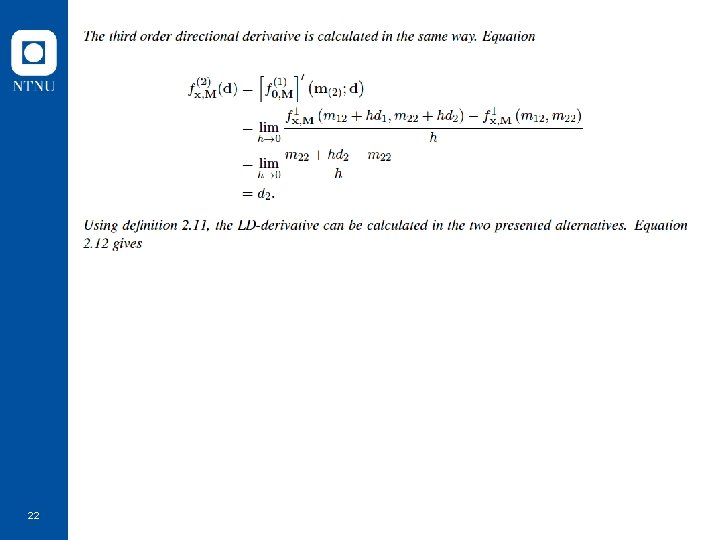
LD-derivatives • 7
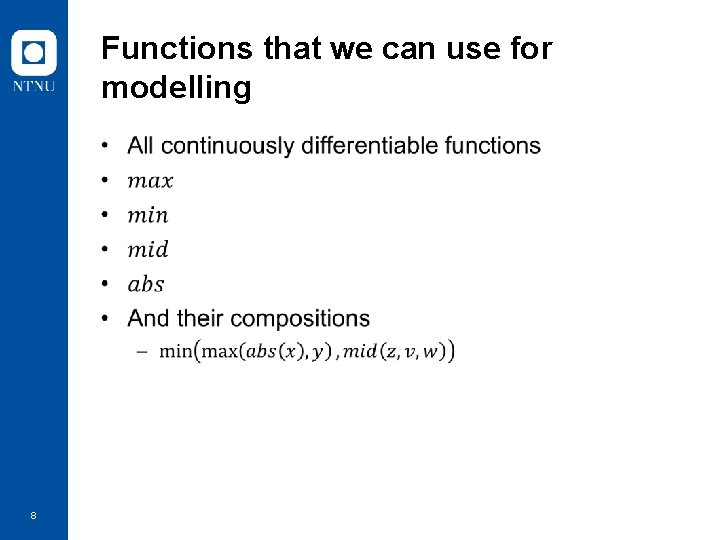
Functions that we can use for modelling • 8
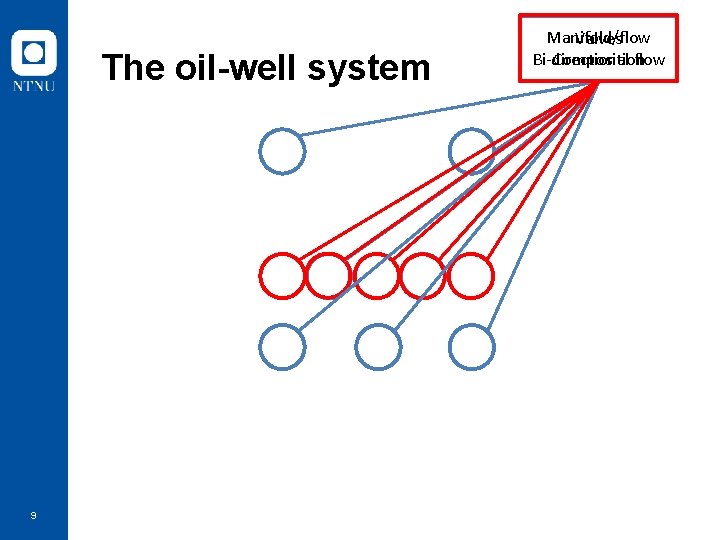
The oil-well system 9 Manifold/flow Valves Composition Bi-directional flow
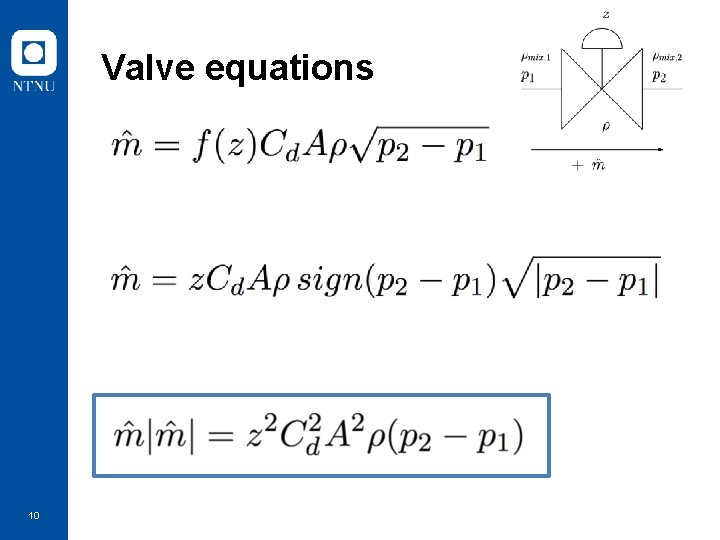
Valve equations 10
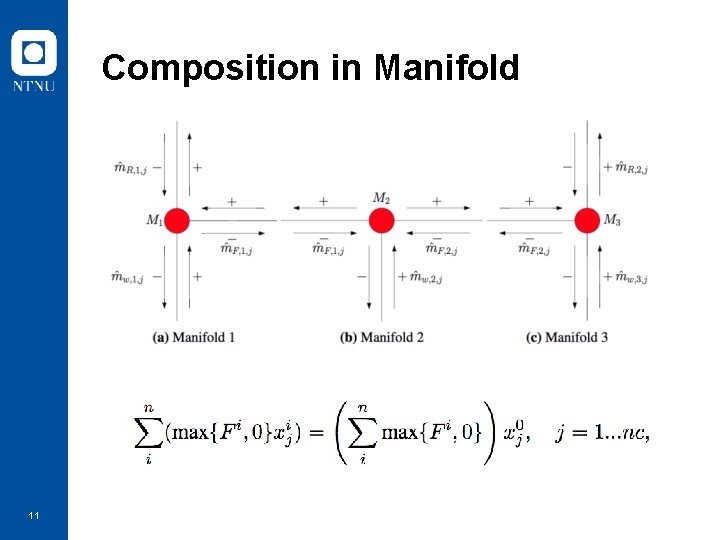
Composition in Manifold 11
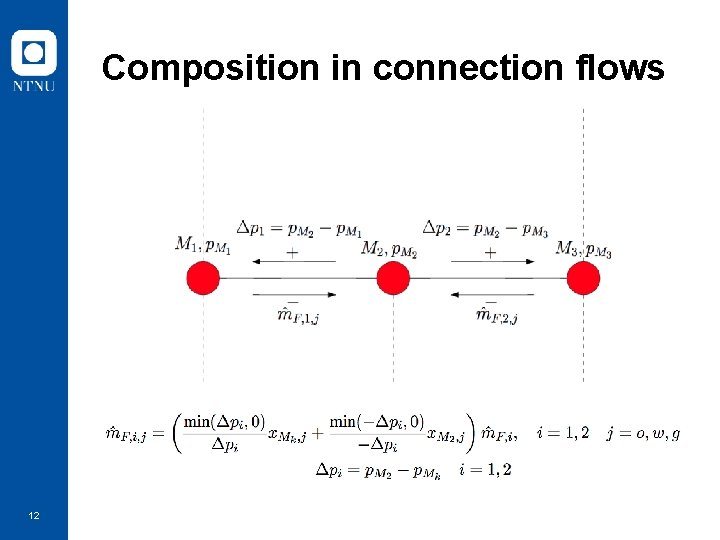
Composition in connection flows 12
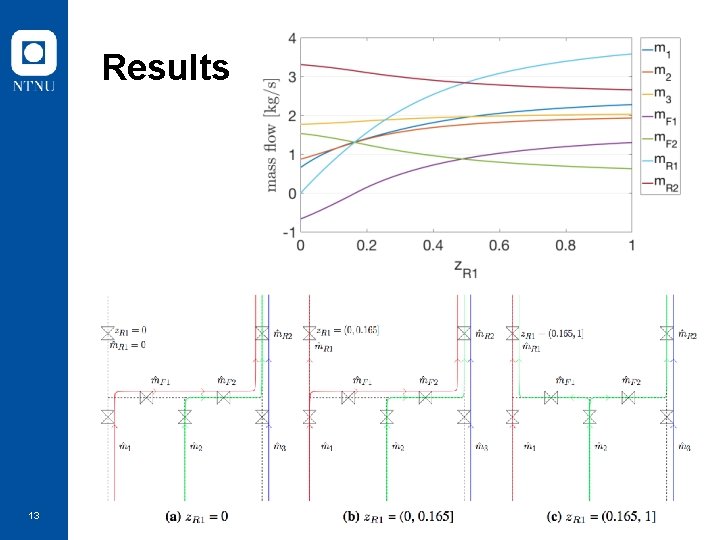
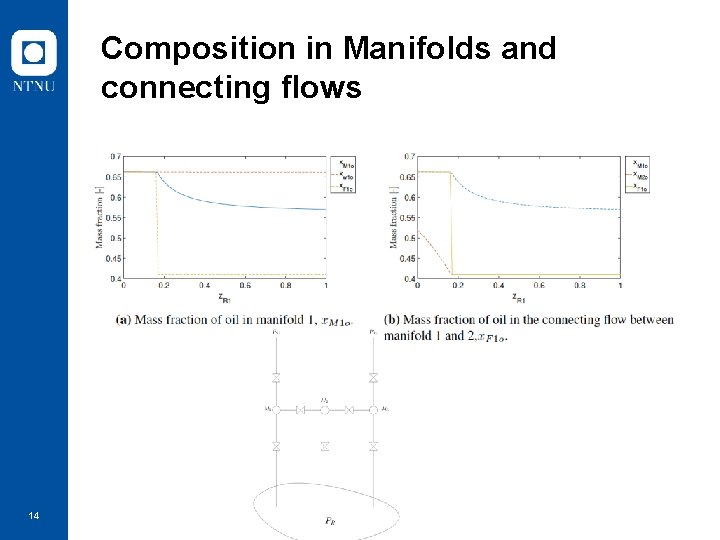
Results 13
Composition in Manifolds and connecting flows 14
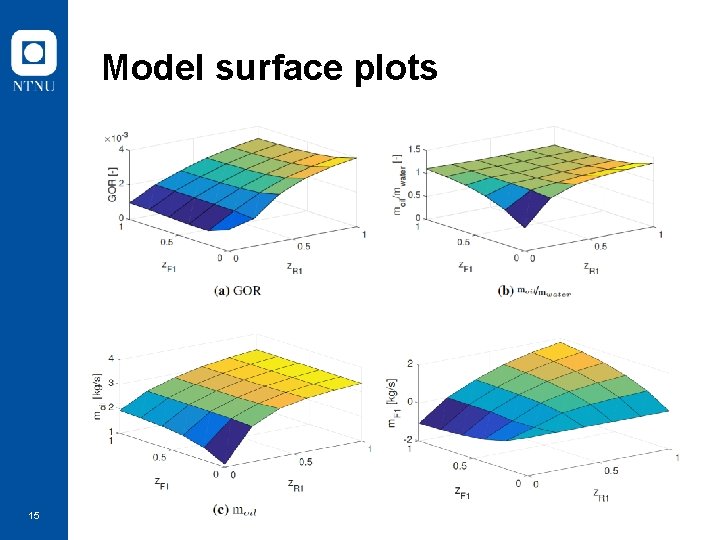
Model surface plots 15
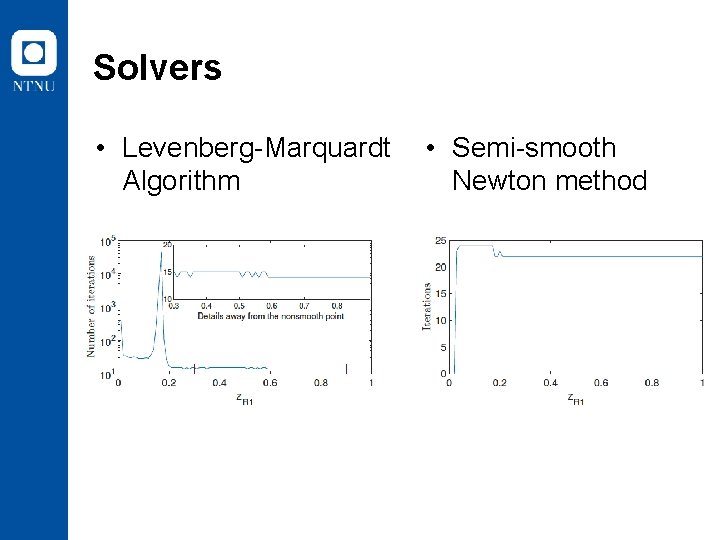
Solvers • Levenberg-Marquardt Algorithm • Semi-smooth Newton method
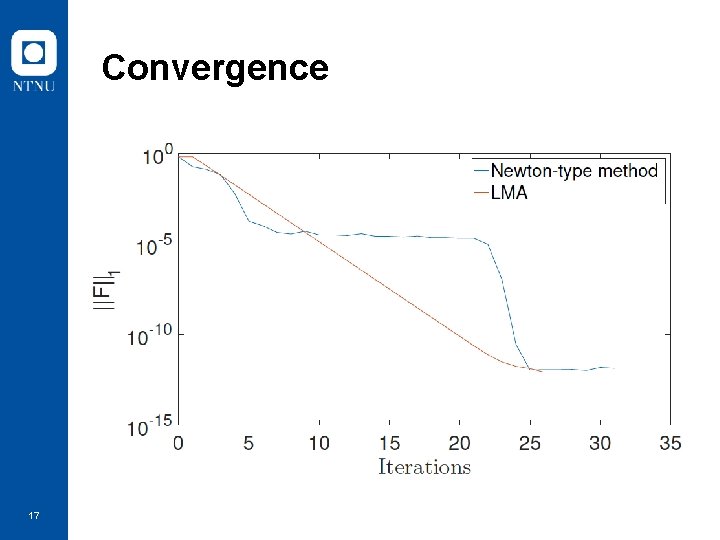
Convergence 17
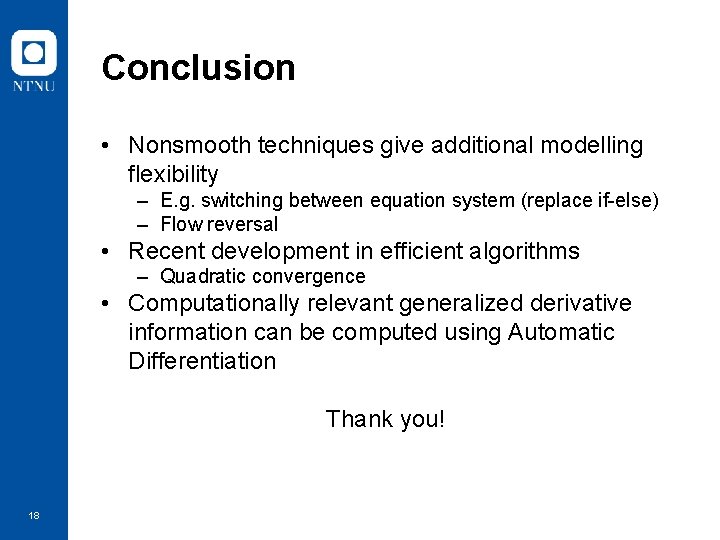
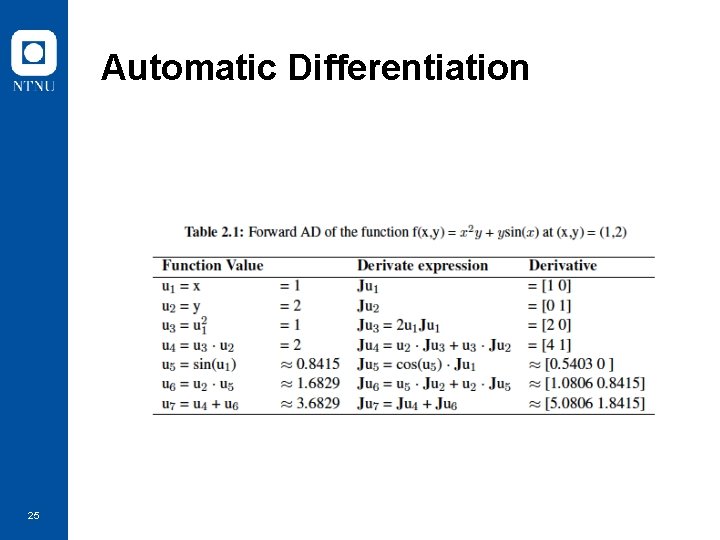
Conclusion • Nonsmooth techniques give additional modelling flexibility – E. g. switching between equation system (replace if-else) – Flow reversal • Recent development in efficient algorithms – Quadratic convergence • Computationally relevant generalized derivative information can be computed using Automatic Differentiation Thank you! 18
LD-derivatives 20
21
22
23
Clarke Jacobian – Chain rule (Inclusion) 24
Automatic Differentiation 25