
Nonhedonistic utilitarianism including preference utilitarianism BWS What are
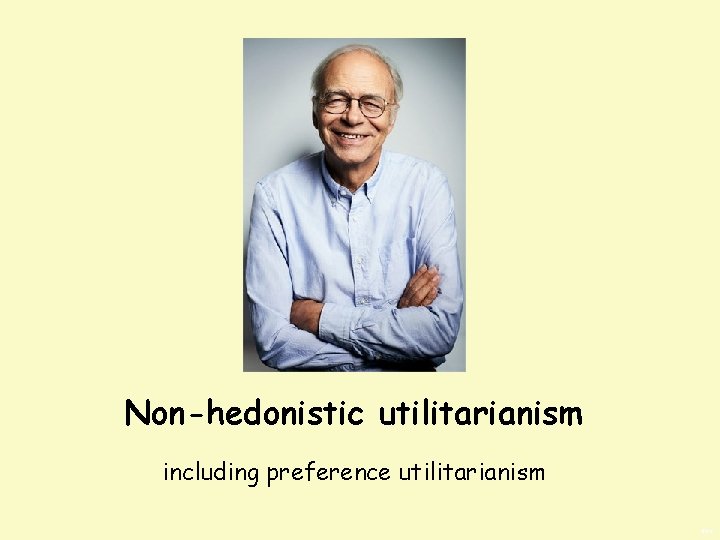
Non-hedonistic utilitarianism including preference utilitarianism BWS
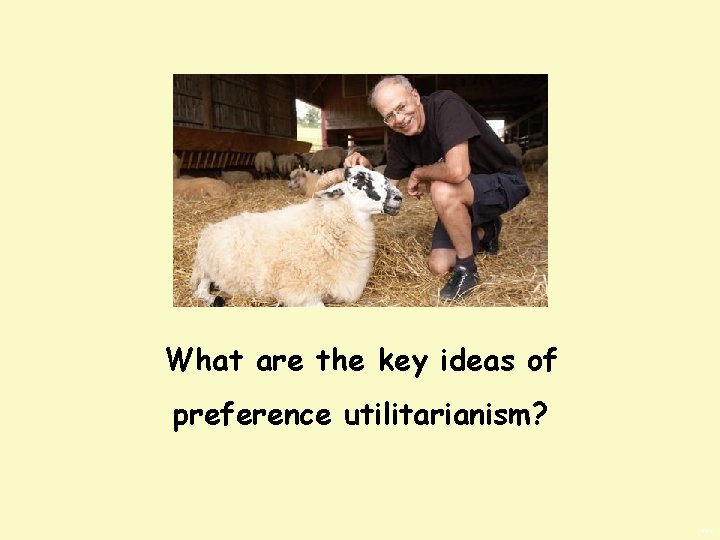
What are the key ideas of preference utilitarianism? BWS
March 2021 Preference Utilitarianism • Rule off • Underline title & date BWS
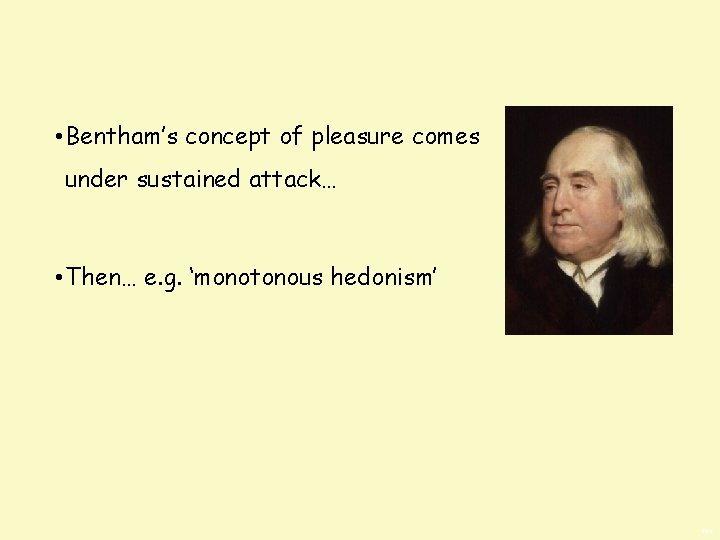
• Bentham’s concept of pleasure comes under sustained attack… • Then… e. g. ‘monotonous hedonism’ BWS
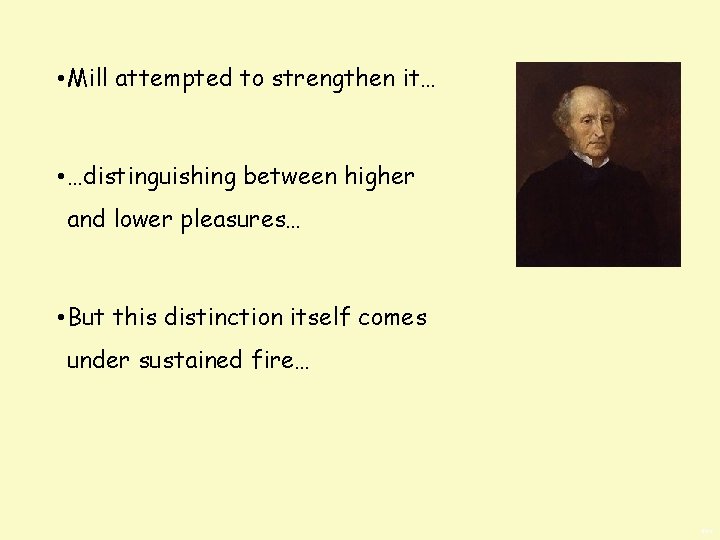
• Mill attempted to strengthen it… • …distinguishing between higher and lower pleasures… • But this distinction itself comes under sustained fire… BWS
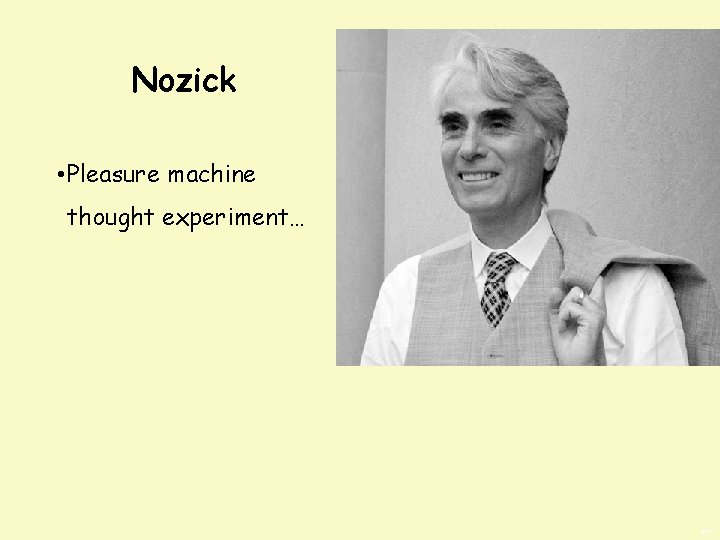
Nozick • Pleasure machine thought experiment… BWS
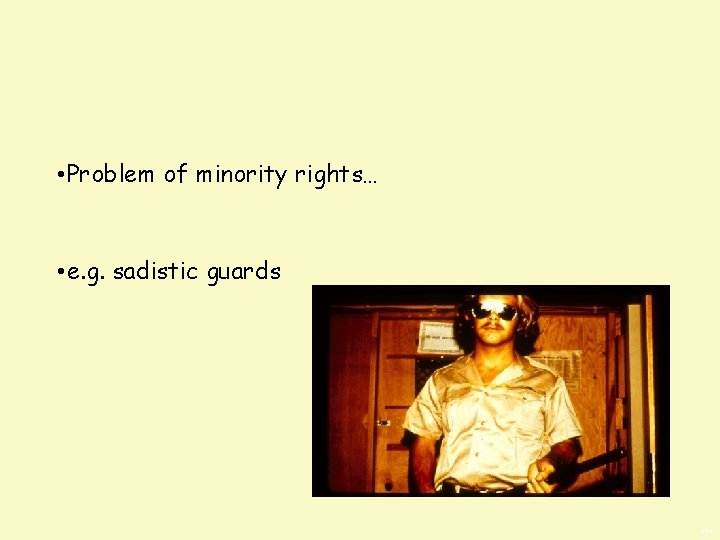
• Problem of minority rights… • e. g. sadistic guards BWS
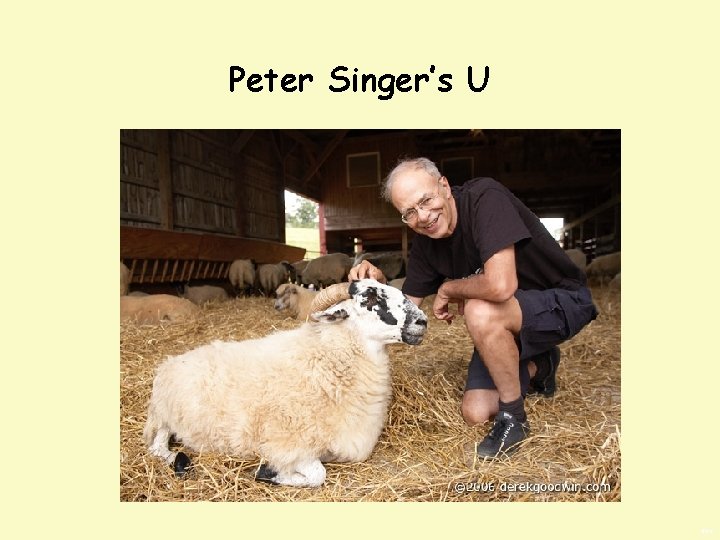
Peter Singer’s U BWS
1: Objective • Rational, non-emotional, objective BWS
we should take the viewpoint of an impartial spectator BWS
2: Preference • Reconceptualises pleasure and pain (as Mill did) • Satisfaction of preferences BWS
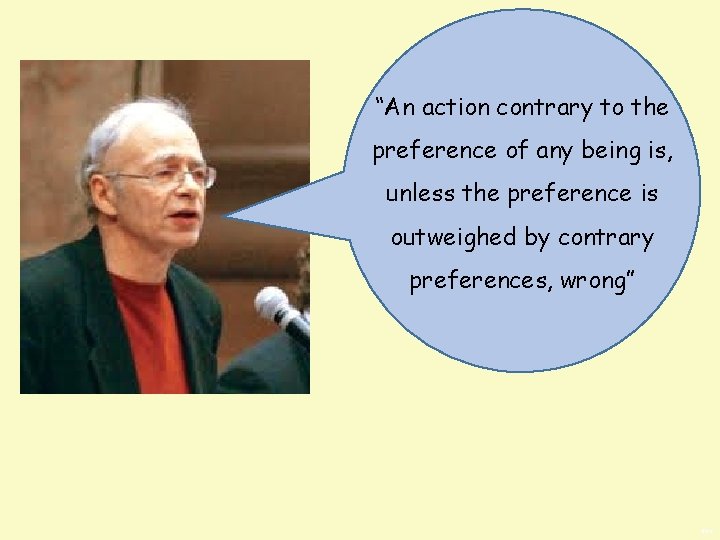
“An action contrary to the preference of any being is, unless the preference is outweighed by contrary preferences, wrong” BWS
3: Preference v pleasure • It is possible that we rationally prefer X even though it does not maximise our pleasure (sensation) • e. g. altruism versus not giving BWS
the ‘best possible consequences’ means what is in the best interests of the individuals affected BWS
• A matter of judgement rather than calculation • The more preferences that are satisfied, the better BWS
4: Universality • “In accepting that ethical judgements must be made from a universal point of view, I am accepting that my own needs, wants and desires cannot, simply because they are my preferences, count more than the wants, needs and desires of anyone else. ” • Practical Ethics BWS
• We ought to do what on balance furthers the preferences of those affected. BWS
5. Equality • Principle of diminishing marginal utility • Equal treatment versus equal consideration of preference (or interest) BWS
6. Minimise suffering • Singer concentrates, like Popper, on minimising suffering • But overcomes the problem of Popper’s negative utilitarianism BWS
7. Animal liberation • Sentient versus non-sentient animals • Sentient animals can experience suffering • Therefore their preferences ought to be taken into account • Champions terms, ‘speciesism’ BWS
Hare ‘equal preferences count equally, whatever their content’. People are happy when they get what they prefer, but what we prefer may clash with the preferences of others. Universality: we need to ‘stand in someone else’s shoes’ and try to imagine what someone else might prefer. We should treat everyone, including ourselves, with impartiality. BWS
Karl Popper BWS
Negative Utilitarianism • Associated with Karl Popper • Actions should not strive to create or maximise pleasure… • They should seek to reduce the amount of pain existing in society • The avoidance of pain is seen as being a more valuable goal than the creation of happiness • Think of an ethical scenario involving a negative utilitarian. How would the negative utilitarian react and why? BWS
Welfare Utilitarianism • Make a list of basic rights and conditions which you think every individual should possess. BWS
Robert Goodin BWS
Welfare Utilitarianism • Associated with R Goodin • The goal of an action is to provide the necessary conditions in which to live comfortably. • Again, this treats the Bentham and Mill’s goal of happiness as insincere. BWS
- Slides: 26