
Non BreastNon Ovarian BRCA 12 related neoplasms a
Non. Breast/Non. Ovarian BRCA 1/2 related neoplasms: a growing entity
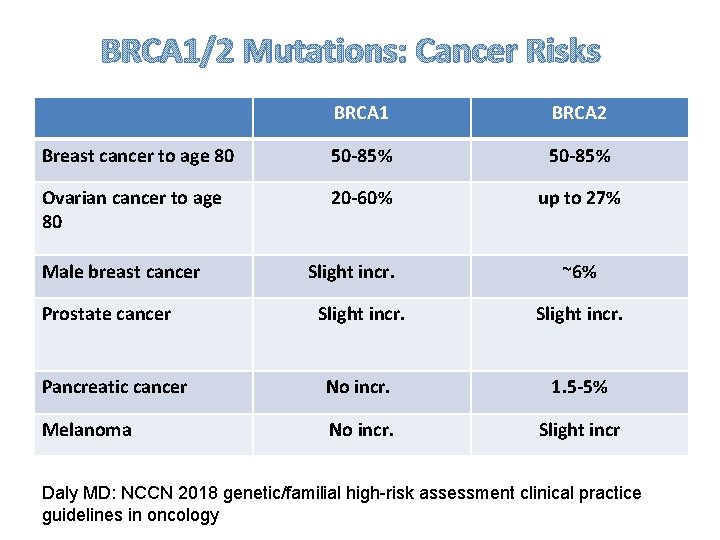
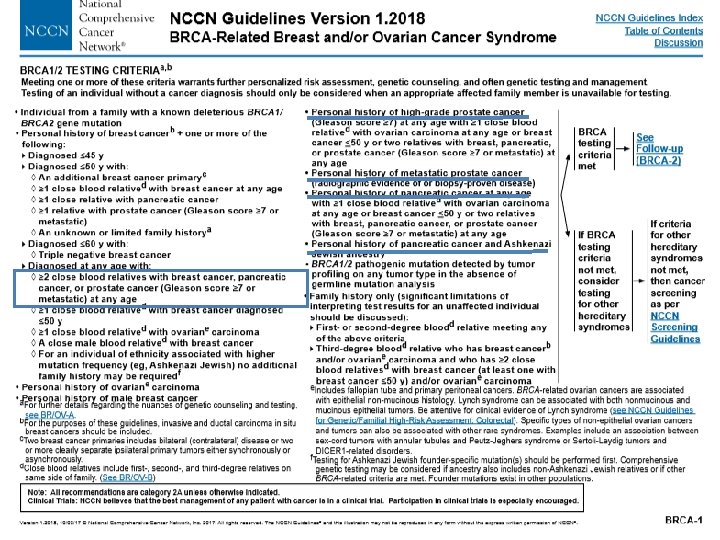
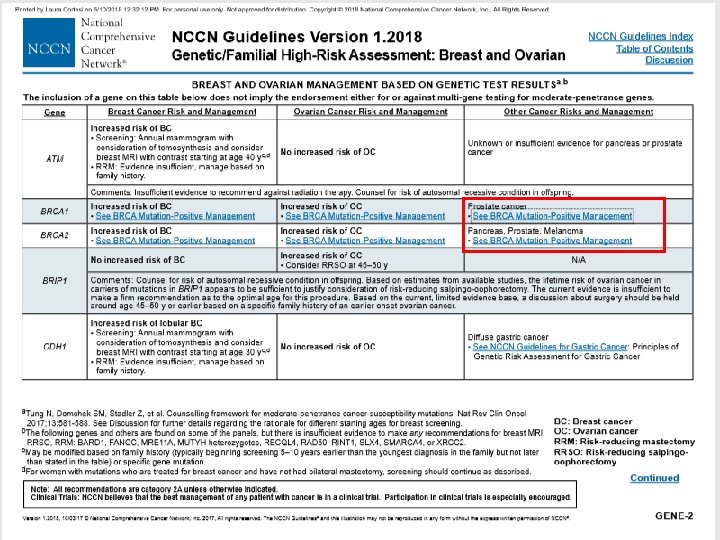
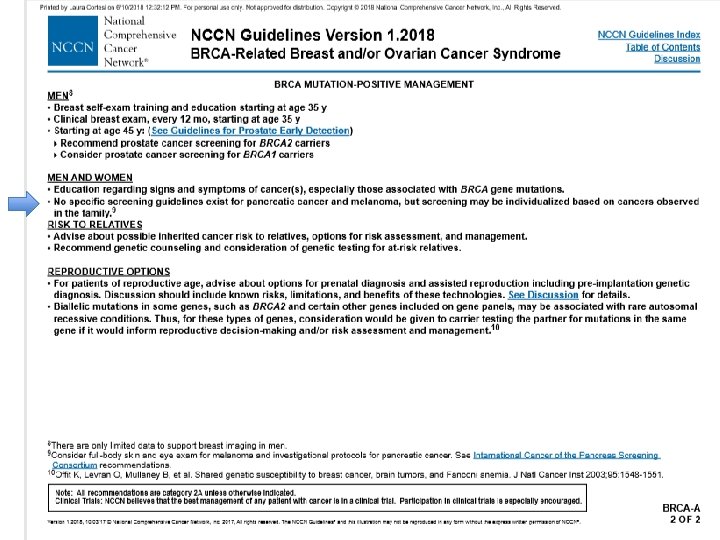
BRCA 1/2 Mutations: Cancer Risks BRCA 1 BRCA 2 Breast cancer to age 80 50 -85% Ovarian cancer to age 80 20 -60% up to 27% Male breast cancer Prostate cancer Slight incr. ~6% Slight incr. Pancreatic cancer No incr. 1. 5 -5% Melanoma No incr. Slight incr Daly MD: NCCN 2018 genetic/familial high-risk assessment clinical practice guidelines in oncology
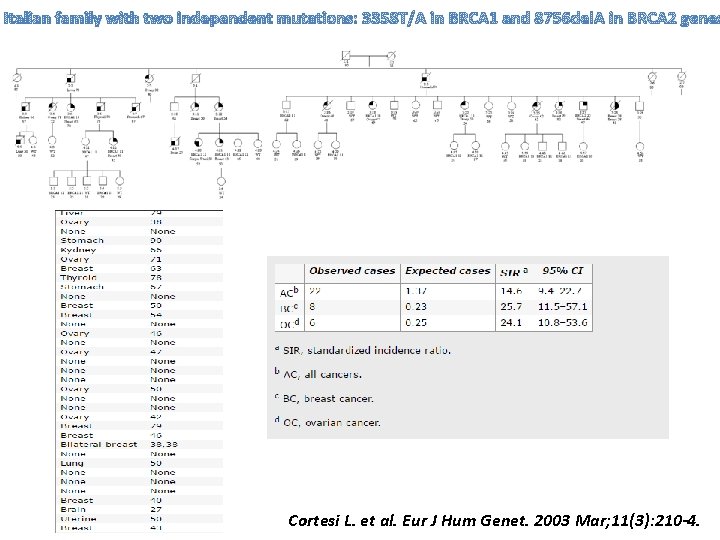
Italian family with two independent mutations: 3358 T/A in BRCA 1 and 8756 del. A in BRCA 2 genes Cortesi L. et al. Eur J Hum Genet. 2003 Mar; 11(3): 210 -4.
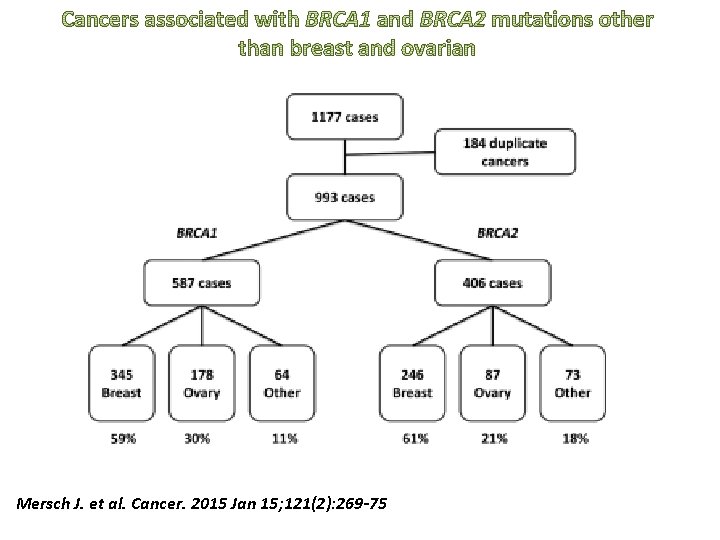
Mersch J. et al. Cancer. 2015 Jan 15; 121(2): 269 -75
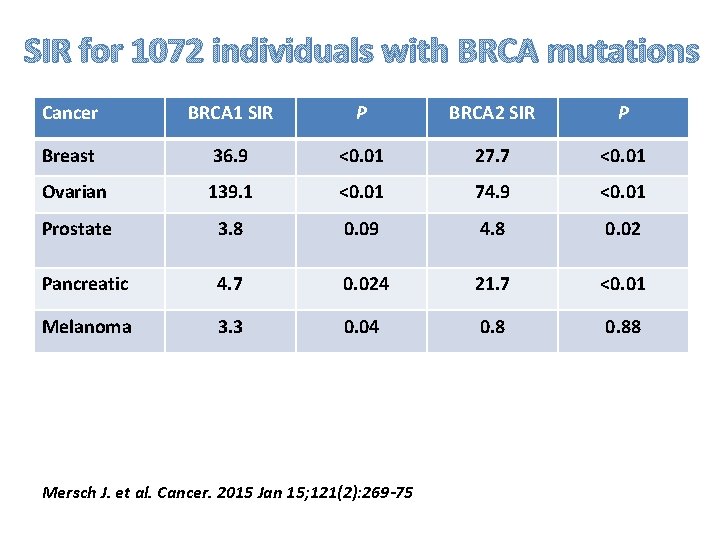
SIR for 1072 individuals with BRCA mutations Cancer BRCA 1 SIR P BRCA 2 SIR P Breast 36. 9 <0. 01 27. 7 <0. 01 Ovarian 139. 1 <0. 01 74. 9 <0. 01 Prostate 3. 8 0. 09 4. 8 0. 02 Pancreatic 4. 7 0. 024 21. 7 <0. 01 Melanoma 3. 3 0. 04 0. 88 Mersch J. et al. Cancer. 2015 Jan 15; 121(2): 269 -75
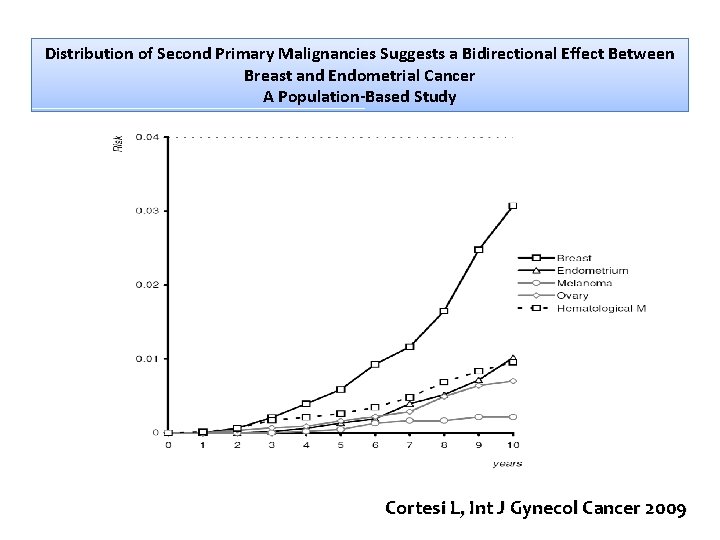
Distribution of Second Primary Malignancies Suggests a Bidirectional Effect Between Breast and Endometrial Cancer A Population-Based Study Cortesi L, Int J Gynecol Cancer 2009
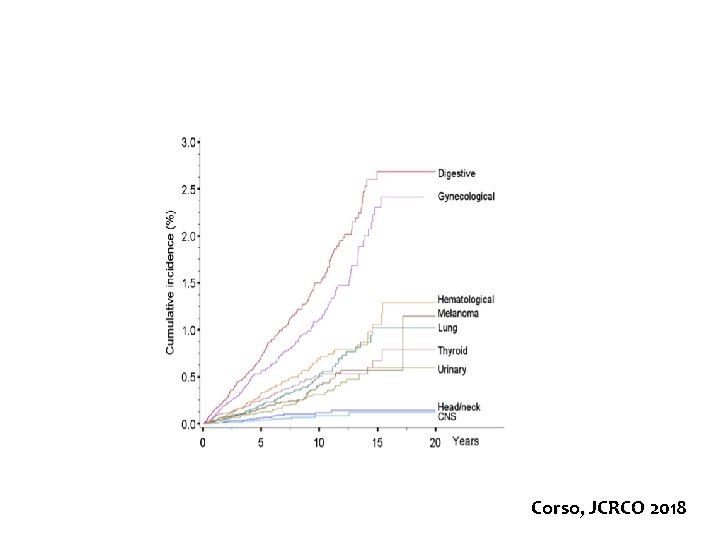
Corso, JCRCO 2018
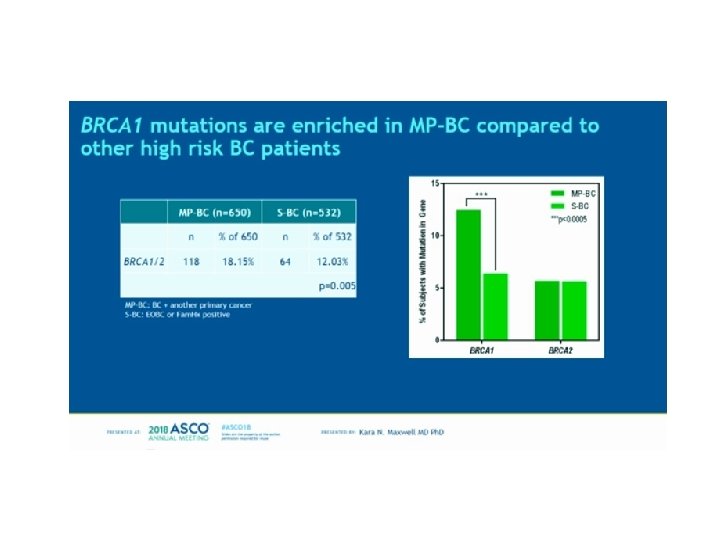
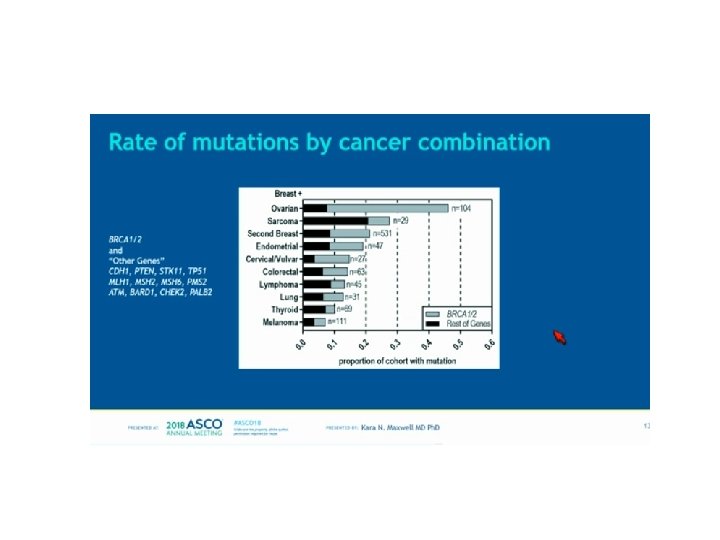

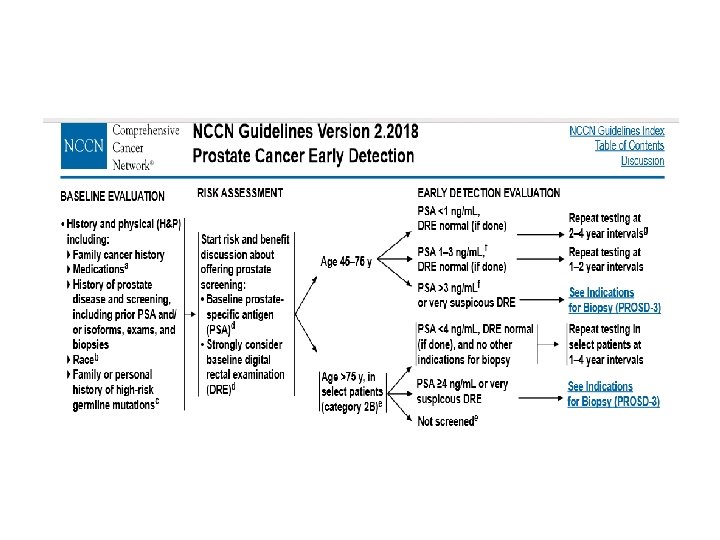
BRCA+ & PROSTATE CANCER SCREENING
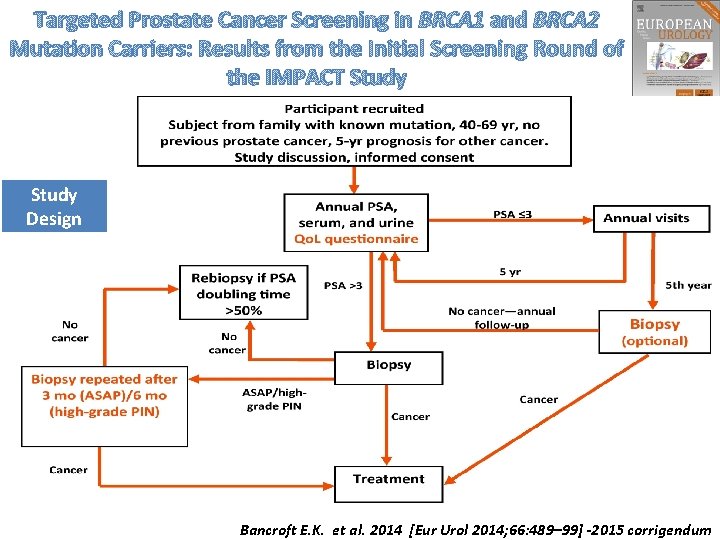
Targeted Prostate Cancer Screening in BRCA 1 and BRCA 2 Mutation Carriers: Results from the Initial Screening Round of the IMPACT Study Design Bancroft E. K. et al. 2014 [Eur Urol 2014; 66: 489– 99] -2015 corrigendum
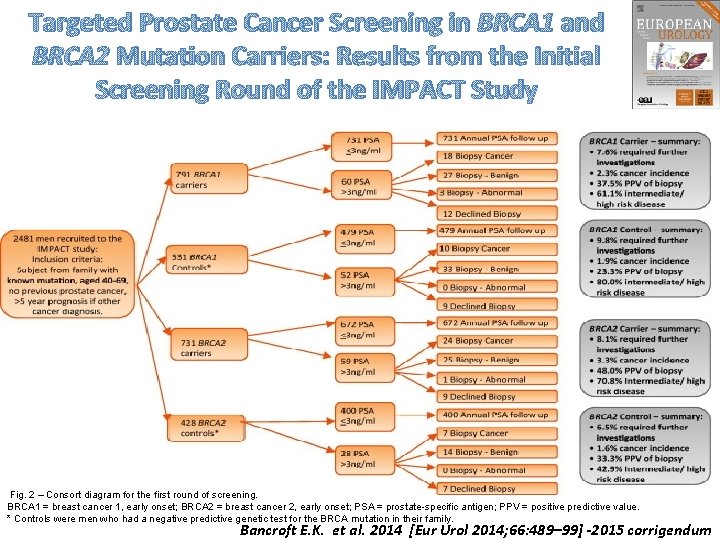
Targeted Prostate Cancer Screening in BRCA 1 and BRCA 2 Mutation Carriers: Results from the Initial Screening Round of the IMPACT Study Fig. 2 – Consort diagram for the first round of screening. BRCA 1 = breast cancer 1, early onset; BRCA 2 = breast cancer 2, early onset; PSA = prostate-specific antigen; PPV = positive predictive value. * Controls were men who had a negative predictive genetic test for the BRCA mutation in their family. Bancroft E. K. et al. 2014 [Eur Urol 2014; 66: 489– 99] -2015 corrigendum
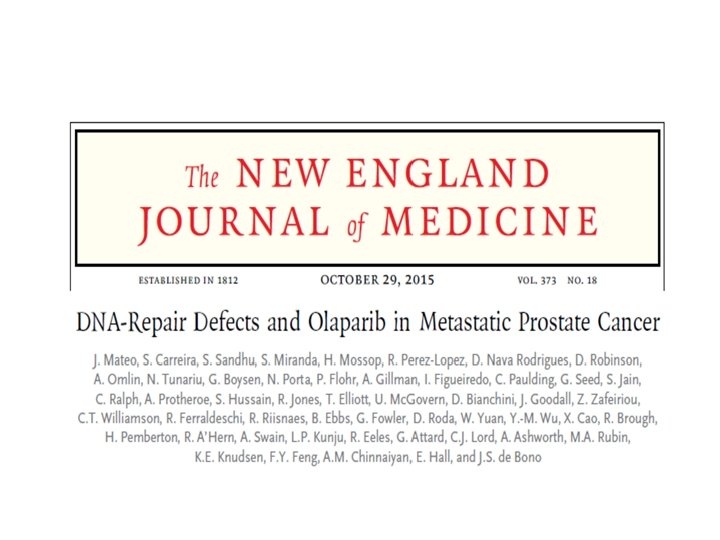
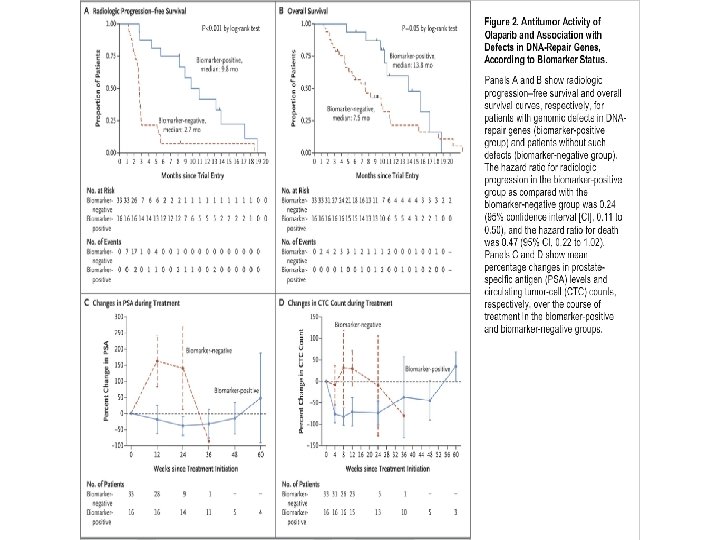
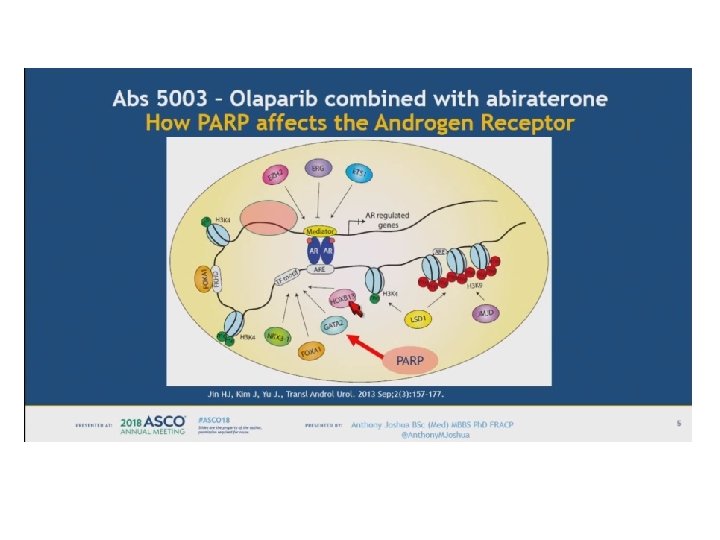
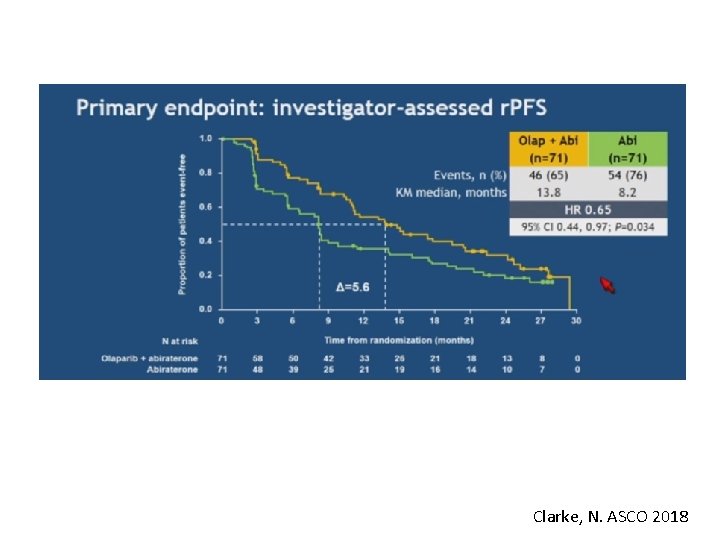
Clarke, N. ASCO 2018

BRCA+ & PANCREATIC CANCER SCREENING
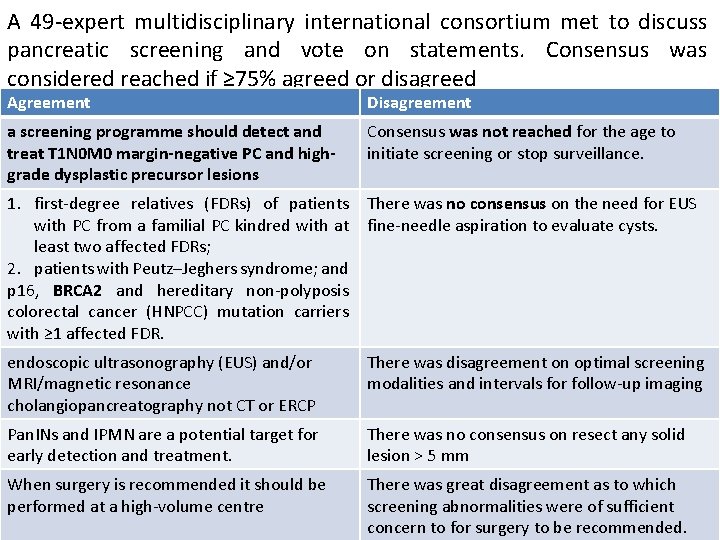
A 49 -expert multidisciplinary international consortium met to discuss pancreatic screening and vote on statements. Consensus was considered reached if ≥ 75% agreed or disagreed Agreement Disagreement a screening programme should detect and treat T 1 N 0 M 0 margin-negative PC and highgrade dysplastic precursor lesions Consensus was not reached for the age to initiate screening or stop surveillance. 1. first-degree relatives (FDRs) of patients There was no consensus on the need for EUS with PC from a familial PC kindred with at fine-needle aspiration to evaluate cysts. least two affected FDRs; 2. patients with Peutz–Jeghers syndrome; and p 16, BRCA 2 and hereditary non-polyposis colorectal cancer (HNPCC) mutation carriers with ≥ 1 affected FDR. endoscopic ultrasonography (EUS) and/or MRI/magnetic resonance cholangiopancreatography not CT or ERCP There was disagreement on optimal screening modalities and intervals for follow-up imaging Pan. INs and IPMN are a potential target for early detection and treatment. There was no consensus on resect any solid lesion > 5 mm When surgery is recommended it should be performed at a high-volume centre There was great disagreement as to which screening abnormalities were of sufficient concern to for surgery to be recommended.
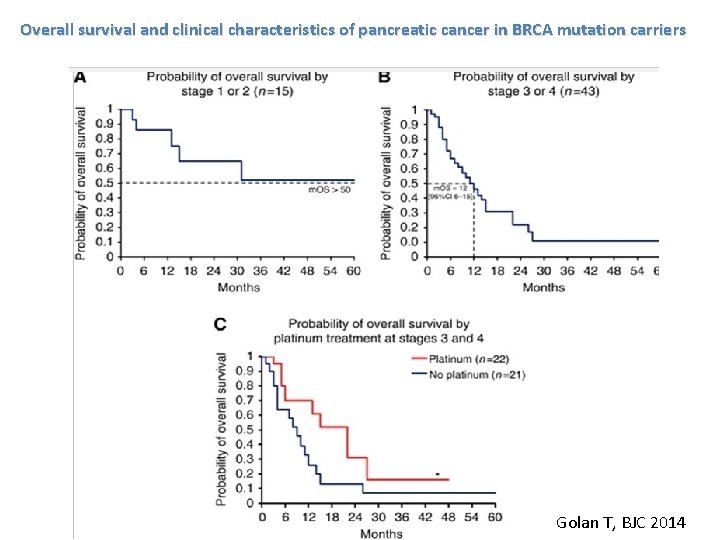
Overall survival and clinical characteristics of pancreatic cancer in BRCA mutation carriers Golan T, BJC 2014
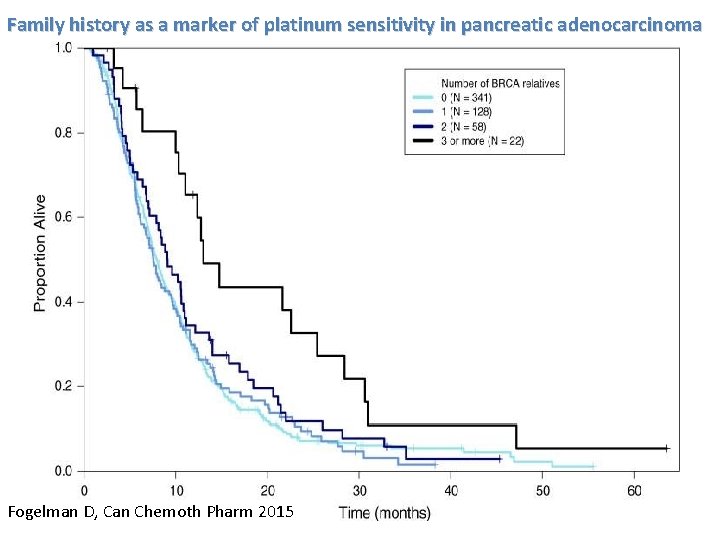
Family history as a marker of platinum sensitivity in pancreatic adenocarcinoma Fogelman D, Can Chemoth Pharm 2015
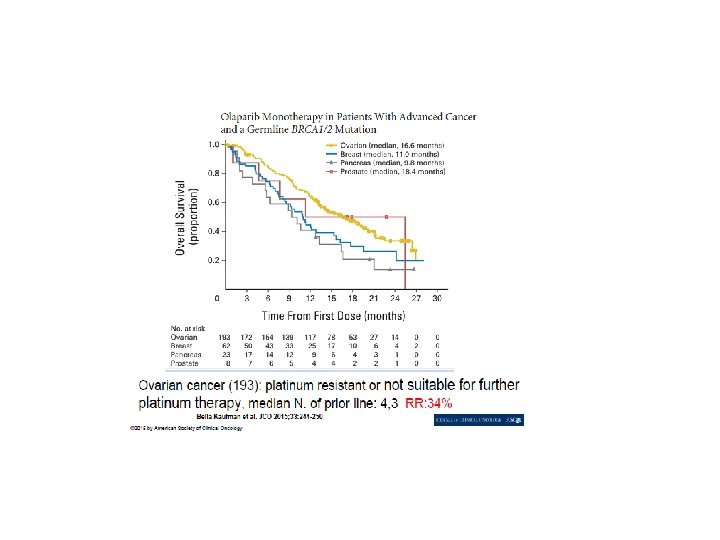

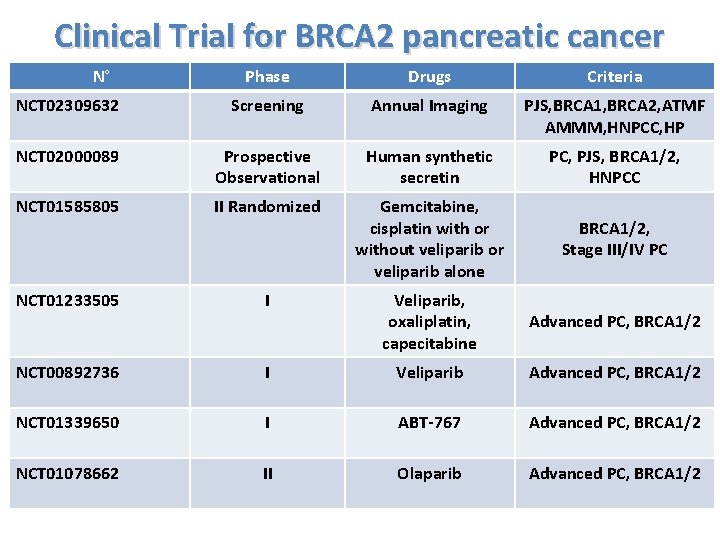
Clinical Trial for BRCA 2 pancreatic cancer N° Phase Drugs Criteria NCT 02309632 Screening Annual Imaging PJS, BRCA 1, BRCA 2, ATMF AMMM, HNPCC, HP NCT 02000089 Prospective Observational Human synthetic secretin PC, PJS, BRCA 1/2, HNPCC NCT 01585805 II Randomized Gemcitabine, cisplatin with or without veliparib or veliparib alone BRCA 1/2, Stage III/IV PC NCT 01233505 I Veliparib, oxaliplatin, capecitabine Advanced PC, BRCA 1/2 NCT 00892736 I Veliparib Advanced PC, BRCA 1/2 NCT 01339650 I ABT-767 Advanced PC, BRCA 1/2 NCT 01078662 II Olaparib Advanced PC, BRCA 1/2
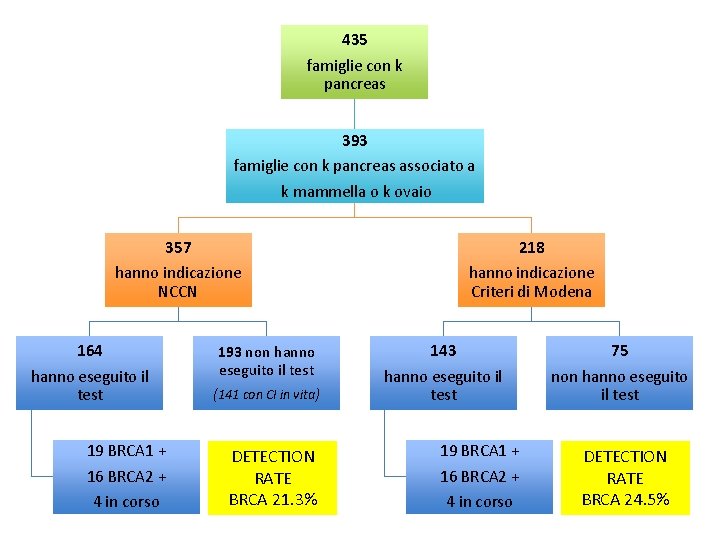
435 famiglie con k pancreas 393 famiglie con k pancreas associato a k mammella o k ovaio 357 hanno indicazione NCCN 164 hanno eseguito il test 19 BRCA 1 + 16 BRCA 2 + 4 in corso 193 non hanno eseguito il test (141 con CI in vita) DETECTION RATE BRCA 21. 3% 218 hanno indicazione Criteri di Modena 143 hanno eseguito il test 19 BRCA 1 + 16 BRCA 2 + 4 in corso 75 non hanno eseguito il test DETECTION RATE BRCA 24. 5%
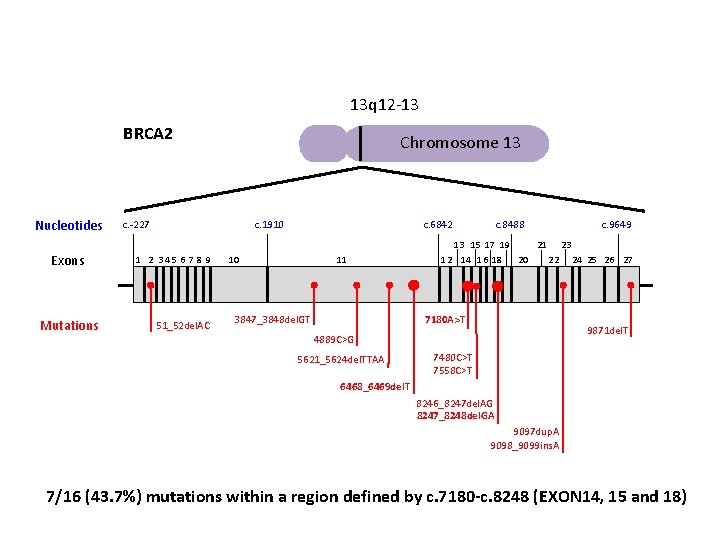
13 q 12 -13 BRCA 2 Nucleotides Chromosome 13 c. -227 c. 1910 c. 6842 c. 8488 13 15 17 19 Exons Mutations 1 2 3456 78 9 51_52 del. AC 10 11 3847_3848 del. GT 12 14 16 18 c. 9649 21 20 23 22 7180 A>T 9871 del. T 4889 C>G 5621_5624 del. TTAA 24 25 26 27 7480 C>T 7558 C>T 6468_6469 del. T 8246_8247 del. AG 8247_8248 del. GA 9097 dup. A 9098_9099 ins. A 7/16 (43. 7%) mutations within a region defined by c. 7180 -c. 8248 (EXON 14, 15 and 18)
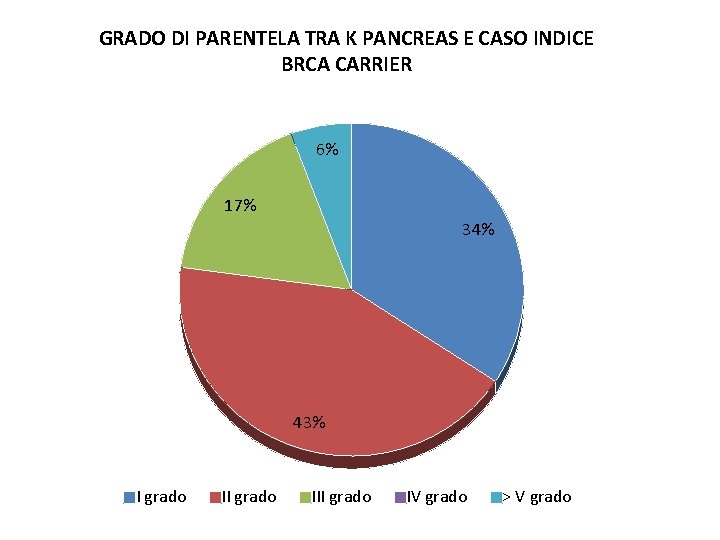
GRADO DI PARENTELA TRA K PANCREAS E CASO INDICE BRCA CARRIER 6% 17% 34% 43% I grado III grado IV grado > V grado
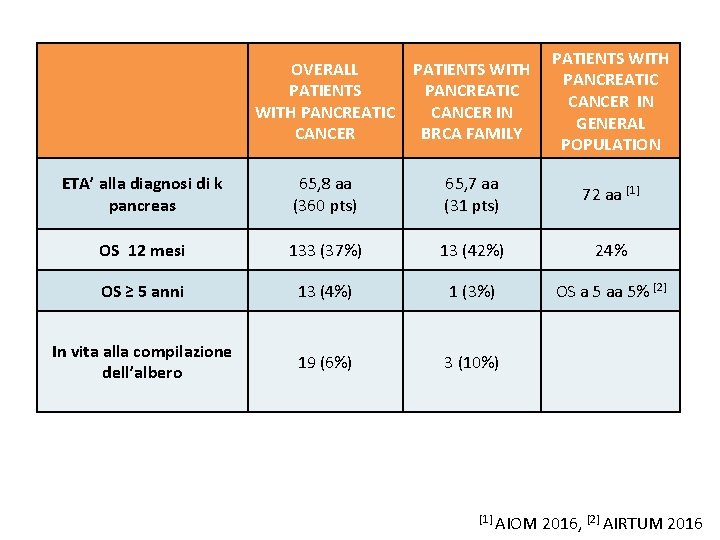
OVERALL PATIENTS WITH PATIENTS PANCREATIC WITH PANCREATIC CANCER IN CANCER BRCA FAMILY PATIENTS WITH PANCREATIC CANCER IN GENERAL POPULATION ETA’ alla diagnosi di k pancreas 65, 8 aa (360 pts) 65, 7 aa (31 pts) 72 aa [1] OS 12 mesi 133 (37%) 13 (42%) 24% OS ≥ 5 anni 13 (4%) 1 (3%) OS a 5 aa 5% [2] In vita alla compilazione dell’albero 19 (6%) 3 (10%) [1] AIOM 2016, [2] AIRTUM 2016
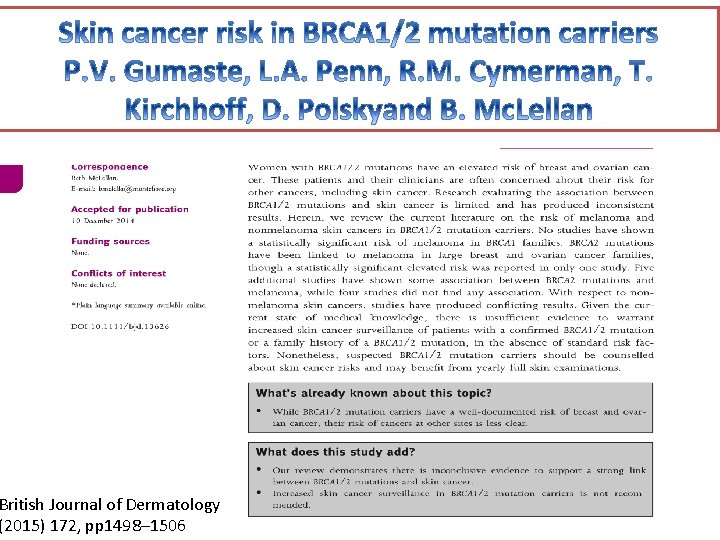
British Journal of Dermatology (2015) 172, pp 1498– 1506
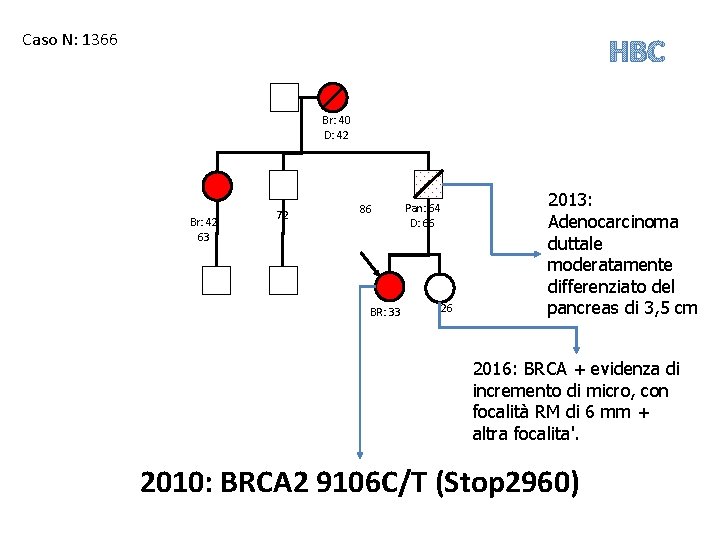
Caso N: 1366 HBC Br: 40 D: 42 Br: 42 63 72 86 BR: 33 Pan: 64 D: 66 26 2013: Adenocarcinoma duttale moderatamente differenziato del pancreas di 3, 5 cm 2016: BRCA + evidenza di incremento di micro, con focalità RM di 6 mm + altra focalita'. 2010: BRCA 2 9106 C/T (Stop 2960)
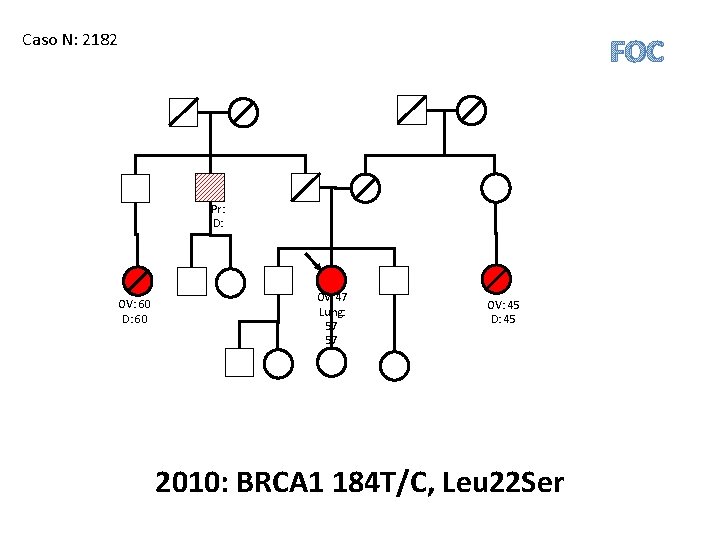
Caso N: 2182 FOC Pr: D: OV: 60 D: 60 Ov: 47 Lung: 57 57 OV: 45 D: 45 2010: BRCA 1 184 T/C, Leu 22 Ser
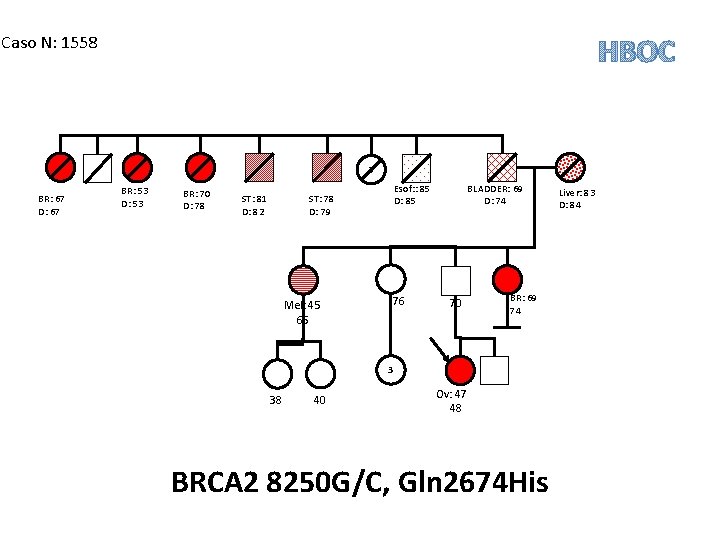
Caso N: 1558 HBOC 3 BR: 67 D: 67 BR: 53 D: 53 BR: 70 D: 78 Mel: 45 65 BLADDER: 69 D: 74 Esof: : 85 D: 85 ST: 78 D: 79 ST: 81 D: 82 76 70 BR: 69 74 3 38 40 Ov: 47 48 BRCA 2 8250 G/C, Gln 2674 His Liver: 83 D: 84
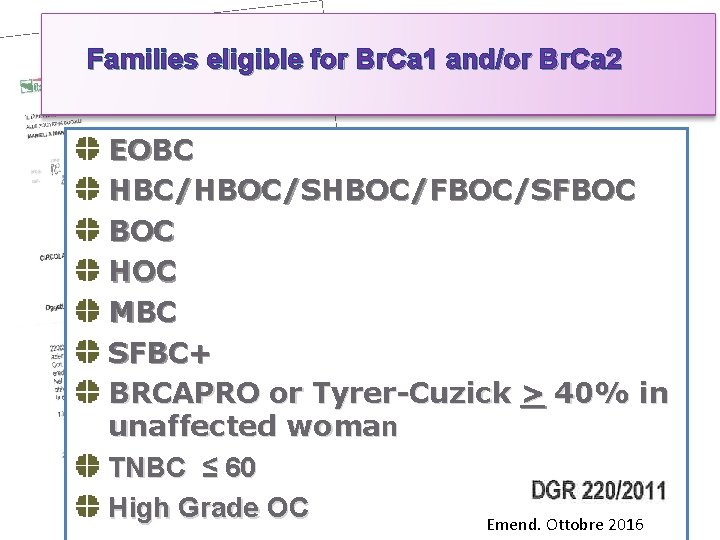
Families eligible for Br. Ca 1 and/or Br. Ca 2 EOBC HBC/HBOC/SHBOC/FBOC/SFBOC HOC MBC SFBC+ BRCAPRO or Tyrer-Cuzick > 40% in unaffected woman TNBC ≤ 60 High Grade OC Emend. Ottobre 2016
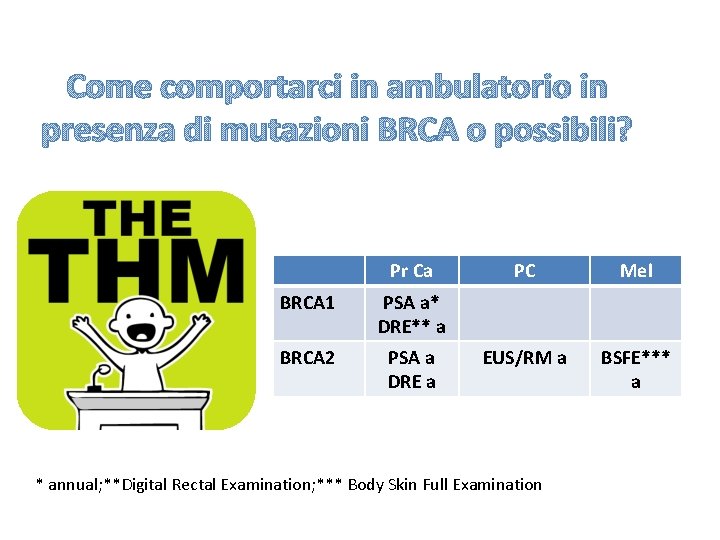
Come comportarci in ambulatorio in presenza di mutazioni BRCA o possibili? Pr Ca BRCA 1 PSA a* DRE** a BRCA 2 PSA a DRE a PC Mel EUS/RM a BSFE*** a * annual; **Digital Rectal Examination; *** Body Skin Full Examination
- Slides: 40