
NON ACCIDENTAL INJURY NAI M Anto ED Prov
- Slides: 24
NON ACCIDENTAL INJURY (NAI) M Anto ED Prov Fellow MVH 10 Nov 2016
Why is NAI important? • Immediate: physical injuries. • Longterm: MH issues. • Missed unless thought about. • - Classification (NSW): Neglect Physical Sexual Emotional Exposure to DV
Risk factors?
Risk factors • • • Low SES Unemployed Single parent Substance abuse 1 st child Prem Unplanned Stepchildren Disability Hx of parental abuse Birth parents more likely to abuse!
Questions!!! 1. What are concerning features on history or examination (excluding injuries) would make you suspicious of NAI? 2. What injuries are suspicious for NAI?
History • Details • Delay • PHx of same
Examination • • Caregiver Child Interaction Neglect
Injuries
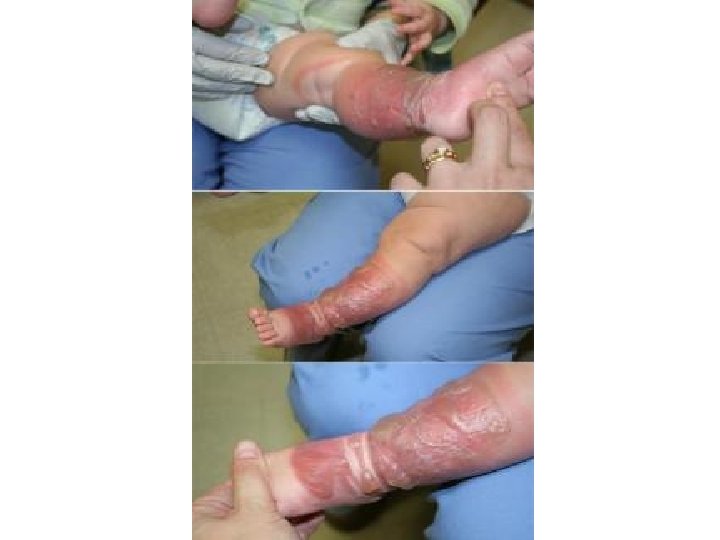
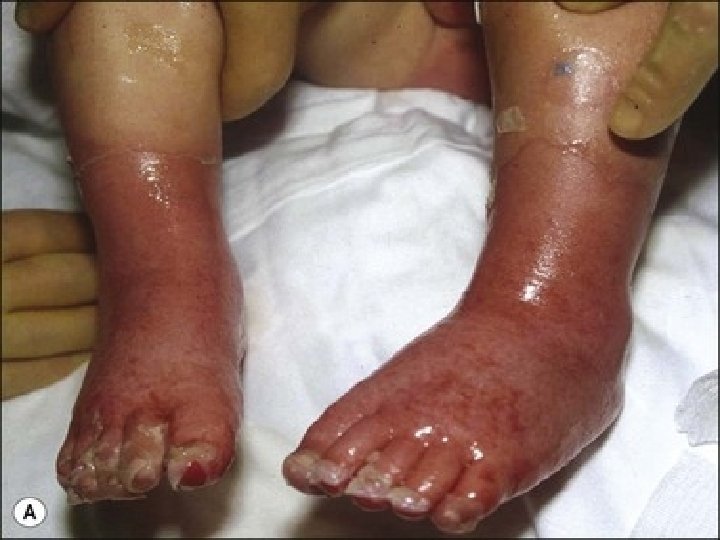
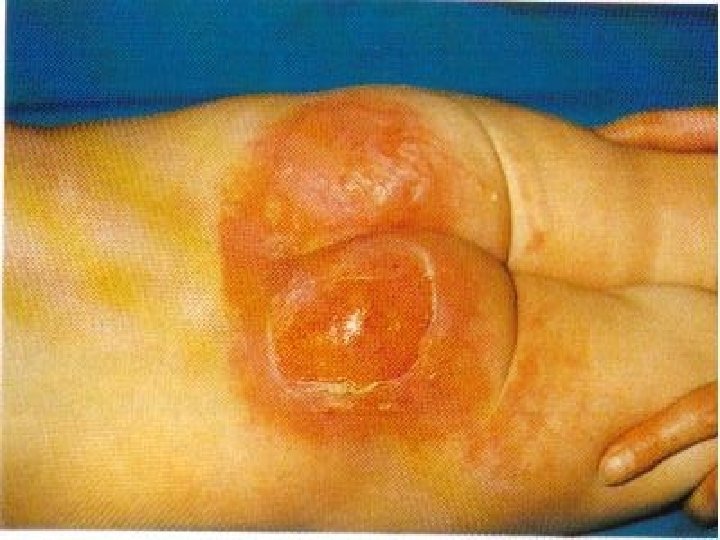
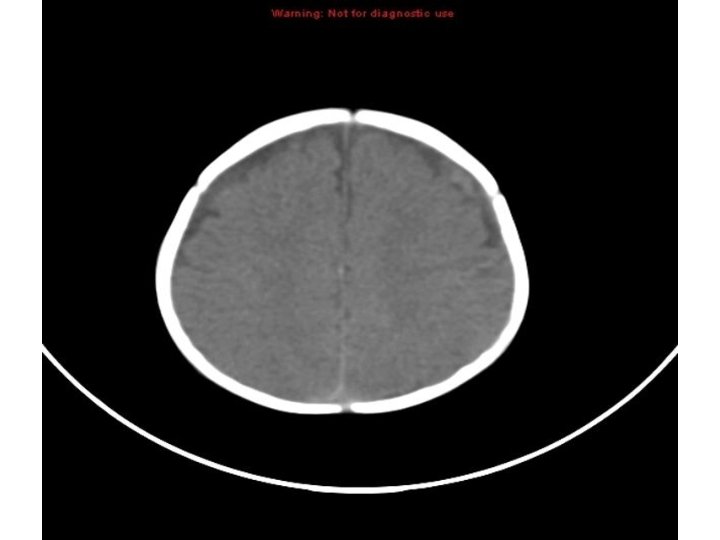
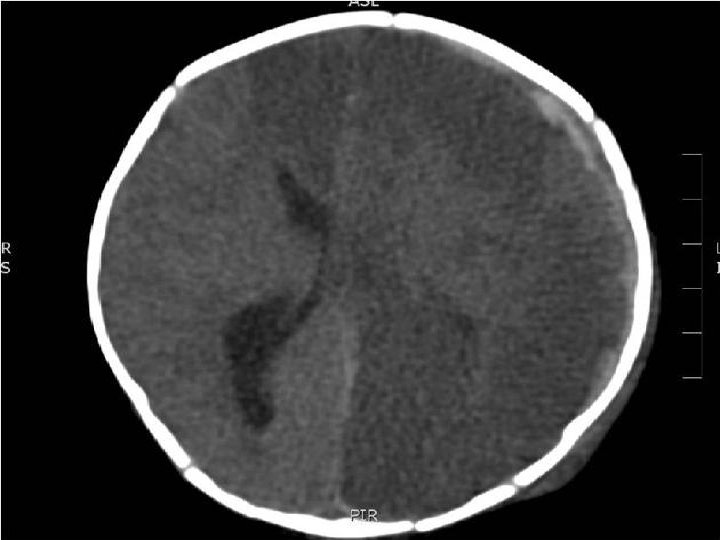
Injuries [non-ortho] • • • Bruises Pattern, circumferential, location, mum Burns Demarcated, branding ICH Abdo Eyes/retina
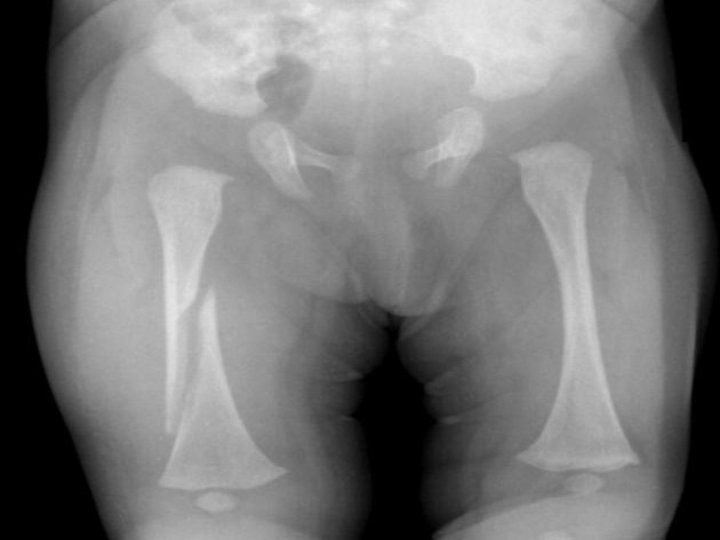
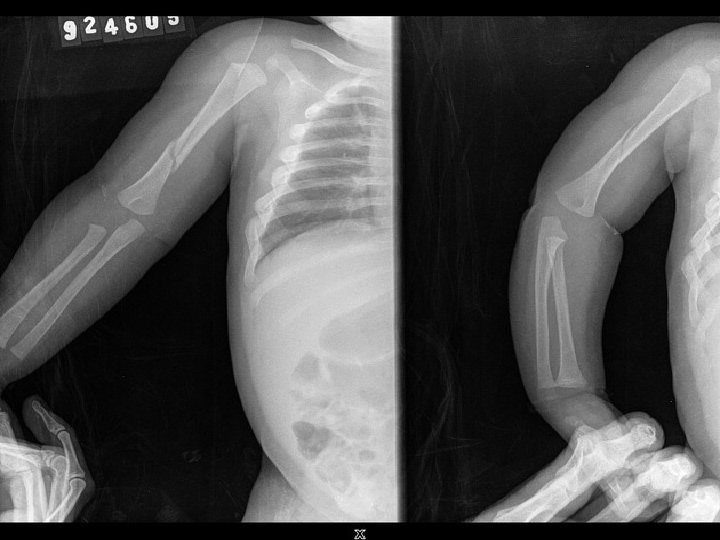
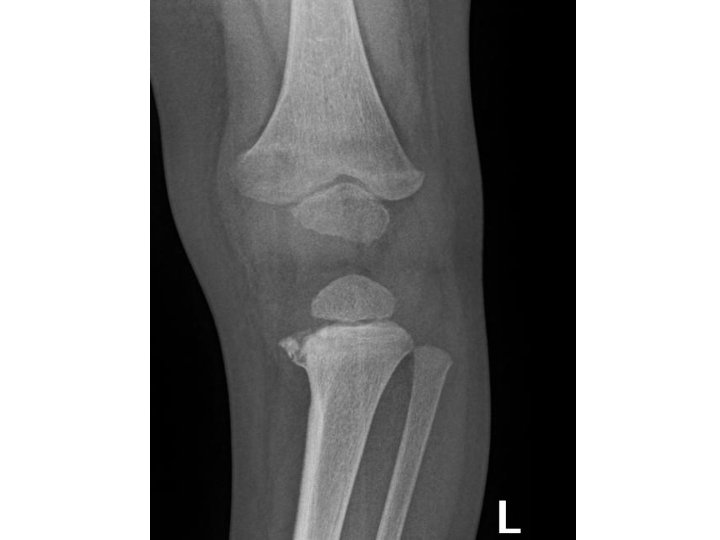
Injuries [ortho] • *Metaphyseal # (bucket handle #) – ‘pathognomonic’ • *Posterior rib # • *Scapula # • *Spinous process # • Skull # - Non parietal, multiple, depressed • Sternal # • Multiple, different ages
DD • Accidental • - Skeletal dysplasias Uncommon Schmid-type metaphyseal chondrodysplasia, osteogenesis imperfecta I/IV Features to differentiate osteogenesis imperfecta from NAI include • • Growth e. g. hip, base 5 MT, elbow, acromion Birth injuries Rickets Congenital syphillis - presence of osteopenia - bowing/remodelling of bones - presence of wormian bones
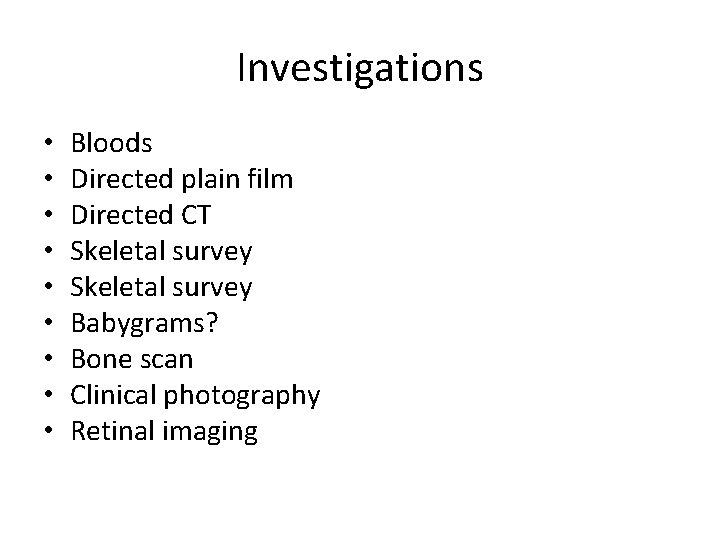
Investigations • • • Bloods Directed plain film Directed CT Skeletal survey Babygrams? Bone scan Clinical photography Retinal imaging
Resources • Mandatory reporter guide • SCAN (suspected child abuse and neglect) documentation • Child protection helpline 133 627 • NSW health child wellbeing unit 1300 480 420 • Tertiary children’s hospital – e. g. HI • Family referral services • Child protection training
What do you tell the family?
References • • • RCH: Child abuse NSW health guidelines Radiopedia The Bone School: Child abuse, NAI Diagnostic imaging pathways WA