
NLP for PMO Practitioners Dr Peter Parkes influence
- Slides: 35
NLP for PMO Practitioners Dr Peter Parkes
influence persuasion motivation communication conflict management Peter Parkes MBA FCMI FRSA FIo. D FAPM
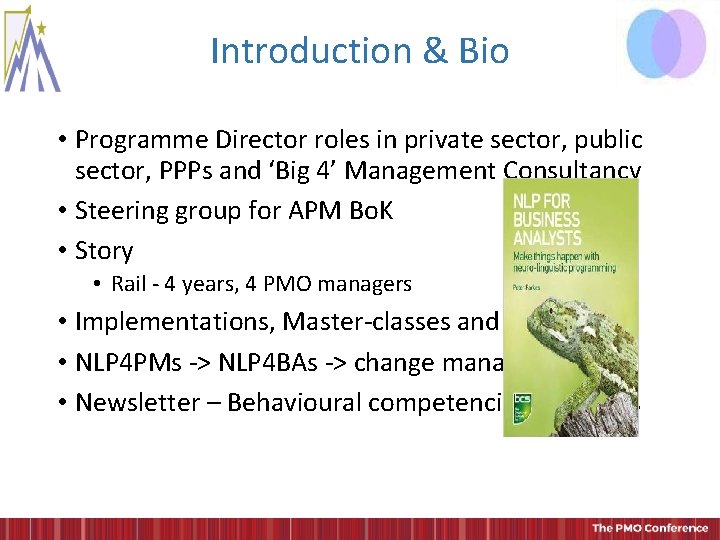
Introduction & Bio • Programme Director roles in private sector, public sector, PPPs and ‘Big 4’ Management Consultancy • Steering group for APM Bo. K • Story • Rail - 4 years, 4 PMO managers • Implementations, Master-classes and coaching • NLP 4 PMs -> NLP 4 BAs -> change management • Newsletter – Behavioural competencies for PMOs
Benefits of a PMO
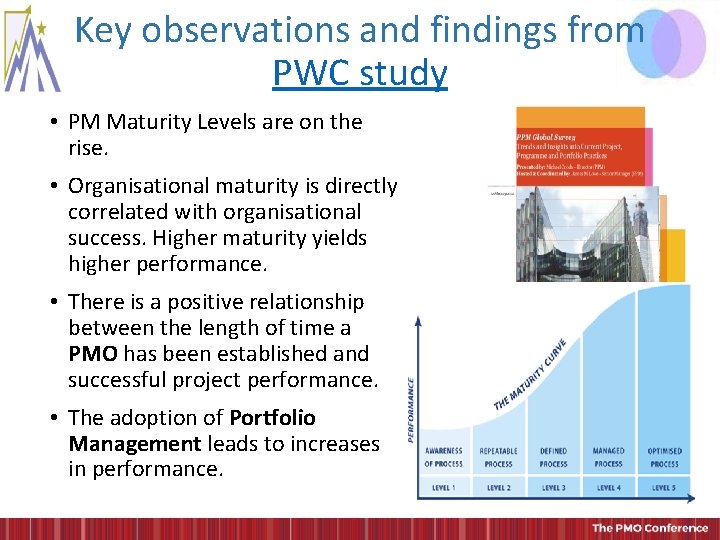
Key observations and findings from PWC study • PM Maturity Levels are on the rise. • Organisational maturity is directly correlated with organisational success. Higher maturity yields higher performance. • There is a positive relationship between the length of time a PMO has been established and successful project performance. • The adoption of Portfolio Management leads to increases in performance.
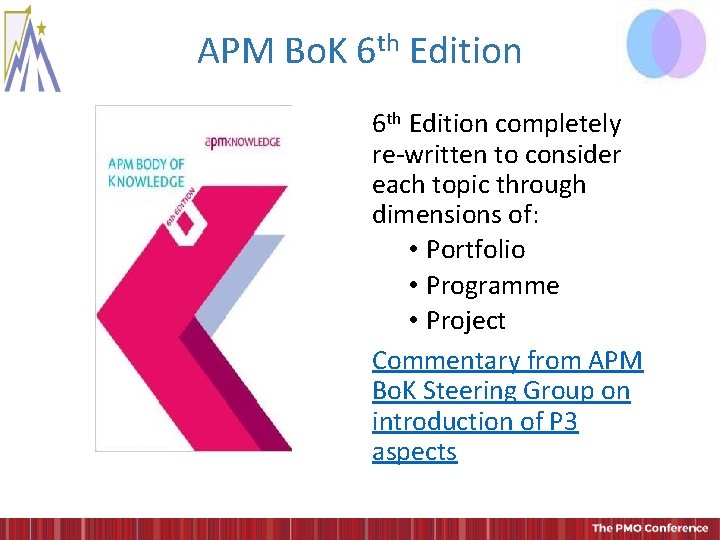
APM Bo. K 6 th Edition completely re-written to consider each topic through dimensions of: • Portfolio • Programme • Project Commentary from APM Bo. K Steering Group on introduction of P 3 aspects
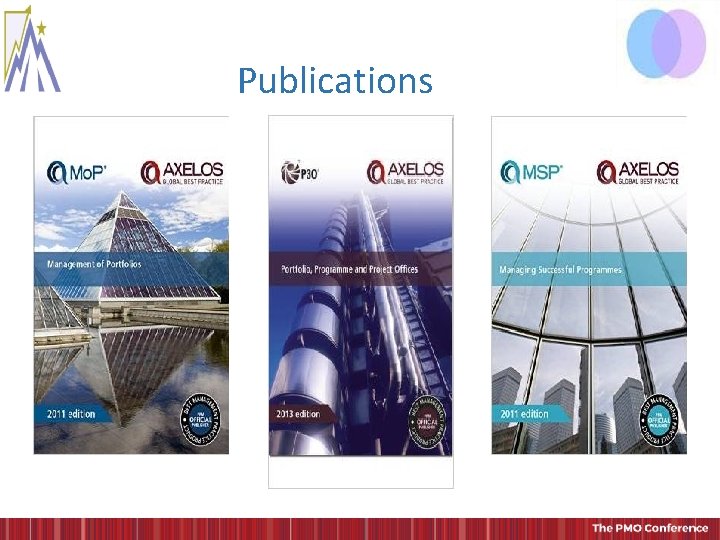
Publications
Barriers to Change
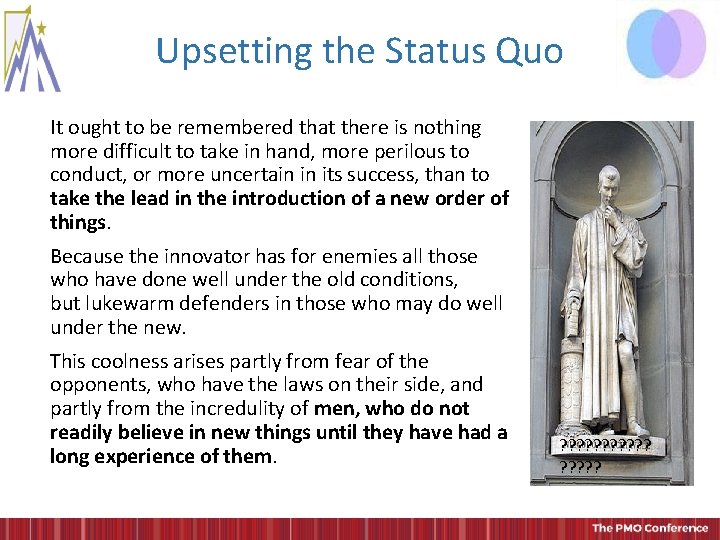
Upsetting the Status Quo It ought to be remembered that there is nothing more difficult to take in hand, more perilous to conduct, or more uncertain in its success, than to take the lead in the introduction of a new order of things. Because the innovator has for enemies all those who have done well under the old conditions, but lukewarm defenders in those who may do well under the new. This coolness arises partly from fear of the opponents, who have the laws on their side, and partly from the incredulity of men, who do not readily believe in new things until they have had a long experience of them. ? ? ? ?
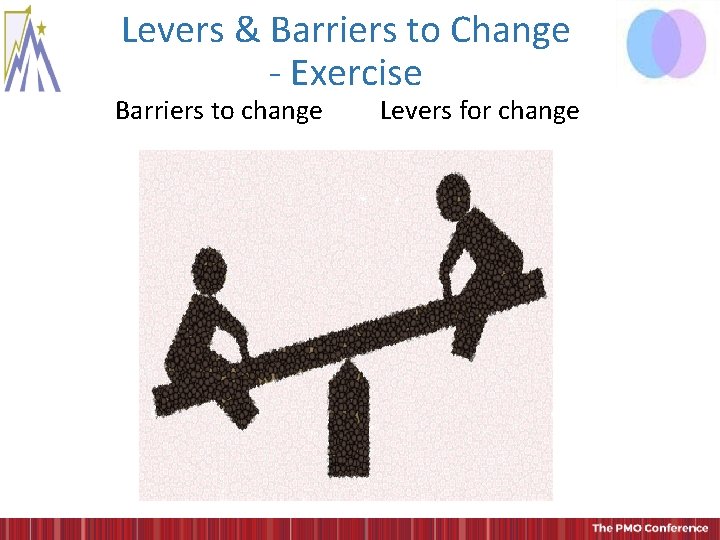
Levers & Barriers to Change - Exercise Barriers to change Levers for change
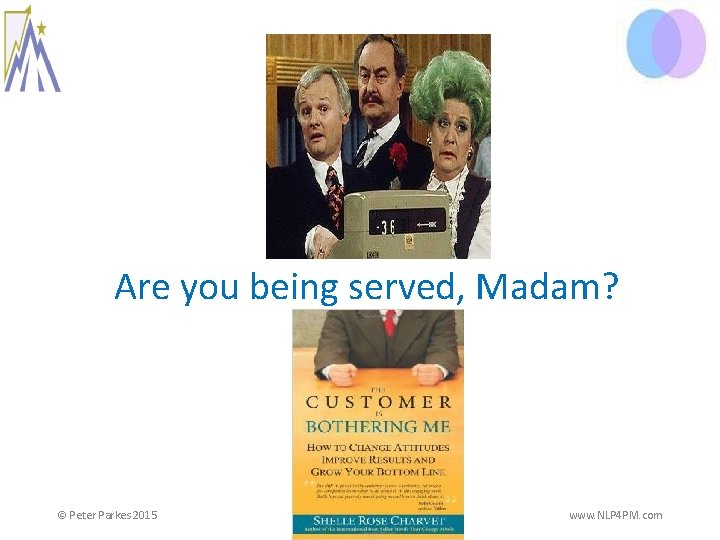
Are you being served, Madam? © Peter Parkes 2015 www. NLP 4 PM. com
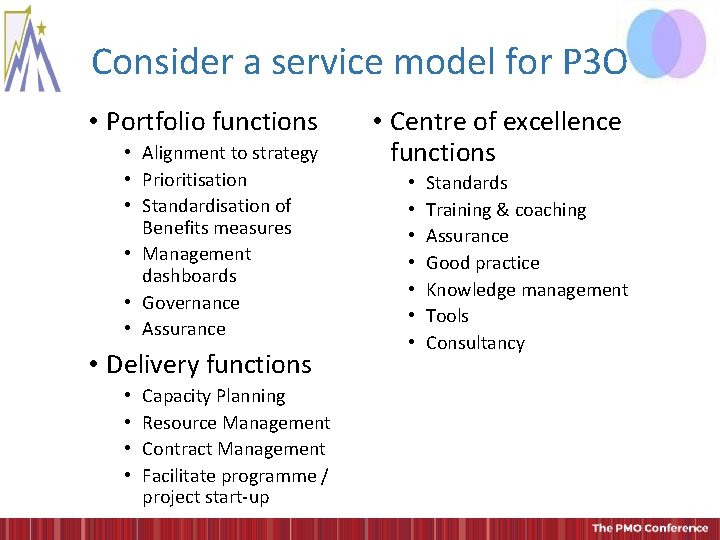
Consider a service model for P 3 O • Portfolio functions • Alignment to strategy • Prioritisation • Standardisation of Benefits measures • Management dashboards • Governance • Assurance • Delivery functions • • Capacity Planning Resource Management Contract Management Facilitate programme / project start-up • Centre of excellence functions • • Standards Training & coaching Assurance Good practice Knowledge management Tools Consultancy
Creating capability in your P 3 O
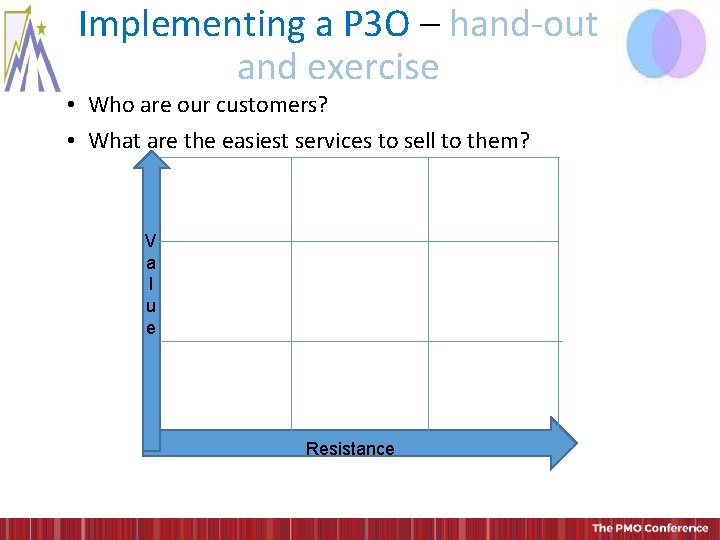
Implementing a P 3 O – hand-out and exercise • Who are our customers? • What are the easiest services to sell to them? V a l u e Resistance
Agile Change Management
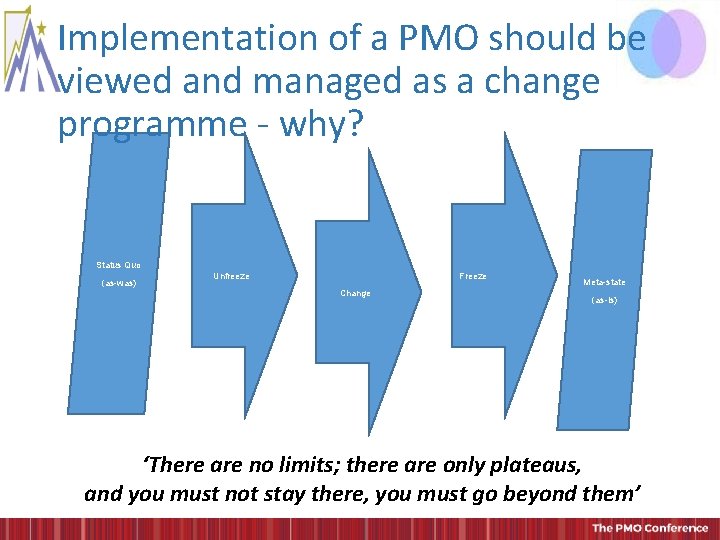
Implementation of a PMO should be viewed and managed as a change programme - why? Status Quo (as-was) Unfreeze Freeze Change Meta-state (as-is) ‘There are no limits; there are only plateaus, and you must not stay there, you must go beyond them’
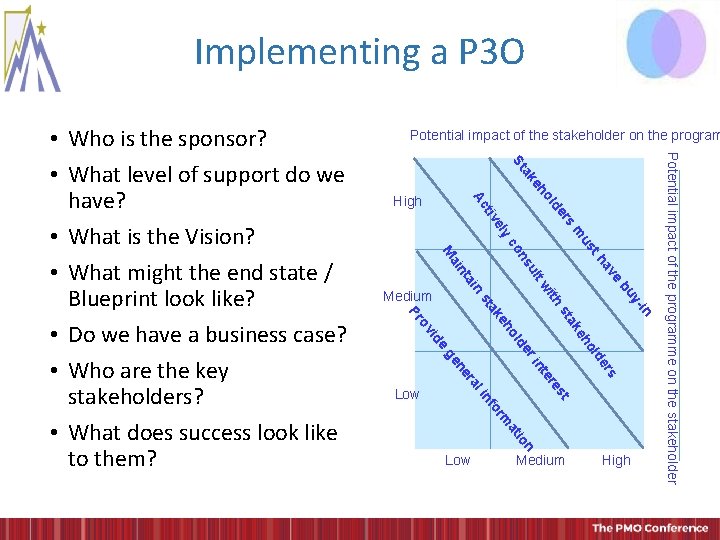
Implementing a P 3 O Potential impact of the stakeholder on the program s y m el e av lt in y- st ol eh ak st th bu wi n ai eh ak s ra e er ne nt ri ge r de ol e de id ov Low n io at m or nf st li Low th us u ns co nt ai M Medium High Potential impact of the programme on the stakeholder r de ol eh ak St tiv Ac High Pr • Who is the sponsor? • What level of support do we have? • What is the Vision? • What might the end state / Blueprint look like? • Do we have a business case? • Who are the key stakeholders? • What does success look like to them?
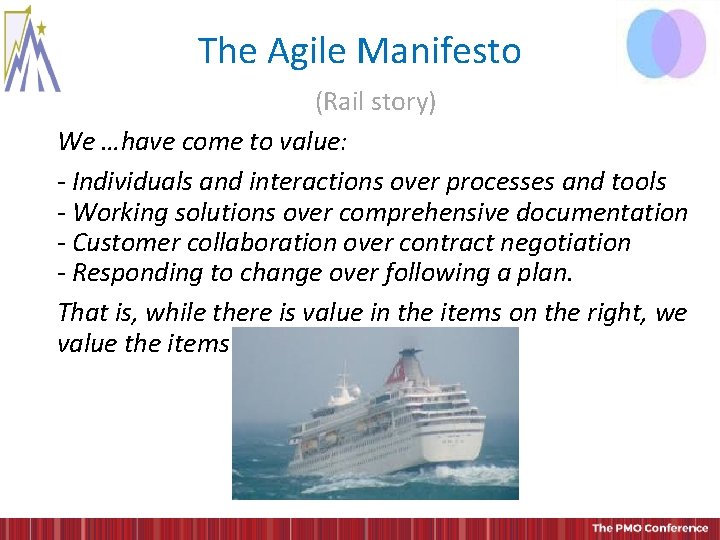
The Agile Manifesto (Rail story) We …have come to value: - Individuals and interactions over processes and tools - Working solutions over comprehensive documentation - Customer collaboration over contract negotiation - Responding to change over following a plan. That is, while there is value in the items on the right, we value the items on the left more. ”
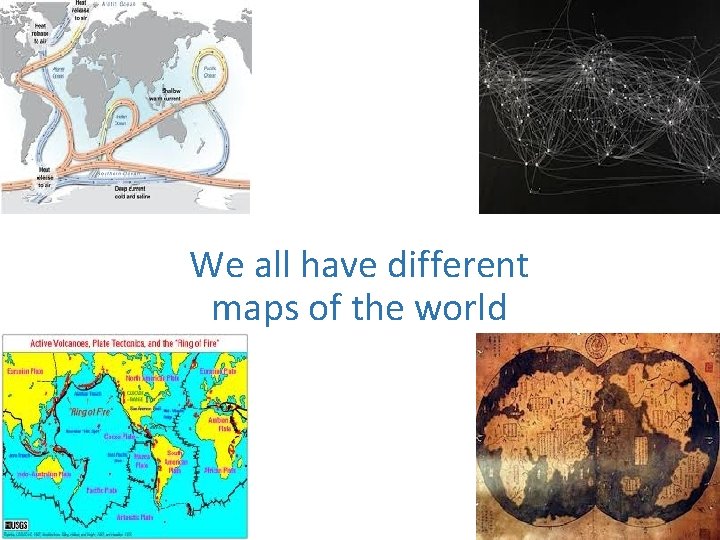
We all have different maps of the world 20
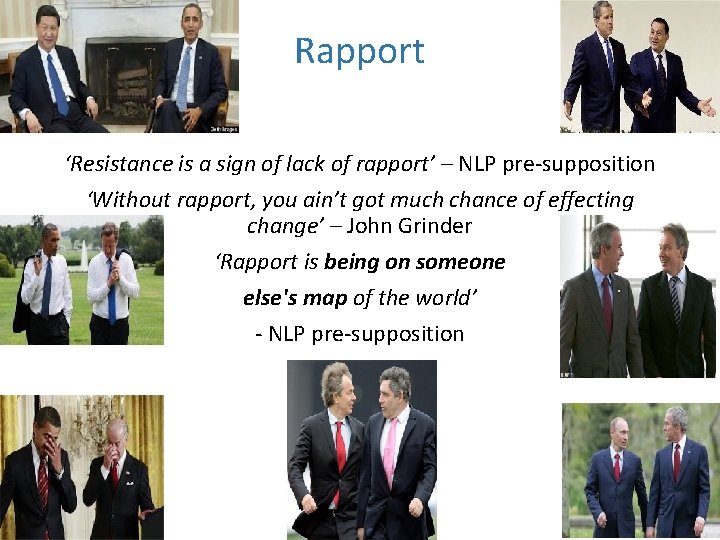
Rapport ‘Resistance is a sign of lack of rapport’ – NLP pre-supposition ‘Without rapport, you ain’t got much chance of effecting change’ – John Grinder ‘Rapport is being on someone else's map of the world’ - NLP pre-supposition
What makes up our maps of the world? Different world-views • ? Different behaviours / metaprograms • ?
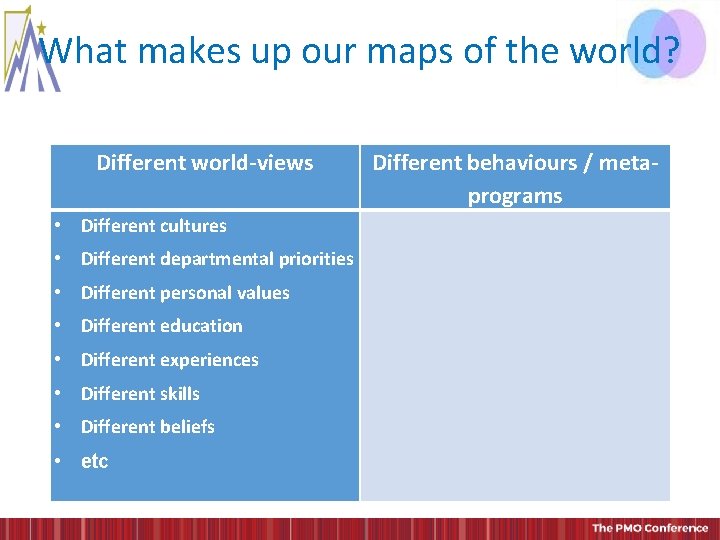
What makes up our maps of the world? Different world-views • Different cultures • Different departmental priorities • Different personal values • Different education • Different experiences • Different skills • Different beliefs • etc Different behaviours / metaprograms
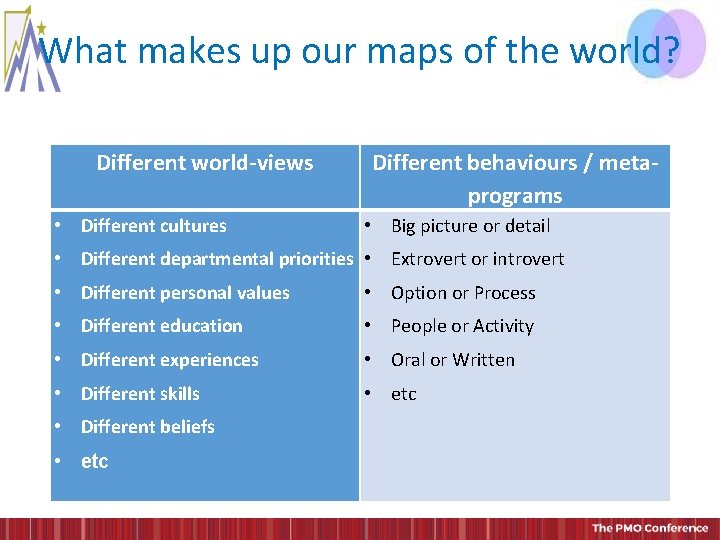
What makes up our maps of the world? Different world-views • Different cultures Different behaviours / metaprograms • Big picture or detail • Different departmental priorities • Extrovert or introvert • Different personal values • Option or Process • Different education • People or Activity • Different experiences • Oral or Written • Different skills • etc • Different beliefs • etc
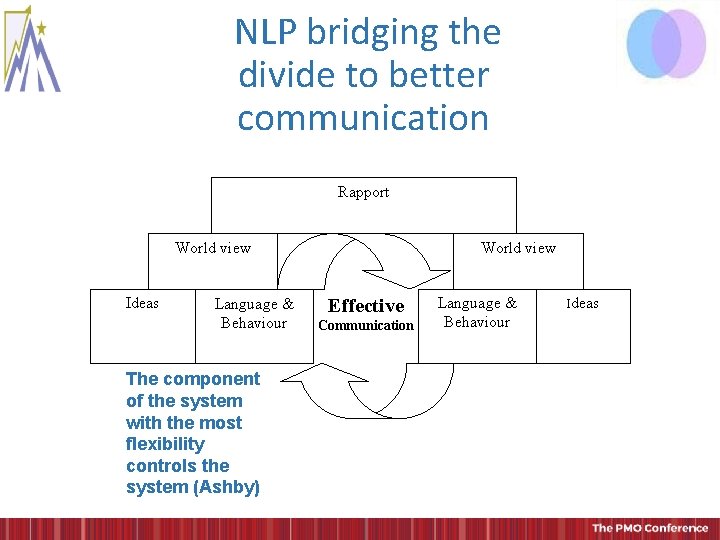
NLP bridging the divide to better communication Rapport World view Ideas Language & Behaviour The component of the system with the most flexibility controls the system (Ashby) World view Effective Communication Language & Behaviour Ideas
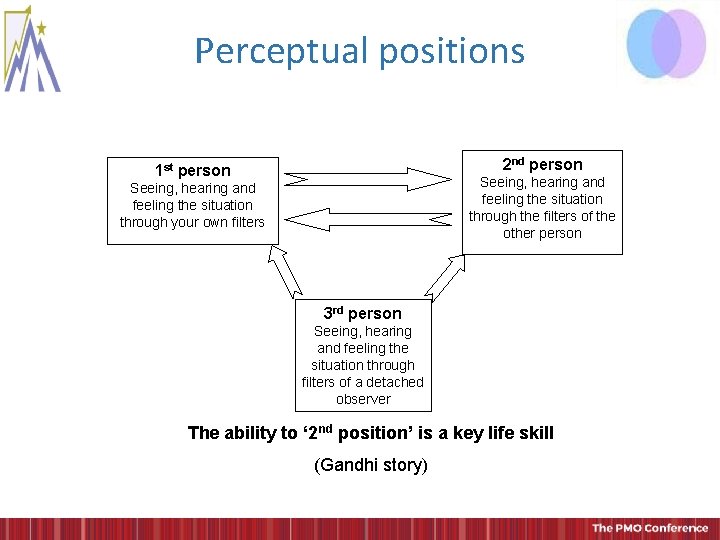
Perceptual positions 2 nd person 1 st person Seeing, hearing and feeling the situation through the filters of the other person Seeing, hearing and feeling the situation through your own filters 3 rd person Seeing, hearing and feeling the situation through filters of a detached observer The ability to ‘ 2 nd position’ is a key life skill (Gandhi story)
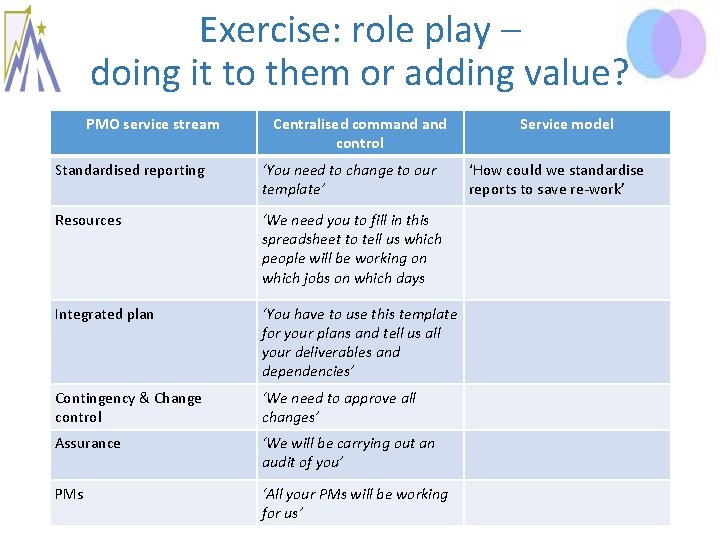
Exercise: role play – doing it to them or adding value? PMO service stream Centralised command control Standardised reporting ‘You need to change to our template’ Resources ‘We need you to fill in this spreadsheet to tell us which people will be working on which jobs on which days Integrated plan ‘You have to use this template for your plans and tell us all your deliverables and dependencies’ Contingency & Change control ‘We need to approve all changes’ Assurance ‘We will be carrying out an audit of you’ PMs ‘All your PMs will be working for us’ Service model ‘How could we standardise reports to save re-work’
How not Why
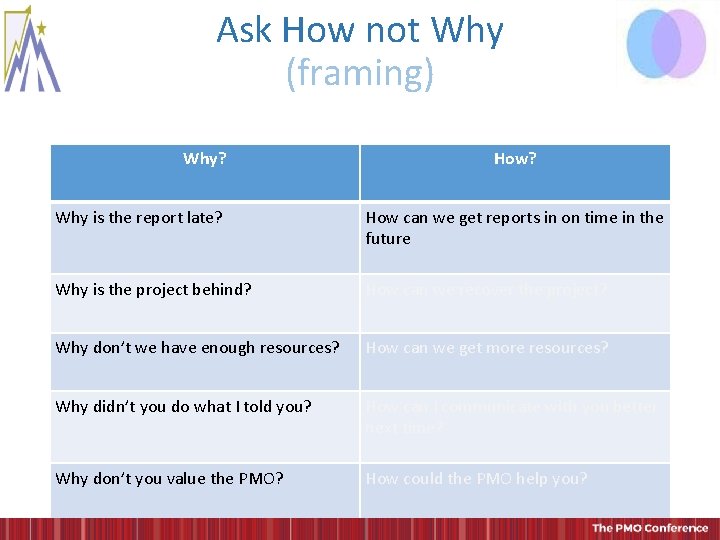
Ask How not Why (framing) Why? How? Why is the report late? How can we get reports in on time in the future Why is the project behind? How can we recover the project? Why don’t we have enough resources? How can we get more resources? Why didn’t you do what I told you? How can I communicate with you better next time? Why don’t you value the PMO? How could the PMO help you?
To Agreement
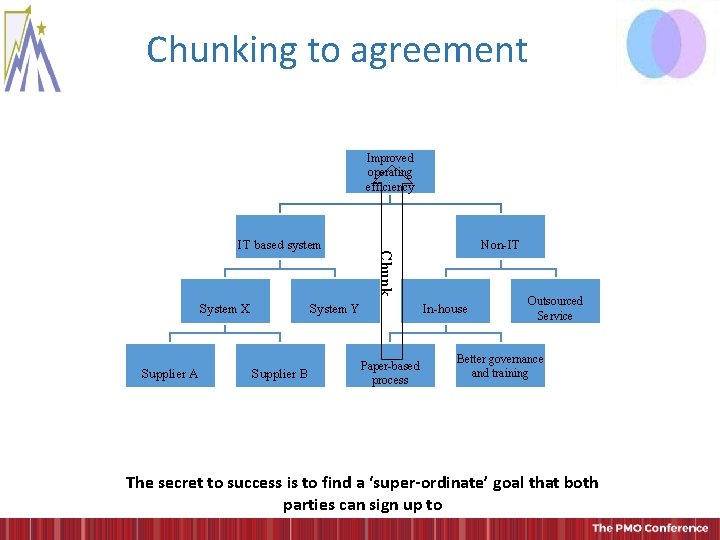
Chunking to agreement Improved operating efficiency System X Supplier A System Y Supplier B Non-IT Chunk IT based system In-house Paper-based process Outsourced Service Better governance and training The secret to success is to find a ‘super-ordinate’ goal that both parties can sign up to
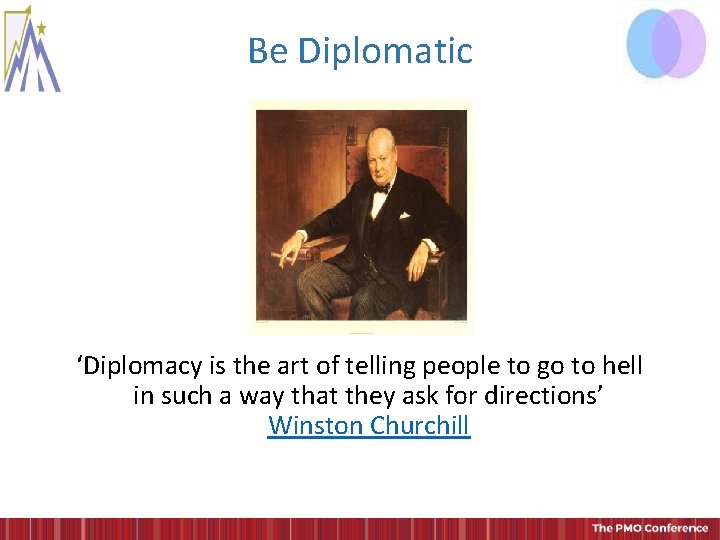
Be Diplomatic ‘Diplomacy is the art of telling people to go to hell in such a way that they ask for directions’ Winston Churchill
Summary • NLP for PMO Practitioners is all about focusing on the behavioural competencies that enable you to become better equipped at building relationships across the organisation: • Influence • motivation • communication • conflict management • persuasion • The ‘soft skills’ that PMO practitioners regularly need to draw on in order to deliver value added services and functions to their organisations.
We help you to build PM capability • • • Consulting Building delivery capability Implementing PMOs Project assurance and recovery Establishing governance and portfolio management Maturity assessments and action plans Training & Coaching • Developing behavioural competences • Master-classes in key topics such as: • Stakeholder Management • Change Management • Governance & Assurance • Executive coaching & support to Sponsors • Certified programmes for Higher Apprentices in PM
Its good to talk Talk to me on +44 7764 319600 Skype: Dr. Peter. Parkes Email me at Peter. Parkes@NLP 4 PM. com Visit us at www. NLP 4 PM. com Join Linked. In Group ‘NLP for Project Management’ Twitter @ NLP 4 PM Linked. In: Peter. Parkes. MBA