
Nile Perch from Lake Victoria Genetic Diversity Fitness

- Slides: 68
Nile Perch from Lake Victoria
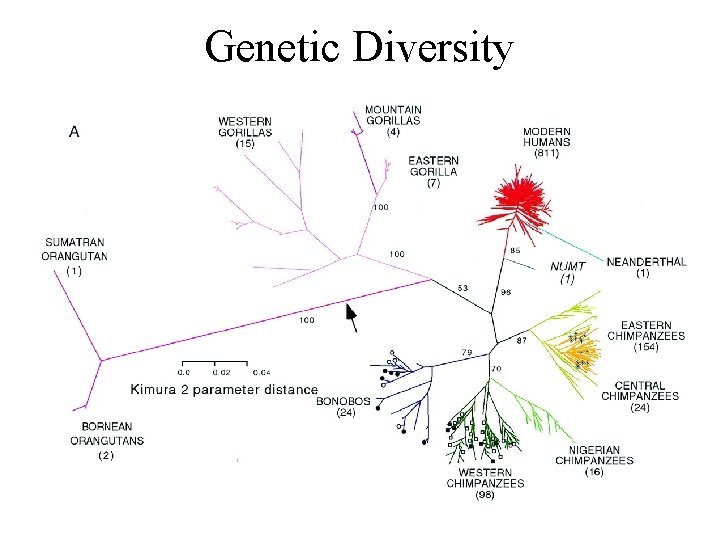
Genetic Diversity
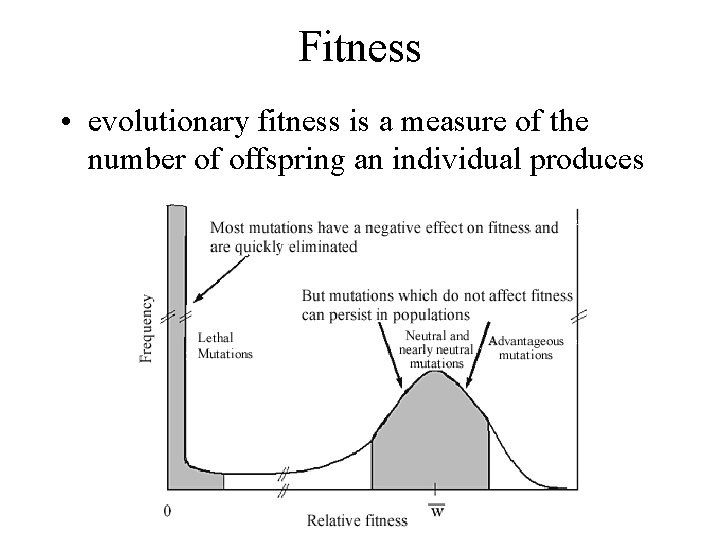
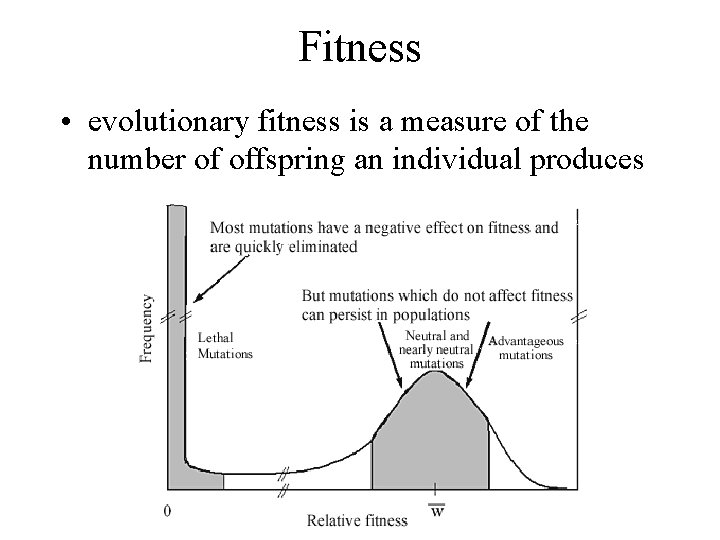
Fitness • evolutionary fitness is a measure of the number of offspring an individual produces
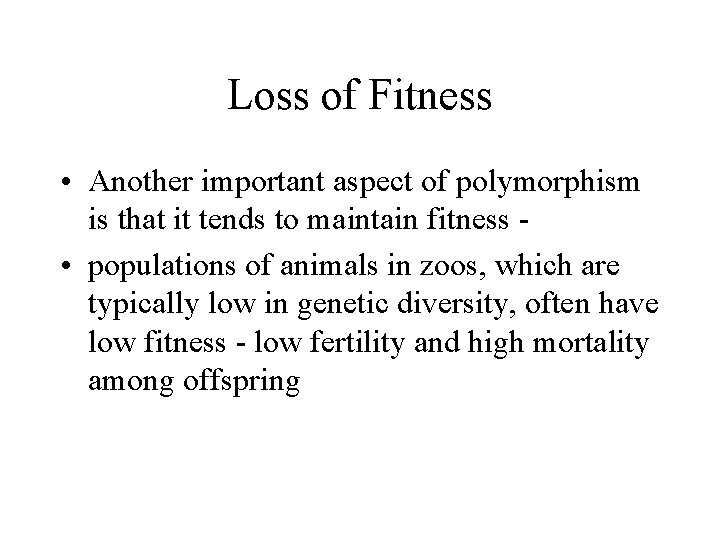
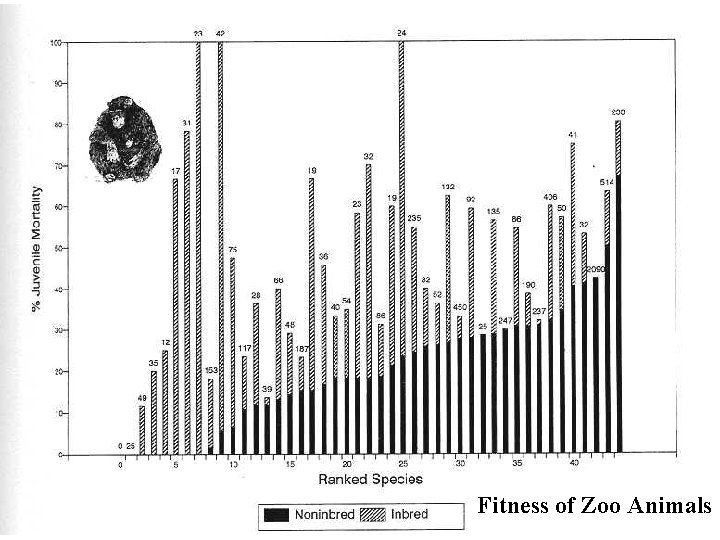
Loss of Fitness • Another important aspect of polymorphism is that it tends to maintain fitness • populations of animals in zoos, which are typically low in genetic diversity, often have low fitness - low fertility and high mortality among offspring
Fitness of Zoo Animals
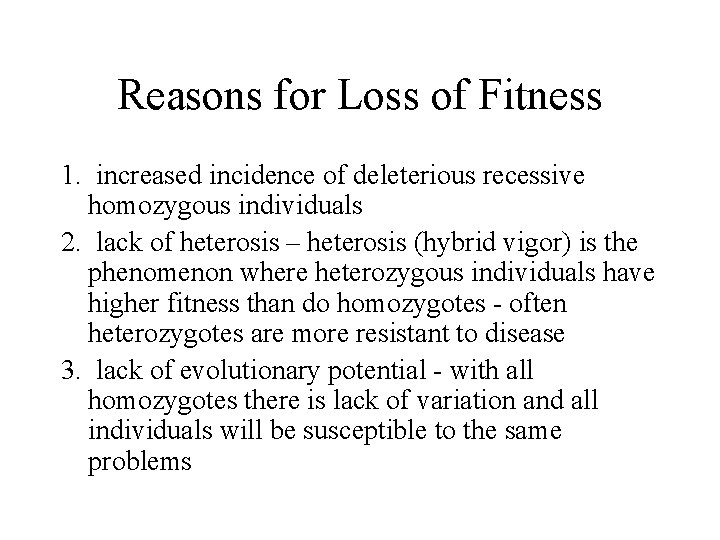
Reasons for Loss of Fitness 1. increased incidence of deleterious recessive homozygous individuals 2. lack of heterosis – heterosis (hybrid vigor) is the phenomenon where heterozygous individuals have higher fitness than do homozygotes - often heterozygotes are more resistant to disease 3. lack of evolutionary potential - with all homozygotes there is lack of variation and all individuals will be susceptible to the same problems
Inbreeding Depression • Inbreeding depression is the loss of fitness resulting from the breeding of closely related individuals - it occurs due to the three reasons listed before
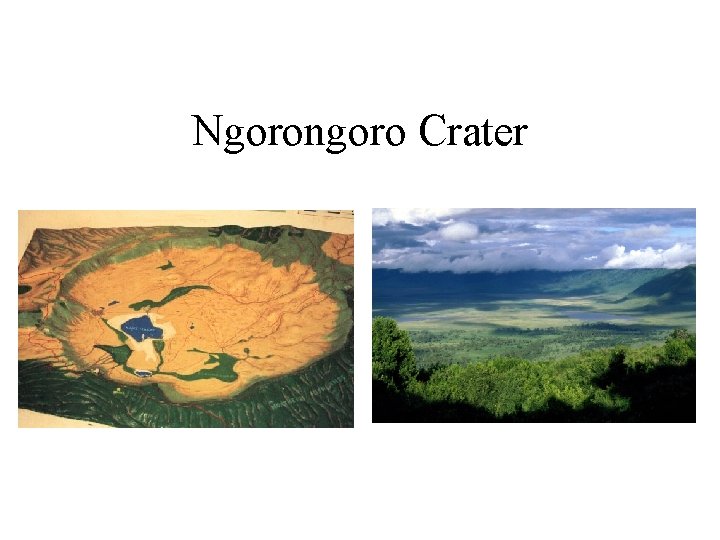
Ngorongoro Crater
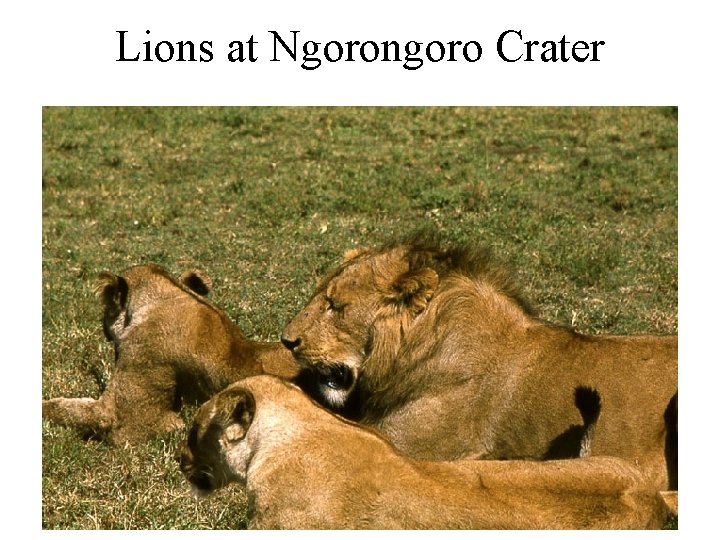
Lions at Ngorongoro Crater
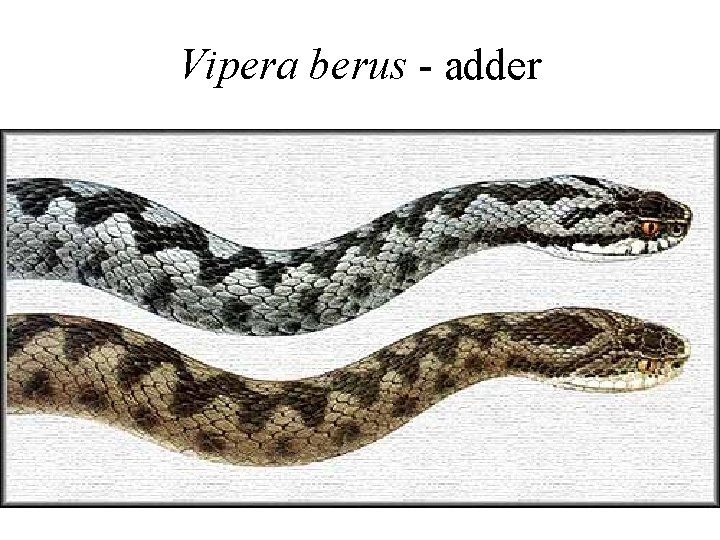
Vipera berus - adder
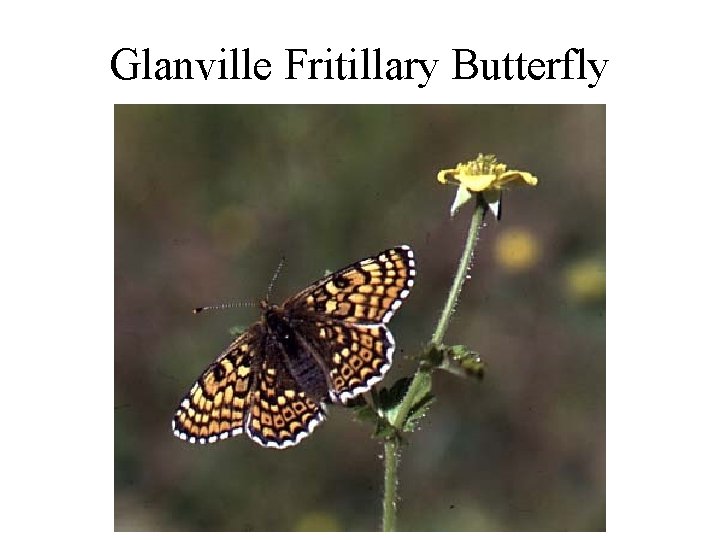
Glanville Fritillary Butterfly
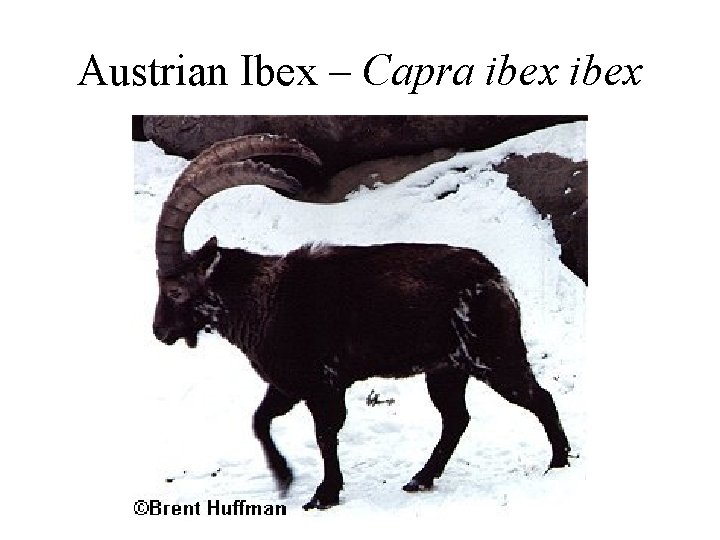
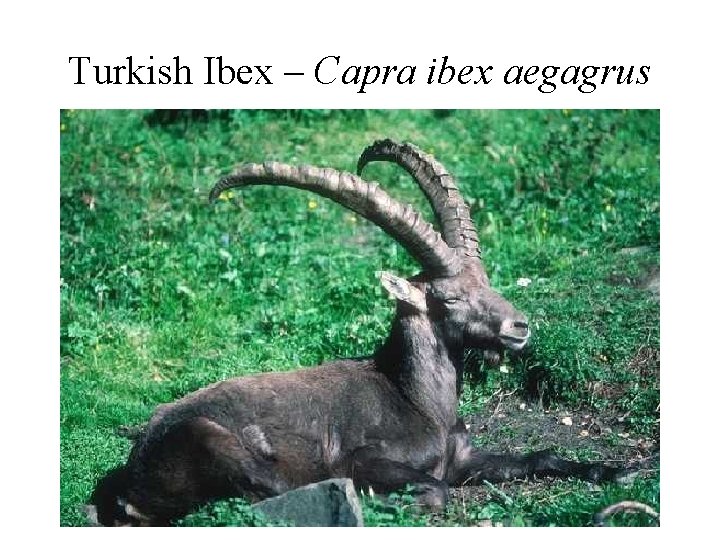
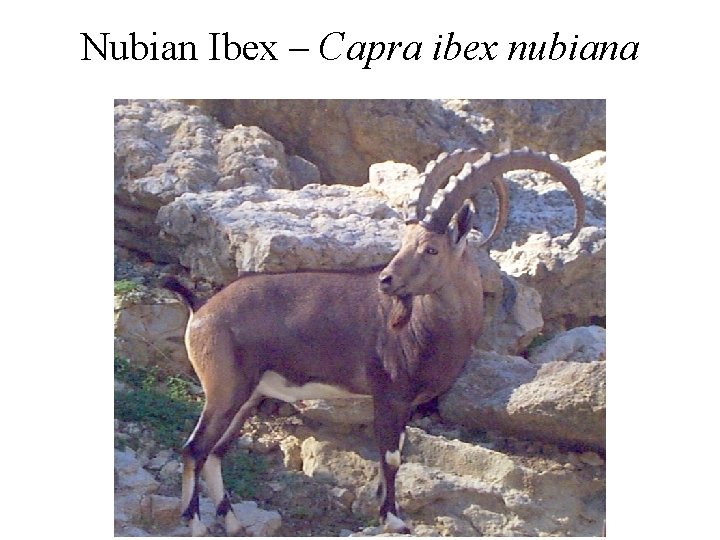
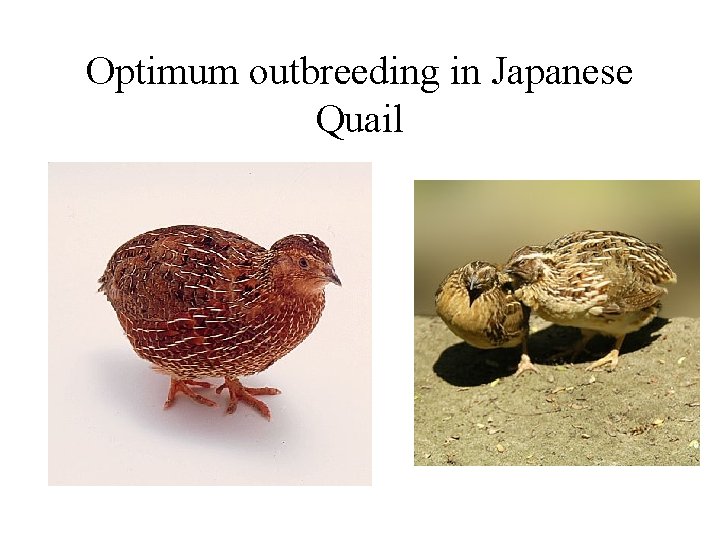
Outbreeding Depression • The loss of fitness that occurs when distantly related individuals breed – • This occurs because certain populations may have been selected for traits that are successful in their environment, so that introducing novel traits may reduce fitness for that environment
Austrian Ibex – Capra ibex
Turkish Ibex – Capra ibex aegagrus
Nubian Ibex – Capra ibex nubiana
Optimum outbreeding in Japanese Quail
Fitness • evolutionary fitness is a measure of the number of offspring an individual produces
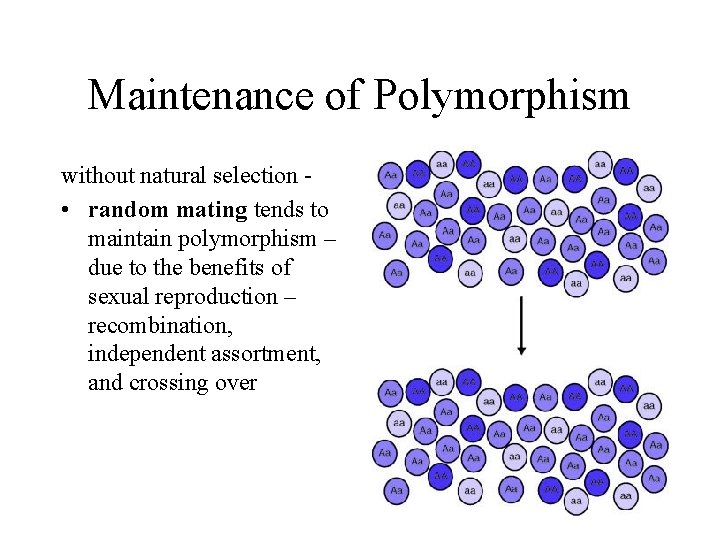
Maintenance of Polymorphism without natural selection • random mating tends to maintain polymorphism – due to the benefits of sexual reproduction – recombination, independent assortment, and crossing over
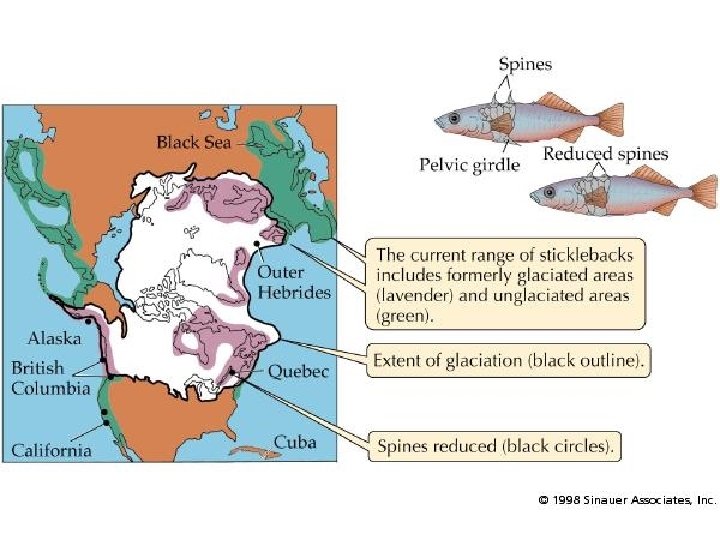
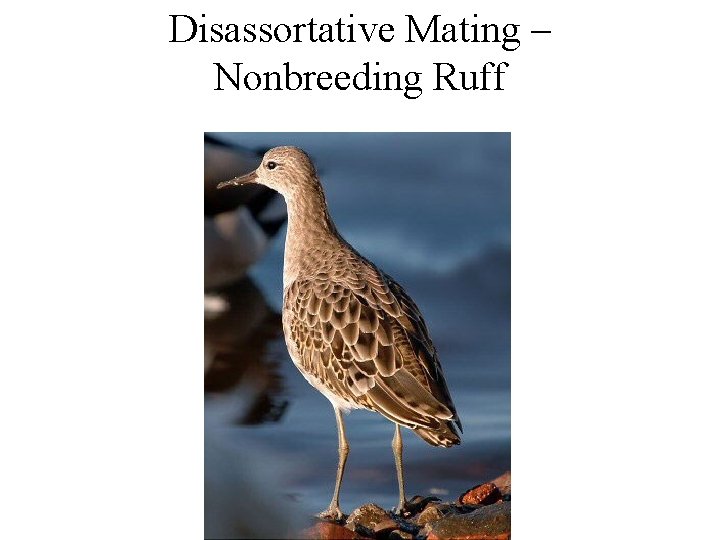
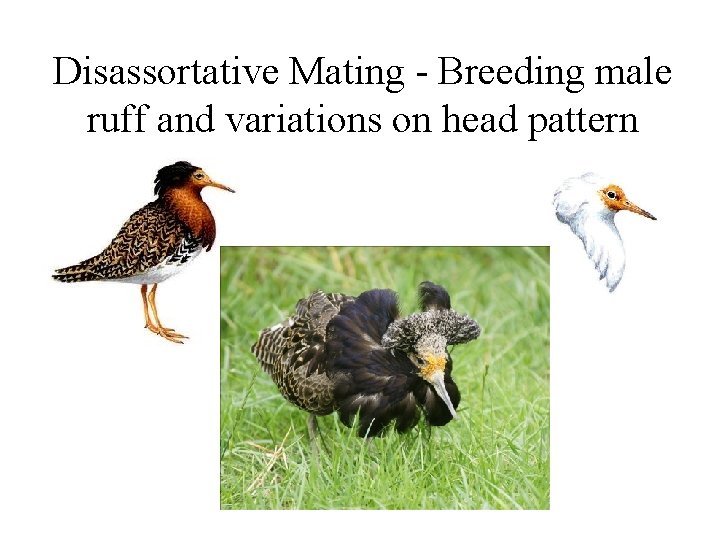
Maintenance of Polymorphism • The effects of nonrandom mating are variable - species may either mate assortatively (like with like) or disassortatively (like with unlike) • assortative mating results in many homozygous individuals • disassortative with many polymorphic, heterozygous individuals
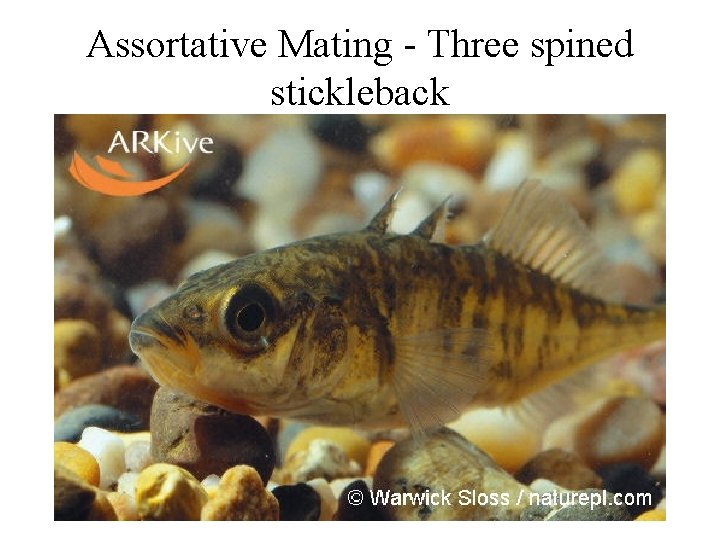
Assortative Mating - Three spined stickleback
Disassortative Mating – Nonbreeding Ruff
Disassortative Mating - Breeding male ruff and variations on head pattern
Maintenance of Polymorphism • environmental variance - the environment may affect development of different genotypes so that which genotype dominates changes with the environment - if the environment varies or different habitats exist within the species range, then different genotypes will exist
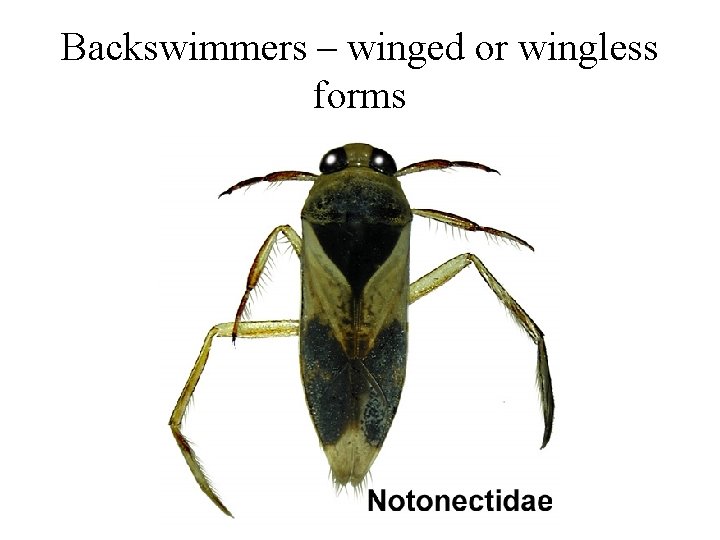
Backswimmers – winged or wingless forms
Maintenance of Polymorphism With Natural Selection with selection, we would expect the most fit genotype to come to dominate the population, but polymorphism may still occur: 1. selection acts to maintain stable polymorphism so that different genotypes are most fit under different situations 2. fixation of a particular genotype is counteracted by mutation 3. fixation of a particular genotype in one population is counteracted by gene flow from another population
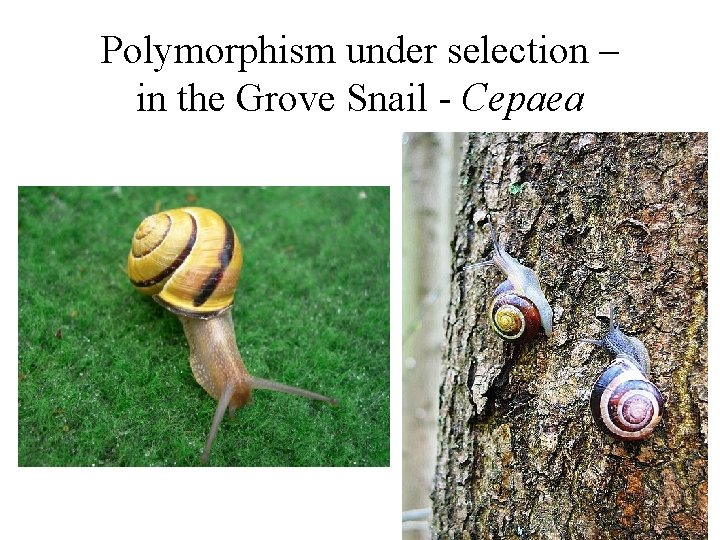
Polymorphism under selection – in the Grove Snail - Cepaea
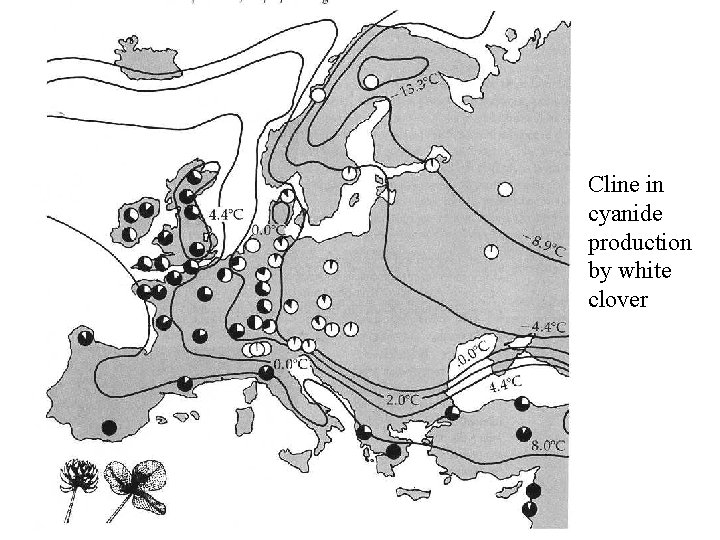
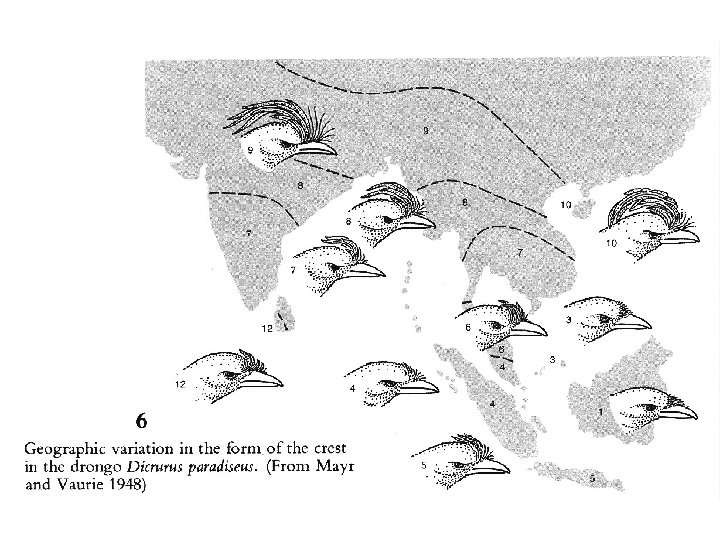
Clines • in many species, local populations have little variation, but the entire species exhibits much variation as local populations are adapted to different conditions - if these changes in genes change in response to certain environmental variables, we may see a cline - a gradual change along a geographic transect
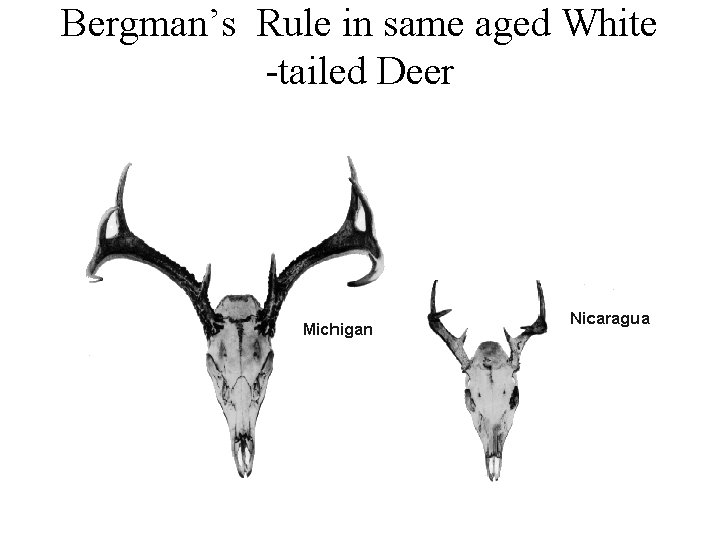
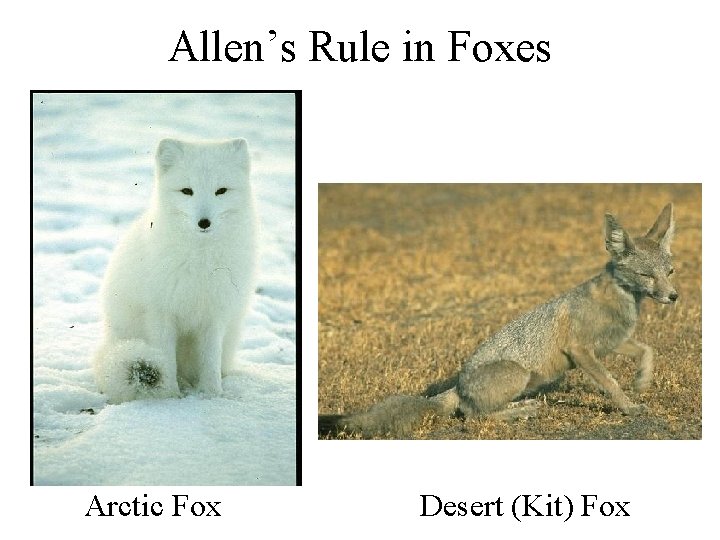
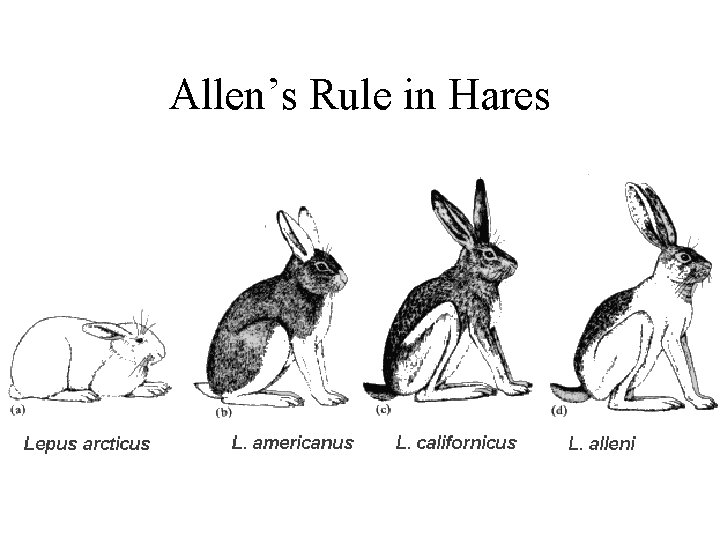
Clines with Body Size • Bergmann's rule - many animals get larger in size as the species range approaches the poles - it is related to ability to keep warm larger bodies maintain warmth better • Allen’s Rule – size of extremities decreases towards the poles – heat is lost through things like large ears
Bergman’s Rule in same aged White -tailed Deer
Allen’s Rule in Foxes Arctic Fox Desert (Kit) Fox
Allen’s Rule in Hares
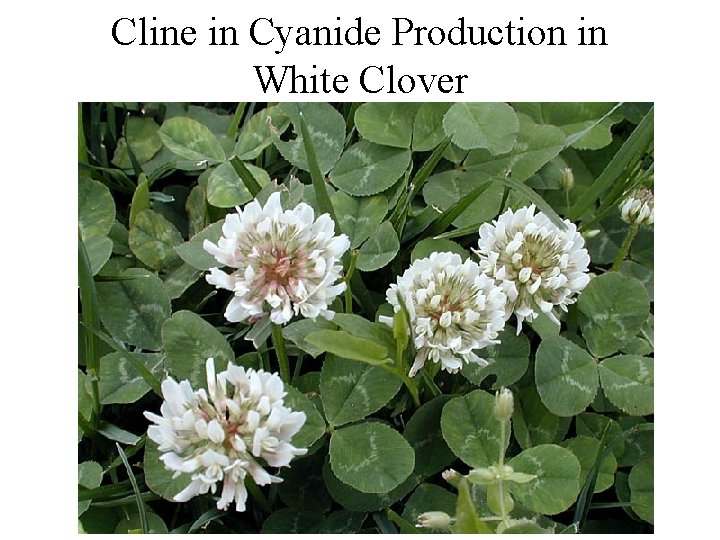
Cline in Cyanide Production in White Clover
Cline in cyanide production by white clover
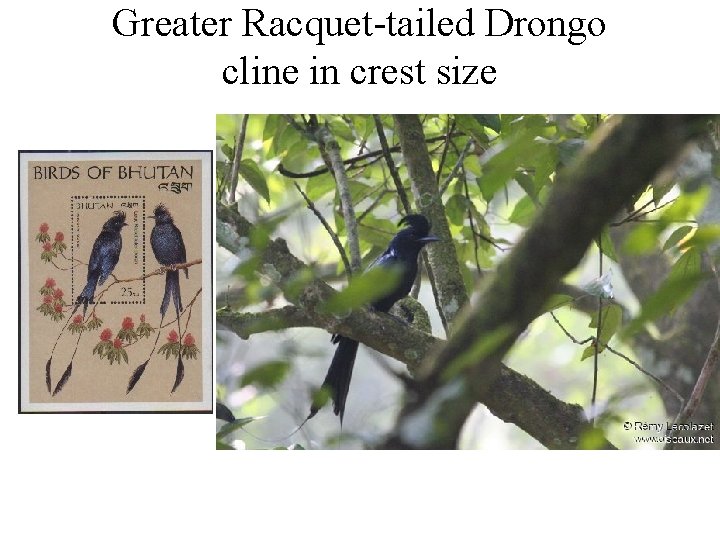
Greater Racquet-tailed Drongo cline in crest size
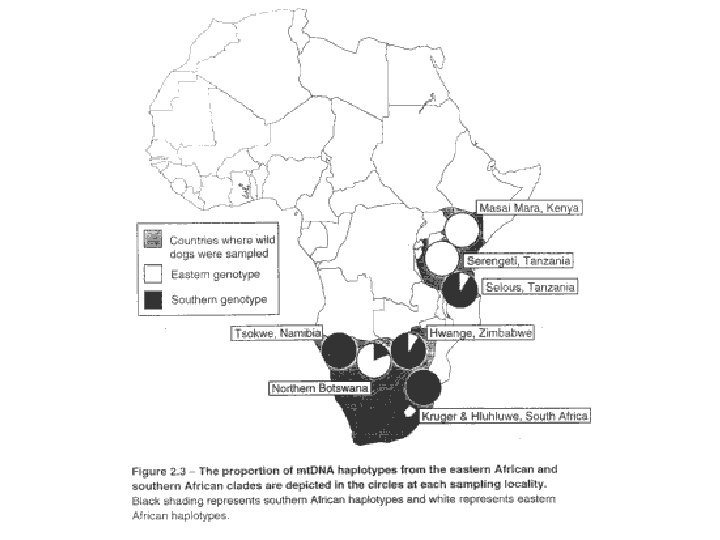
Reductions in Polymorphism • Gene Flow - the movement of alleles from one population to another tends to maintain genetic similarity among populations
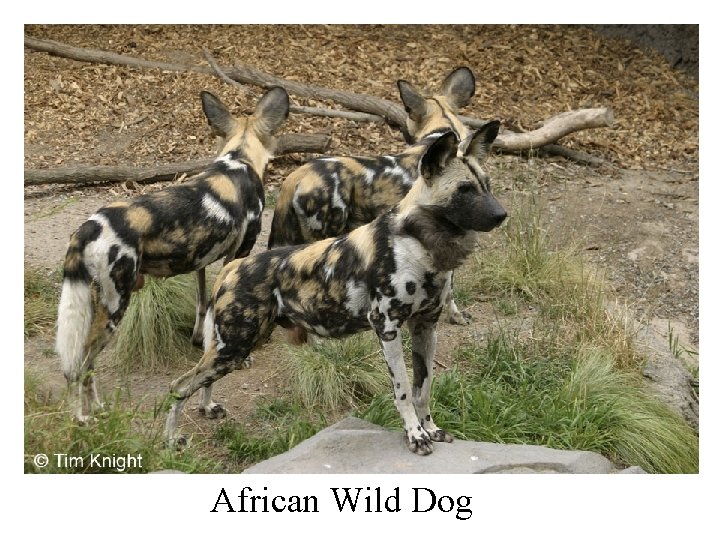
African Wild Dog
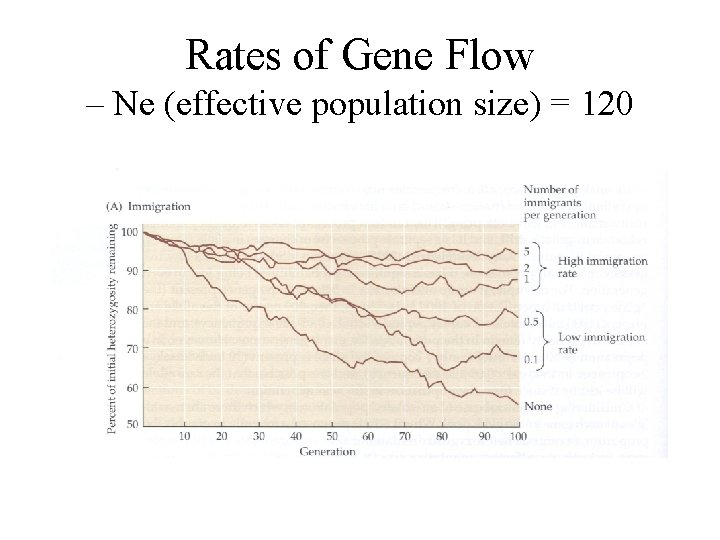
Rates of Gene Flow – Ne (effective population size) = 120
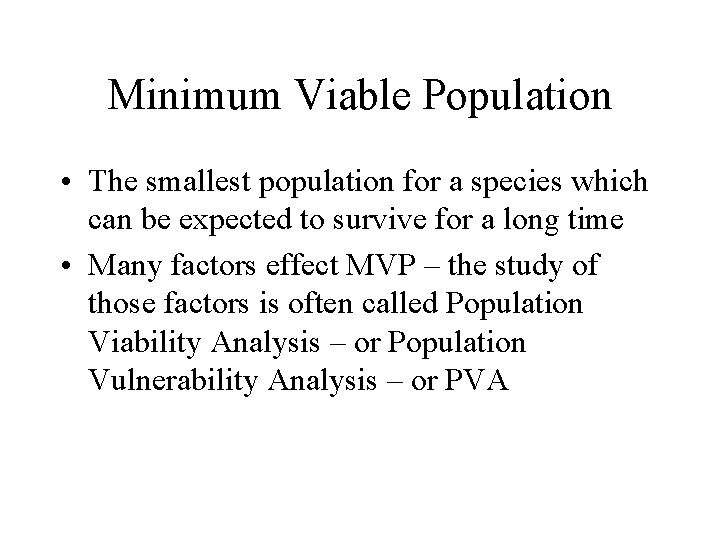
Minimum Viable Population • The smallest population for a species which can be expected to survive for a long time • Many factors effect MVP – the study of those factors is often called Population Viability Analysis – or Population Vulnerability Analysis – or PVA
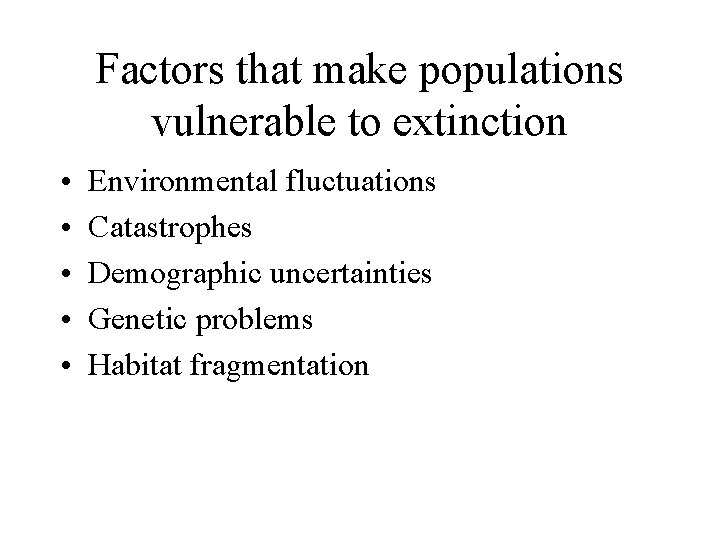
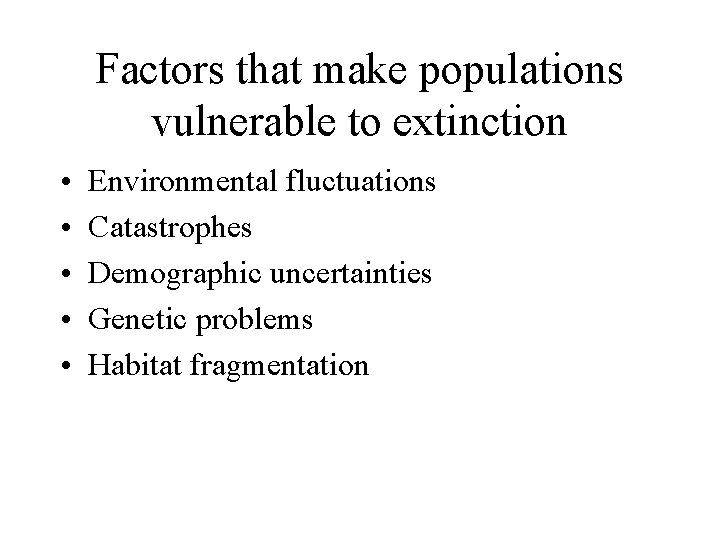
Factors that make populations vulnerable to extinction • • • Environmental fluctuations Catastrophes Demographic uncertainties Genetic problems Habitat fragmentation
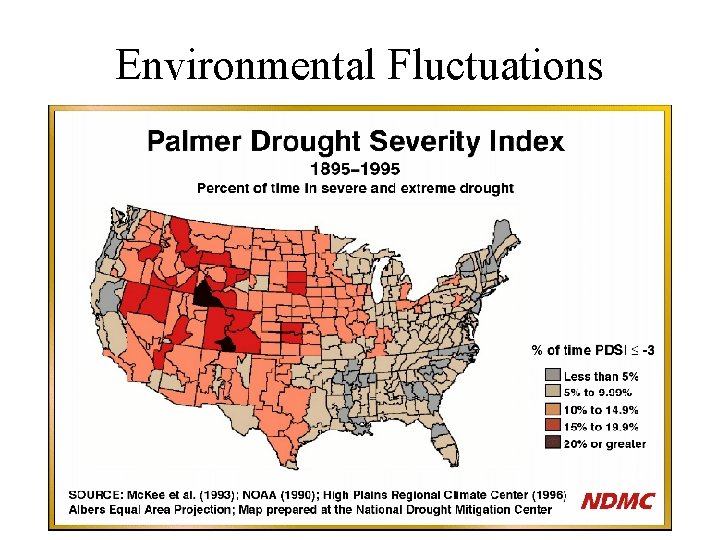
Environmental Fluctuations
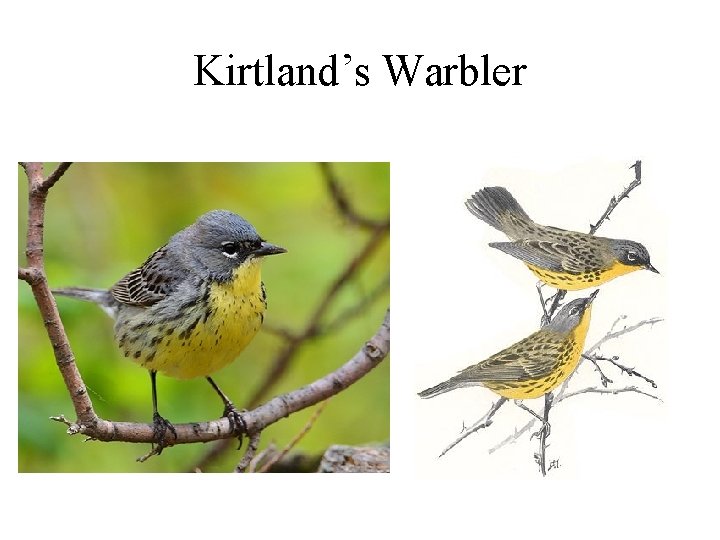
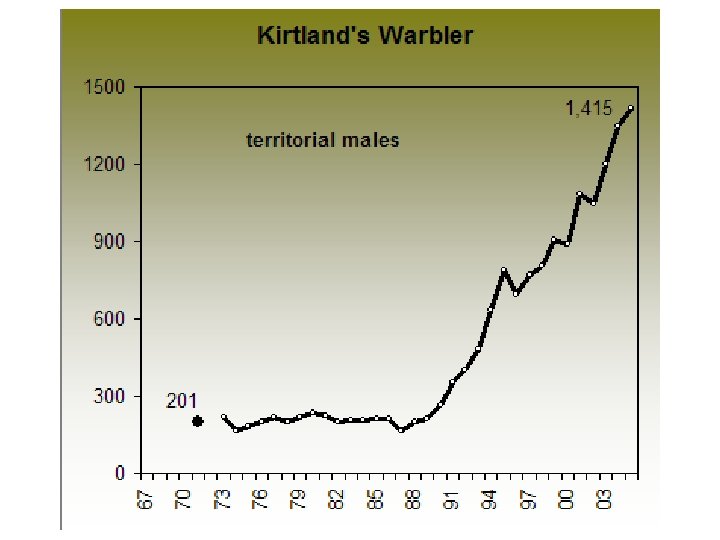
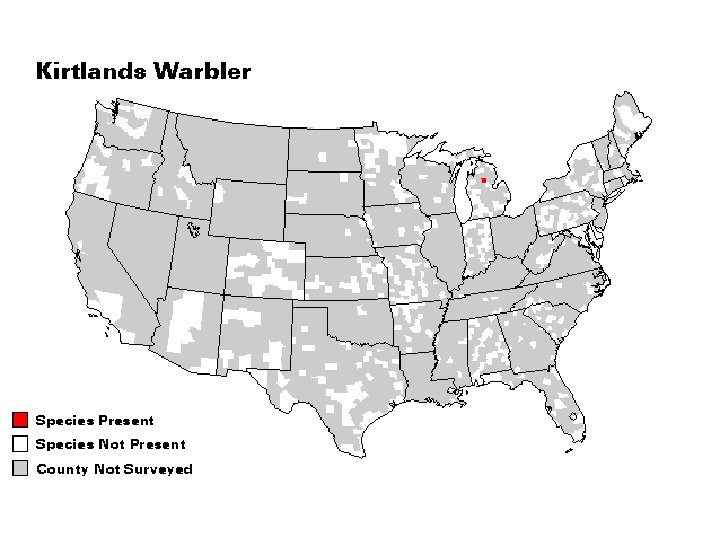
Kirtland’s Warbler
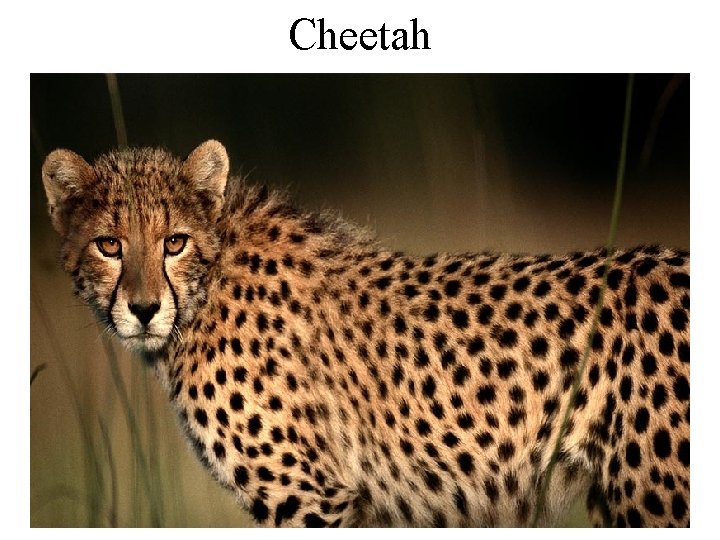
Cheetah
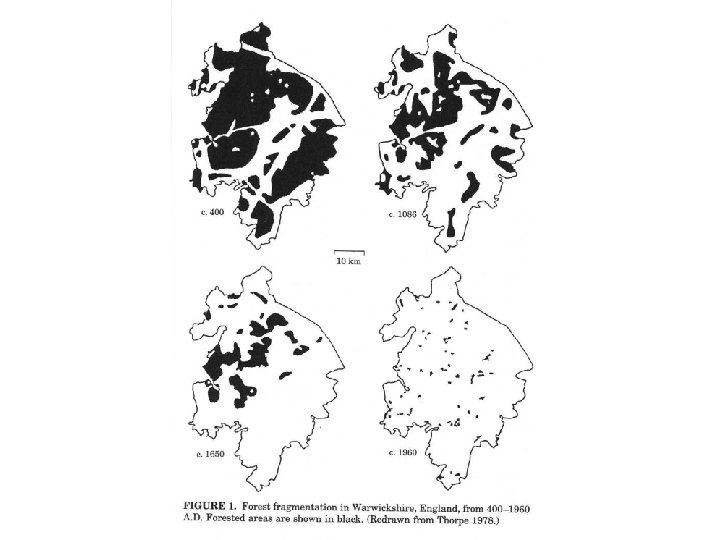
Habitat Fragmentation • Fragmentation is the transformation of large expanse of habitat into a number of smaller patches of smaller total area isolated from each other by a matrix of habitat unlike the original
Habitat Fragmentation Habitat fragmentation occurs due to: • Natural climatic shifts • Human caused habitat loss: logging, agriculture, urbanization, dams, road construction, etc. • Overexploitation of species • Species introduction • Secondary effects due to extinctions
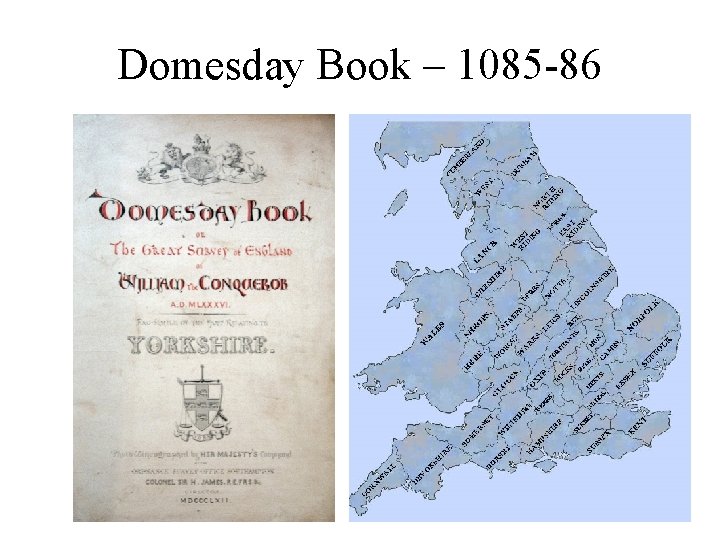
Domesday Book – 1085 -86
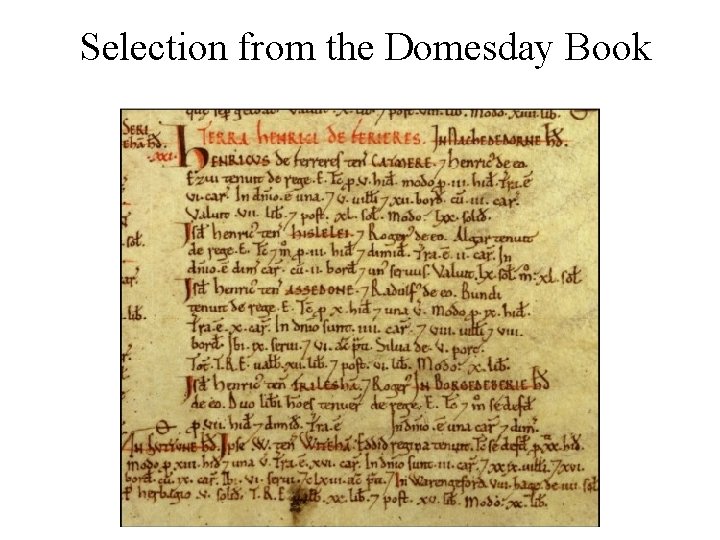
Selection from the Domesday Book
Factors that make populations vulnerable to extinction • • • Environmental fluctuations Catastrophes Demographic uncertainties Genetic problems Habitat fragmentation
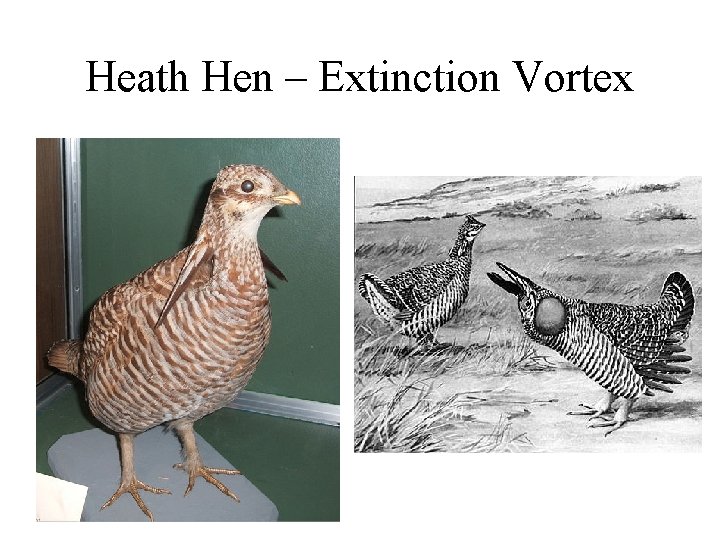
Heath Hen – Extinction Vortex
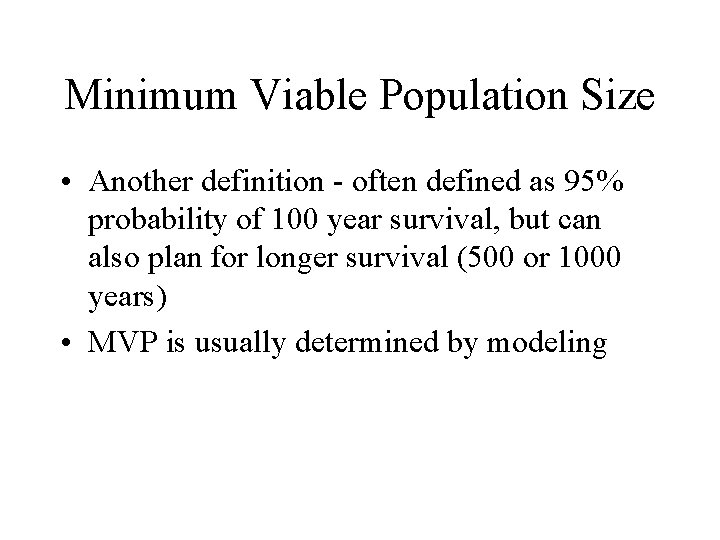
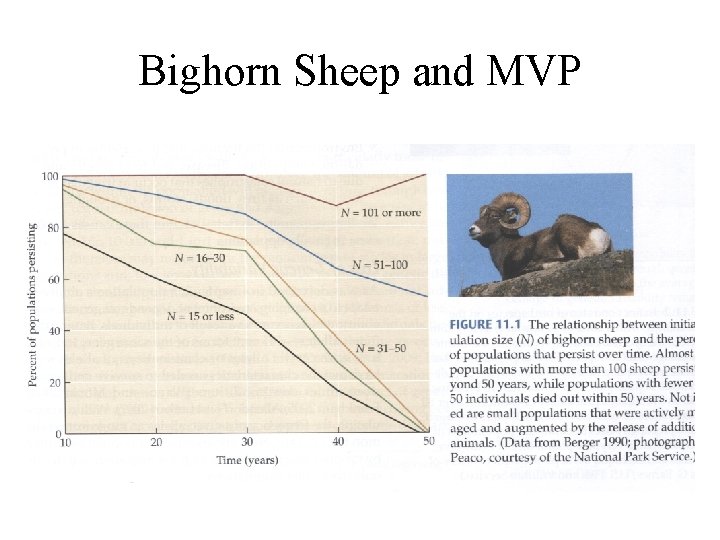
Minimum Viable Population Size • Another definition - often defined as 95% probability of 100 year survival, but can also plan for longer survival (500 or 1000 years) • MVP is usually determined by modeling
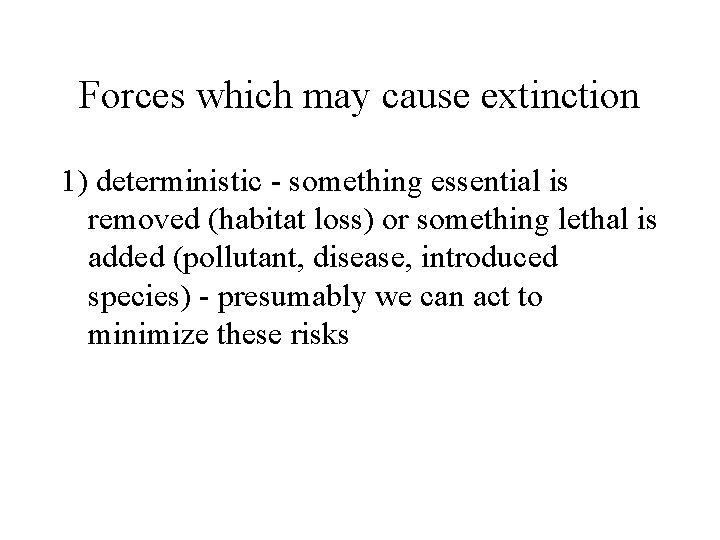
Forces which may cause extinction 1) deterministic - something essential is removed (habitat loss) or something lethal is added (pollutant, disease, introduced species) - presumably we can act to minimize these risks
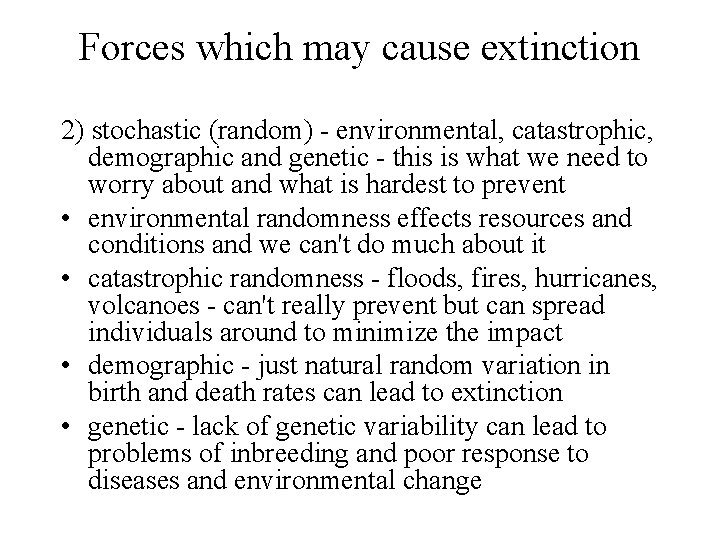
Forces which may cause extinction 2) stochastic (random) - environmental, catastrophic, demographic and genetic - this is what we need to worry about and what is hardest to prevent • environmental randomness effects resources and conditions and we can't do much about it • catastrophic randomness - floods, fires, hurricanes, volcanoes - can't really prevent but can spread individuals around to minimize the impact • demographic - just natural random variation in birth and death rates can lead to extinction • genetic - lack of genetic variability can lead to problems of inbreeding and poor response to diseases and environmental change
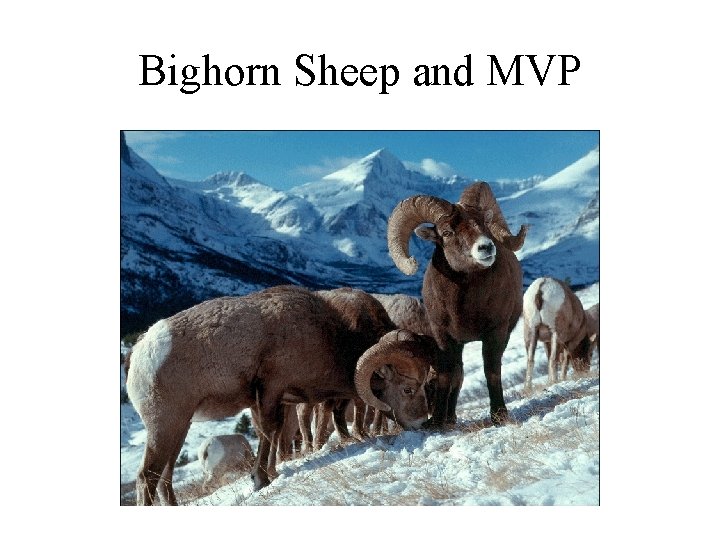
Bighorn Sheep and MVP
Bighorn Sheep and MVP
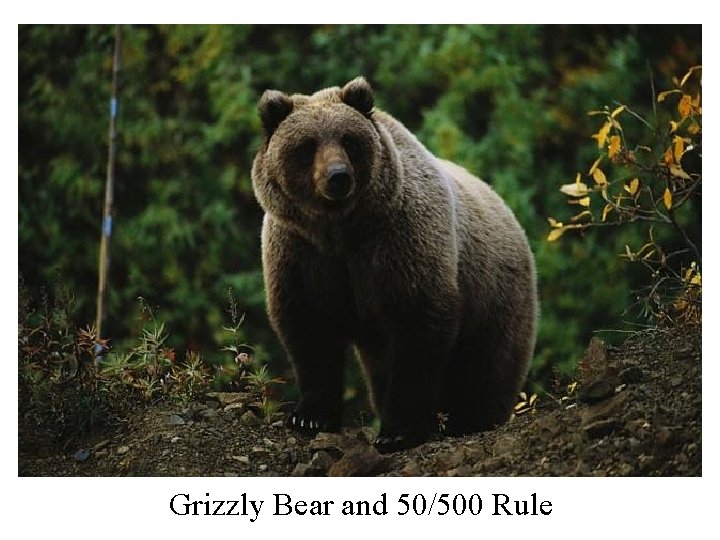
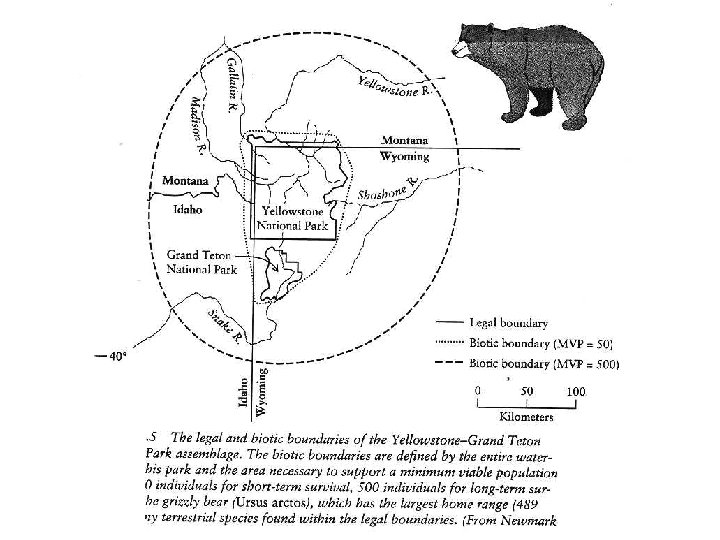
Grizzly Bear and 50/500 Rule
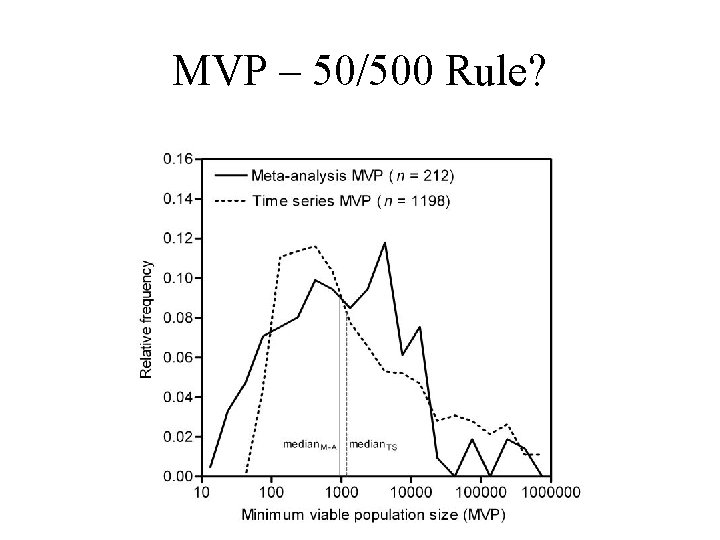
MVP – 50/500 Rule?
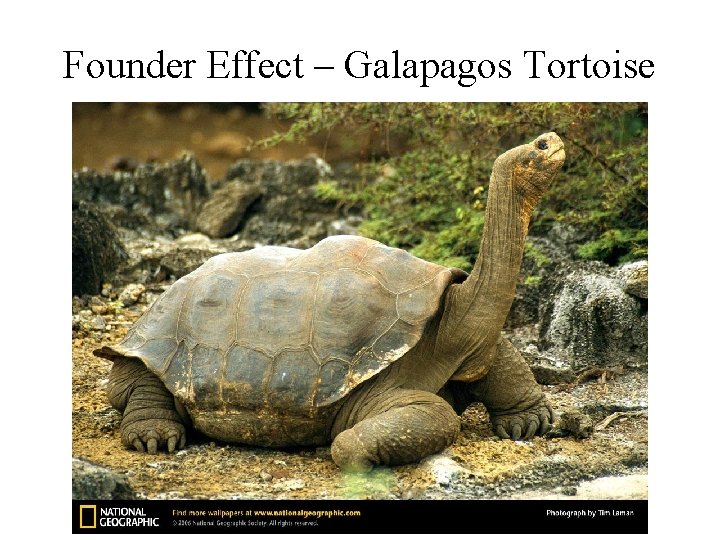
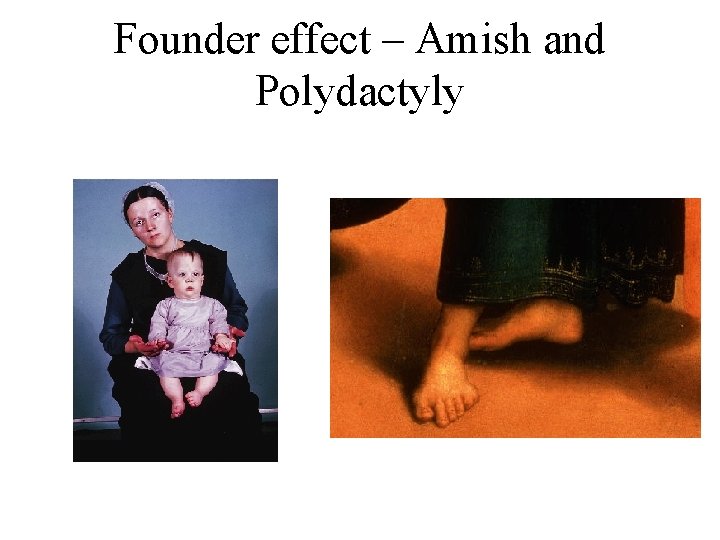
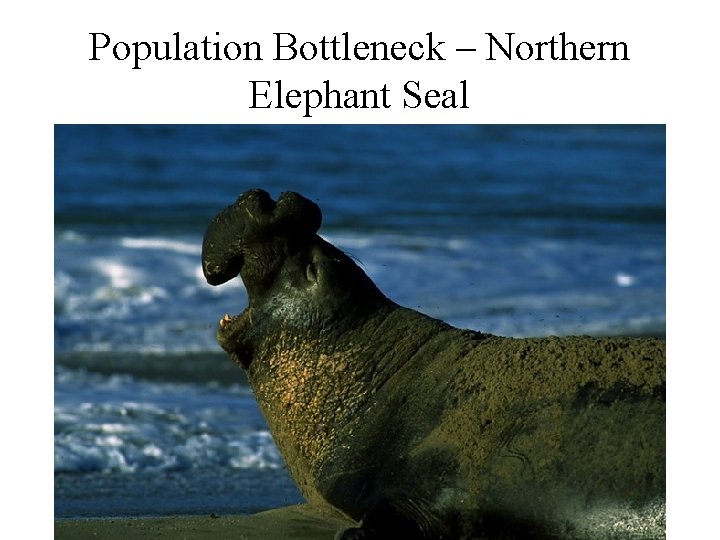
Reductions in Polymorphism Reductions in population size can lead to losses of genetic polymorphism Two special cases of reductions in population size are: 1. A few individuals move to a new area and start a new population that is isolated from other populations – founder effect 2. We can also experience a population bottleneck where a formerly large population is drastically reduced in size
Founder Effect – Galapagos Tortoise
Founder effect – Amish and Polydactyly
Population Bottleneck – Northern Elephant Seal