
Nicholas I and the Crimean War 1853 1856
- Slides: 21
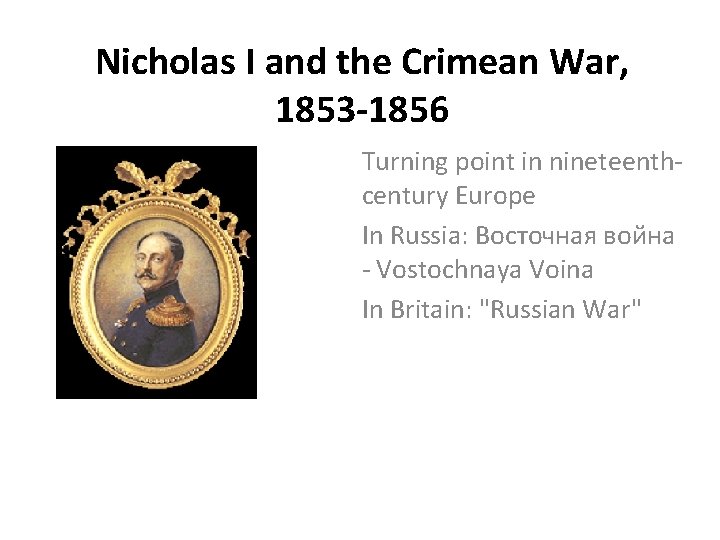
Nicholas I and the Crimean War, 1853 -1856 Turning point in nineteenthcentury Europe In Russia: Восточная война - Vostochnaya Voina In Britain: "Russian War"
Crimean War • By 1851, pressured by Napoleon I – France was given control over both RCC and Orthodox Sites by the Sultan. • Russia wants to extend their hegemony over areas controlled by the Turks. • Pretext is: Protect the holy sites • Reality: Russia wants access to the Black Sea. • The issue is the weakness of the Ottoman Empire
Crimean War • Russia’s Hopes: • Breakup of the Ottoman Empire will lead to greater Russian influence in the Balkans. • France and Britain, historic enemies, will be united against Russian power. • We are starting to see the “sides” of WWI • Austria and Prussia will remain neutral • Russian Czar hoped for them on his side.
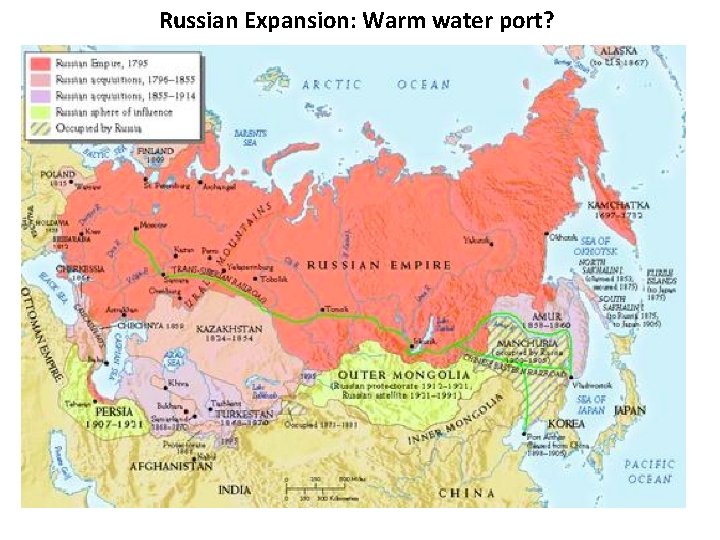
Russian Expansion: Warm water port?
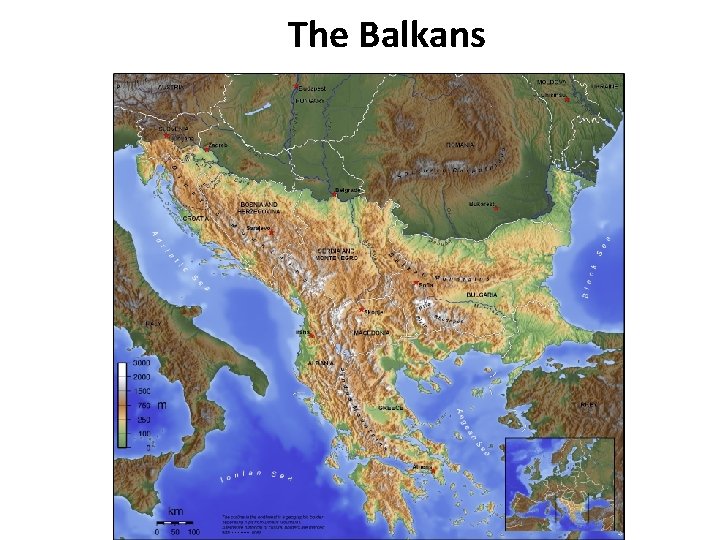
The Balkans
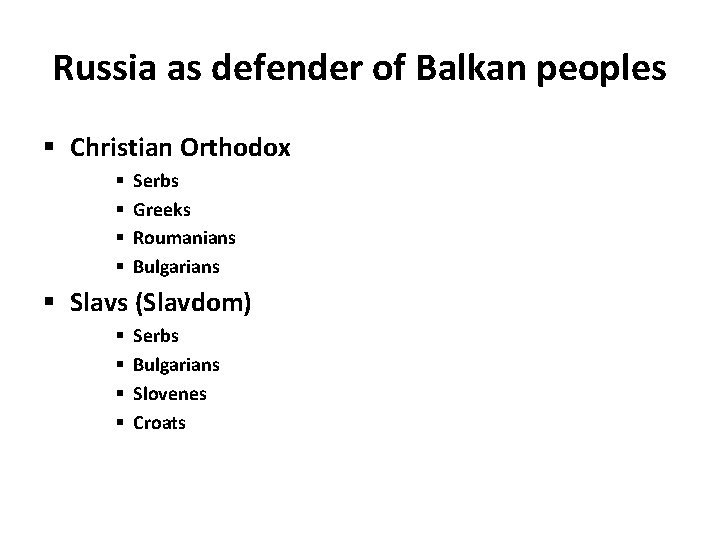
Russia as defender of Balkan peoples § Christian Orthodox § § Serbs Greeks Roumanians Bulgarians § Slavs (Slavdom) § § Serbs Bulgarians Slovenes Croats
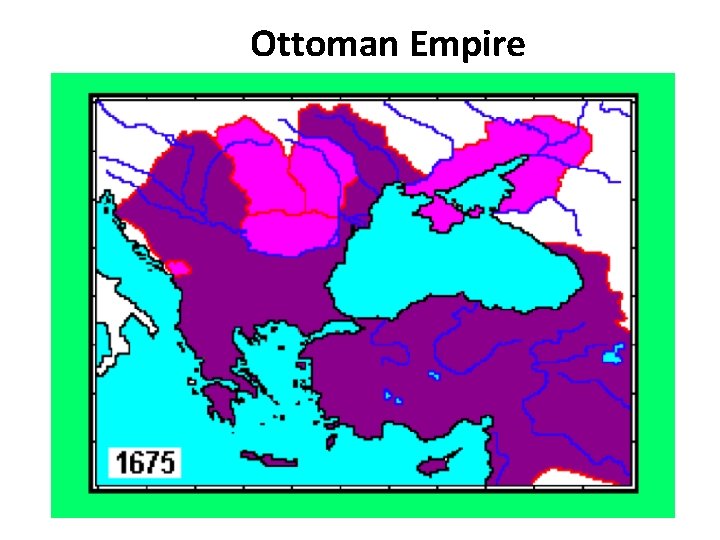
Ottoman Empire
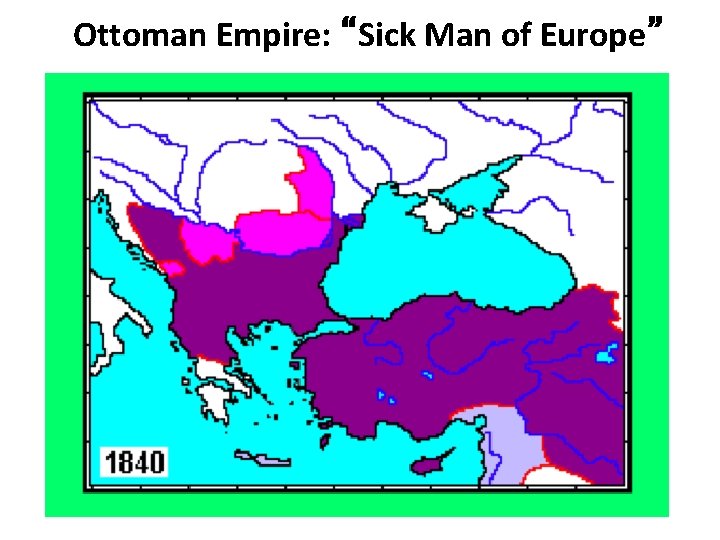
Ottoman Empire: “Sick Man of Europe”
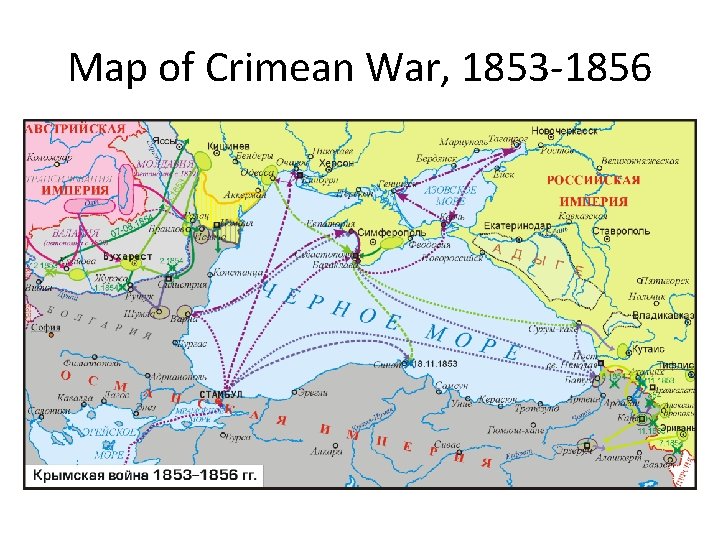
Map of Crimean War, 1853 -1856
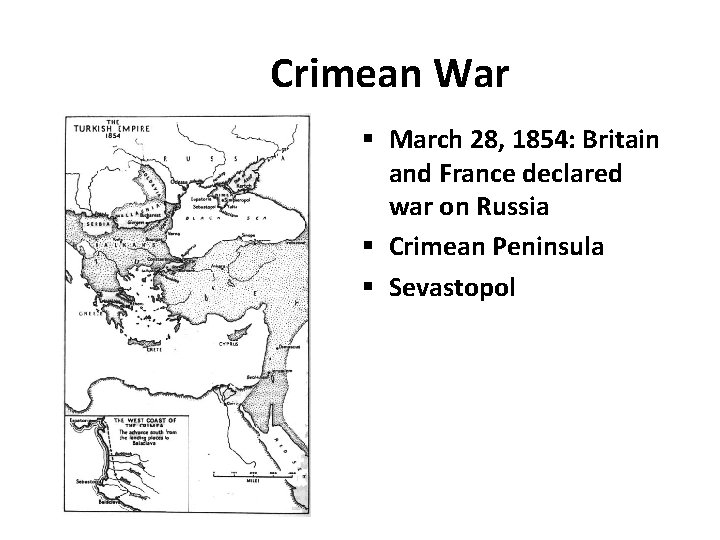
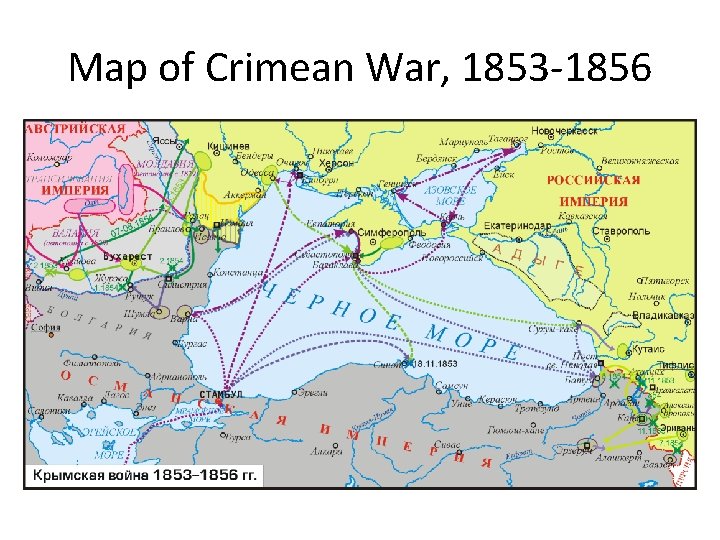
Crimean War § March 28, 1854: Britain and France declared war on Russia § Crimean Peninsula § Sevastopol
Map of Crimean War, 1853 -1856
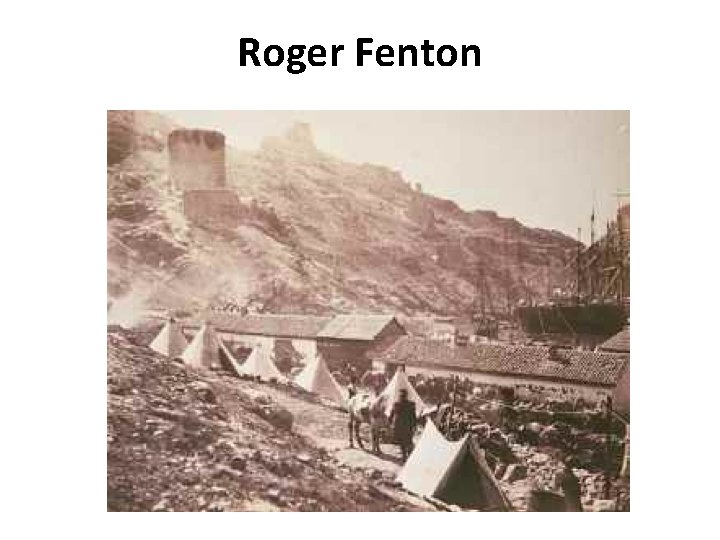
Roger Fenton
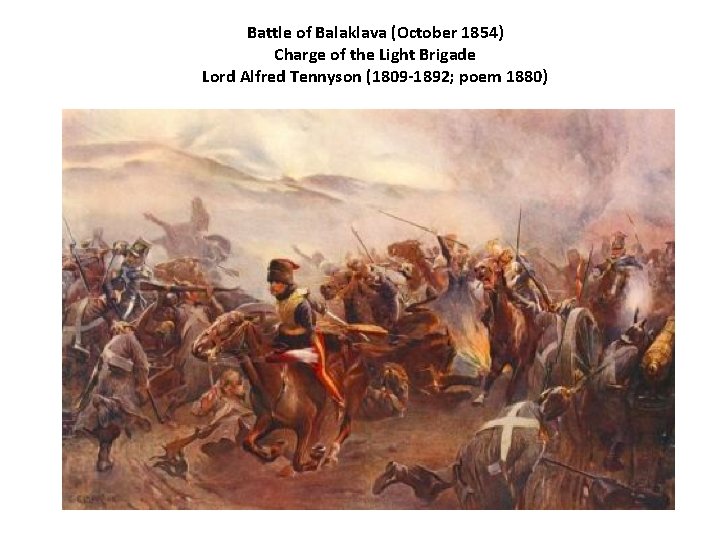
Battle of Balaklava (October 1854) Charge of the Light Brigade Lord Alfred Tennyson (1809 -1892; poem 1880)
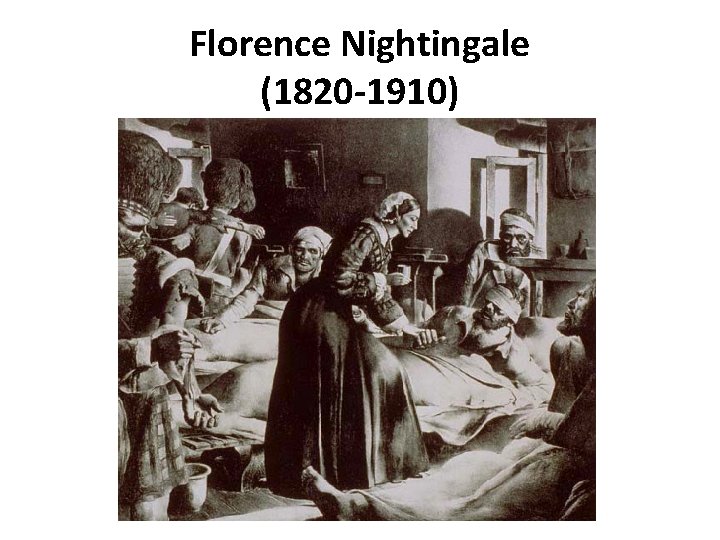
Florence Nightingale (1820 -1910)
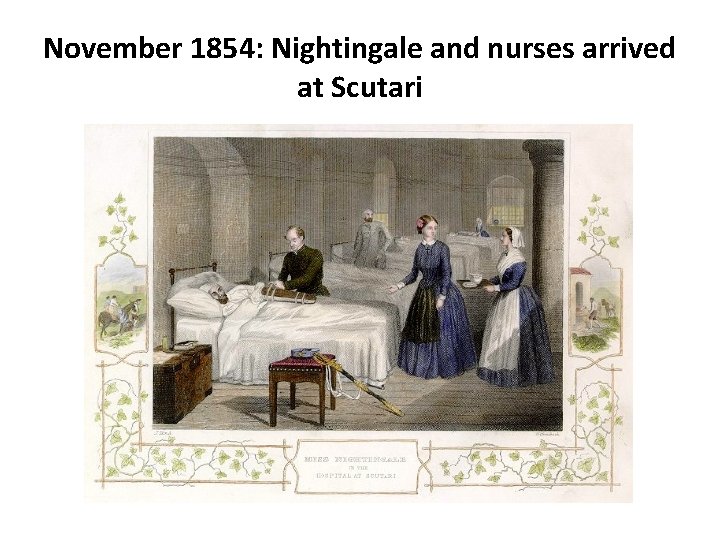
November 1854: Nightingale and nurses arrived at Scutari
Endgame § § March 2, 1855: Nicholas I died Alexander II vowed change Armistice signed on 29 February 1856 Treaty of Paris 30 March 1856: § Black Sea became neutral territory, no warships § Ottoman independence and territorial integrity were to be “respected. ” § Ottomans had to proclaim Muslims and non-Muslims equal before the law. § Moldavia and Wallachia back under nominal Ottoman rule § Russia lost territory it had been granted at the mouth of the Danube § Russia forced to abandon its claims to protect Christians in the Ottoman Empire in favour of France.
Consequences – Great Reforms in Russia (1860 s) • serfdom abolished in 1861 • Army reformed – Isolation of Austria – War correspondents change warfare – Nursing professionalized – Britain and France on same side
Ottoman Empire: Reform • Pressure forces the Sultan, probably too little too late, to begin reform in the 19 th Century. • Can they become “European” but still maintain their Islamic identity. • 1839 – 1876 • Liberal Economic policies • Equality for Non-Muslims • Easier for Muslims to do business with nonmuslims
Ottoman Empire: Reform • Post Crimean War – they push other reforms that mirror the West: • Hatt-i-Sharif of Gulhane: “Reform/Bureaucratize the Empire • Rights of non-Muslims are more explicit. • Military service for non-Muslims • Printing Presses • Eradication of the Millet System – a more “inclusive empire. ”
Ottoman Empire: Reform • However, this is an Empire. • And that means enforcement of these reforms is easier said than done. • Many local rulers dealt with the West regardless of the dictates from Istanbul. (Egypt in particular) • Nationalism also, of course represented a challenge to the rule of Islamic Law • We will see the Wars in the Balkans in the 1870’s as emblematic of their inability to maintain control.
Ottoman Empire: Reform • When they, (Ottomans) eventually, consider a constitution, in the late 1870’s it is surely a matter of too little too late. • As the government becomes more secularized it will be, like the USSR in the 1980’s. . . doing everything it can to modernize. . . and at the same time (unwittingly) ensuring that it will no longer exist. • To save itself it will destroy itself.