
Next generation techniques for biomarker identification Ettore Capoluongo
Next generation techniques for biomarker identification Ettore Capoluongo Head of Laboratory of Clinical Molecular and Personalized Diagnostics Departiment of Diagnostics and Laboratory Medicine A. Gemelli – School of Medicine, Rome
Issues regarding BRCA 1/2 Sanger Seq? • The dideoxy method is good only for 500750 bp reactions • Expensive • Takes a while • The human genome is very long and complex for SS in routine
NGS VISION § NGS is used in both clinical and research settings § Targeted genetic tests are currently used as diagnostic and prognostic tools in clinical oncology, and more extensive genomic tests seem likely to come into regular use in the near future § Targeted cancer panels are advantageous due to their low cost and relatively simple interpretability. Many exist both for specific cancers, such as prostate cancer, and for more general application, such as solid tumours
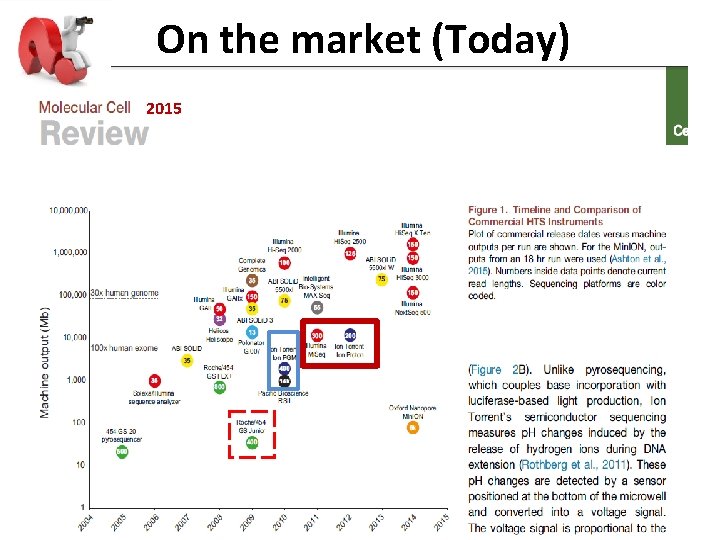
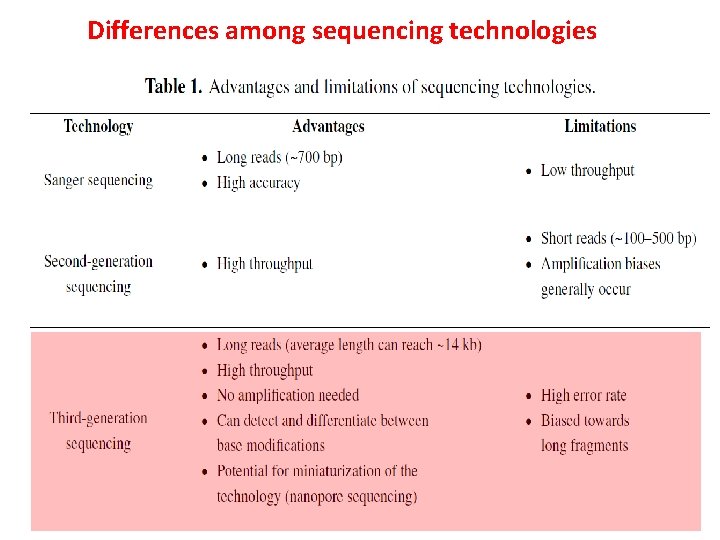
Improvements linked to NGS (SGS and TGS) The specific strategy employed by each platform determines the: QUALITY Ø QUANTITY Ø and BIASES Ø of the resulting sequence data and the platform’s usefulness for particular application
On the market (Today) 2015
Differences among sequencing technologies
NGS is NEEDED in CLINICAL SETTING Precision medicine is an emerging approach for: q disease prevention and treatment that takes individual variability into account. q To achieve “individual variability” requires: ü analyzing multiple genes with little amounts of specimen ü INEXPENSIVELY ü QUICKLY ü SENSITIVELY
Limitations and challenges in DNA NGS-based technologies
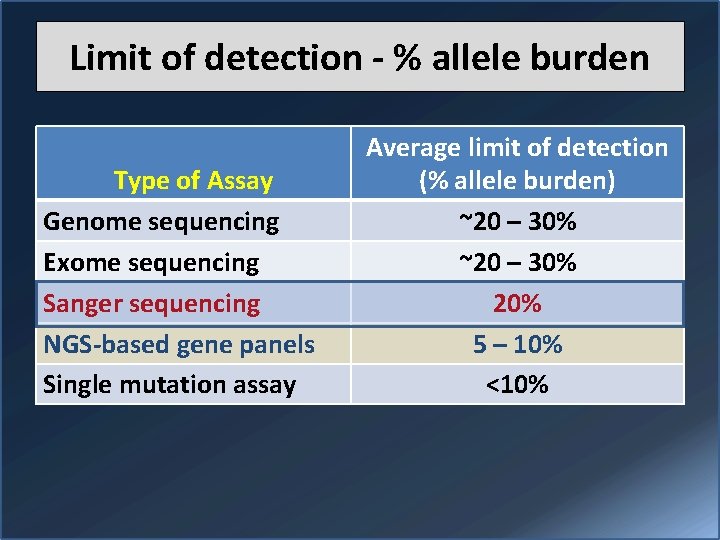
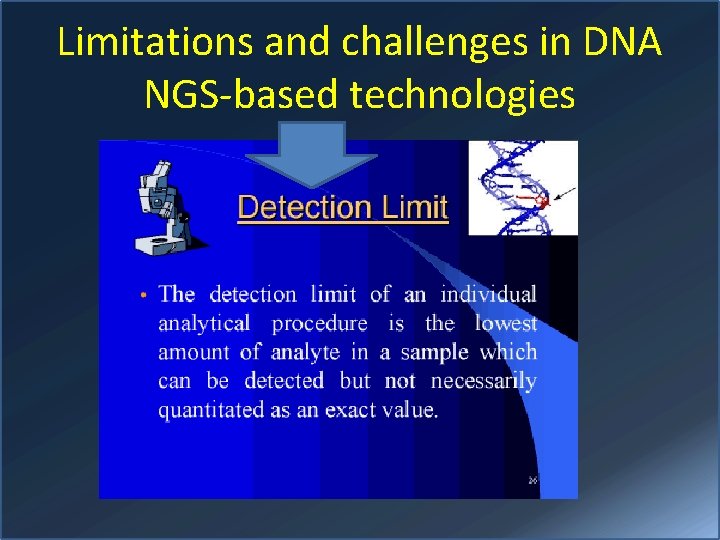
Limit of detection - % allele burden Type of Assay Genome sequencing Exome sequencing Sanger sequencing NGS-based gene panels Single mutation assay Average limit of detection (% allele burden) ~20 – 30% 20% 5 – 10% <10%
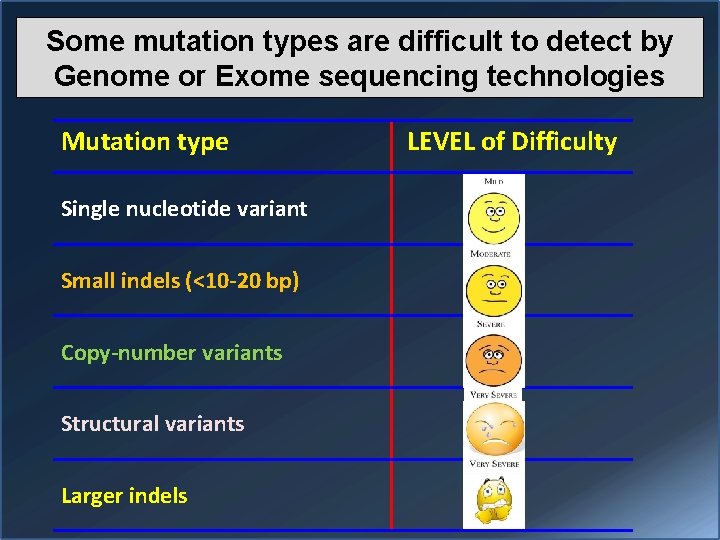
Some mutation types are difficult to detect by Genome or Exome sequencing technologies Mutation type Single nucleotide variant Small indels (<10 -20 bp) Copy-number variants Structural variants Larger indels LEVEL of Difficulty
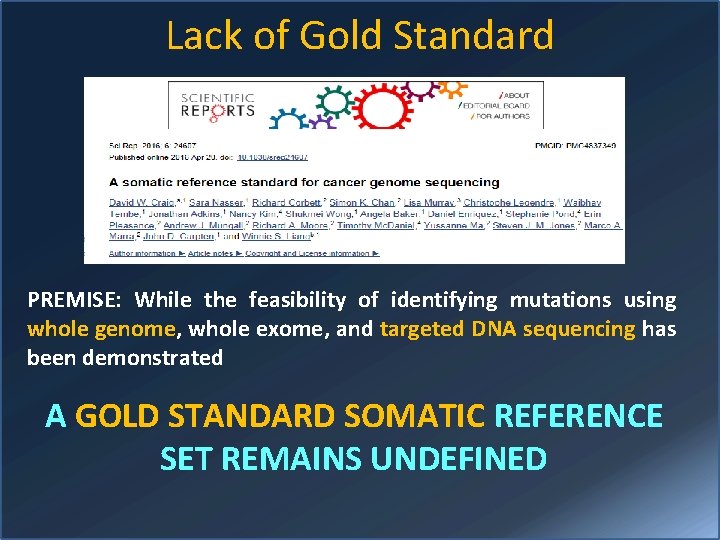
Lack of Gold Standard PREMISE: While the feasibility of identifying mutations using whole genome, whole exome, and targeted DNA sequencing has been demonstrated A GOLD STANDARD SOMATIC REFERENCE SET REMAINS UNDEFINED
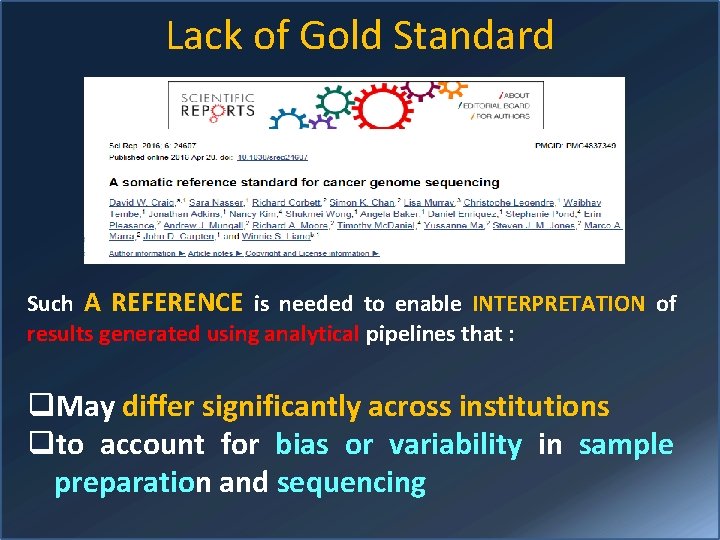
Lack of Gold Standard Such A REFERENCE is needed to enable INTERPRETATION of results generated using analytical pipelines that : q. May differ significantly across institutions qto account for bias or variability in sample preparation and sequencing
How to define STANDARDS National Institute of Standards and Technology (NIST) has established the Genome in a Bottle (GIAB) Consortium By integrating 14 sequencing data sets generated from the NA 12878 cell line using 5 different technologies and that were analyzed using ü multiple aligners ü multiple variant detection tools
However, a similarly well-characterized somatic reference set for whole genome sequencing data has yet to be established Previous studies have contributed to this undertaking by performing analytical and clinical validation of DNA sequencing, comparing the performance of mutation callers, and publically releasing somatic alterations identified from paired tumor/constitutional cell lines available from ATCC
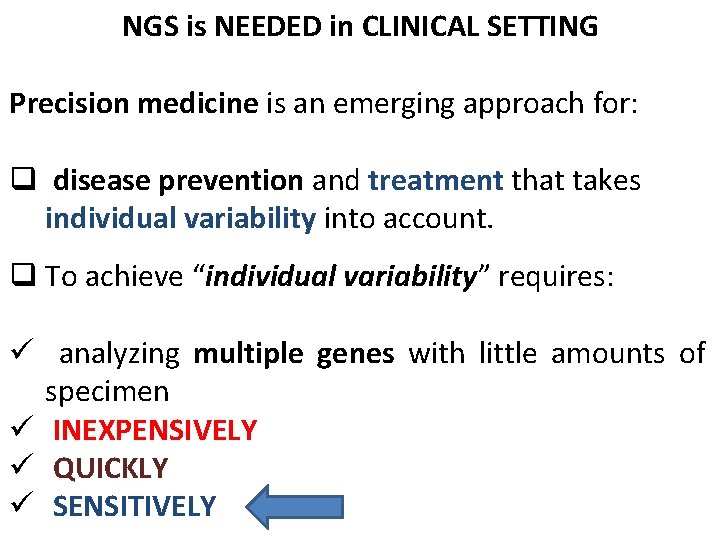
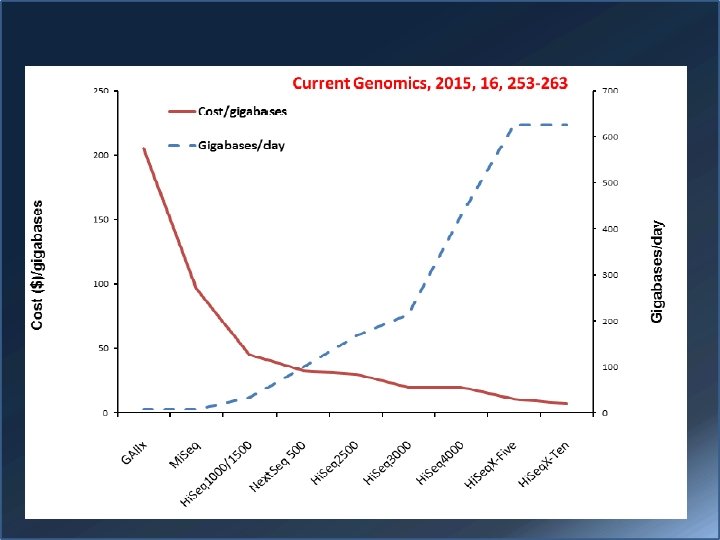
Current Genomics, 2015, 16, 253 -263 Sanger sequencing has been supplanted by the next generation sequencing (NGS) technology. Compared with Sanger sequencing, NGS has many advantages: § Speed: NGS is massively parallel, producing 500 GB data in a single run on a single flow cell of Hi. Seq 2500 § Cost: the massively parallel nature of NGS reduces sequencing time, man power and reagents that translate into significant savings
Current Genomics, 2015, 16, 253 -263 § SENSITIVITY: NGS can reliably detect >1% mutations, critically important for detecting SOMATIC MUTATIONS in the heterogeneous tumor samples § Amount of sample: advances of library construction technology, allow NGS to perform well with the nanogram range of DNA.
Current Genomics, 2015, 16, 253 -263 Both Mi. Seq and Ion PGM can sequence around 50 targeted genes with 10 -50 ng of FFPE DNA. This is particularly useful for the most accessible cytology specimens
In many clinical situations, the only available specimen is a: ü fine needle core ü aspiration biopsy ü FFPE tissue slides which DO NOT PROVIDE enough DNA for classical Sanger sequencing
§ The number of targets: NGS technology can sequence multiple genes at a higher coverage Since genomic research has facilitated the pace of target discovery for disease management, the numbers of diseaseassociated genes is increasing rapidly
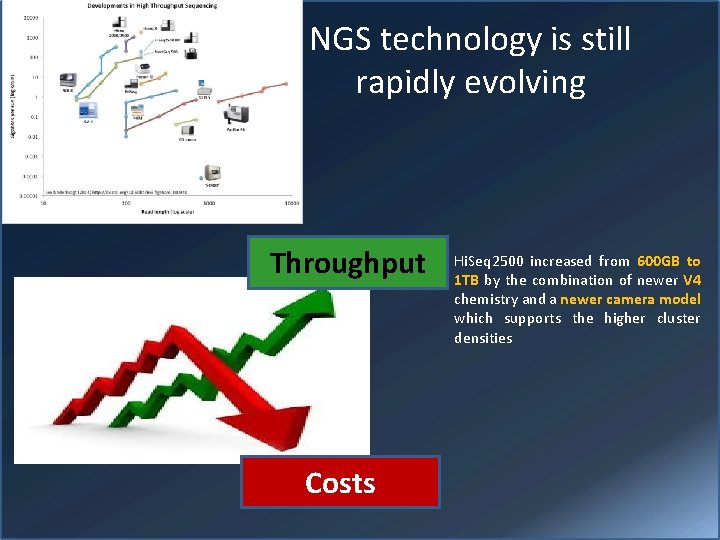
NGS technology is still rapidly evolving Throughput Costs Hi. Seq 2500 increased from 600 GB to 1 TB by the combination of newer V 4 chemistry and a newer camera model which supports the higher cluster densities
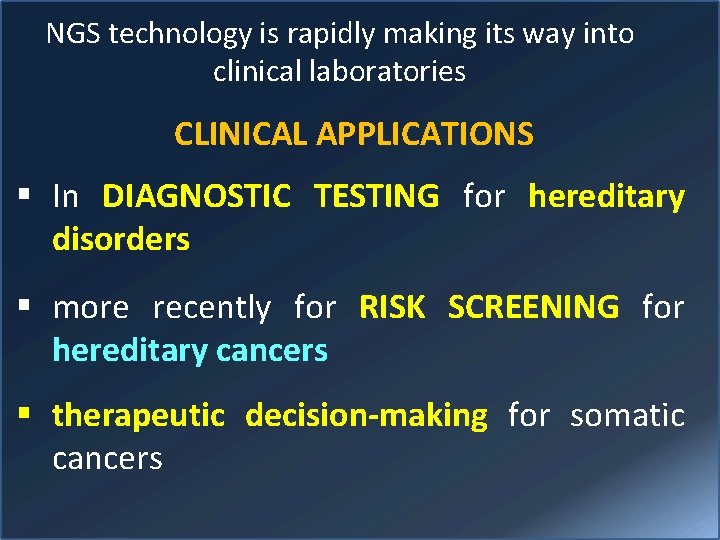
NGS technology is rapidly making its way into clinical laboratories CLINICAL APPLICATIONS § In DIAGNOSTIC TESTING for hereditary disorders § more recently for RISK SCREENING for hereditary cancers § therapeutic decision-making for somatic cancers
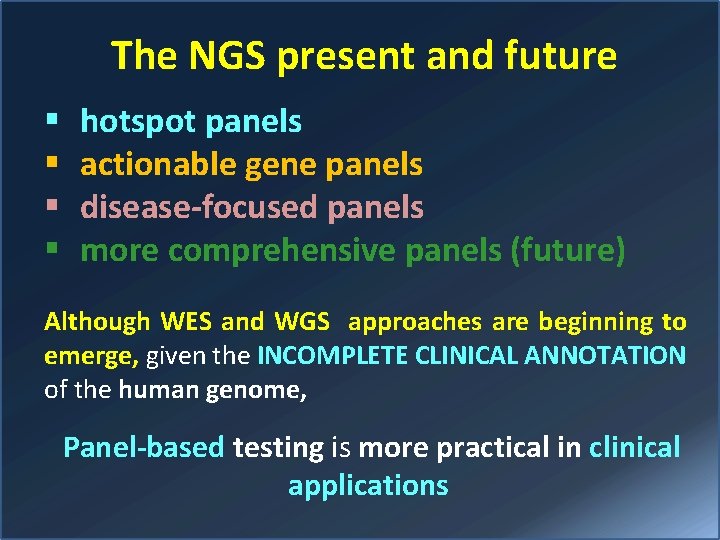
The NGS present and future § § hotspot panels actionable gene panels disease-focused panels more comprehensive panels (future) Although WES and WGS approaches are beginning to emerge, given the INCOMPLETE CLINICAL ANNOTATION of the human genome, Panel-based testing is more practical in clinical applications
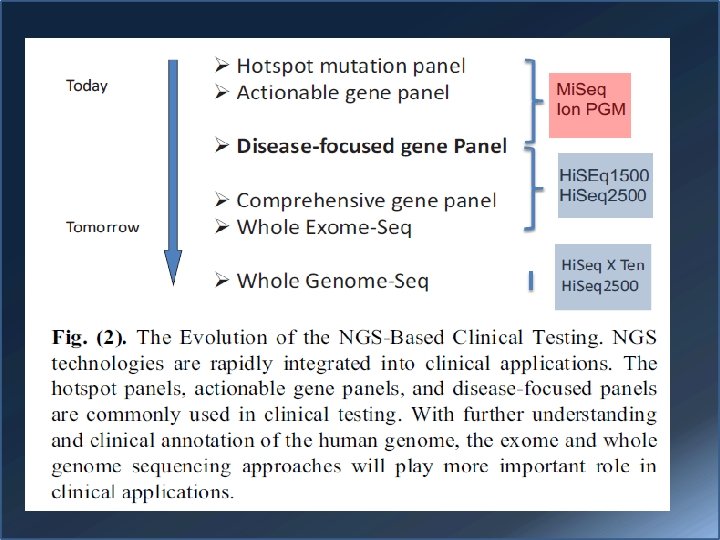
Hot-spot PANELS § DEFINITION: it is a collection of frequently mutated hotspots that are either clinically actionable or with diagnostic/prognostic significance § In the last years, major shift in cancer diagnostics from physical and histological findings to ADDITIONAL ASSESSMENT OF TARGETABLE GENOMIC MUTATIONS
TWO types of hotspot cancer panels currently available commercially to guide for treatment q for the choice of therapy q for the amount of medication Ampli. Seq cancer panel V 1 (Life. Tech): § covers 739 clinically relevant hotspot mutations (from 46 cancer genes) including well-established tumor suppressor genes and oncogenes.
TWO types of hotspot cancer panels currently available commercially to guide for treatment Illumina subsequently released a similar product Truseq Amplicon cancer panel targeting 48 genes with 212 amplicons
A study on about 900 tumor samples showed q the reliability of the NGS technology to examine multiple gene loci across different tumor types in a single workflow q Clinically significant mutations were identified in 63% of pts q 26% pts had mutations with therapeutic implications
PGx. One™ TESTING Pharmacogenomics test (Admera Health, represents the second type of hotspot panel (http: //www. admerahealth. com/pgxone/). Screens for 152 frequently mutated sites from 13 wellestablished pharmacogenomics genes affecting: § Drug absorption § Metabolism § Activity In order provide information for physicians to prescribe appropriate dose for effective treatment
ACTIONABLE GENE PANEL It represents an EVOLUTION from hotspot panels by including all exons of targeted genes (or all clinical relevant regions) so that other pathogenic mutations outside frequently mutated sites can be interrogated They focus on actionable genes: § EGFR § BRAF § KRAS § PIK 3 CA § NRAS § KIT § ALK which are often targets of FDA-approved drugs in different tumor types
ACTIONABLE GENE PANEL A useful q complement to traditional cancer treatment tools q expansion of treatment options, by matching each patient with targeted therapies and clinical trials
ACTIONABLE GENE PANEL The first commercially released, small actionable gene panel is the Tru. Sight Tumor panel, that identify: q Low-frequency mutations q 26 genes for targeted therapy of § Lung § Colon § Gastric § Ovarian § Melanoma
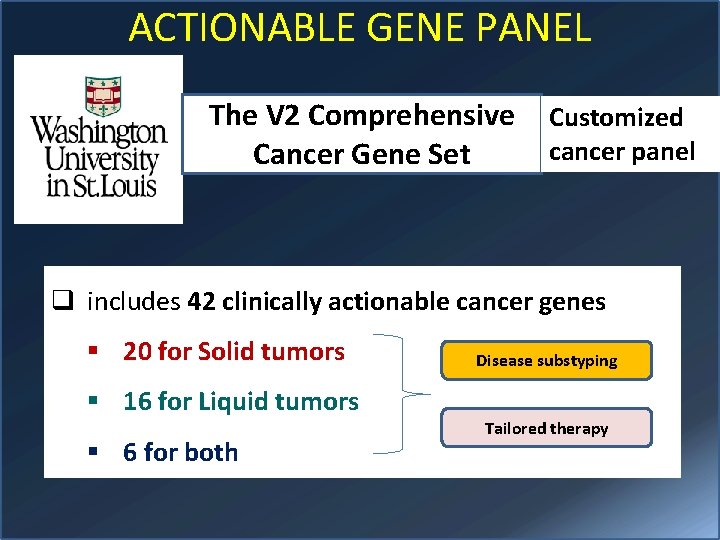
ACTIONABLE GENE PANEL The V 2 Comprehensive Cancer Gene Set Customized cancer panel q includes 42 clinically actionable cancer genes § 20 for Solid tumors § 16 for Liquid tumors § 6 for both Disease substyping Tailored therapy

ACTIONABLE GENE PANEL Foundation One COMPREHENSIVE ACTIONABLE GENE PANEL. § Entire cds of 236 cancer-related genes § + 47 introns from 19 genes often rearranged or altered in solid tumor tissues: SOMATIC ALTERATIONS It provides more potential treatment options from: • FDA-approved targeted therapies • CLINICAL TRIALS
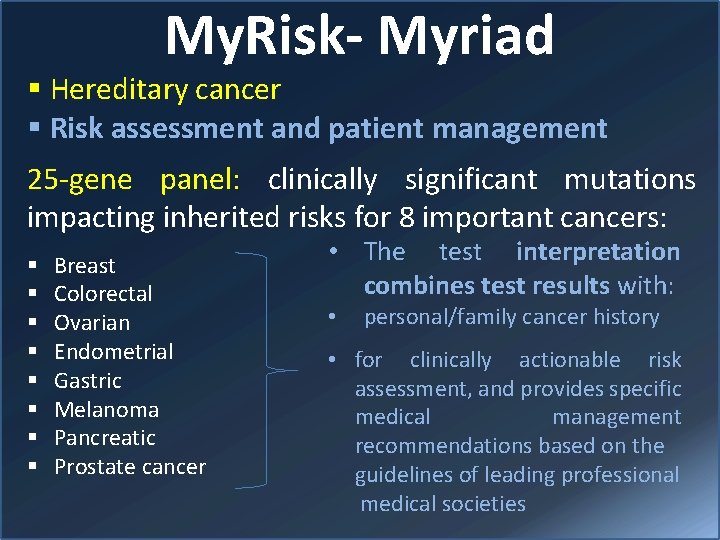
My. Risk- Myriad § Hereditary cancer § Risk assessment and patient management 25 -gene panel: clinically significant mutations impacting inherited risks for 8 important cancers: § § § § Breast Colorectal Ovarian Endometrial Gastric Melanoma Pancreatic Prostate cancer • The test interpretation combines test results with: • personal/family cancer history • for clinically actionable risk assessment, and provides specific medical management recommendations based on the guidelines of leading professional medical societies
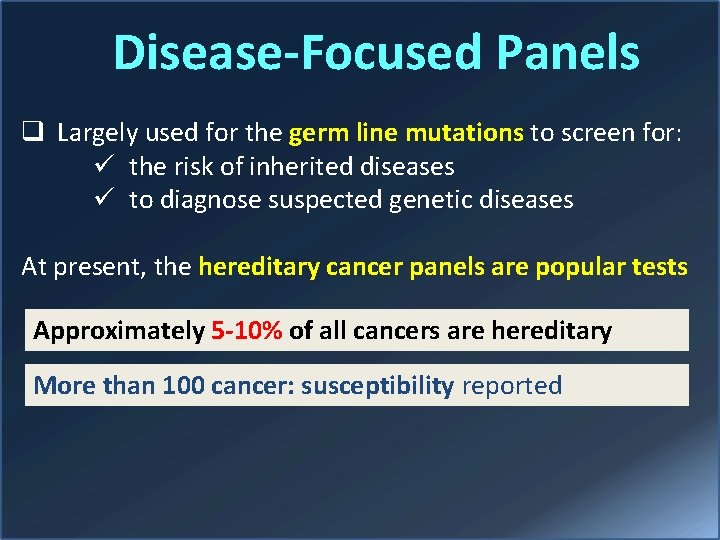
Disease-Focused Panels q Largely used for the germ line mutations to screen for: ü the risk of inherited diseases ü to diagnose suspected genetic diseases At present, the hereditary cancer panels are popular tests Approximately 5 -10% of all cancers are hereditary More than 100 cancer: susceptibility reported
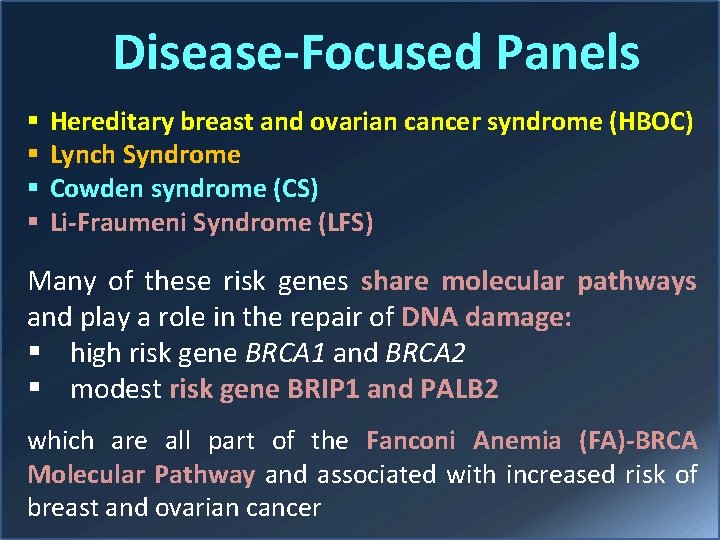
Disease-Focused Panels § § Hereditary breast and ovarian cancer syndrome (HBOC) Lynch Syndrome Cowden syndrome (CS) Li-Fraumeni Syndrome (LFS) Many of these risk genes share molecular pathways and play a role in the repair of DNA damage: § high risk gene BRCA 1 and BRCA 2 § modest risk gene BRIP 1 and PALB 2 which are all part of the Fanconi Anemia (FA)-BRCA Molecular Pathway and associated with increased risk of breast and ovarian cancer
NGS-based screening for all of those genes for a particular cancer provides critical risk information for preventive management These panels generally have a limited set of genes allowing multiplex and greater depth of coverage for increased: § Analytical sensitivity § Specificity § Decreased cost
Comprehensive Panels: ISSUES Clinical laboratories are facing SERIOUS FINANCIAL and PRACTICAL CHALLENGES associated with: q Development and validation of different diseasefocused panels according to the American College of Medical Genetics and Genomics (ACMG) guidelines q Limited number of clinical specimens required for clinical testing for any given disease at any given time q the requirement to constantly update the content of existing panels
Advantages for Physicians Request testing using a specific disease focused sub-panel that is relevant to the patient’s phenotype LEVEL ADDITIONAL ANALYSIS REQUESTED USING COULD THE BE FULL PANEL, IF CLINICALLY INDICATED
Illumina’s Tru. Sight One: comprehensive panel q. Includes > 60 well established subpanels q Covers 4813 genes having known association with clinical phenotypes
Illumina’s Tru. Sight One: comprehensive panel q All exonic regions harboring disease-causing mutations identified based on information in the § Human Gene Mutation Database (HGMD Professional) Online Mendelian Inheritance in Man (OMIM) catalog, Gene. Tests. org § Other commercially available sequencing panels § Thus, this comprehensive panel analyzes all genes currently reviewed in clinical research settings, and could be used for any disease focused sub-panel testing after being completely validated in the clinical laboratory
WES vs WGS q WES an ideal tool for testing the pts with: ü undiagnosed diseases of suspected hereditary origin for possible elucidation of a cause of the disease. Few academic institutes have already been offering clinical WES: § Baylor College of Medicine § Washington University of St. Louis § UCLA Emory Genetics Laboratory (EGL): developed a new generation of clinical whole exome sequencing test, named Medical Em. Exome
WES vs WGS Emory Genetics Laboratory (EGL): developed a new generation of clinical whole exome sequencing test, named Medical Em. Exome But… non still implemetable in Mean read depth of 100 X clinical routine q >97% coverage of 22, 000 genes q q Of the ~4600 disease-associated genes analyzed 3000 have 100% coverage (20 X) of all exons (significantly higher than other commercial whole exome sequencing tests) q sub-panel relevant to the patient’s phenotype
WGS represents the next step in the progression to complete elucidation of the genomic determinants of a patient’s heritable make-up, and thus is the most comprehensive tool for future clinical application It is expected to provide full coverage of all protein coding regions like WES as well as intronic and other noncoding regions associated with inherited diseases. With the recent release of Illumina Hi. Seq X Ten, a human genome can be sequenced at 30 x coverage under $1000. Thus, the cost of sequencing is not a barrier for clinical WGS anymore
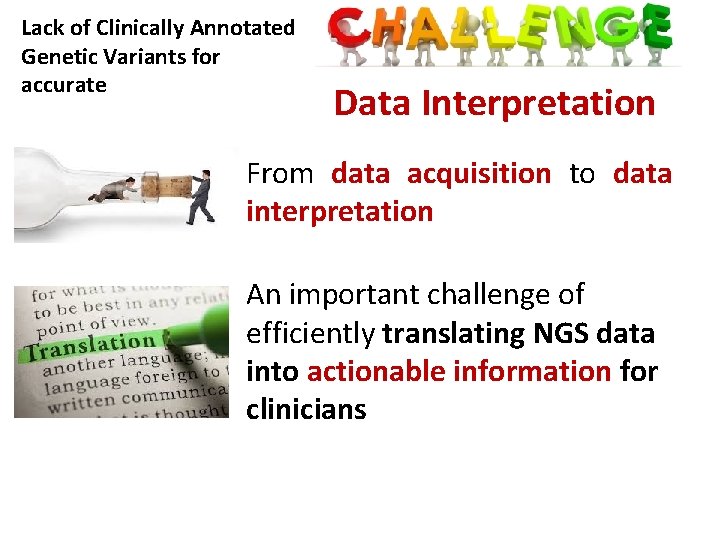
Lack of Clinically Annotated Genetic Variants for accurate Data Interpretation From data acquisition to data interpretation An important challenge of efficiently translating NGS data into actionable information for clinicians
THESE VARIANTS REQUIRE MASSIVE SOURCES OF: a) GENOMIC AND PHENOTYPIC DATA b) SHARED EFFORTS IN STUDYING VARIANTS This will take many years and requires a lot of collective effort The International Collaboration for Clinical Genomics is working closely with NCBI to develop standards, to assist clinical laboratories in: • sharing their data • to develop approaches to curate the shared data
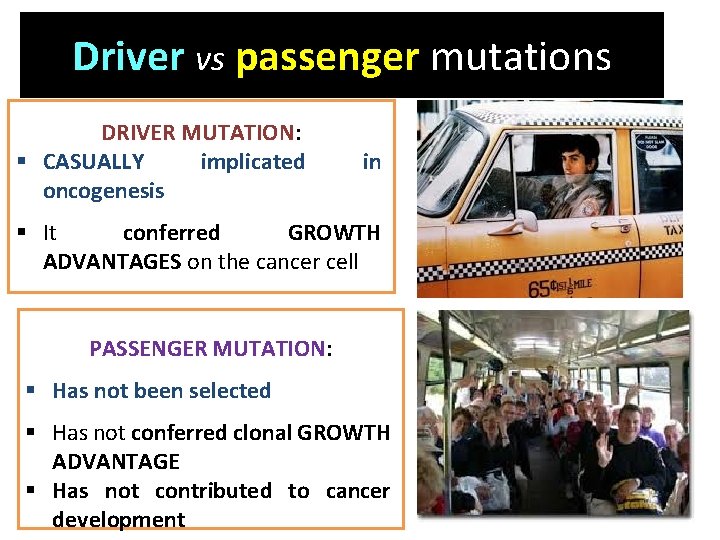
Driver vs passenger mutations DRIVER MUTATION: § CASUALLY implicated oncogenesis in § It conferred GROWTH ADVANTAGES on the cancer cell PASSENGER MUTATION: § Has not been selected § Has not conferred clonal GROWTH ADVANTAGE § Has not contributed to cancer development
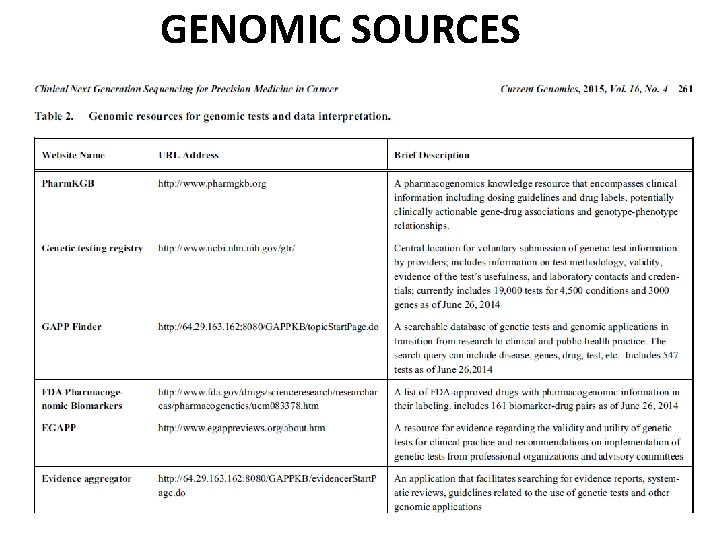
GENOMIC SOURCES
Future perspectives § NGS technology: dramatic impact on precision medicine from § risk assessment § early diagnosis, prognosis and treatment § Successful application of NGS technology to cytology specimens can further enhance its power in the disease management § However, there are several key challenges that impede the wide adoption of NGS in clinical laboratories
Future perspectives § Addressing the following challenges can pave the way for: q Gene panels q WES q WGS testing in the daily practice of precision medicine
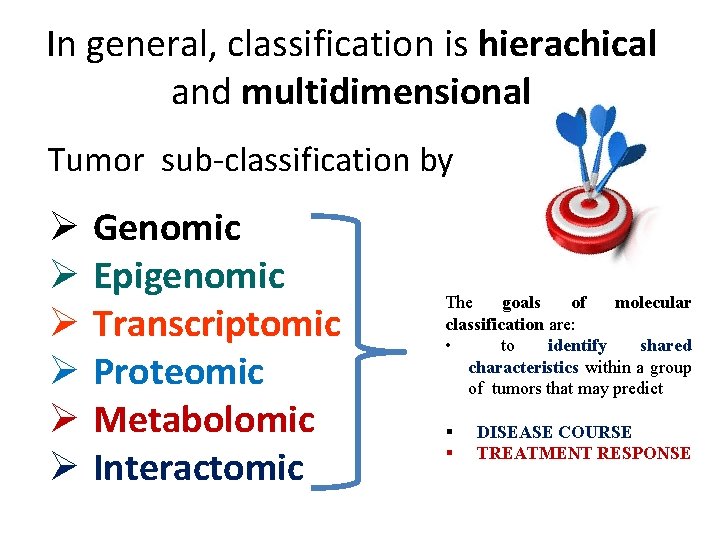
In general, classification is hierachical and multidimensional Tumor sub-classification by Ø Ø Ø Genomic Epigenomic Transcriptomic Proteomic Metabolomic Interactomic The goals of molecular classification are: • to identify shared characteristics within a group of tumors that may predict § § DISEASE COURSE TREATMENT RESPONSE
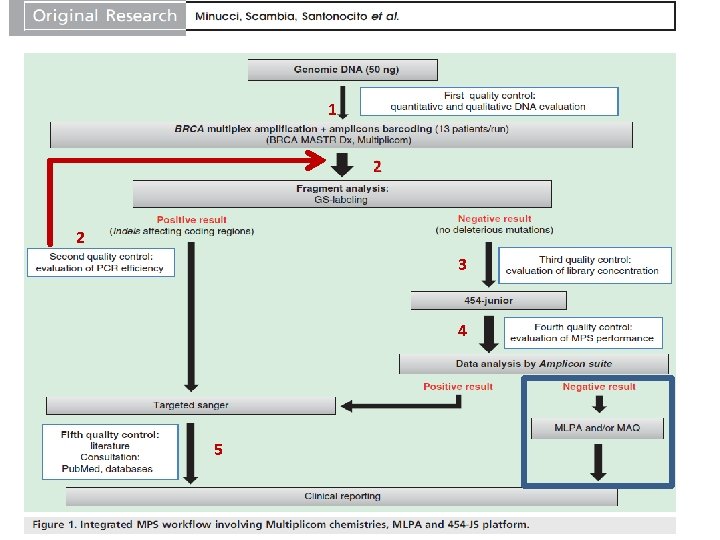
1 2 3 4 5
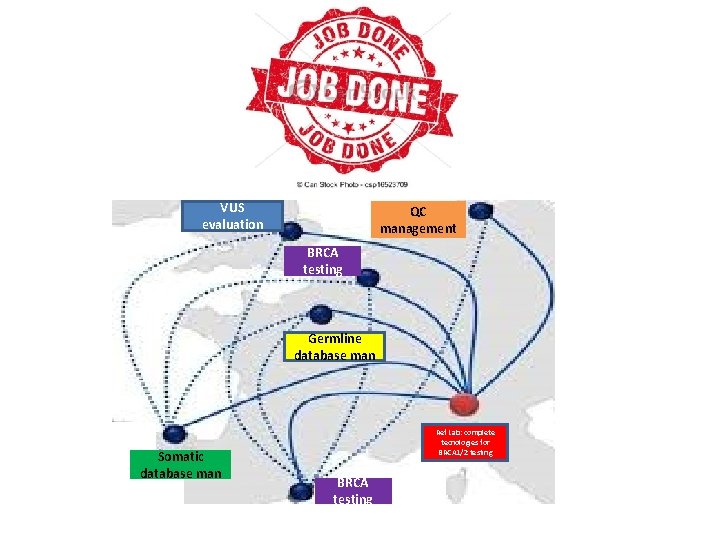
VUS evaluation QC management BRCA testing Germline database man Somatic database man Ref Lab: complete tecnologies for BRCA 1/2 testing BRCA testing
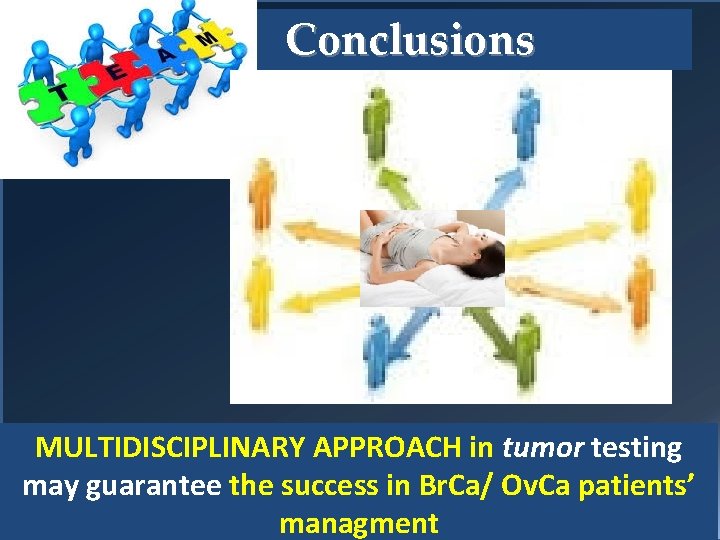
Conclusions MULTIDISCIPLINARY APPROACH in tumor testing may guarantee the success in Br. Ca/ Ov. Ca patients’ managment
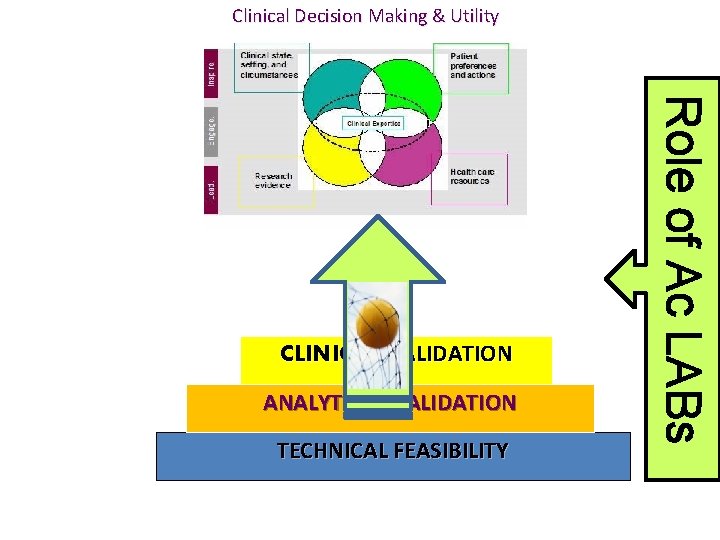
Clinical Decision Making & Utility ANALYTICAL VALIDATION TECHNICAL FEASIBILITY Role of Ac LABs CLINICAL VALIDATION
Collaborations University of Piemonte Orientale Bioinformatic Facility Unit Thomas Jefferson University Department of Cancer Genomics My staff: Faculty of Medicine Hospital Fellows Prof. A. Minucci Prof. P. Concolino Prof. C. Santonocito Dr. G. Canu, Ph. D Dr. C. Paolillo, Ph. D Dr. G. L. Scaglione, Ph. D Dr. S. Palumbo Dr. S. Rocchetti Dr. C. Autilio Dr. A. Costella Dr. K. Pocino Dr. R. Rizza Dr. D. Guarino Dr. M. De Bonis

- Slides: 60