
Next Generation Science Standards Storylines Phenomena 3 Dimensional
- Slides: 26
Next Generation Science Standards Storylines, Phenomena & 3 -Dimensional Learning Max Longhurst & Debra Spielmaker Utah State University
Where’s the conversation?
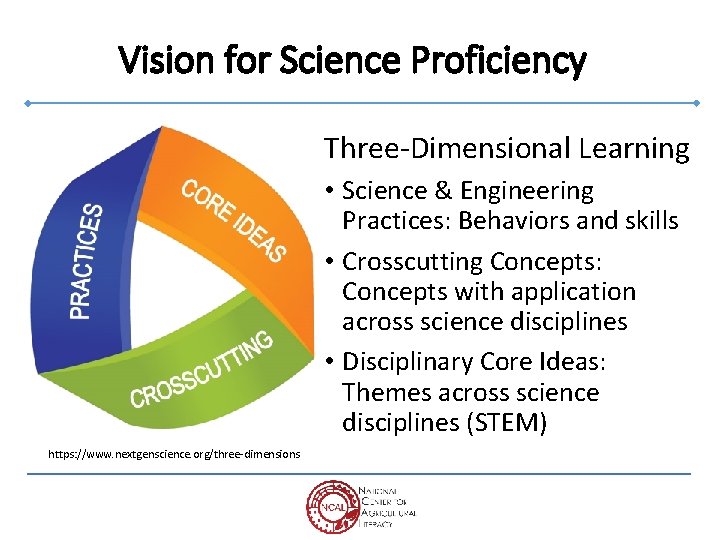
Vision for Science Proficiency Three-Dimensional Learning • Science & Engineering Practices: Behaviors and skills • Crosscutting Concepts: Concepts with application across science disciplines • Disciplinary Core Ideas: Themes across science disciplines (STEM) https: //www. nextgenscience. org/three-dimensions
Quick Poll Junkie: http: //bit. ly/aitcngss
NGSS and State Standards What the heck is NGSS? ! • What term and concepts were new?
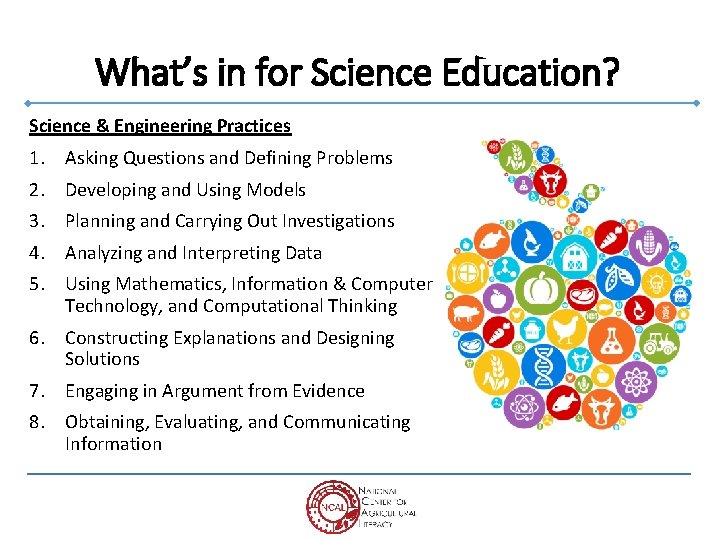
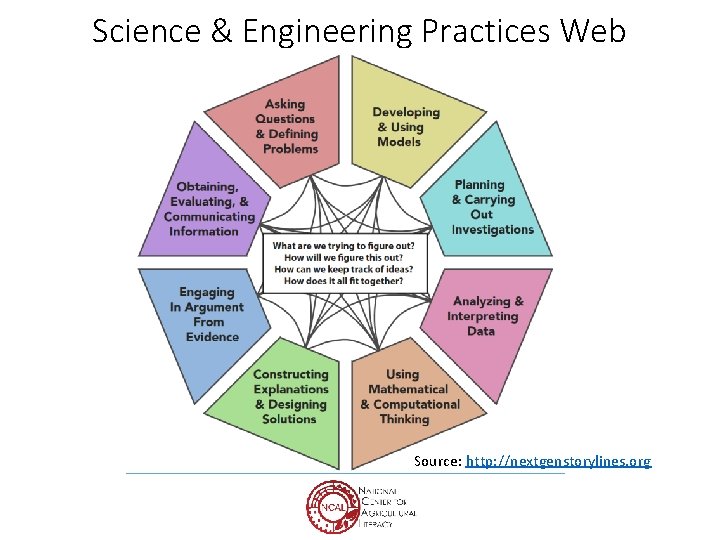
What’s in for Science Education? Science & Engineering Practices 1. Asking Questions and Defining Problems 2. Developing and Using Models 3. Planning and Carrying Out Investigations 4. Analyzing and Interpreting Data 5. Using Mathematics, Information & Computer Technology, and Computational Thinking 6. Constructing Explanations and Designing Solutions 7. Engaging in Argument from Evidence 8. Obtaining, Evaluating, and Communicating Information
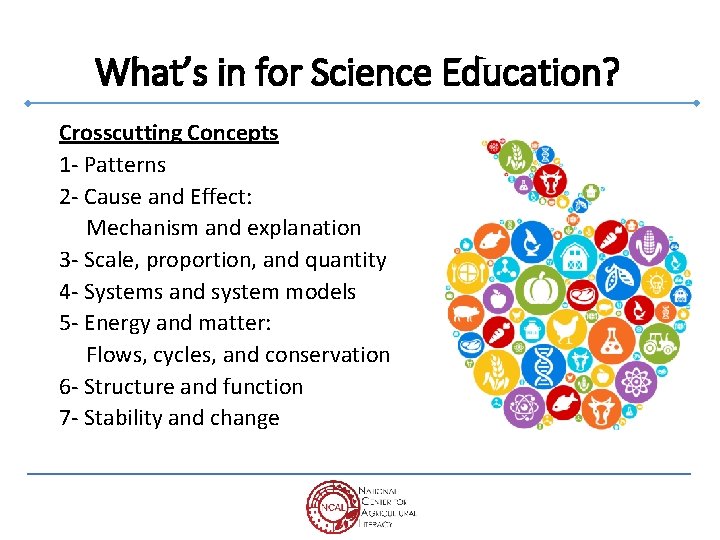
What’s in for Science Education? Crosscutting Concepts 1 - Patterns 2 - Cause and Effect: Mechanism and explanation 3 - Scale, proportion, and quantity 4 - Systems and system models 5 - Energy and matter: Flows, cycles, and conservation 6 - Structure and function 7 - Stability and change
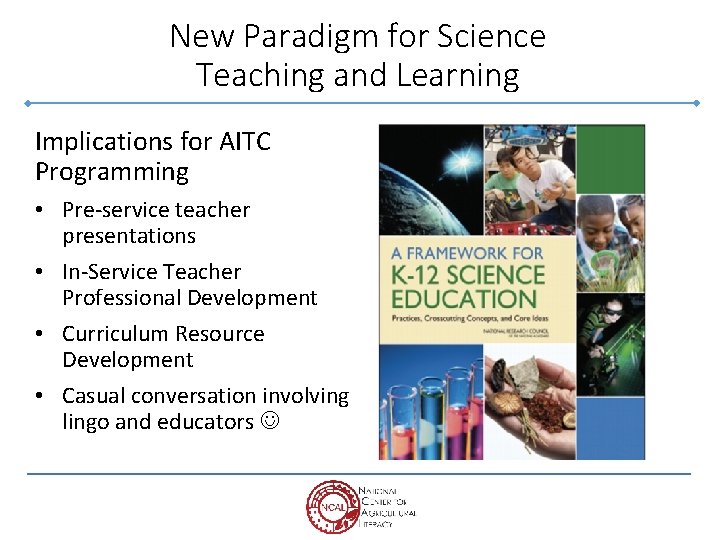
New Paradigm for Science Teaching and Learning Implications for AITC Programming • Pre-service teacher presentations • In-Service Teacher Professional Development • Curriculum Resource Development • Casual conversation involving lingo and educators
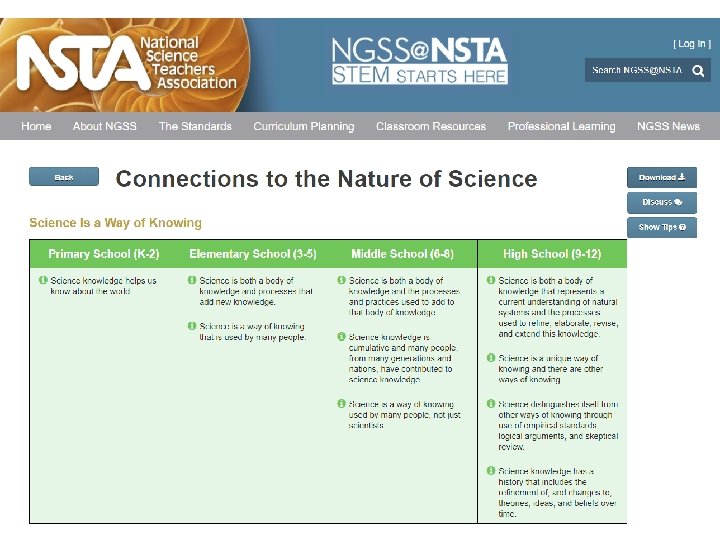
Science: A way of knowing
NGSS and State Standards Next Generation Science Standards by Topic: Let’s see how this works! http: //ngss. nsta. org/Access. Standards. By. Topic. aspx
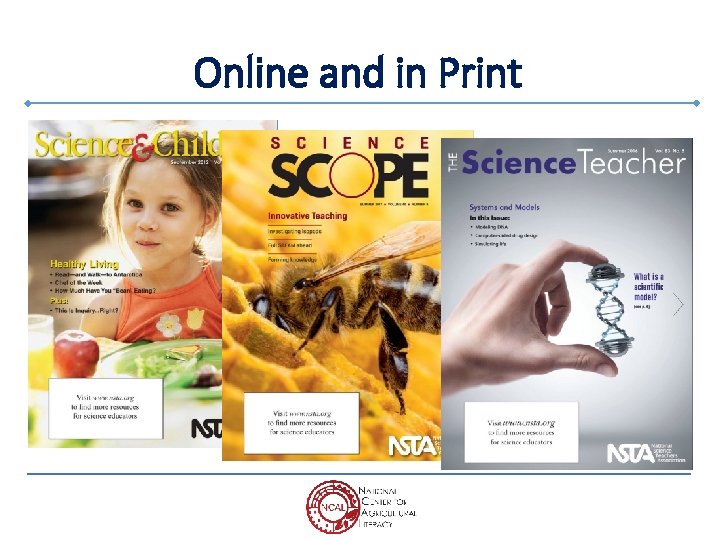
Online and in Print
Phenomena Consider the questions from students…and they usually start with “why do? ” or “how come? ” This questioning about phenomena is the beginning of a way of knowing Phenomena are observable events that lead to student generated questions
Creating Conceptual Storylines • Conceptual Storylines narrative approach to learning contextualizing concepts. • Storylines relate to a series of lessons, teachers determine which ones fit the best • Storylines begins with questions around phenomena (driving question, used in Ub. D and PBL) • Tools: http: //www. nextgenstorylines. org/
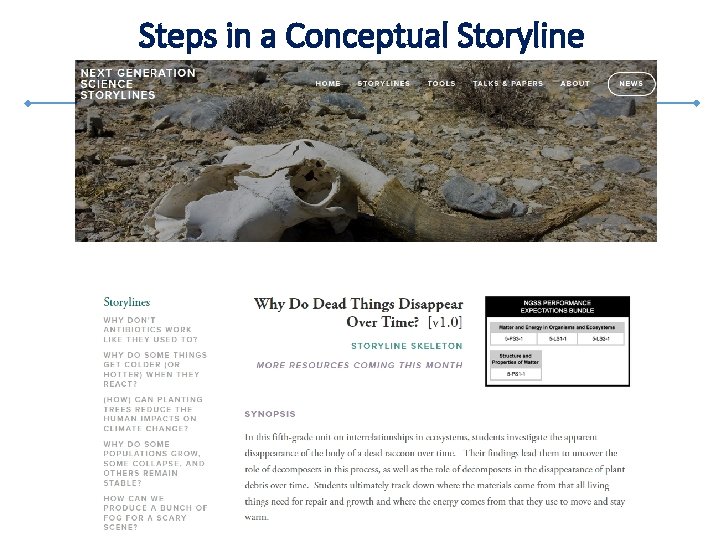
Steps in a Conceptual Storyline
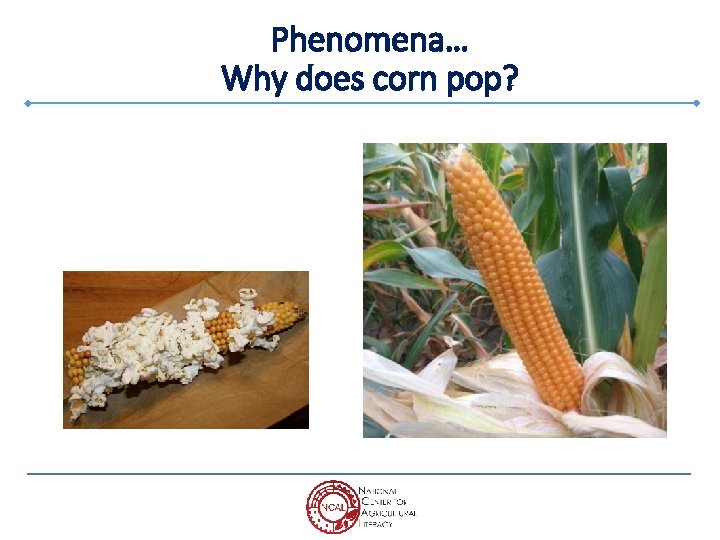
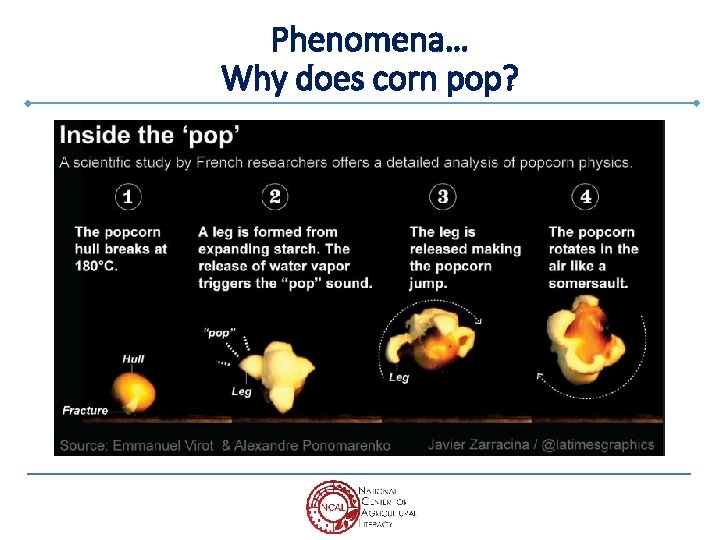
Phenomena… Why does corn pop?
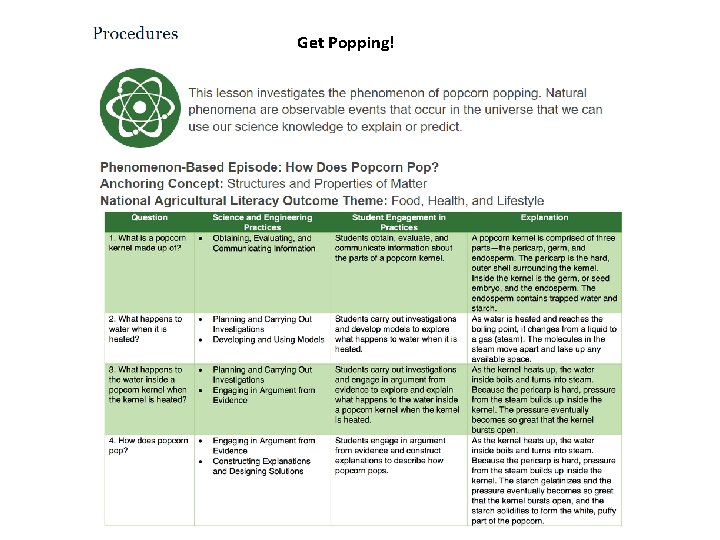
Get Popping!
Phenomena… Why does corn pop?
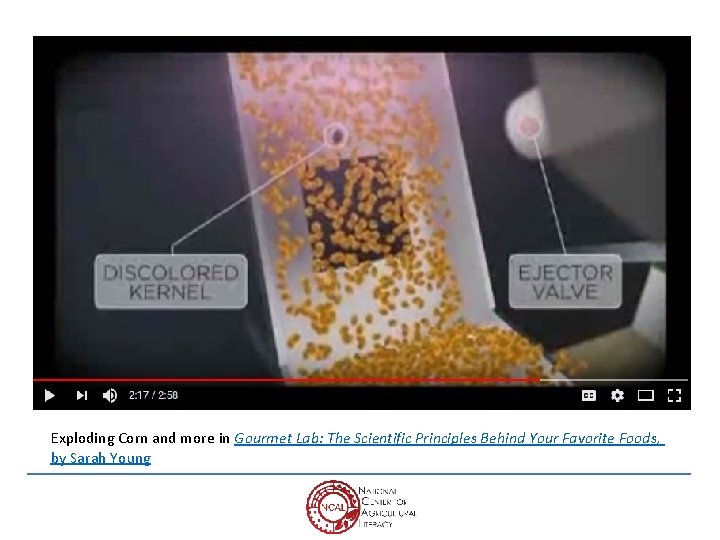
Exploding Corn and more in Gourmet Lab: The Scientific Principles Behind Your Favorite Foods, by Sarah Young
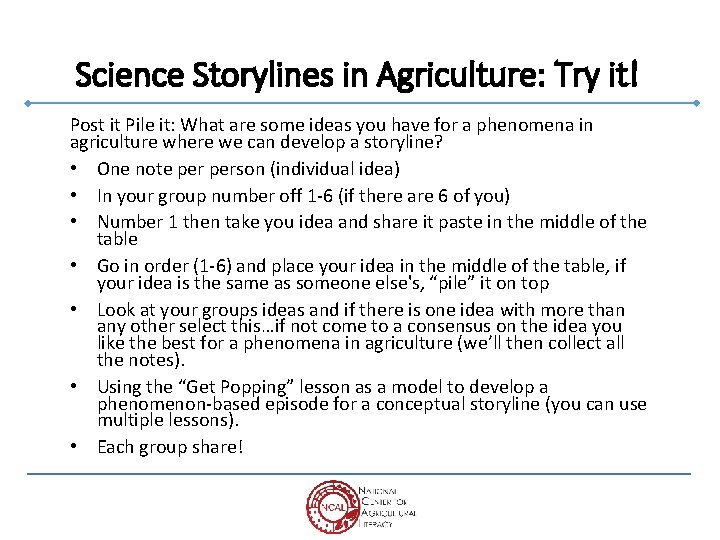
Science Storylines in Agriculture: Try it! Post it Pile it: What are some ideas you have for a phenomena in agriculture where we can develop a storyline? • One note person (individual idea) • In your group number off 1 -6 (if there are 6 of you) • Number 1 then take you idea and share it paste in the middle of the table • Go in order (1 -6) and place your idea in the middle of the table, if your idea is the same as someone else's, “pile” it on top • Look at your groups ideas and if there is one idea with more than any other select this…if not come to a consensus on the idea you like the best for a phenomena in agriculture (we’ll then collect all the notes). • Using the “Get Popping” lesson as a model to develop a phenomenon-based episode for a conceptual storyline (you can use multiple lessons). • Each group share!
Science Storylines in Agriculture You. Tube list for storyline engagement in ag phenomena http: //bit. ly/agphenomena
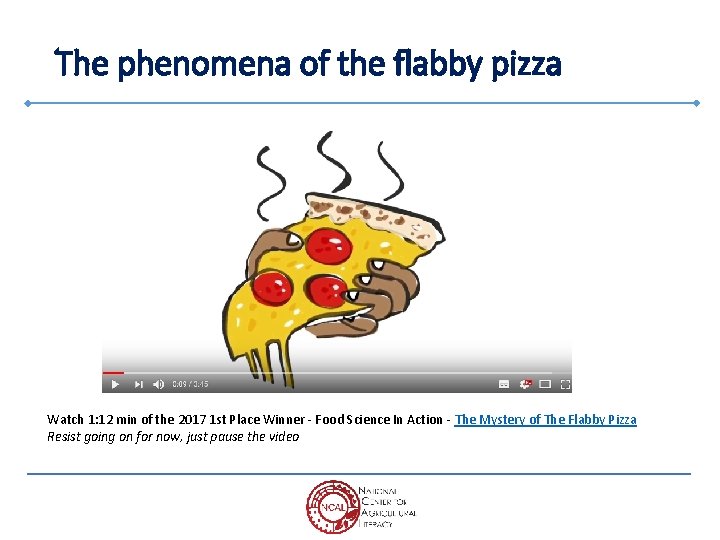
The phenomena of the flabby pizza Watch 1: 12 min of the 2017 1 st Place Winner - Food Science In Action - The Mystery of The Flabby Pizza Resist going on for now, just pause the video
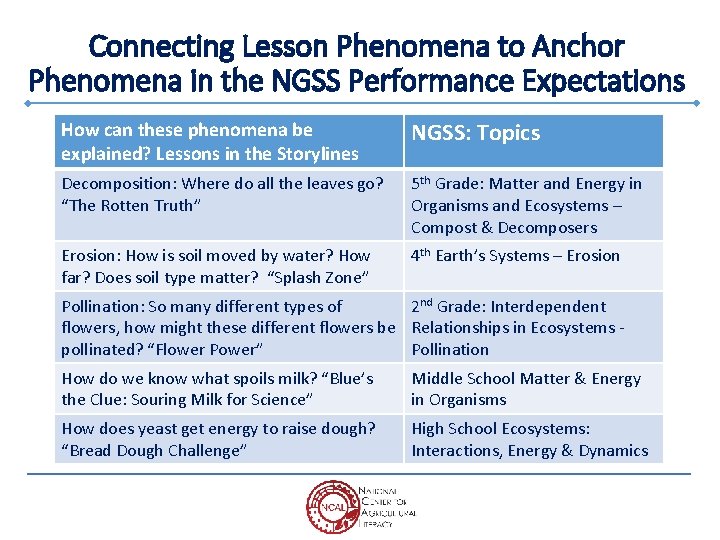
Connecting Lesson Phenomena to Anchor Phenomena in the NGSS Performance Expectations How can these phenomena be explained? Lessons in the Storylines NGSS: Topics Decomposition: Where do all the leaves go? “The Rotten Truth” 5 th Grade: Matter and Energy in Organisms and Ecosystems – Compost & Decomposers Erosion: How is soil moved by water? How far? Does soil type matter? “Splash Zone” 4 th Earth’s Systems – Erosion Pollination: So many different types of 2 nd Grade: Interdependent flowers, how might these different flowers be Relationships in Ecosystems pollinated? “Flower Power” Pollination How do we know what spoils milk? “Blue’s the Clue: Souring Milk for Science” Middle School Matter & Energy in Organisms How does yeast get energy to raise dough? “Bread Dough Challenge” High School Ecosystems: Interactions, Energy & Dynamics
Science & Engineering Practices Web Source: http: //nextgenstorylines. org
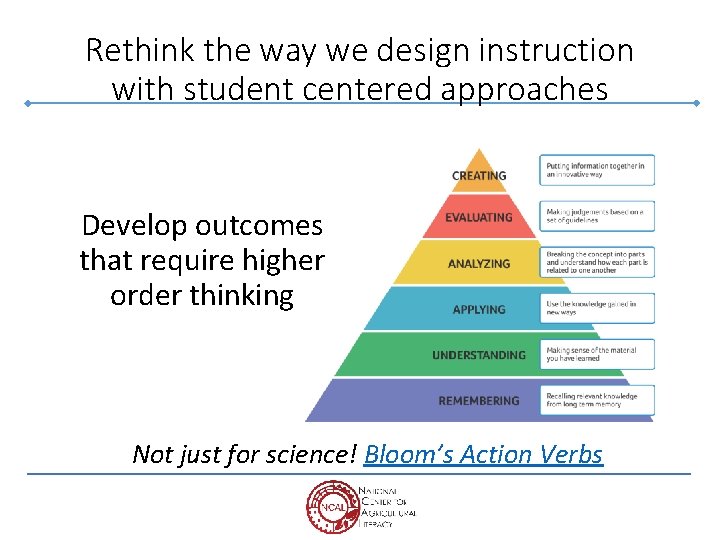
Rethink the way we design instruction with student centered approaches Develop outcomes that require higher order thinking Not just for science! Bloom’s Action Verbs
Questions? Really want more… EQui. P: https: //www. nextgenscience. org/resources/ngss-equip-rubric-using-phenomena Know. Atom Channel: https: //www. youtube. com/channel/UCS 0 rb. N 0 Rfqa. U 1 xa. ISrd. Vp. TA For more on phenomena and storylines, read the NSTA Science Scope articles from December - February.
Next Generation Science Standards Storylines, Phenomena, & 3 -Dimensional Learning