
Next Generation Learning How Do We Get There

- Slides: 36
Next Generation Learning: How Do We Get There from Here? Andy Calkins and Nancy Millichap with Art Seavey and Alison Brown February 4, 2013
Agenda Introduce Next Generation Learning Challenges Present Examples of NGLC Grantee Work Identify Six Dimensions of Next Generation Learning Extend an Invitation for Questions and Comments Read the Paper: Next Generation Learning: The Pathway to Possibility http: //www. educause. edu/library/resources/next-generation-learning-pathwaypossibility
Next Generation Learning Challenges The Six Dimensions of Next Generation Learning
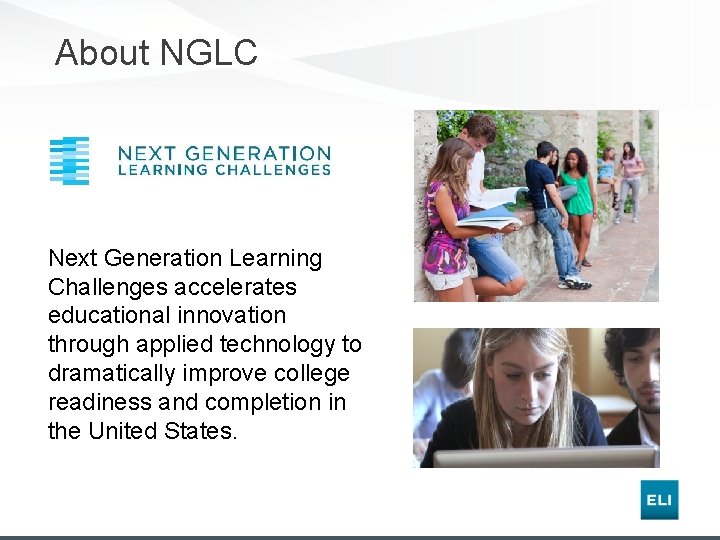
About NGLC Next Generation Learning Challenges accelerates educational innovation through applied technology to dramatically improve college readiness and completion in the United States.
NGLC Partners
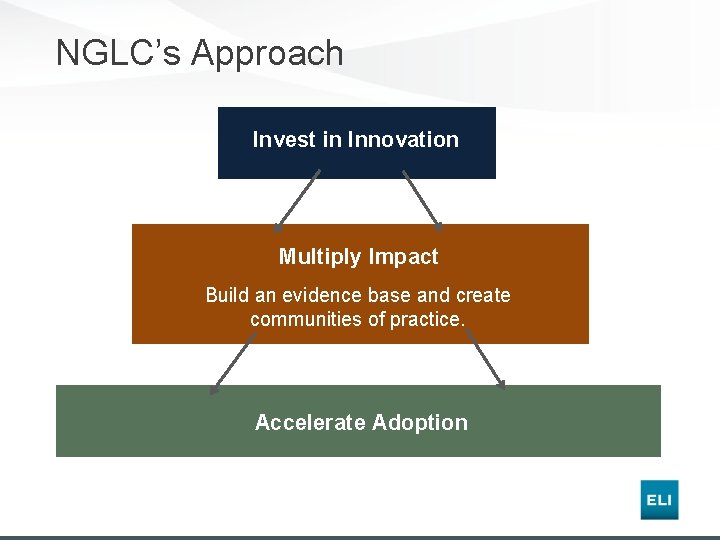
NGLC’s Approach Invest in Innovation Multiply Impact Build an evidence base and create communities of practice. Accelerate Adoption
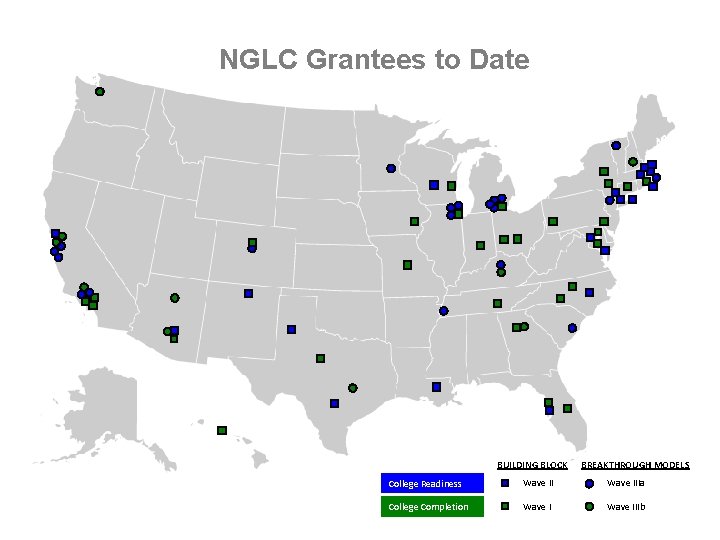
NGLC Grantees to Date BUILDING BLOCK BREAKTHROUGH MODELS College Readiness Wave IIIa College Completion Wave IIIb
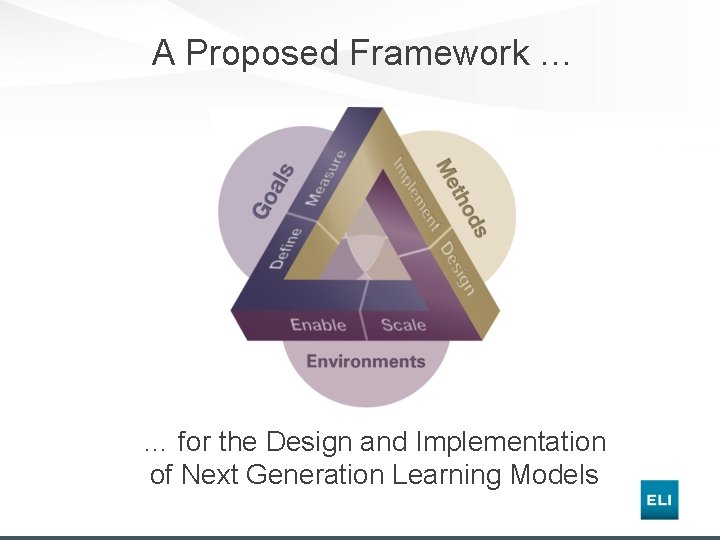
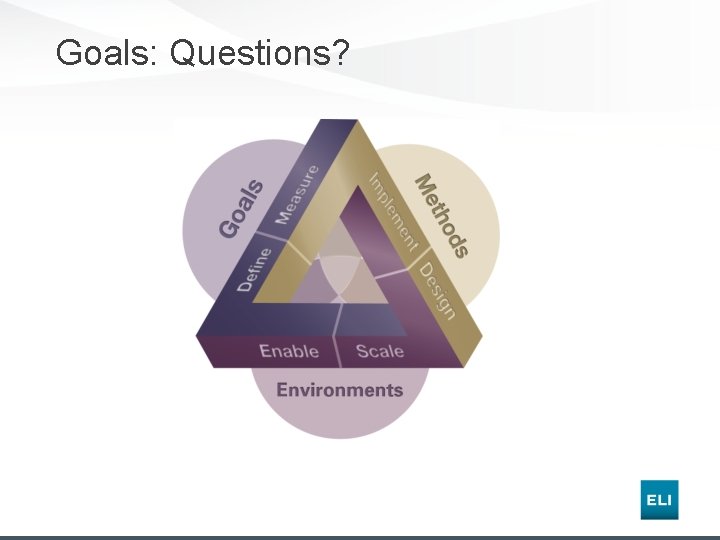
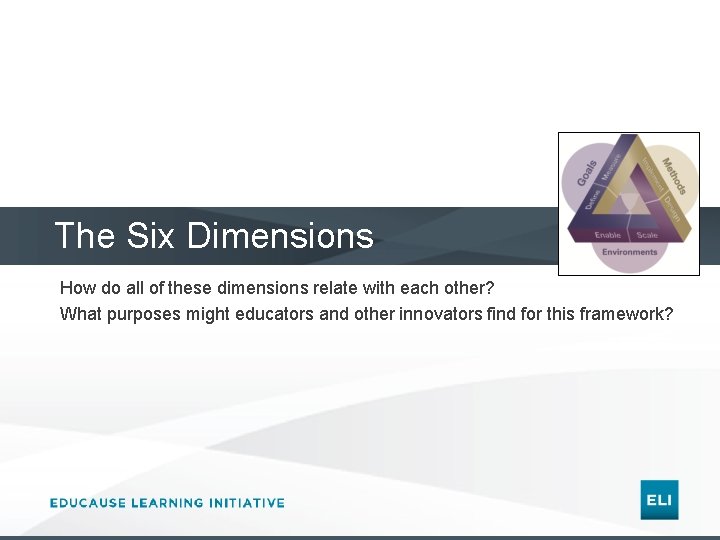
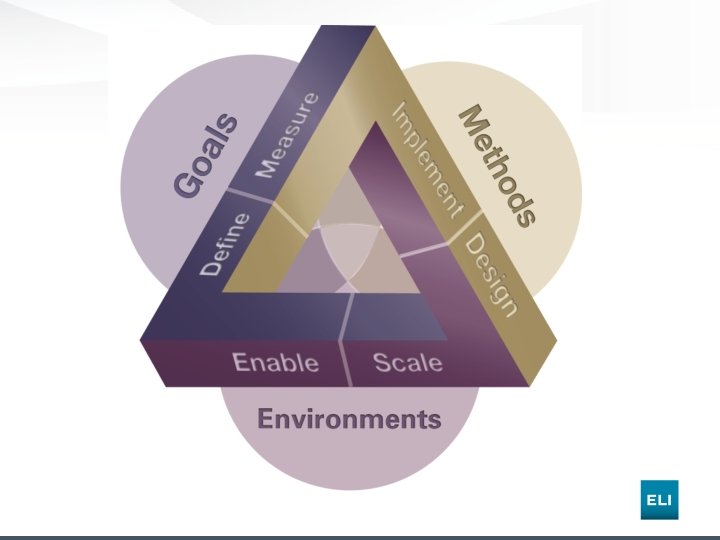
A Proposed Framework … … for the Design and Implementation of Next Generation Learning Models
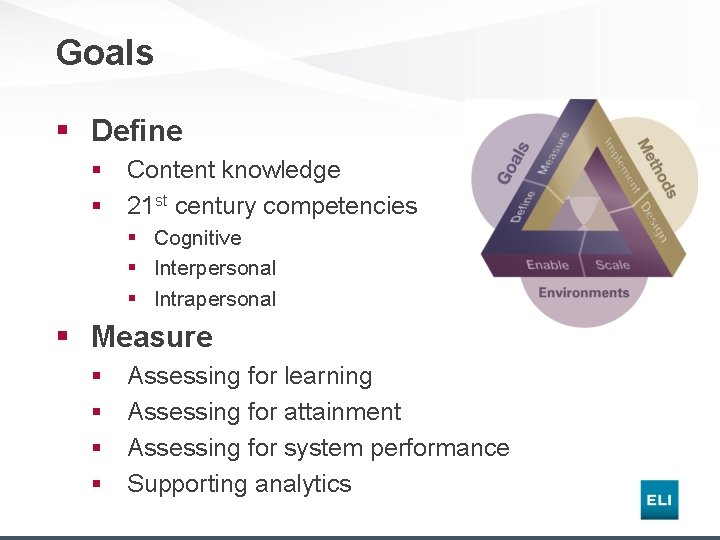
Goals § Define § Content knowledge § 21 st century competencies § Cognitive § Interpersonal § Intrapersonal § Measure § § Assessing for learning Assessing for attainment Assessing for system performance Supporting analytics
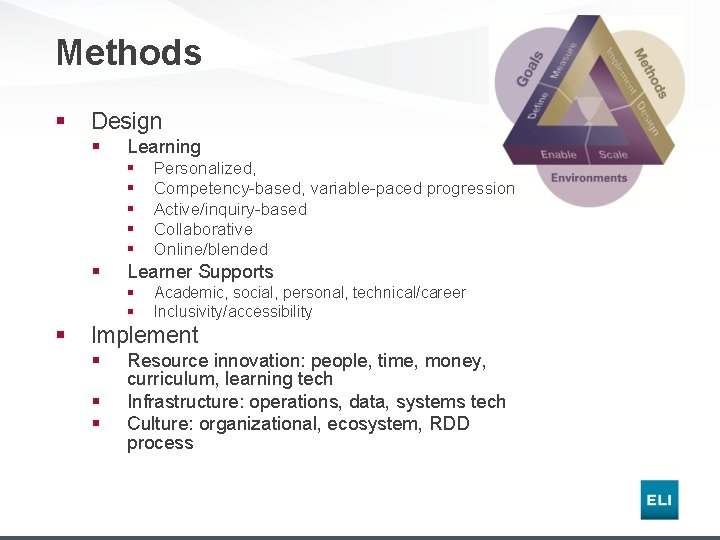
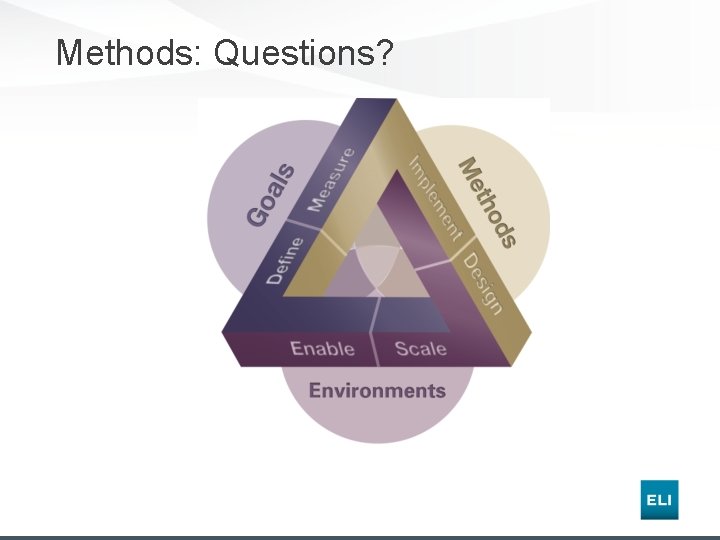
Methods § Design § Learning § § § Learner Supports § § § Personalized, Competency-based, variable-paced progression Active/inquiry-based Collaborative Online/blended Academic, social, personal, technical/career Inclusivity/accessibility Implement § § § Resource innovation: people, time, money, curriculum, learning tech Infrastructure: operations, data, systems tech Culture: organizational, ecosystem, RDD process
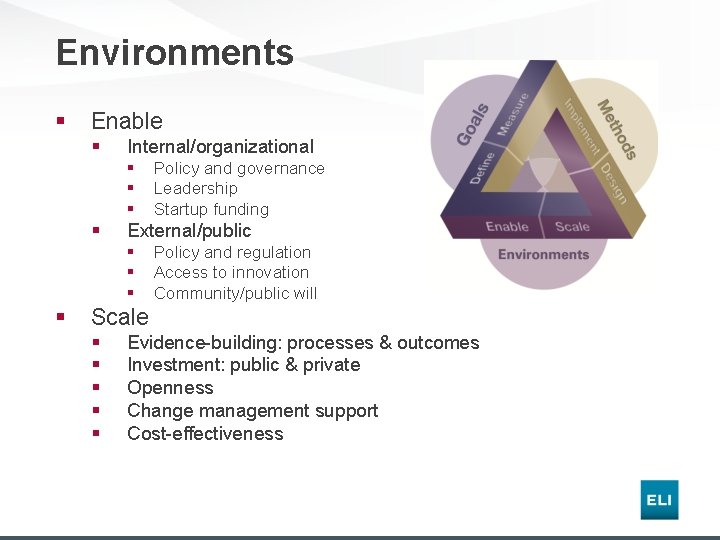
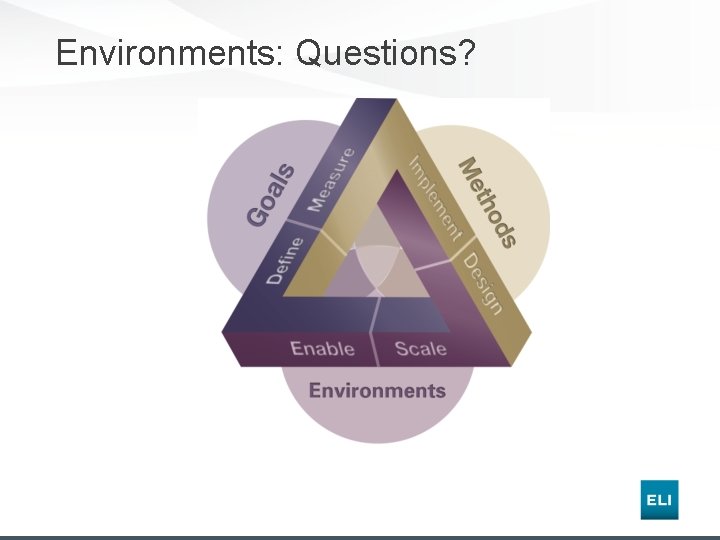
Environments § Enable § Internal/organizational § § External/public § § Policy and governance Leadership Startup funding Policy and regulation Access to innovation Community/public will Scale § § § Evidence-building: processes & outcomes Investment: public & private Openness Change management support Cost-effectiveness ENABLE
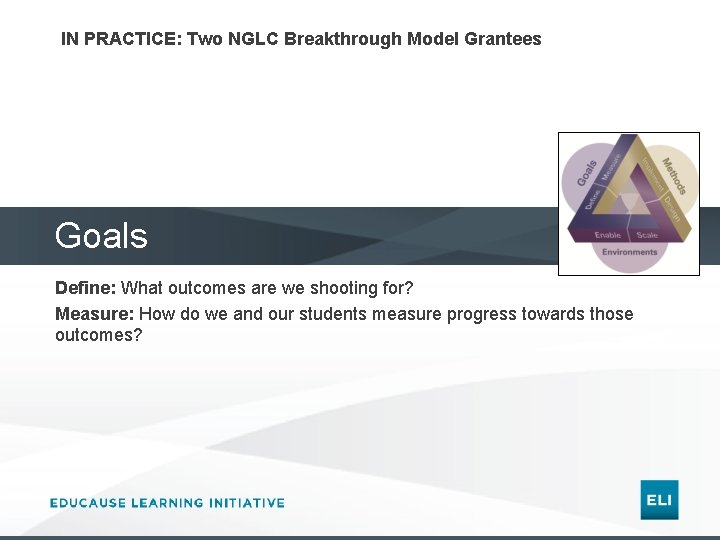
IN PRACTICE: Two NGLC Breakthrough Model Grantees Goals Define: What outcomes are we shooting for? Measure: How do we and our students measure progress towards those outcomes?
Goals: Common Themes § § § § § Prepared for career and civic life Knowledge that cuts across traditional lines Applying multi-disciplinary knowledge to an issue Outcomes relevant to students and employers Deeper learning: critical thinking, conceptual understanding, transfer of knowledge Non-cognitive skills: motivation, self-efficacy, learn how to learn A range of outcomes, a range of measures Performance not memorization Mastery Assessment is learning
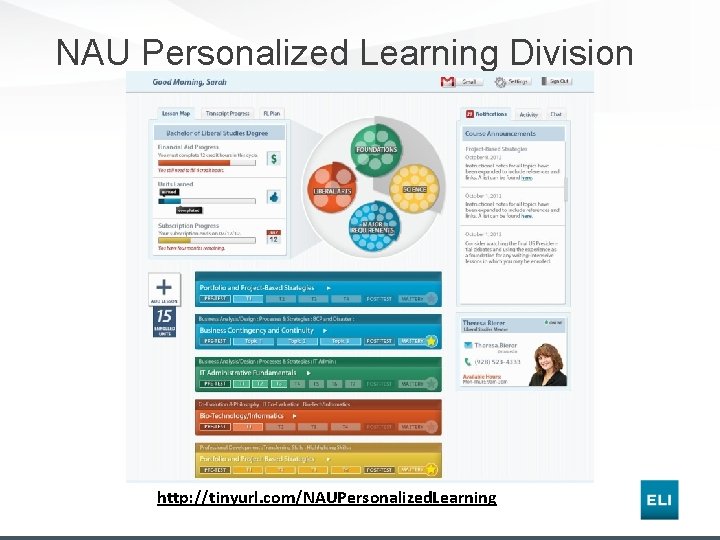
NAU Personalized Learning Division http: //tinyurl. com/NAUPersonalized. Learning
Goals: Questions?
IN PRACTICE: Two NGLC Breakthrough Model Grantees Methods Design: What learning and business models can generate those outcomes affordably for all students? Implement: What must change in order for these designs to be implemented effectively?
Methods: Common Themes (from a student’s perspective) § Personalized to the ways I learn best § Flexible so that I can try different ways to learn § Interactive and engaging so that I participate in the learning § Relevant to the life I’d like to lead § Organized around my own progress against goals I understand § Constantly informed by different ways of demonstrating and measuring my progress § Collaborative with instructors, peers, and others, unlimited by proximity § Agile and supportive when I need extra help § Challenging but achievable, with opportunities to become expert in an area of interest § Available to me as it is to every other student
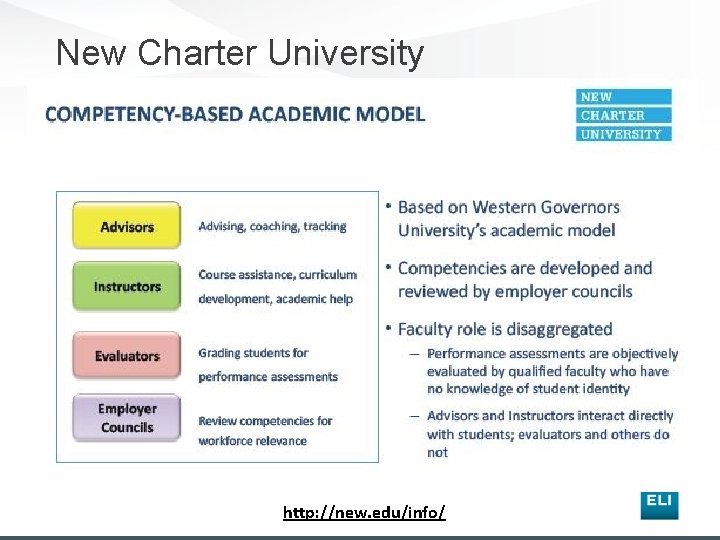
Methods: Common Themes § § § § Online and blended learning environments Pay a flat-rate and progress at your own pace Disaggregated faculty roles Deploying resources differently § Counteracting higher costs of technology with greater efficiencies and higher rates of student success Training staff and students for new roles and new technologies Recognizing institutional culture while trying to change how it operates Feedback and iterative design is baked in
Methods: Questions? DESIGN
IN PRACTICE: Two NGLC Breakthrough Model Grantees Environments Enable: What policy and other environmental conditions must be in place for the new designs to be piloted with fidelity to their founding ideas? Scale: What broader conditions must be in place in order for effective designs to scale up?
Environments: Common Themes § § § State system-level support for public institutions Connecting to initiatives supported by policymakers, legislators Communicating with community at the institution and in the local area Networks of sharing across institutions Open educational resources § § § § more accessible and flexible for students reduced cost of adoption and configurable to different environments for institutions External vendors provide on-going service to users Guides, resources, and training materials to support adoption with low-touch but high quality support Long-term perspectives on internal capacity Rethinking assumptions about credit hours, recognition of prior learning, accreditation Collecting evidence
Environments: Questions? DESIGN
The Six Dimensions How do all of these dimensions relate with each other? What purposes might educators and other innovators find for this framework?
ENABLE
Content Emerging from NGLC’s Grantees: • Practice Documentation: Grantee Profiles, Visions of Next Gen Learning Models, Videos • Analysis: Blended Learning Synthesis, Six Dimensions of Next Generation Learning, ELI SEI brief on U-Pace • Toolkits: EDUCAUSE on Campus • Commentary: NGLC blogs • nextgenlearning. org
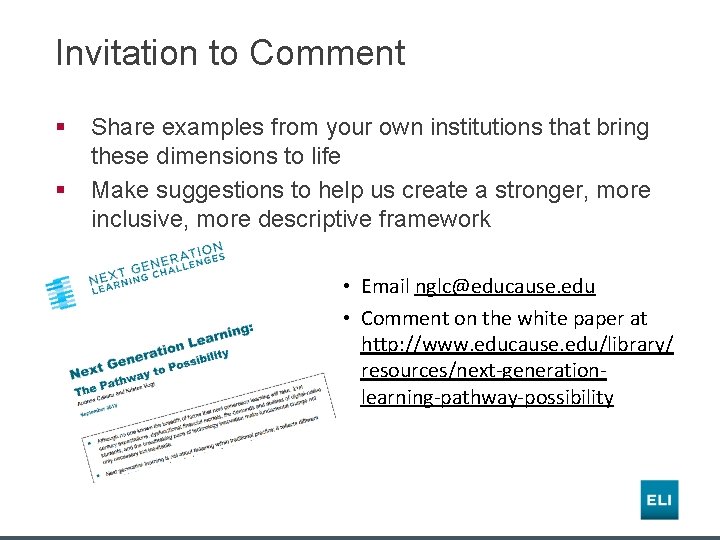
Invitation to Comment § § Share examples from your own institutions that bring these dimensions to life Make suggestions to help us create a stronger, more inclusive, more descriptive framework • Email nglc@educause. edu • Comment on the white paper at http: //www. educause. edu/library/ resources/next-generationlearning-pathway-possibility
How to find us: nextgenlearning. org Andy Calkins Deputy Director acalkins@educause. edu Nancy Millichap Postsecondary Program Officer nmillichap@educause. edu
Earn Your Badge! Evaluate this session: http: //tinyurl. com/eli 2013 sessevals
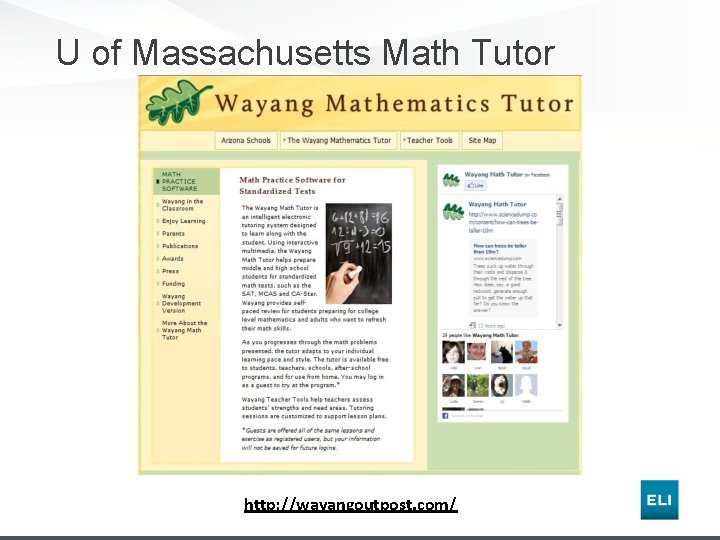
U of Massachusetts Math Tutor http: //wayangoutpost. com/
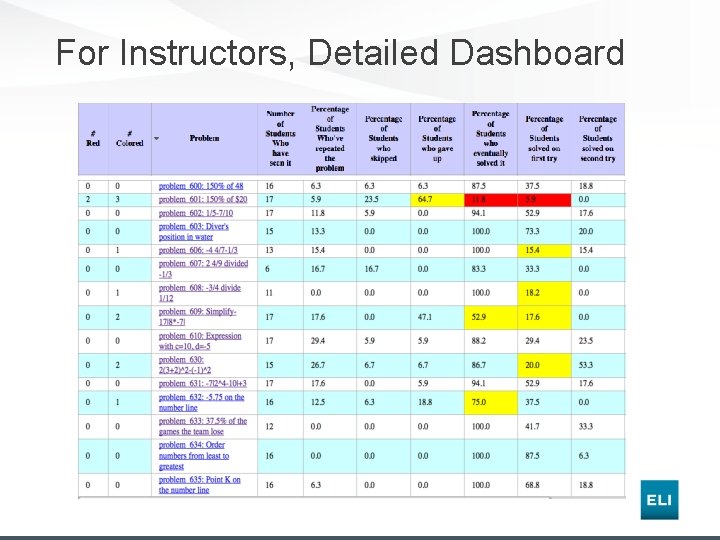
For Instructors, Detailed Dashboard
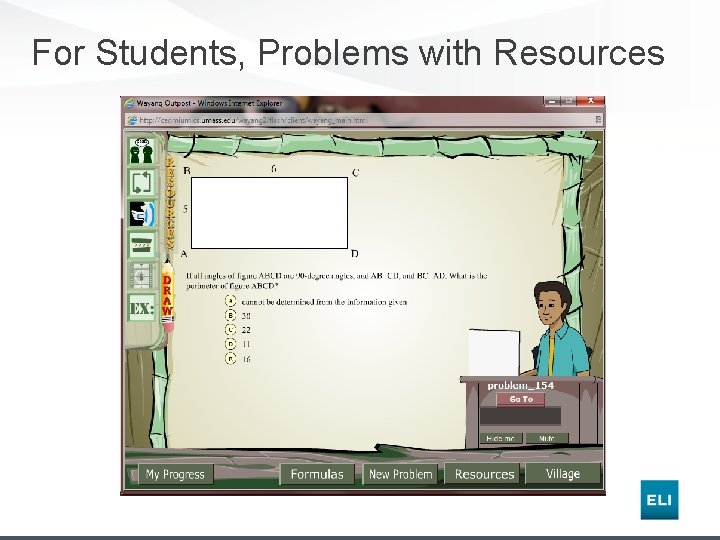
For Students, Problems with Resources
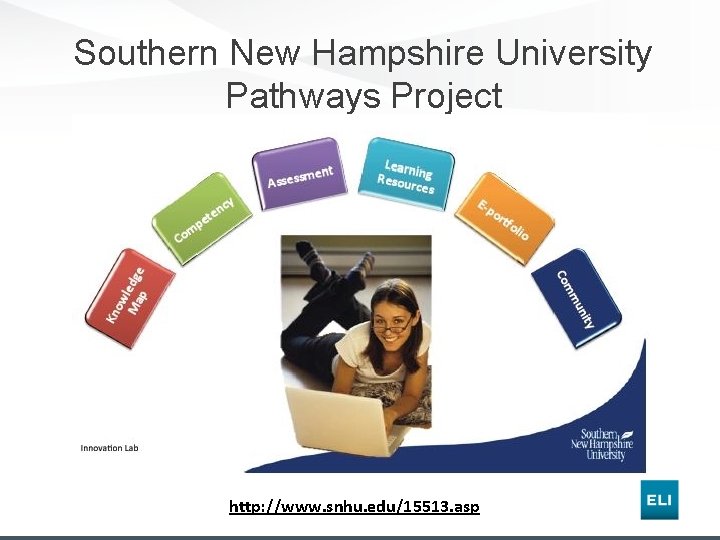
Southern New Hampshire University Pathways Project http: //www. snhu. edu/15513. asp
New Charter University http: //new. edu/info/
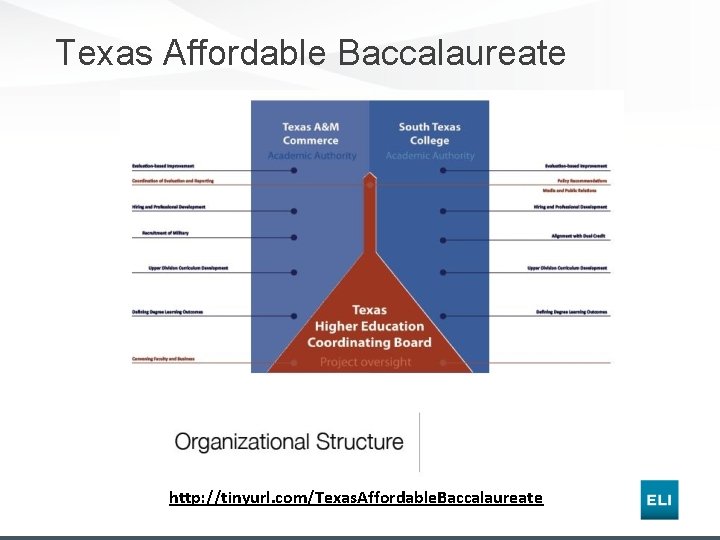
Texas Affordable Baccalaureate http: //tinyurl. com/Texas. Affordable. Baccalaureate
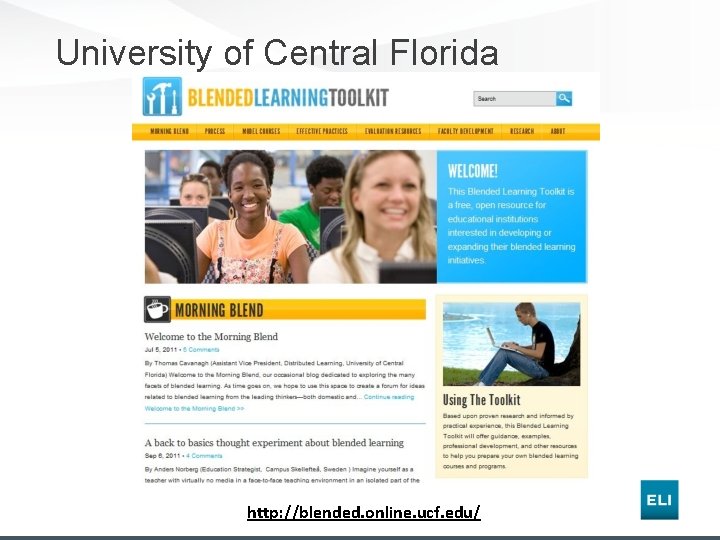
University of Central Florida http: //blended. online. ucf. edu/