
New Problems and Algorithms in VLSI CAD and

New Problems and Algorithms in VLSI CAD and Computational Geometry CS 696, September 22, 1999 Gabriel Robins Department of Computer Science University of Virginia www. cs. virginia. edu/robins

“Make everything as simple as possible, but not simpler. ” - Albert Einstein (1879 -1955)
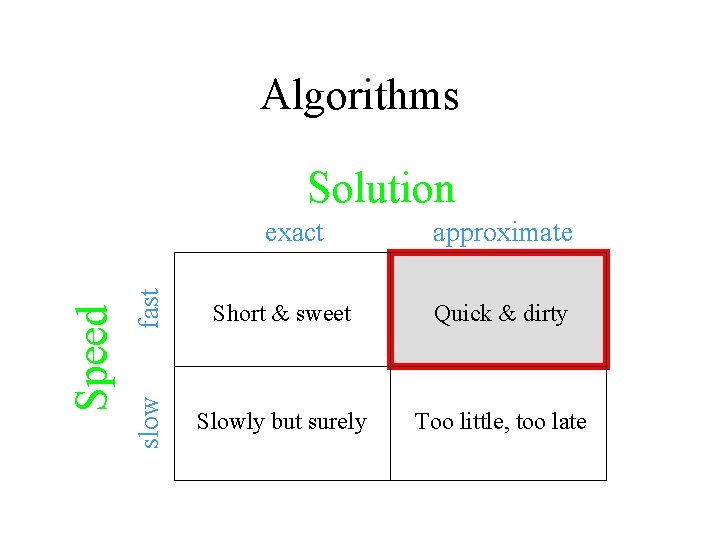
Algorithms Solution fast approximate Short & sweet Quick & dirty slow Speed exact Slowly but surely Too little, too late
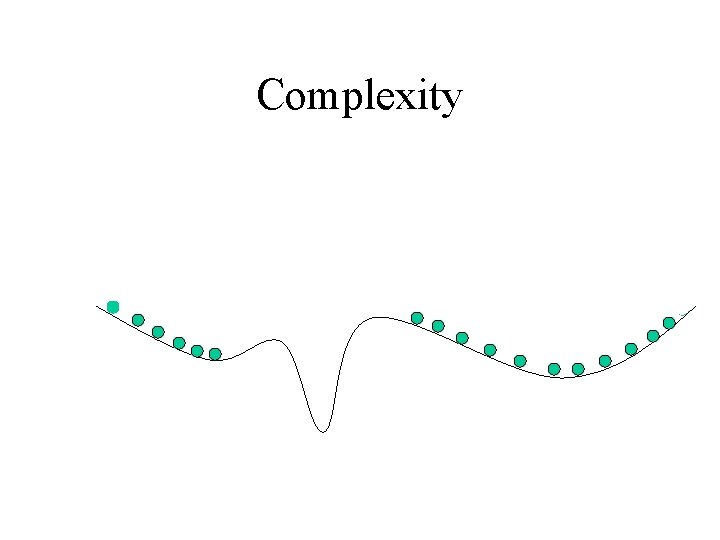
Complexity
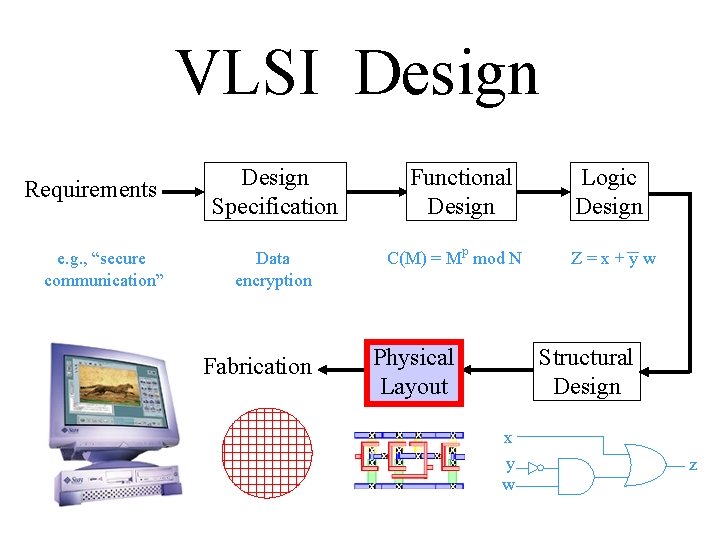
VLSI Design Requirements e. g. , “secure communication” Design Specification Data encryption Fabrication Functional Design p C(M) = M mod N Physical Layout Logic Design Z=x+yw Structural Design x y w z

Placement & Routing
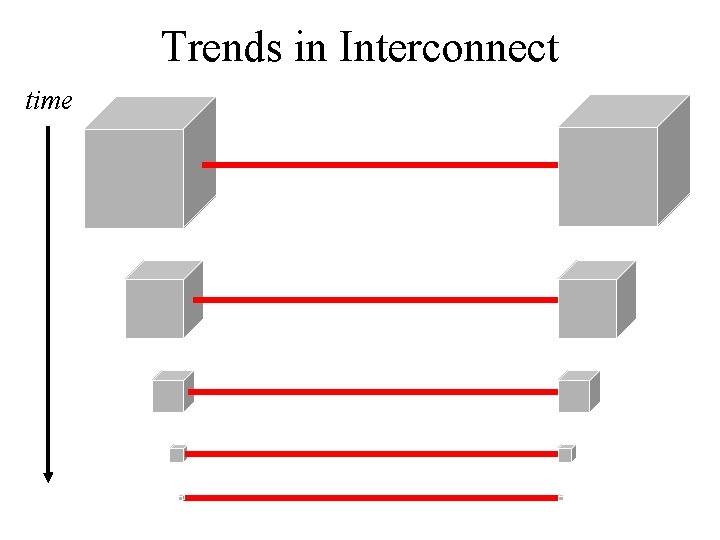
Trends in Interconnect time
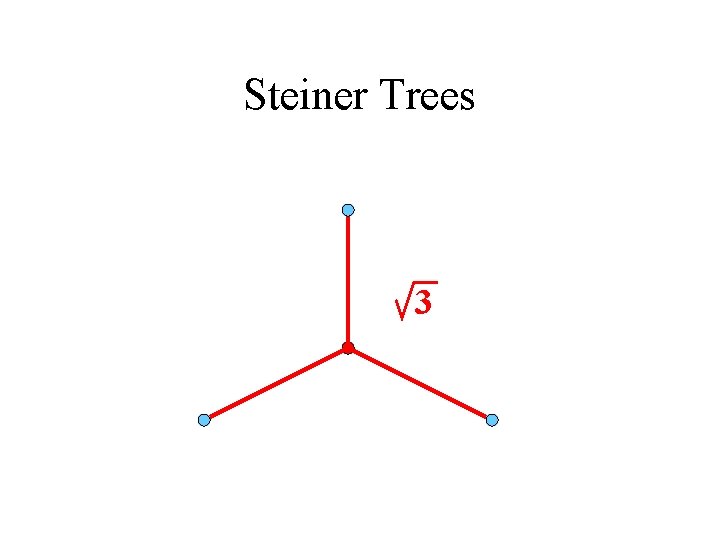
Steiner Trees 2 3
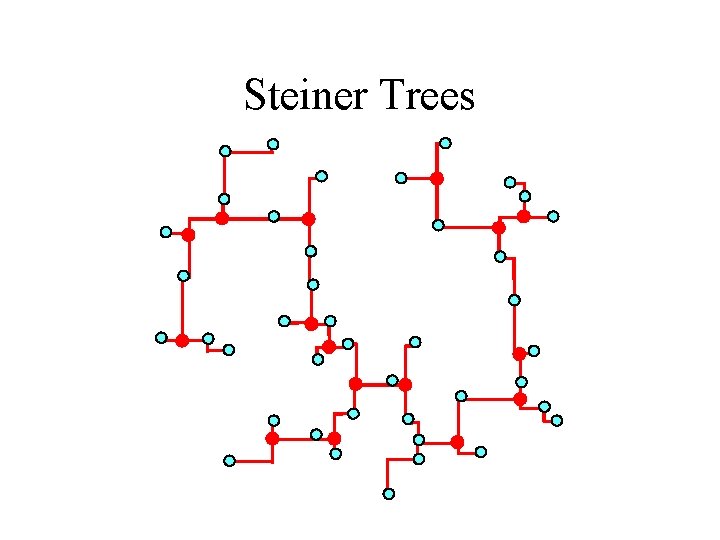
Steiner Trees
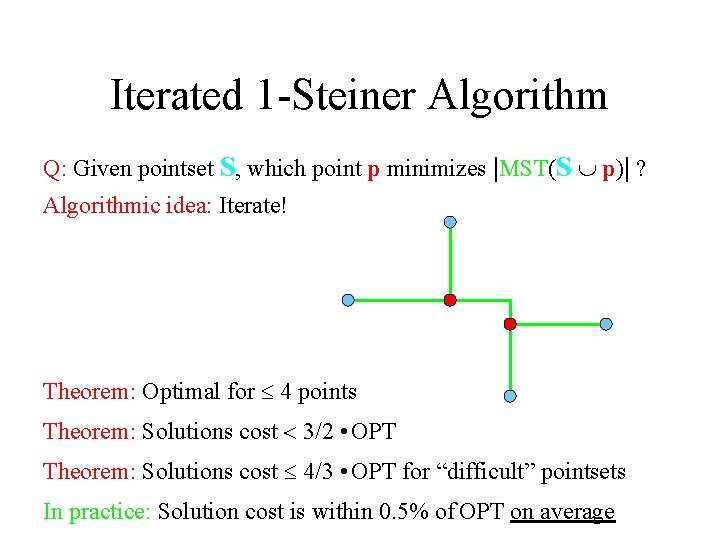
Iterated 1 -Steiner Algorithm Q: Given pointset S, which point p minimizes |MST(S È p)| ? Algorithmic idea: Iterate! Theorem: Optimal for £ 4 points Theorem: Solutions cost < 3/2 · OPT Theorem: Solutions cost £ 4/3 · OPT for “difficult” pointsets In practice: Solution cost is within 0. 5% of OPT on average
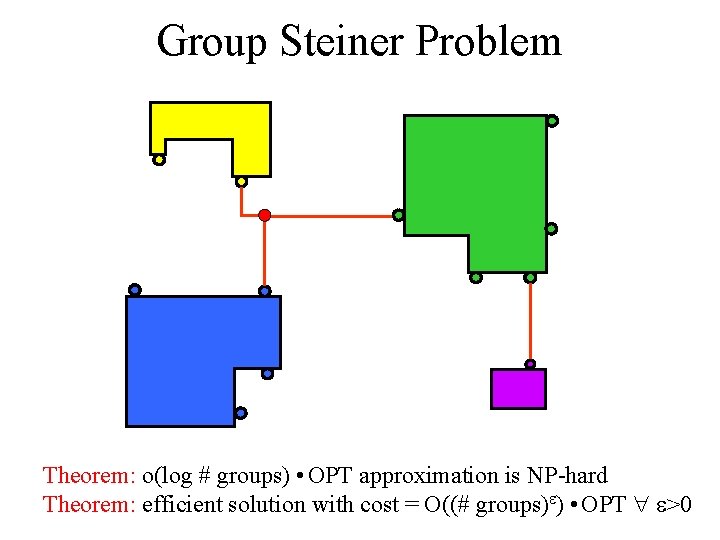
Group Steiner Problem Theorem: o(log # groups) · OPT approximation is NP-hard Theorem: efficient solution with cost = O((# groups)e) · OPT " e>0
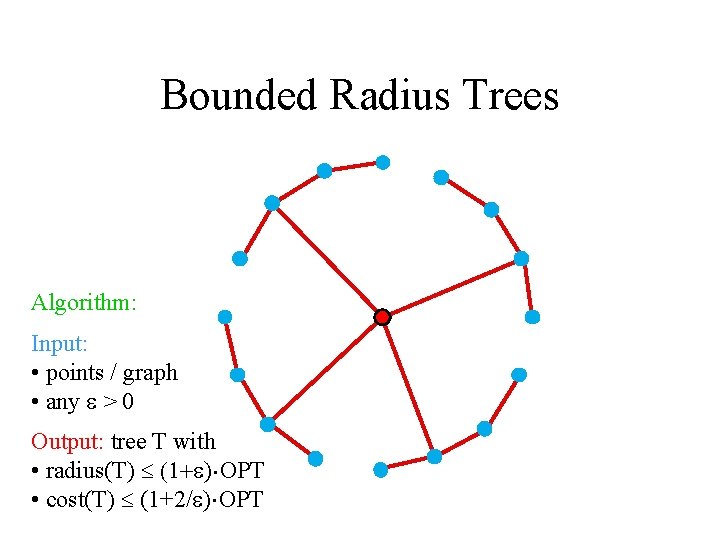
Bounded Radius Trees Algorithm: Input: • points / graph • any e > 0 Output: tree T with • radius(T) £ (1+e) OPT • cost(T) £ (1+2/e) OPT · ·
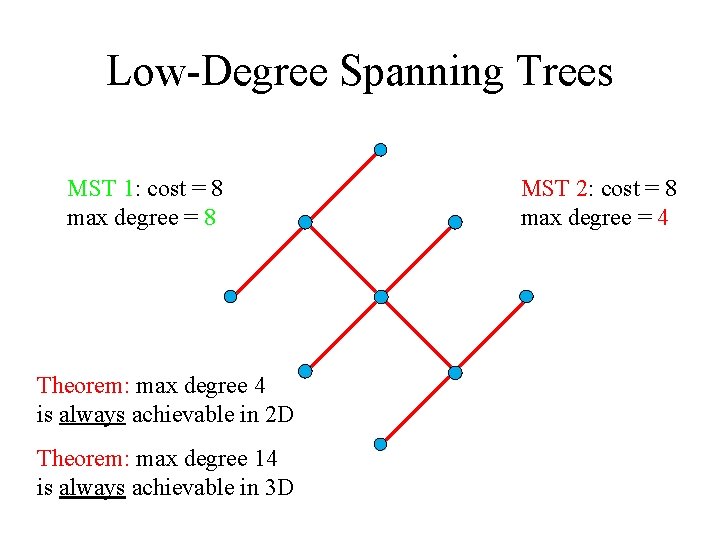
Low-Degree Spanning Trees MST 1: cost = 8 max degree = 8 Theorem: max degree 4 is always achievable in 2 D Theorem: max degree 14 is always achievable in 3 D MST 2: cost = 8 max degree = 4
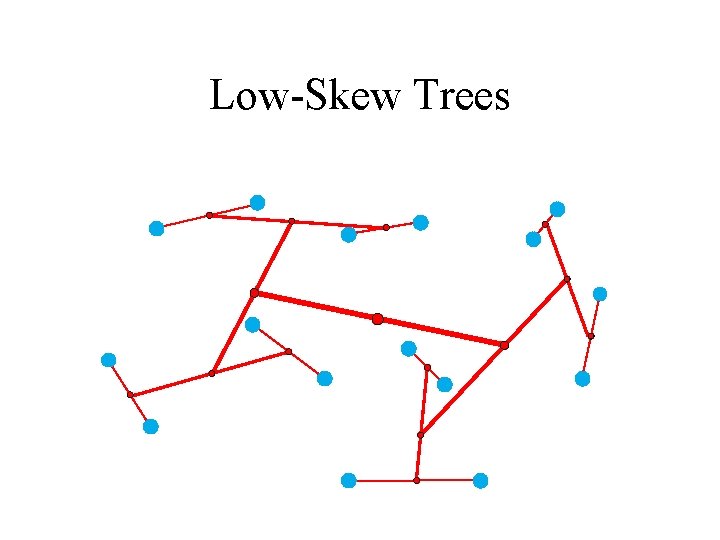
Low-Skew Trees
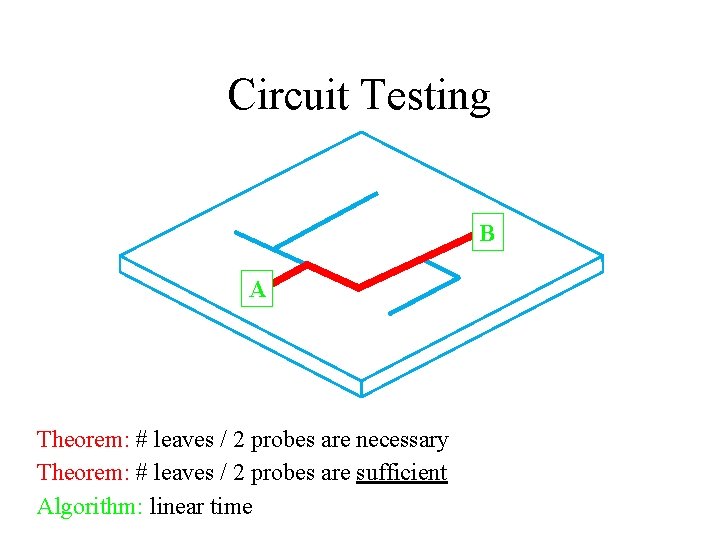
Circuit Testing B A Theorem: # leaves / 2 probes are necessary Theorem: # leaves / 2 probes are sufficient Algorithm: linear time
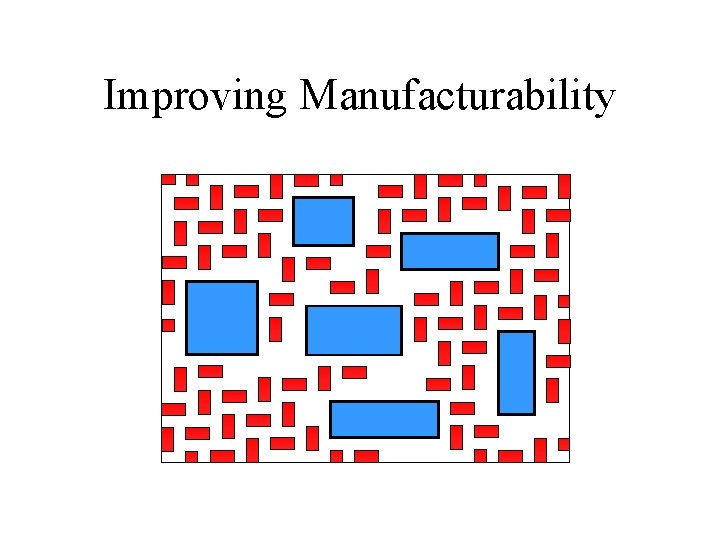
Improving Manufacturability
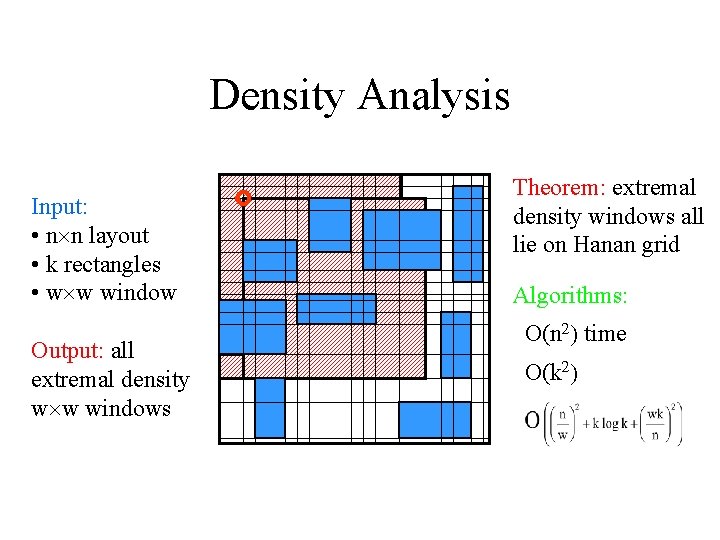
Density Analysis Input: • n´n layout • k rectangles • w´w window Output: all extremal density w´w windows Theorem: extremal density windows all lie on Hanan grid Algorithms: O(n 2) time O(k 2)
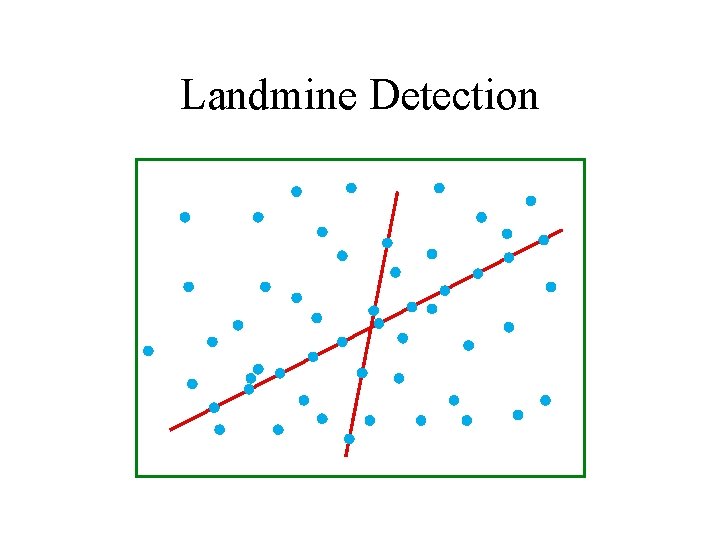
Landmine Detection
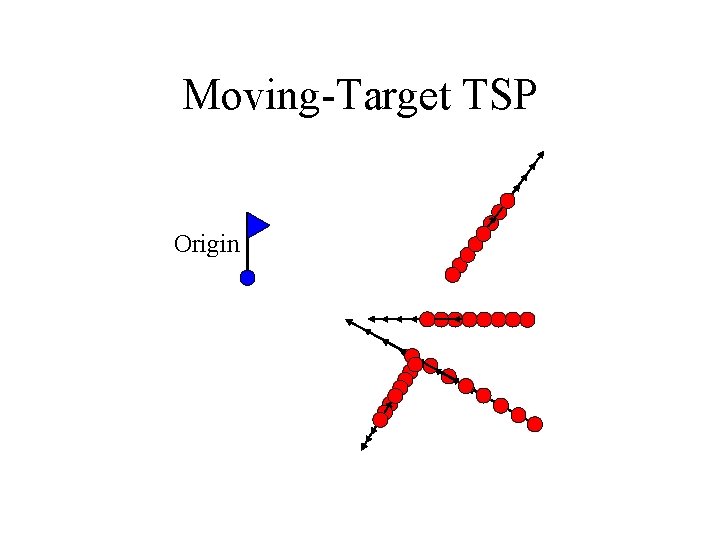
Moving-Target TSP Origin
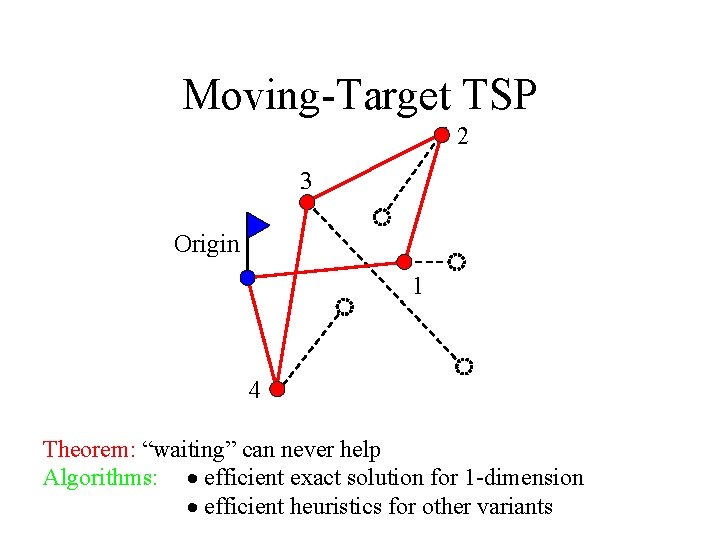
Moving-Target TSP 2 3 Origin 1 4 Theorem: “waiting” can never help Algorithms: · efficient exact solution for 1 -dimension · efficient heuristics for other variants
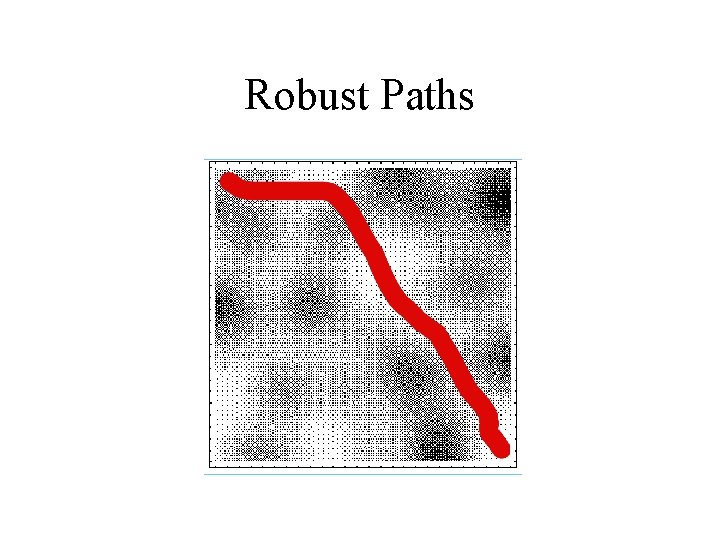
Robust Paths
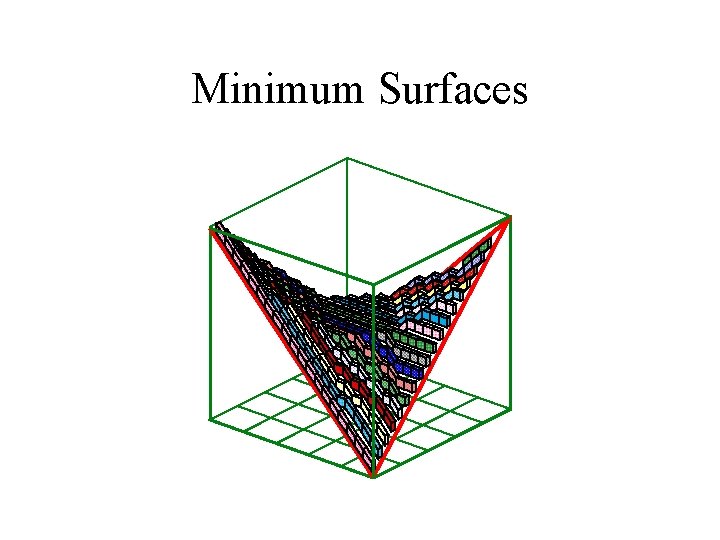
Minimum Surfaces
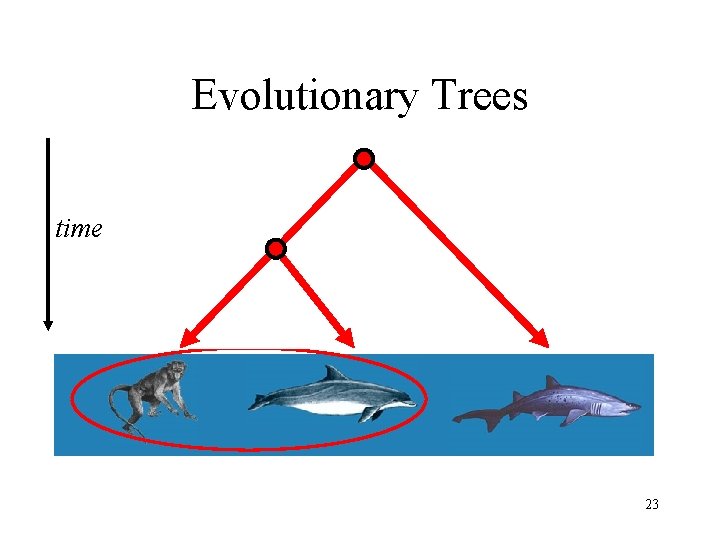
Evolutionary Trees time 23
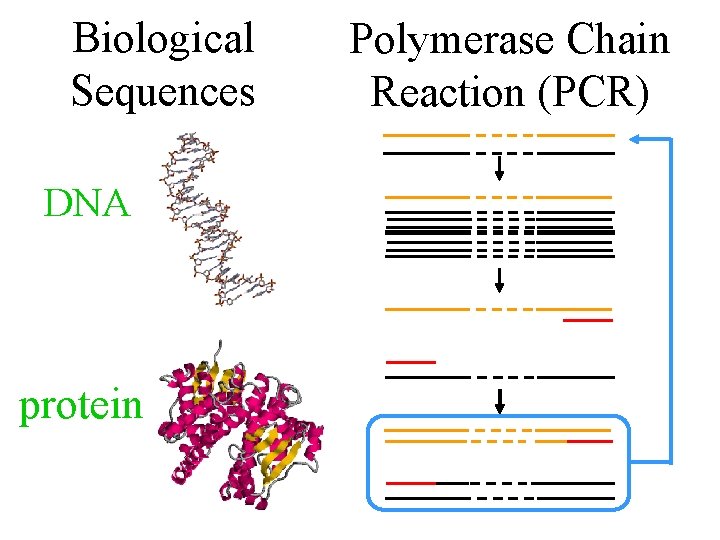
Biological Sequences DNA protein Polymerase Chain Reaction (PCR)
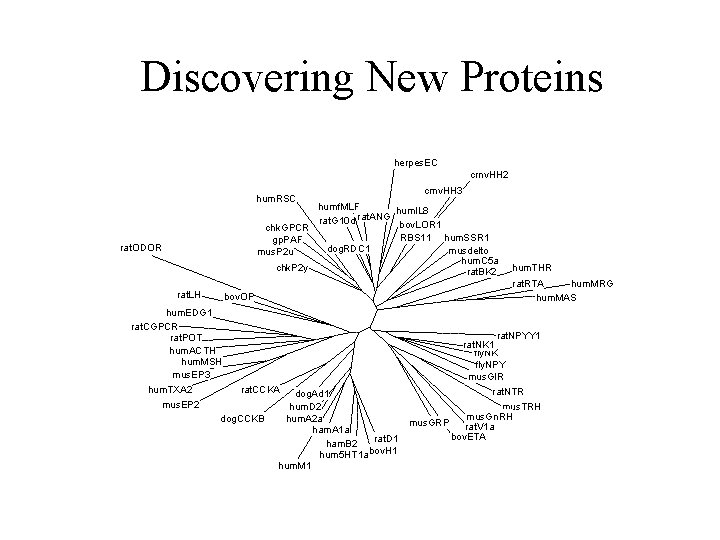
Discovering New Proteins herpes. EC crnv. HH 2 hum. RSC cmv. HH 3 humf. MLF hum. IL 8 rat. G 10 d rat. ANG bov. LOR 1 chk. GPCR RBS 11 hum. SSR 1 gp. PAF dog. RDC 1 musdelto mus. P 2 u hum. C 5 a chk. P 2 y rat. BK 2 rat. ODOR rat. LH rat. RTA hum. MRG hum. MAS bov. OP hum. EDG 1 rat. CGPCR rat. POT hum. ACTH hum. MSH mus. EP 3 hum. TXA 2 hum. THR rat. NPYY 1 rat. NK 1 fly. NK fly. NPY mus. GIR rat. CCKA mus. EP 2 dog. CCKB dog. Ad 1 hum. D 2 hum. A 2 a ham. A 1 a rat. D 1 ham. B 2 bov. H 1 hum 5 HT 1 a hum. M 1 rat. NTR mus. TRH mus. Gn. RH mus. GRP rat. V 1 a bov. ETA
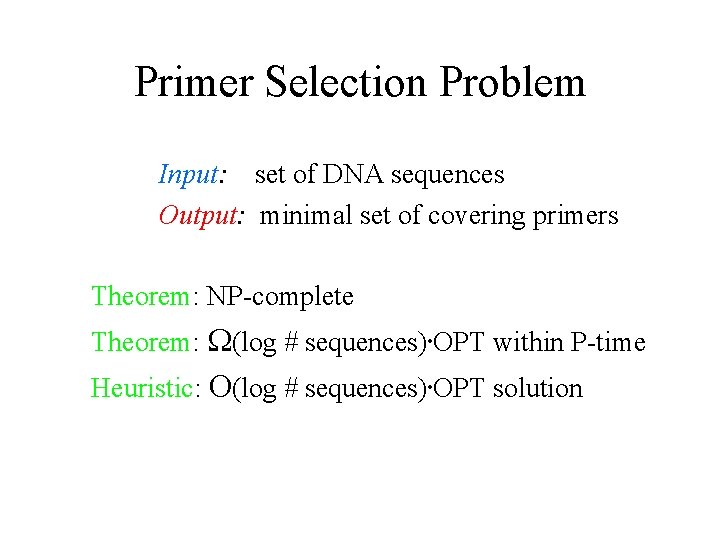
Primer Selection Problem Input: set of DNA sequences Output: minimal set of covering primers Theorem: NP-complete Theorem: W(log # sequences)·OPT within P-time Heuristic: O(log # sequences)·OPT solution
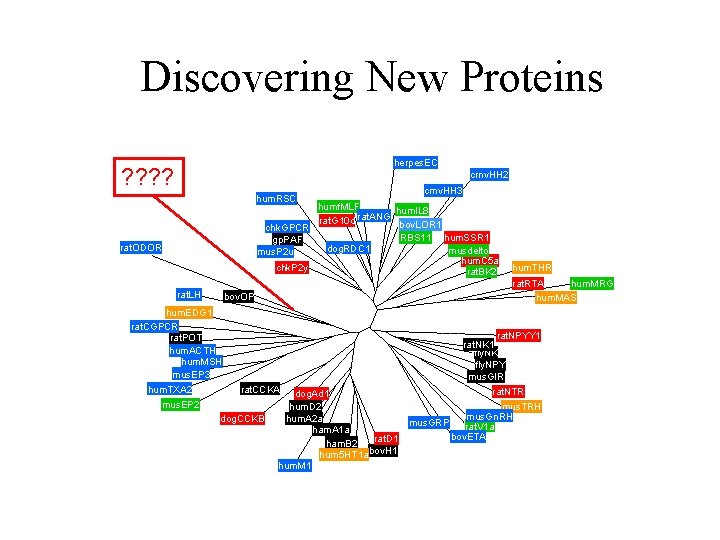
Discovering New Proteins herpes. EC ? ? crnv. HH 2 hum. RSC cmv. HH 3 humf. MLF hum. IL 8 rat. G 10 d rat. ANG bov. LOR 1 chk. GPCR RBS 11 hum. SSR 1 gp. PAF dog. RDC 1 musdelto mus. P 2 u hum. C 5 a chk. P 2 y rat. BK 2 rat. ODOR rat. LH rat. RTA hum. MRG hum. MAS bov. OP hum. EDG 1 rat. CGPCR rat. POT hum. ACTH hum. MSH mus. EP 3 hum. TXA 2 rat. CCKA mus. EP 2 dog. CCKB hum. THR dog. Ad 1 hum. D 2 hum. A 2 a ham. A 1 a rat. D 1 ham. B 2 bov. H 1 hum 5 HT 1 a hum. M 1 rat. NPYY 1 rat. NK 1 fly. NK fly. NPY mus. GIR rat. NTR mus. TRH mus. Gn. RH mus. GRP rat. V 1 a bov. ETA
Proof: Low-Degree MST’s
“You want proof? I’ll give you proof!”
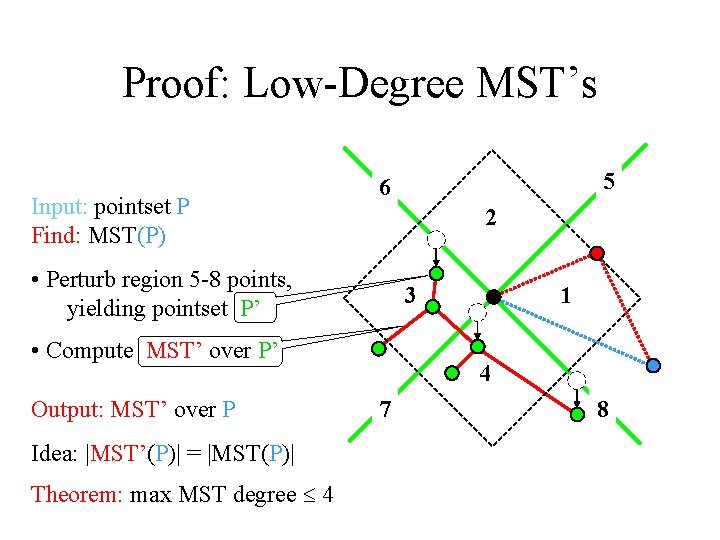
Proof: Low-Degree MST’s Input: pointset P Find: MST(P) 2 • Perturb region 5 -8 points, yielding pointset P’ 3 • Compute MST’ over P’ Output: MST’ over P Idea: |MST’(P)| = |MST(P)| Theorem: max MST degree £ 4 5 6 1 4 7 8
“I think you should be more explicit here in step two. ”
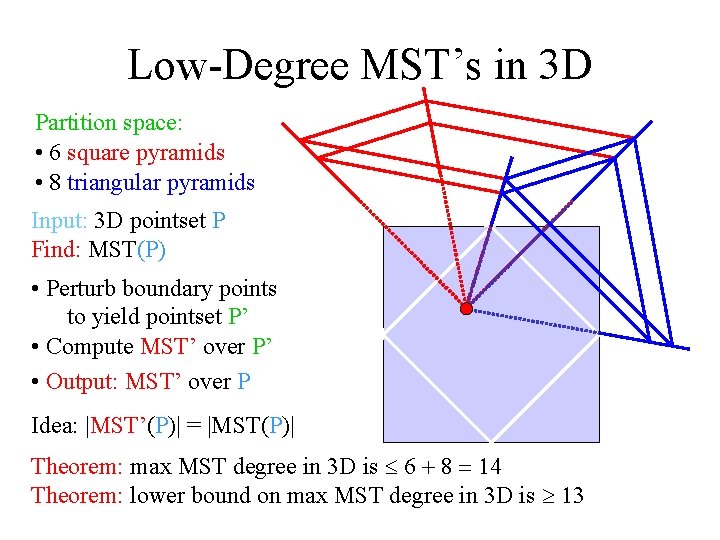
Low-Degree MST’s in 3 D Partition space: • 6 square pyramids • 8 triangular pyramids Input: 3 D pointset P Find: MST(P) • Perturb boundary points to yield pointset P’ • Compute MST’ over P’ • Output: MST’ over P Idea: |MST’(P)| = |MST(P)| Theorem: max MST degree in 3 D is £ 6 + 8 = 14 Theorem: lower bound on max MST degree in 3 D is ³ 13

“Gabe aiming to solve a tough problem” for details see www. cs. virginia. edu/robins/dssg
- Slides: 33