
New patterns of economic growth in developing economies








- Slides: 28
New patterns of economic growth in developing economies Noemi Levy-Orlik UNAM-MEXICO January, 2007 1
• Profound changes in the dominant production model of industrialized & emerging countries. • Has LA overcome the major shortcomings of the past? 2
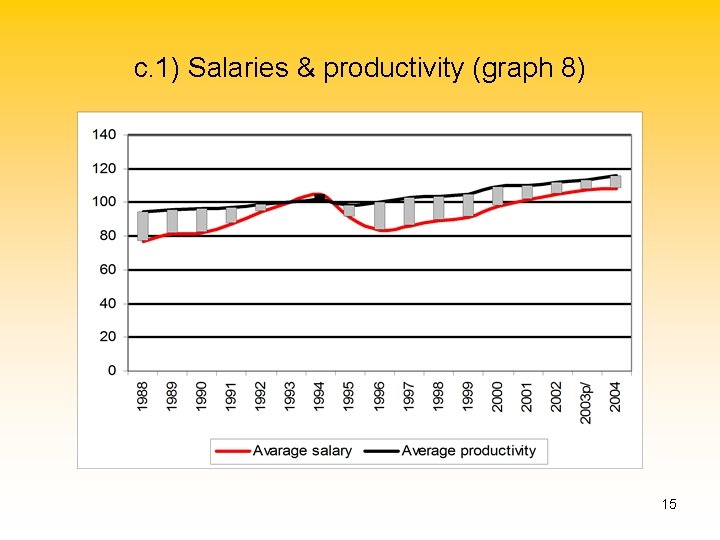
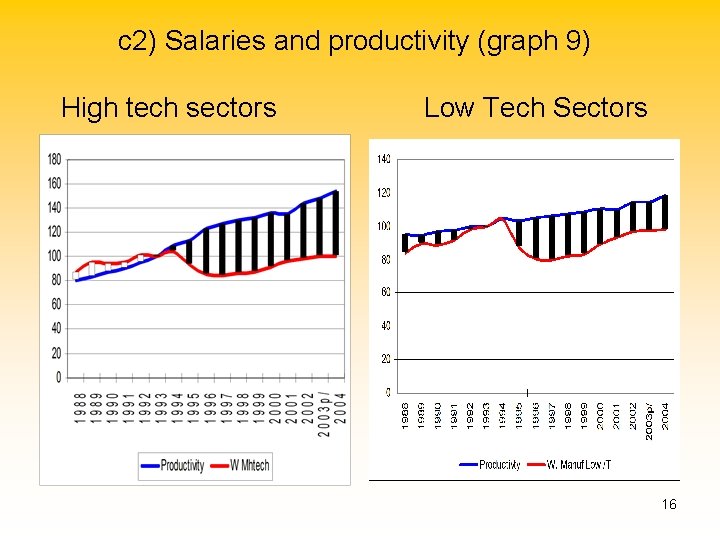
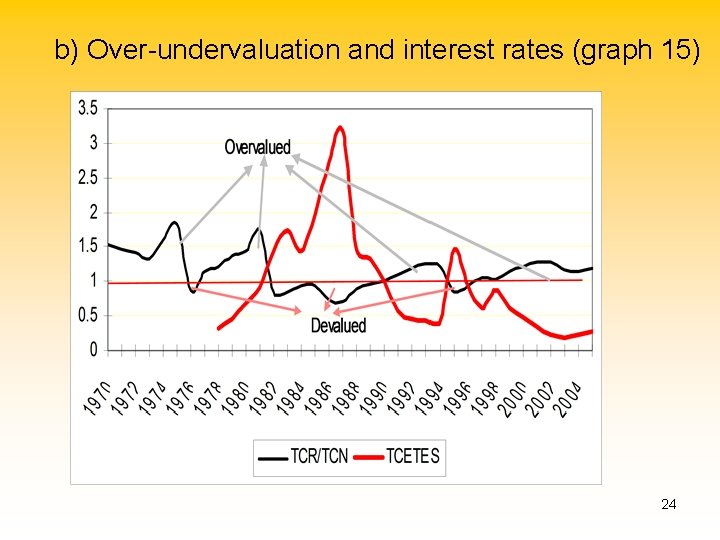
Hypothesis • High financial gains “wrong” prices • Dynamic sectors shifted to __ manufactures: high M coefficient, e. r or ↓ W (to control wages) • Low л, bad quality of N and Δw < Δ л 3
I. New patterns of economic growth in Mexico 4
a) GDP growth (graph 1) 5
b) Productive Sector structure (table 1) 6
c) GDP spending composition (graph 2) 7
d) M and X: trend and composition (table 2) 8
e) Exchange term index (graph 3) 9
II. New patterns of economic growth (productivity and salaries) 10
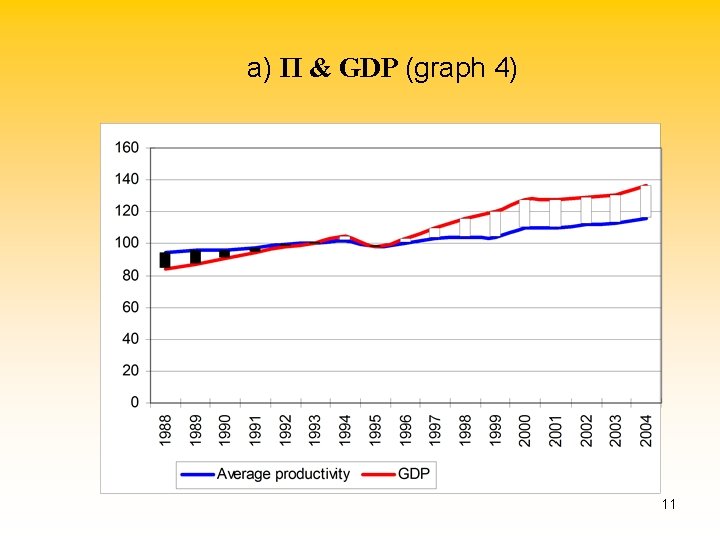
a) П & GDP (graph 4) 11
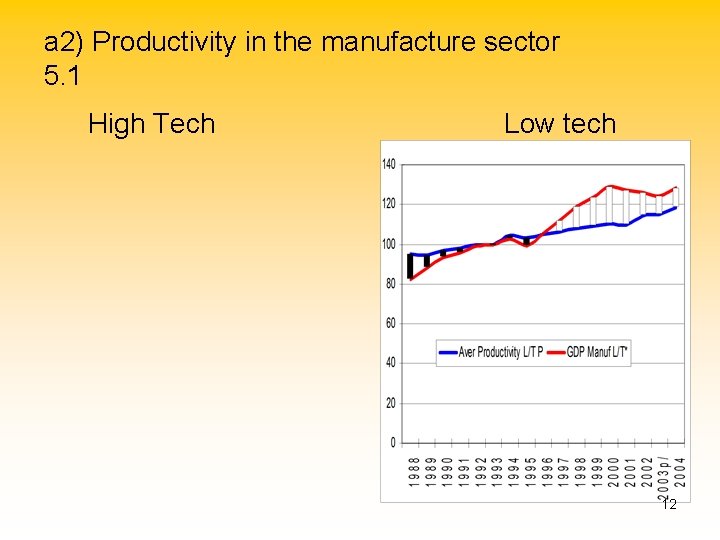
a 2) Productivity in the manufacture sector 5. 1 High Tech Low tech 12
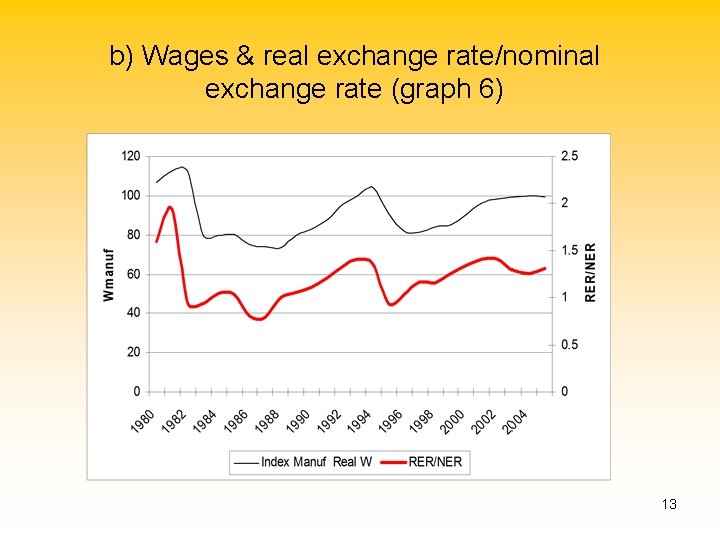
b) Wages & real exchange rate/nominal exchange rate (graph 6) 13
b. 2) Wages and exchange rate (graph 7) 14
c. 1) Salaries & productivity (graph 8) 15
c 2) Salaries and productivity (graph 9) High tech sectors Low Tech Sectors 16
III. New patterns of economic growth and labour quality 17
a) Growth rates (graph 10) 18
b) Unemployment (graph 11) 19
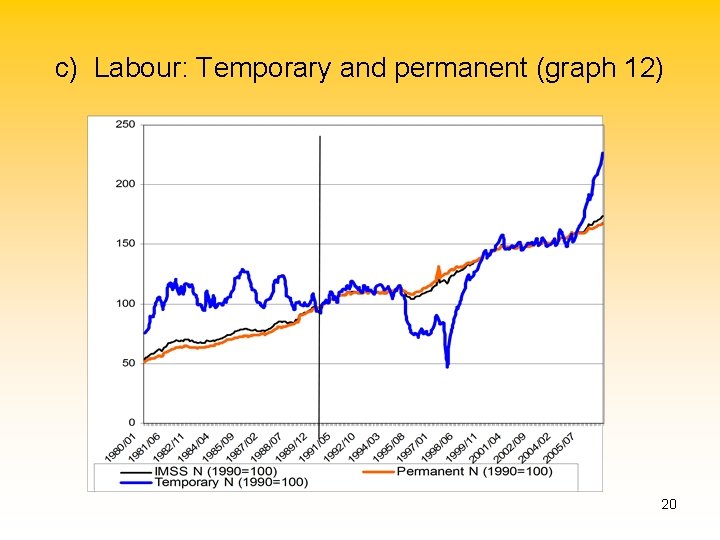
c) Labour: Temporary and permanent (graph 12) 20
IV. New patterns of economic growth and financial gains (exchange rate, prices, and interest rates) 21
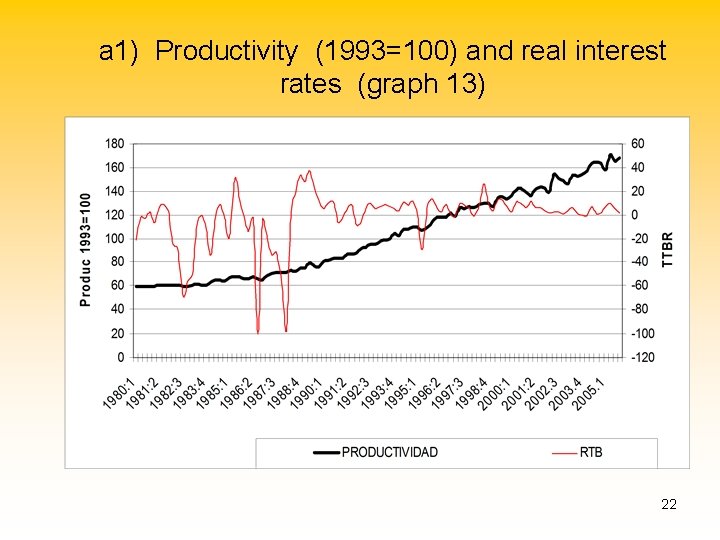
a 1) Productivity (1993=100) and real interest rates (graph 13) 22
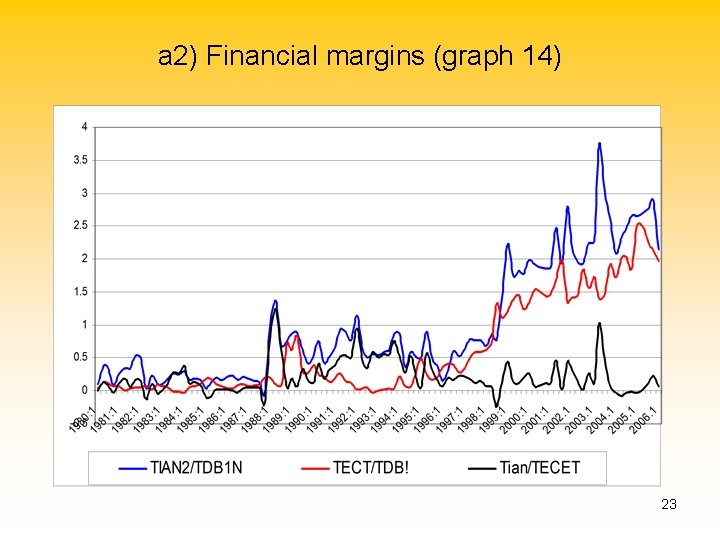
a 2) Financial margins (graph 14) 23
b) Over-undervaluation and interest rates (graph 15) 24
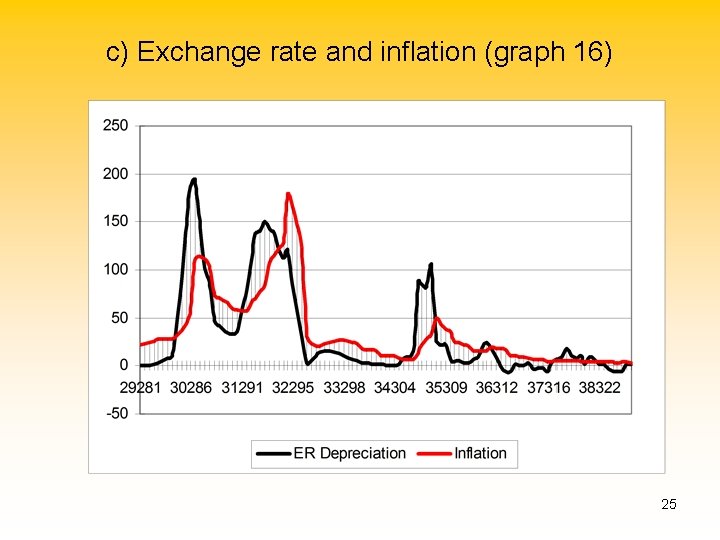
c) Exchange rate and inflation (graph 16) 25
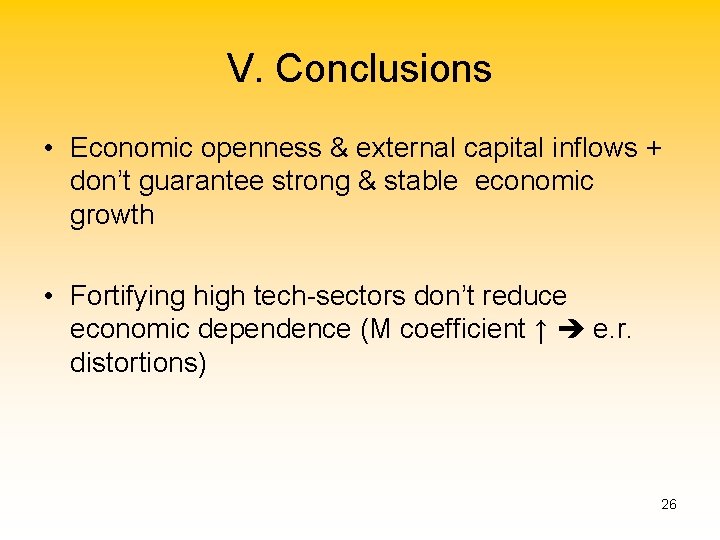
V. Conclusions • Economic openness & external capital inflows + don’t guarantee strong & stable economic growth • Fortifying high tech-sectors don’t reduce economic dependence (M coefficient ↑ e. r. distortions) 26
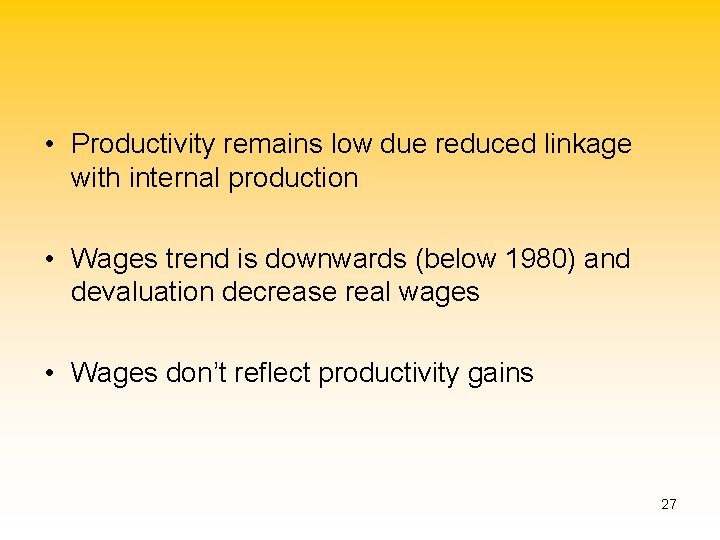
• Productivity remains low due reduced linkage with internal production • Wages trend is downwards (below 1980) and devaluation decrease real wages • Wages don’t reflect productivity gains 27
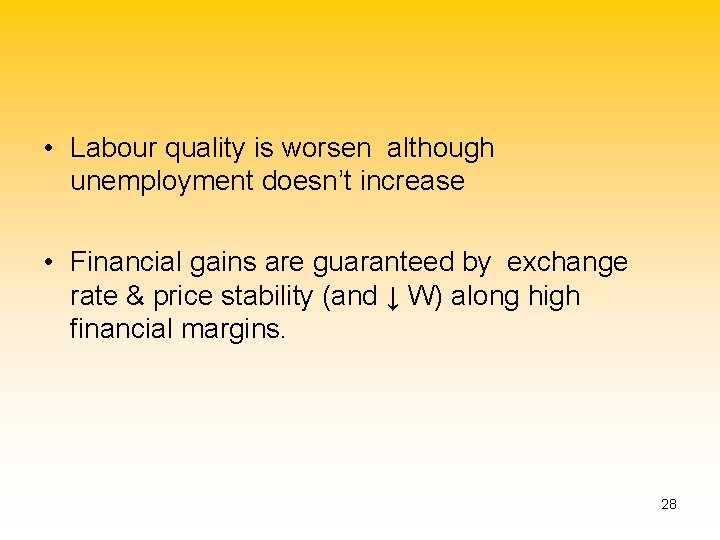
• Labour quality is worsen although unemployment doesn’t increase • Financial gains are guaranteed by exchange rate & price stability (and ↓ W) along high financial margins. 28