
New Nuclear Weapon System Submarine Missile Warhead New
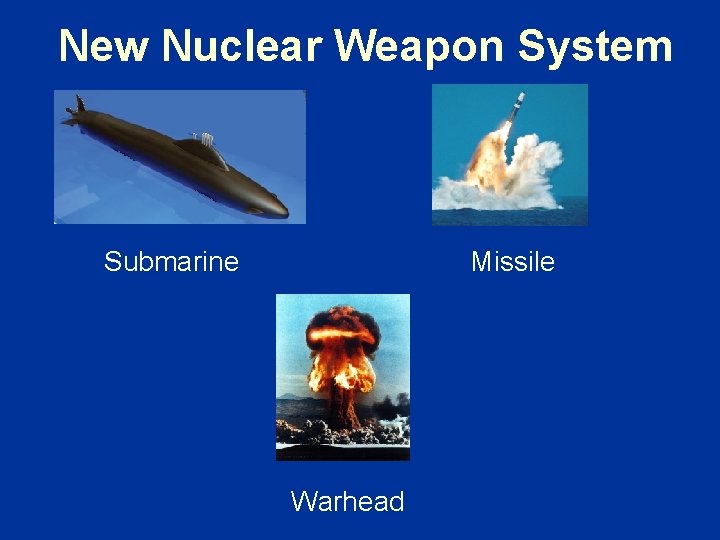
New Nuclear Weapon System Submarine Missile Warhead
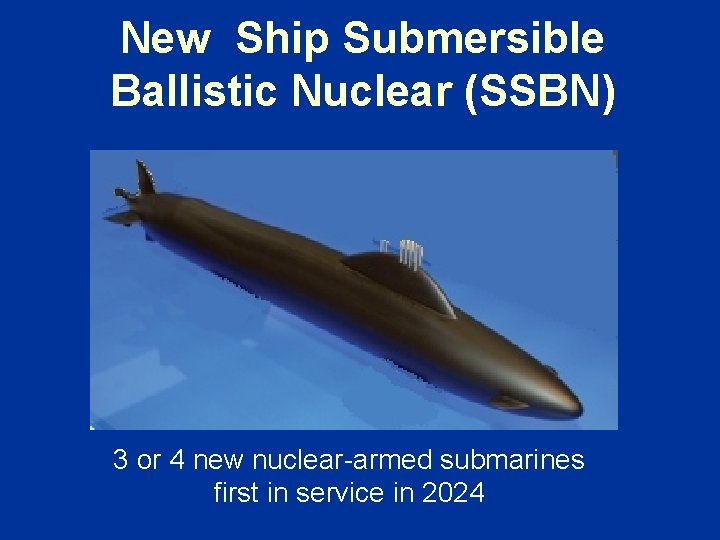
New Ship Submersible Ballistic Nuclear (SSBN) 3 or 4 new nuclear-armed submarines first in service in 2024
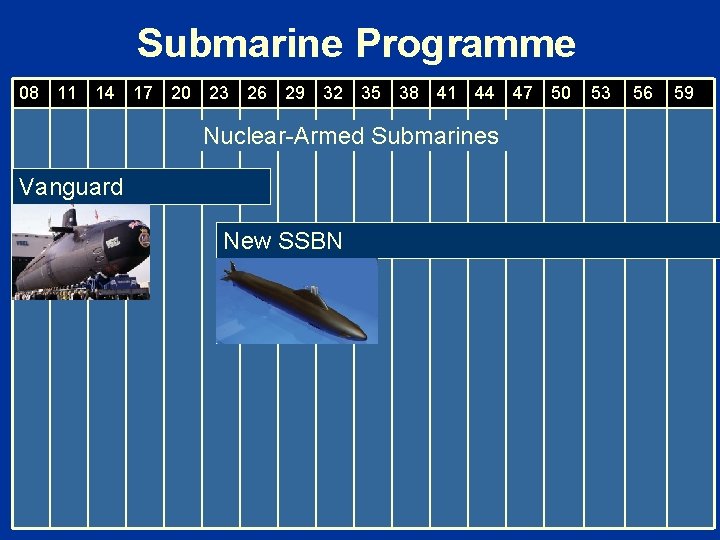
Submarine Programme 08 11 14 17 20 23 26 29 32 35 38 41 44 Nuclear-Armed Submarines Vanguard New SSBN 47 50 53 56 59

Submarine Programme 08 11 14 17 20 23 26 29 32 35 38 41 44 47 50 Nuclear-Armed Submarines Vanguard New SSBN Conventionally-Armed Submarines Trafalgar Astute MUFC 53 56 59

New SSBN Timeline 2007 2008 2009 2010 2011 2012 2013 2014 Concept Design Initial Design Detail Design Outputs Initial Gate Build Main Gate

New SSBN Timeline 07 08 09 10 11 12 13 14 15 16 17 18 19 20 21 22 23 24 Concept Design Initial Design Detailed Design Production Outputs Build & Commission Initial Gate Main Gate Sea Trials In Service
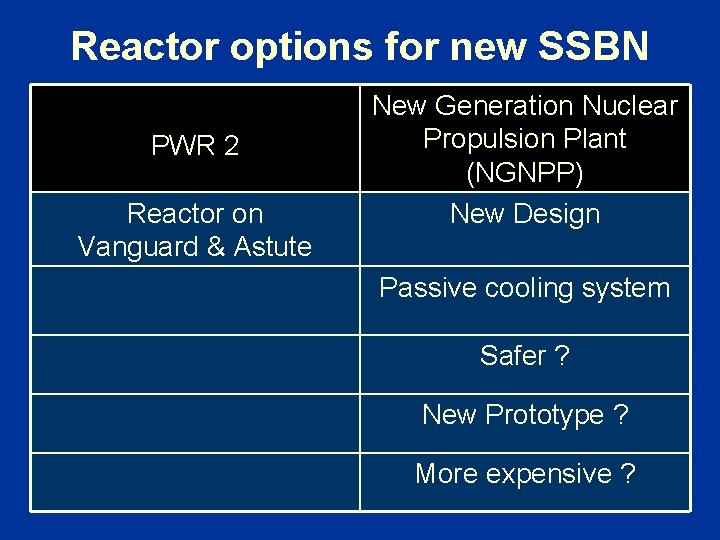
Reactor options for new SSBN PWR 2 Reactor on Vanguard & Astute New Generation Nuclear Propulsion Plant (NGNPP) New Design Passive cooling system Safer ? New Prototype ? More expensive ?
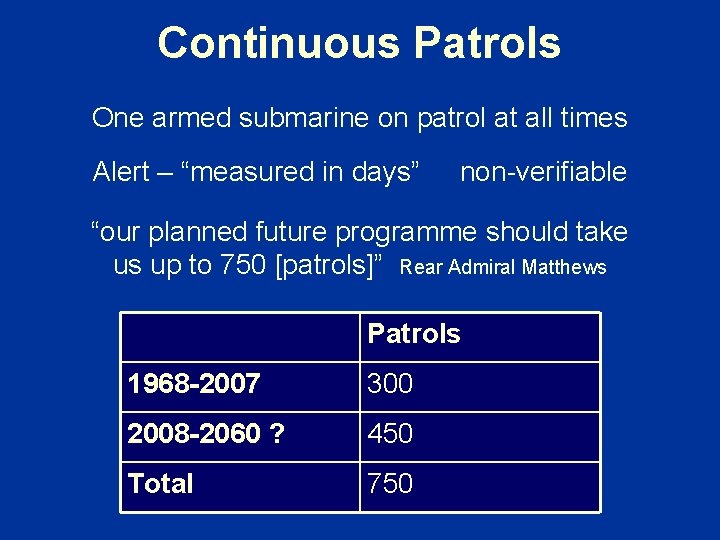
Continuous Patrols One armed submarine on patrol at all times Alert – “measured in days” non-verifiable “our planned future programme should take us up to 750 [patrols]” Rear Admiral Matthews Patrols 1968 -2007 300 2008 -2060 ? 450 Total 750
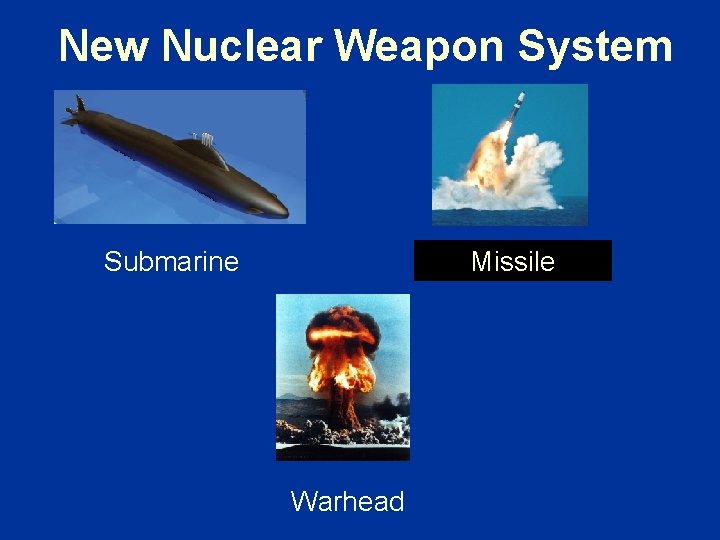
New Nuclear Weapon System Submarine Missile Warhead
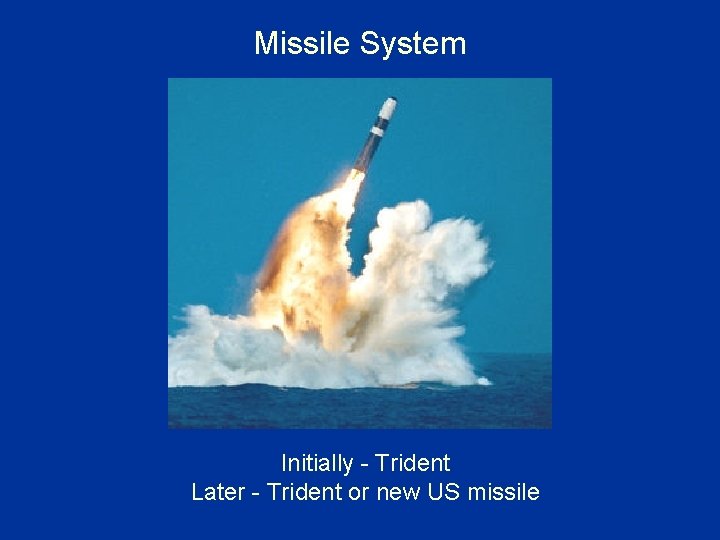
Missile System Initially - Trident Later - Trident or new US missile
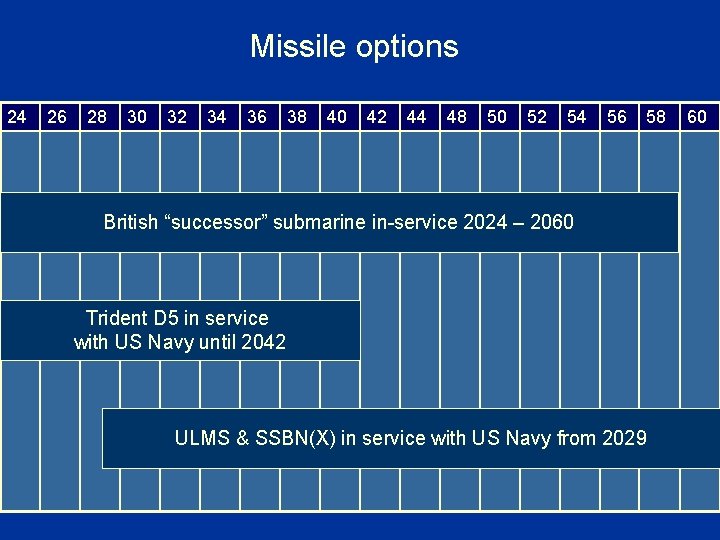
Missile options 24 26 28 30 32 34 36 38 40 42 44 48 50 52 54 56 58 British “successor” submarine in-service 2024 – 2060 Trident D 5 in service with US Navy until 2042 ULMS & SSBN(X) in service with US Navy from 2029 60
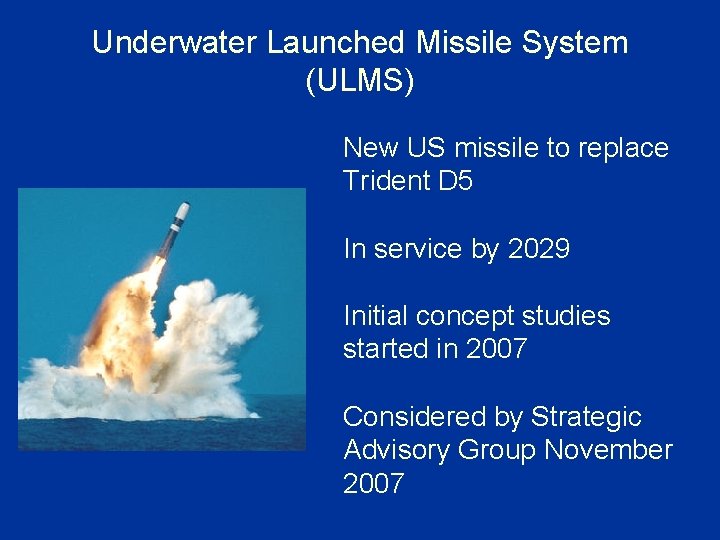
Underwater Launched Missile System (ULMS) New US missile to replace Trident D 5 In service by 2029 Initial concept studies started in 2007 Considered by Strategic Advisory Group November 2007
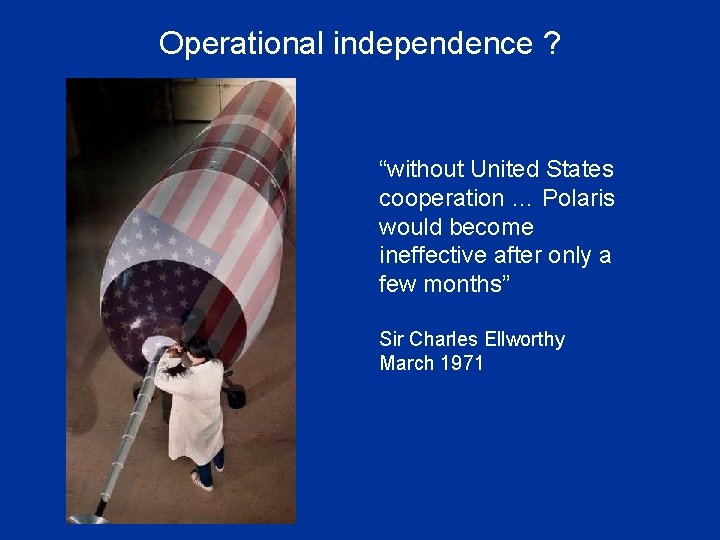
Operational independence ? “without United States cooperation … Polaris would become ineffective after only a few months” Sir Charles Ellworthy March 1971
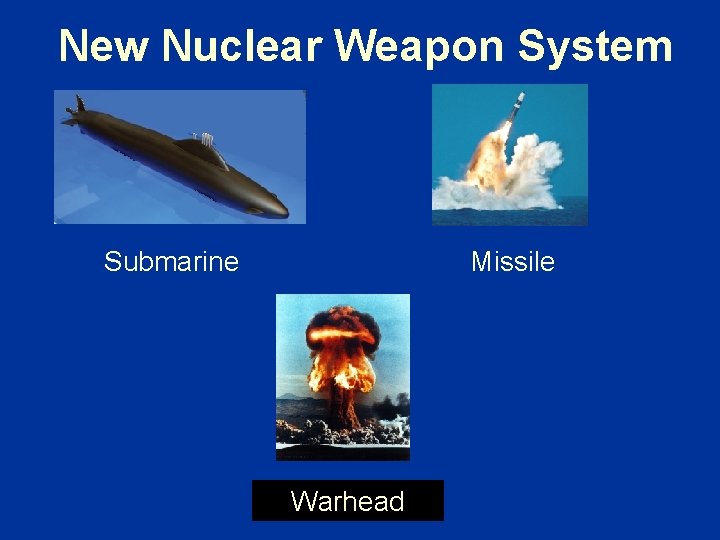
New Nuclear Weapon System Submarine Missile Warhead
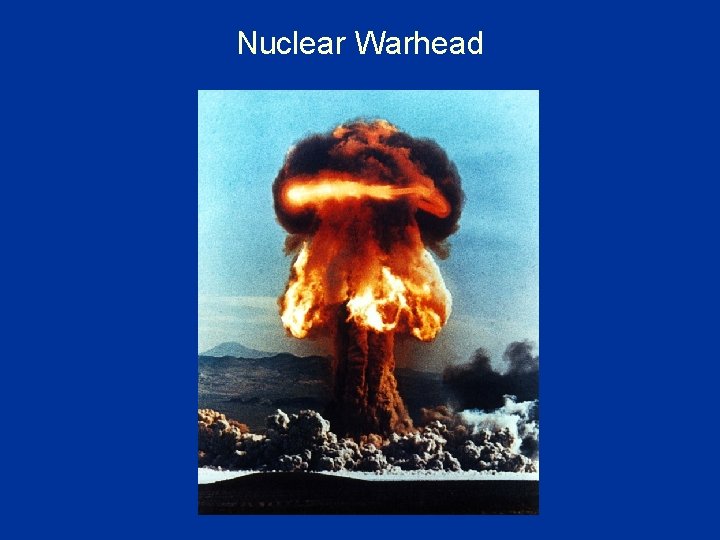
Nuclear Warhead

Options for nuclear warhead UK Trident warhead or New warhead

Plutonium pit Life Extension No replacement Lifespan 60 years plus New Warhead New Pit Fire Resistant
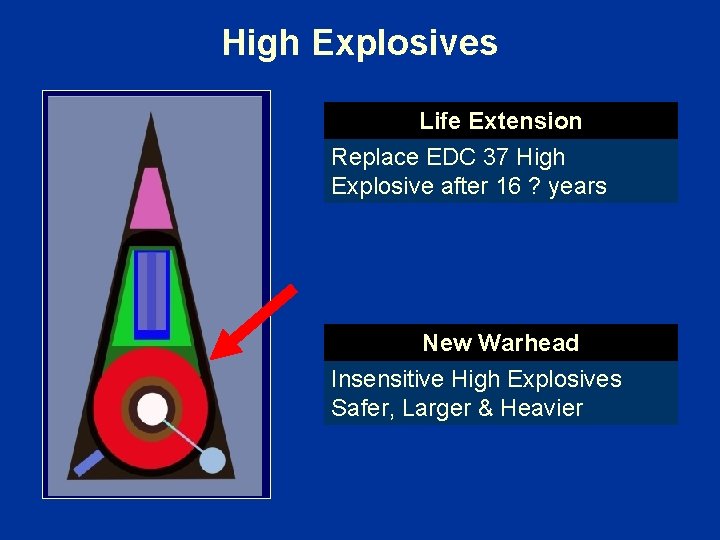
High Explosives Life Extension Replace EDC 37 High Explosive after 16 ? years New Warhead Insensitive High Explosives Safer, Larger & Heavier
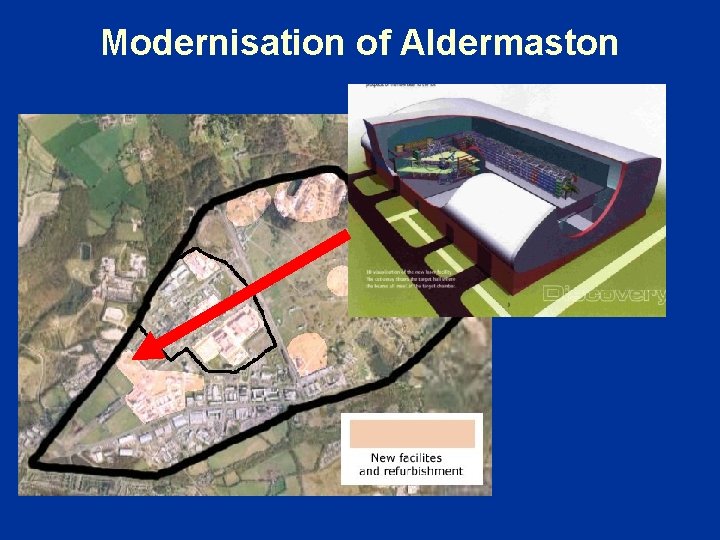
Modernisation of Aldermaston
Implications for Scotland 2024 – 2055 • nuclear warheads in transport storage • and nuclear-armed nuclear-powered submarines • potential nuclear attack on Scotland targets in
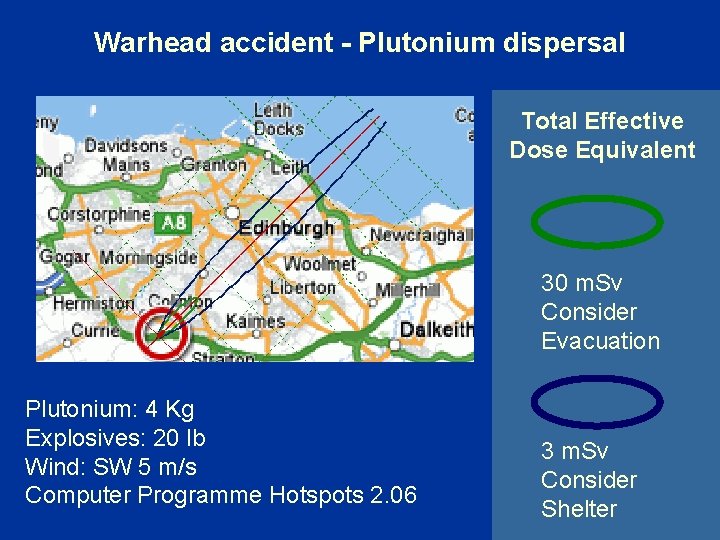
Warhead accident - Plutonium dispersal Total Effective Dose Equivalent 30 m. Sv Consider Evacuation Plutonium: 4 Kg Explosives: 20 lb Wind: SW 5 m/s Computer Programme Hotspots 2. 06 3 m. Sv Consider Shelter
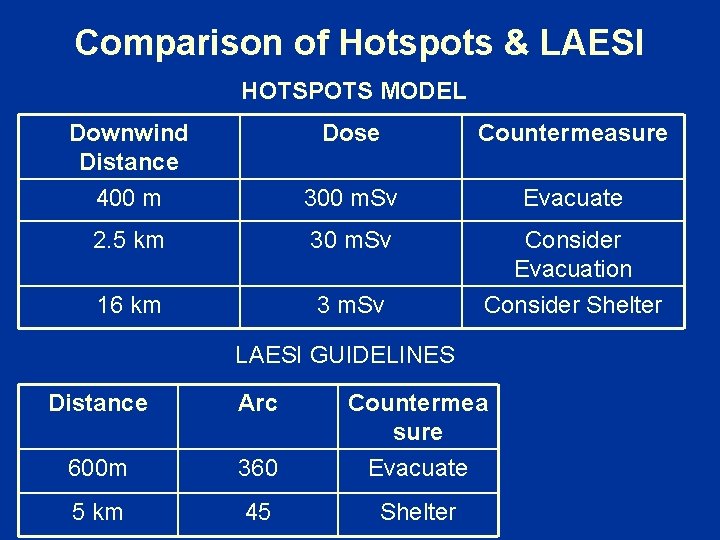
Comparison of Hotspots & LAESI HOTSPOTS MODEL Downwind Distance 400 m Dose Countermeasure 300 m. Sv Evacuate 2. 5 km 30 m. Sv Consider Evacuation 16 km 3 m. Sv Consider Shelter LAESI GUIDELINES Distance Arc Countermea sure 600 m 360 Evacuate 5 km 45 Shelter
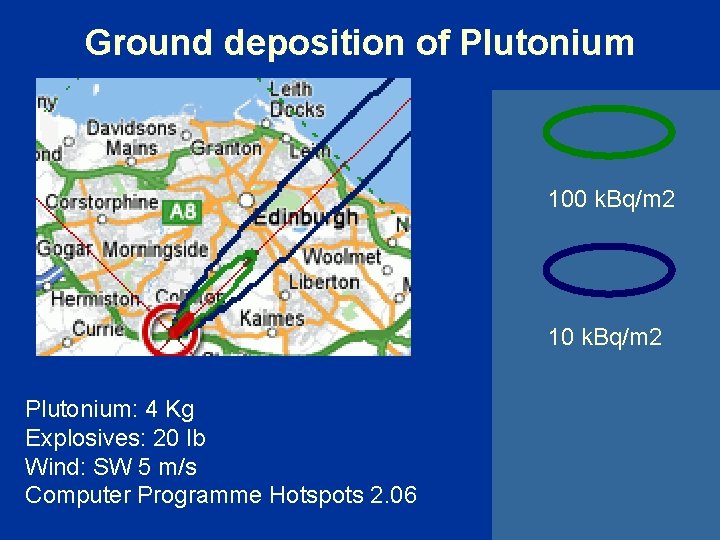
Ground deposition of Plutonium 100 k. Bq/m 2 10 k. Bq/m 2 Plutonium: 4 Kg Explosives: 20 lb Wind: SW 5 m/s Computer Programme Hotspots 2. 06
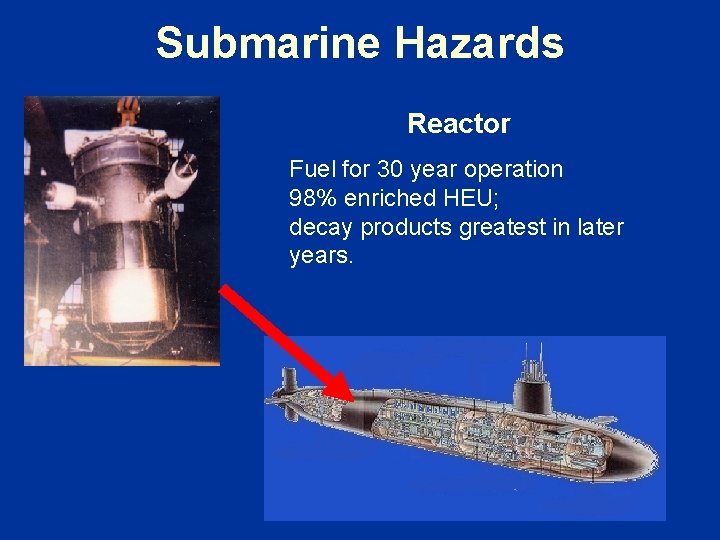
Submarine Hazards Reactor Fuel for 30 year operation 98% enriched HEU; decay products greatest in later years.
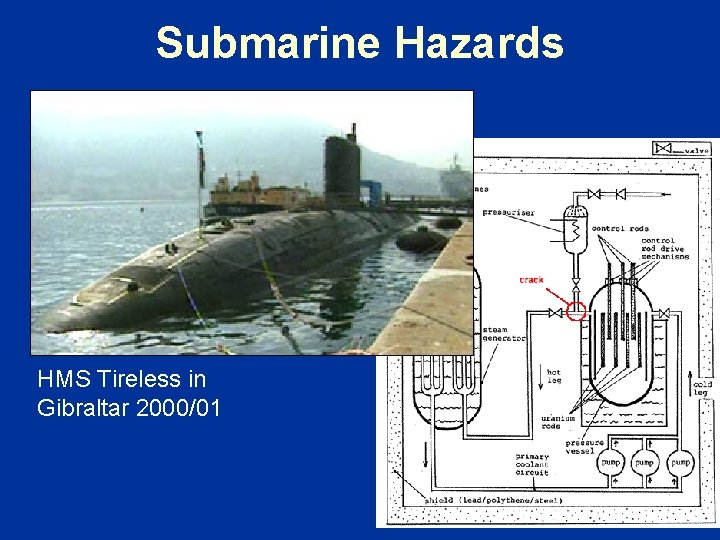
Submarine Hazards HMS Tireless in Gibraltar 2000/01
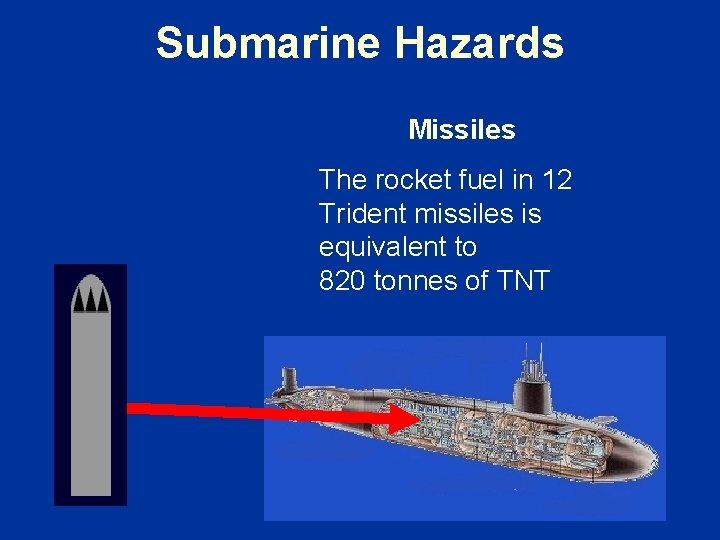
Submarine Hazards Missiles The rocket fuel in 12 Trident missiles is equivalent to 820 tonnes of TNT
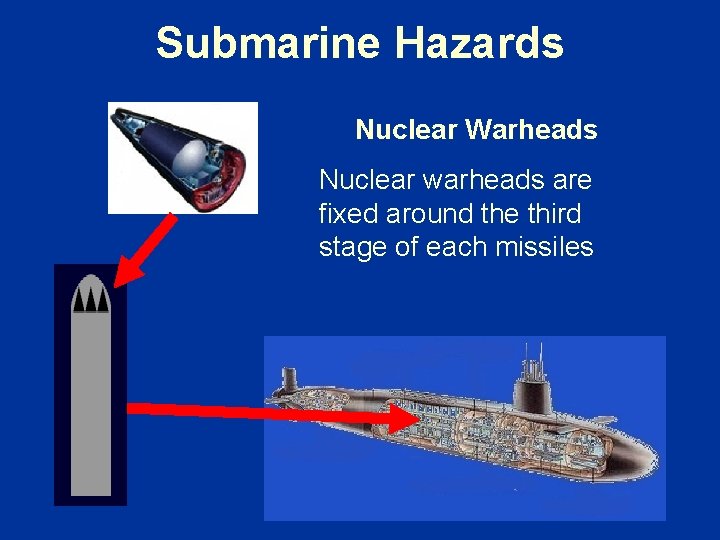
Submarine Hazards Nuclear Warheads Nuclear warheads are fixed around the third stage of each missiles
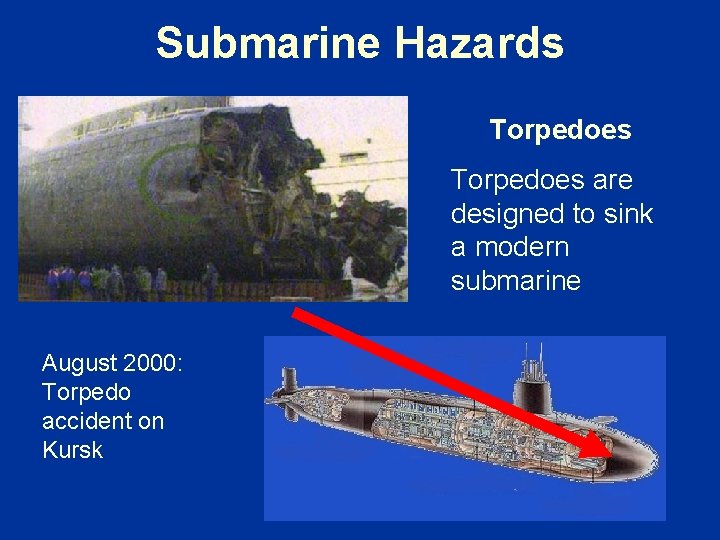
Submarine Hazards Torpedoes are designed to sink a modern submarine August 2000: Torpedo accident on Kursk
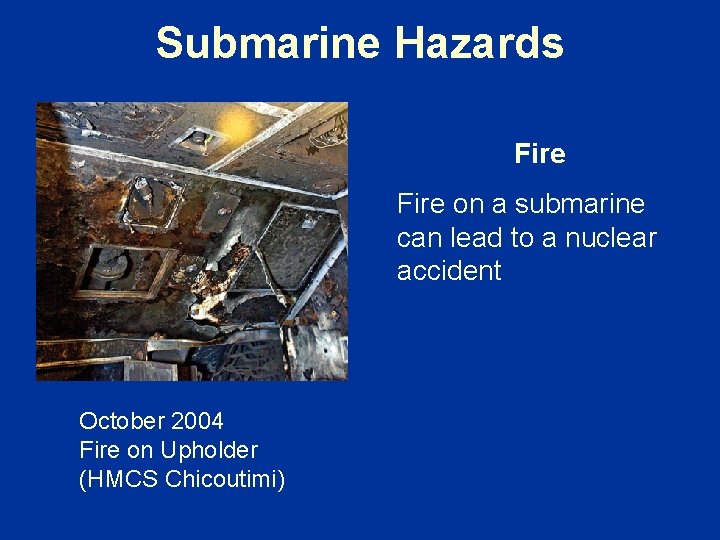
Submarine Hazards Fire on a submarine can lead to a nuclear accident October 2004 Fire on Upholder (HMCS Chicoutimi)
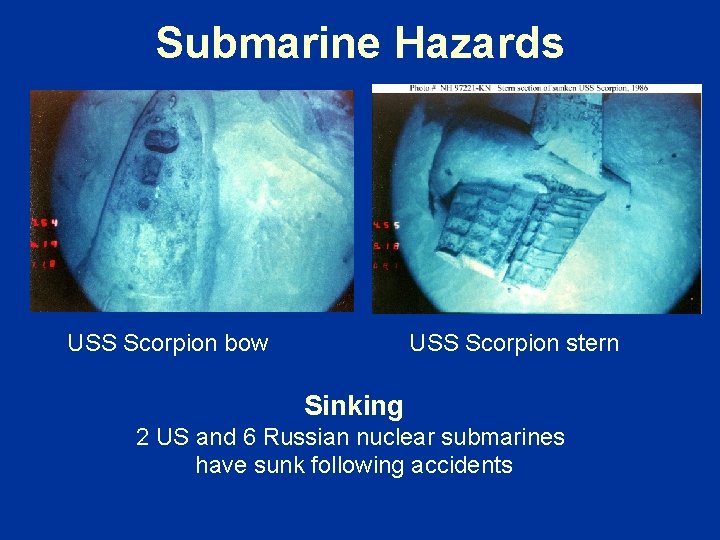
Submarine Hazards USS Scorpion bow USS Scorpion stern Sinking 2 US and 6 Russian nuclear submarines have sunk following accidents
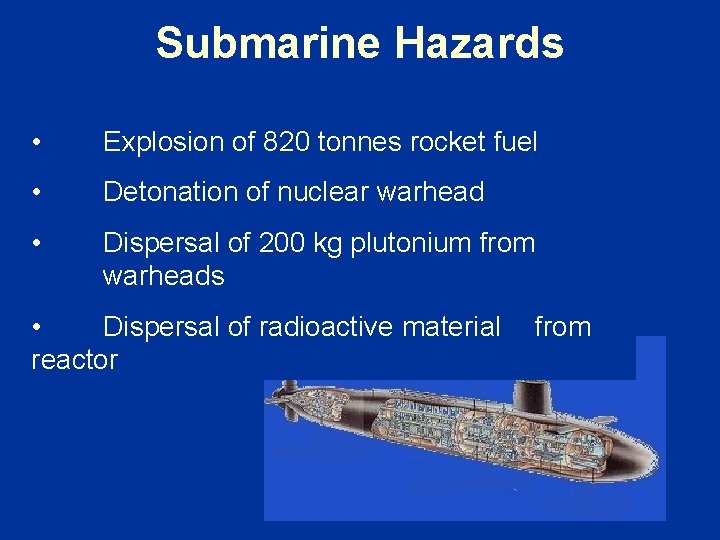
Submarine Hazards • Explosion of 820 tonnes rocket fuel • Detonation of nuclear warhead • Dispersal of 200 kg plutonium from warheads • Dispersal of radioactive material reactor from
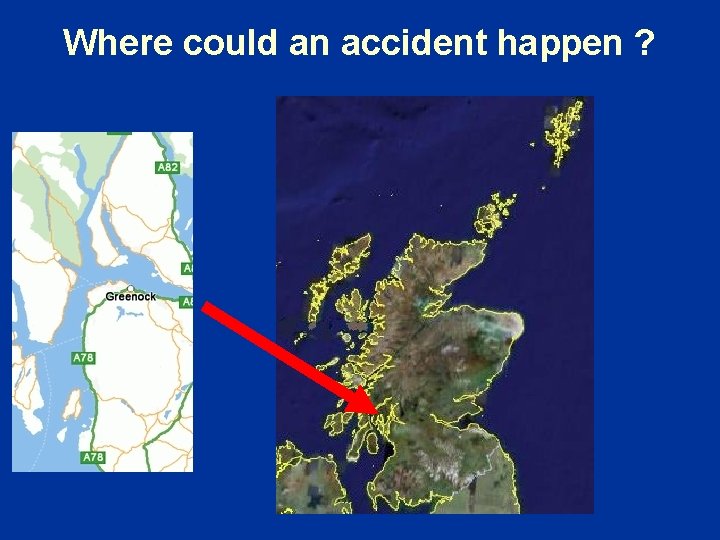
Where could an accident happen ?
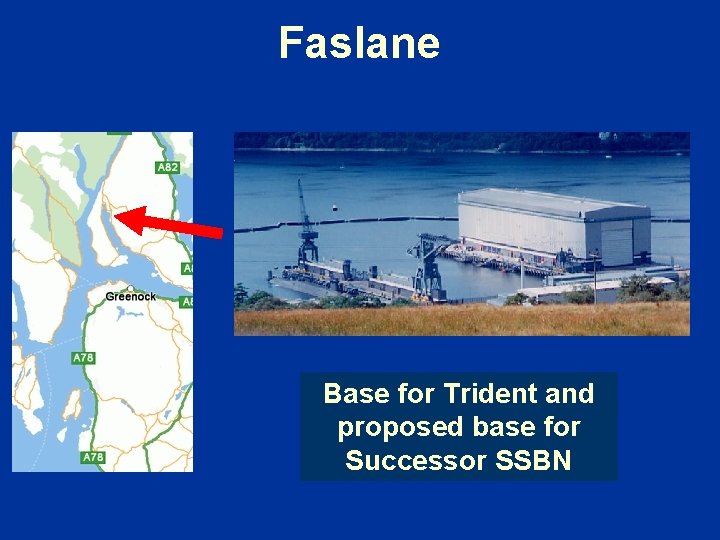
Faslane Base for Trident and proposed base for Successor SSBN
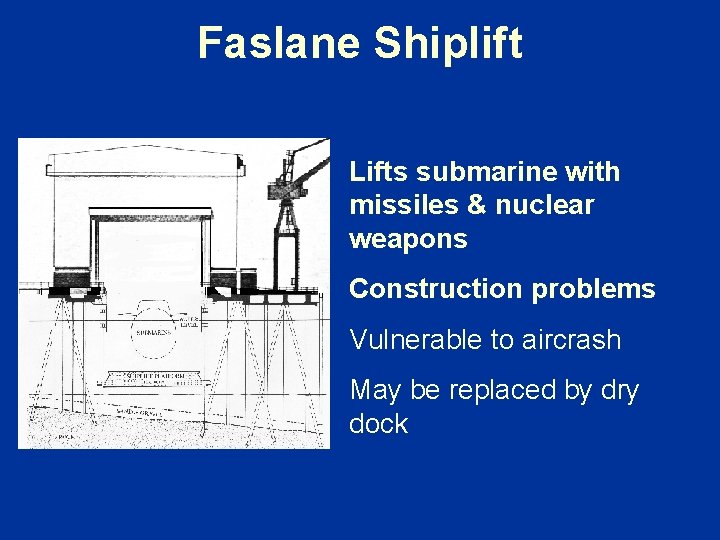
Faslane Shiplift Lifts submarine with missiles & nuclear weapons Construction problems Vulnerable to aircrash May be replaced by dry dock
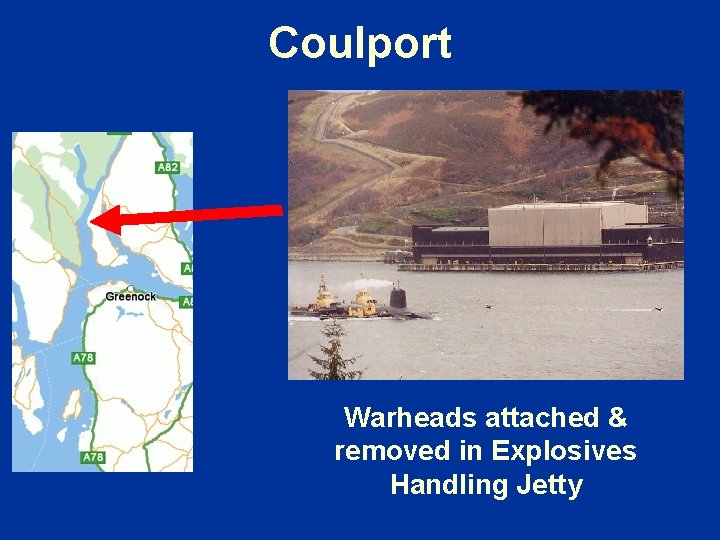
Coulport Warheads attached & removed in Explosives Handling Jetty
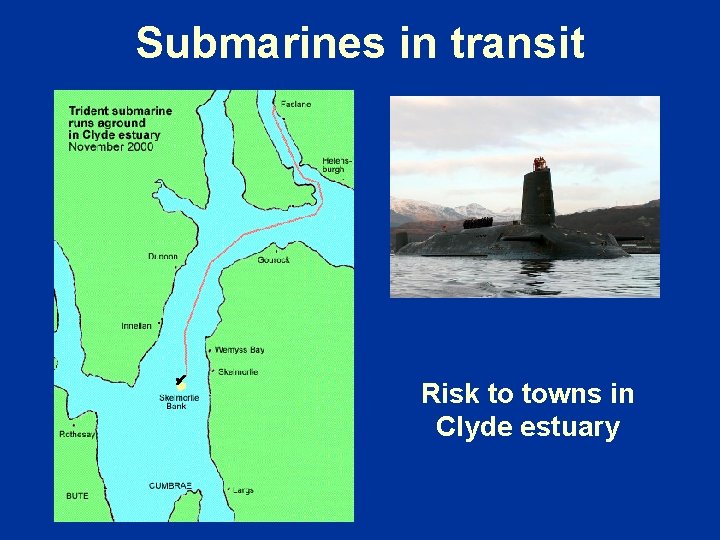
Submarines in transit Risk to towns in Clyde estuary
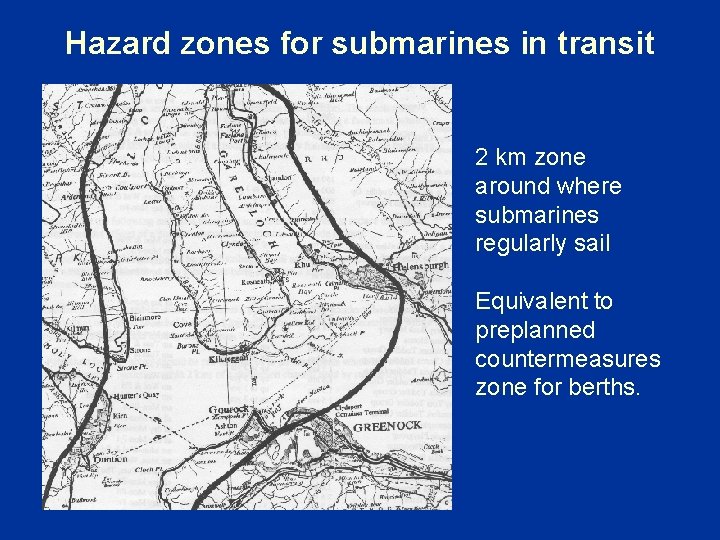
Hazard zones for submarines in transit 2 km zone around where submarines regularly sail Equivalent to preplanned countermeasures zone for berths.
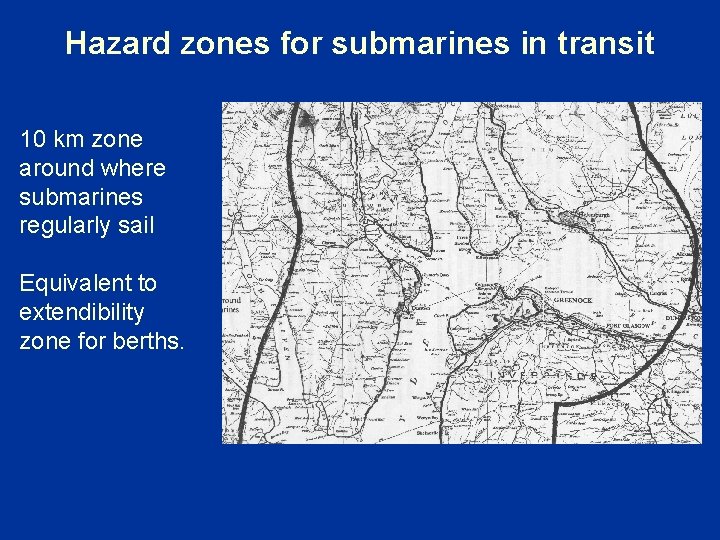
Hazard zones for submarines in transit 10 km zone around where submarines regularly sail Equivalent to extendibility zone for berths.

Loch Goil Z berth Noise Range
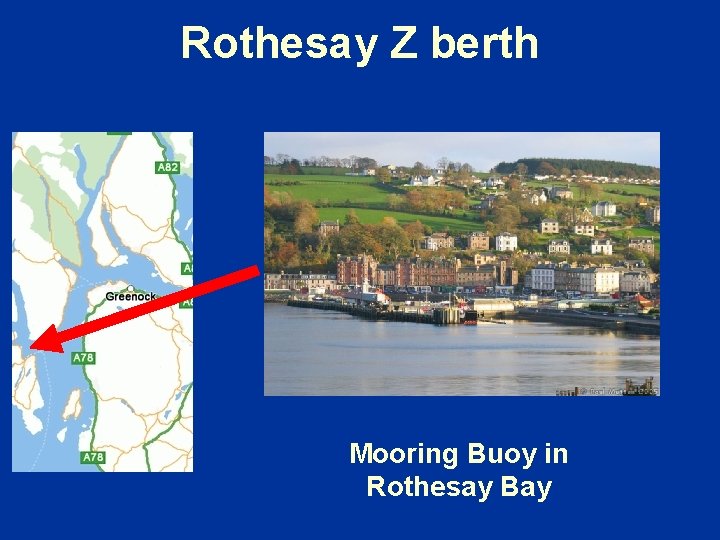
Rothesay Z berth Mooring Buoy in Rothesay Bay

Highland Z Berths
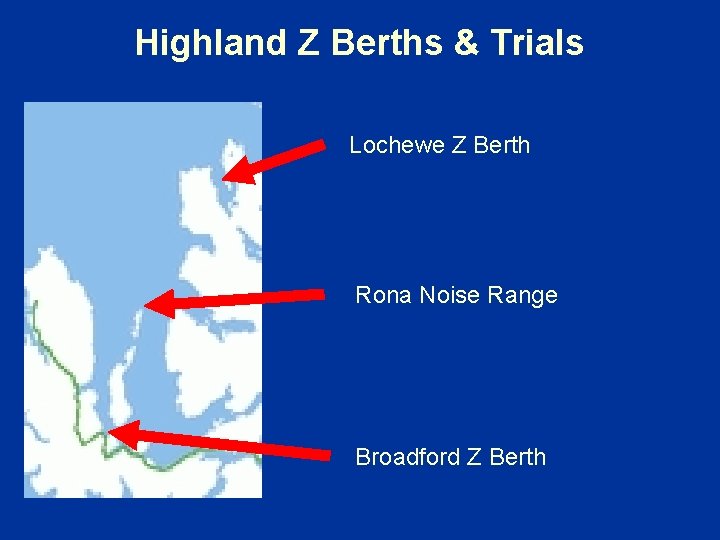
Highland Z Berths & Trials Lochewe Z Berth Rona Noise Range Broadford Z Berth
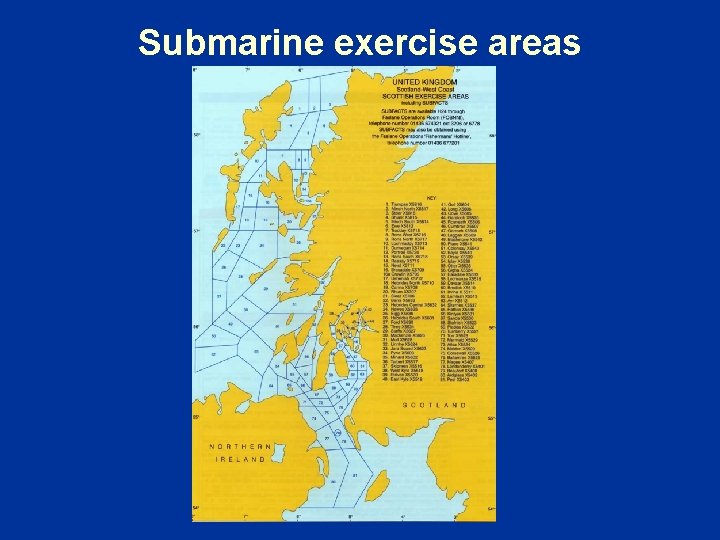
Submarine exercise areas
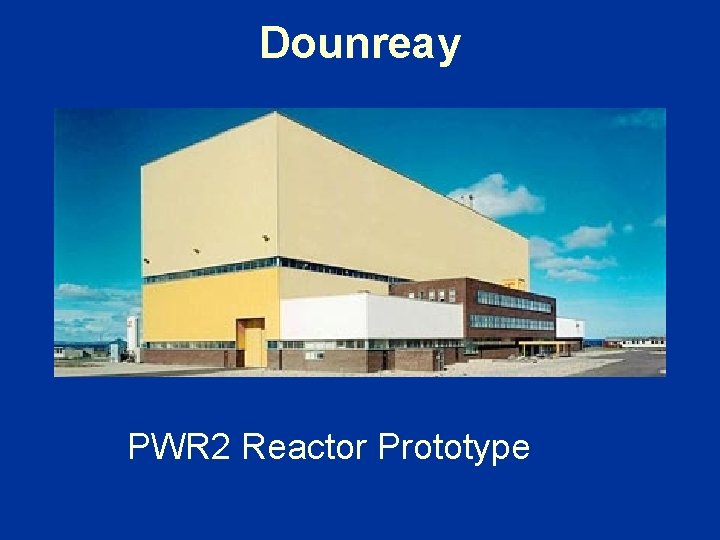
Dounreay PWR 2 Reactor Prototype
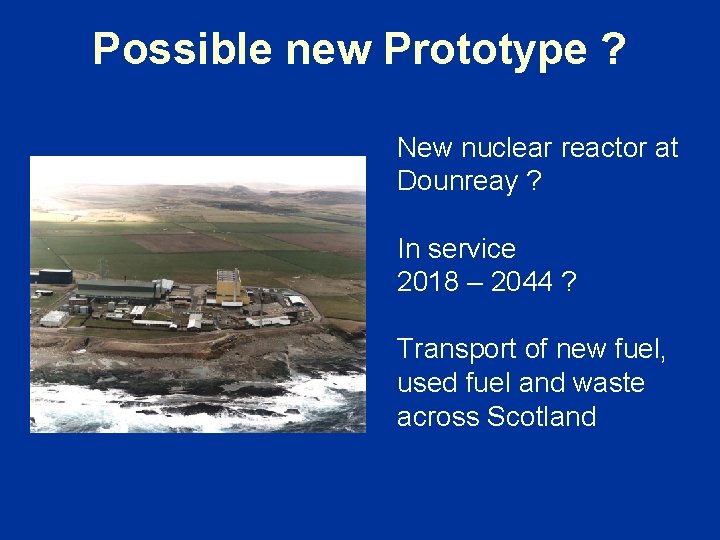
Possible new Prototype ? New nuclear reactor at Dounreay ? In service 2018 – 2044 ? Transport of new fuel, used fuel and waste across Scotland
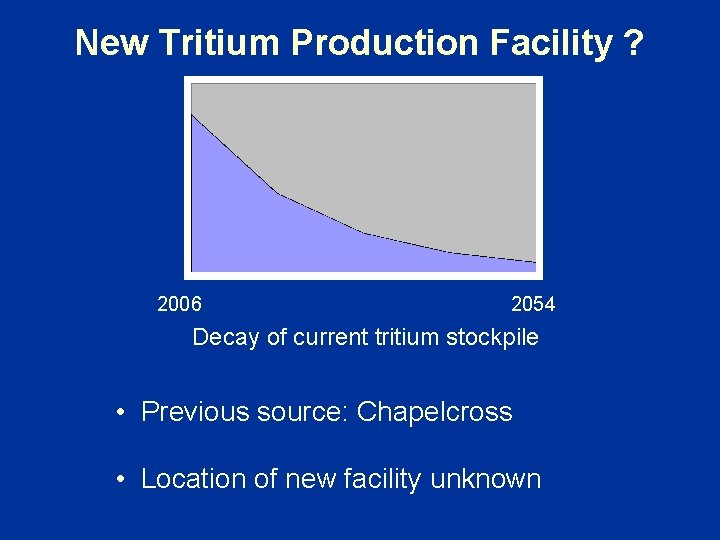
New Tritium Production Facility ? 2006 2054 Decay of current tritium stockpile • Previous source: Chapelcross • Location of new facility unknown
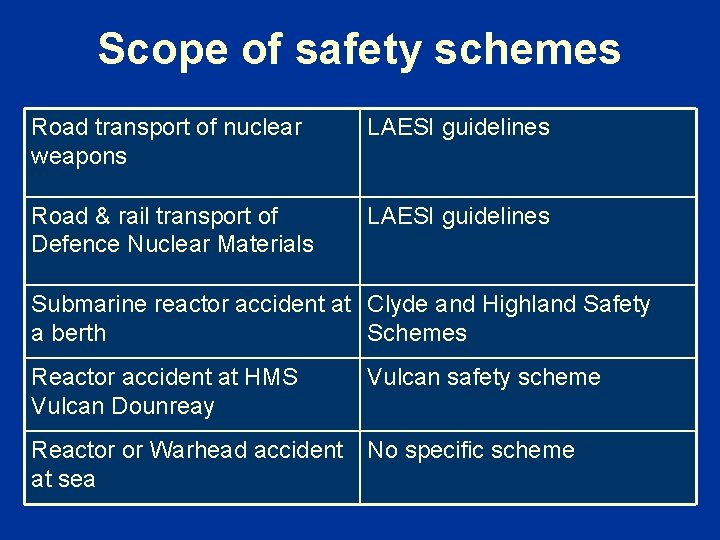
Scope of safety schemes Road transport of nuclear weapons LAESI guidelines Road & rail transport of Defence Nuclear Materials LAESI guidelines Submarine reactor accident at Clyde and Highland Safety a berth Schemes Reactor accident at HMS Vulcan Dounreay Vulcan safety scheme Reactor or Warhead accident at sea No specific scheme
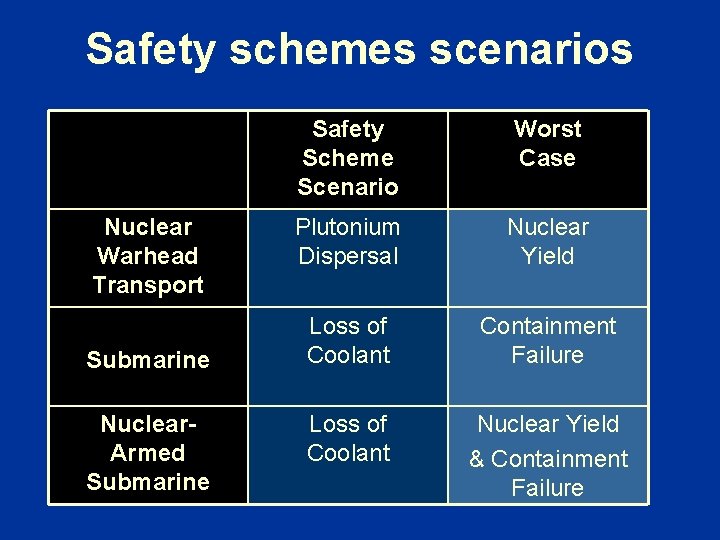
Safety schemes scenarios Nuclear Warhead Transport Submarine Nuclear. Armed Submarine Safety Scheme Scenario Worst Case Plutonium Dispersal Nuclear Yield Loss of Coolant Containment Failure Loss of Coolant Nuclear Yield & Containment Failure
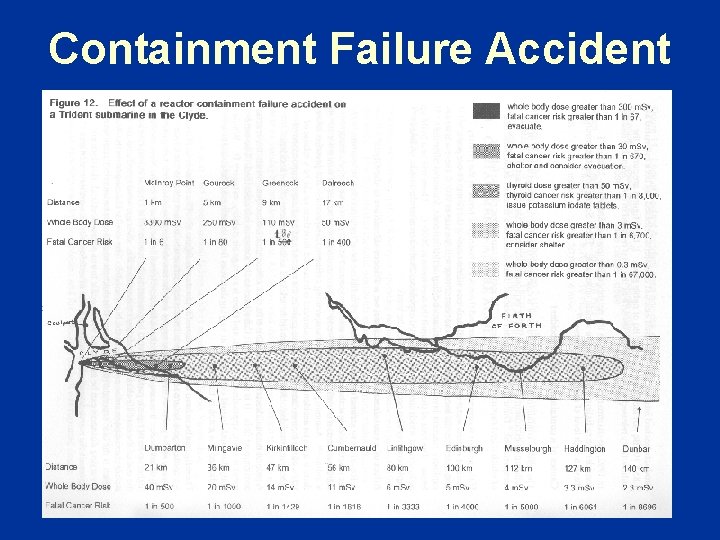
Containment Failure Accident
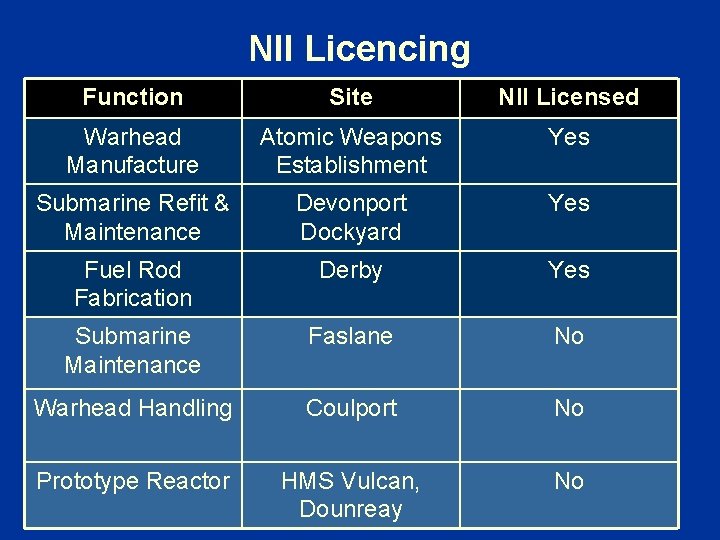
NII Licencing Function Site NII Licensed Warhead Manufacture Atomic Weapons Establishment Yes Submarine Refit & Maintenance Devonport Dockyard Yes Fuel Rod Fabrication Derby Yes Submarine Maintenance Faslane No Warhead Handling Coulport No Prototype Reactor HMS Vulcan, Dounreay No
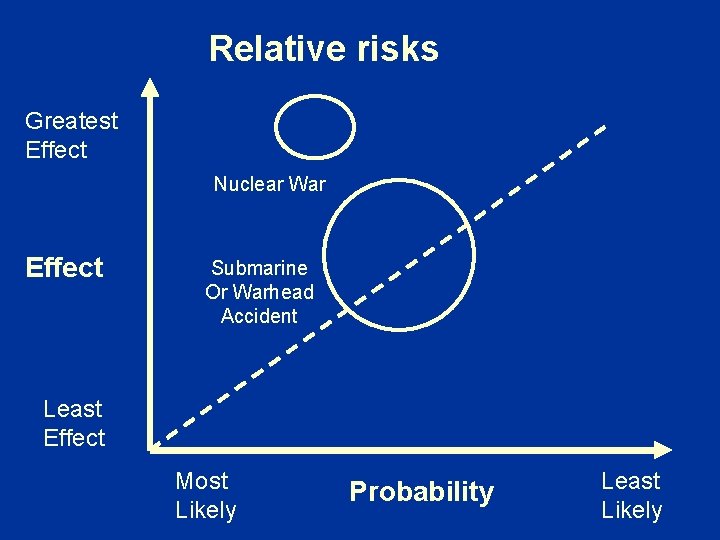
Relative risks Greatest Effect Nuclear War Effect Submarine Or Warhead Accident Least Effect Most Likely Probability Least Likely
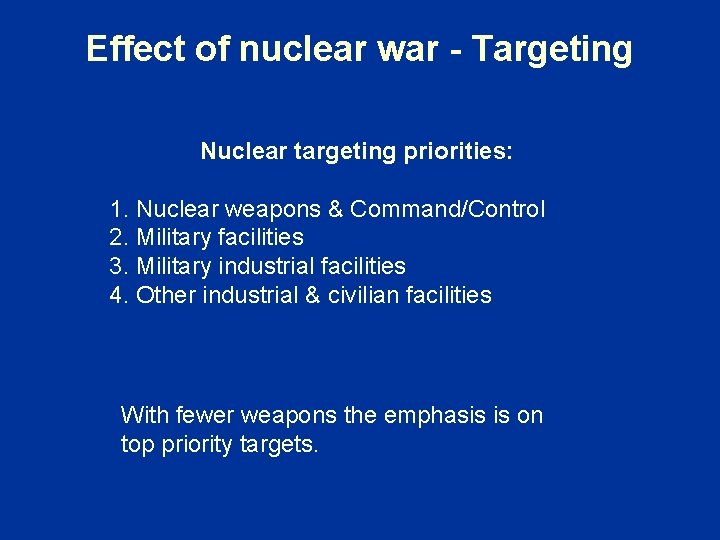
Effect of nuclear war - Targeting Nuclear targeting priorities: 1. Nuclear weapons & Command/Control 2. Military facilities 3. Military industrial facilities 4. Other industrial & civilian facilities With fewer weapons the emphasis is on top priority targets.
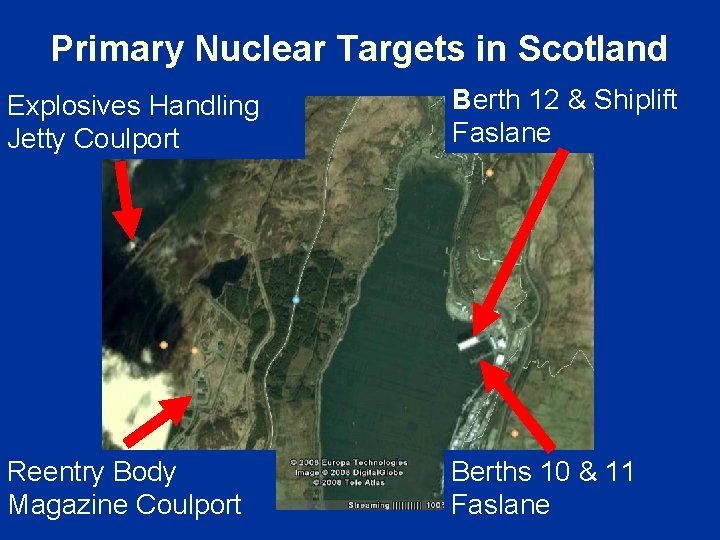
Primary Nuclear Targets in Scotland Explosives Handling Jetty Coulport Berth 12 & Shiplift Faslane Reentry Body Magazine Coulport Berths 10 & 11 Faslane
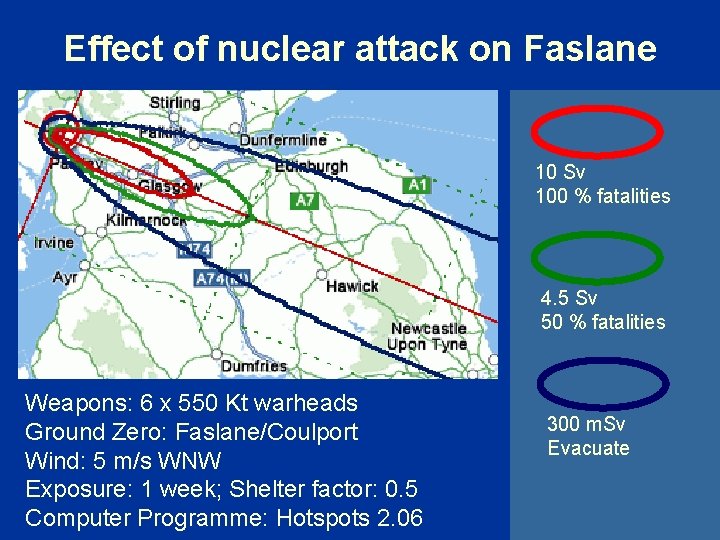
Effect of nuclear attack on Faslane 10 Sv 100 % fatalities 4. 5 Sv 50 % fatalities Weapons: 6 x 550 Kt warheads Ground Zero: Faslane/Coulport Wind: 5 m/s WNW Exposure: 1 week; Shelter factor: 0. 5 Computer Programme: Hotspots 2. 06 300 m. Sv Evacuate
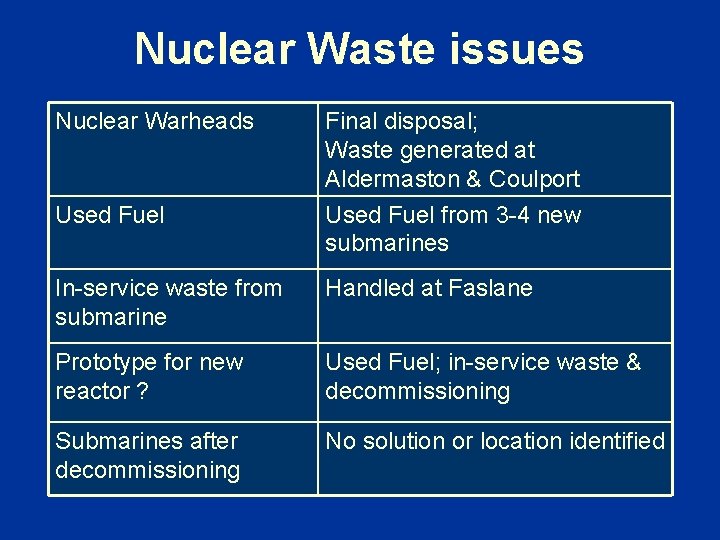
Nuclear Waste issues Nuclear Warheads Used Fuel Final disposal; Waste generated at Aldermaston & Coulport Used Fuel from 3 -4 new submarines In-service waste from submarine Handled at Faslane Prototype for new reactor ? Used Fuel; in-service waste & decommissioning Submarines after decommissioning No solution or location identified
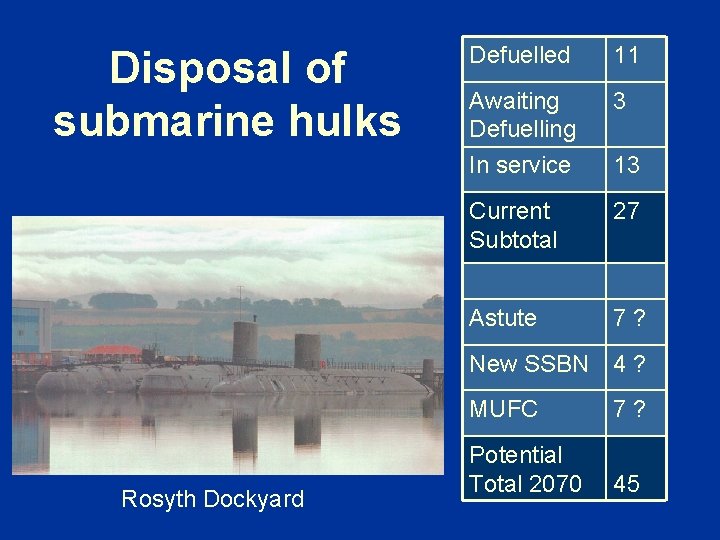
Disposal of submarine hulks Rosyth Dockyard Defuelled 11 Awaiting Defuelling In service 3 Current Subtotal 27 Astute 7? New SSBN 4? MUFC 7? Potential Total 2070 45 13
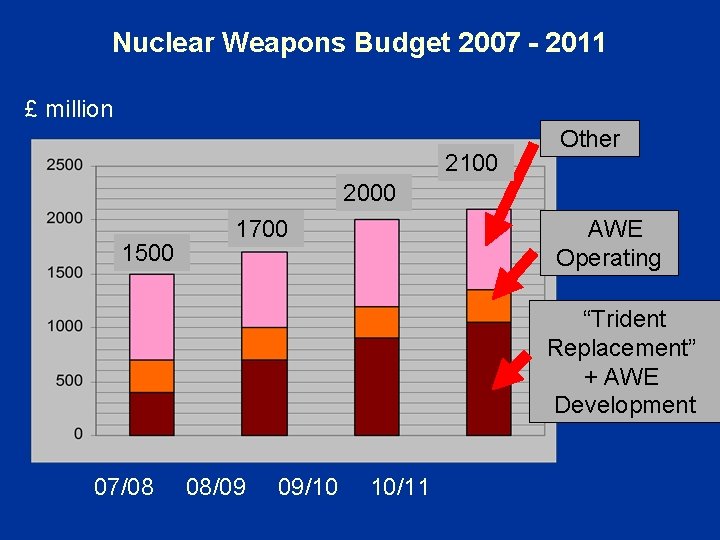
Nuclear Weapons Budget 2007 - 2011 £ million 2100 Other 2000 1500 1700 AWE Operating “Trident Replacement” + AWE Development 07/08 08/09 09/10 10/11
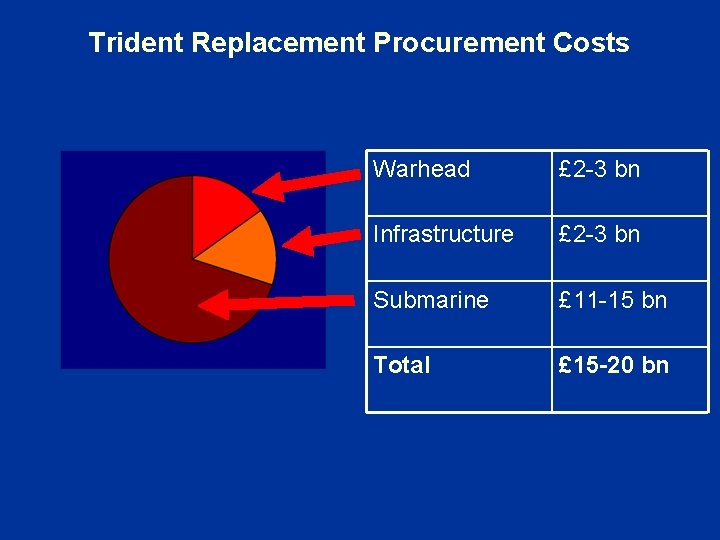
Trident Replacement Procurement Costs Warhead £ 2 -3 bn Infrastructure £ 2 -3 bn Submarine £ 11 -15 bn Total £ 15 -20 bn
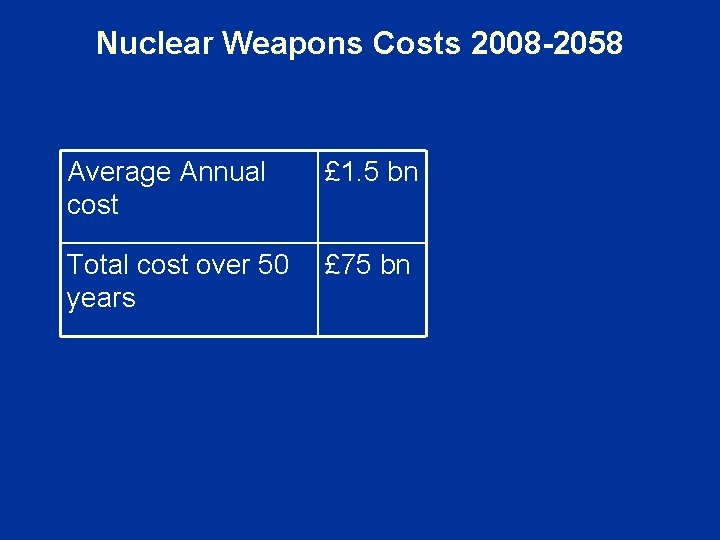
Nuclear Weapons Costs 2008 -2058 Average Annual cost £ 1. 5 bn Total cost over 50 years £ 75 bn
- Slides: 59