
New Insights into the Treatment of Autism The



- Slides: 50
New Insights into the Treatment of Autism: The Hormonal Connection Mark R. Geier, MD, Ph. D, FABMG, FACE Founder & Medical Director ASD Centers, LLC website: www. asdcenters. com Phone: (301)989 -0548 Email: mgeier@comcast. net David A. Geier Executive Director ASD Centers, LLC Copyright 2009
Mercury & Testosterone Toxicity
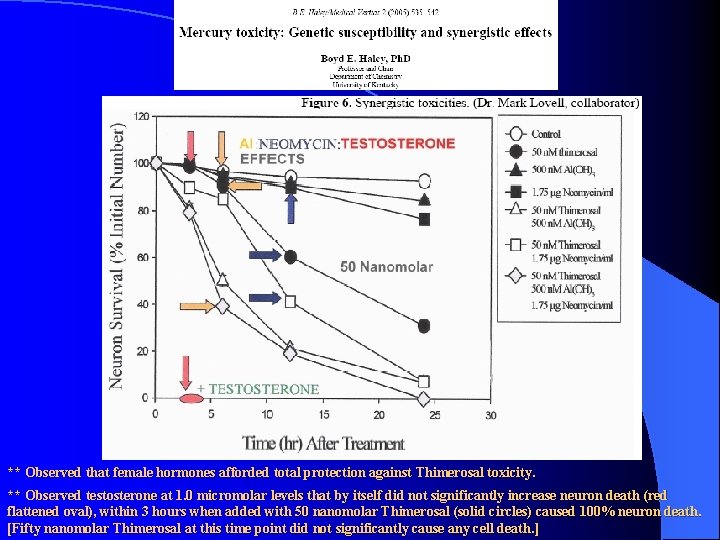
** Observed that female hormones afforded total protection against Thimerosal toxicity. ** Observed testosterone at 1. 0 micromolar levels that by itself did not significantly increase neuron death (red flattened oval), within 3 hours when added with 50 nanomolar Thimerosal (solid circles) caused 100% neuron death. [Fifty nanomolar Thimerosal at this time point did not significantly cause any cell death. ]
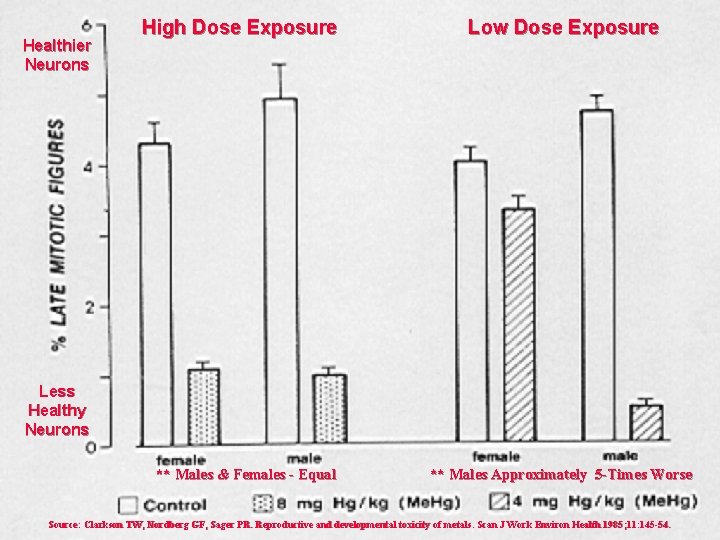
Healthier Neurons High Dose Exposure Low Dose Exposure Less Healthy Neurons ** Males & Females - Equal ** Males Approximately 5 -Times Worse Source: Clarkson TW, Nordberg GF, Sager PR. Reproductive and developmental toxicity of metals. Scan J Work Environ Health 1985; 11: 145 -54.
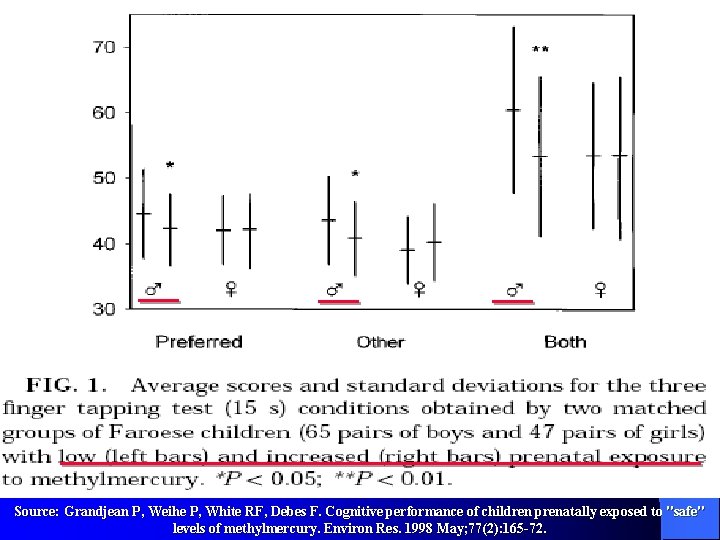
__ ________________ Source: Grandjean P, Weihe P, White RF, Debes F. Cognitive performance of children prenatally exposed to "safe" levels of methylmercury. Environ Res. 1998 May; 77(2): 165 -72.
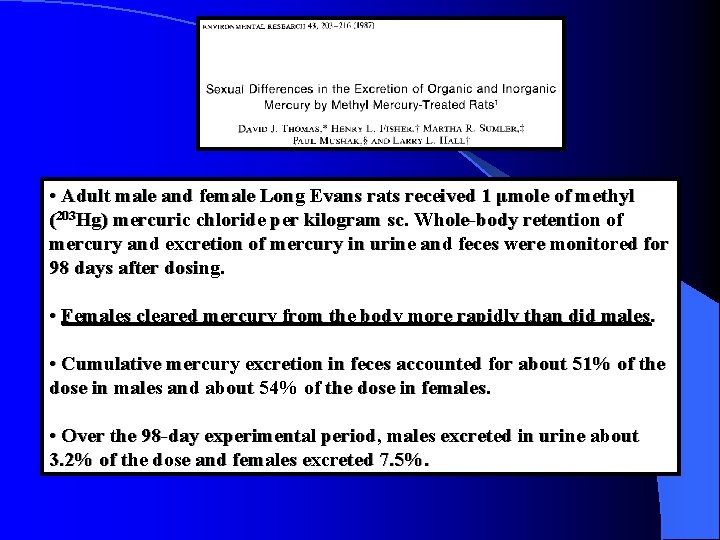
• Adult male and female Long Evans rats received 1 μmole of methyl (203 Hg) mercuric chloride per kilogram sc. Whole-body retention of mercury and excretion of mercury in urine and feces were monitored for 98 days after dosing. • Females cleared mercury from the body more rapidly than did males. • Cumulative mercury excretion in feces accounted for about 51% of the dose in males and about 54% of the dose in females. • Over the 98 -day experimental period, males excreted in urine about 3. 2% of the dose and females excreted 7. 5%.
Geier MR, Geier DA. The potential importance of steroids in the treatment of autistic spectrum disorders and other disorders involving mercury toxicity. Med Hypotheses 2005; 64: 946 -54.
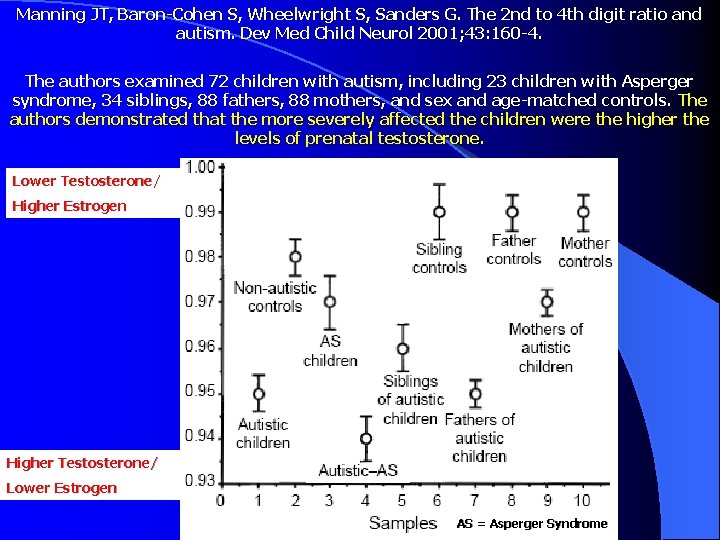
Manning JT, Baron-Cohen S, Wheelwright S, Sanders G. The 2 nd to 4 th digit ratio and autism. Dev Med Child Neurol 2001; 43: 160 -4. The authors examined 72 children with autism, including 23 children with Asperger syndrome, 34 siblings, 88 fathers, 88 mothers, and sex and age-matched controls. The authors demonstrated that the more severely affected the children were the higher the levels of prenatal testosterone. Lower Testosterone/ Higher Estrogen Higher Testosterone/ Lower Estrogen AS = Asperger Syndrome
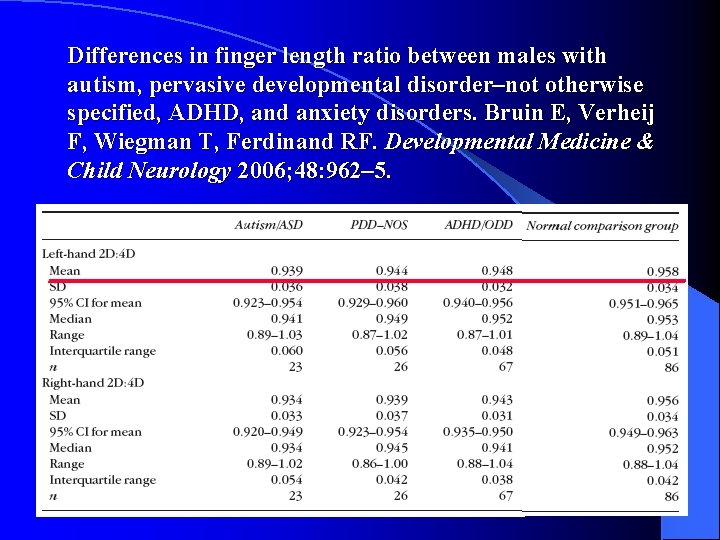
Differences in finger length ratio between males with autism, pervasive developmental disorder–not otherwise specified, ADHD, and anxiety disorders. Bruin E, Verheij F, Wiegman T, Ferdinand RF. Developmental Medicine & Child Neurology 2006; 48: 962– 5. ___________________________
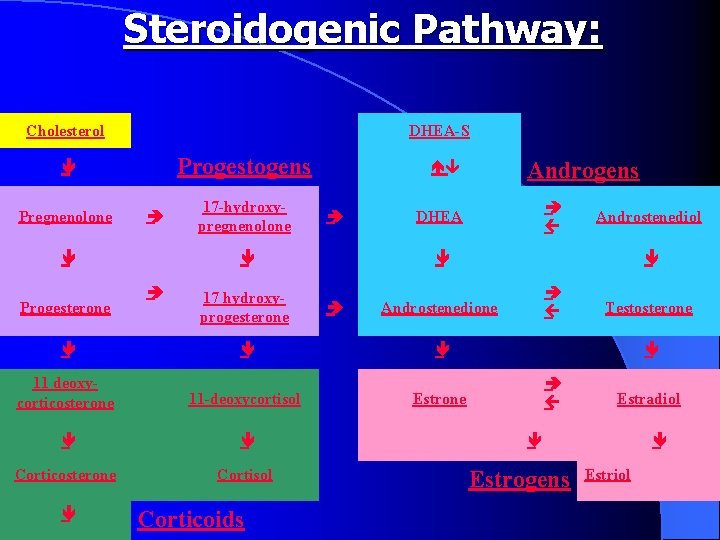
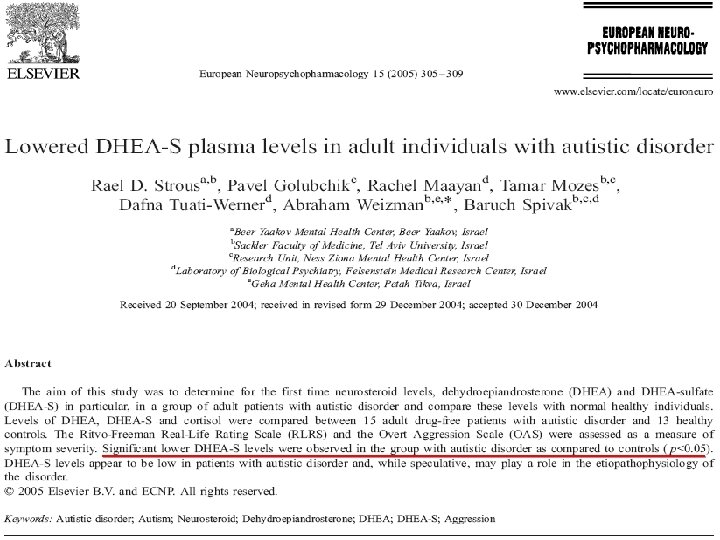
Steroidogenic Pathway: Cholesterol DHEA-S Progestogens ê Pregnenolone è ê Progesterone 17 -hydroxypregnenolone è ê è 17 hydroxyprogesterone Androstenediol ê è ß Androstenedione ê ê 11 deoxycorticosterone 11 -deoxycortisol Estrone ê ê Corticosterone Cortisol Corticoids è ß DHEA ê ê Androgens éâ Testosterone ê è ß Estradiol ê Estrogens ê Estriol
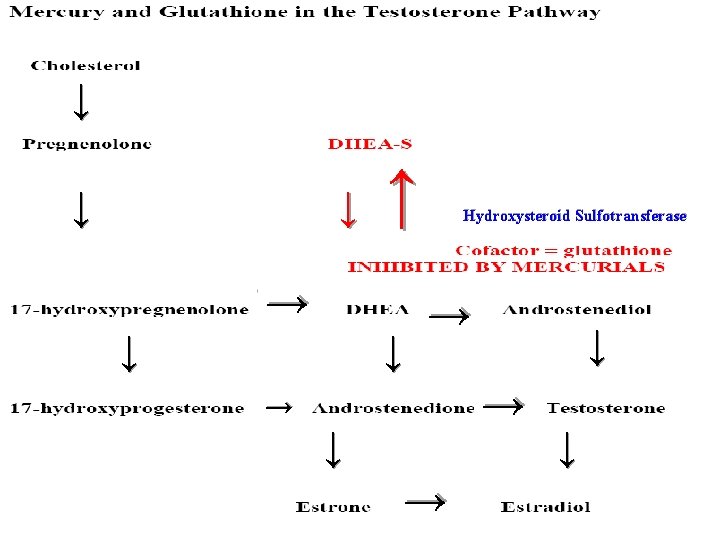
→ ← → → → Hydroxysteroid Sulfotransferase → → → → →
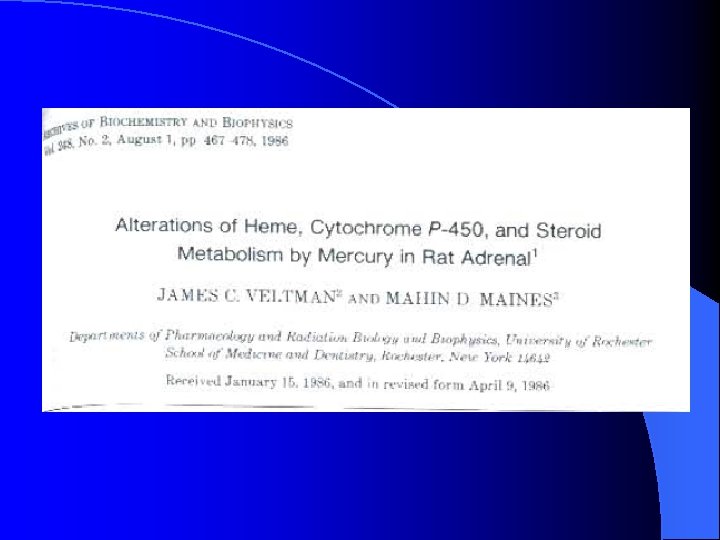
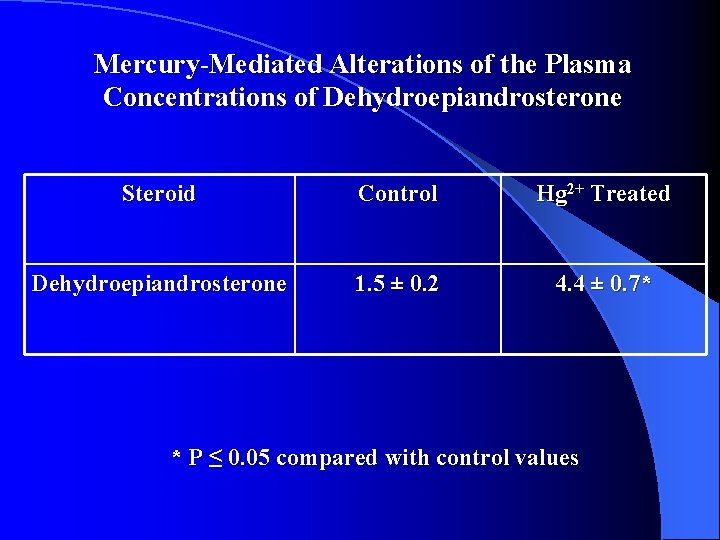
Mercury-Mediated Alterations of the Plasma Concentrations of Dehydroepiandrosterone Steroid Control Hg 2+ Treated Dehydroepiandrosterone 1. 5 ± 0. 2 4. 4 ± 0. 7* * P ≤ 0. 05 compared with control values
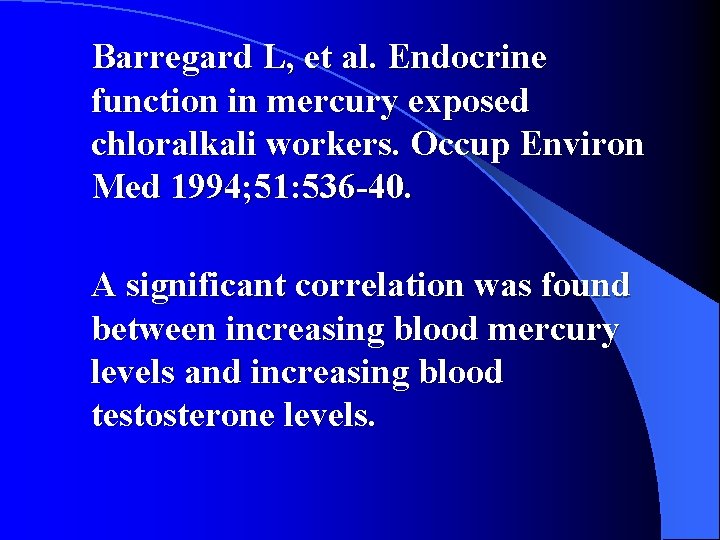
Barregard L, et al. Endocrine function in mercury exposed chloralkali workers. Occup Environ Med 1994; 51: 536 -40. A significant correlation was found between increasing blood mercury levels and increasing blood testosterone levels.
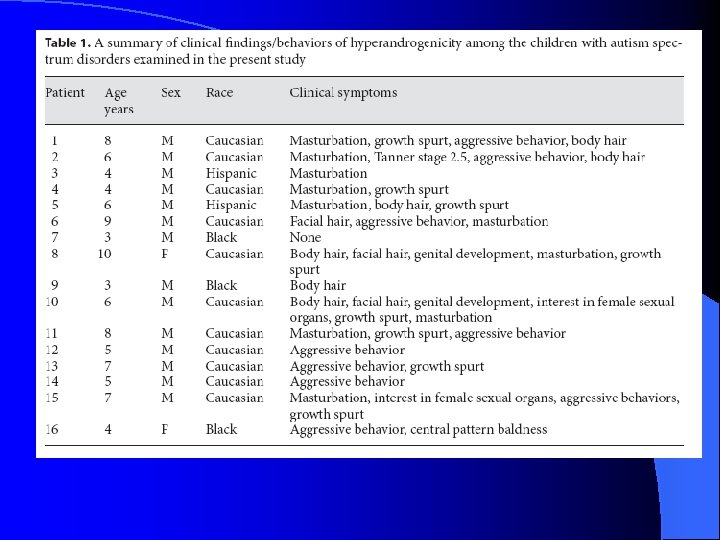
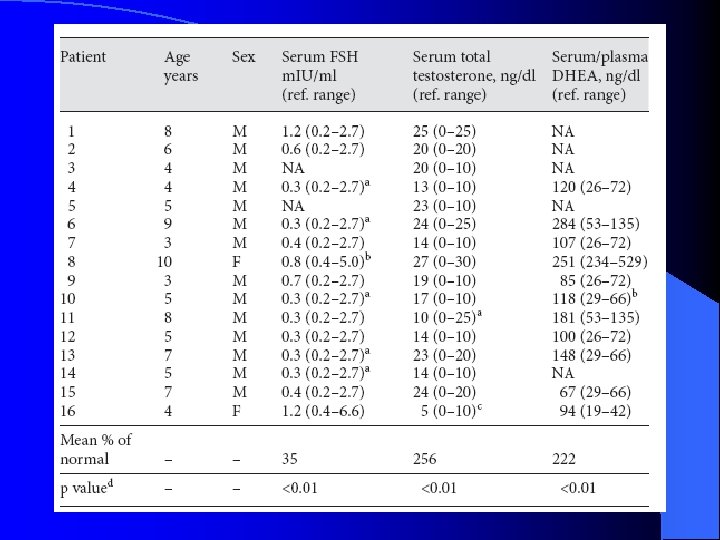
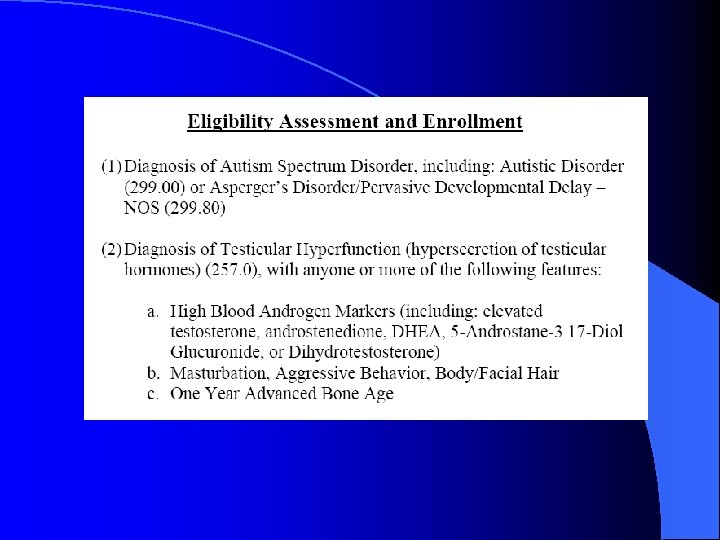
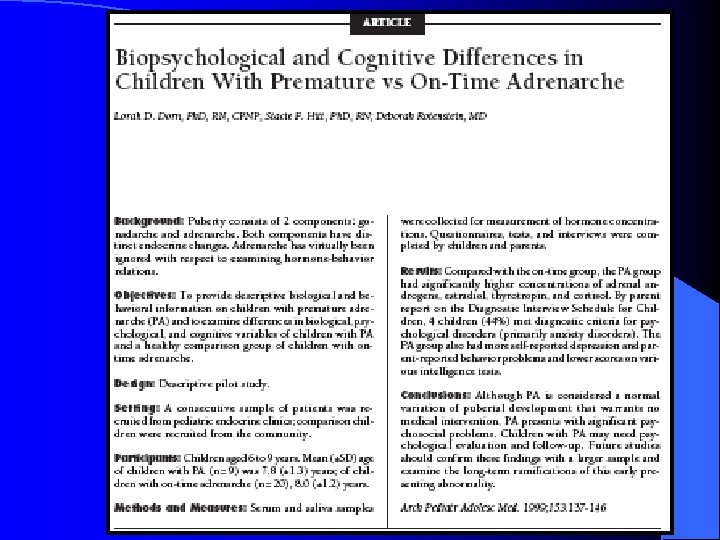
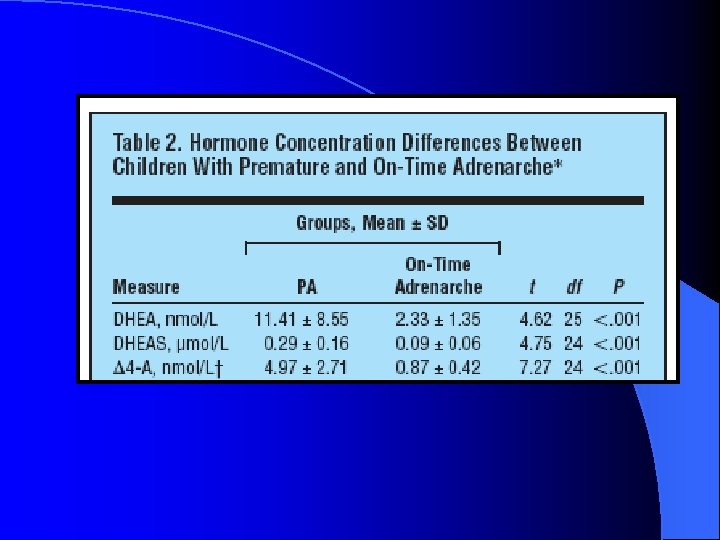
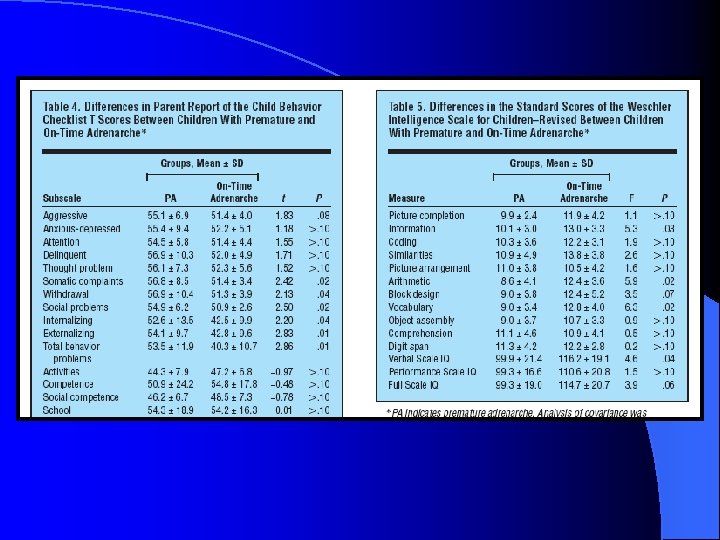
Hyperandrogenicity in Children with Neurodevelopmental Disorders: Potential Insights into Testosterone Levels & Potential Testosterone Adverse Effects
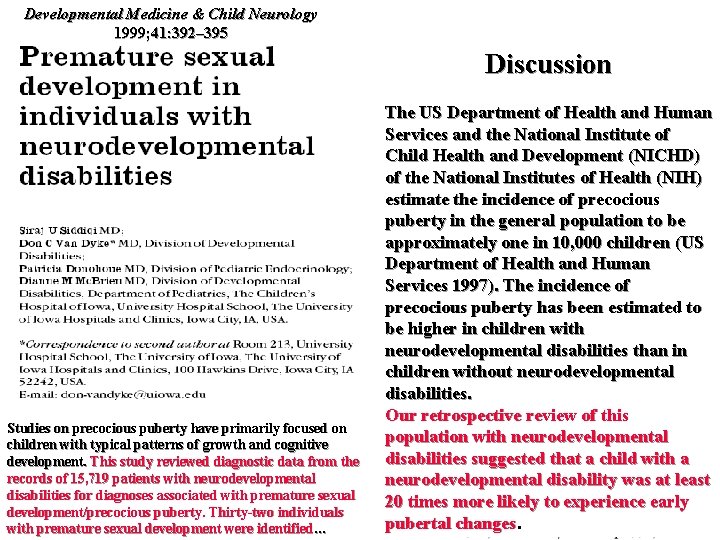
Developmental Medicine & Child Neurology 1999; 41: 392– 395 Discussion Studies on precocious puberty have primarily focused on children with typical patterns of growth and cognitive development. This study reviewed diagnostic data from the records of 15, 719 patients with neurodevelopmental disabilities for diagnoses associated with premature sexual development/precocious puberty. Thirty-two individuals with premature sexual development were identified… The US Department of Health and Human Services and the National Institute of Child Health and Development (NICHD) of the National Institutes of Health (NIH) estimate the incidence of precocious puberty in the general population to be approximately one in 10, 000 children (US Department of Health and Human Services 1997). The incidence of precocious puberty has been estimated to be higher in children with neurodevelopmental disabilities than in children without neurodevelopmental disabilities. Our retrospective review of this population with neurodevelopmental disabilities suggested that a child with a neurodevelopmental disability was at least 20 times more likely to experience early pubertal changes.
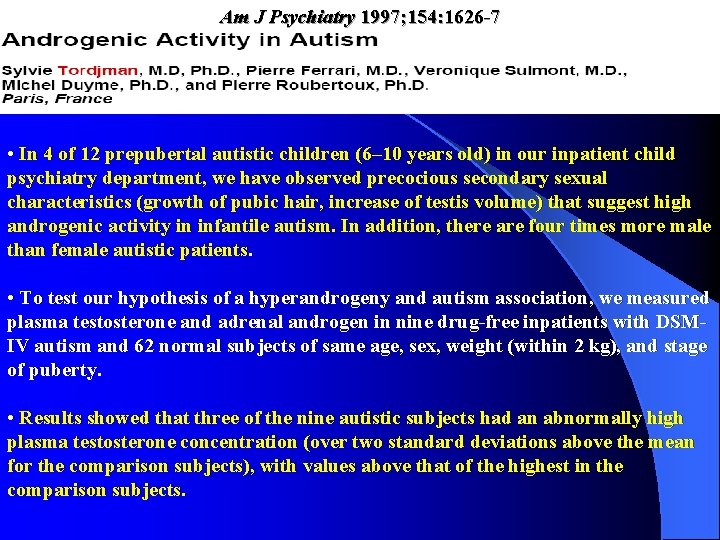
Am J Psychiatry 1997; 154: 1626 -7 • In 4 of 12 prepubertal autistic children (6– 10 years old) in our inpatient child psychiatry department, we have observed precocious secondary sexual characteristics (growth of pubic hair, increase of testis volume) that suggest high androgenic activity in infantile autism. In addition, there are four times more male than female autistic patients. • To test our hypothesis of a hyperandrogeny and autism association, we measured plasma testosterone and adrenal androgen in nine drug-free inpatients with DSMIV autism and 62 normal subjects of same age, sex, weight (within 2 kg), and stage of puberty. • Results showed that three of the nine autistic subjects had an abnormally high plasma testosterone concentration (over two standard deviations above the mean for the comparison subjects), with values above that of the highest in the comparison subjects.
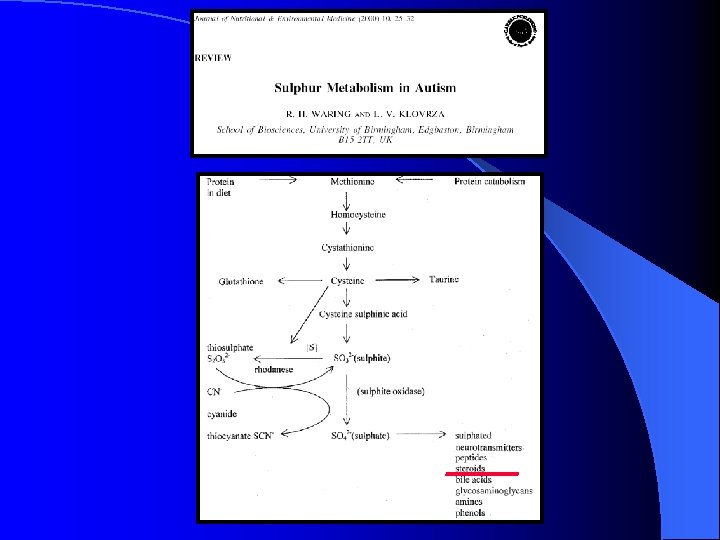
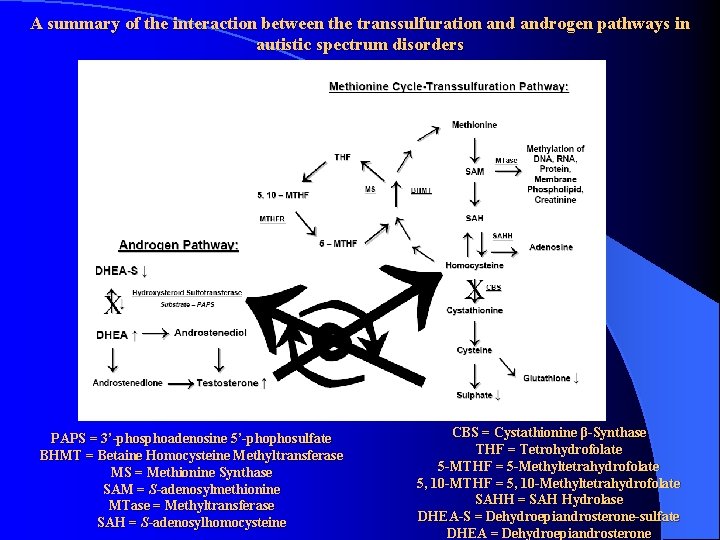
A summary of the interaction between the transsulfuration androgen pathways in autistic spectrum disorders PAPS = 3’-phosphoadenosine 5’-phophosulfate BHMT = Betaine Homocysteine Methyltransferase MS = Methionine Synthase SAM = S-adenosylmethionine MTase = Methyltransferase SAH = S-adenosylhomocysteine CBS = Cystathionine β-Synthase THF = Tetrohydrofolate 5 -MTHF = 5 -Methyltetrahydrofolate 5, 10 -MTHF = 5, 10 -Methyltetrahydrofolate SAHH = SAH Hydrolase DHEA-S = Dehydroepiandrosterone-sulfate DHEA = Dehydroepiandrosterone
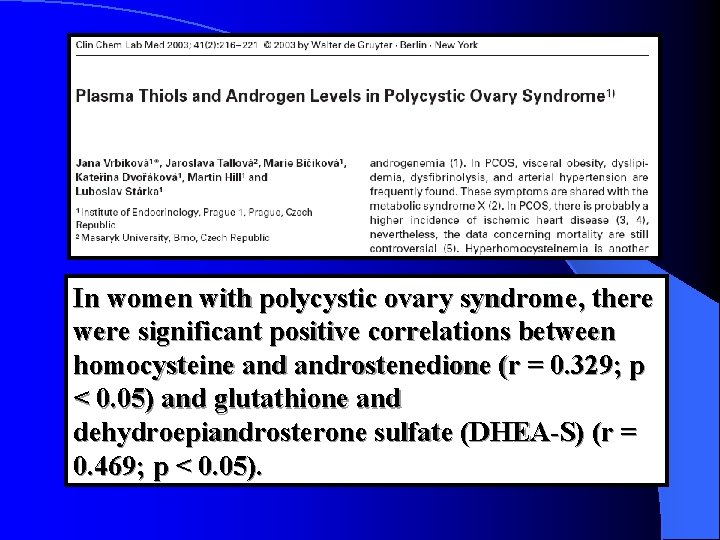
In women with polycystic ovary syndrome, there were significant positive correlations between homocysteine androstenedione (r = 0. 329; p < 0. 05) and glutathione and dehydroepiandrosterone sulfate (DHEA-S) (r = 0. 469; p < 0. 05).
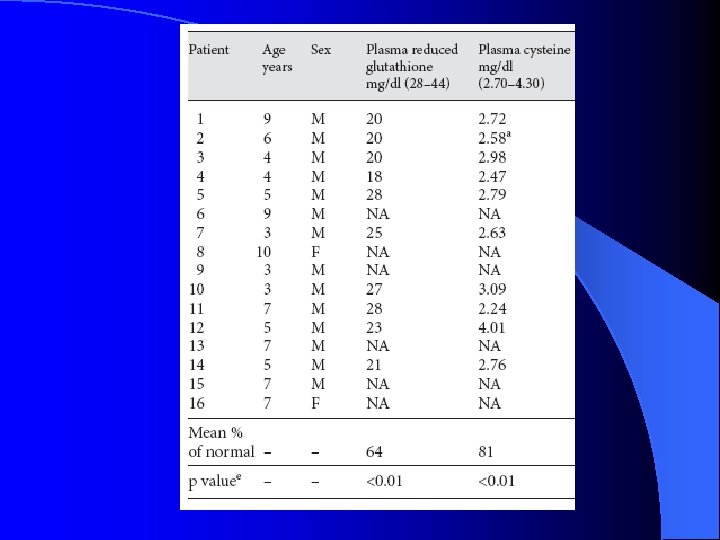
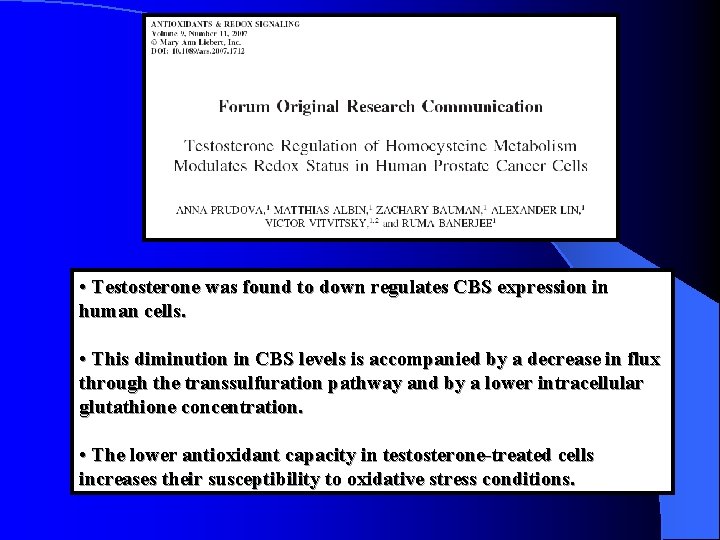
• Testosterone was found to down regulates CBS expression in human cells. • This diminution in CBS levels is accompanied by a decrease in flux through the transsulfuration pathway and by a lower intracellular glutathione concentration. • The lower antioxidant capacity in testosterone-treated cells increases their susceptibility to oxidative stress conditions.
What are some of the Molecular Effects of Increased Androgens? ?
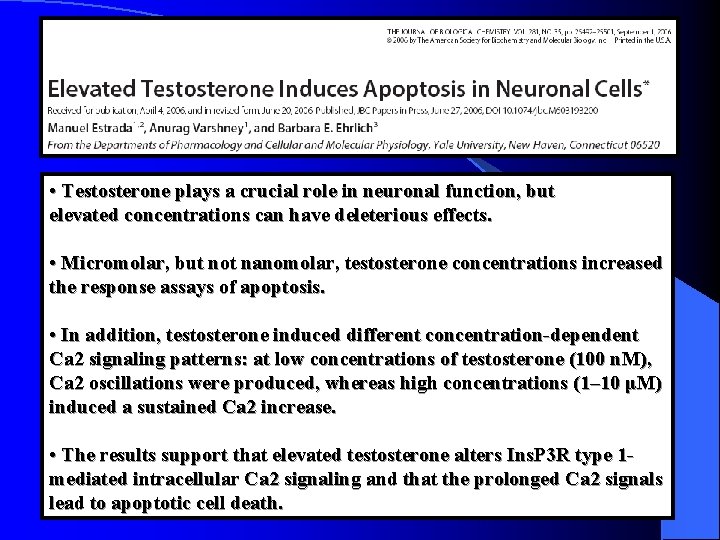
• Testosterone plays a crucial role in neuronal function, but elevated concentrations can have deleterious effects. • Micromolar, but not nanomolar, testosterone concentrations increased the response assays of apoptosis. • In addition, testosterone induced different concentration-dependent Ca 2 signaling patterns: at low concentrations of testosterone (100 n. M), Ca 2 oscillations were produced, whereas high concentrations (1– 10 μM) induced a sustained Ca 2 increase. • The results support that elevated testosterone alters Ins. P 3 R type 1 mediated intracellular Ca 2 signaling and that the prolonged Ca 2 signals lead to apoptotic cell death.
What are Clinical Effects of Elevated Androgens in Autism Spectrum Disorders & their Family Members?
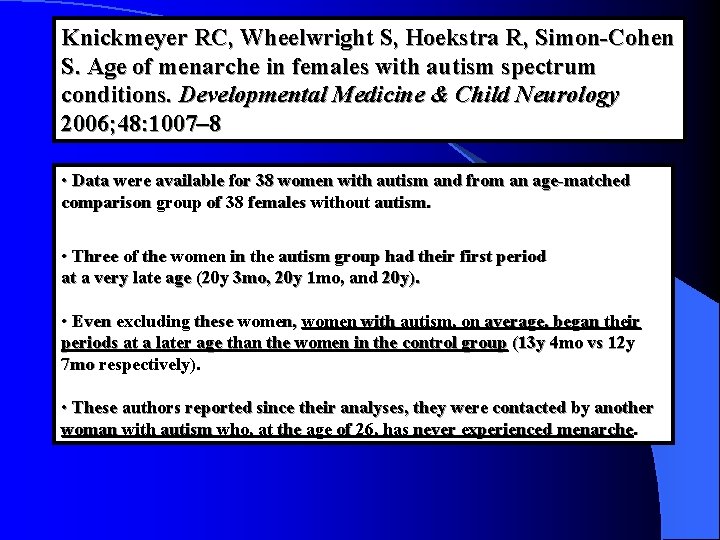
Knickmeyer RC, Wheelwright S, Hoekstra R, Simon-Cohen S. Age of menarche in females with autism spectrum conditions. Developmental Medicine & Child Neurology 2006; 48: 1007– 8 • Data were available for 38 women with autism and from an age-matched comparison group of 38 females without autism. • Three of the women in the autism group had their first period at a very late age (20 y 3 mo, 20 y 1 mo, and 20 y). • Even excluding these women, women with autism, on average, began their periods at a later age than the women in the control group (13 y 4 mo vs 12 y 7 mo respectively). • These authors reported since their analyses, they were contacted by another woman with autism who, at the age of 26, has never experienced menarche.
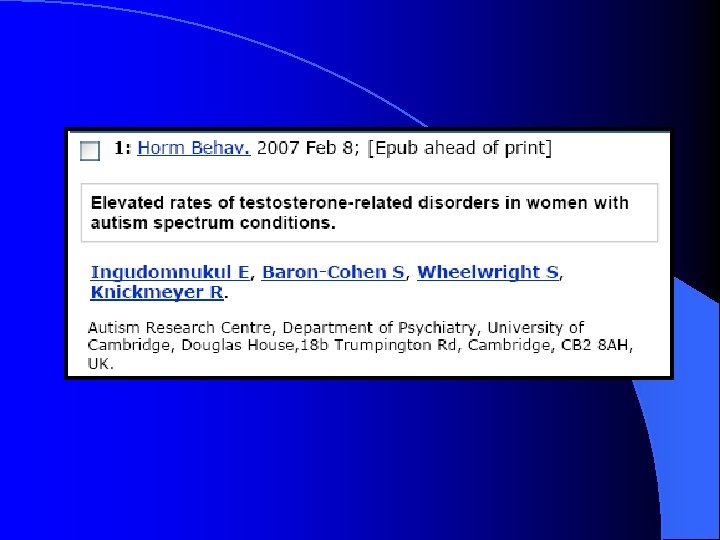
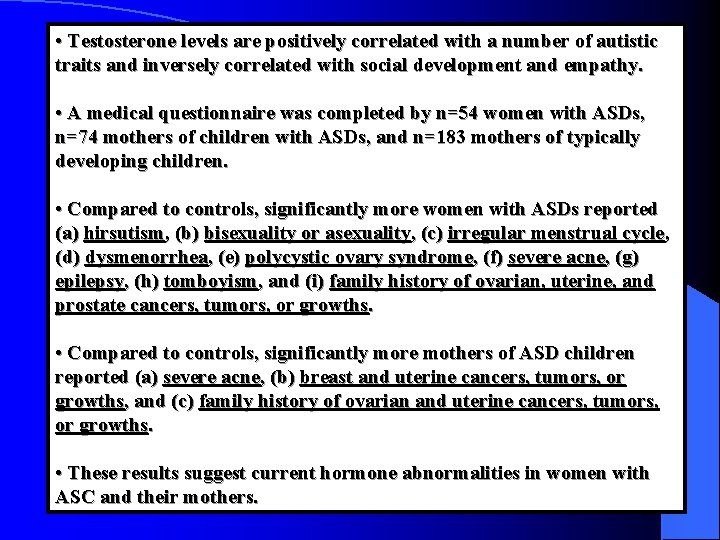
• Testosterone levels are positively correlated with a number of autistic traits and inversely correlated with social development and empathy. • A medical questionnaire was completed by n=54 women with ASDs, n=74 mothers of children with ASDs, and n=183 mothers of typically developing children. • Compared to controls, significantly more women with ASDs reported (a) hirsutism, (b) bisexuality or asexuality, (c) irregular menstrual cycle, (d) dysmenorrhea, (e) polycystic ovary syndrome, (f) severe acne, (g) epilepsy, (h) tomboyism, and (i) family history of ovarian, uterine, and prostate cancers, tumors, or growths. • Compared to controls, significantly more mothers of ASD children reported (a) severe acne, (b) breast and uterine cancers, tumors, or growths, and (c) family history of ovarian and uterine cancers, tumors, or growths. • These results suggest current hormone abnormalities in women with ASC and their mothers.
Treatment Overview: The Protocol
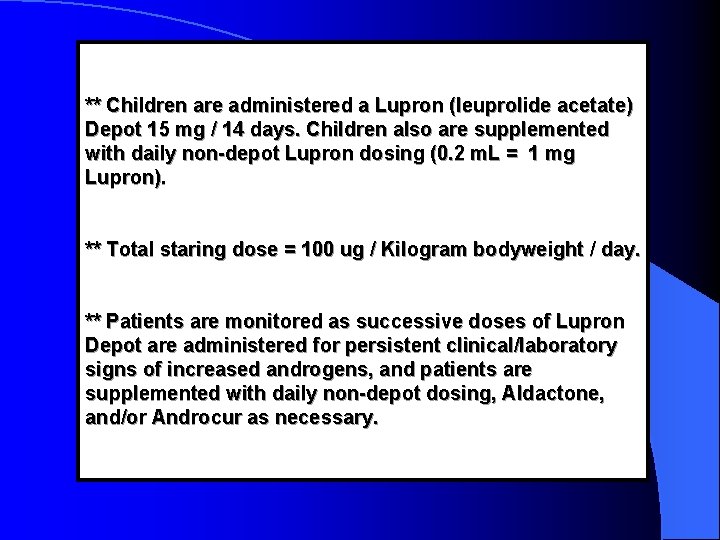
** Children are administered a Lupron (leuprolide acetate) Depot 15 mg / 14 days. Children also are supplemented with daily non-depot Lupron dosing (0. 2 m. L = 1 mg Lupron). ** Total staring dose = 100 ug / Kilogram bodyweight / day. ** Patients are monitored as successive doses of Lupron Depot are administered for persistent clinical/laboratory signs of increased androgens, and patients are supplemented with daily non-depot dosing, Aldactone, and/or Androcur as necessary.
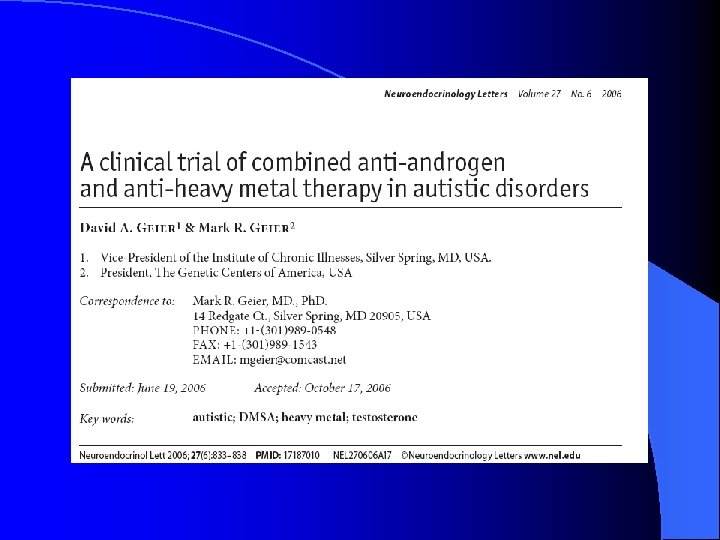
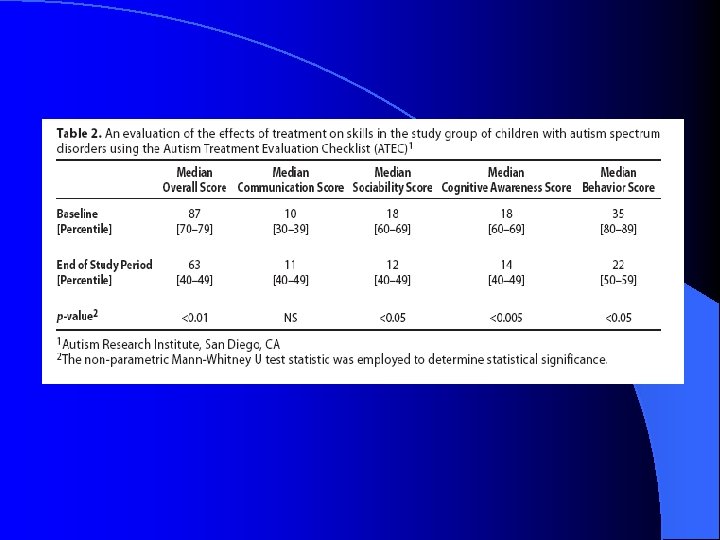
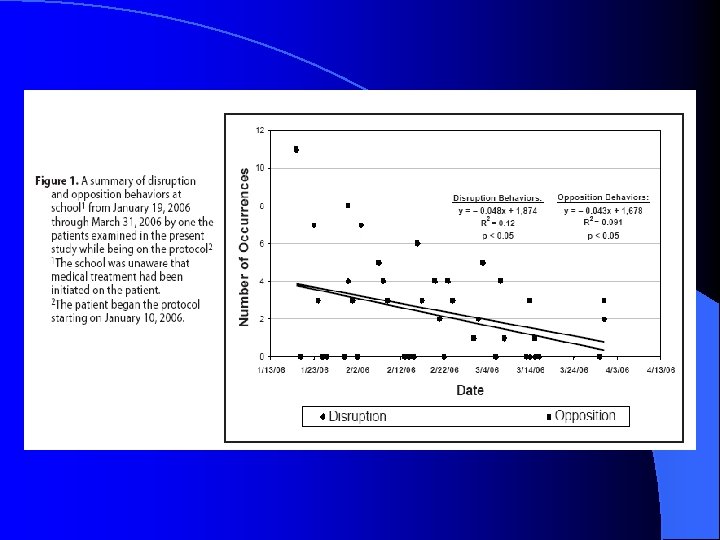
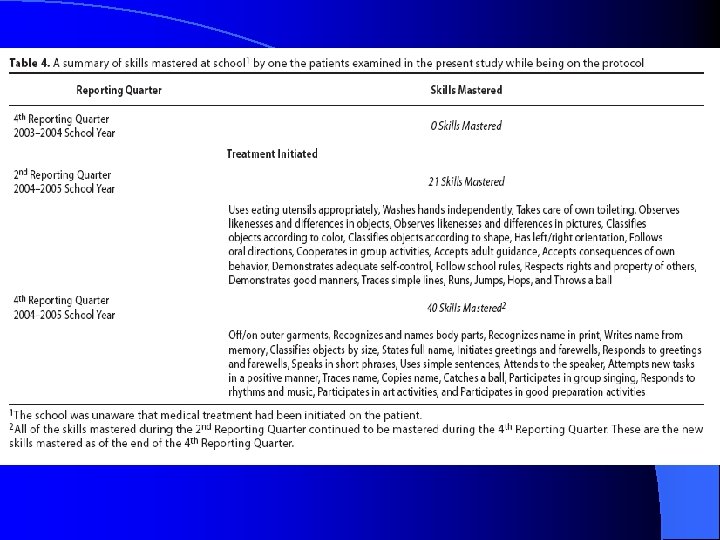
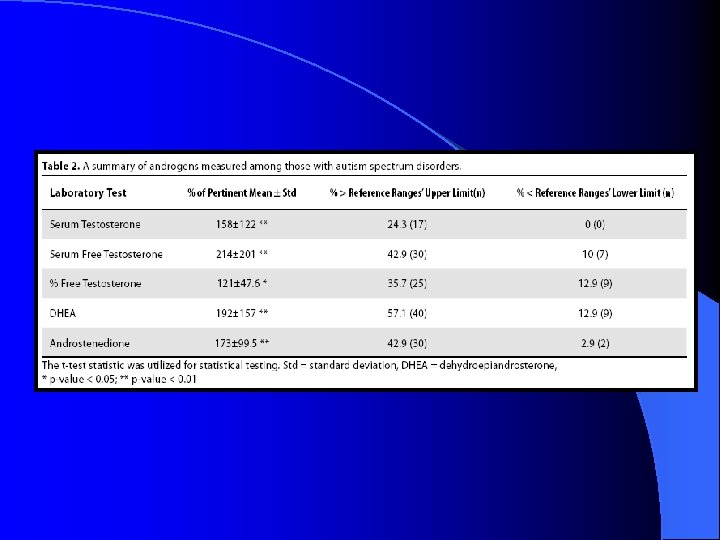
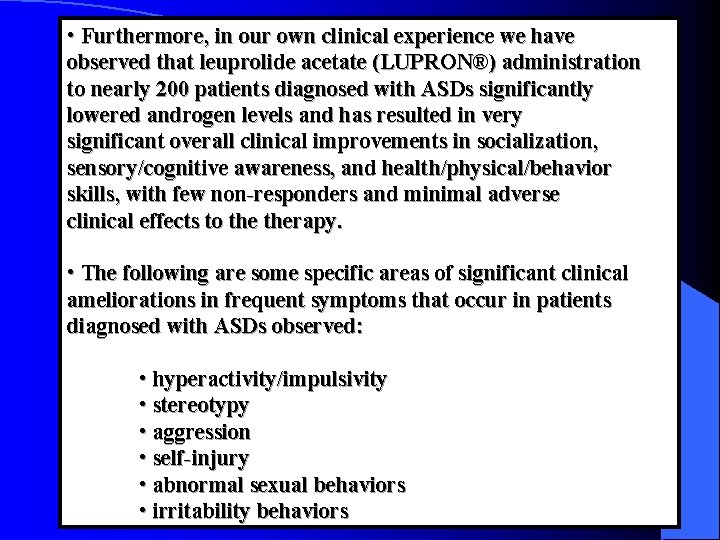
• Furthermore, in our own clinical experience we have observed that leuprolide acetate (LUPRON®) administration to nearly 200 patients diagnosed with ASDs significantly lowered androgen levels and has resulted in very significant overall clinical improvements in socialization, sensory/cognitive awareness, and health/physical/behavior skills, with few non-responders and minimal adverse clinical effects to therapy. • The following are some specific areas of significant clinical ameliorations in frequent symptoms that occur in patients diagnosed with ASDs observed: • hyperactivity/impulsivity • stereotypy • aggression • self-injury • abnormal sexual behaviors • irritability behaviors
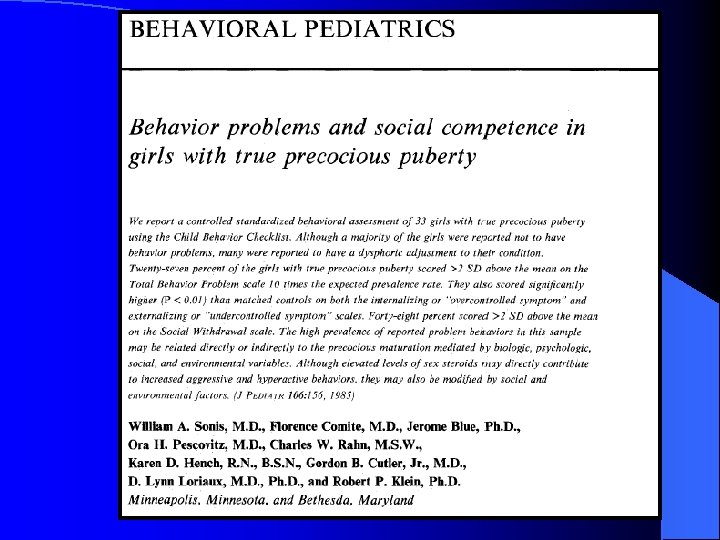
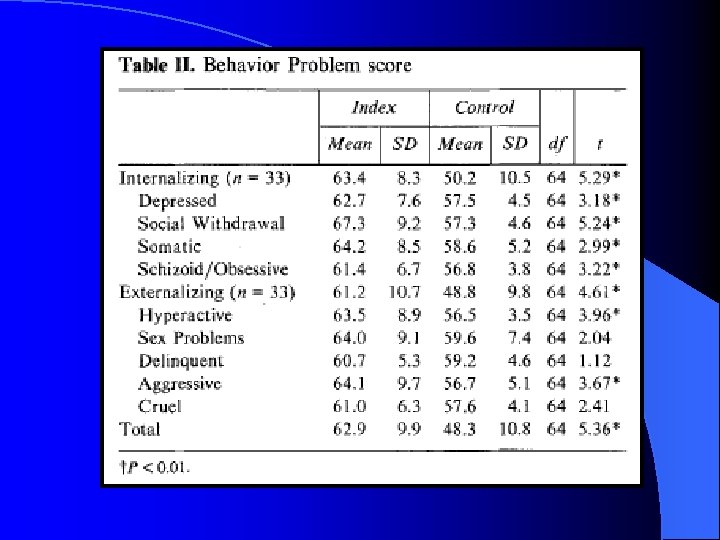
The Reverse: Clinical Features of High Androgens in Previously Neurotypical Children