
NEW Imperialism and the Road to World War

- Slides: 34
NEW Imperialism… and the Road to World War I
Essential Questions: • What were the characteristics of European colonialism before the mid-19 th century? • What were the primary factors that drove European imperialism in the late 19 th and 20 th centuries? • How did European imperialism contribute to WWI?
The Age of Early Modern Colonization • Competition between European powers ü (French & British dominance/conflict in North America) ü Establishment of trading posts in African and Asia ü Dutch dominance in Indonesia ü British dominance in India ü British Settler colonies: Canada, Australia, New Zealand • Collapse of Spain and Portugal left Great Britain and France as Europe’s most powerful imperial nations
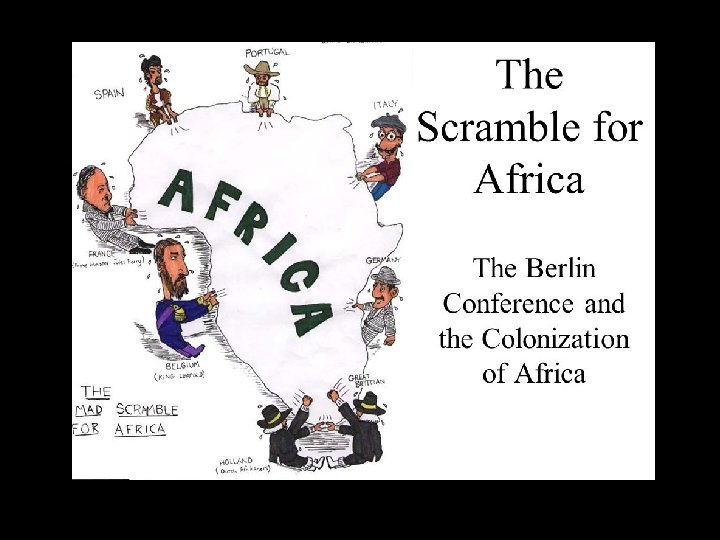
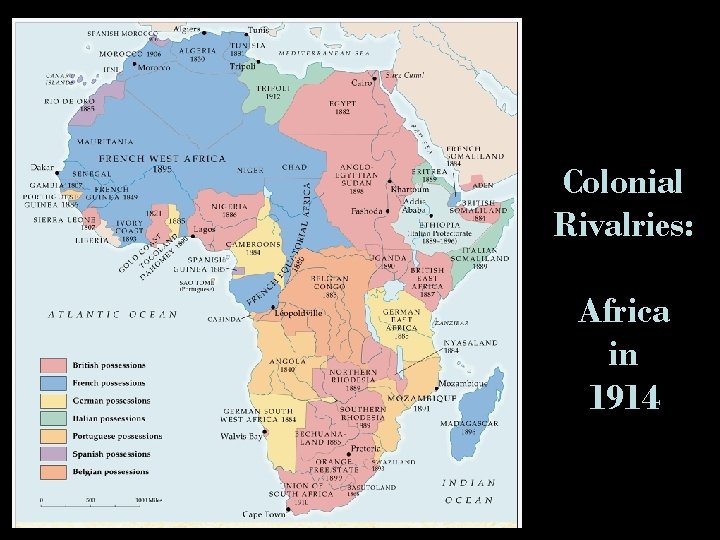
The Scramble for Africa, 1870 -1914 • Intentionally imperial and involved direct, western control • Goal: access to valuable natural resources – rubber, oil, diamonds, gold • BERLIN CONFERENCE 1888 - Bismarck & other European nations map out and claim colonial boundaries to avoid European war • German Expansion in Africa- short lived, involved few Germans, and produced no significant economic gain
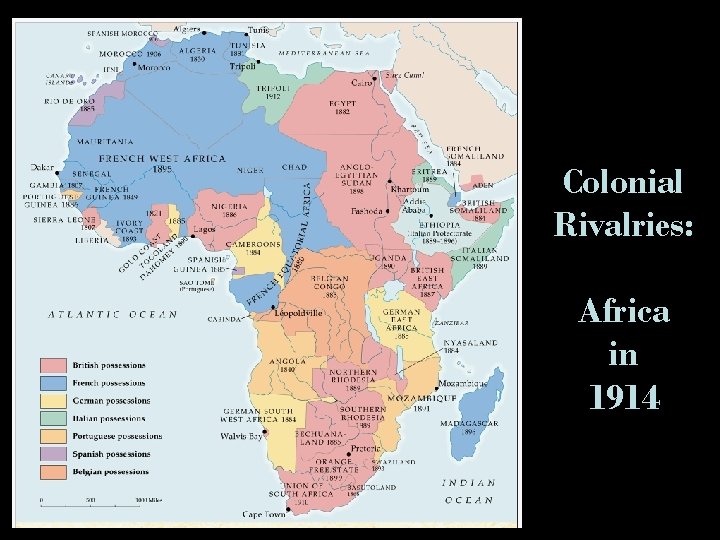
Colonial Rivalries: Africa in 1914
Motivation for European Imperialism • • “Imperialism of Free Trade” Natural resources to fuel Second IR Expansion of markets for goods Military motives (naval bases) National Rivalries Social Darwinism Civilizing mission
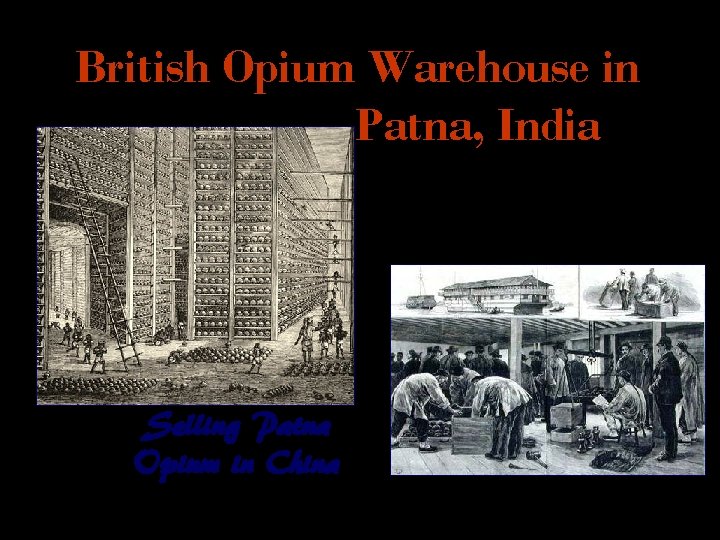
Imperialism of Free Trade • Advance of European economic interests • DEMANDS that non-European nations allow manufactured goods (mostly form Britain) to dominate colonial markets • OR to allow the introduction of other goods (OPIUM) to establish European economic influence
European Intellectual Trends impact attitudes toward Imperialism • Enlightenment thought • Social Darwinism and the ideology of • “White Man’s Burden”-a civilizing mission (missionary activity) • Romanticism
India: The Crown Jewel of the British Empire • British shift away from Atlantic to Asia • Challenges of controlling India q Vast heterogeneous population q Complex social, economic conditions q Non-western religions • The British East India Company Direct British rule after Sepoy Rebellion
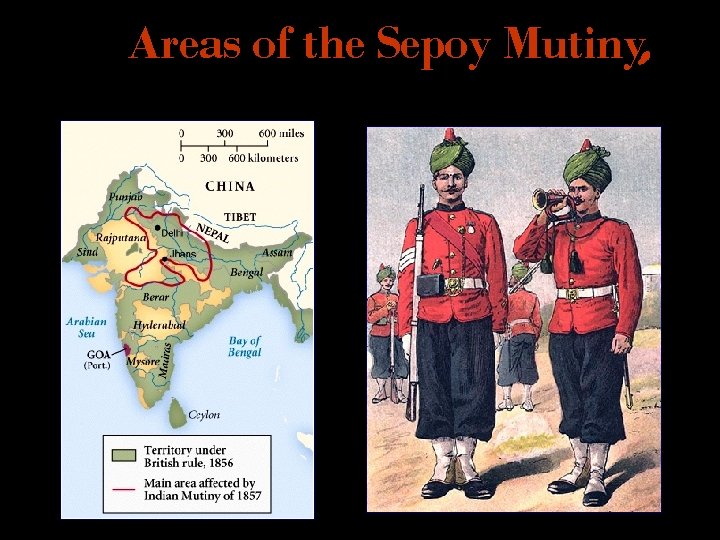
Areas of the Sepoy Mutiny, 7
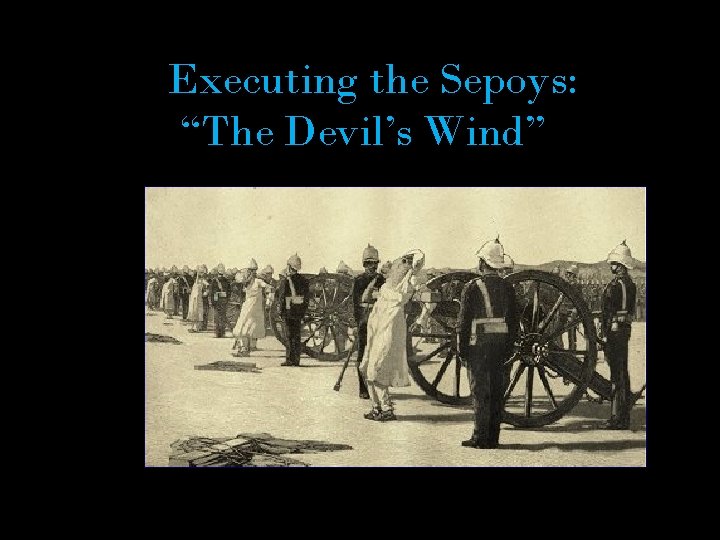
Executing the Sepoys: “The Devil’s Wind”
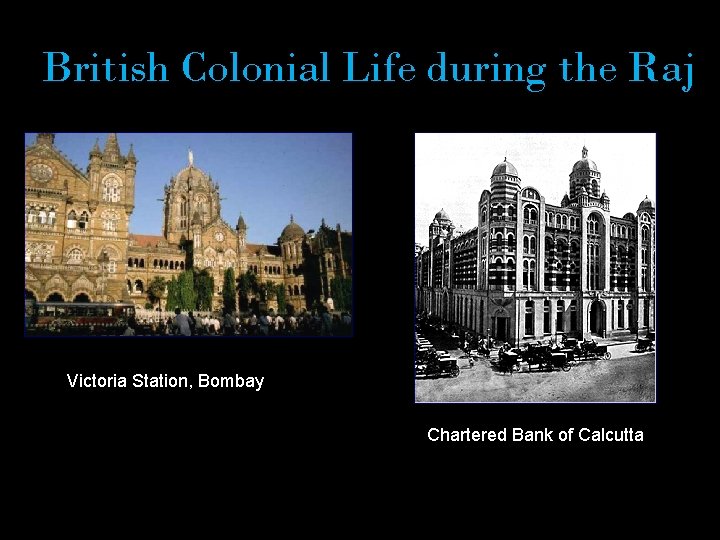
British Colonial Life during the Raj Victoria Station, Bombay Chartered Bank of Calcutta
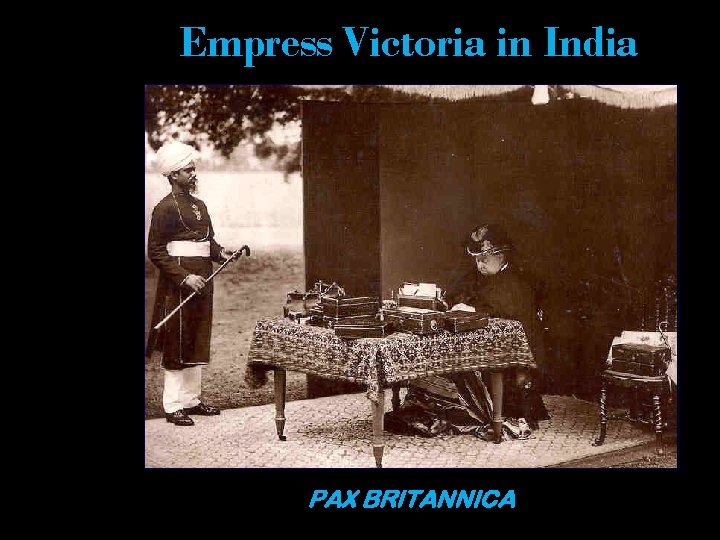
Empress Victoria in India PAX BRITANNICA
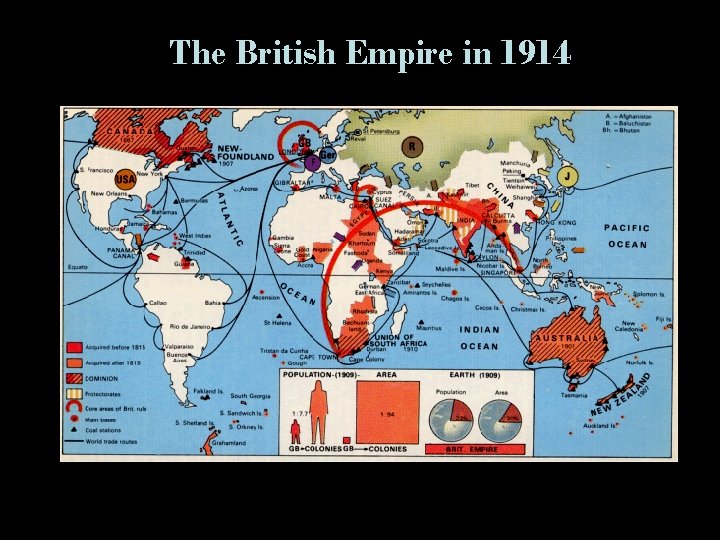
The British Empire in 1914
British Opium Warehouse in Patna, India Selling Patna Opium in China
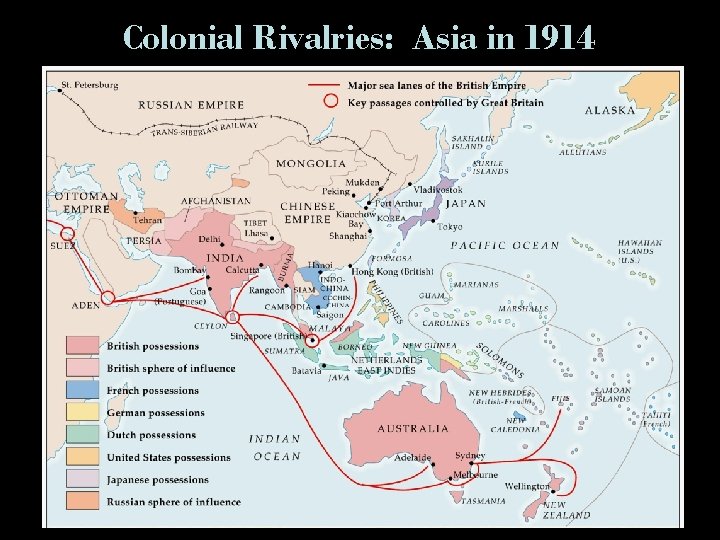
Western Powers in Asia • British in Asia- the Opium Wars 1939 -1842 • France in Asia • missionary interest in “Indochina” (Vietnam, Cambodia, Laos), then expansion into Indonesia • United States’ Actions • Matthew Perry and Japan (1853) • Purchase of Alaska (1867) • Spanish American War (1898)
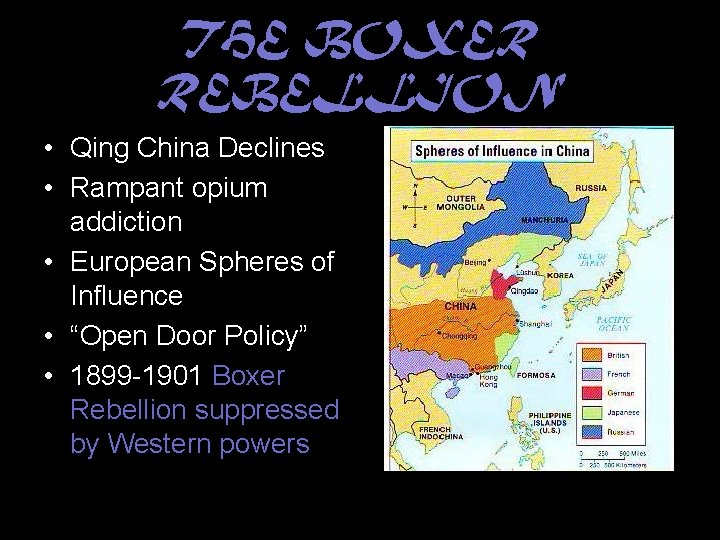
THE BOXER REBELLION • Qing China Declines • Rampant opium addiction • European Spheres of Influence • “Open Door Policy” • 1899 -1901 Boxer Rebellion suppressed by Western powers
Colonial Rivalries: Africa in 1914
Colonial Rivalries: Asia in 1914
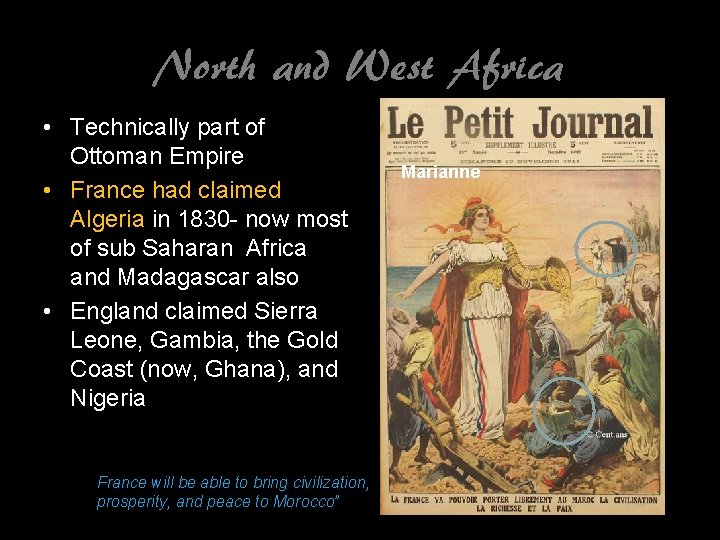
North and West Africa • Technically part of Ottoman Empire • France had claimed Algeria in 1830 - now most of sub Saharan Africa and Madagascar also • England claimed Sierra Leone, Gambia, the Gold Coast (now, Ghana), and Nigeria France will be able to bring civilization, prosperity, and peace to Morocco” Marianne
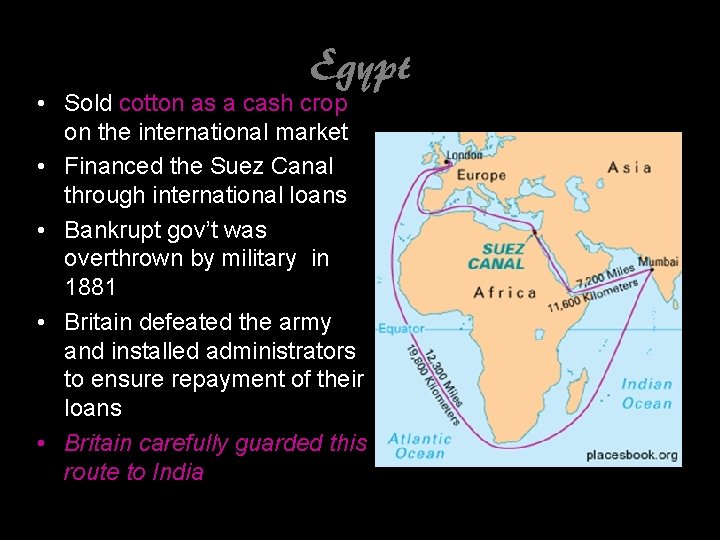
Egypt • Sold cotton as a cash crop on the international market • Financed the Suez Canal through international loans • Bankrupt gov’t was overthrown by military in 1881 • Britain defeated the army and installed administrators to ensure repayment of their loans • Britain carefully guarded this route to India
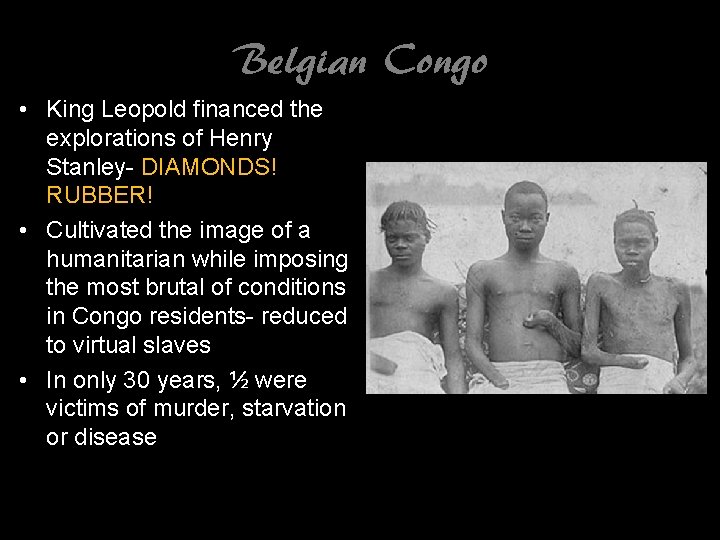
Belgian Congo • King Leopold financed the explorations of Henry Stanley- DIAMONDS! RUBBER! • Cultivated the image of a humanitarian while imposing the most brutal of conditions in Congo residents- reduced to virtual slaves • In only 30 years, ½ were victims of murder, starvation or disease
South Africa • Important resources include fertile farmland, coal, gold, iron, diamonds, copper, (uranium) • Partially inhabited by Boers (Dutch farmers) since 1600’s • DIAMONDS Discovered! - British rush in, BOER WAR! fight & beat the Boers • ( but they ultimately intermarry and create a white-only ruling class )
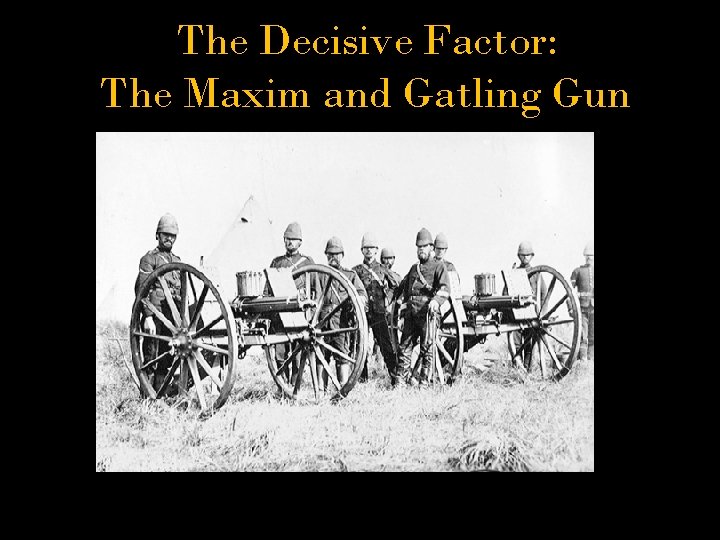
The Decisive Factor: The Maxim and Gatling Gun
Science and Imperialism • Botany – Cash crops: coffee, sugar, tea, rubber, banana, jute, cocoa – Botanical Gardens • Zoology • Medicine- new cures for tropical diseases (Quinine & malaria) • Anthropology - Racial thinking and imperial science (ex: shape of skull determines character!)
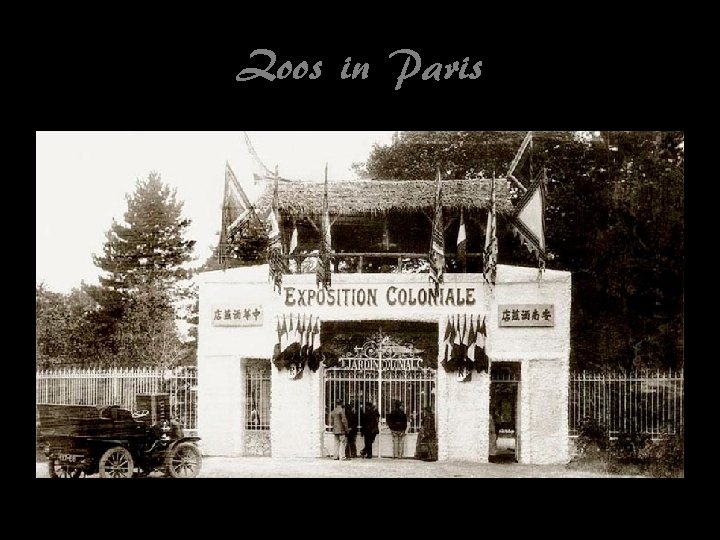
Zoos in Paris
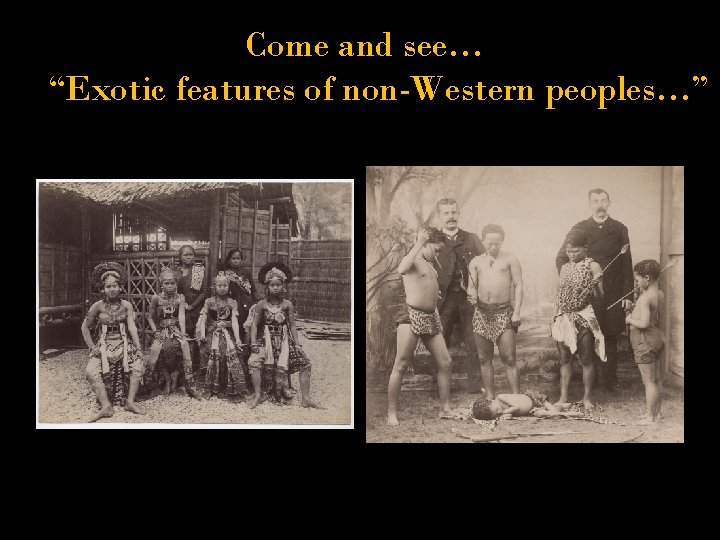
Come and see… “Exotic features of non-Western peoples…”
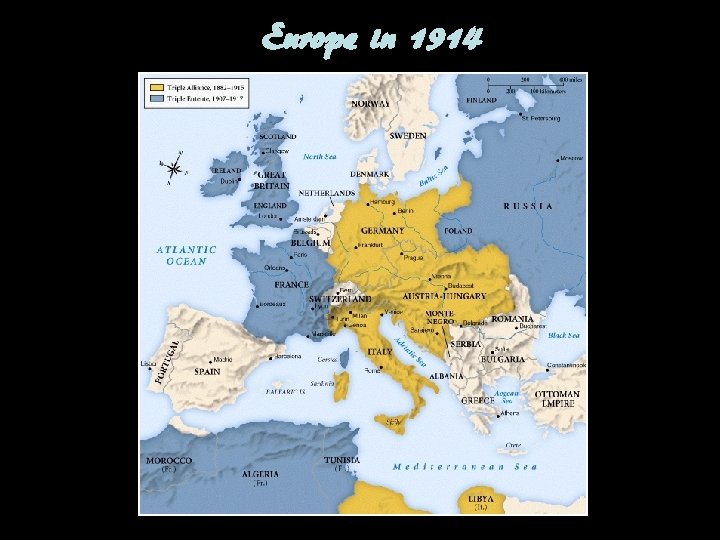
Europe in 1914
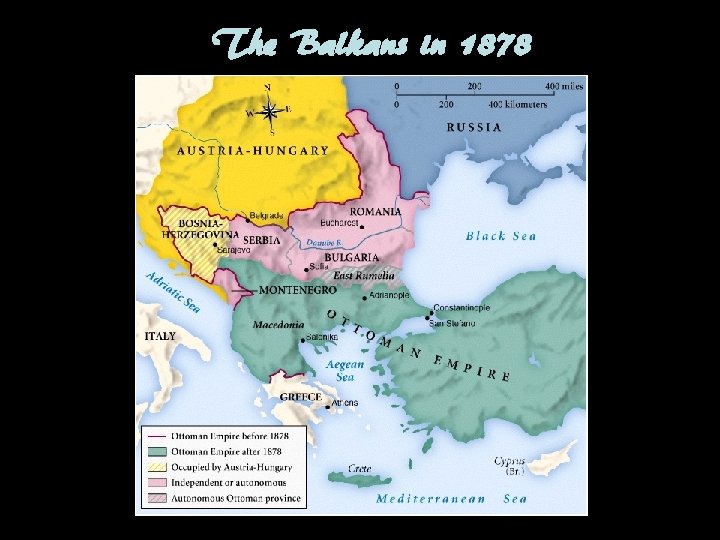
The Balkans in 1878
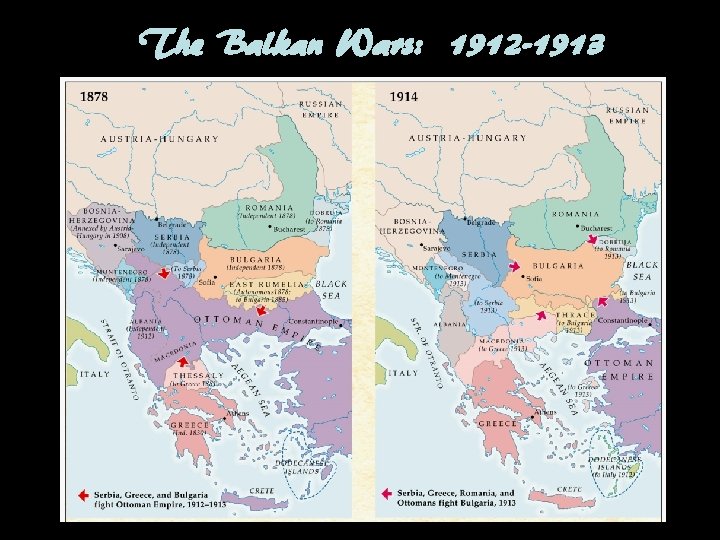
The Balkan Wars: 1912 -1913
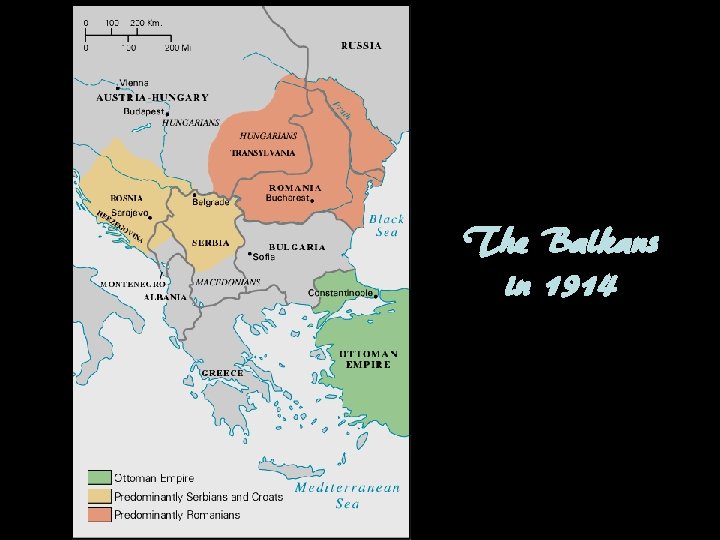
The Balkans in 1914
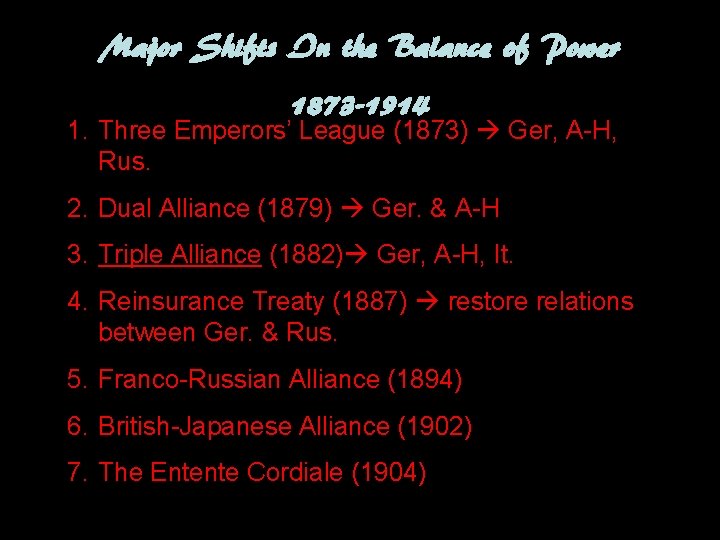
Major Shifts In the Balance of Power 1873 -1914 1. Three Emperors’ League (1873) Ger, A-H, Rus. 2. Dual Alliance (1879) Ger. & A-H 3. Triple Alliance (1882) Ger, A-H, It. 4. Reinsurance Treaty (1887) restore relations between Ger. & Rus. 5. Franco-Russian Alliance (1894) 6. British-Japanese Alliance (1902) 7. The Entente Cordiale (1904) Br. & Fr.
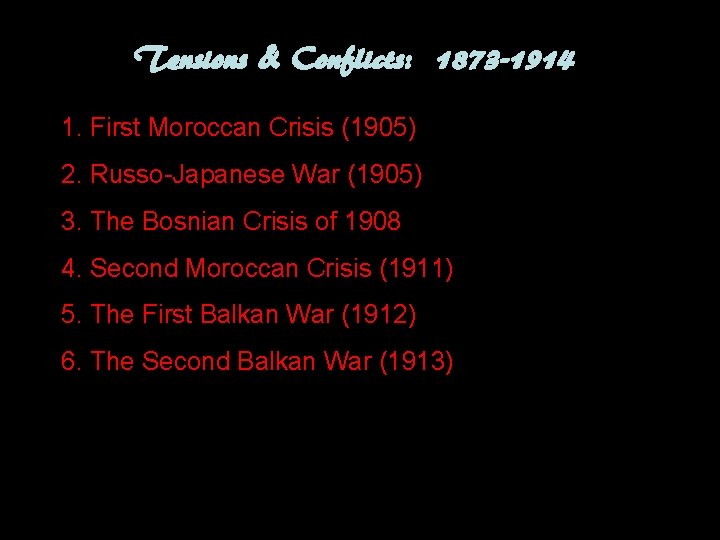
Tensions & Conflicts: 1873 -1914 1. First Moroccan Crisis (1905) 2. Russo-Japanese War (1905) 3. The Bosnian Crisis of 1908 4. Second Moroccan Crisis (1911) 5. The First Balkan War (1912) 6. The Second Balkan War (1913)