
Neurosensory Simple brain with lobes for different functions
Neuro-sensory Simple brain with lobes for different functions Olfactory - smell/taste : Optic - vision : Cerebrum - Basic Behavior Cerebellum - Coordinates movement Medulla Oblongata - Regulates internal organs Senses - smell/taste, vision, vibration, touch, Lamprey have third eye on top of head (Pineal eye) Same Brain structure and senses as above plus… Sharks have an exceptional sense of smell/taste, a “Lateral line system” to sense vibration, and the ability to sense electrical impulses. Most behavior is instinctive
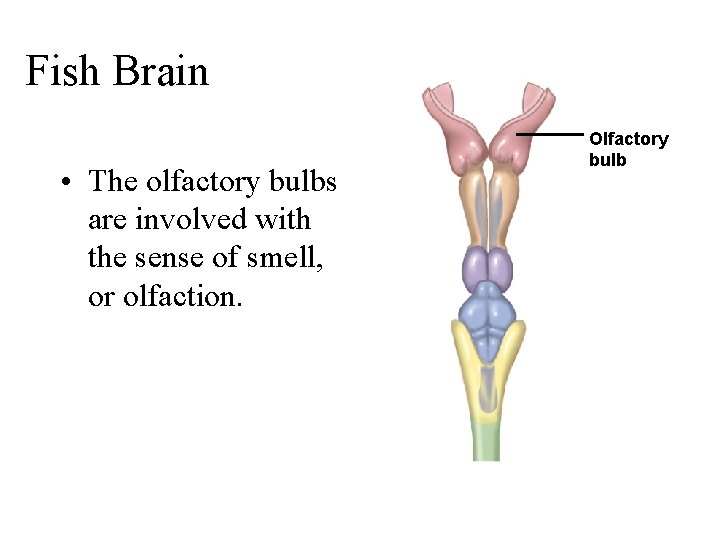
Fish Brain • The olfactory bulbs are involved with the sense of smell, or olfaction. Olfactory bulb
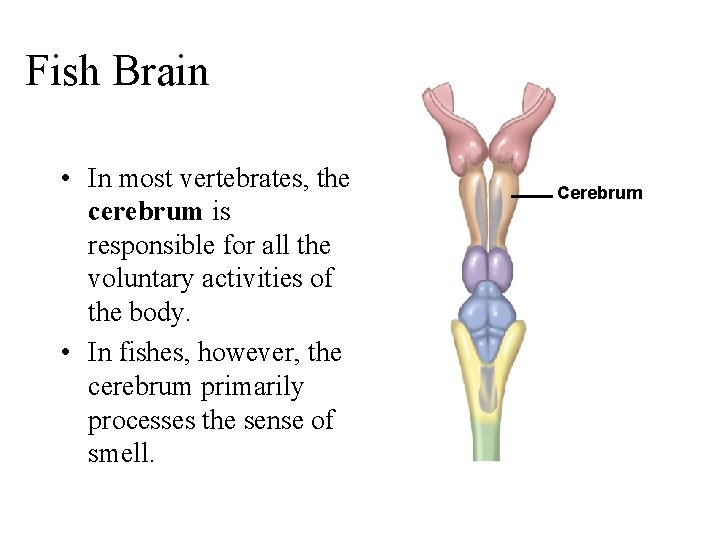
Fish Brain • In most vertebrates, the cerebrum is responsible for all the voluntary activities of the body. • In fishes, however, the cerebrum primarily processes the sense of smell. Cerebrum
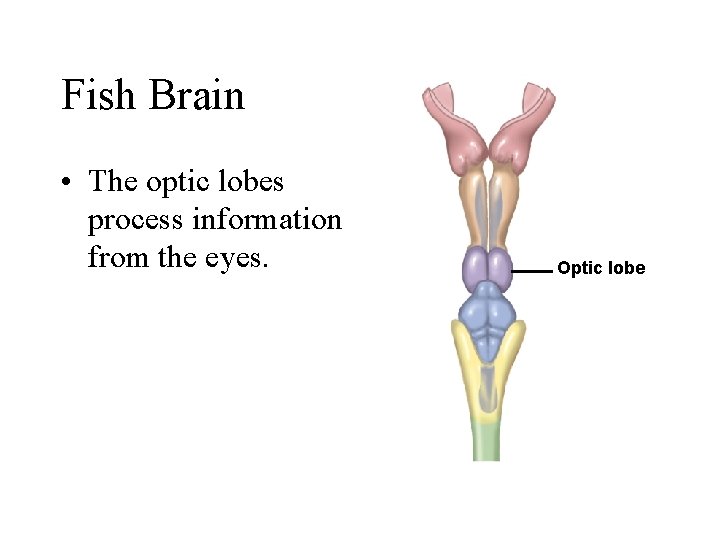
Fish Brain • The optic lobes process information from the eyes. Optic lobe
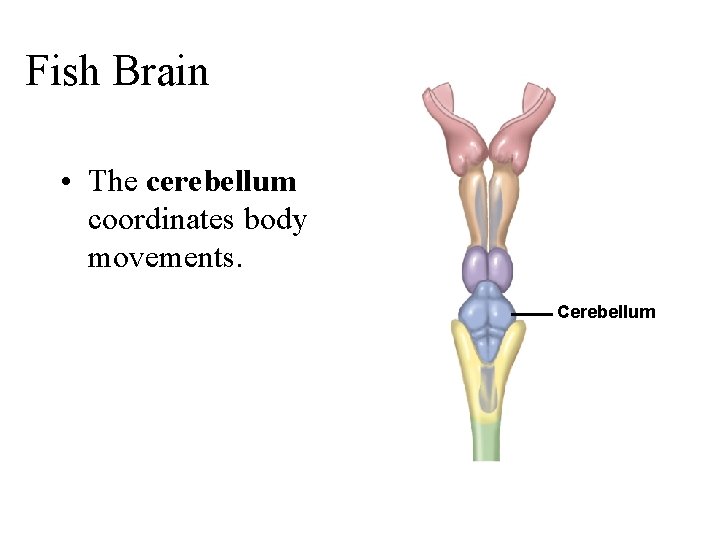
Fish Brain • The cerebellum coordinates body movements. Cerebellum
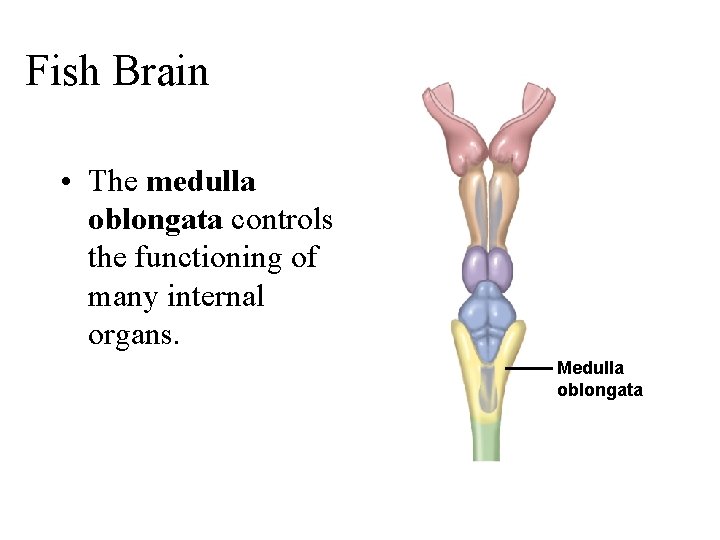
Fish Brain • The medulla oblongata controls the functioning of many internal organs. Medulla oblongata
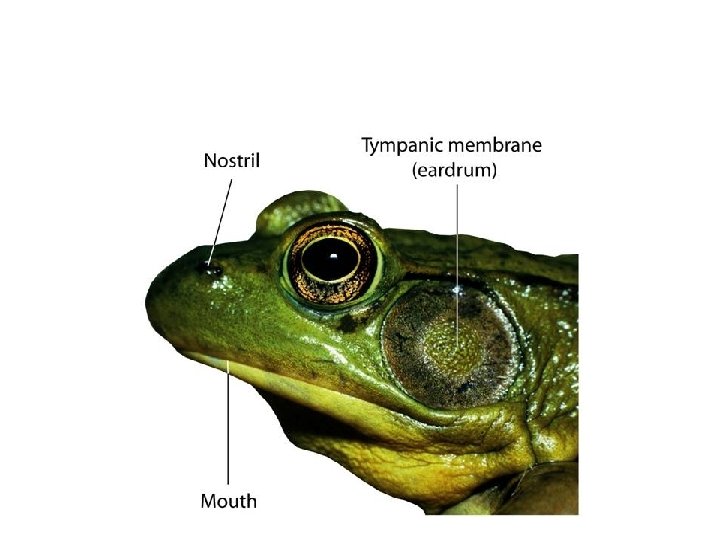
Same as above � Most behavior is instinctive Brain is same as above, but more specialized Adults have exposed eardrums (Tympanic Membranes) to sense sound Well developed eyes (especially for sensing motion) Most behavior is instinctive
Neuro-sensory Even more complex brain than amphibians No lateral line system - but crocodilians have vibration sensing pits on the jaw Smell/taste often aided by forked tongue and Jacobson’s organ Vipers, Boas, and Pythons have infrared sensors that sense heat Most behavior is instinctive
Even more complex brain than Reptiles Poor sense of smell/taste Excellent vision Good sense of hearing Much more complex behavior Most behavior is instinctive But some behavior imprinted or learned Imprinting - Learning specific behavior during a specific time period
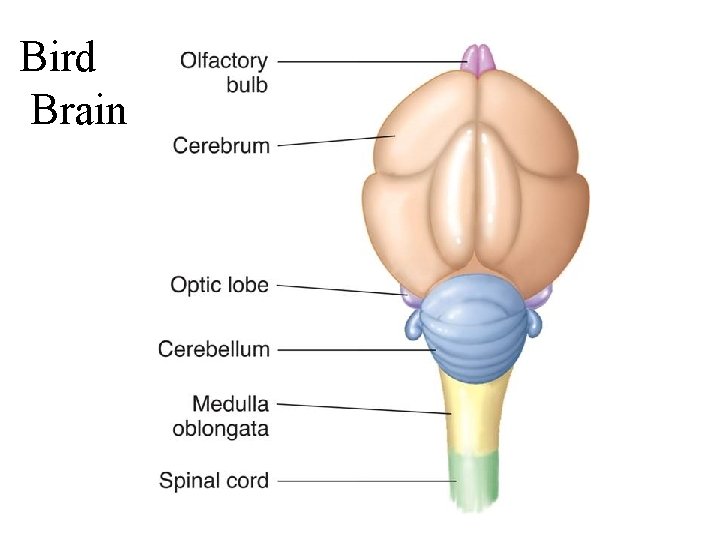
Bird Brain
Most complex brain Good sense of smell/taste Good vision (Not as good as birds) Good sense of hearing Most complex behavior Much behavior is instinctive But much behavior imprinted or learned
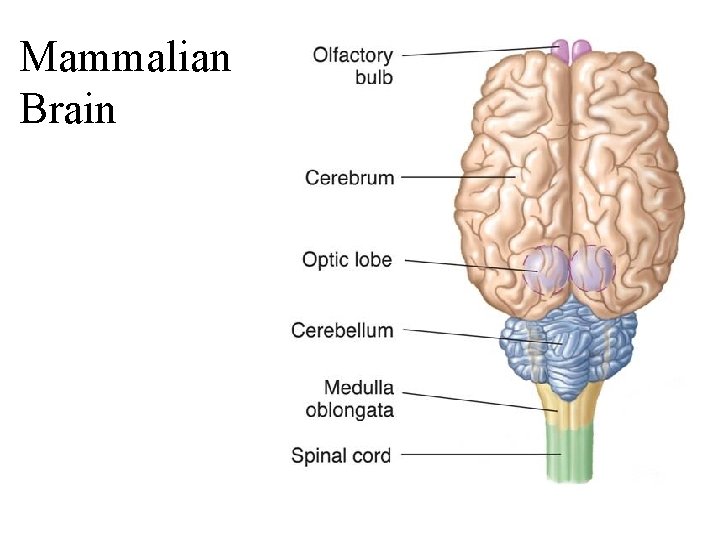
Mammalian Brain
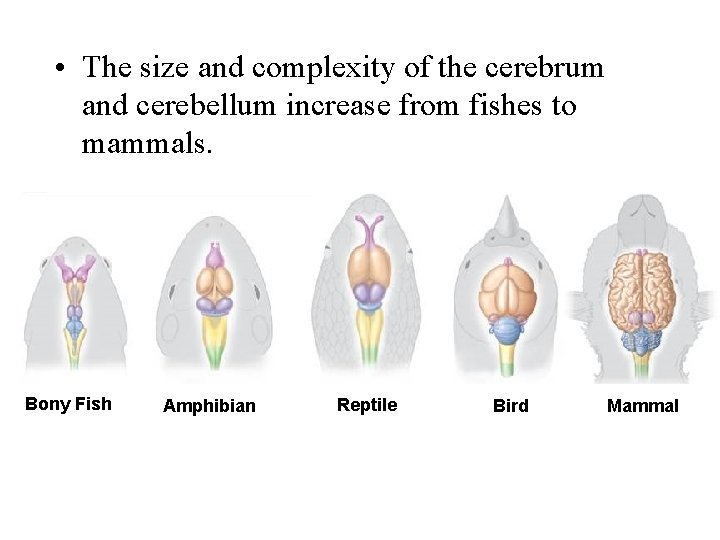
• The size and complexity of the cerebrum and cerebellum increase from fishes to mammals. Bony Fish Amphibian Reptile Bird Mammal
Internal Transport The first 3 sections are all the same Closed circulatory system Blood flows; heart - gills - body - heart - gills - body…. Single circuit circulatory system 2 chamber heart (1 atrium & 1 ventricle) Atrium - collects blood & sends it to ventricle Ventricle - pumps blood to aorta Aorta - carries blood to capillaries in gill Capillaries in gills give off CO 2 and take in O 2 Blood goes through arteries to capillaries in body tissues Capillaries in body give off O 2 and take in CO 2 They also deliver food and take away wastes Blood goes through veins to return to heart
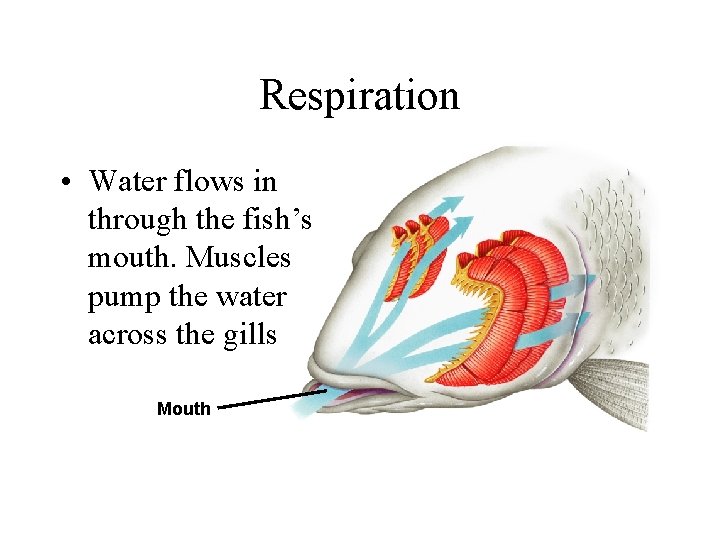
Respiration • Water flows in through the fish’s mouth. Muscles pump the water across the gills Mouth
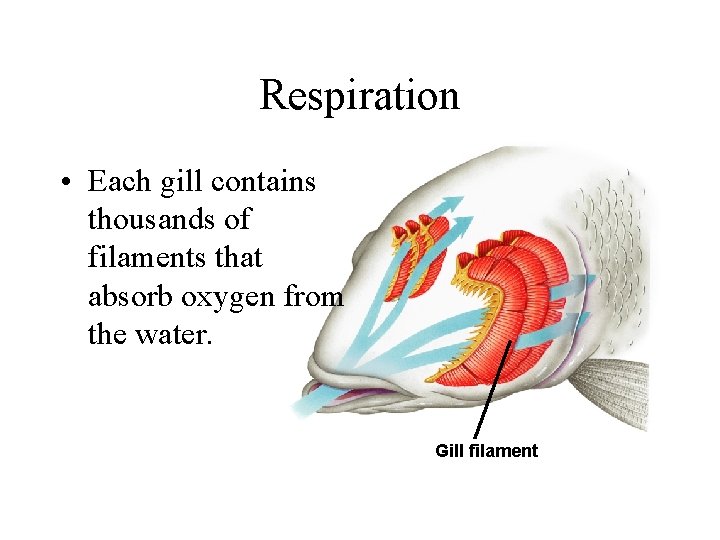
Respiration • Each gill contains thousands of filaments that absorb oxygen from the water. Gill filament
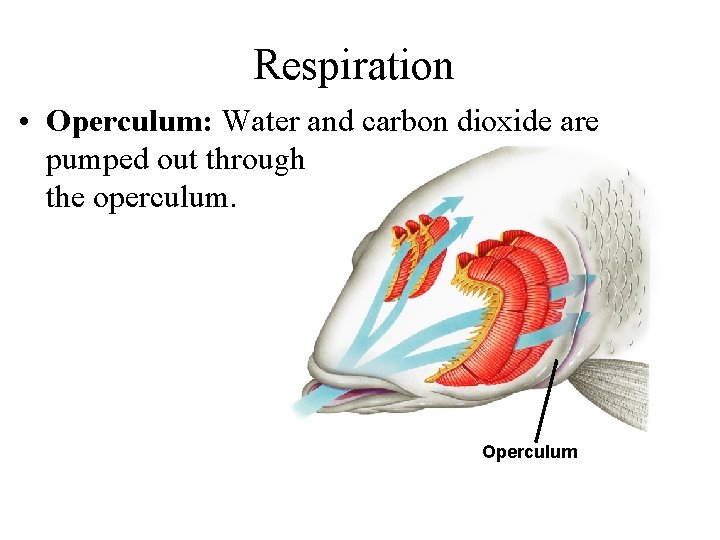
Respiration • Operculum: Water and carbon dioxide are pumped out through the operculum. Operculum

Circulation in a Fish Gills Body muscle circulation Digestive system circulation Heart Brain and head circulation
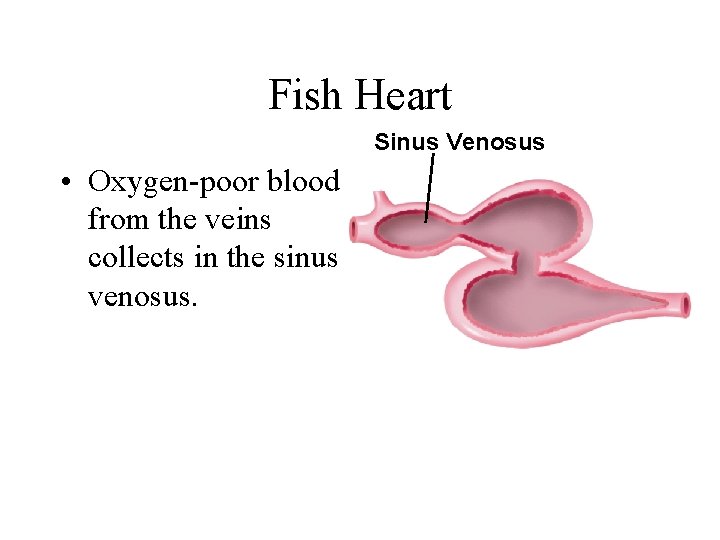
Fish Heart Sinus Venosus • Oxygen-poor blood from the veins collects in the sinus venosus.

Fish Heart • The atrium is a large muscular chamber that serves as a one-way compartment for blood that is about to enter the ventricle. • Blood enters the atrium and flows to the ventricle. Atrium

Fish Heart • The ventricle is a thick-walled, muscular chamber that is the actual pumping portion of the heart. • The ventricle pumps blood into the bulbus arteriosus. Ventricle

Fish Heart Bulbus arteriosus • The bulbus arteriosus moves blood into the ventral aorta and toward the gills.
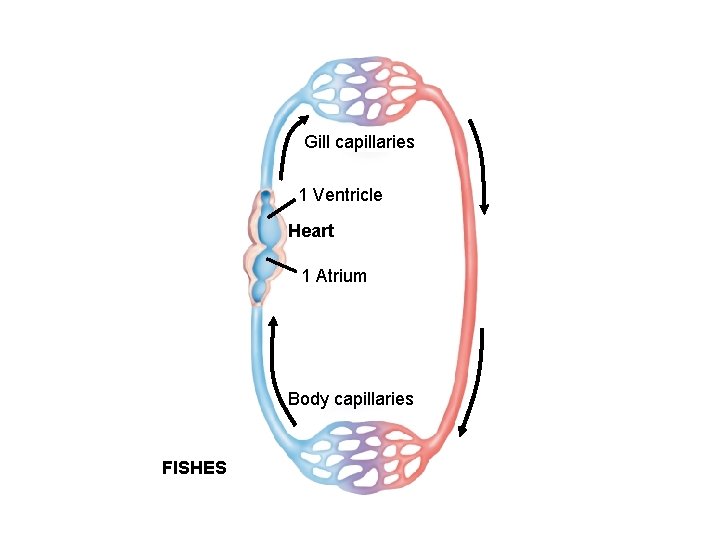
Gill capillaries 1 Ventricle Heart 1 Atrium Body capillaries FISHES
Larval stage (tadpole) is same as above Adults. . . Double circuit closed circulatory system Blood flows; heart - lungs - heart - body - heart - … Pulmonary circuit carries blood to lungs and back Systemic circuit carries blood to body and back 3 chamber heart; 2 atria & 1 ventricle This allows some mixing of oxygenated and deoxygenated blood and reduces efficiency
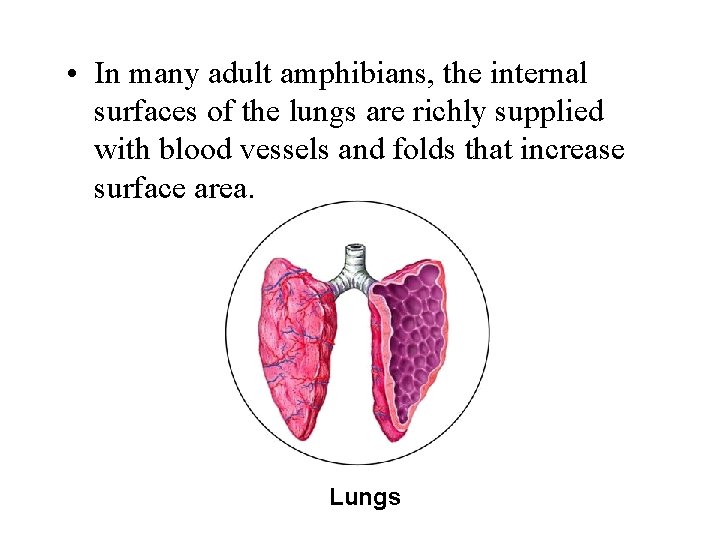
• In many adult amphibians, the internal surfaces of the lungs are richly supplied with blood vessels and folds that increase surface area. Lungs
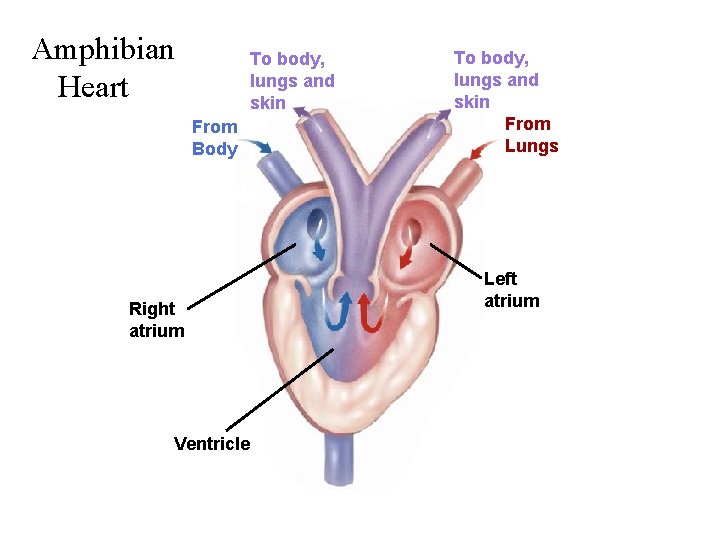
Amphibian Heart To body, lungs and skin From Body Right atrium Ventricle To body, lungs and skin From Lungs Left atrium
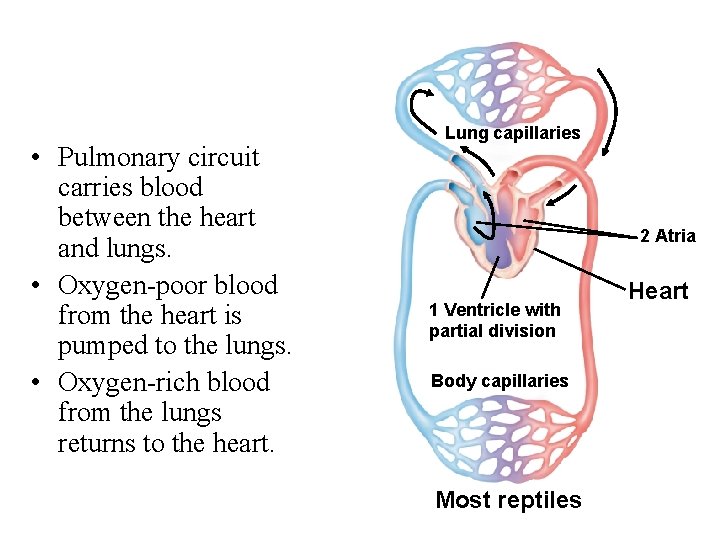
• Pulmonary circuit carries blood between the heart and lungs. • Oxygen-poor blood from the heart is pumped to the lungs. • Oxygen-rich blood from the lungs returns to the heart. Lung capillaries 2 Atria 1 Ventricle with partial division Body capillaries Most reptiles Heart
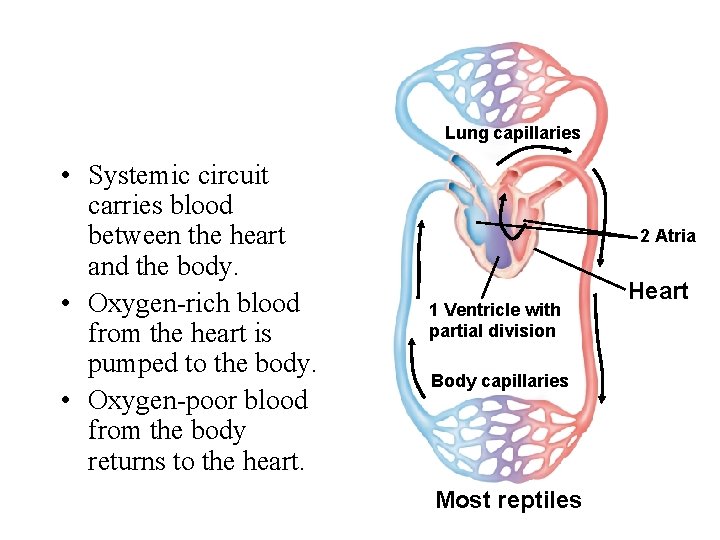
Lung capillaries • Systemic circuit carries blood between the heart and the body. • Oxygen-rich blood from the heart is pumped to the body. • Oxygen-poor blood from the body returns to the heart. 2 Atria 1 Ventricle with partial division Body capillaries Most reptiles Heart
Internal transport Double circuit closed circulatory system “ 3 1/2” chamber heart - 2 atria & 1 partially divided ventricle Reduces the amount of mixing of blood and increases efficiency Crocodiles have a flap that makes it act as a 4 chambered heart
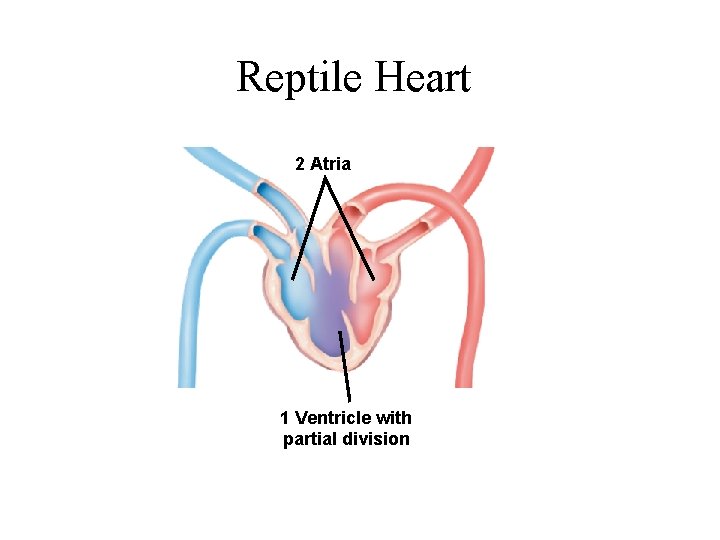
Reptile Heart 2 Atria 1 Ventricle with partial division
Double circuit closed circulatory system 4 chambered heart - 2 atria 2 ventricles No mixing of oxygenated and deoxygenated blood Increases efficiency (necessary for endothermic lifestyle) Extremely efficient lungs - especially in birds that fly at high altitude
Same as birds (but lungs not as well developed)
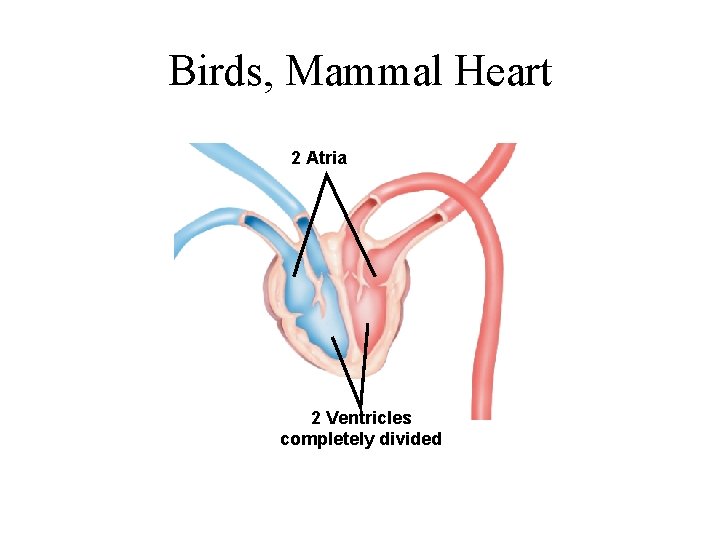
Birds, Mammal Heart 2 Atria 2 Ventricles completely divided
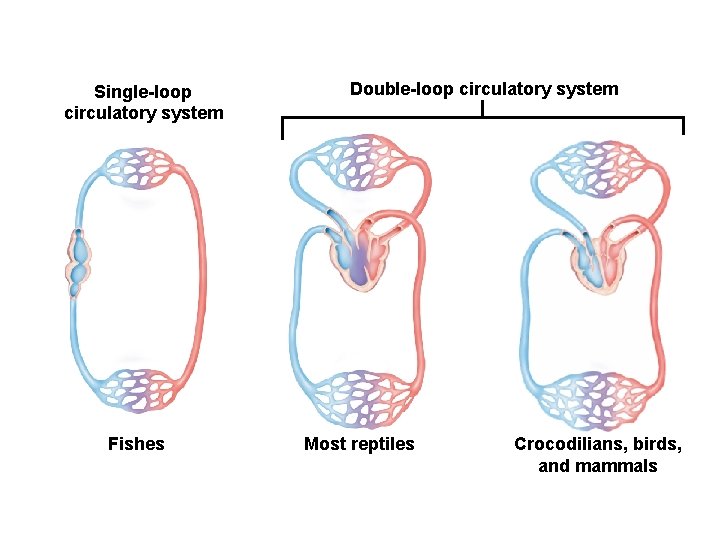
Single-loop circulatory system Fishes Double-loop circulatory system Most reptiles Crocodilians, birds, and mammals
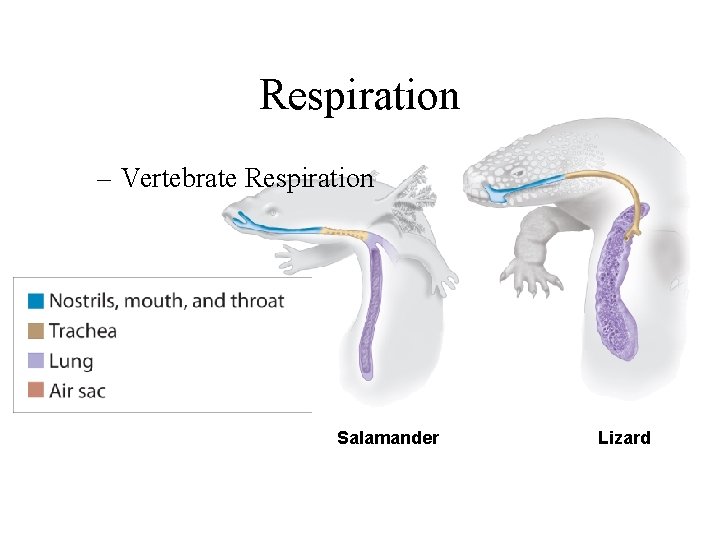
Respiration – Vertebrate Respiration Salamander Lizard
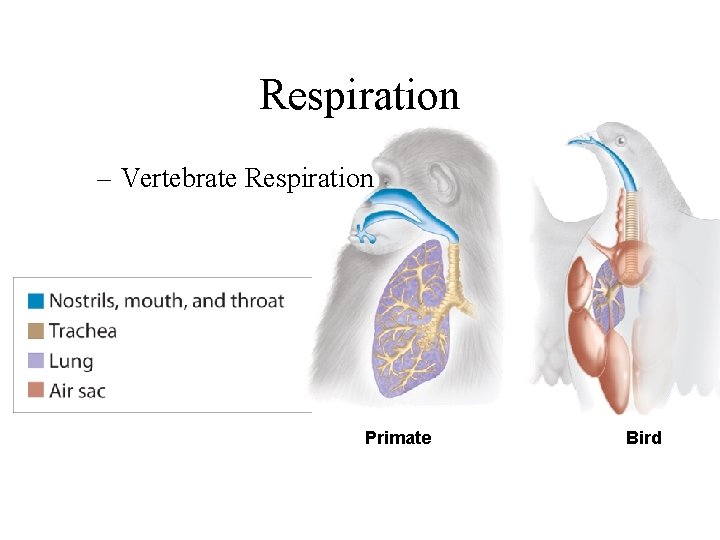
Respiration – Vertebrate Respiration Primate Bird
Reproductive Lamprey are Oviparous (Eggs develop outside of mother’s body) Baby live by filter feeding in streams for several years Adult sea lamprey swim to ocean to act as fish parasites Adults return upstream to spawn and die No parental care of young Some Oviparous Some Viviparous (young develop inside mother and are nourished by mother) Some are Ovoviviparous (young develop inside mother in a self contained egg) Aquatic eggs Little parental care of young
Some Oviparous, Some Viviparous, Some Ovoviviparous, aquatic eggs Some have extensive parental care of young Some examples. Sea horses - males carry babies in pouch Some ciclids - young raised in parents’ mouth Some catfish - lay their eggs in group of mouthbreeding ciclid eggs, ciclid parents are fooled into raising catfish babies Most oviparous, a few ovoviviparous Aquatic eggs (anamniote eggs) Few have parental care of young Some examples Some are mouthbreeders Some are stomach breeders Some are marsupial Some make bubble-nests Some feed young with infertile eggs
Reproductive Some oviparous, some viviparous, some ovoviviparous Amniote eggs (self contained land egg)
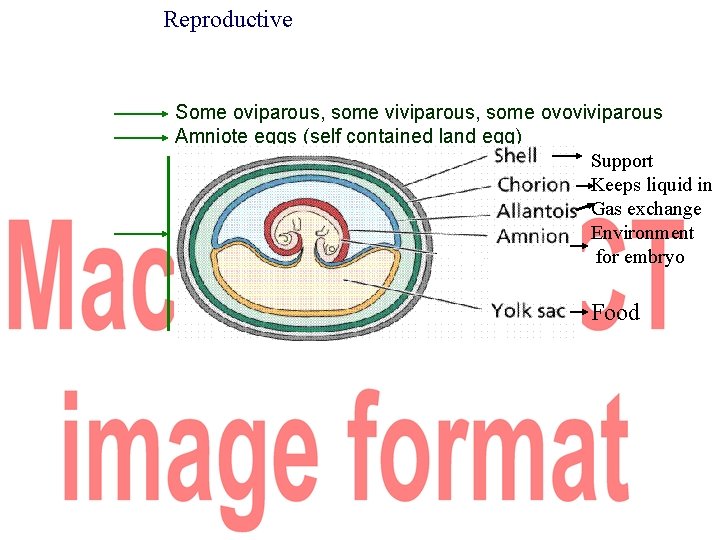
Reproductive Some oviparous, some viviparous, some ovoviviparous Amniote eggs (self contained land egg) Support Keeps liquid in Gas exchange Environment for embryo Food
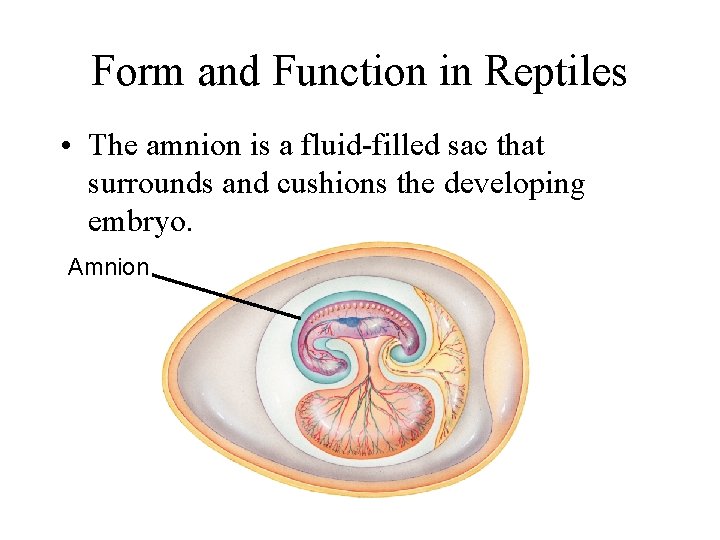
Form and Function in Reptiles • The amnion is a fluid-filled sac that surrounds and cushions the developing embryo. Amnion
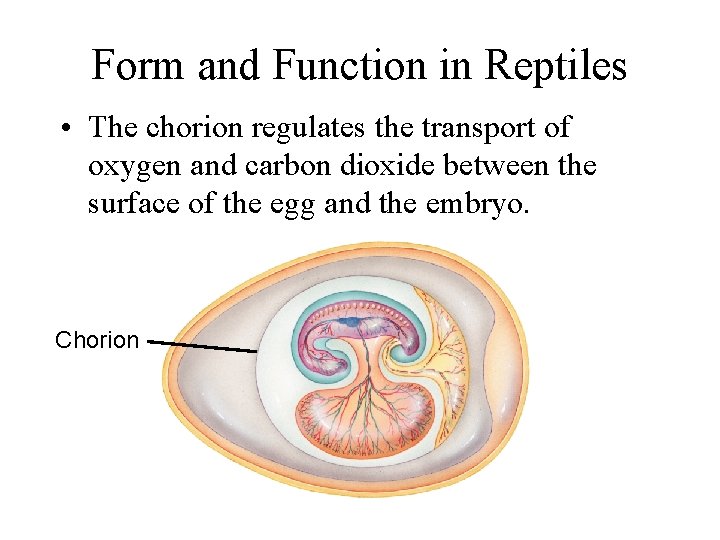
Form and Function in Reptiles • The chorion regulates the transport of oxygen and carbon dioxide between the surface of the egg and the embryo. Chorion
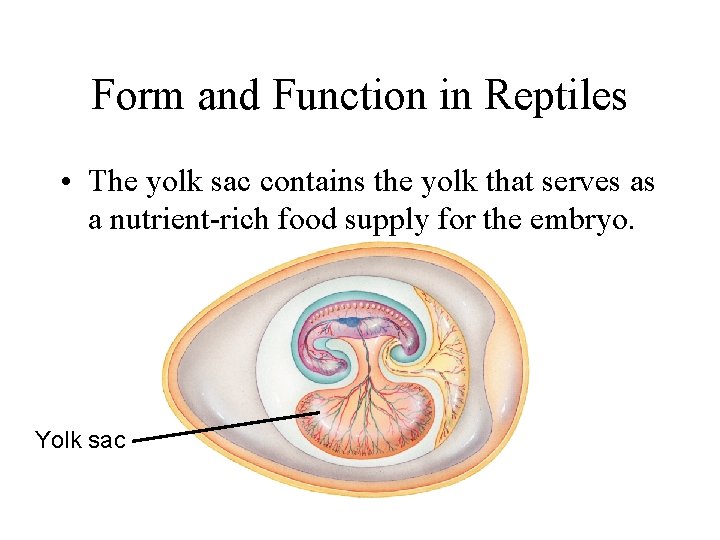
Form and Function in Reptiles • The yolk sac contains the yolk that serves as a nutrient-rich food supply for the embryo. Yolk sac
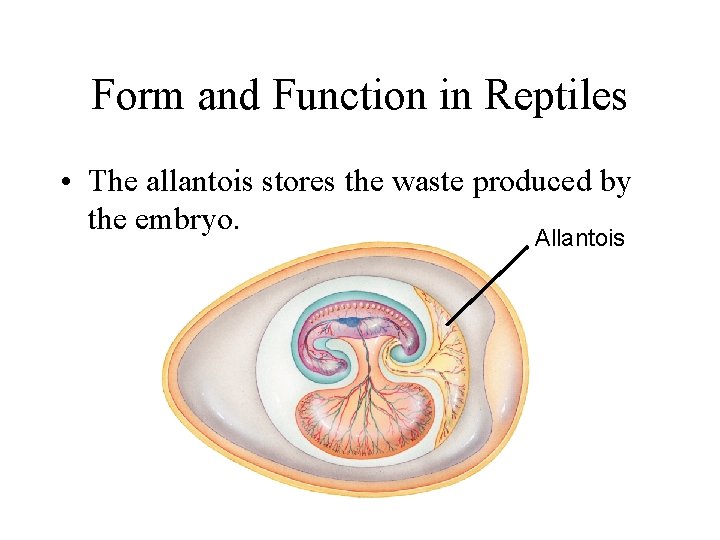
Form and Function in Reptiles • The allantois stores the waste produced by the embryo. Allantois
All are oviparous Amniote eggs Some are Altricial… Altricial -Babies hatch early and need much parental care Some are Precocial… Precocial -Babies hatch later, are well developed, are mobile and can feed themselves
Monotremes are oviparous Monotremes include Duck Billed Platypus and Spiny Echidna Marsupials and Placentals are viviparous Marsupials -young are born very early as partly developed fetus, crawl through mom’s fur to the marsupium (pouch) Placentals stay longer in uterus connected to the placenta Placenta - area where mother’s blood gets very near baby’s blood for gas, food, and waste exchange.
Feeding Digestive Lamprey uses teeth on tongue to cut hole in fish Produces anticoagulant chemical in saliva Lamprey ingests fish’s body fluids Hagfish are deep water scavengers Basic digestive system (See invertebrates) Teeth are modified scales Different species have different shape teeth depending upon food type… Pointy teeth for catching small fish Blade like teeth for biting off pieces of flesh Flat teeth for crushing shells The largest ones are filter feeders Basic digestive system with a “Spiral Valve” in the intestine
Some carnivores, some herbivores, some omnivores. Basic digestive system
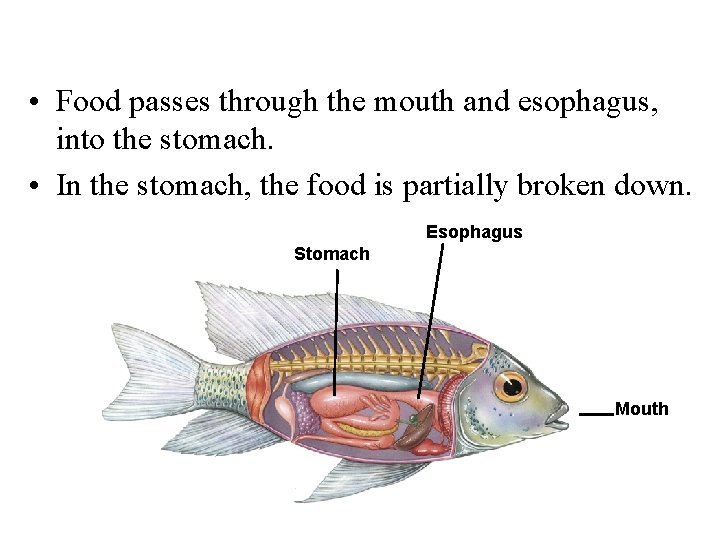
• Food passes through the mouth and esophagus, into the stomach. • In the stomach, the food is partially broken down. Esophagus Stomach Mouth
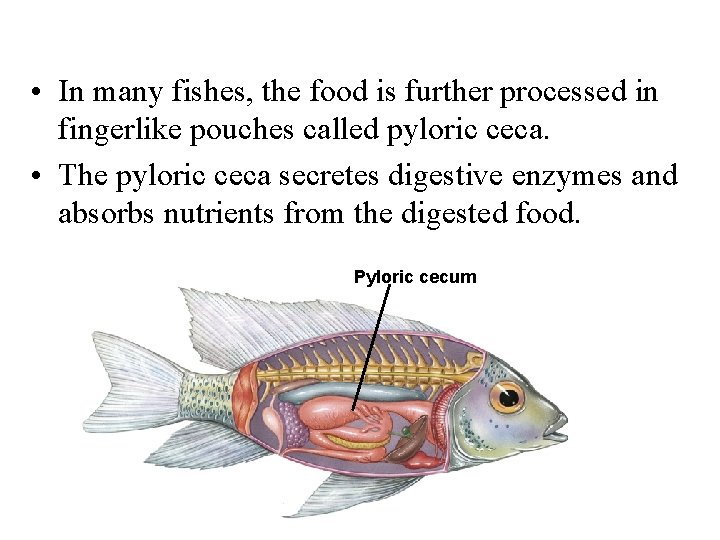
• In many fishes, the food is further processed in fingerlike pouches called pyloric ceca. • The pyloric ceca secretes digestive enzymes and absorbs nutrients from the digested food. Pyloric cecum
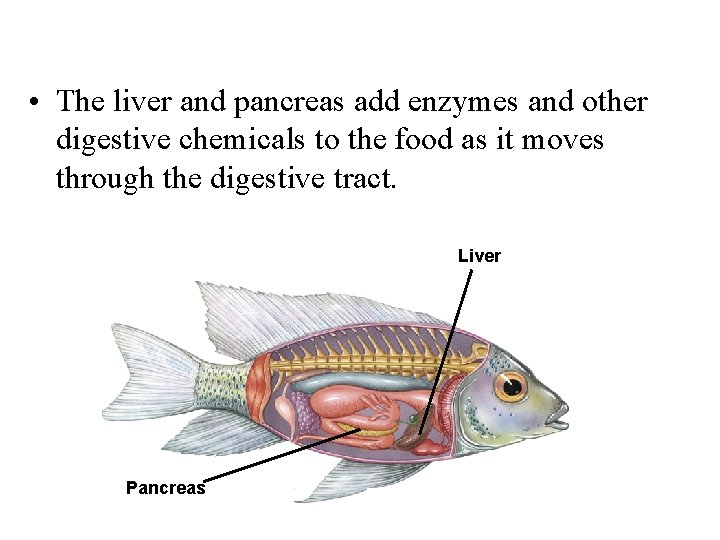
• The liver and pancreas add enzymes and other digestive chemicals to the food as it moves through the digestive tract. Liver Pancreas
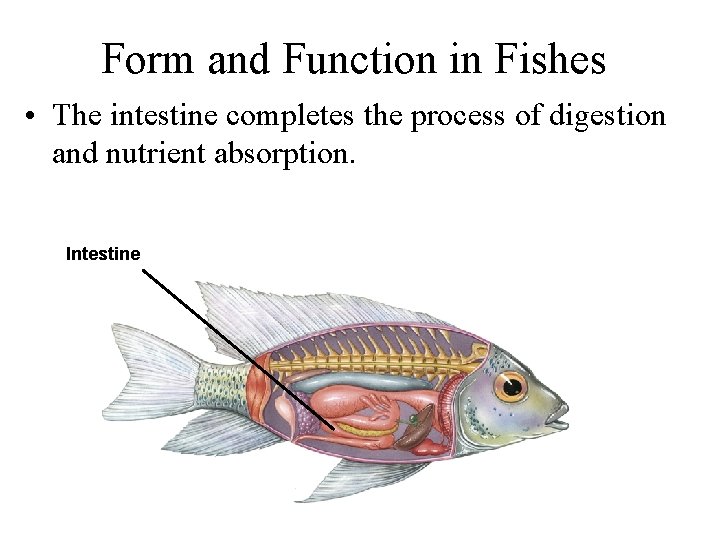
Form and Function in Fishes • The intestine completes the process of digestion and nutrient absorption. Intestine Only show “Intestine” label on this slide.
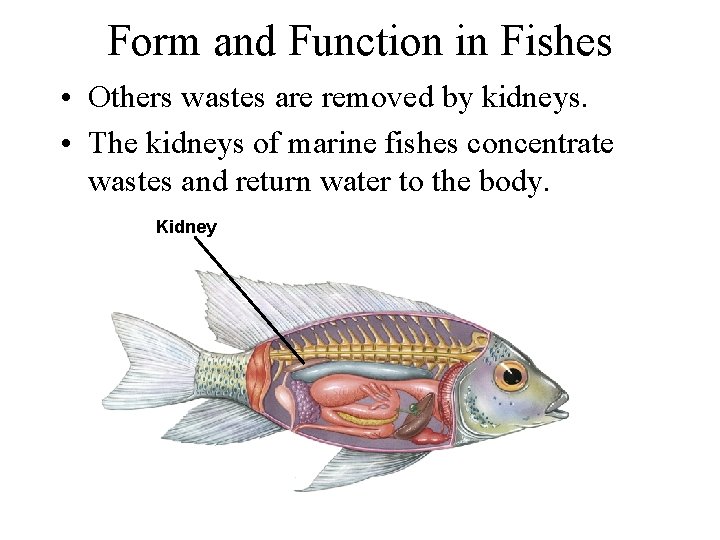
Form and Function in Fishes • Others wastes are removed by kidneys. • The kidneys of marine fishes concentrate wastes and return water to the body. Kidney
Some carnivores, some herbivores, some omnivores. Basic digestive system Larva - Some carnivores, herbivores, and omnivores Many have scraping teeth for algae Herbivores have long intestines Adults - almost all carnivores Simple teeth Frogs and toads catch food with long sticky tongue
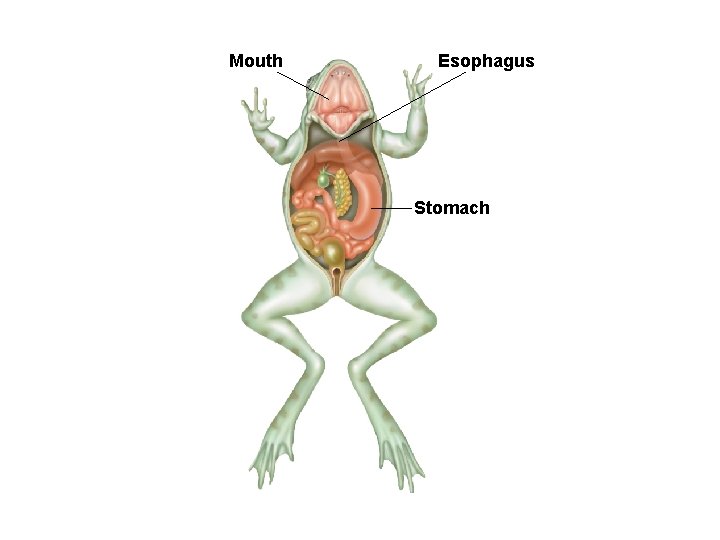
Mouth Esophagus Stomach
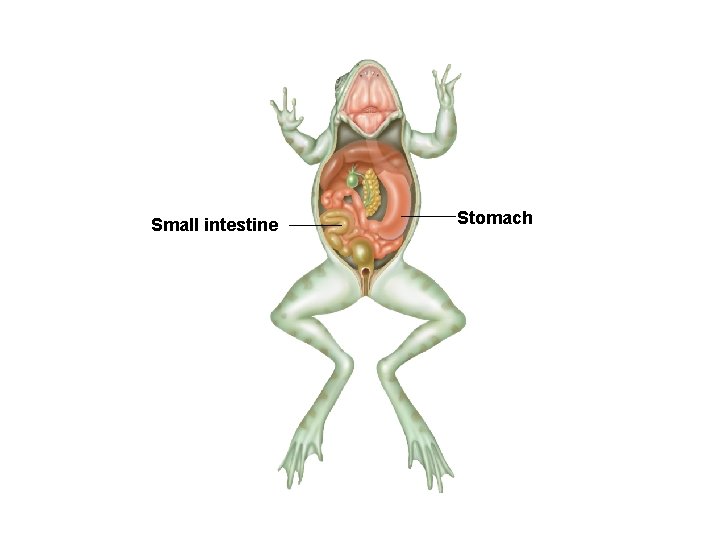
Small intestine Stomach
Feeding Digestive Some carnivores, herbivores, and omnivores Simple teeth Snakes all carnivores Some have modified teeth to deliver venom that subdues prey and begins digestion Some constrict prey Crocodilians have crop-gizzard system to grind food
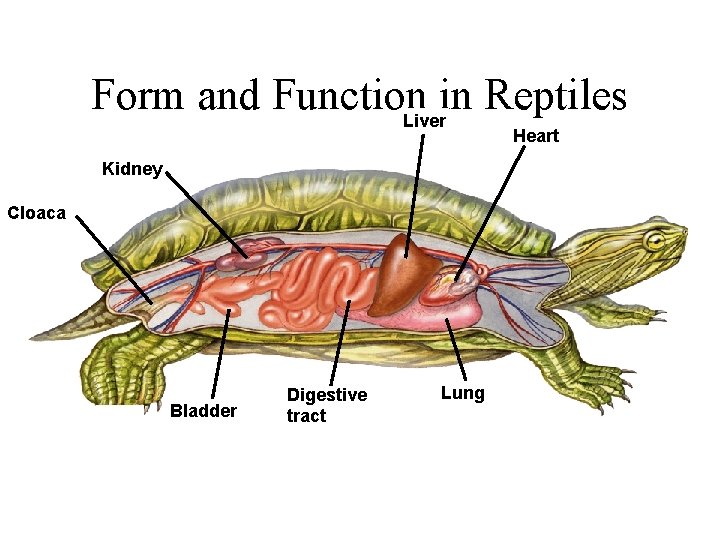
Form and Function in Reptiles Liver Heart Kidney Cloaca Bladder Digestive tract Lung
Some carnivores, herbivores, and omnivores No teeth Some have crop-gizzard system to grind food
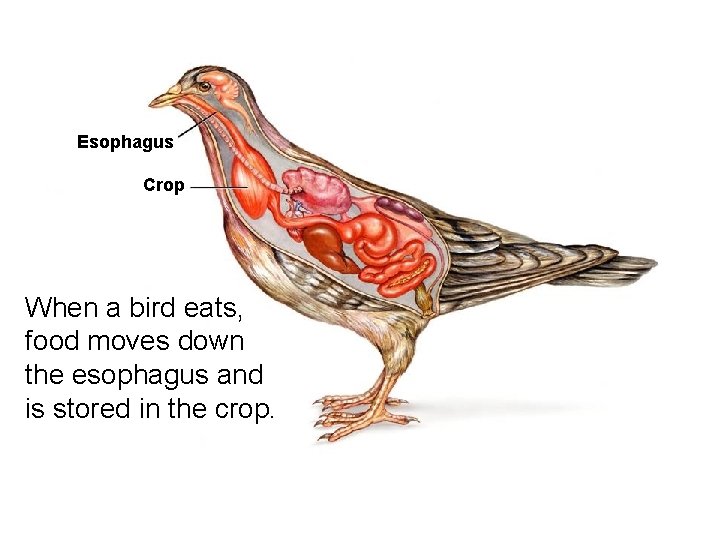
Form, Function, and Flight Esophagus Crop When a bird eats, food moves down the esophagus and is stored in the crop.
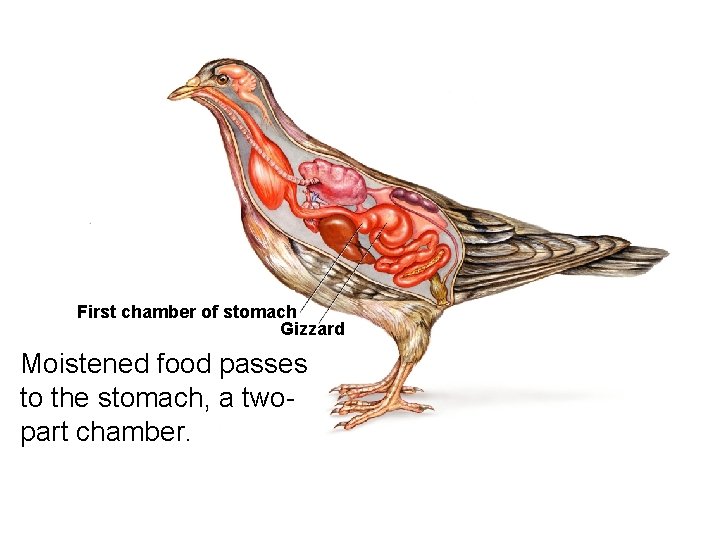
Form, Function, and Flight First chamber of stomach Gizzard Moistened food passes to the stomach, a twopart chamber.
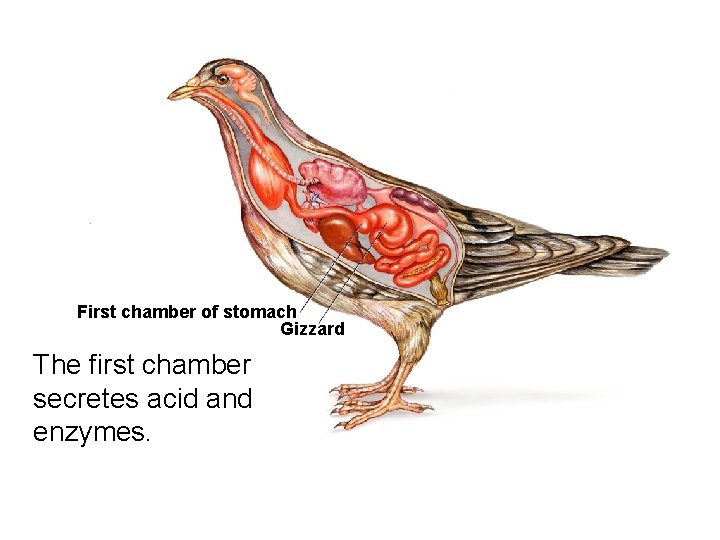
Form, Function, and Flight First chamber of stomach Gizzard The first chamber secretes acid and enzymes.
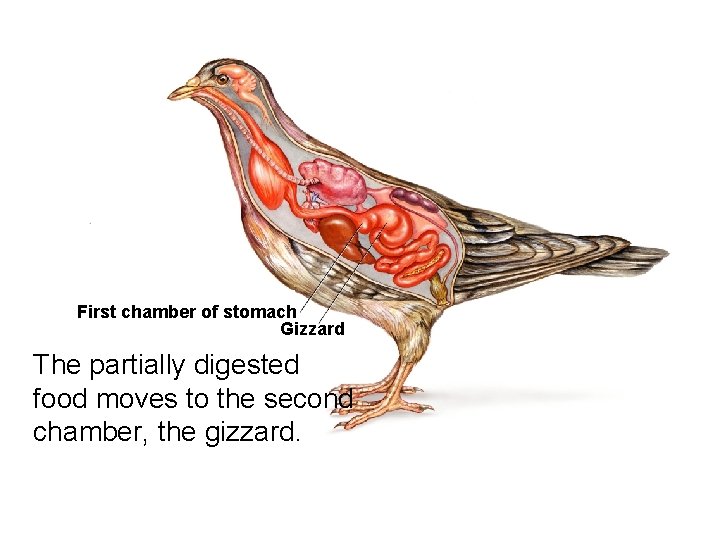
Form, Function, and Flight First chamber of stomach Gizzard The partially digested food moves to the second chamber, the gizzard.
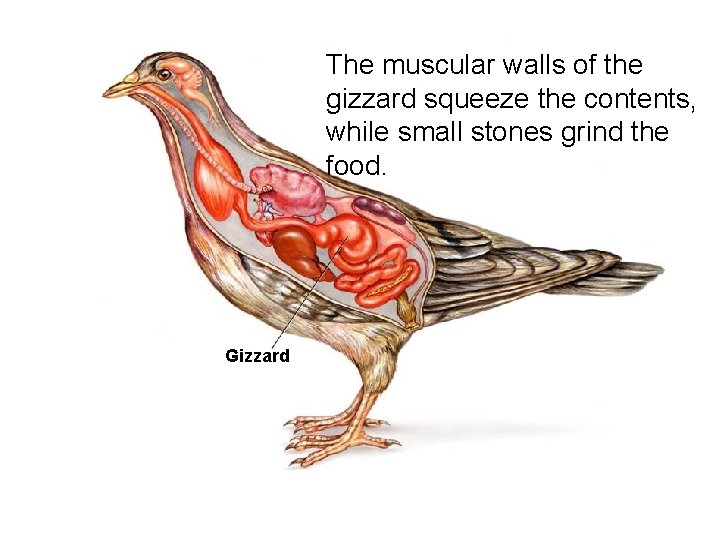
Form, The muscular walls of the gizzard and squeeze the contents, Function, Flight while small stones grind the food. Gizzard
Some carnivores, herbivores, and omnivores Highly developed teeth Usually have multiple types of teeth for different jobs Incisors - holding and cutting food Molars - grinding and crushing food Some herbivores have modified “stomach” chambers called a rumen for bacterial digestion of cellulose
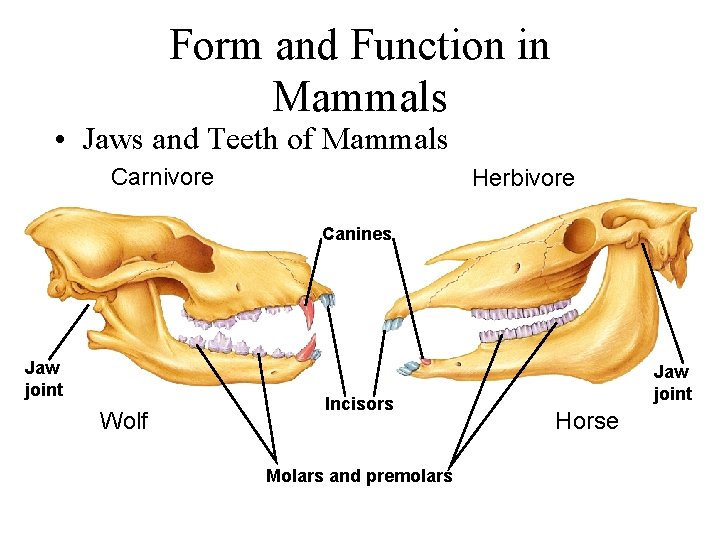
Form and Function in Mammals • Jaws and Teeth of Mammals Carnivore Herbivore Canines Jaw joint Wolf Incisors Molars and premolars Jaw joint Horse
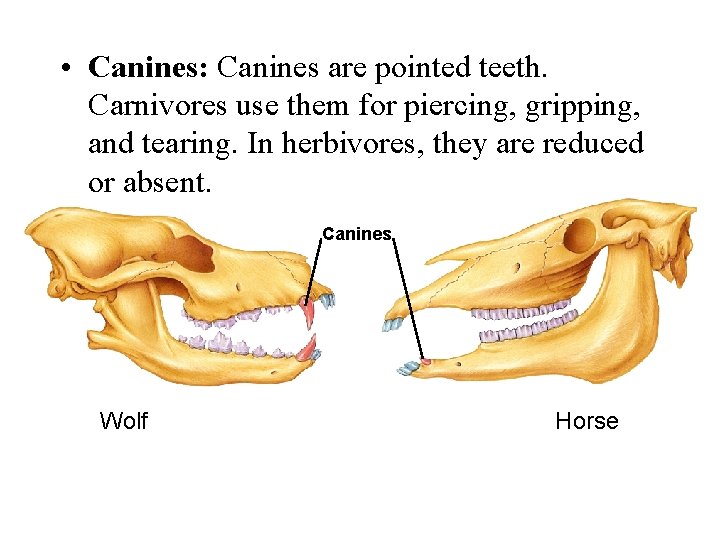
• Canines: Canines are pointed teeth. Carnivores use them for piercing, gripping, and tearing. In herbivores, they are reduced or absent. Canines Wolf Horse
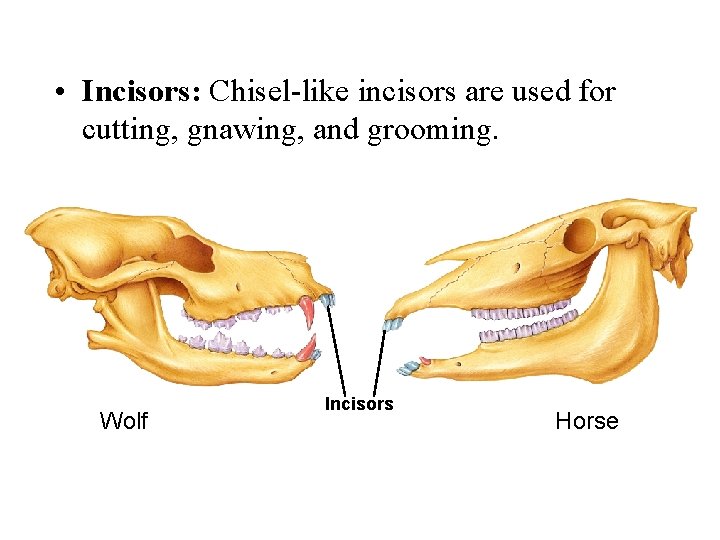
• Incisors: Chisel-like incisors are used for cutting, gnawing, and grooming. Wolf Incisors Horse
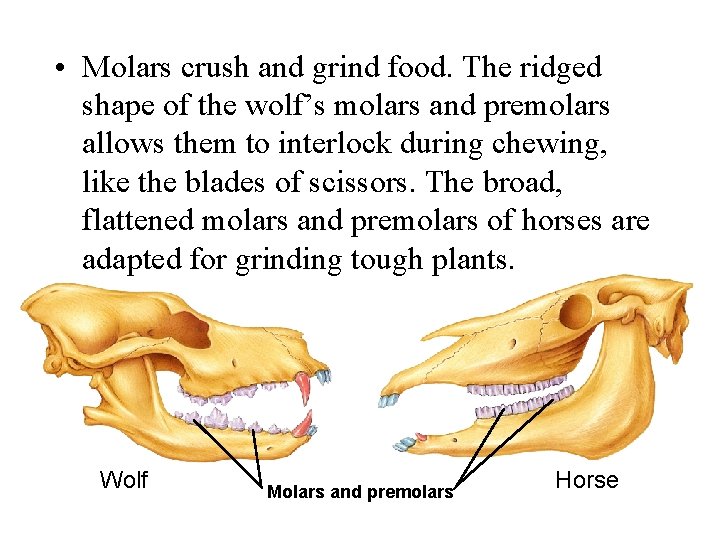
• Molars crush and grind food. The ridged shape of the wolf’s molars and premolars allows them to interlock during chewing, like the blades of scissors. The broad, flattened molars and premolars of horses are adapted for grinding tough plants. Wolf Molars and premolars Horse
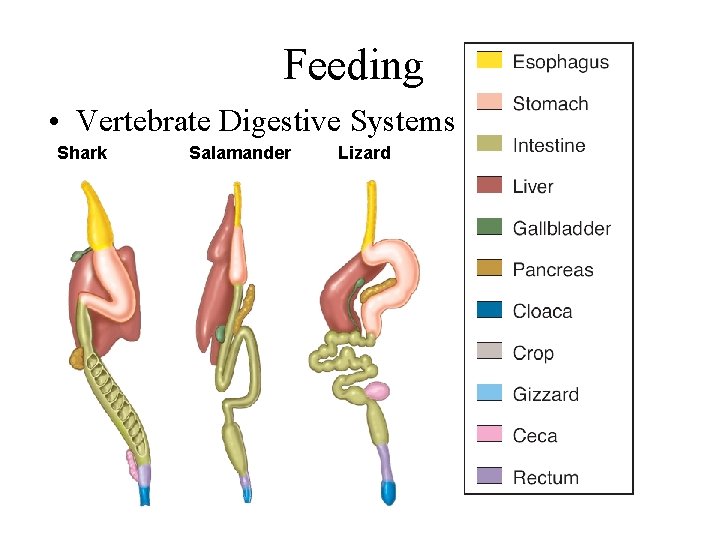
Feeding • Vertebrate Digestive Systems Shark Salamander Lizard
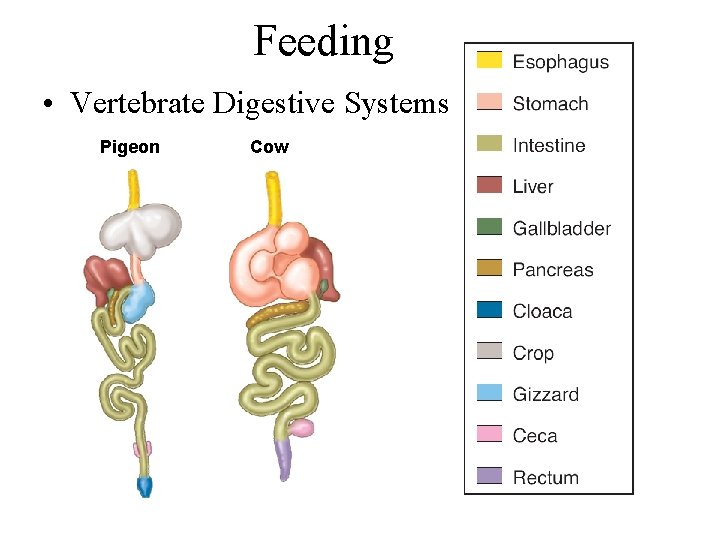
Feeding • Vertebrate Digestive Systems Pigeon Cow
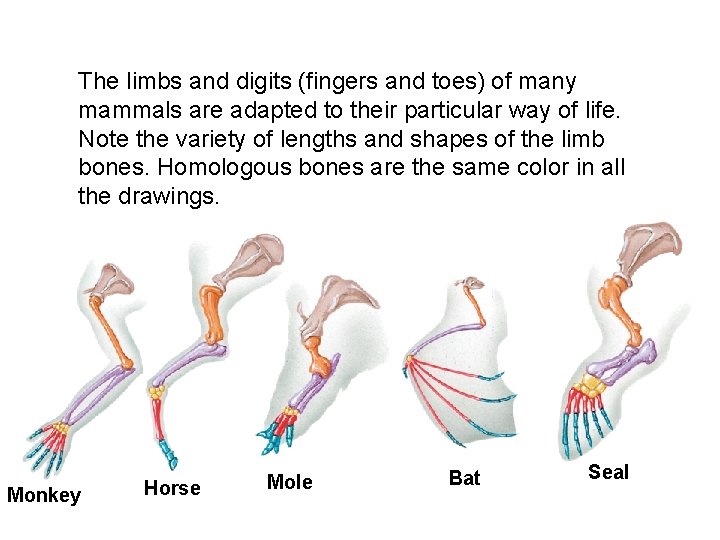
The limbs and digits (fingers and toes) of many mammals are adapted to their particular way of life. Note the variety of lengths and shapes of the limb bones. Homologous bones are the same color in all the drawings. Monkey Horse Mole Bat Seal
- Slides: 77