
NEUROMYOPATHIES ACQUISES EN REANIMATION tarek sharrpc aphp fr






- Slides: 97
NEUROMYOPATHIES ACQUISES EN REANIMATION tarek. shar@rpc. aphp. fr Raymond Poincaré Teaching hospital AP-HP University of Versailles Garches - France
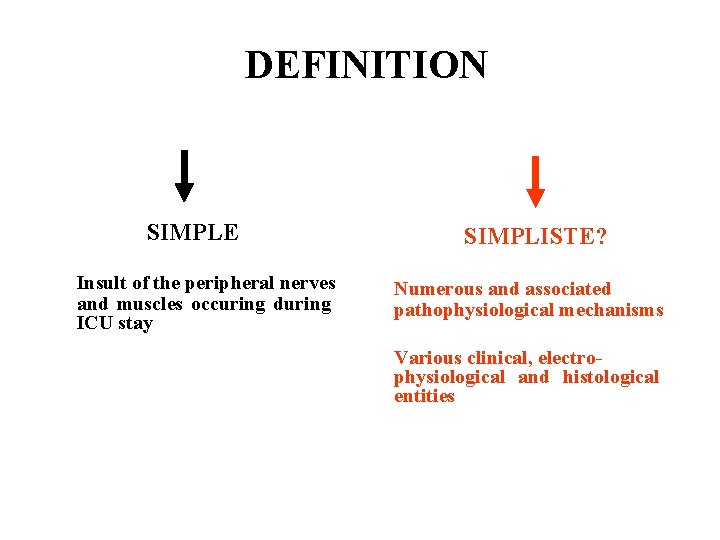
DEFINITION SIMPLE Insult of the peripheral nerves and muscles occuring during ICU stay SIMPLISTE? Numerous and associated pathophysiological mechanisms Various clinical, electrophysiological and histological entities
DENOMINATIONS • Critical Illness Polyneuropathy (CIP) • Pure Motor Axonopathy • • Acute Myopathy of Intensive Care Acute Necrotizing Myopathy of Intensive Care Thick Filament Myopathy Acute Quadriplegic Myopathy Acute Steroid Myopathy Critical Illness Myopathy (CIM) Floppy Person Syndrome • Polyneuromyopathy of ICU • Critical Illness Neuromuscular Abnormalities (CINMA) • Critical illness neuromyopathy (CINM) • Critical Illness Weakness • ICU-Acquired Paresis (ICU-AP)
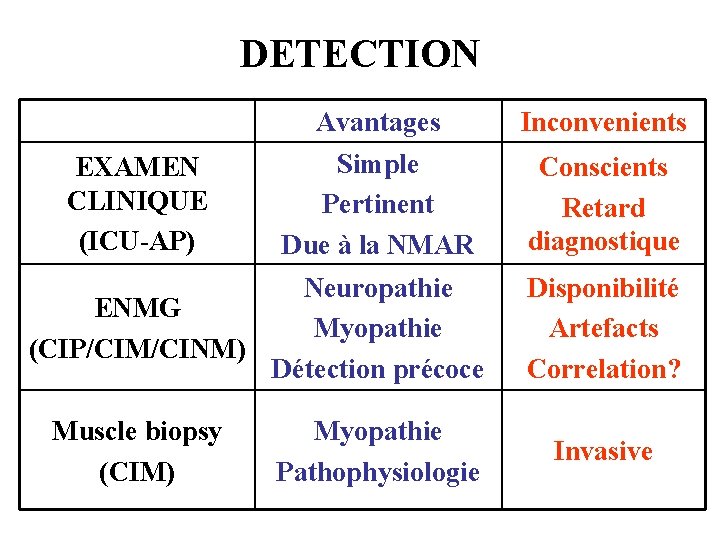
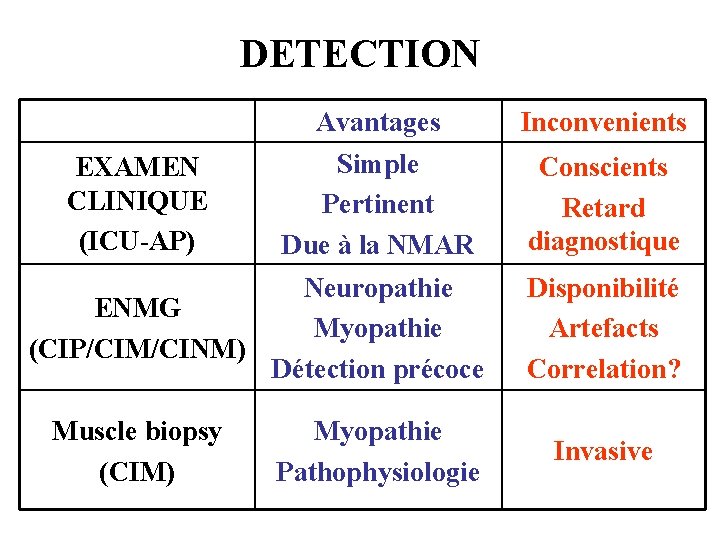
DETECTION EXAMEN CLINIQUE (ICU-AP) Avantages Inconvenients Simple Pertinent Due à la NMAR Conscients Retard diagnostique Neuropathie ENMG Myopathie (CIP/CIM/CINM) Détection précoce Muscle biopsy (CIM) Myopathie Pathophysiologie Disponibilité Artefacts Correlation? Invasive
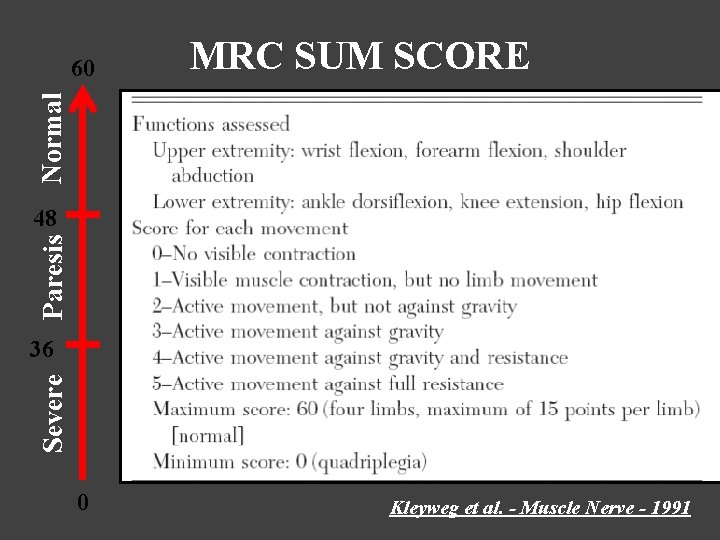
MRC SUM SCORE Normal 60 Paresis 48 Severe 36 0 Kleyweg et al. - Muscle Nerve - 1991
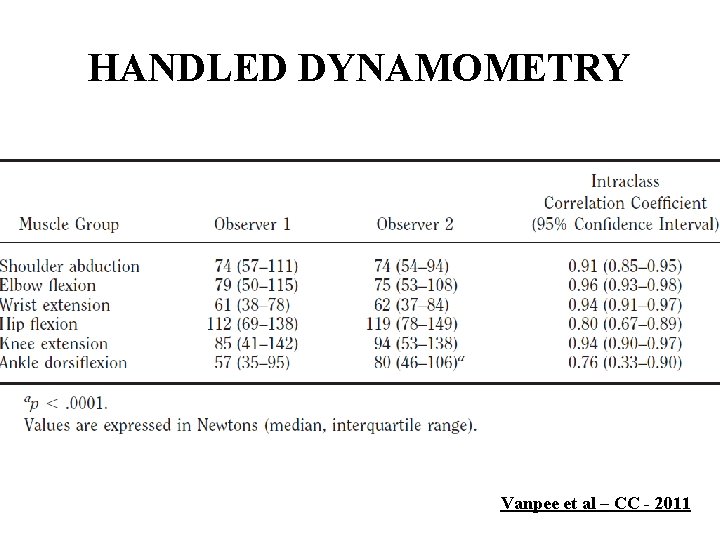
HANDLED DYNAMOMETRY Vanpee et al – CC - 2011
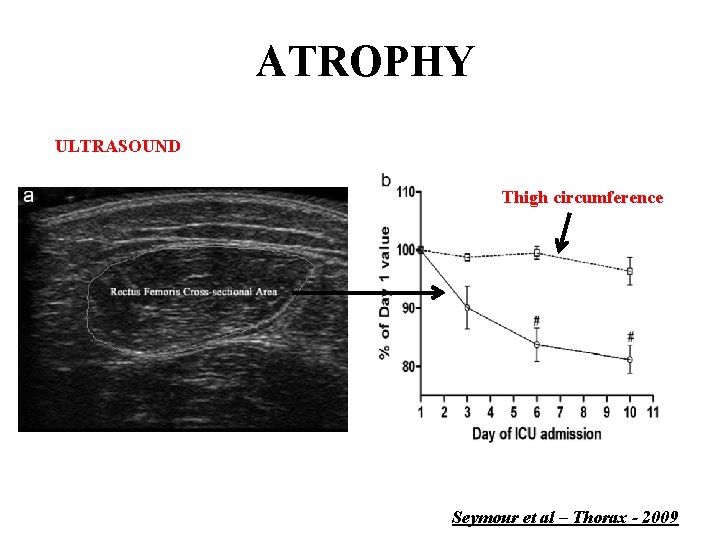
ATROPHY ULTRASOUND Thigh circumference Seymour et al – Thorax - 2009
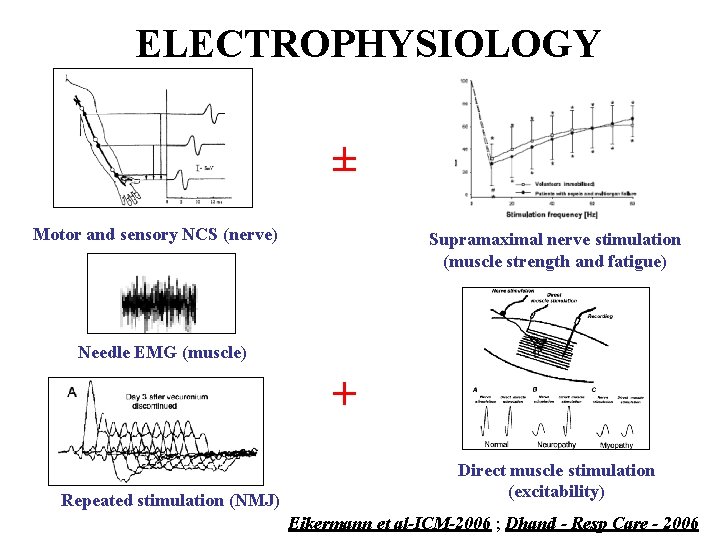
ELECTROPHYSIOLOGY ± Motor and sensory NCS (nerve) Supramaximal nerve stimulation (muscle strength and fatigue) Needle EMG (muscle) + Repeated stimulation (NMJ) Direct muscle stimulation (excitability) Eikermann et al-ICM-2006 ; Dhand - Resp Care - 2006
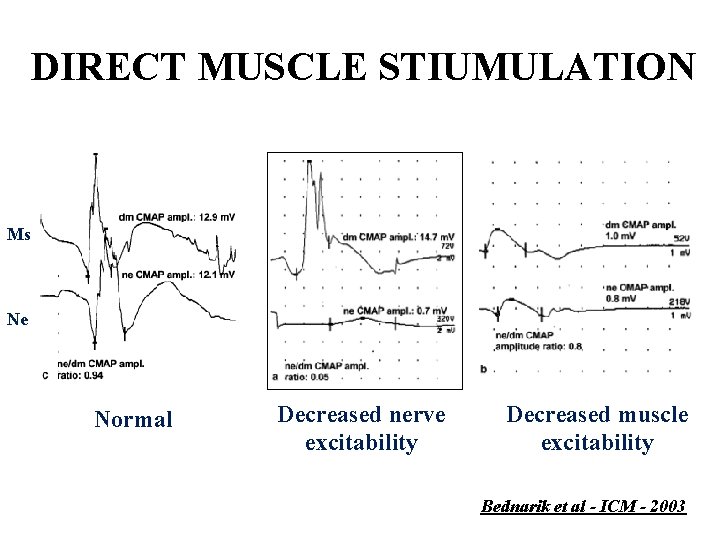
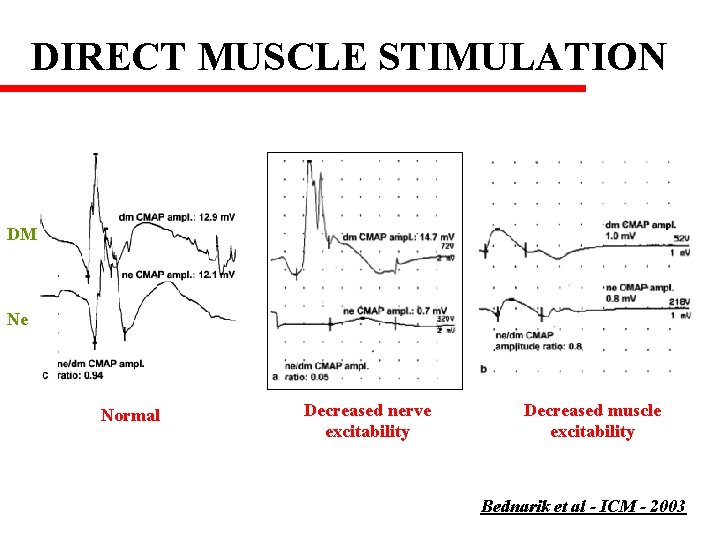
DIRECT MUSCLE STIUMULATION Ms Ne Normal Decreased nerve excitability Decreased muscle excitability Bednarik et al - ICM - 2003
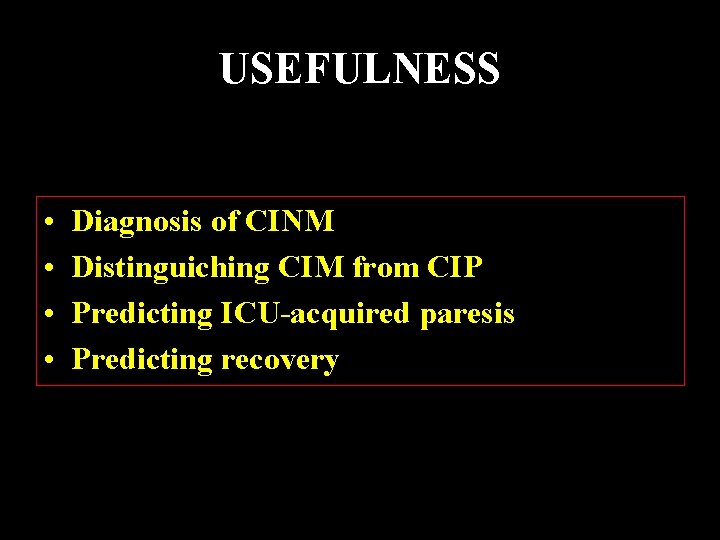
USEFULNESS • • Diagnosis of CINM Distinguiching CIM from CIP Predicting ICU-acquired paresis Predicting recovery
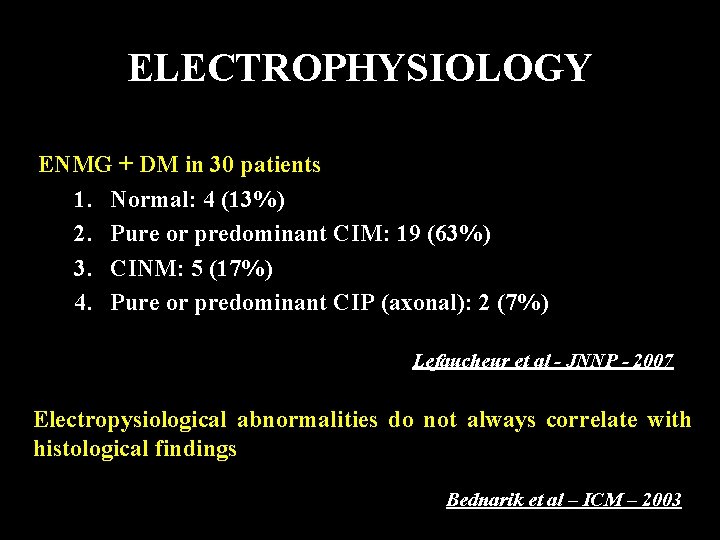
ELECTROPHYSIOLOGY ENMG + DM in 30 patients 1. Normal: 4 (13%) 2. Pure or predominant CIM: 19 (63%) 3. CINM: 5 (17%) 4. Pure or predominant CIP (axonal): 2 (7%) Lefaucheur et al - JNNP - 2007 Electropysiological abnormalities do not always correlate with histological findings Bednarik et al – ICM – 2003
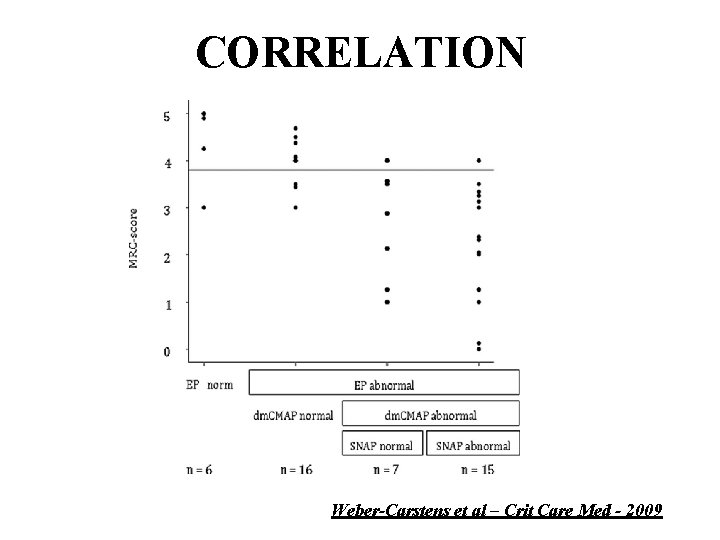
CORRELATION Weber-Carstens et al – Crit Care Med - 2009
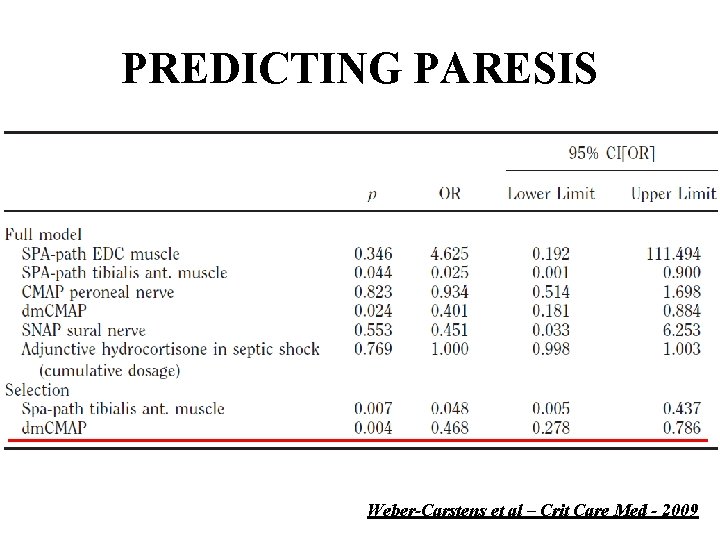
PREDICTING PARESIS Weber-Carstens et al – Crit Care Med - 2009
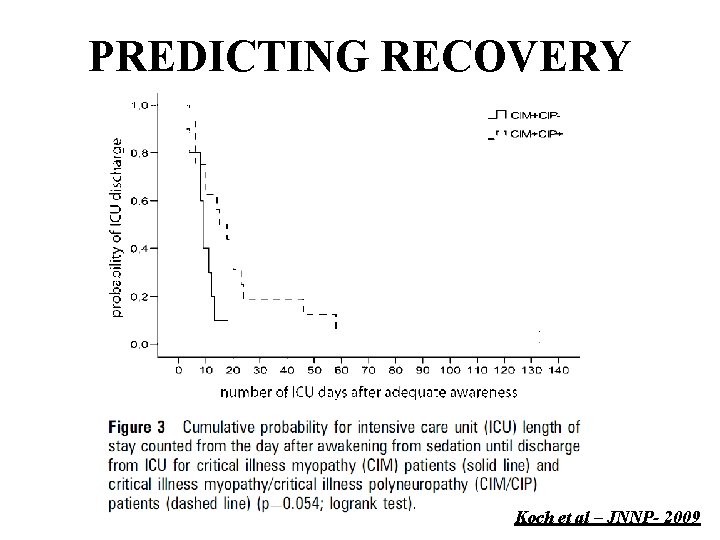
PREDICTING RECOVERY Koch et al – JNNP- 2009
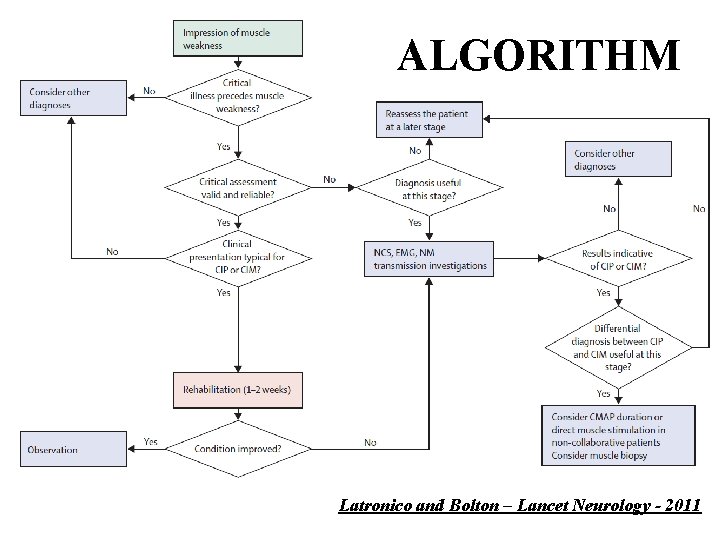
ALGORITHM Latronico and Bolton – Lancet Neurology - 2011
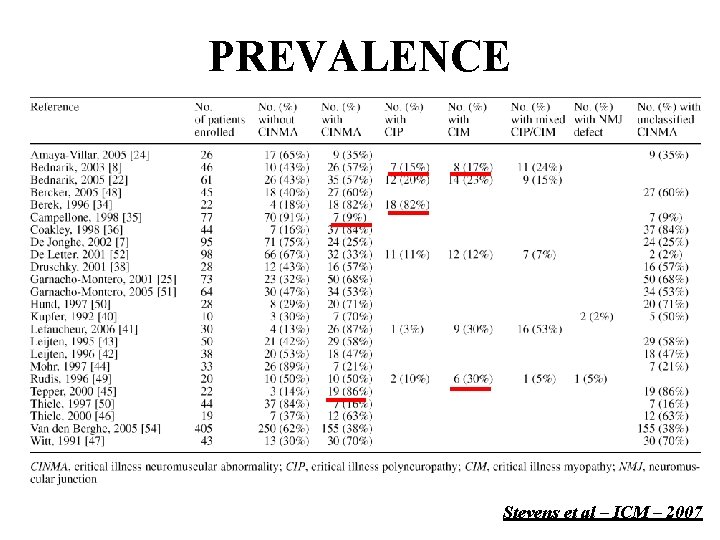
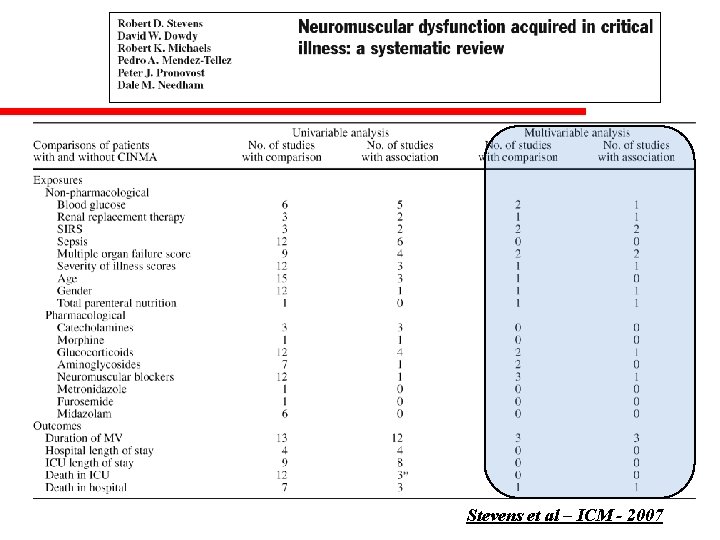
PREVALENCE Varies according to definition, timing of examination and study population Stevens et al – ICM – 2007
PREVALENCE Stevens et al – ICM – 2007
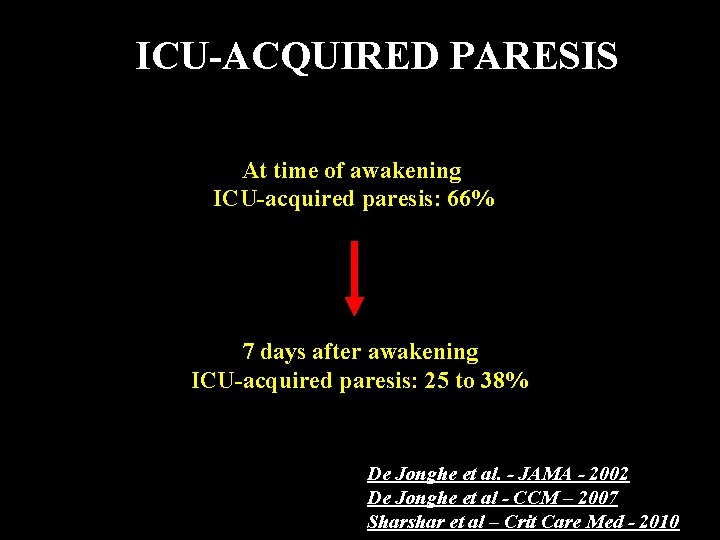
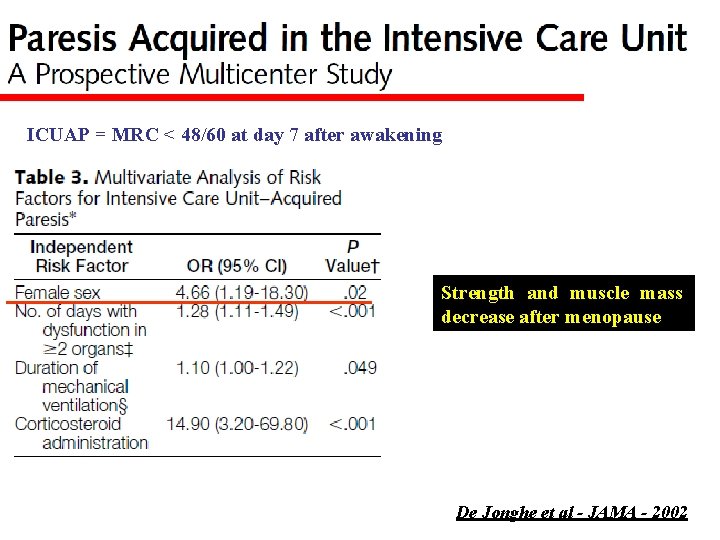
ICU-ACQUIRED PARESIS At time of awakening ICU-acquired paresis: 66% 7 days after awakening ICU-acquired paresis: 25 to 38% De Jonghe et al. - JAMA - 2002 De Jonghe et al - CCM – 2007 Sharshar et al – Crit Care Med - 2010
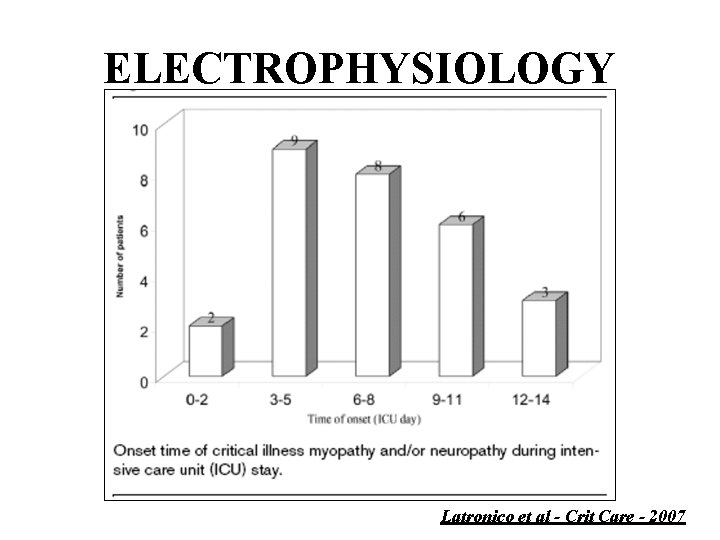
ELECTROPHYSIOLOGY Latronico et al - Crit Care - 2007
ICU-ACQUIRED PARESIS Frequent and severe complication associated with 1. 2. 3. 4. Increased mortality Prolonged weaning and reintubation Increased length of stay in ICU Disability
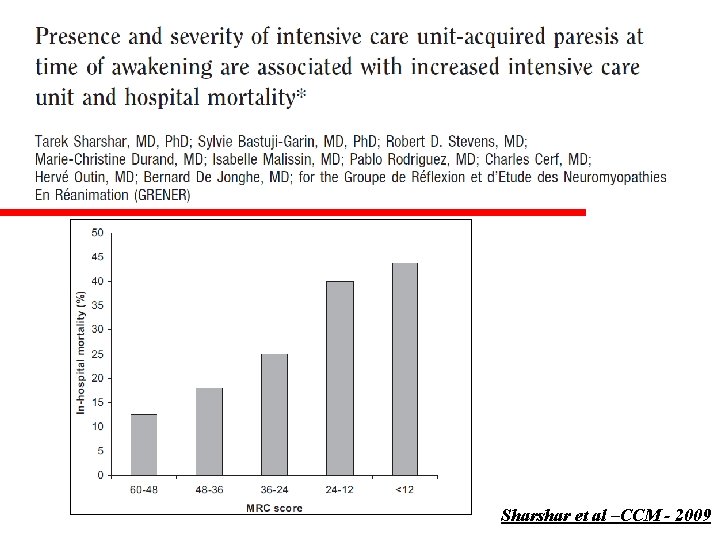
Sharshar et al –CCM - 2009
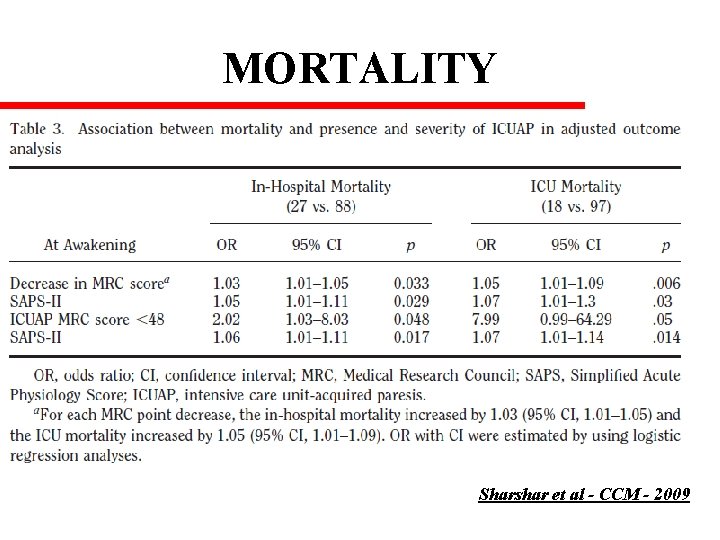
MORTALITY Sharshar et al - CCM - 2009
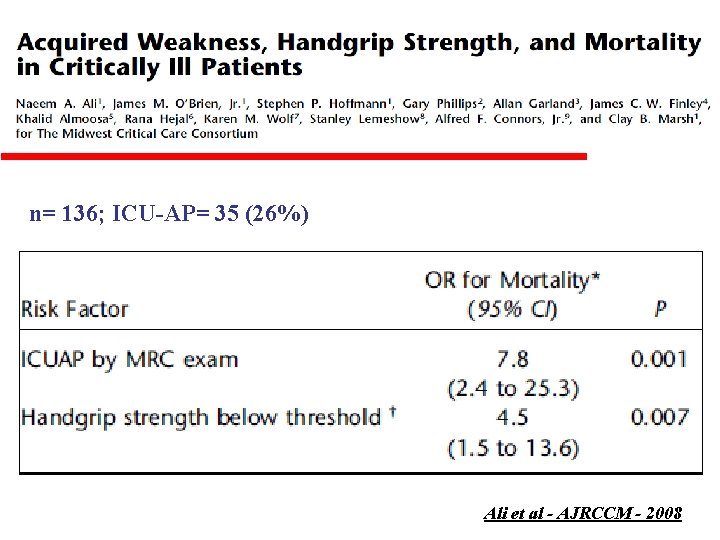
n= 136; ICU-AP= 35 (26%) Ali et al - AJRCCM - 2008
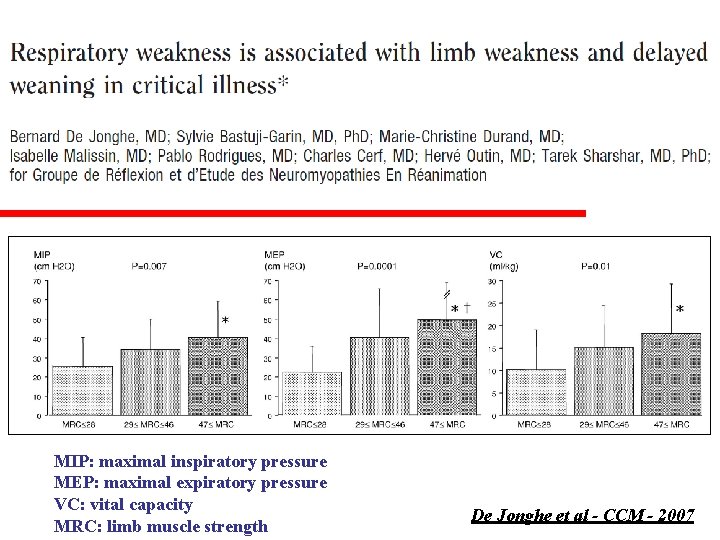
MIP: maximal inspiratory pressure MEP: maximal expiratory pressure VC: vital capacity MRC: limb muscle strength De Jonghe et al - CCM - 2007
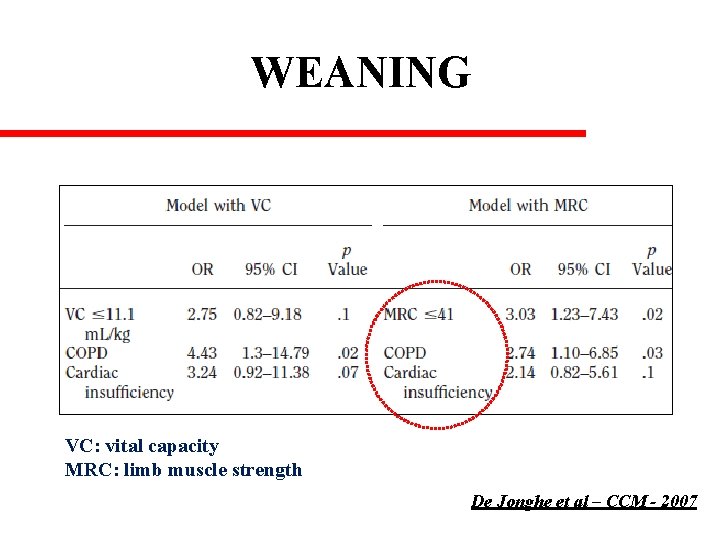
WEANING VC: vital capacity MRC: limb muscle strength De Jonghe et al – CCM - 2007
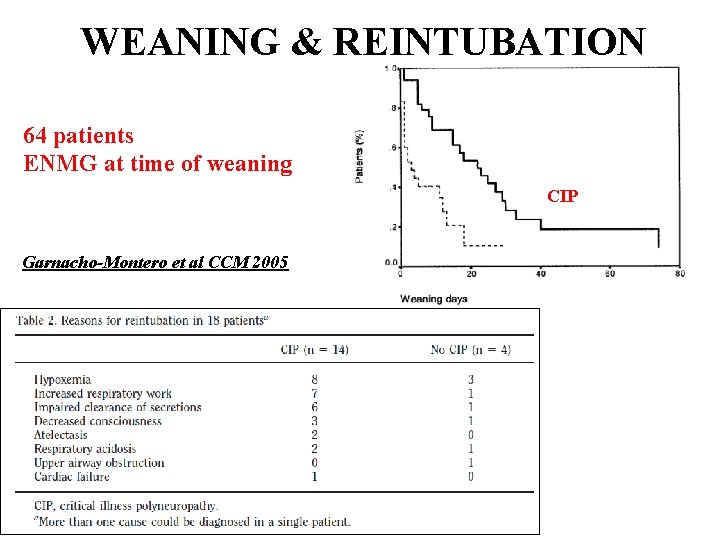
WEANING & REINTUBATION 64 patients ENMG at time of weaning CIP Garnacho-Montero et al CCM 2005
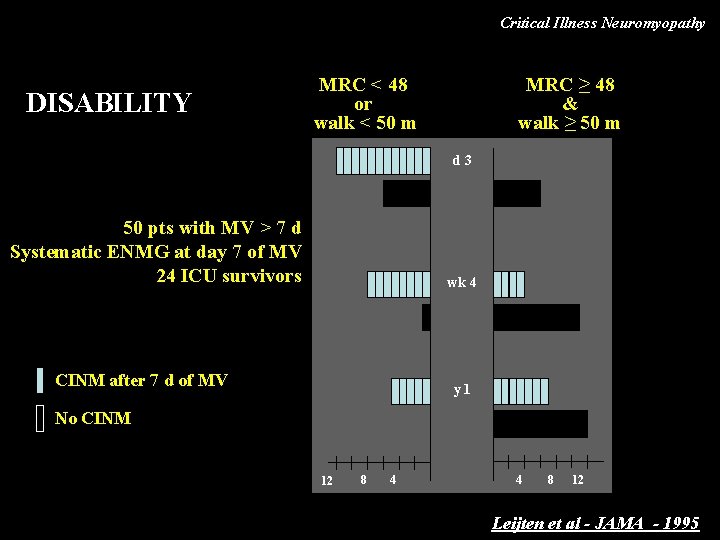
Critical Illness Neuromyopathy DISABILITY MRC < 48 or walk < 50 m MRC ≥ 48 & walk ≥ 50 m d 3 50 pts with MV > 7 d Systematic ENMG at day 7 of MV 24 ICU survivors wk 4 CINM after 7 d of MV y 1 No CINM 12 8 4 4 8 12 Leijten et al - JAMA - 1995
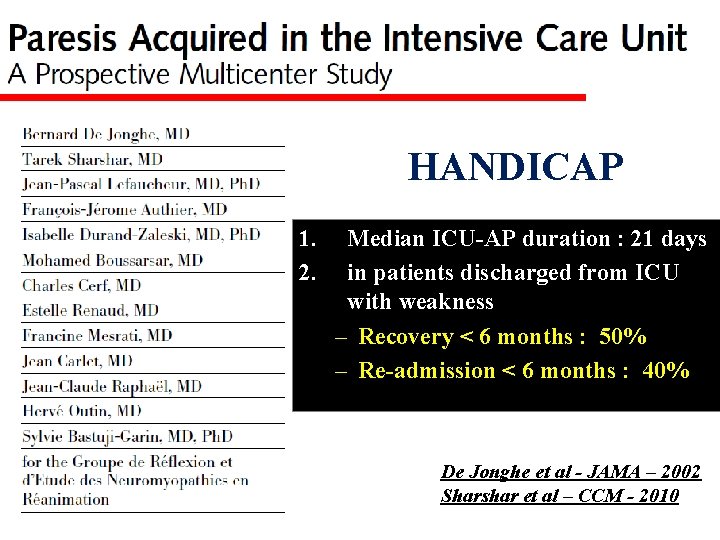
HANDICAP 1. 2. Median ICU-AP duration : 21 days in patients discharged from ICU with weakness – Recovery < 6 months : 50% – Re-admission < 6 months : 40% De Jonghe et al - JAMA – 2002 Sharshar et al – CCM - 2010
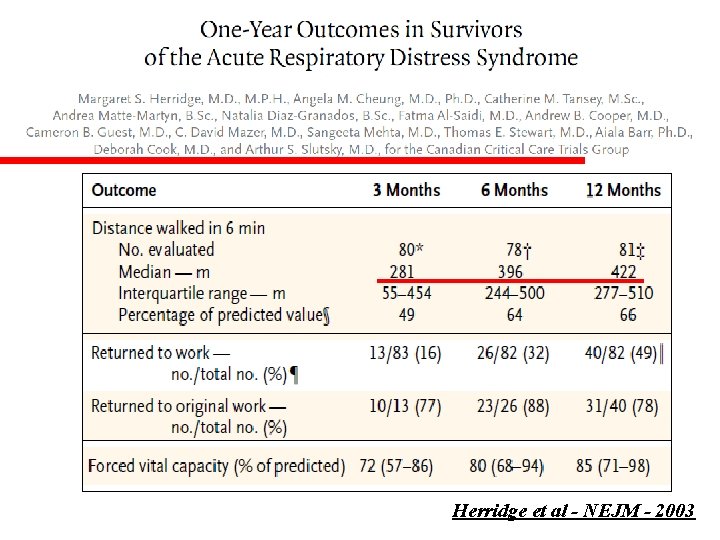
Herridge et al - NEJM - 2003
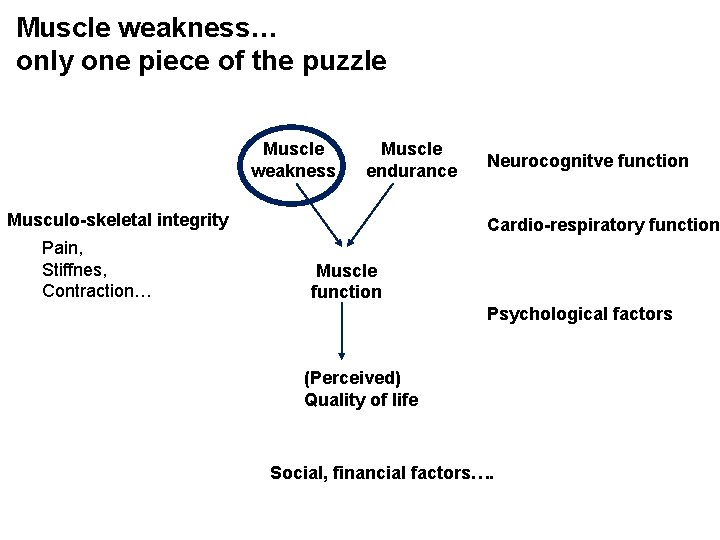
Muscle weakness… only one piece of the puzzle Muscle weakness Muscle endurance Musculo-skeletal integrity Pain, Stiffnes, Contraction… Neurocognitve function Cardio-respiratory function Muscle function Psychological factors (Perceived) Quality of life Social, financial factors….
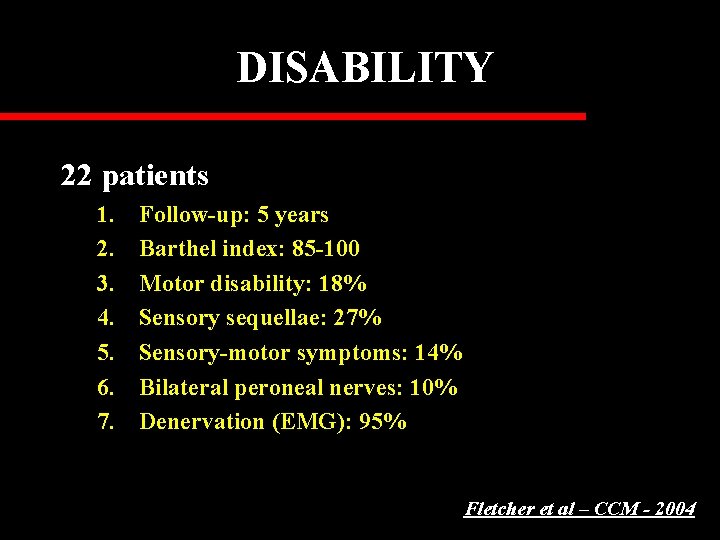
DISABILITY 22 patients 1. 2. 3. 4. 5. 6. 7. Follow-up: 5 years Barthel index: 85 -100 Motor disability: 18% Sensory sequellae: 27% Sensory-motor symptoms: 14% Bilateral peroneal nerves: 10% Denervation (EMG): 95% Fletcher et al – CCM - 2004
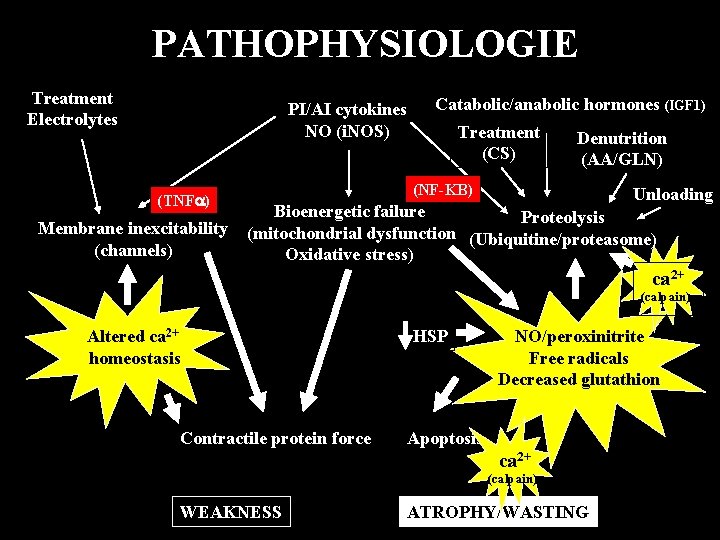
PATHOPHYSIOLOGIE Treatment Electrolytes PI/AI cytokines NO (i. NOS) (TNFa) Catabolic/anabolic hormones (IGF 1) Treatment (CS) Denutrition (AA/GLN) (NF-KB) Unloading Bioenergetic failure Proteolysis Membrane inexcitability (mitochondrial dysfunction (Ubiquitine/proteasome) (channels) Oxidative stress) ca 2+ (calpain) Altered ca 2+ homeostasis Contractile protein force HSP NO/peroxinitrite Free radicals Decreased glutathion Apoptosis ca 2+ (calpain) WEAKNESS ATROPHY/WASTING
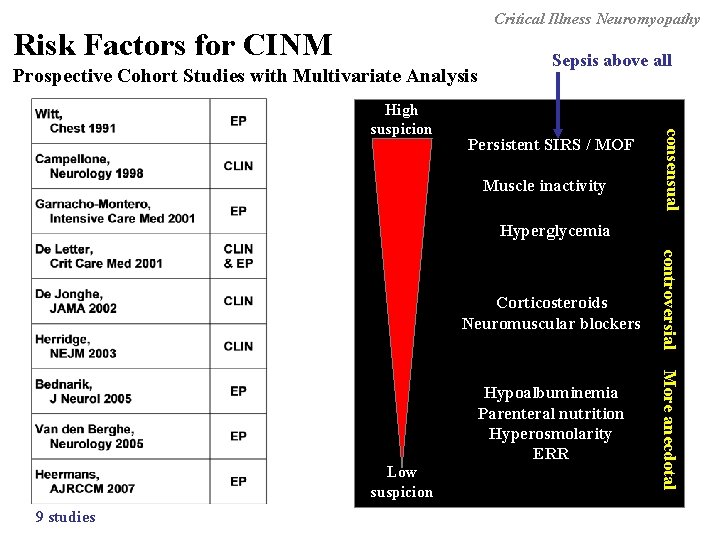
Critical Illness Neuromyopathy Risk Factors for CINM Prospective Cohort Studies with Multivariate Analysis Persistent SIRS / MOF Muscle inactivity consensual High suspicion Sepsis above all Hyperglycemia Low suspicion 9 studies More anecdotal Hypoalbuminemia Parenteral nutrition Hyperosmolarity ERR controversial Corticosteroids Neuromuscular blockers
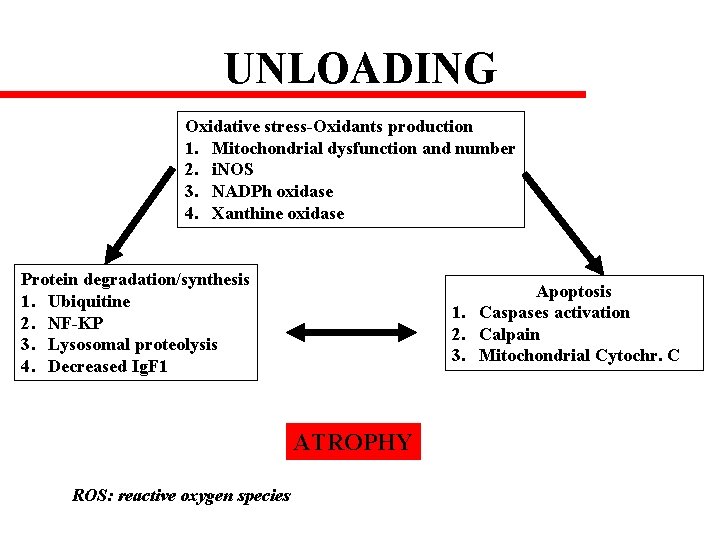
UNLOADING Oxidative stress-Oxidants production 1. Mitochondrial dysfunction and number 2. i. NOS 3. NADPh oxidase 4. Xanthine oxidase Protein degradation/synthesis 1. Ubiquitine 2. NF-KP 3. Lysosomal proteolysis 4. Decreased Ig. F 1 Apoptosis 1. Caspases activation 2. Calpain 3. Mitochondrial Cytochr. C ATROPHY ROS: reactive oxygen species
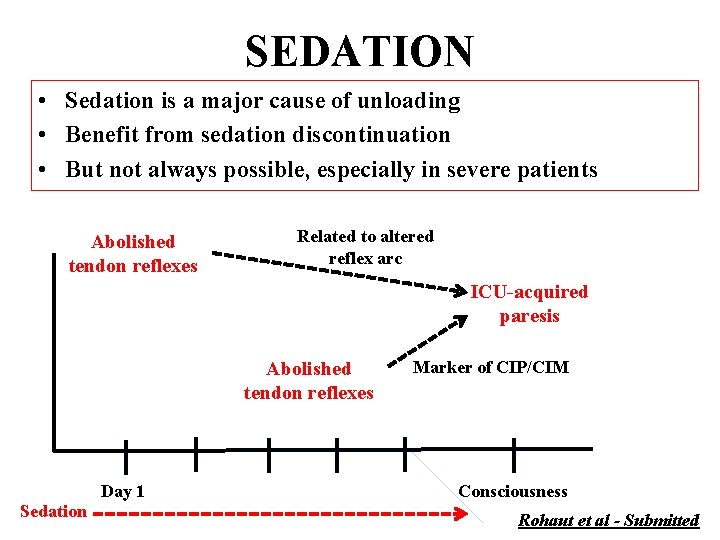
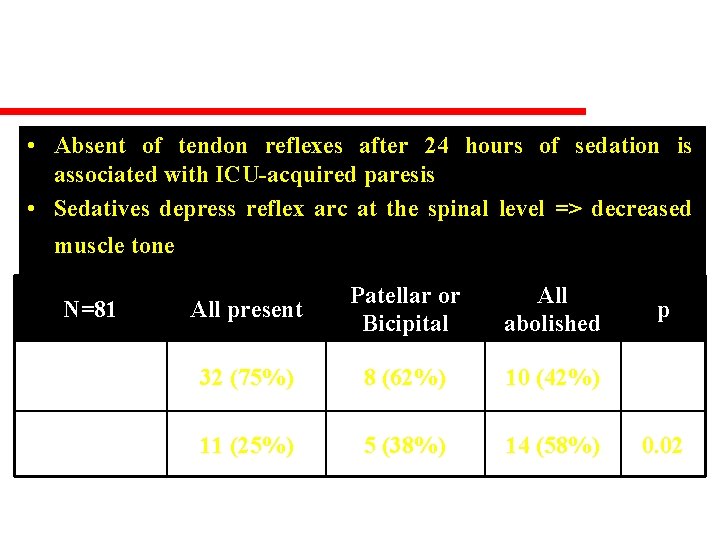
SEDATION • Sedation is a major cause of unloading • Benefit from sedation discontinuation • But not always possible, especially in severe patients Abolished tendon reflexes Related to altered reflex arc ICU-acquired paresis Abolished tendon reflexes Sedation Day 1 Marker of CIP/CIM Consciousness Rohaut et al - Submitted
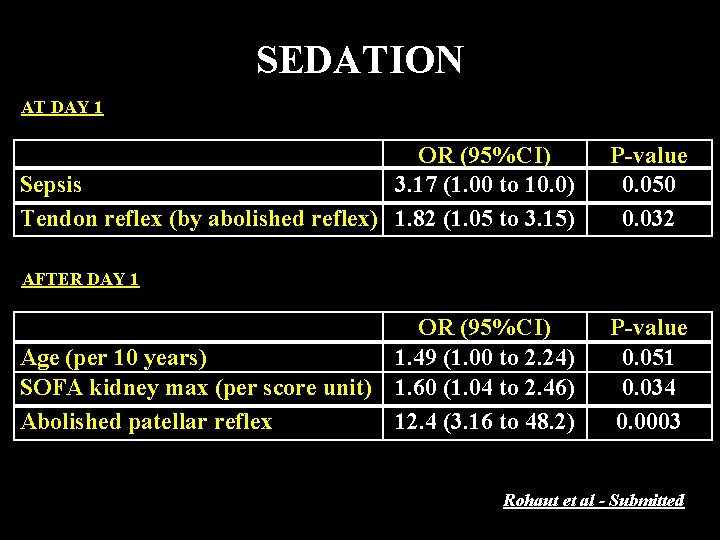
SEDATION AT DAY 1 OR (95%CI) Sepsis 3. 17 (1. 00 to 10. 0) Tendon reflex (by abolished reflex) 1. 82 (1. 05 to 3. 15) P-value 0. 050 0. 032 AFTER DAY 1 OR (95%CI) Age (per 10 years) 1. 49 (1. 00 to 2. 24) SOFA kidney max (per score unit) 1. 60 (1. 04 to 2. 46) Abolished patellar reflex 12. 4 (3. 16 to 48. 2) P-value 0. 051 0. 034 0. 0003 Rohaut et al - Submitted
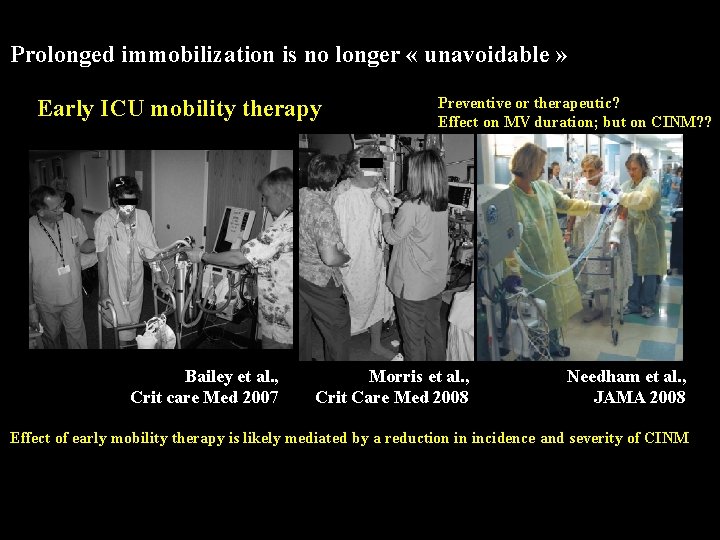
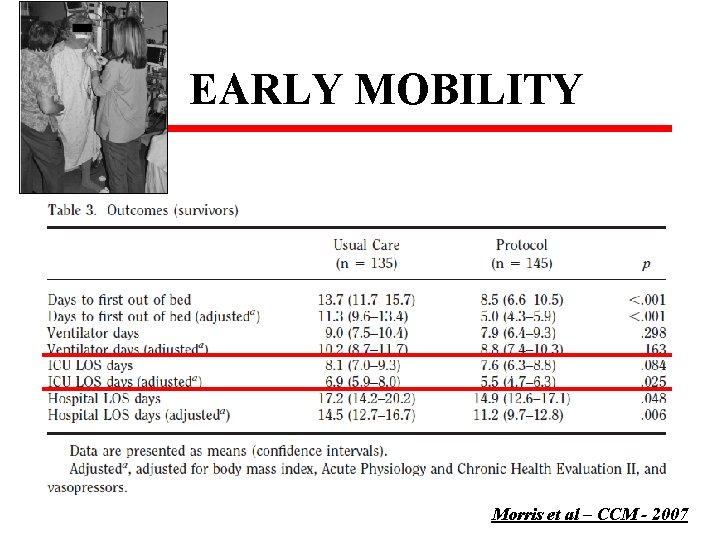
Prolonged immobilization is no longer « unavoidable » Early ICU mobility therapy Bailey et al. , Crit care Med 2007 Preventive or therapeutic? Effect on MV duration; but on CINM? ? Morris et al. , Crit Care Med 2008 Needham et al. , JAMA 2008 Effect of early mobility therapy is likely mediated by a reduction in incidence and severity of CINM
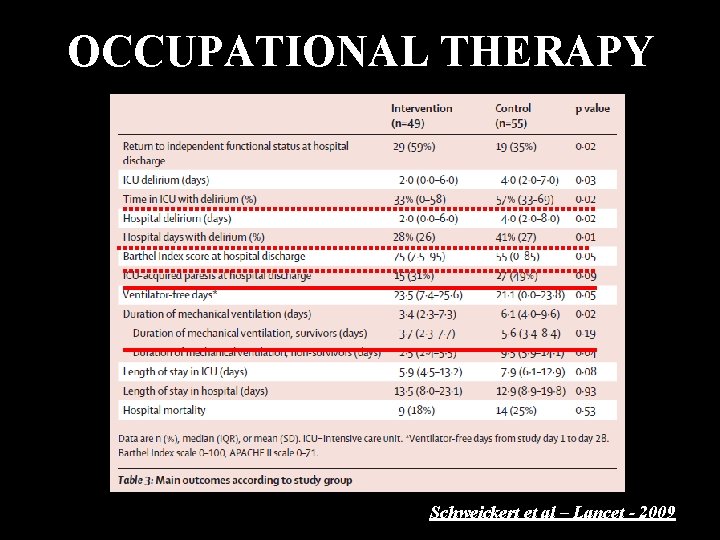
OCCUPATIONAL THERAPY Schweickert et al – Lancet - 2009
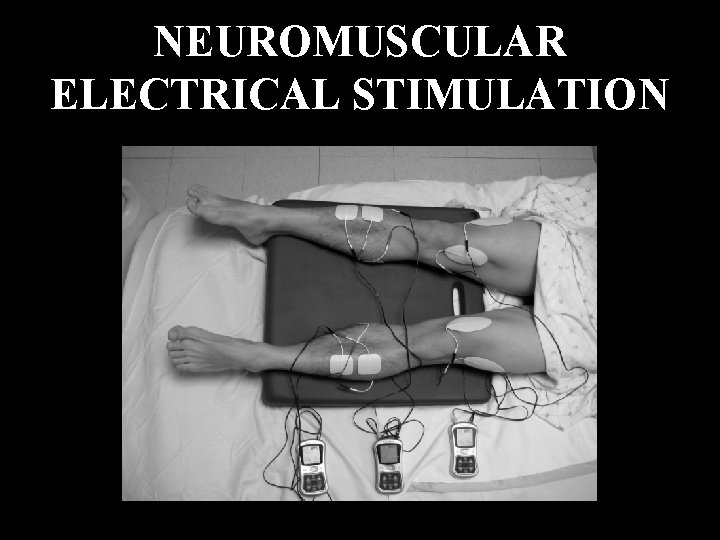
NEUROMUSCULAR ELECTRICAL STIMULATION
DIRECT MUSCLE STIMULATION DM Ne Normal Decreased nerve excitability Decreased muscle excitability Bednarik et al - ICM - 2003
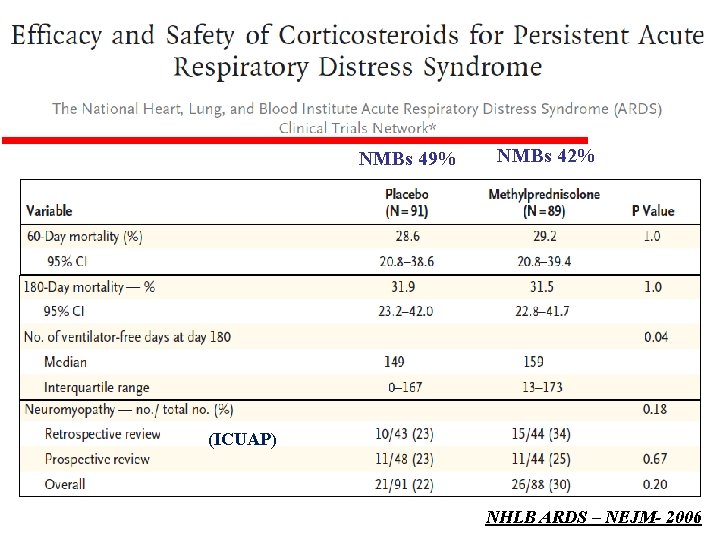
Role of Corticosteroïds Critical Illness Neuromyopathy Observational studies with multivariate analysis
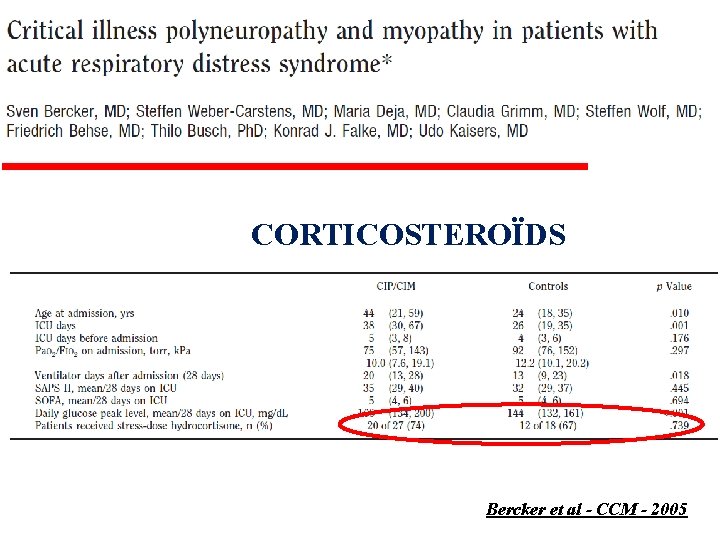
CORTICOSTEROÏDS Bercker et al - CCM - 2005
NMBs 49% NMBs 42% (ICUAP) NHLB ARDS – NEJM- 2006
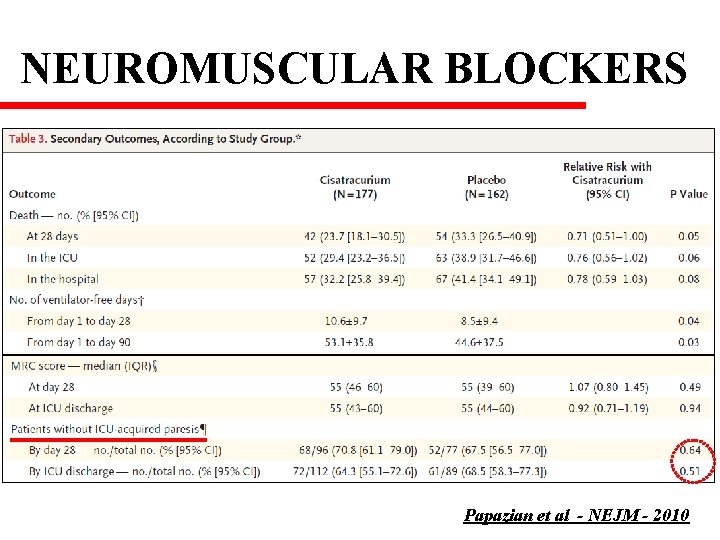
NEUROMUSCULAR BLOCKERS Papazian et al - NEJM - 2010
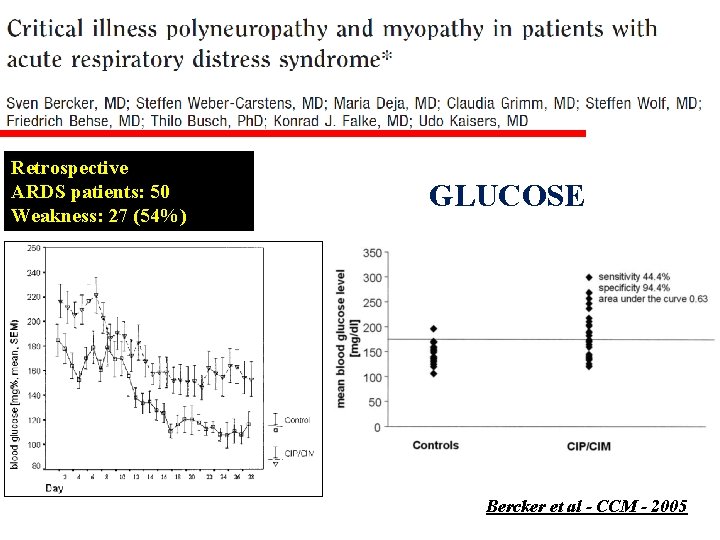
Retrospective ARDS patients: 50 Weakness: 27 (54%) GLUCOSE Bercker et al - CCM - 2005
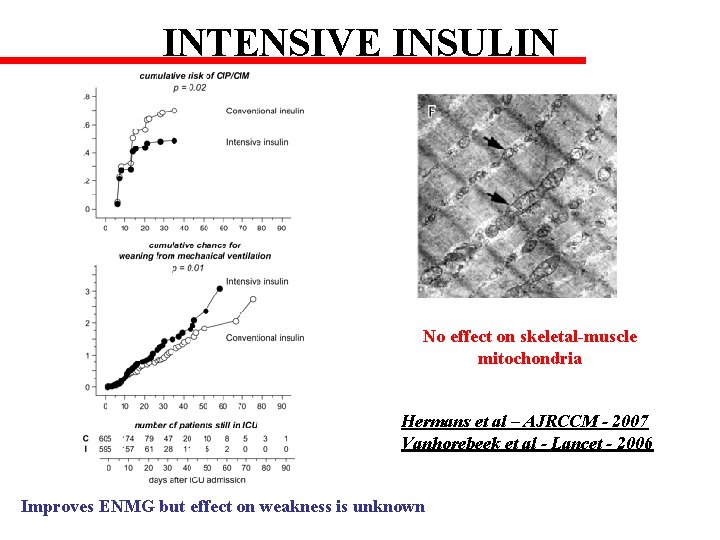
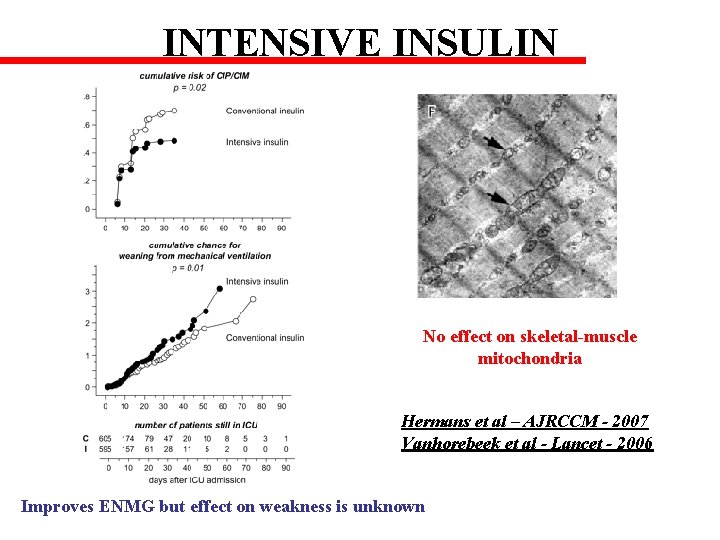
INTENSIVE INSULIN No effect on skeletal-muscle mitochondria Hermans et al – AJRCCM - 2007 Vanhorebeek et al - Lancet - 2006 Improves ENMG but effect on weakness is unknown
ICUAP = MRC < 48/60 at day 7 after awakening Strength and muscle mass decrease after menopause De Jonghe et al - JAMA - 2002
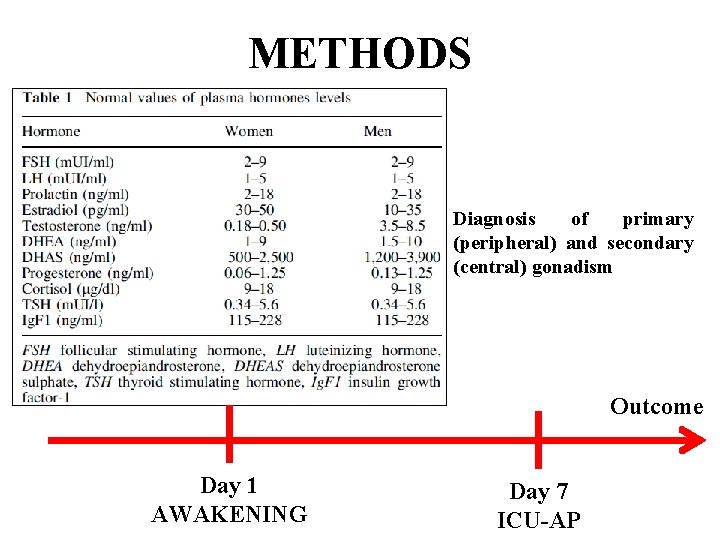
METHODS Diagnosis of primary (peripheral) and secondary (central) gonadism Outcome Day 1 AWAKENING Day 7 ICU-AP
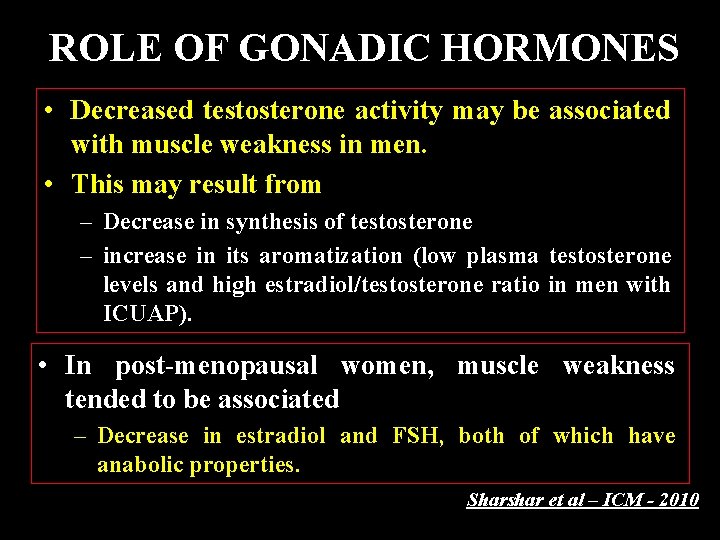
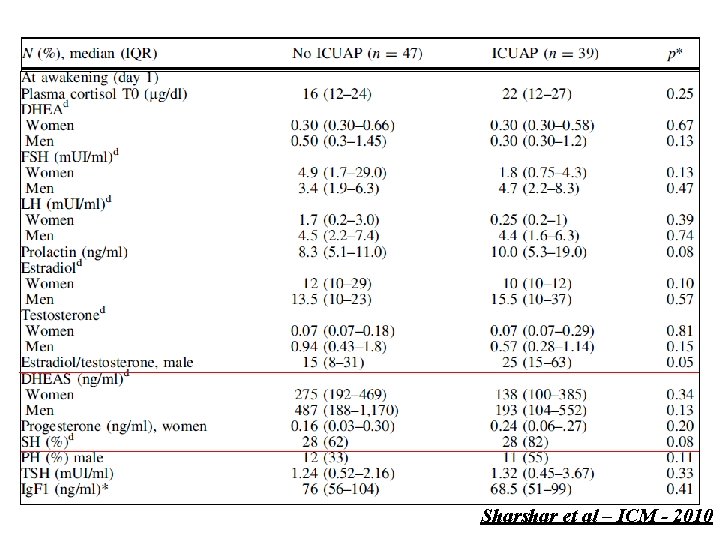
ROLE OF GONADIC HORMONES • Decreased testosterone activity may be associated with muscle weakness in men. • This may result from – Decrease in synthesis of testosterone – increase in its aromatization (low plasma testosterone levels and high estradiol/testosterone ratio in men with ICUAP). • In post-menopausal women, muscle weakness tended to be associated with – Decrease in estradiol and FSH, both of which have anabolic properties. Sharshar et al – ICM - 2010
HORMONES • Androgens have been shown to have no significant effect on muscle strength in non-critically ill patients [Nair et al NEJM 2006]. Sharshar et al - ICM - 2010
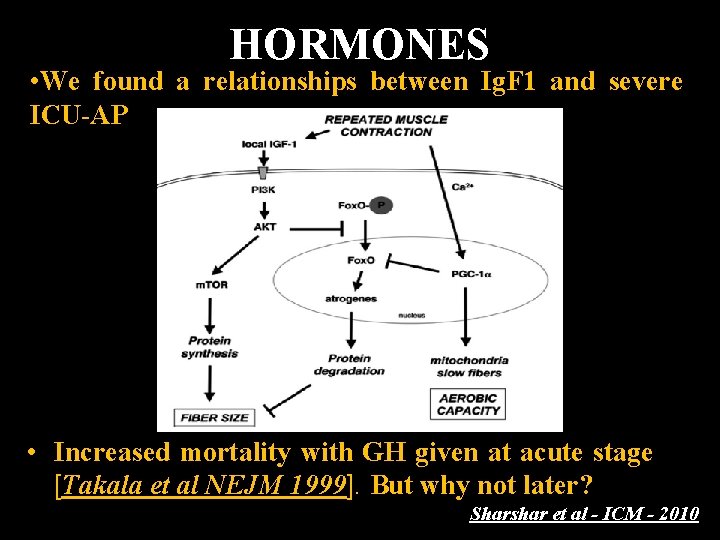
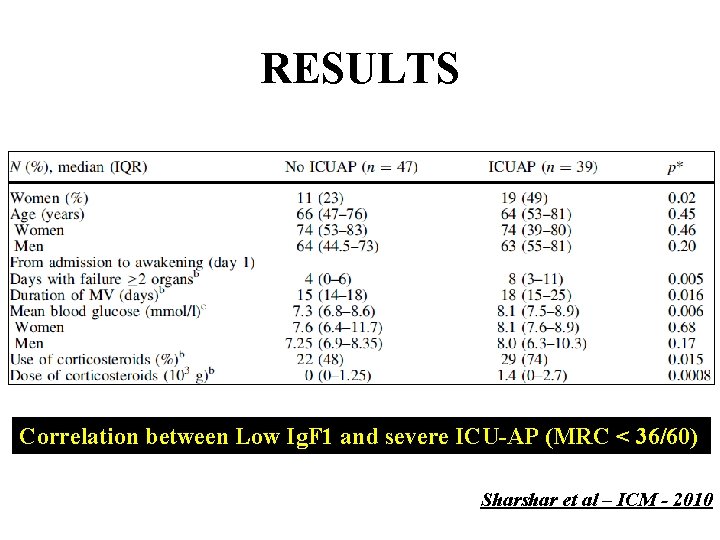
HORMONES • We found a relationships between Ig. F 1 and severe ICU-AP • Increased mortality with GH given at acute stage [Takala et al NEJM 1999]. But why not later? Sharshar et al - ICM - 2010
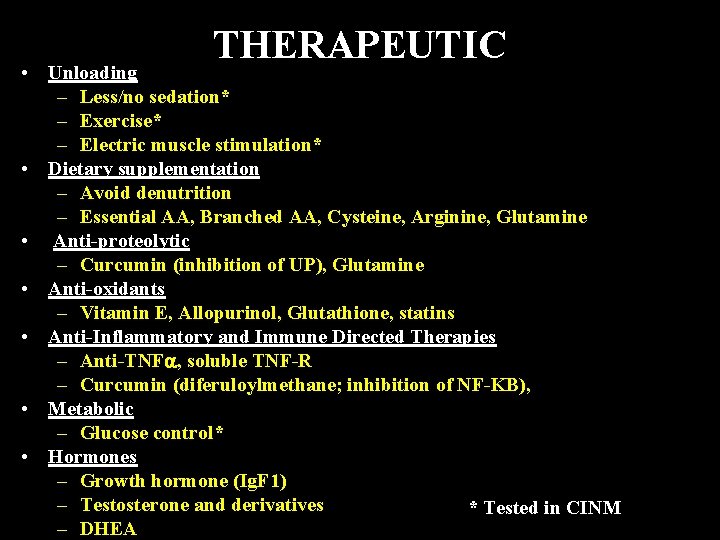
THERAPEUTIC • Unloading – Less/no sedation* – Exercise* – Electric muscle stimulation* • Dietary supplementation – Avoid denutrition – Essential AA, Branched AA, Cysteine, Arginine, Glutamine • Anti-proteolytic – Curcumin (inhibition of UP), Glutamine • Anti-oxidants – Vitamin E, Allopurinol, Glutathione, statins • Anti-Inflammatory and Immune Directed Therapies – Anti-TNFa, soluble TNF-R – Curcumin (diferuloylmethane; inhibition of NF-KB), • Metabolic – Glucose control* • Hormones – Growth hormone (Ig. F 1) – Testosterone and derivatives * Tested in CINM – DHEA
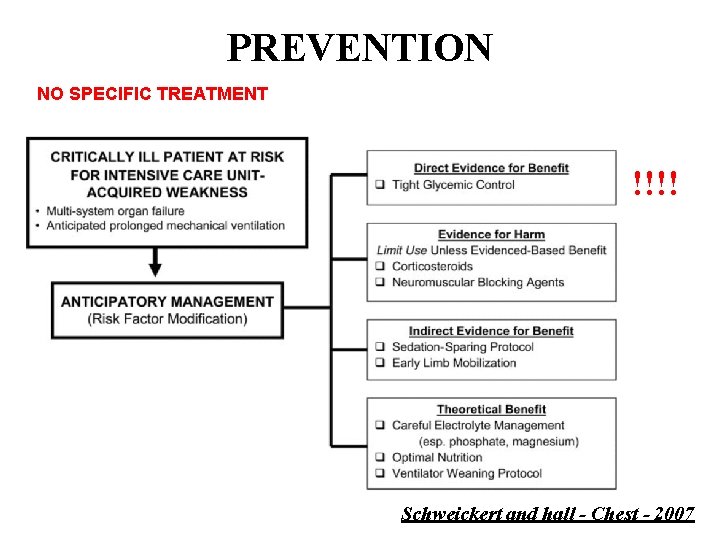
PREVENTION NO SPECIFIC TREATMENT !!!! Schweickert and hall - Chest - 2007
Raymond Poincaré THANK YOU
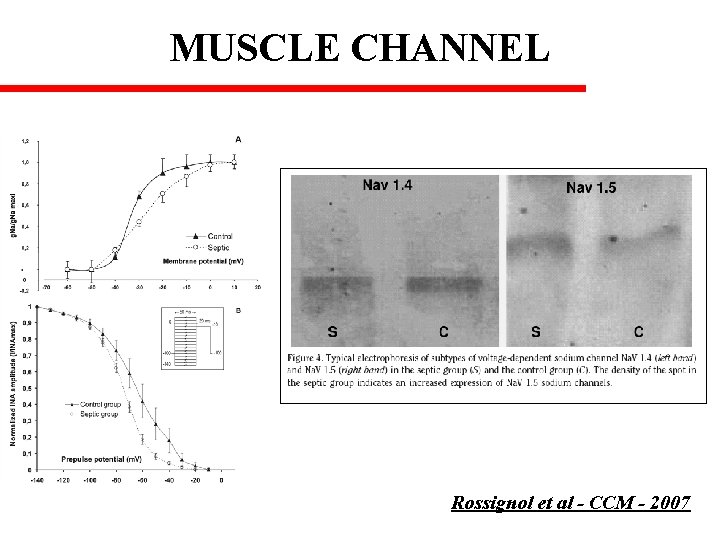
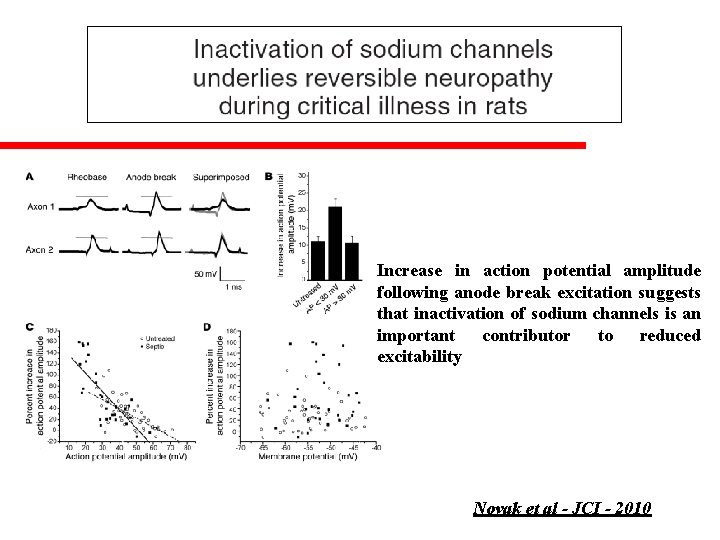
MUSCLE CHANNEL Rossignol et al - CCM - 2007
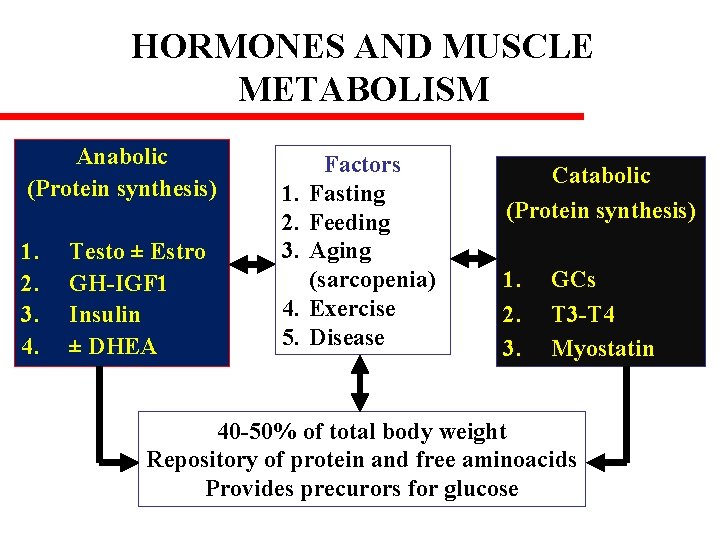
HORMONES AND MUSCLE METABOLISM Anabolic (Protein synthesis) 1. 2. 3. 4. Testo ± Estro GH-IGF 1 Insulin ± DHEA 1. 2. 3. 4. 5. Factors Fasting Feeding Aging (sarcopenia) Exercise Disease Catabolic (Protein synthesis) 1. 2. 3. GCs T 3 -T 4 Myostatin 40 -50% of total body weight Repository of protein and free aminoacids Provides precurors for glucose
Increase in action potential amplitude following anode break excitation suggests that inactivation of sodium channels is an important contributor to reduced excitability Novak et al - JCI - 2010
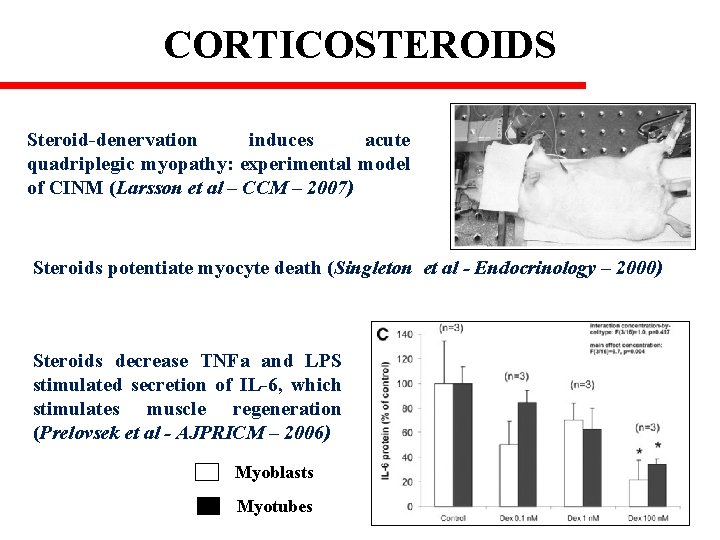
CORTICOSTEROIDS Steroid-denervation induces acute quadriplegic myopathy: experimental model of CINM (Larsson et al – CCM – 2007) Steroids potentiate myocyte death (Singleton et al - Endocrinology – 2000) Steroids decrease TNFa and LPS stimulated secretion of IL-6, which stimulates muscle regeneration (Prelovsek et al - AJPRICM – 2006) Myoblasts Myotubes
HORMONES • The biological effects of hormones depend – on their circulating levels – on synthesis and clearance of hormone binding proteins – on the expression and regulation of their receptors. • Interpretation of single circulating levels of hormones has to be cautious because levels fluctuate with time and dynamic assessments were not performed • Association between ICUAP and anabolic hormones was weak in comparison with other known risk factors (hyperglycaemia, SAPS II and steroids. . . ) Sharshar et al – ICM - 2010
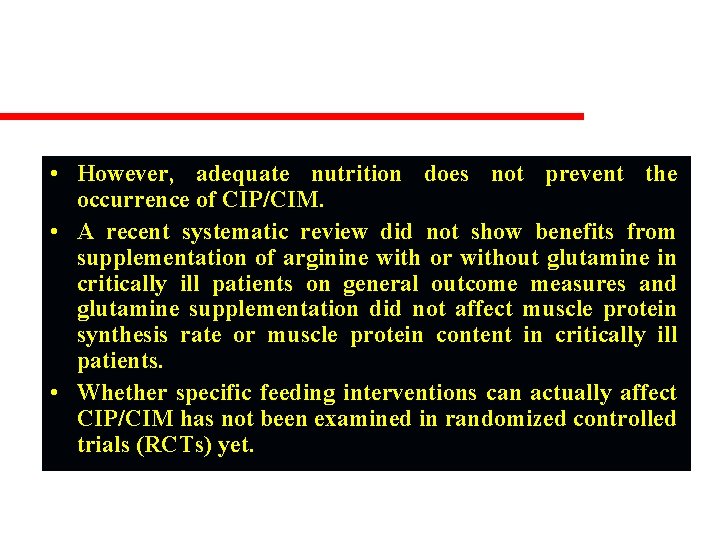
NUTRITION • However, adequate nutrition does not prevent the occurrence of CIP/CIM. • A recent systematic review did not show benefits from supplementation of arginine with or without glutamine in critically ill patients on general outcome measures and glutamine supplementation did not affect muscle protein synthesis rate or muscle protein content in critically ill patients. • Whether specific feeding interventions can actually affect CIP/CIM has not been examined in randomized controlled trials (RCTs) yet.
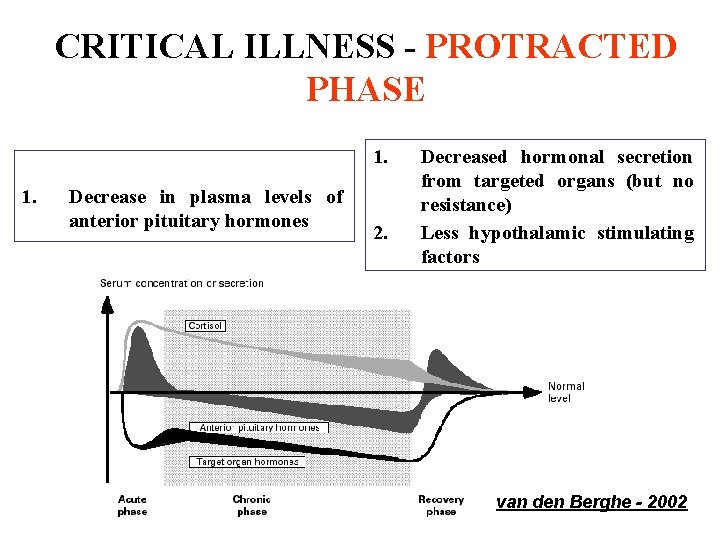
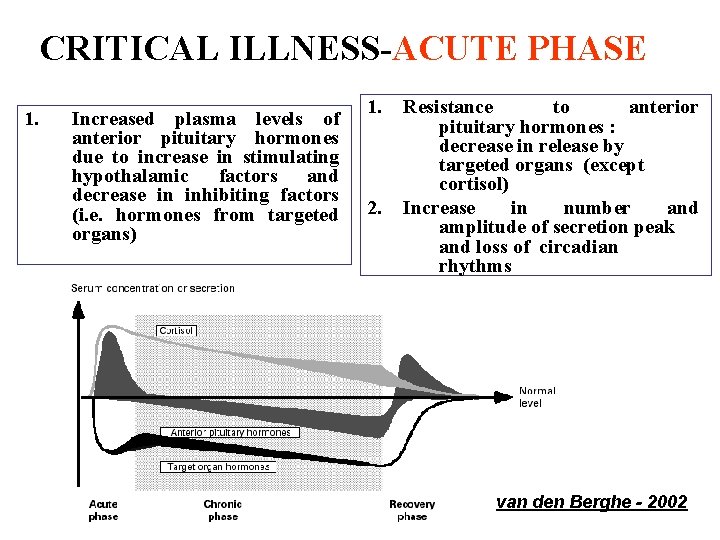
CRITICAL ILLNESS - PROTRACTED PHASE 1. 1. Decrease in plasma levels of anterior pituitary hormones 2. Decreased hormonal secretion from targeted organs (but no resistance) Less hypothalamic stimulating factors van den Berghe - 2002
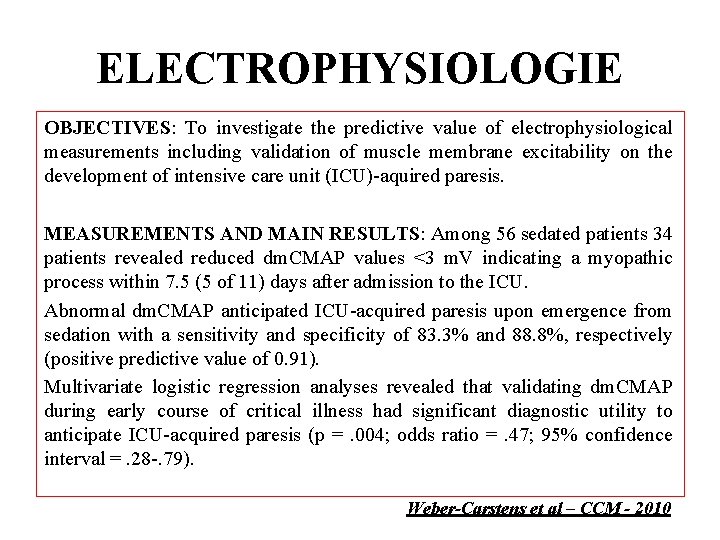
ELECTROPHYSIOLOGIE OBJECTIVES: To investigate the predictive value of electrophysiological measurements including validation of muscle membrane excitability on the development of intensive care unit (ICU)-aquired paresis. MEASUREMENTS AND MAIN RESULTS: Among 56 sedated patients 34 patients revealed reduced dm. CMAP values <3 m. V indicating a myopathic process within 7. 5 (5 of 11) days after admission to the ICU. Abnormal dm. CMAP anticipated ICU-acquired paresis upon emergence from sedation with a sensitivity and specificity of 83. 3% and 88. 8%, respectively (positive predictive value of 0. 91). Multivariate logistic regression analyses revealed that validating dm. CMAP during early course of critical illness had significant diagnostic utility to anticipate ICU-acquired paresis (p =. 004; odds ratio =. 47; 95% confidence interval =. 28 -. 79). Weber-Carstens et al – CCM - 2010
DETECTION EXAMEN CLINIQUE (ICU-AP) Avantages Inconvenients Simple Pertinent Due à la NMAR Conscients Retard diagnostique Neuropathie ENMG Myopathie (CIP/CIM/CINM) Détection précoce Muscle biopsy (CIM) Myopathie Pathophysiologie Disponibilité Artefacts Correlation? Invasive
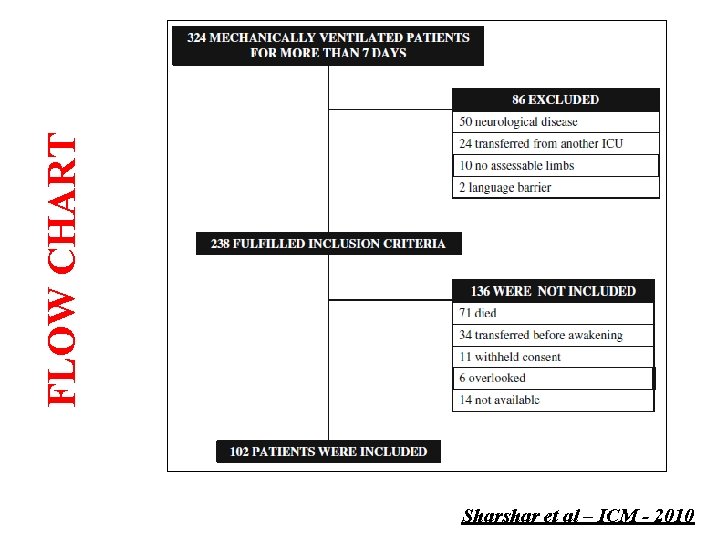
FLOW CHART Sharshar et al – ICM - 2010
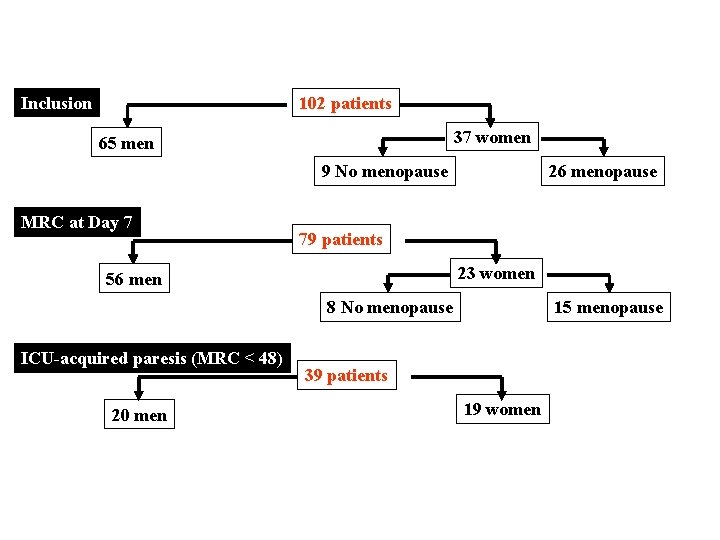
Inclusion 102 patients 37 women 65 men 9 No menopause MRC at Day 7 26 menopause 79 patients 23 women 56 men 8 No menopause ICU-acquired paresis (MRC < 48) 20 men 15 menopause 39 patients 19 women
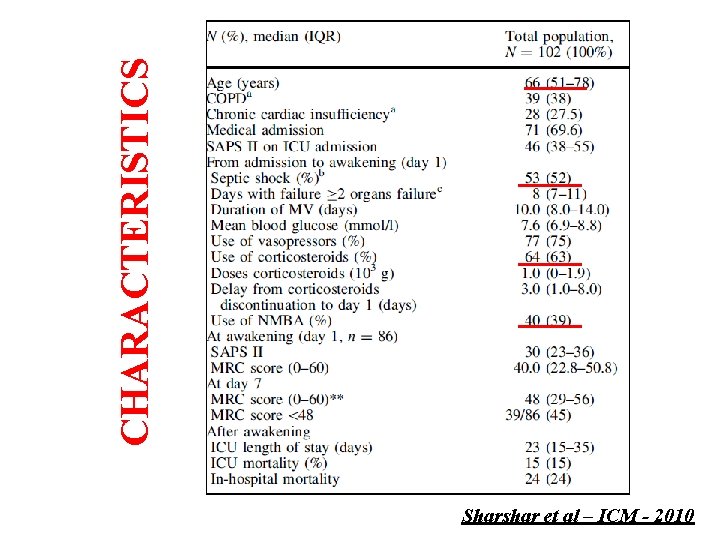
CHARACTERISTICS Sharshar et al – ICM - 2010
FORCE MUSCULAIRE MRC scale for muscle examination Kleyweg et al. - Muscle Nerve - 1991
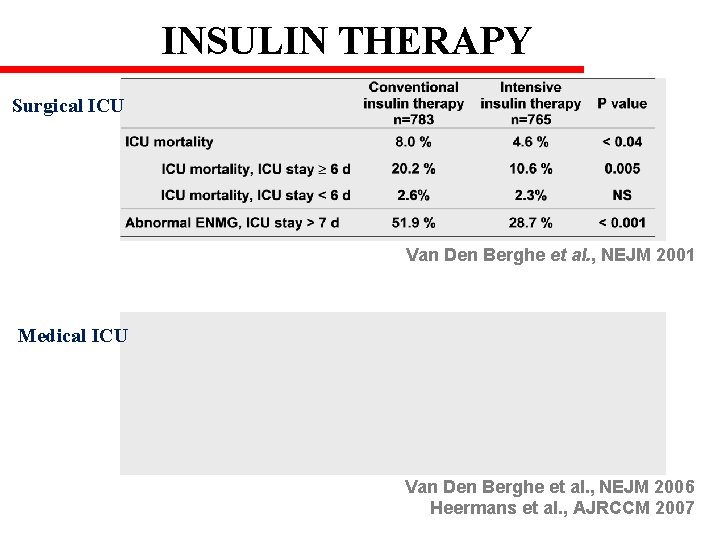
INSULIN THERAPY Surgical ICU Van Den Berghe et al. , NEJM 2001 Medical ICU Van Den Berghe et al. , NEJM 2006 Heermans et al. , AJRCCM 2007
CRITICAL ILLNESS-ACUTE PHASE 1. Increased plasma levels of anterior pituitary hormones due to increase in stimulating hypothalamic factors and decrease in inhibiting factors (i. e. hormones from targeted organs) 1. 2. Resistance to anterior pituitary hormones : decrease in release by targeted organs (except cortisol) Increase in number and amplitude of secretion peak and loss of circadian rhythms van den Berghe - 2002
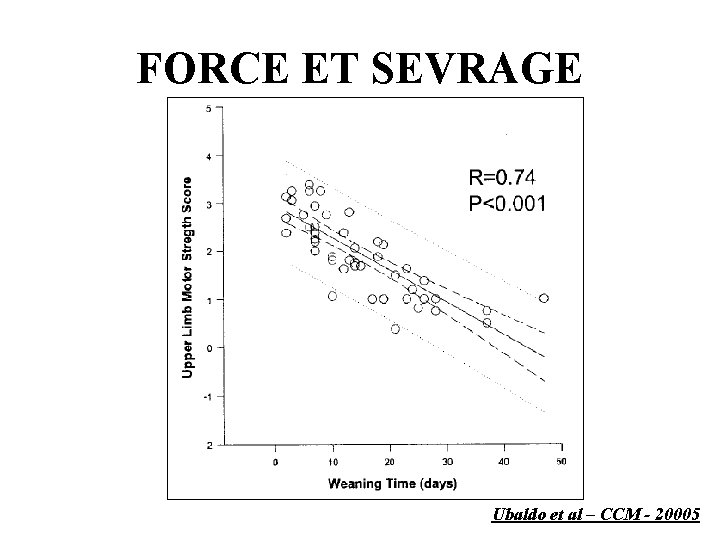
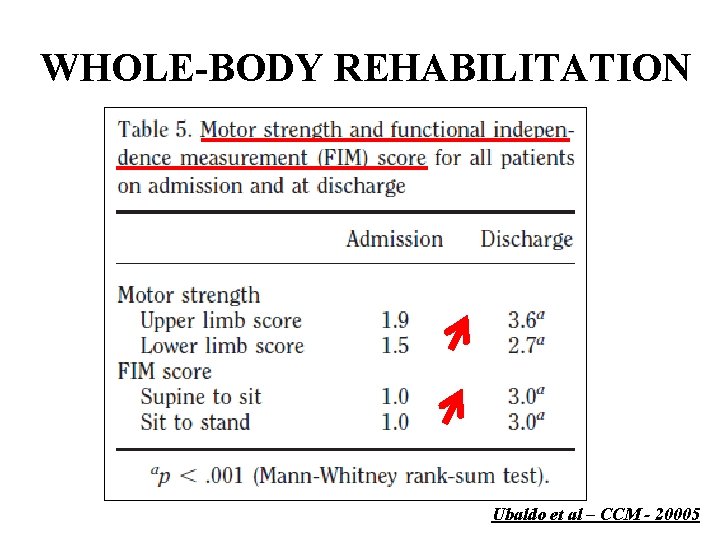
FORCE ET SEVRAGE Ubaldo et al – CCM - 20005
Intensive insulin therapy in critically ill patients Surgical ICU Van Den Berghe et al. , NEJM 2001 Medical ICU Van Den Berghe et al. , NEJM 2006 Heermans et al. , AJRCCM 2007
Intensive insulin therapy in ICU: unanswered questions 1/ Effect of IIT on clinical manifestations of CINM? 2/ Effect of IIT on survival? • Monocentric, Belgium [x 2] publiés • Multicentric, Germany (VISEP) publié • Multicentric, Europe (GLUCONTROL)publié • Multicentric, Australia & USA & Canada (NICE SUGAR) publié 6 mmol/l = 1. 1 gr/l And: would similar beneficial effects have been observed with adifferent EP critieria for CINM (reduced muscme CMAP instead of spontaneous electrical activity)
INTENSIVE INSULIN No effect on skeletal-muscle mitochondria Hermans et al – AJRCCM - 2007 Vanhorebeek et al - Lancet - 2006 Improves ENMG but effect on weakness is unknown
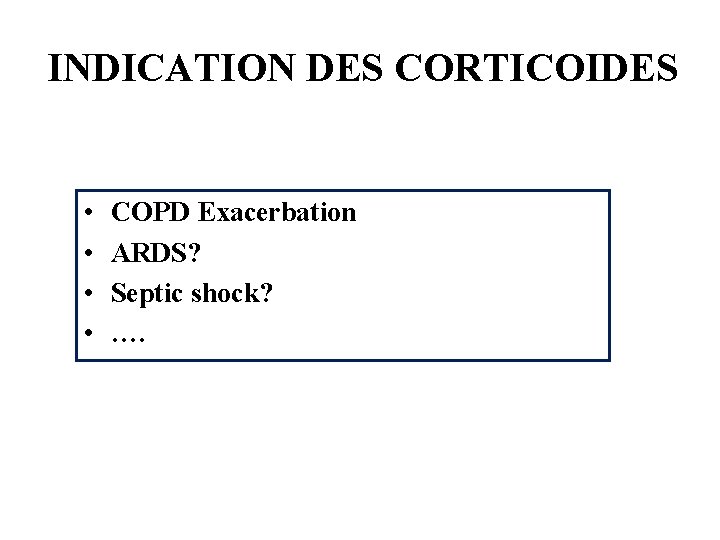
INDICATION DES CORTICOIDES • • COPD Exacerbation ARDS? Septic shock? ….
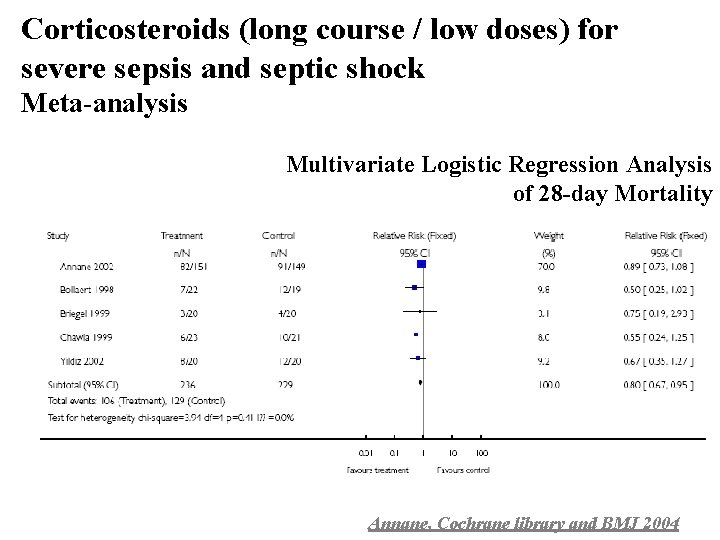
Corticosteroids (long course / low doses) for severe sepsis and septic shock Meta-analysis Multivariate Logistic Regression Analysis of 28 -day Mortality Annane, Cochrane library and BMJ 2004
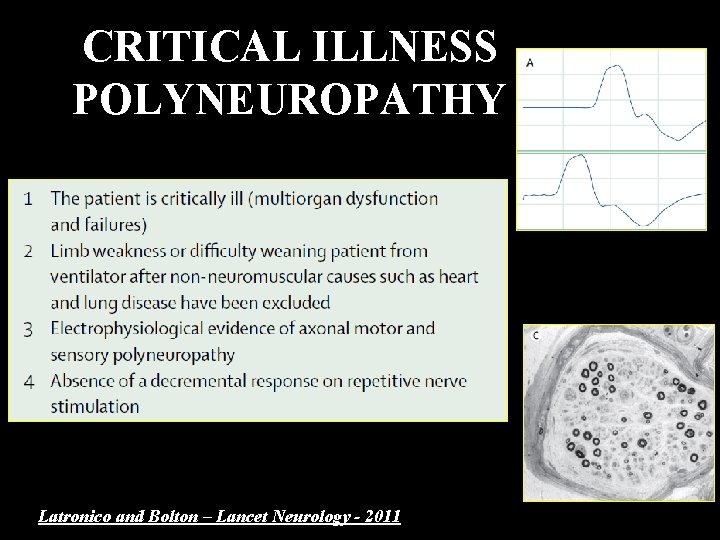
CRITICAL ILLNESS POLYNEUROPATHY Latronico and Bolton – Lancet Neurology - 2011
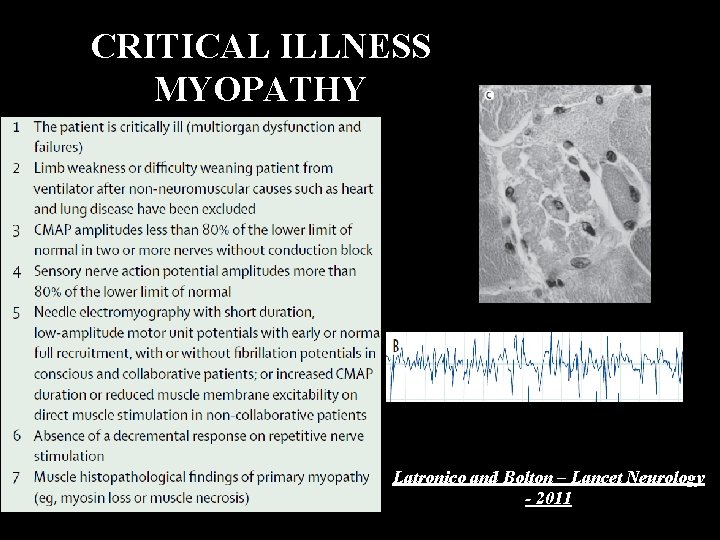
CRITICAL ILLNESS MYOPATHY Latronico and Bolton – Lancet Neurology - 2011
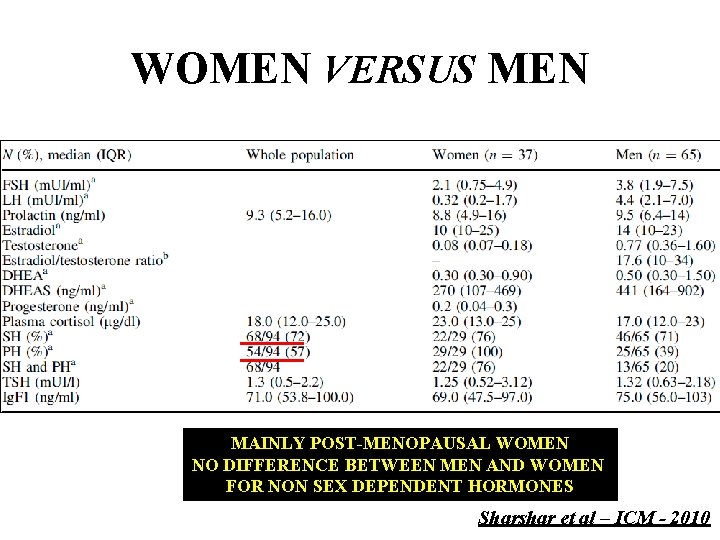
WOMEN VERSUS MEN MAINLY POST-MENOPAUSAL WOMEN NO DIFFERENCE BETWEEN MEN AND WOMEN FOR NON SEX DEPENDENT HORMONES Sharshar et al – ICM - 2010
RESULTS Correlation between Low Ig. F 1 and severe ICU-AP (MRC < 36/60) Sharshar et al – ICM - 2010
Sharshar et al – ICM - 2010
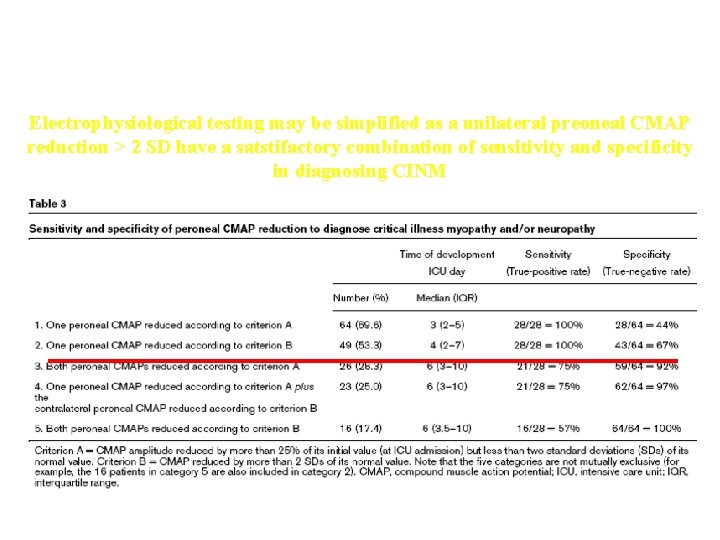
ELECTROPHYSIOLOGY Electrophysiological testing may be simplified as a unilateral preoneal CMAP reduction > 2 SD have a satstifactory combination of sensitivity and specificity in diagnosing CINM Latronico et al - Crit Care - 2007
DETECTION Schweickert and hall - Chest - 2007
Stevens et al – ICM - 2007
TYPOLOGY Latronico and Bolton – Lancet Neurology - 2011
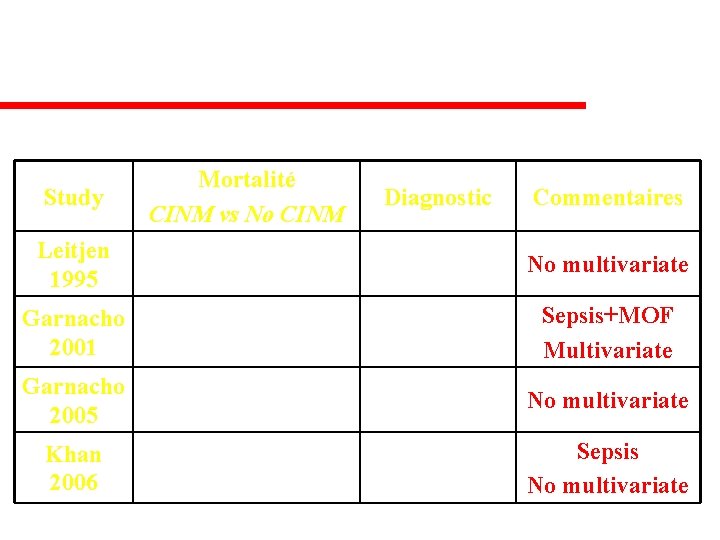
MORTALITY Study Mortalité CINM vs No CINM Leitjen 1995 48% vs 19% Garnacho 2001 Garnacho 2005 Khan 2006 84% vs 57% Diagnostic Commentaires EMG J 7 MV No multivariate EMG J 9 Sepsis+MOF Multivariate 20% vs 10% EMG at time No multivariate of weaning 55% vs 0% Sepsis No multivariate EMG J 3
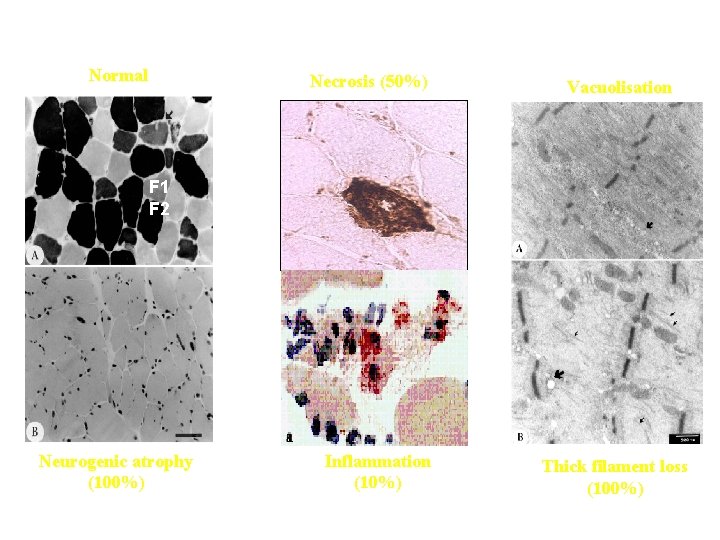
HISTOLOGY Normal Necrosis (50%) Vacuolisation F 1 F 2 Neurogenic atrophy (100%) Inflammation (10%) Thick filament loss (100%) De Jonghe et al –JAMA-2002
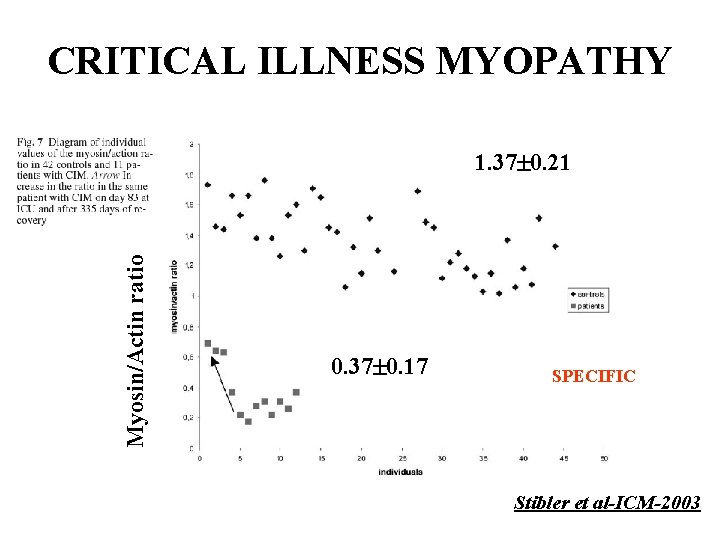
CRITICAL ILLNESS MYOPATHY Myosin/Actin ratio 1. 37 0. 21 0. 37 0. 17 SPECIFIC Stibler et al-ICM-2003
WHOLE-BODY REHABILITATION Ubaldo et al – CCM - 20005
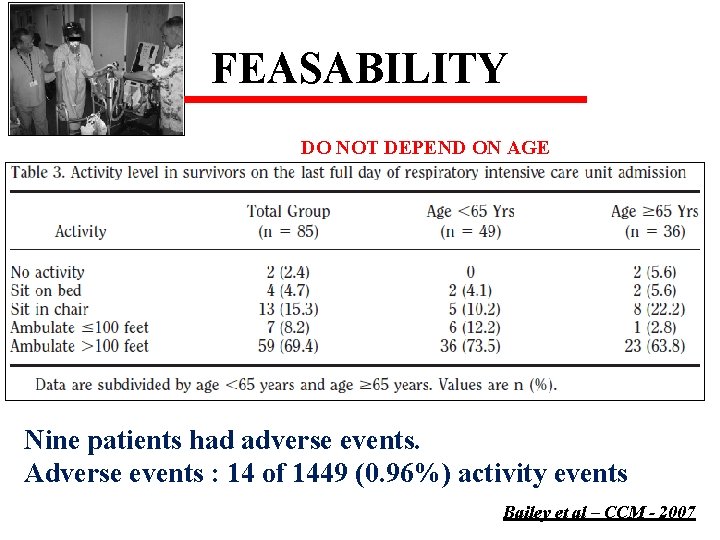
FEASABILITY DO NOT DEPEND ON AGE Nine patients had adverse events. Adverse events : 14 of 1449 (0. 96%) activity events Bailey et al – CCM - 2007
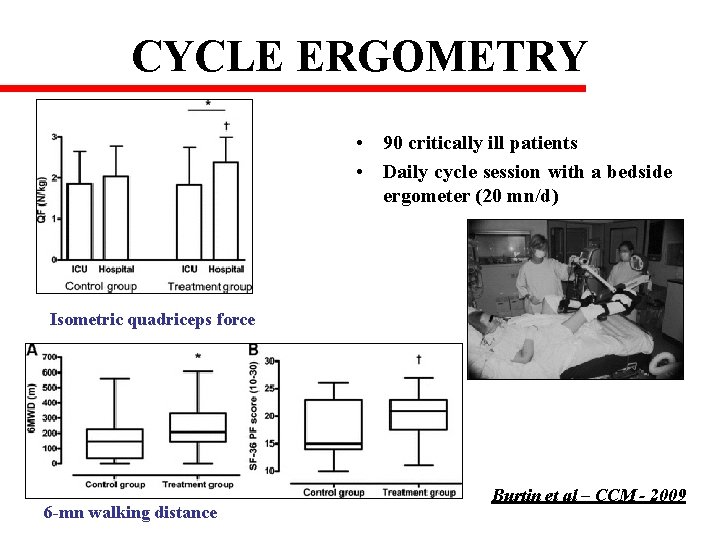
CYCLE ERGOMETRY • 90 critically ill patients • Daily cycle session with a bedside ergometer (20 mn/d) Isometric quadriceps force 6 -mn walking distance Burtin et al – CCM - 2009
EARLY MOBILITY Morris et al – CCM - 2007
SEDATION • Absent of tendon reflexes after 24 hours of sedation is associated with ICU-acquired paresis • Sedatives depress reflex arc at the spinal level => decreased muscle tone N=81 All present Patellar or Bicipital All abolished Non ICU-AP (n=51; 63%) 32 (75%) 8 (62%) 10 (42%) ICU-AP (n=30, 37%) 11 (25%) 5 (38%) 14 (58%) p 0. 02 Rohaut et al - Submitted
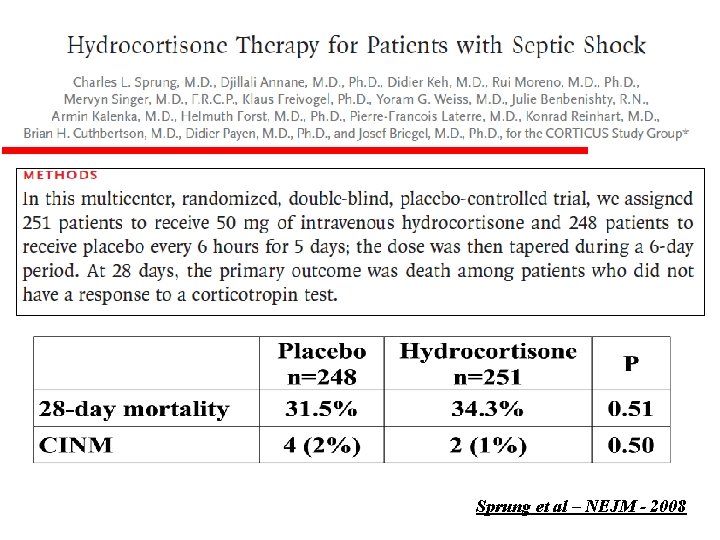
Sprung et al – NEJM - 2008
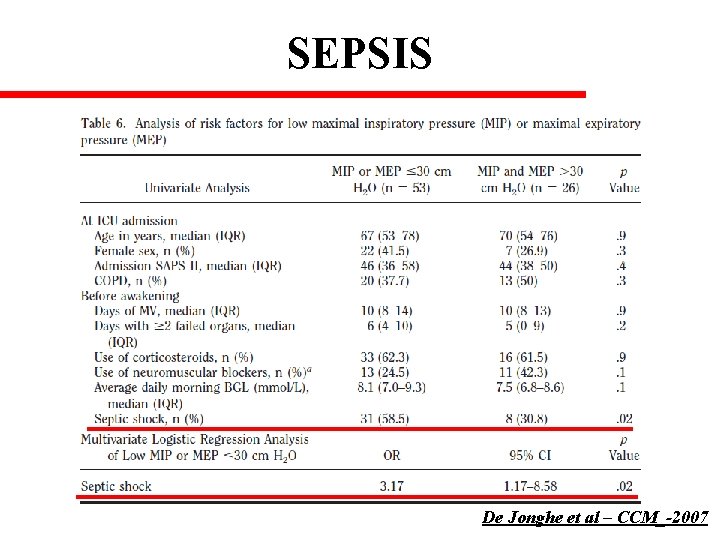
SEPSIS De Jonghe et al – CCM_-2007
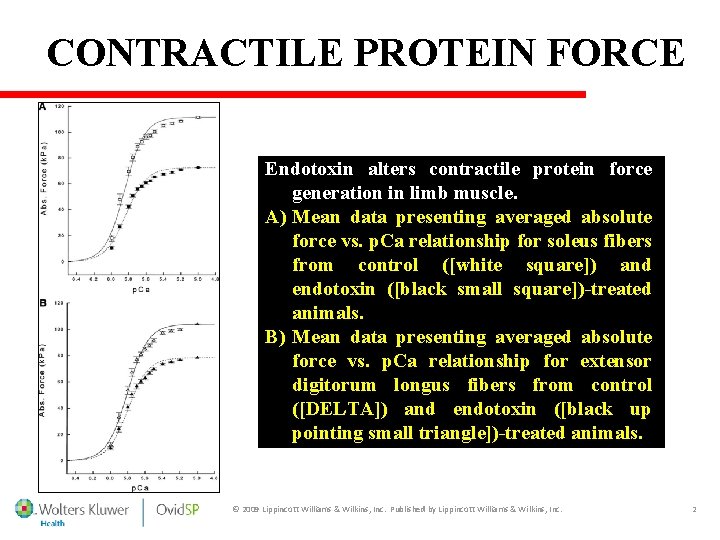
CONTRACTILE PROTEIN FORCE Endotoxin alters contractile protein force generation in limb muscle. A) Mean data presenting averaged absolute force vs. p. Ca relationship for soleus fibers from control ([white square]) and endotoxin ([black small square])-treated animals. B) Mean data presenting averaged absolute force vs. p. Ca relationship for extensor digitorum longus fibers from control ([DELTA]) and endotoxin ([black up pointing small triangle])-treated animals. © 2009 Lippincott Williams & Wilkins, Inc. Published by Lippincott Williams & Wilkins, Inc. 2
INSULIN 1. Reduces muscle protein breakdown 2. Immobility and critical illness reduces insulin-sensitive muscle glucose transporter, GLUT 4 3. Critical illness up-regulates GLUT 1 and 3, risk of glucose overloading 4. Insulin normalizes GLUT-4 expression, decreasing insulin-resistance 5. Insulin downregulates GLUT 1 and 3 Hermans et al – CCM - 2009
HORMONES • In more than two-third of patients, irrespective of gender, protracted critical illness is associated with – low plasma Ig. F 1 levels – secondary hypogonadism • ICUAP is more frequent in women • No hormonal disturbance to explain this association between gender and ICU-AP. Sharshar et al – ICM - 2010