
Neuromuscular Function Neuron Motor Unit Neurotransmitters Muscle contraction
- Slides: 19
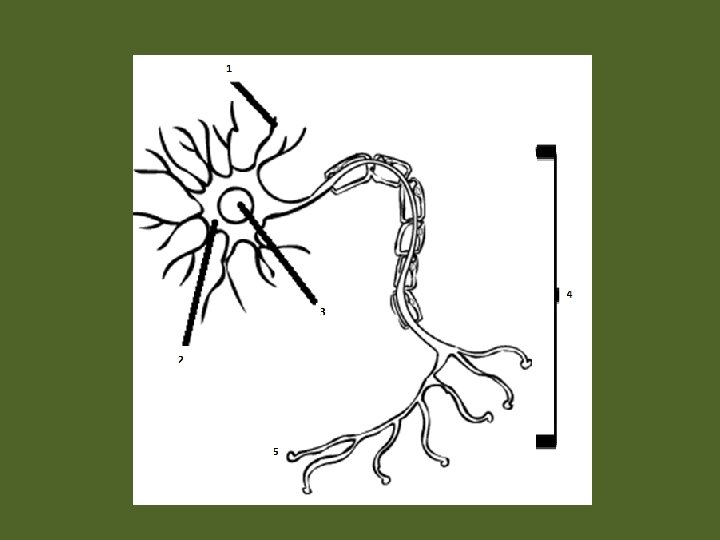
Neuromuscular Function -Neuron -Motor Unit -Neurotransmitters - Muscle contraction
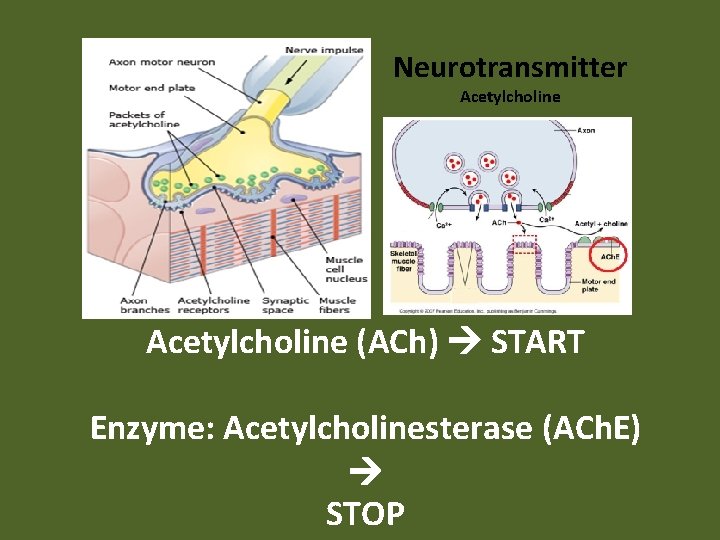
Neurotransmitter Acetylcholine (ACh) START Enzyme: Acetylcholinesterase (ACh. E) STOP
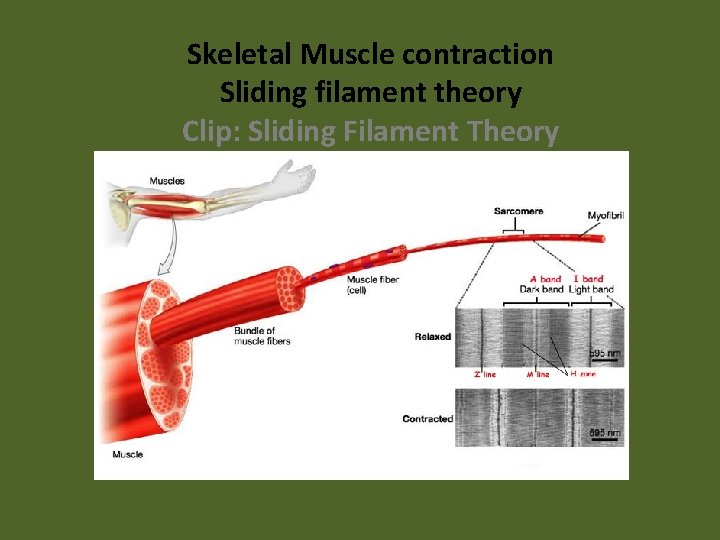
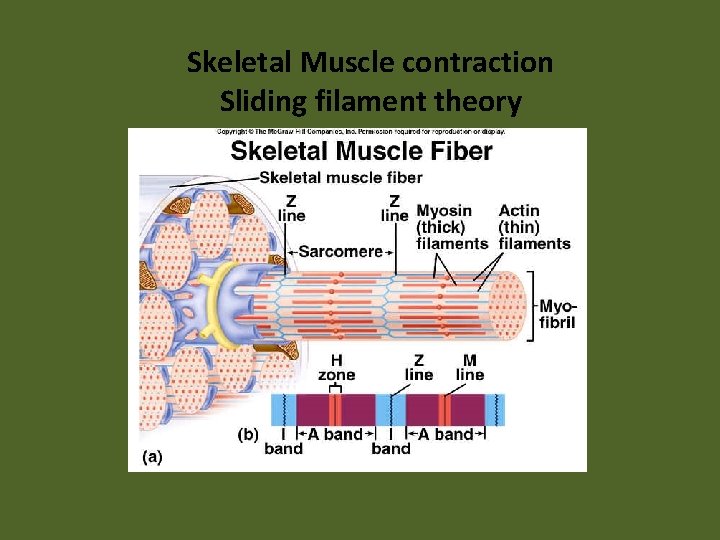
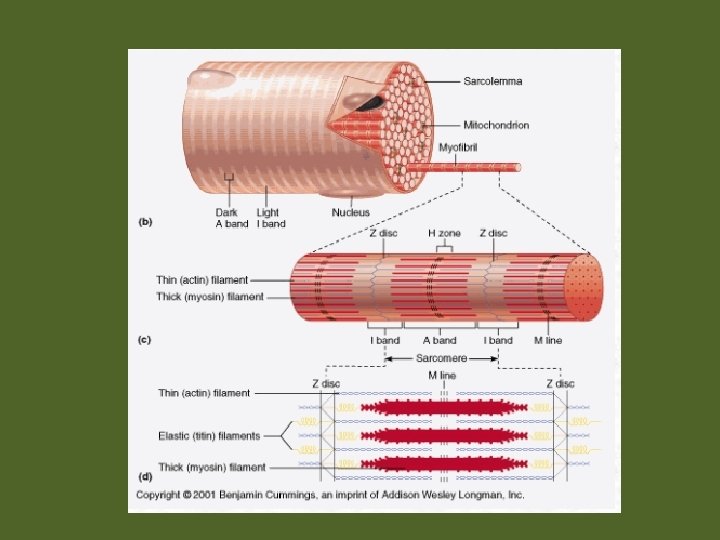
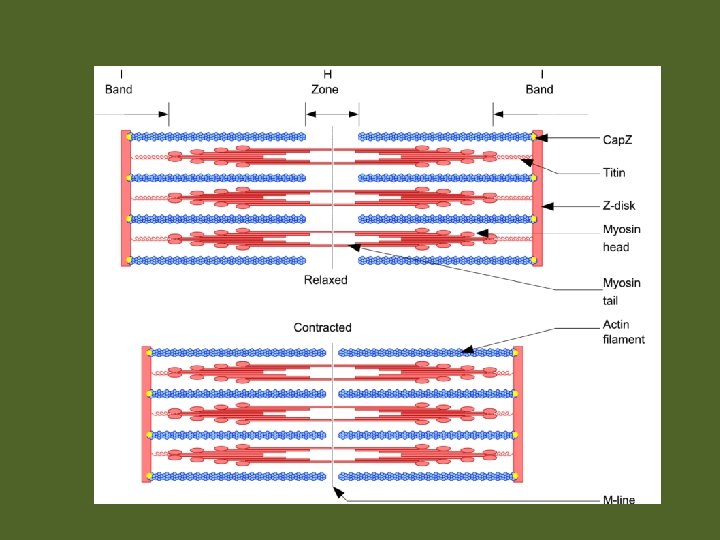
Skeletal Muscle contraction Sliding filament theory Clip: Sliding Filament Theory
Skeletal Muscle contraction Sliding filament theory
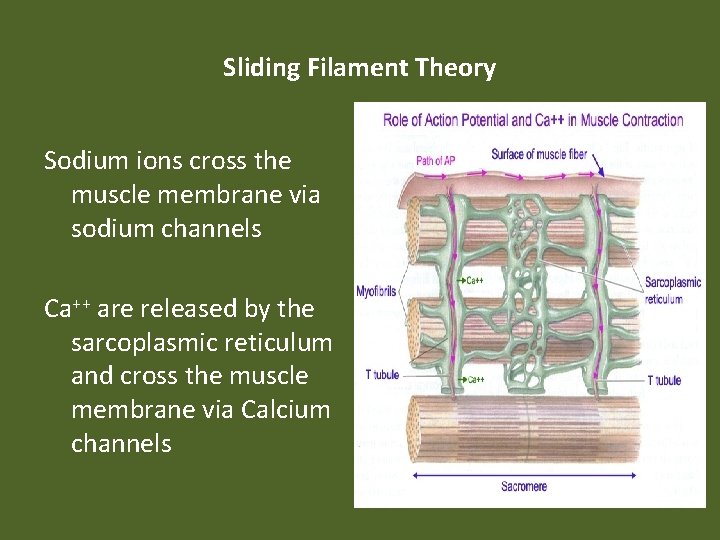
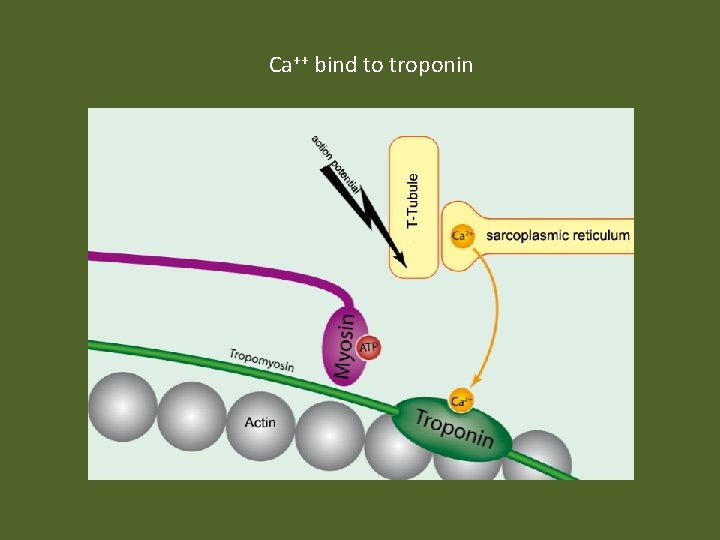
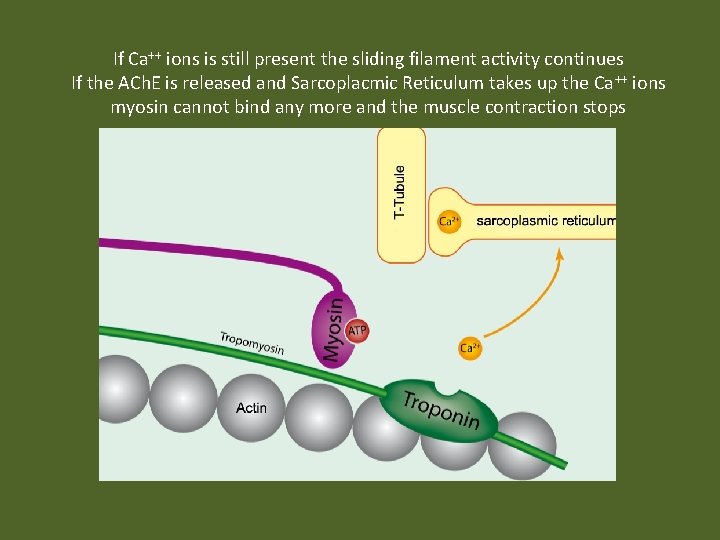
Sliding Filament Theory Sodium ions cross the muscle membrane via sodium channels Ca++ are released by the sarcoplasmic reticulum and cross the muscle membrane via Calcium channels
Ca++ bind to troponin
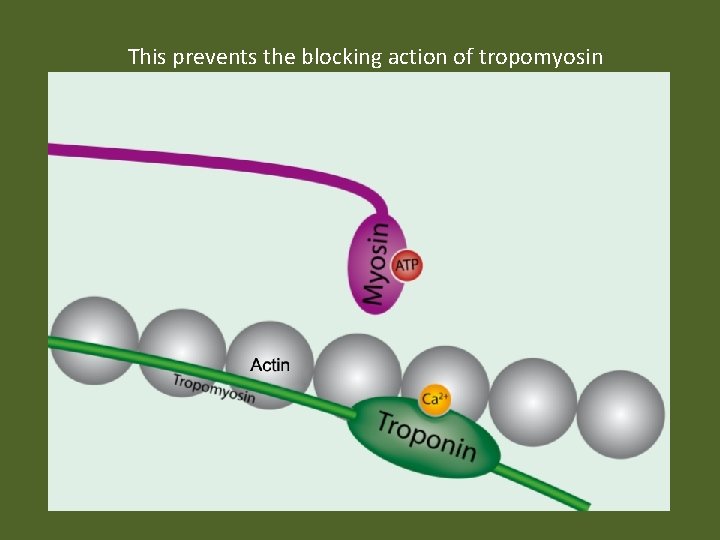
This prevents the blocking action of tropomyosin
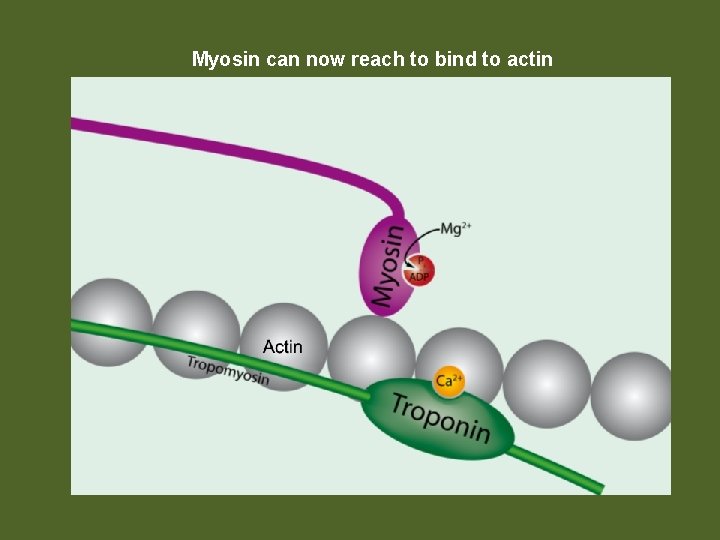
Myosin can now reach to bind to actin
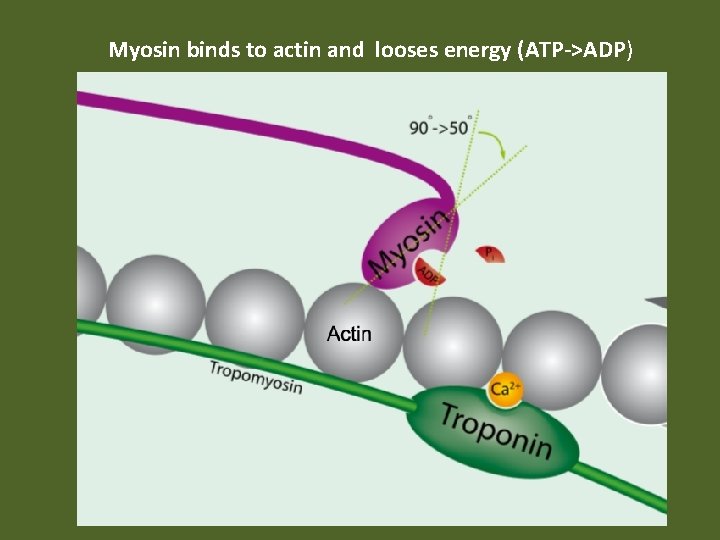
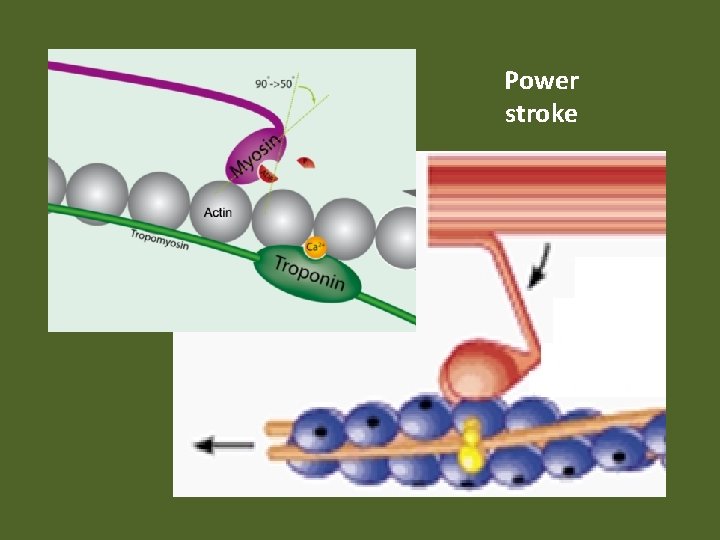
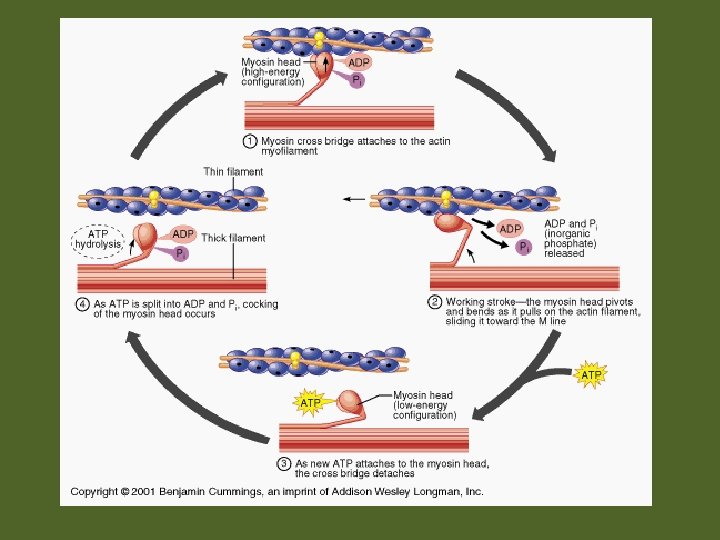
Myosin binds to actin and looses energy (ATP->ADP)
Power stroke
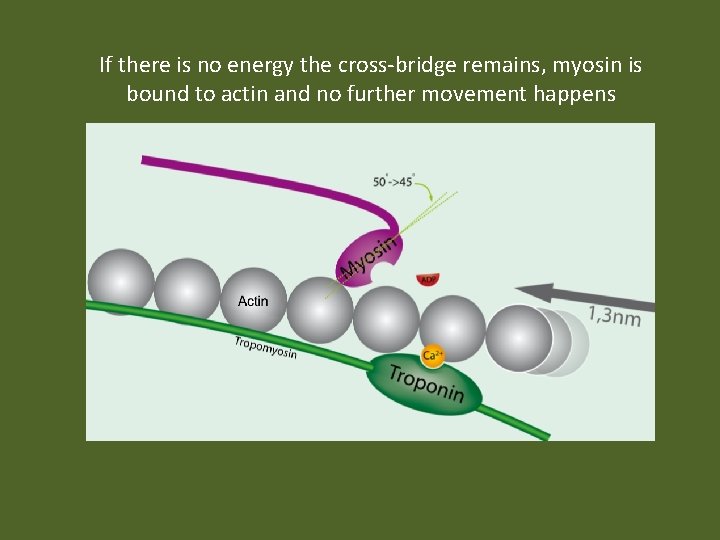
If there is no energy the cross-bridge remains, myosin is bound to actin and no further movement happens
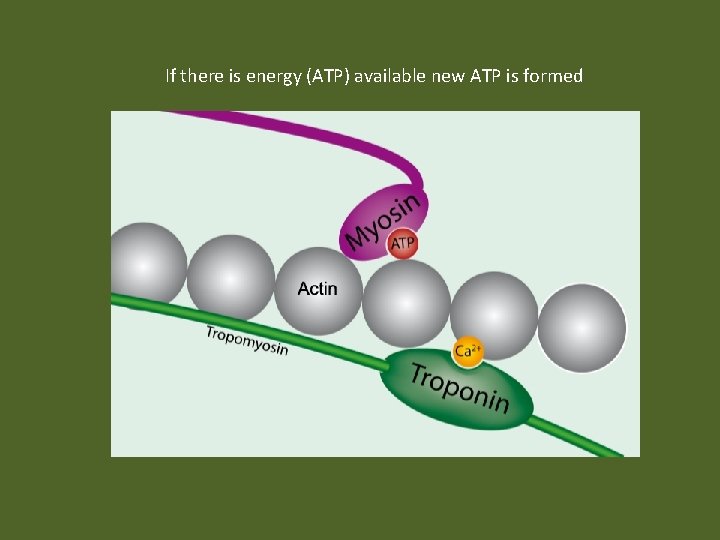
If there is energy (ATP) available new ATP is formed
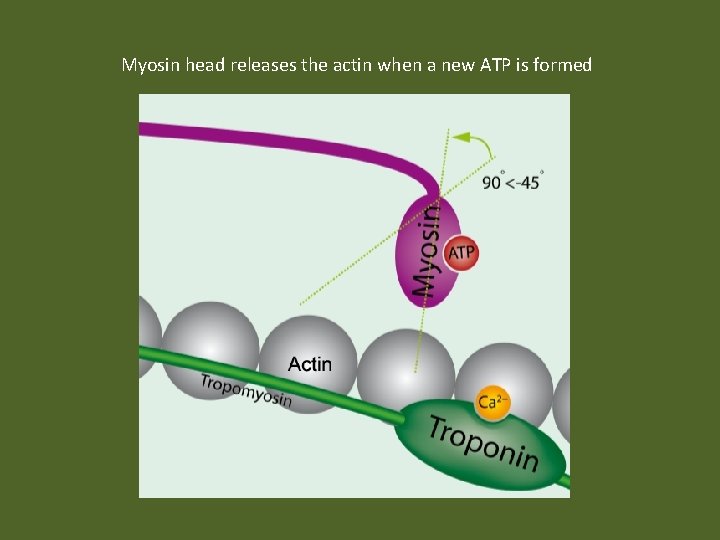
Myosin head releases the actin when a new ATP is formed
If Ca++ ions is still present the sliding filament activity continues If the ACh. E is released and Sarcoplacmic Reticulum takes up the Ca++ ions myosin cannot bind any more and the muscle contraction stops
Resources www. medcitynews. com/2012/01/biotech-startup-puts-new-spin-onregenerative-medicine-for-nervous-system-repair/neuron-axondendrites/&ig=http: //t 2. gstatic. com/images? q=tbn: ANd 9 Gc. Rp_Ye 1 o. E mu. P 2 ribt 1 YGv 1 yf. BOc. Tpcil 7 Q_Hf. S 7 DFu. P 4 Qya. Qi 82 c 2 Gpqo&h=350&w=350&q=dendrites+neuron+axon&bab src=HP_ss http: //upload. wikimedia. org/wikipedia/commons/1/10/Muskelmolekulartranslation. png http: //www. youtube. com/watch? v=hz. XVe 4 RS 8 -A http: //www. youtube. com/watch? v=Ed. Hz. KYDxr. Kc http: //www. youtube. com/watch? v=e 3 Nq-P 1 ww 5 E&feature=related