
Neurologic Disease in the Arts By Scot D
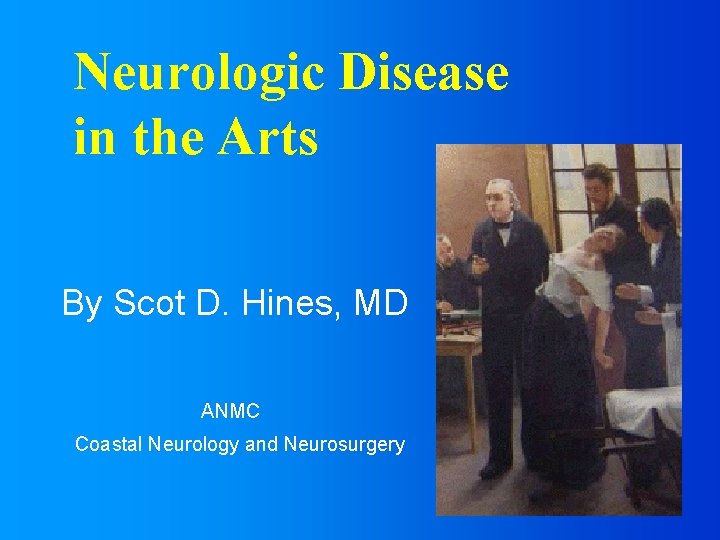
Neurologic Disease in the Arts By Scot D. Hines, MD ANMC Coastal Neurology and Neurosurgery
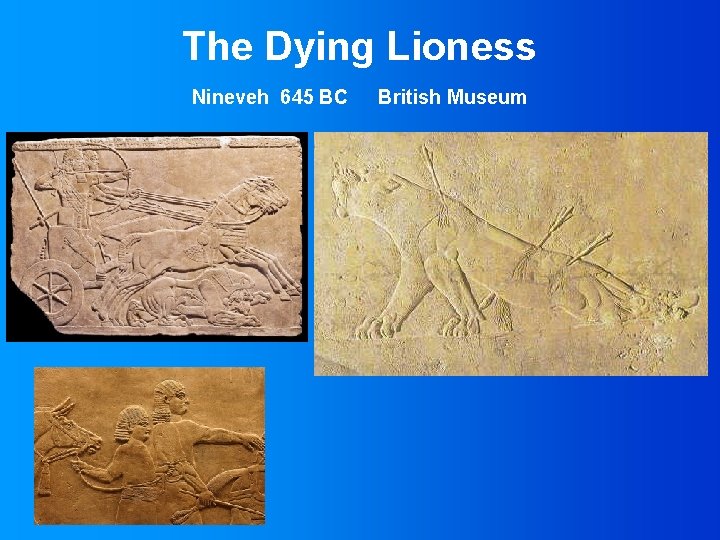
The Dying Lioness Nineveh 645 BC British Museum
Differential Diagnois of Thoracic Paraplegia • 7 th century BC: Trauma; infections • 21 st century 1. trauma (MVA, GSW…) 2. Tumors (Metastatic, 1 o) 3. Transverse myelitis
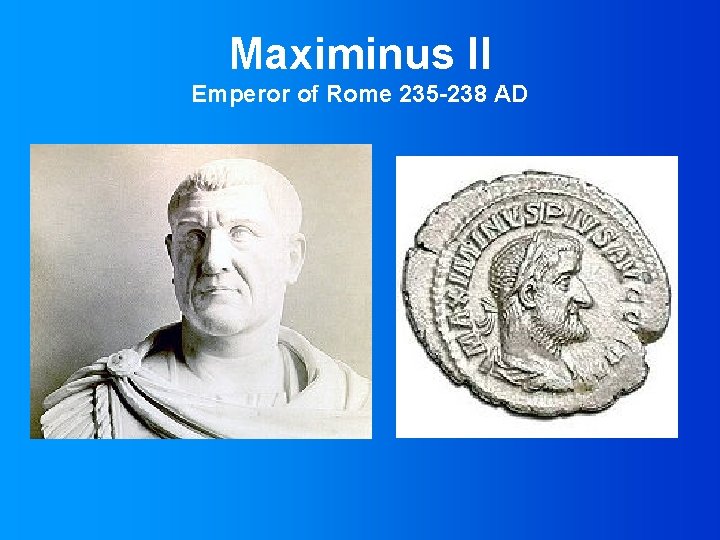
Maximinus II Emperor of Rome 235 -238 AD
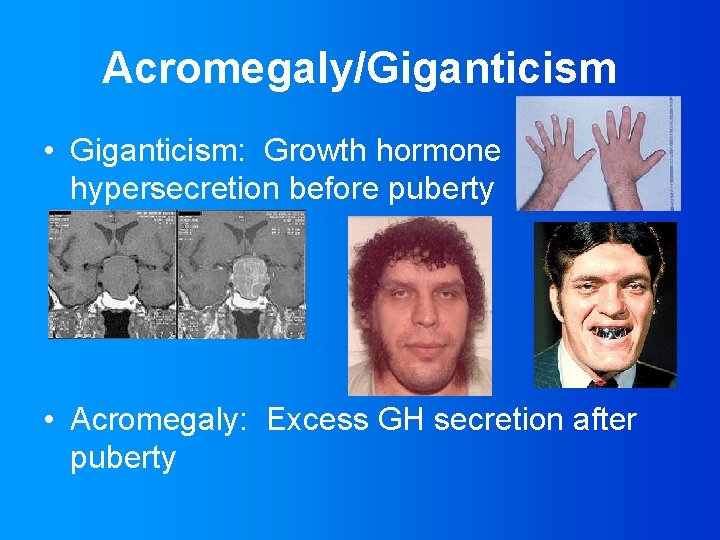
Acromegaly/Giganticism • Giganticism: Growth hormone hypersecretion before puberty • Acromegaly: Excess GH secretion after puberty
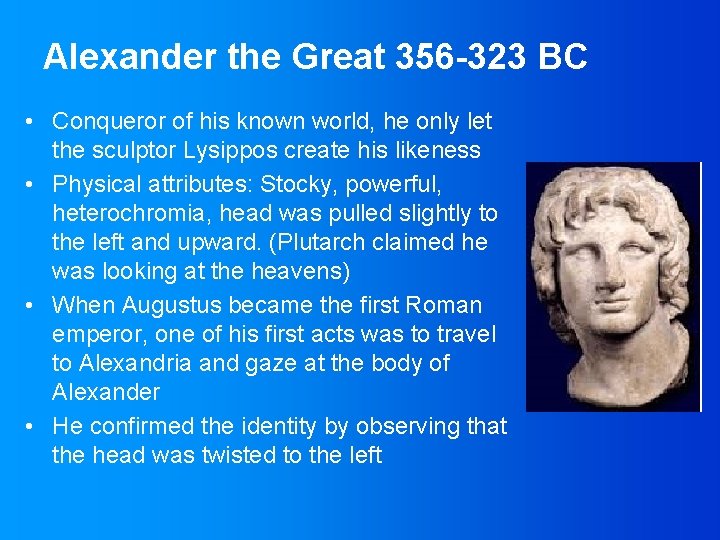
Alexander the Great 356 -323 BC • Conqueror of his known world, he only let the sculptor Lysippos create his likeness • Physical attributes: Stocky, powerful, heterochromia, head was pulled slightly to the left and upward. (Plutarch claimed he was looking at the heavens) • When Augustus became the first Roman emperor, one of his first acts was to travel to Alexandria and gaze at the body of Alexander • He confirmed the identity by observing that the head was twisted to the left
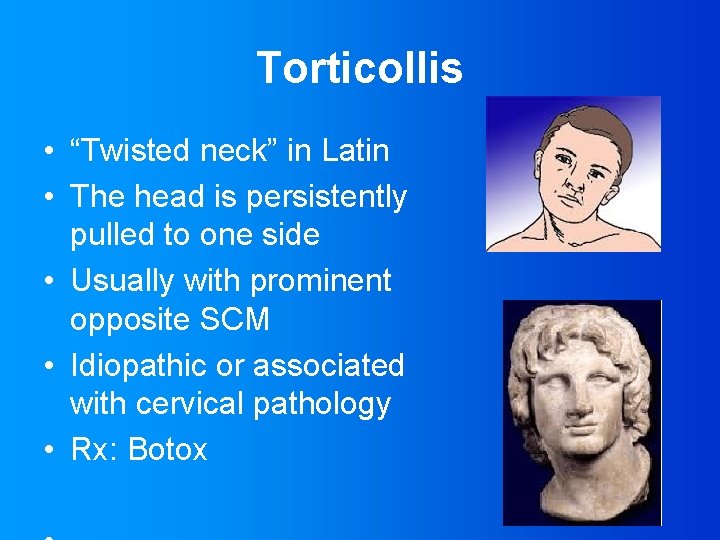
Torticollis • “Twisted neck” in Latin • The head is persistently pulled to one side • Usually with prominent opposite SCM • Idiopathic or associated with cervical pathology • Rx: Botox
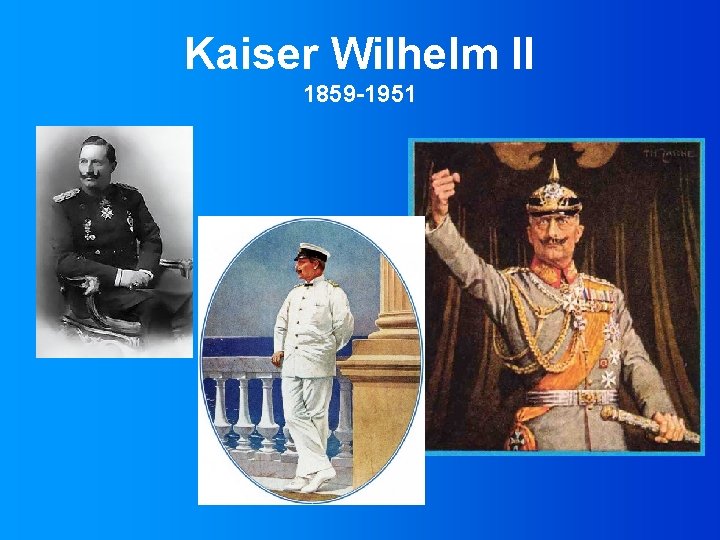
Kaiser Wilhelm II 1859 -1951
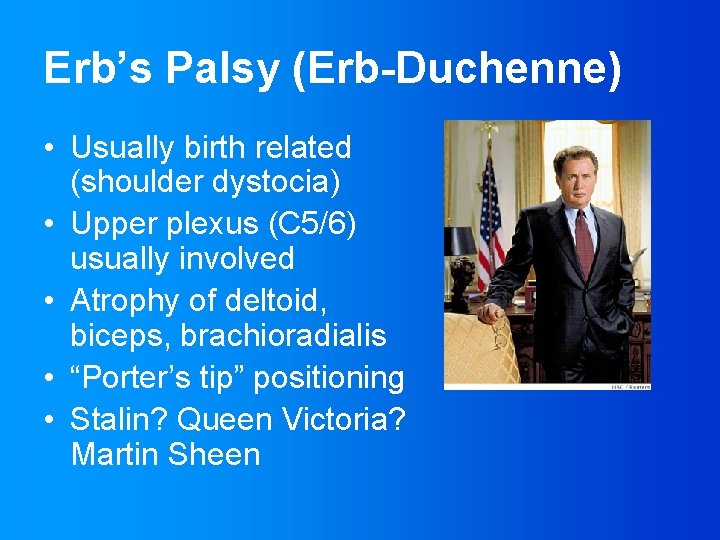
Erb’s Palsy (Erb-Duchenne) • Usually birth related (shoulder dystocia) • Upper plexus (C 5/6) usually involved • Atrophy of deltoid, biceps, brachioradialis • “Porter’s tip” positioning • Stalin? Queen Victoria? Martin Sheen

Jose Ribera The Clubfoot 1642 (Louve)
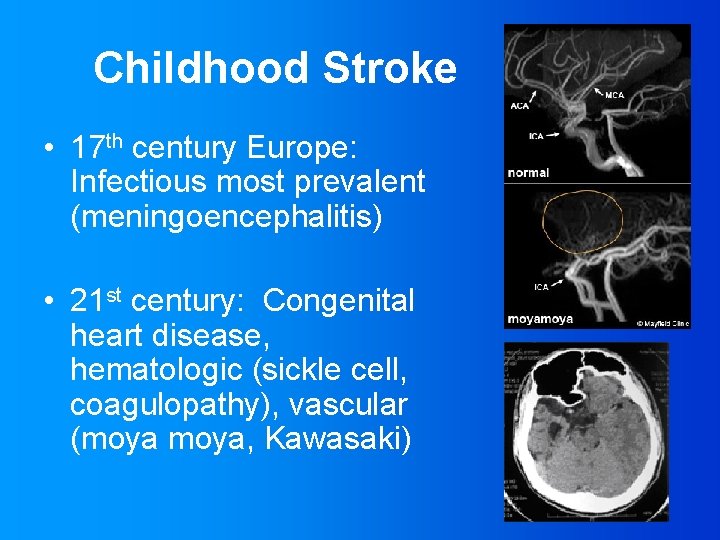
Childhood Stroke • 17 th century Europe: Infectious most prevalent (meningoencephalitis) • 21 st century: Congenital heart disease, hematologic (sickle cell, coagulopathy), vascular (moya, Kawasaki)
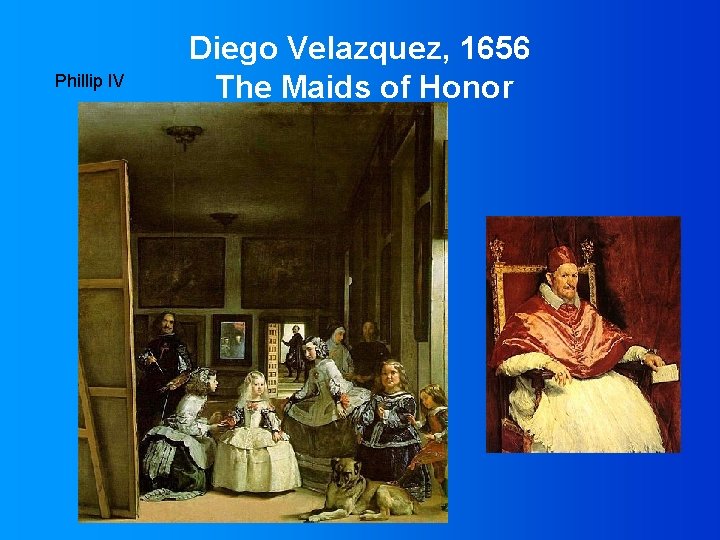
Phillip IV Diego Velazquez, 1656 The Maids of Honor
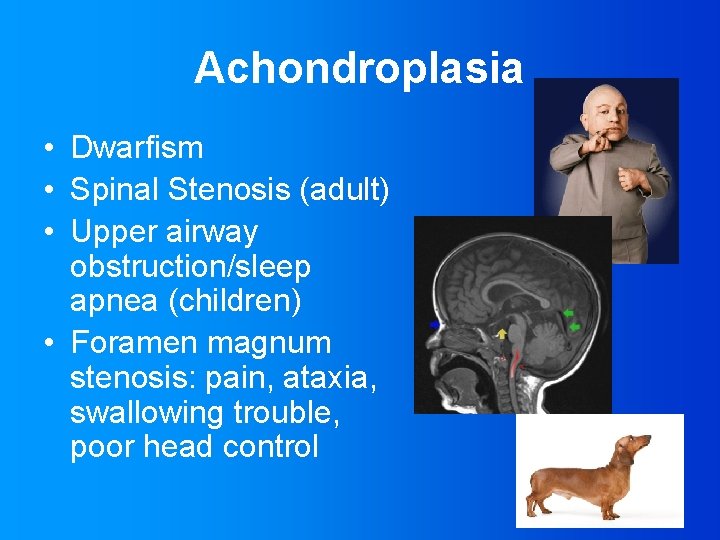
Achondroplasia • Dwarfism • Spinal Stenosis (adult) • Upper airway obstruction/sleep apnea (children) • Foramen magnum stenosis: pain, ataxia, swallowing trouble, poor head control
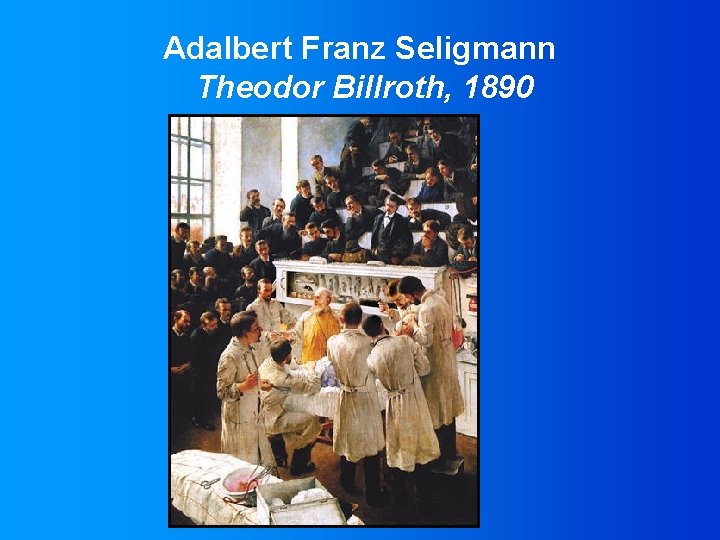
Adalbert Franz Seligmann Theodor Billroth, 1890
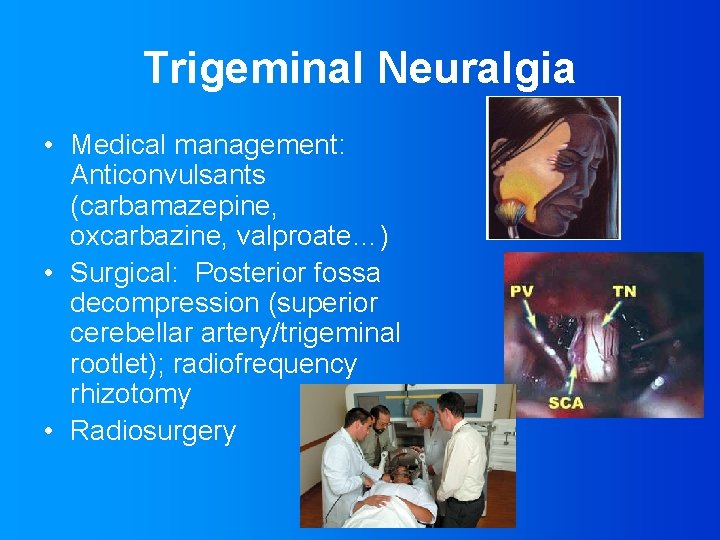
Trigeminal Neuralgia • Medical management: Anticonvulsants (carbamazepine, oxcarbazine, valproate…) • Surgical: Posterior fossa decompression (superior cerebellar artery/trigeminal rootlet); radiofrequency rhizotomy • Radiosurgery
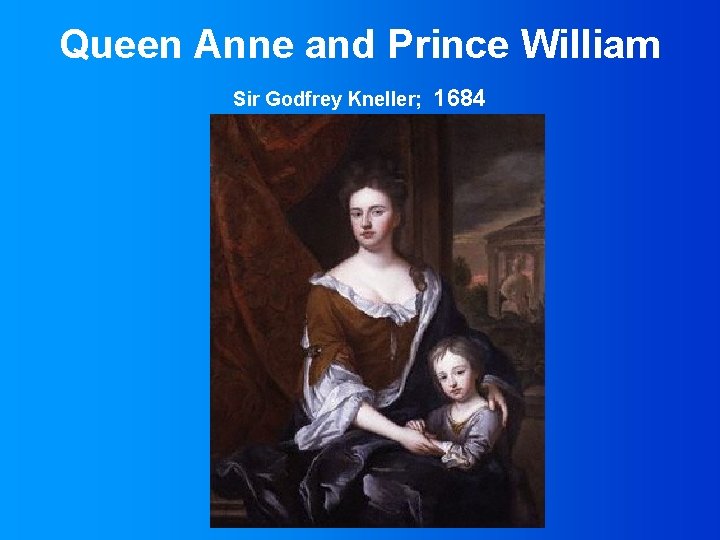
Queen Anne and Prince William Sir Godfrey Kneller; 1684
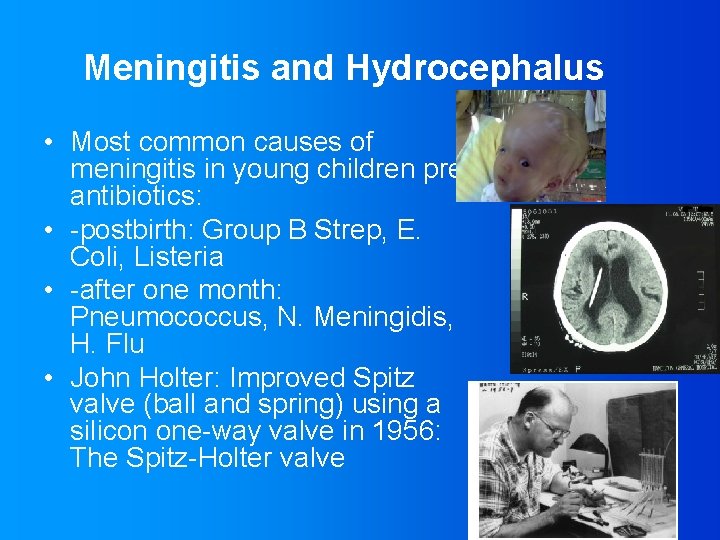
Meningitis and Hydrocephalus • Most common causes of meningitis in young children preantibiotics: • -postbirth: Group B Strep, E. Coli, Listeria • -after one month: Pneumococcus, N. Meningidis, H. Flu • John Holter: Improved Spitz valve (ball and spring) using a silicon one-way valve in 1956: The Spitz-Holter valve

Aztec goddess Tlazolteotl Florentine Codex, mid 16 th century
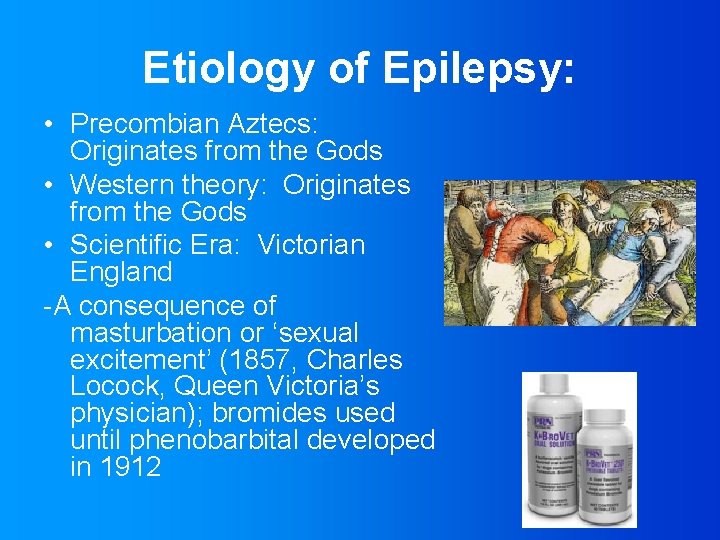
Etiology of Epilepsy: • Precombian Aztecs: Originates from the Gods • Western theory: Originates from the Gods • Scientific Era: Victorian England -A consequence of masturbation or ‘sexual excitement’ (1857, Charles Locock, Queen Victoria’s physician); bromides used until phenobarbital developed in 1912
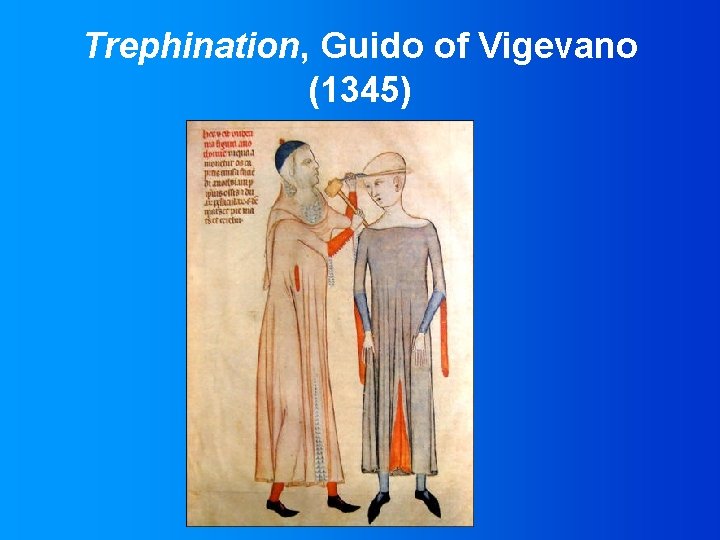
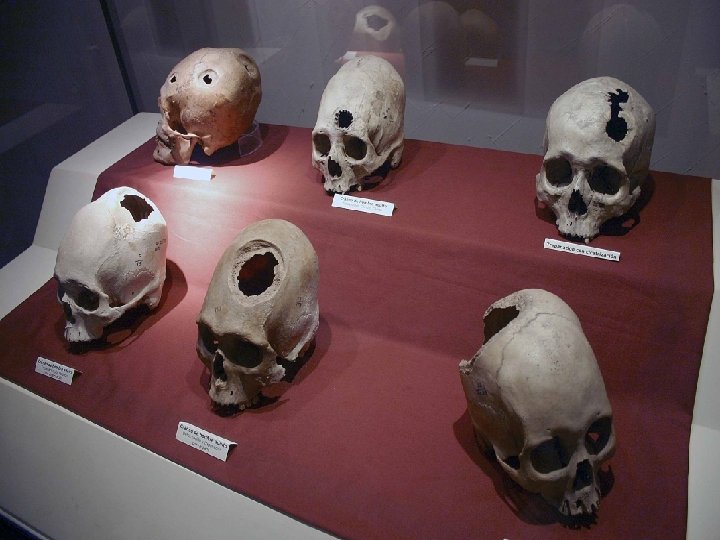
Trephination, Guido of Vigevano (1345)
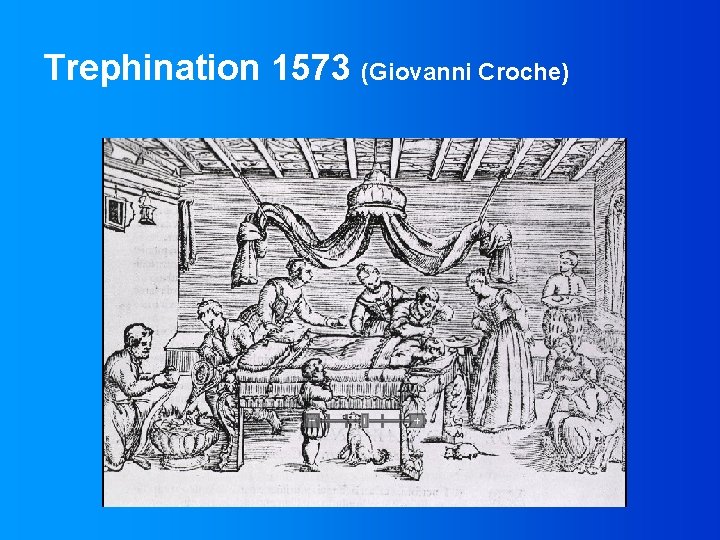
Trephination 1573 (Giovanni Croche)
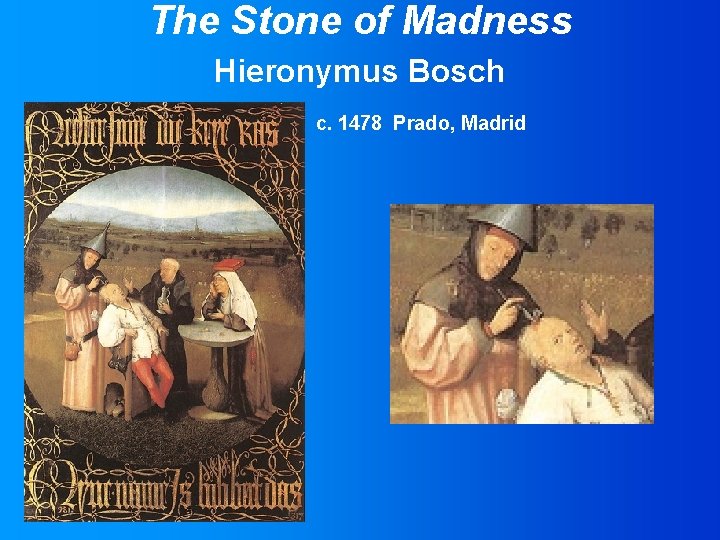
The Stone of Madness Hieronymus Bosch c. 1478 Prado, Madrid
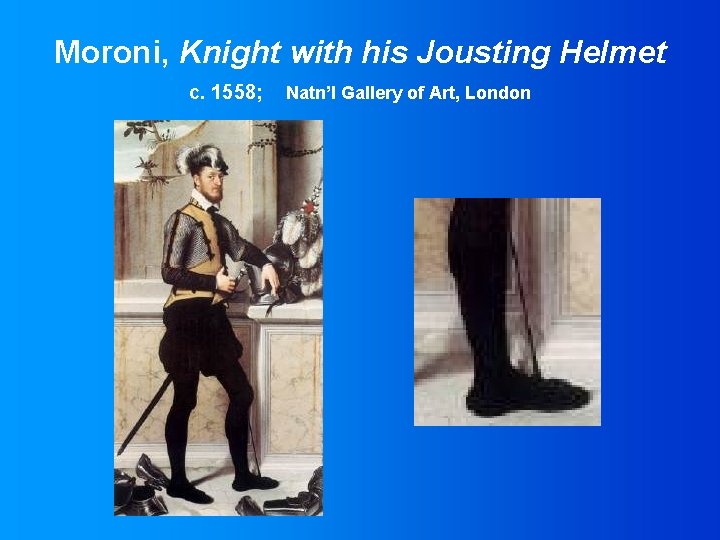
Moroni, Knight with his Jousting Helmet c. 1558; Natn’l Gallery of Art, London
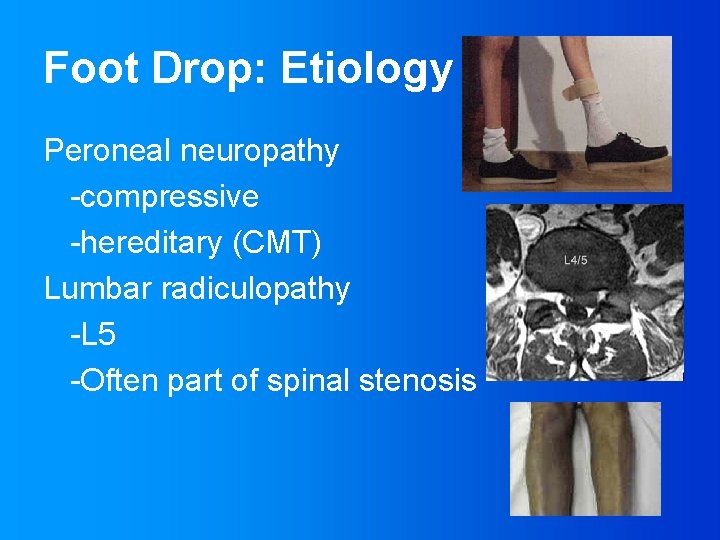
Foot Drop: Etiology Peroneal neuropathy -compressive -hereditary (CMT) Lumbar radiculopathy -L 5 -Often part of spinal stenosis
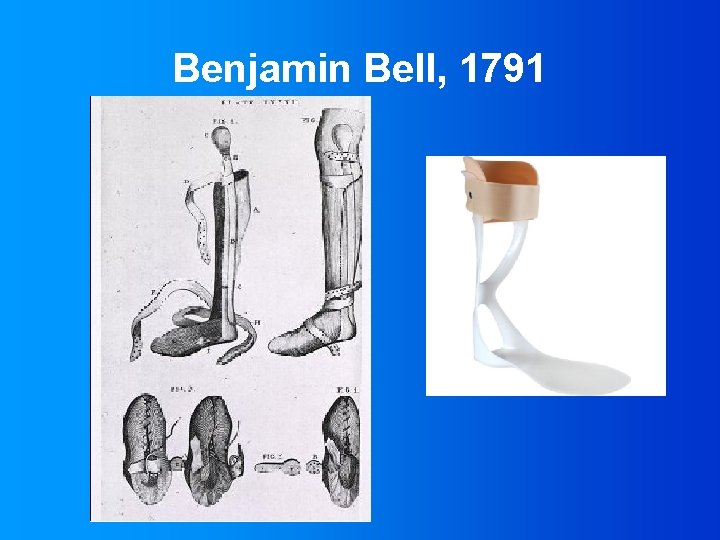
Benjamin Bell, 1791

The Canon and the Virgin Jan Van Eyck Bruges, Belgium 1436
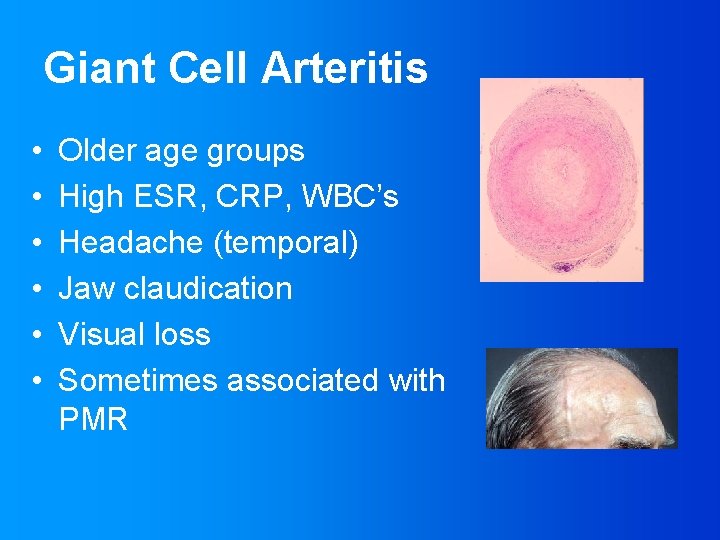
Giant Cell Arteritis • • • Older age groups High ESR, CRP, WBC’s Headache (temporal) Jaw claudication Visual loss Sometimes associated with PMR
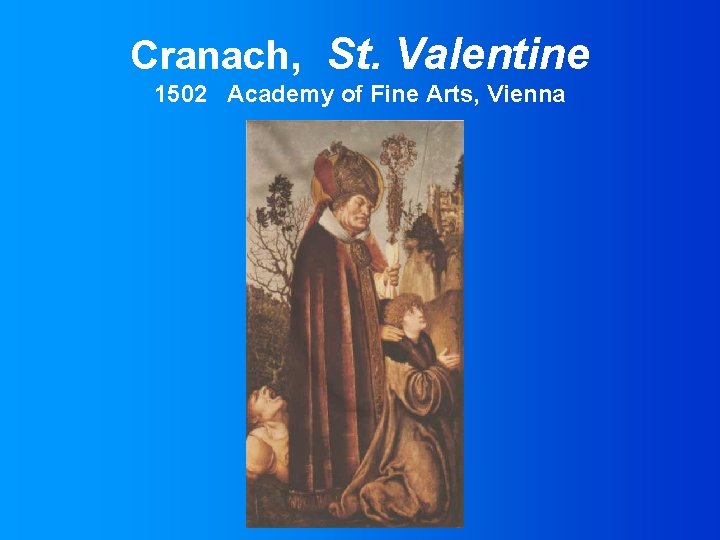
Cranach, St. Valentine 1502 Academy of Fine Arts, Vienna

Raphael, The Transfiguration 1520 The Vatican
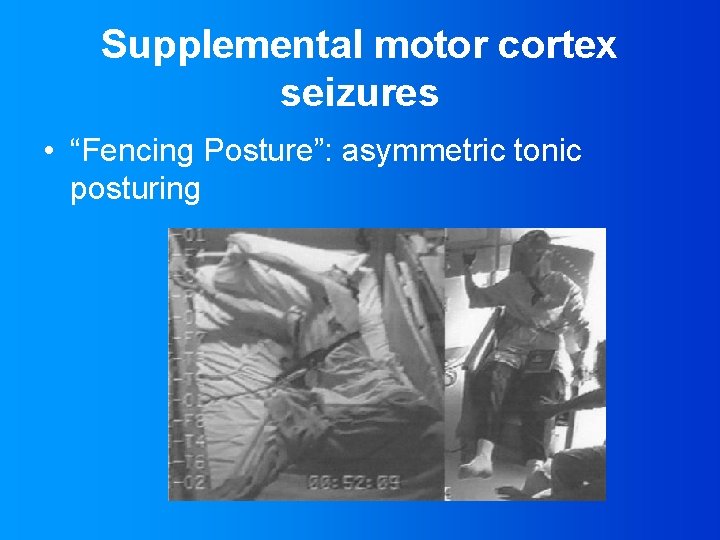
Supplemental motor cortex seizures • “Fencing Posture”: asymmetric tonic posturing
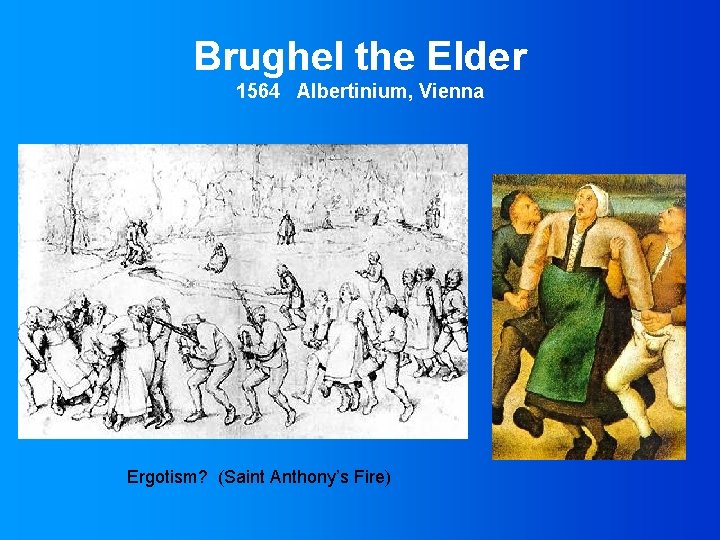
Brughel the Elder 1564 Albertinium, Vienna Ergotism? (Saint Anthony’s Fire)
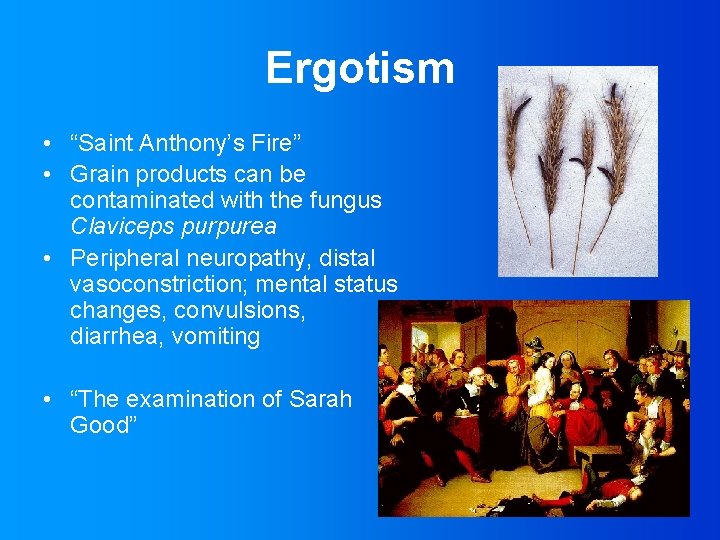
Ergotism • “Saint Anthony’s Fire” • Grain products can be contaminated with the fungus Claviceps purpurea • Peripheral neuropathy, distal vasoconstriction; mental status changes, convulsions, diarrhea, vomiting • “The examination of Sarah Good”
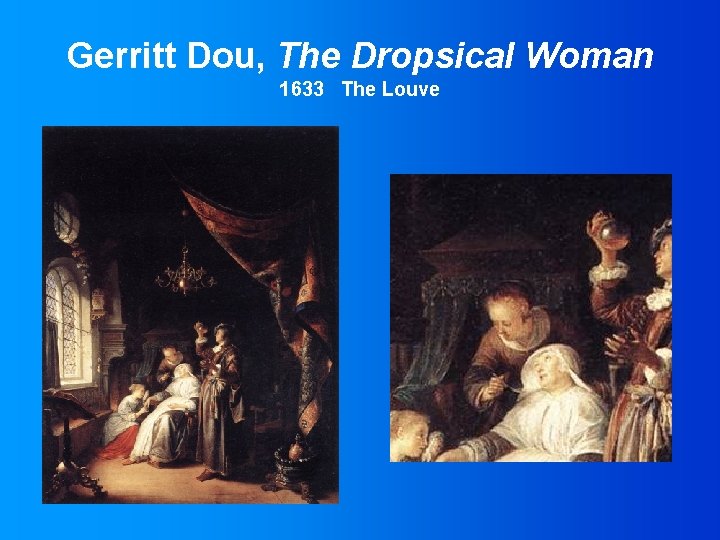
Gerritt Dou, The Dropsical Woman 1633 The Louve
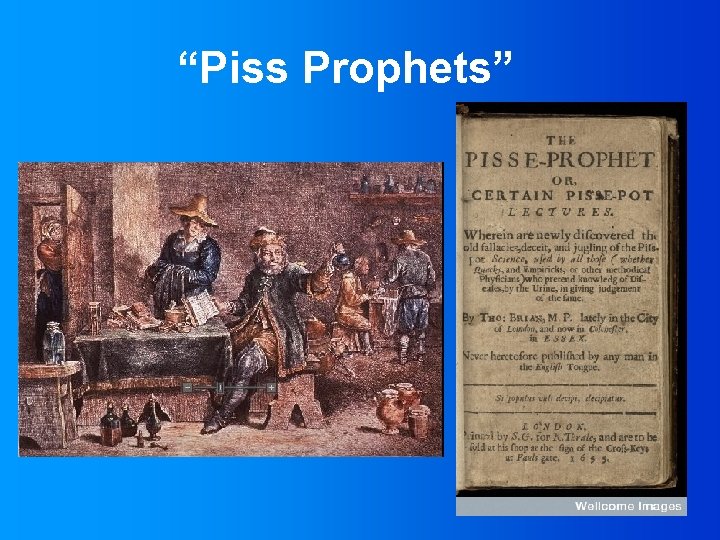
“Piss Prophets”
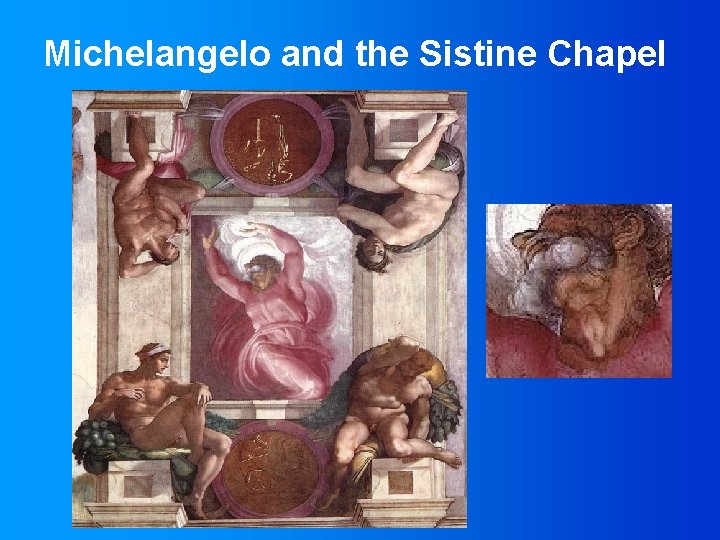
Michelangelo and the Sistine Chapel
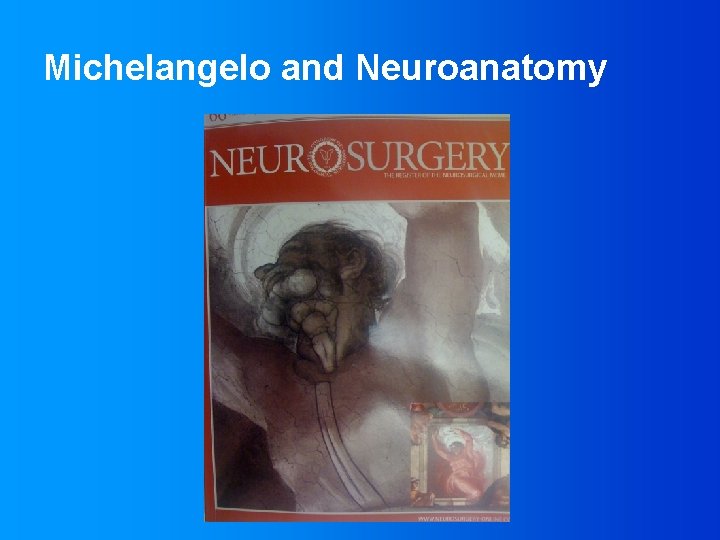
Michelangelo and Neuroanatomy
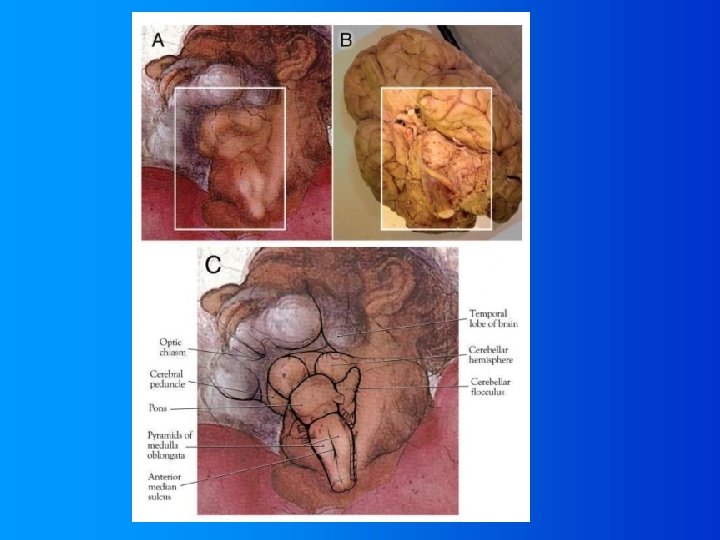

Michalangelo and hidden images
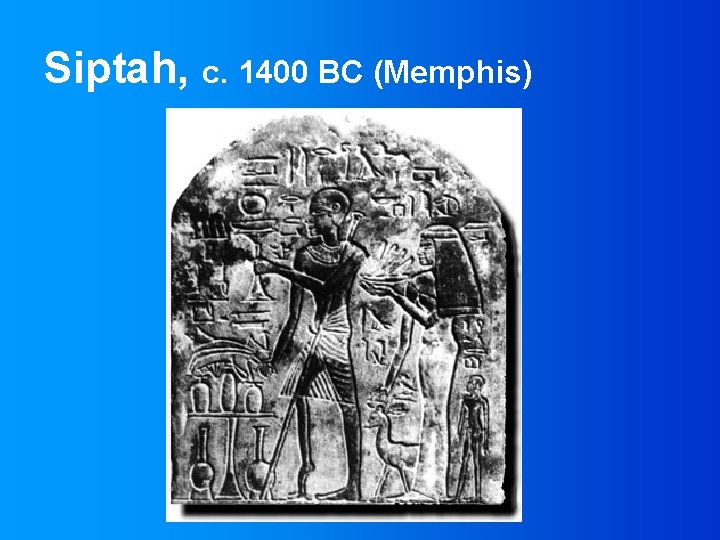
Siptah, c. 1400 BC (Memphis)
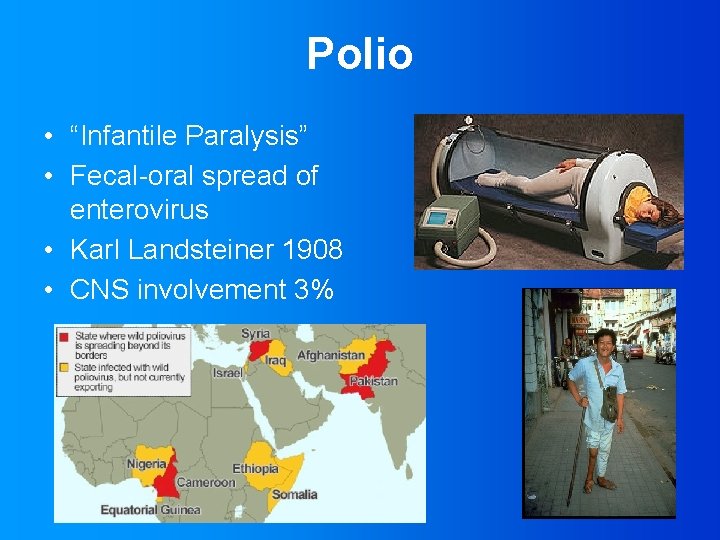
Polio • “Infantile Paralysis” • Fecal-oral spread of enterovirus • Karl Landsteiner 1908 • CNS involvement 3%
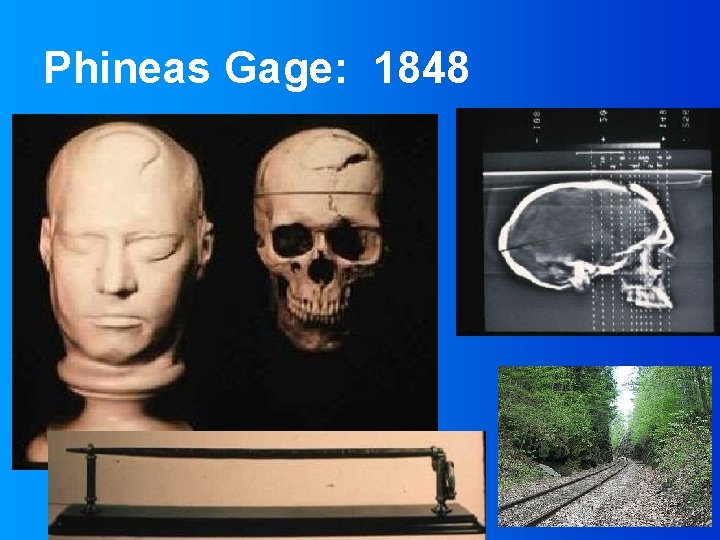
Phineas Gage: 1848
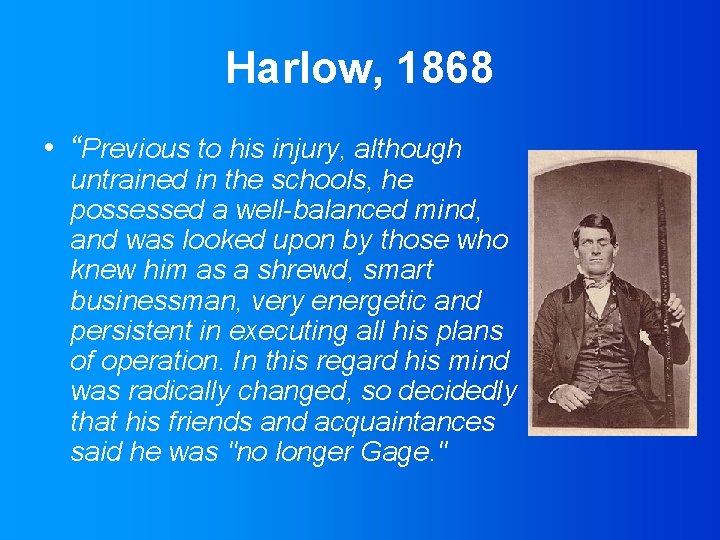
Harlow, 1868 • “Previous to his injury, although untrained in the schools, he possessed a well-balanced mind, and was looked upon by those who knew him as a shrewd, smart businessman, very energetic and persistent in executing all his plans of operation. In this regard his mind was radically changed, so decidedly that his friends and acquaintances said he was "no longer Gage. "
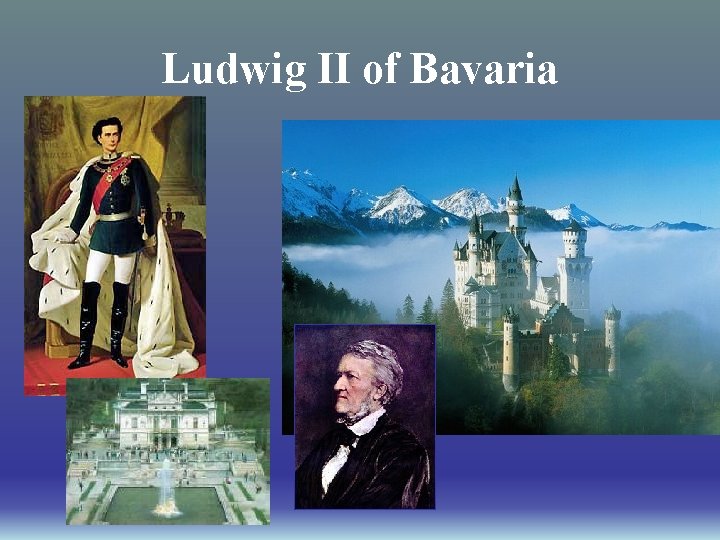
Ludwig II of Bavaria
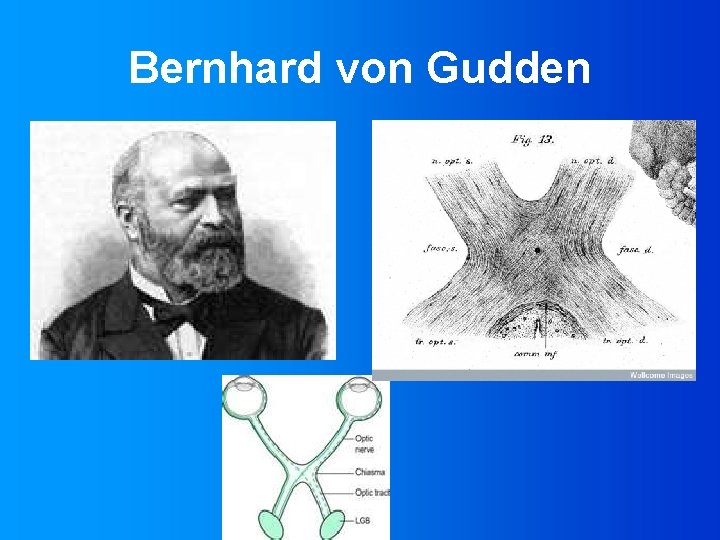
Bernhard von Gudden
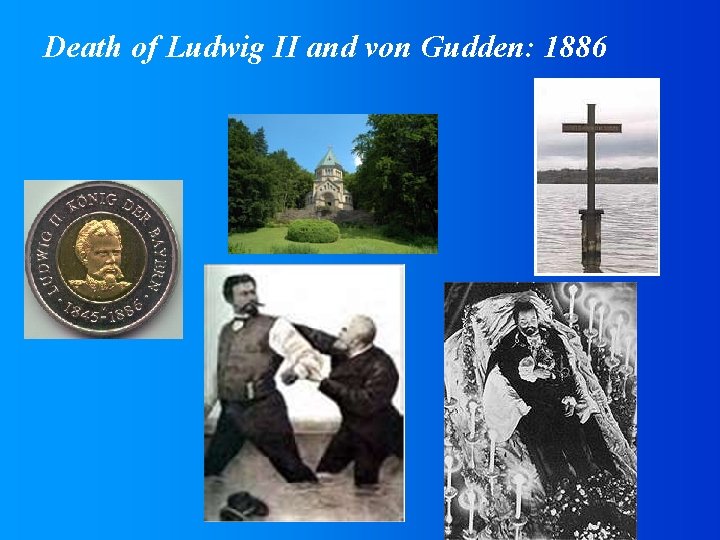
Death of Ludwig II and von Gudden: 1886
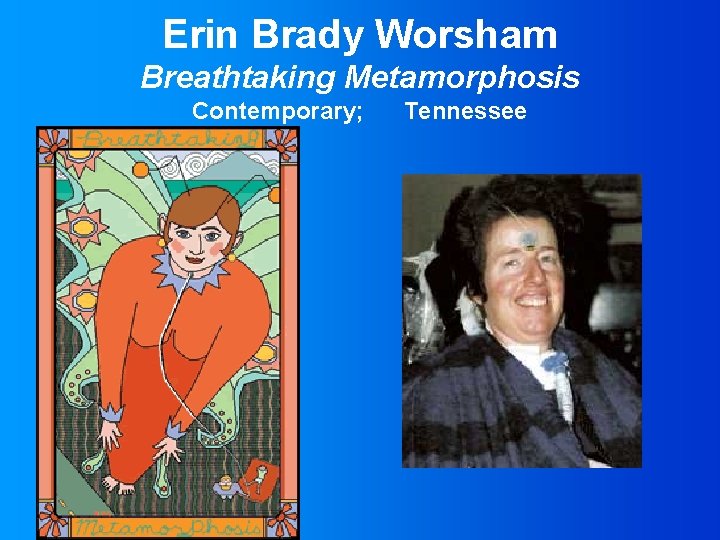
Erin Brady Worsham Breathtaking Metamorphosis Contemporary; Tennessee
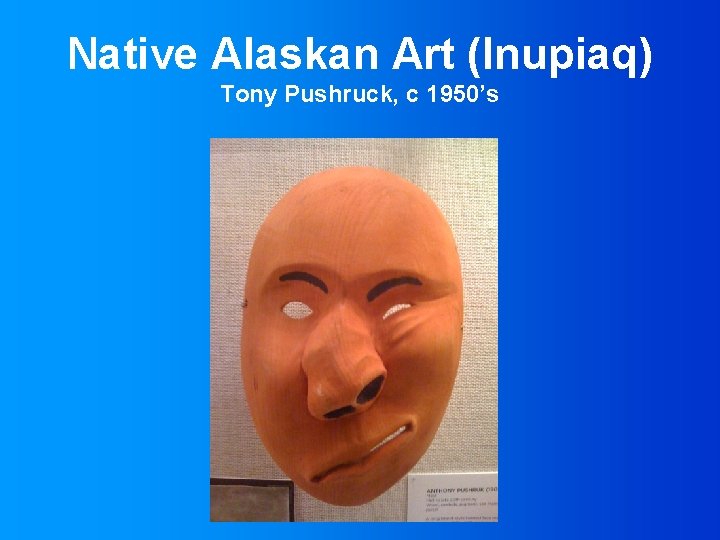
Native Alaskan Art (Inupiaq) Tony Pushruck, c 1950’s
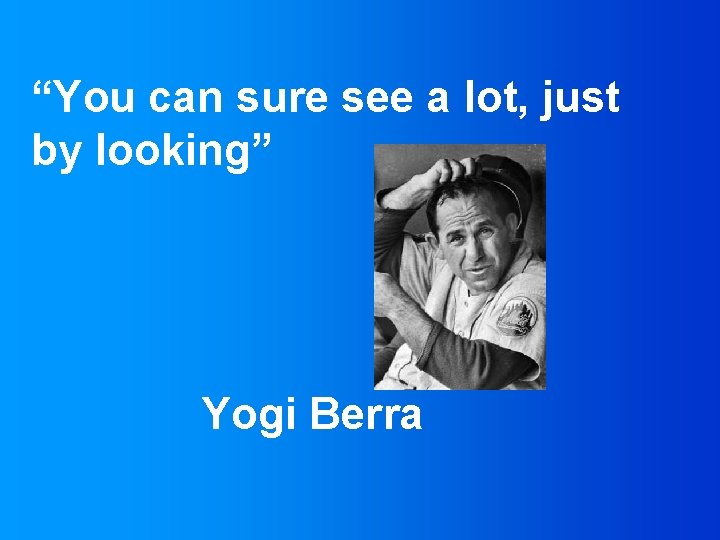
“You can sure see a lot, just by looking” Yogi Berra
Questions or Comments?
- Slides: 50