
NEUROENDOCRINE SYSTEM Anna L Kiss Department Anatomy Histology
- Slides: 34
NEUROENDOCRINE SYSTEM Anna L. Kiss Department Anatomy, Histology and Embryology Semmelweis University Budapest 2018
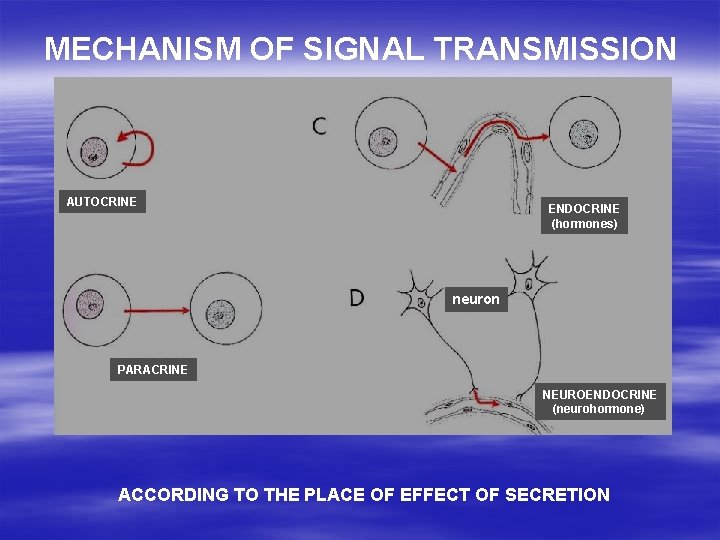
MECHANISM OF SIGNAL TRANSMISSION AUTOCRINE ENDOCRINE (hormones) neuron PARACRINE NEUROENDOCRINE (neurohormone) ACCORDING TO THE PLACE OF EFFECT OF SECRETION
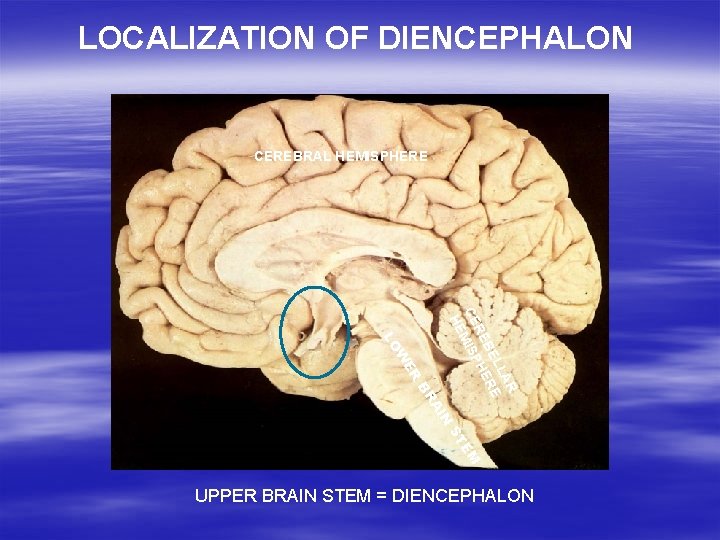
LOCALIZATION OF DIENCEPHALON CEREBRAL HEMISPHERE ER W N AI BR AR LL BE ERE H RE CE MISP HE LO EM ST UPPER BRAIN STEM = DIENCEPHALON
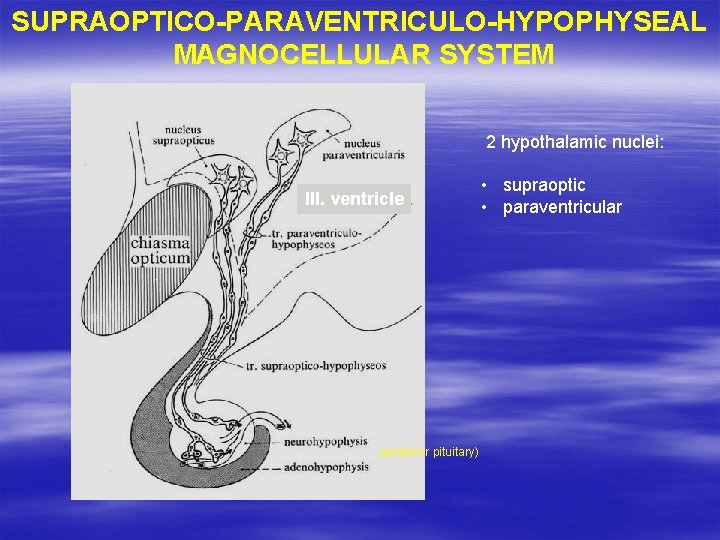
SUPRAOPTICO-PARAVENTRICULO-HYPOPHYSEAL MAGNOCELLULAR SYSTEM 2 hypothalamic nuclei: III. ventricle (posterior pituitary) • supraoptic • paraventricular
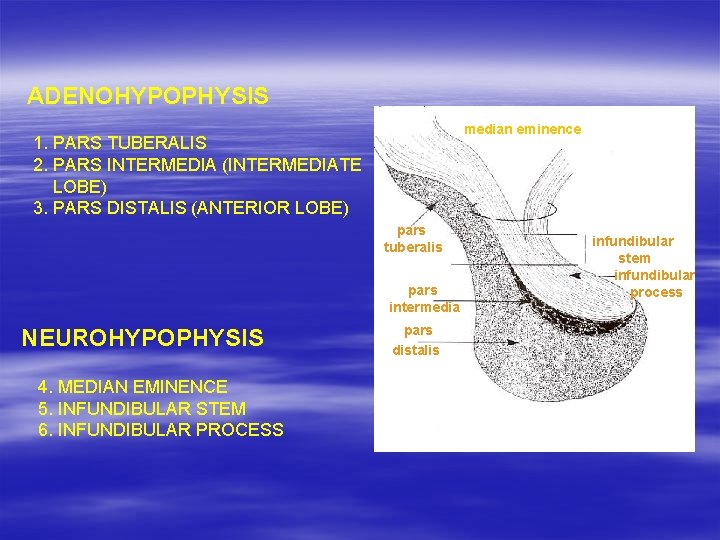
ADENOHYPOPHYSIS 1. PARS TUBERALIS 2. PARS INTERMEDIA (INTERMEDIATE LOBE) 3. PARS DISTALIS (ANTERIOR LOBE) median eminence me dia ne min enc e pars tuberalis pars intermedia NEUROHYPOPHYSIS 4. MEDIAN EMINENCE 5. INFUNDIBULAR STEM 6. INFUNDIBULAR PROCESS pars distalis infundibular stem infundibular process
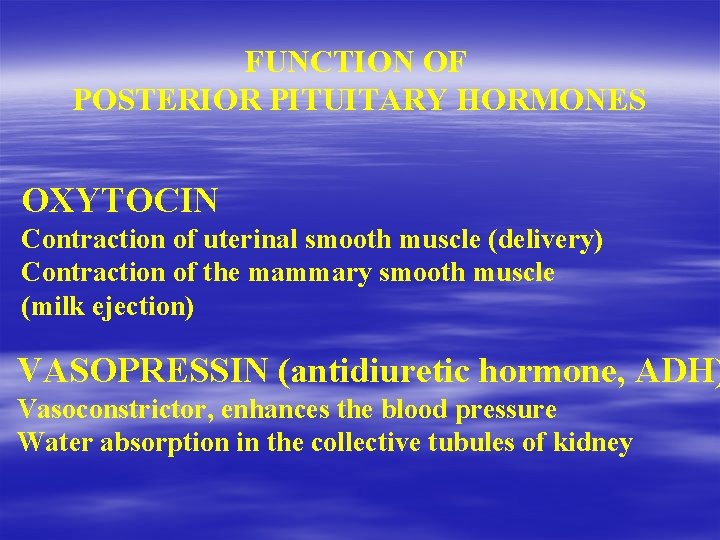
FUNCTION OF POSTERIOR PITUITARY HORMONES OXYTOCIN Contraction of uterinal smooth muscle (delivery) Contraction of the mammary smooth muscle (milk ejection) VASOPRESSIN (antidiuretic hormone, ADH) Vasoconstrictor, enhances the blood pressure Water absorption in the collective tubules of kidney
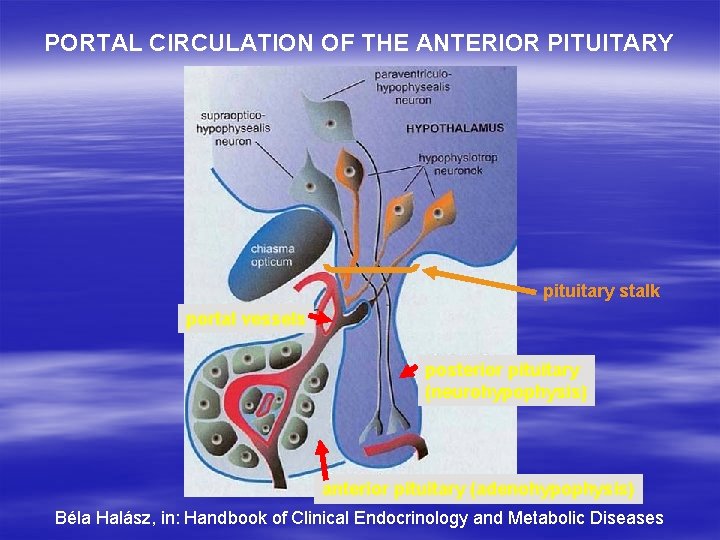
PORTAL CIRCULATION OF THE ANTERIOR PITUITARY pituitary stalk portal vessels posterior pituitary (neurohypophysis) anterior pituitary (adenohypophysis) Béla Halász, in: Handbook of Clinical Endocrinology and Metabolic Diseases
RELEASING HORMONES LHRH (luteinizing hormone-releasing hormone) TRH (thyreotrop hormone-releasing hormone) CRH (corticotrop hormone-releasing hormone) GRH (growth hormone-releasing hormone) INHIBITING HORMONES Somatostatin (growth hormone-inhibiting hormone) Dopamine (prolactin-inhibiting hormone)
HORMONES OF THE ANTERIOR LOBE Trop hormones: stimulatory the target organ is another endocrine gland LH (luteinizing hormone) FSH (follicle stimulating hormone) TSH (thyroid stimulating hormone) ACTH (adrenocorticotrop hormone) STH (somatotrop hormone) = GH (growth hormone) LTH (luteotrop hormone, prolactin) Interleukins, growth factors (folliculostellate cells)
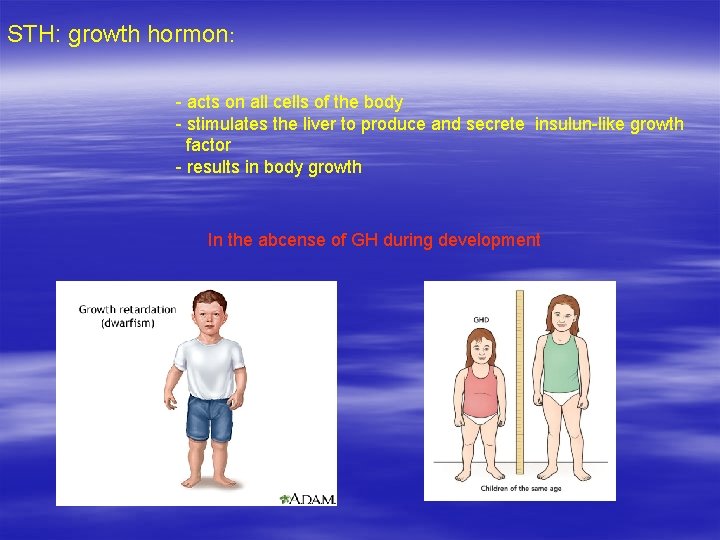
STH: growth hormon: - acts on all cells of the body - stimulates the liver to produce and secrete insulun-like growth factor - results in body growth In the abcense of GH during development
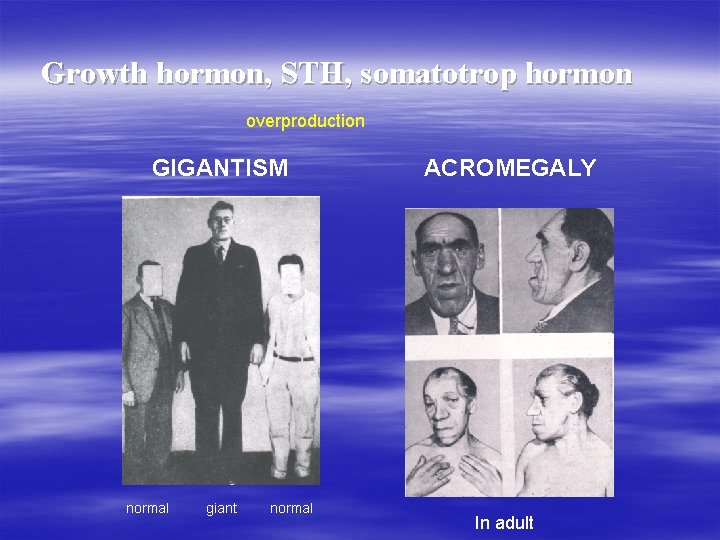
Growth hormon, STH, somatotrop hormon overproduction GIGANTISM normal giant normal ACROMEGALY In adult
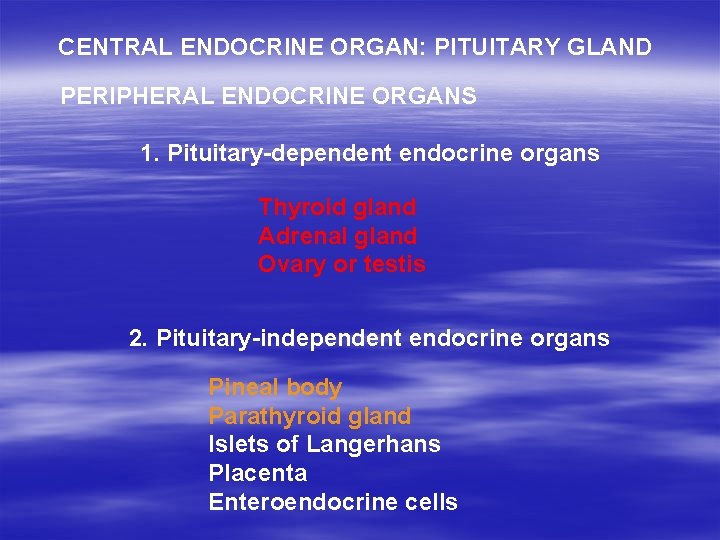
CENTRAL ENDOCRINE ORGAN: PITUITARY GLAND PERIPHERAL ENDOCRINE ORGANS 1. Pituitary-dependent endocrine organs Thyroid gland Adrenal gland Ovary or testis 2. Pituitary-independent endocrine organs Pineal body Parathyroid gland Islets of Langerhans Placenta Enteroendocrine cells
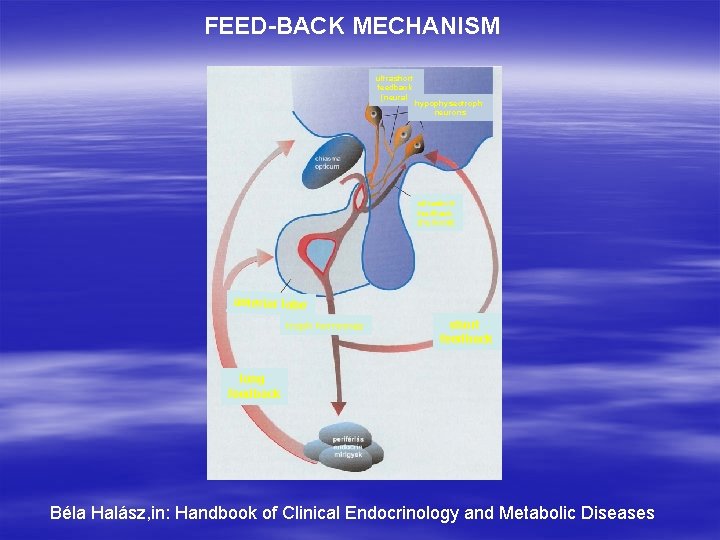
FEED-BACK MECHANISM ultrashort feedback (neural) hypophyseotroph neurons ultrashort feedback (humoral) anterior lobe troph hormones short feedback long feedback Béla Halász, in: Handbook of Clinical Endocrinology and Metabolic Diseases
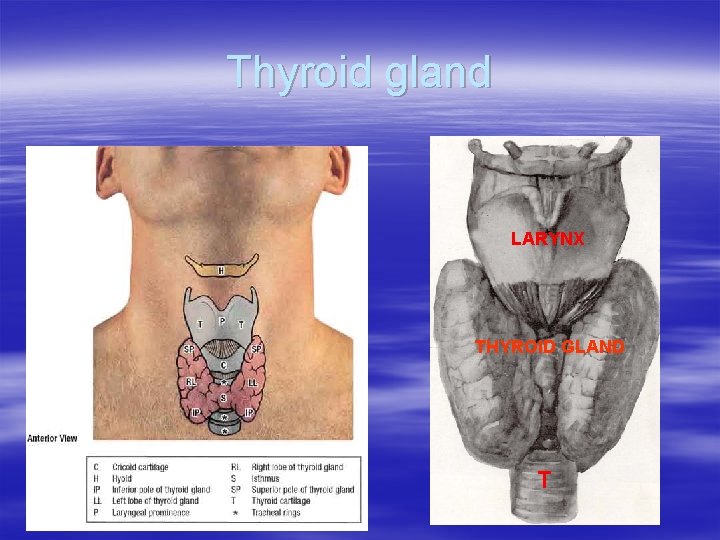
Thyroid gland LARYNX THYROID GLAND T
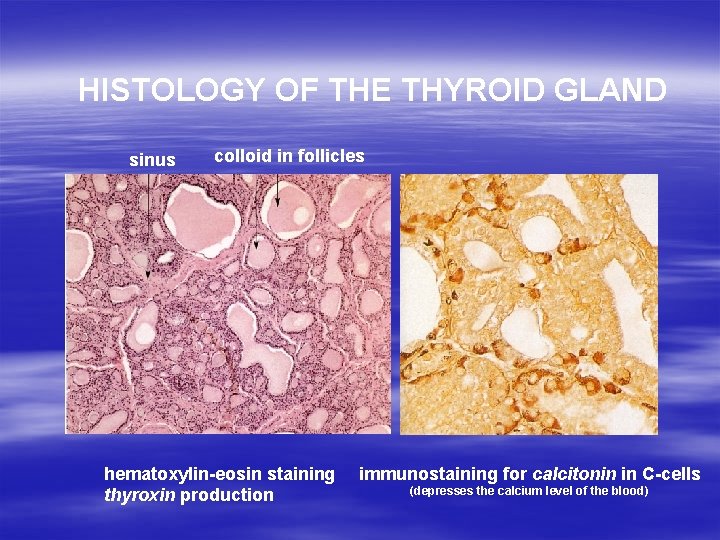
HISTOLOGY OF THE THYROID GLAND sinus colloid in follicles hematoxylin-eosin staining thyroxin production immunostaining for calcitonin in C-cells (depresses the calcium level of the blood)
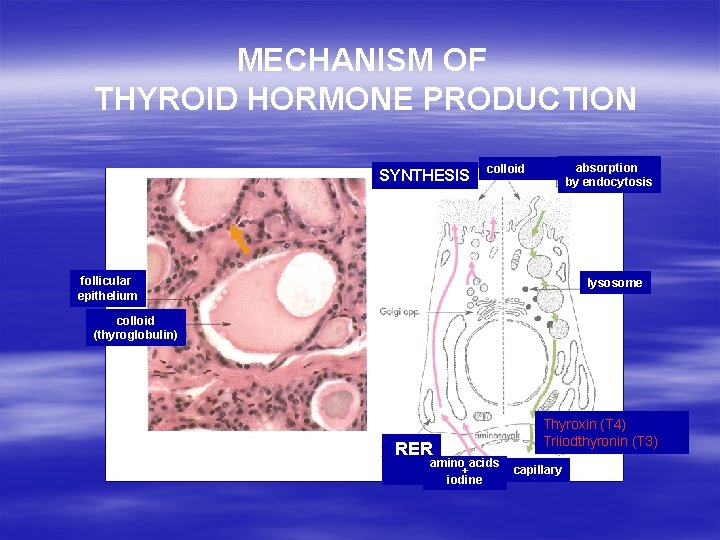
MECHANISM OF THYROID HORMONE PRODUCTION SYNTHESIS absorption by endocytosis colloid follicular epithelium lysosome colloid (thyroglobulin) RER iodine amino acids + iodine Thyroxin (T 4) Triiodthyronin (T 3) capillary
Thyroid hormon (thyroxin): increases the metabolic rate has morphogenic effect
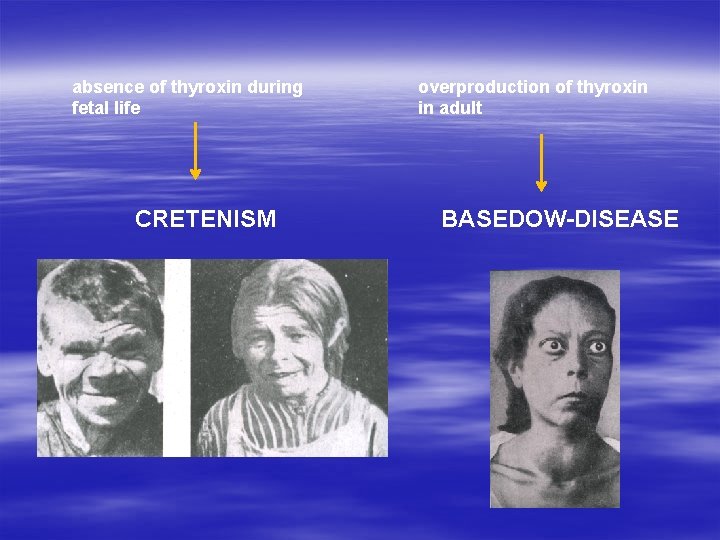
absence of thyroxin during fetal life CRETENISM overproduction of thyroxin in adult BASEDOW-DISEASE
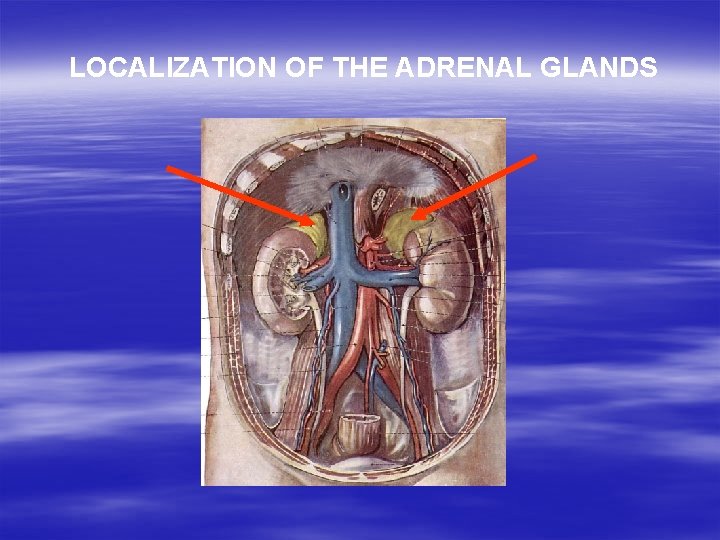
LOCALIZATION OF THE ADRENAL GLANDS
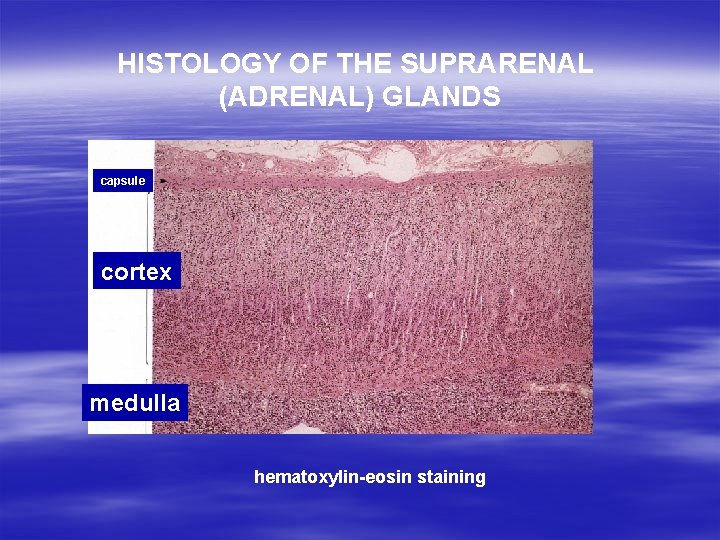
HISTOLOGY OF THE SUPRARENAL (ADRENAL) GLANDS capsule cortex medulla hematoxylin-eosin staining
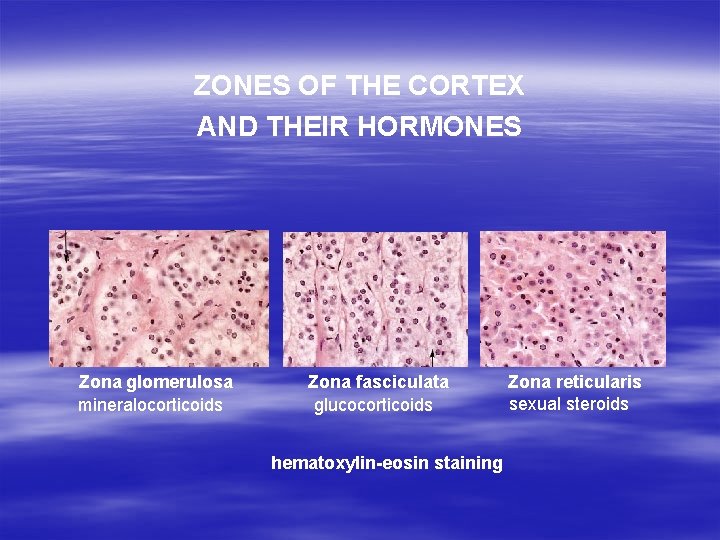
ZONES OF THE CORTEX AND THEIR HORMONES Zona glomerulosa mineralocorticoids Zona fasciculata glucocorticoids hematoxylin-eosin staining Zona reticularis sexual steroids
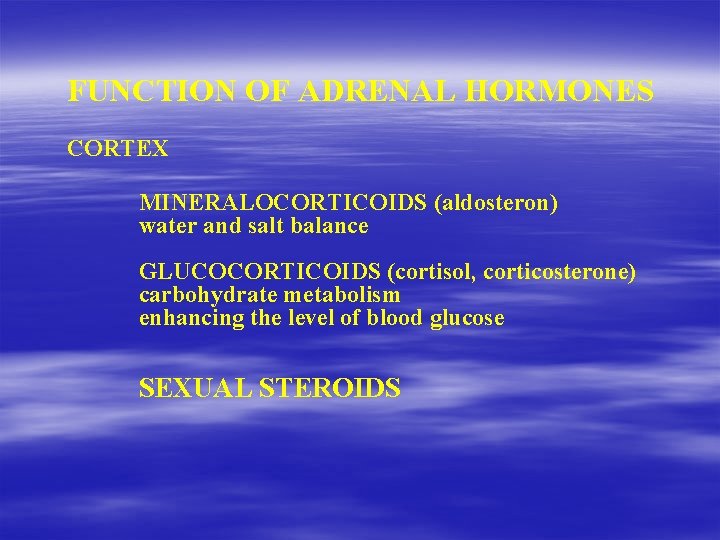
FUNCTION OF ADRENAL HORMONES CORTEX MINERALOCORTICOIDS (aldosteron) water and salt balance GLUCOCORTICOIDS (cortisol, corticosterone) carbohydrate metabolism enhancing the level of blood glucose SEXUAL STEROIDS
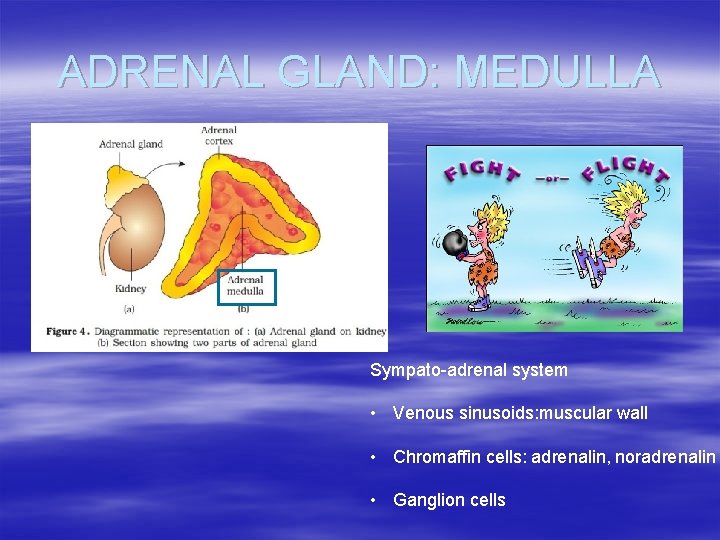
Pituitary-independent endocrine organs Adrenal gland medulla: pituitary independent!!! EPINEPHRIN, NOREPINEPHRIN involved in defense reaction to stress works together with the sympathetic nervous system
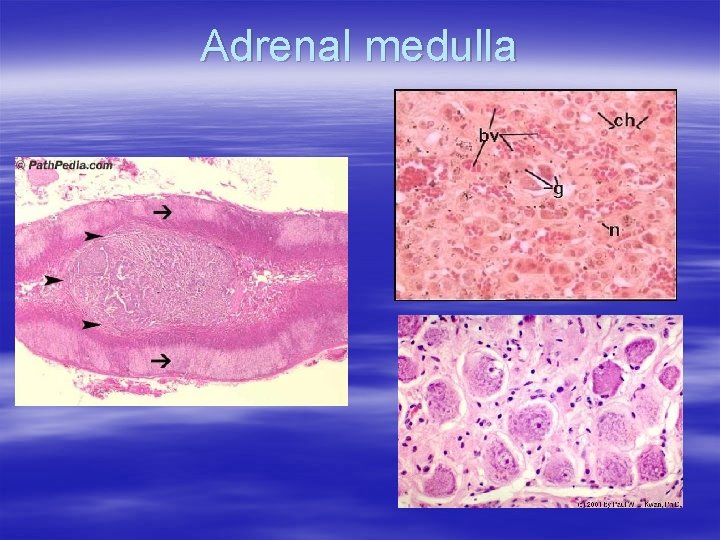
ADRENAL GLAND: MEDULLA Sympato-adrenal system • Venous sinusoids: muscular wall • Chromaffin cells: adrenalin, noradrenalin • Ganglion cells
Adrenal medulla
Pituitary-independent endocrine organs Pineal body Parathyroid gland Islets of Langerhans Placenta Enteroendocrine cells
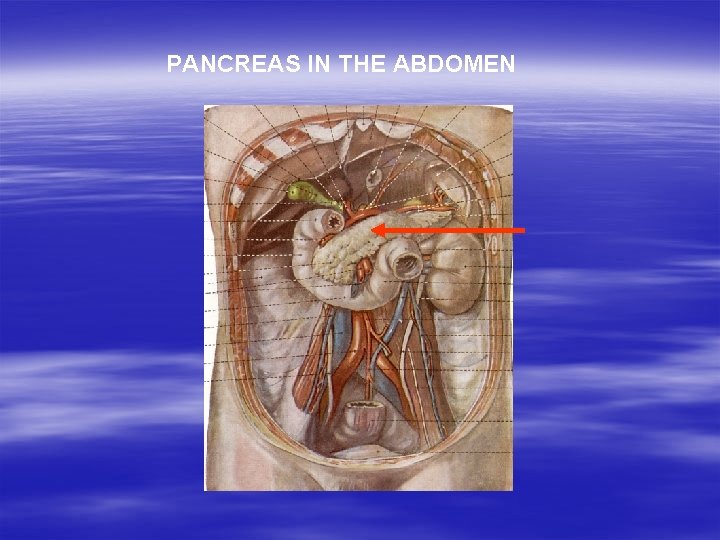
PANCREAS IN THE ABDOMEN
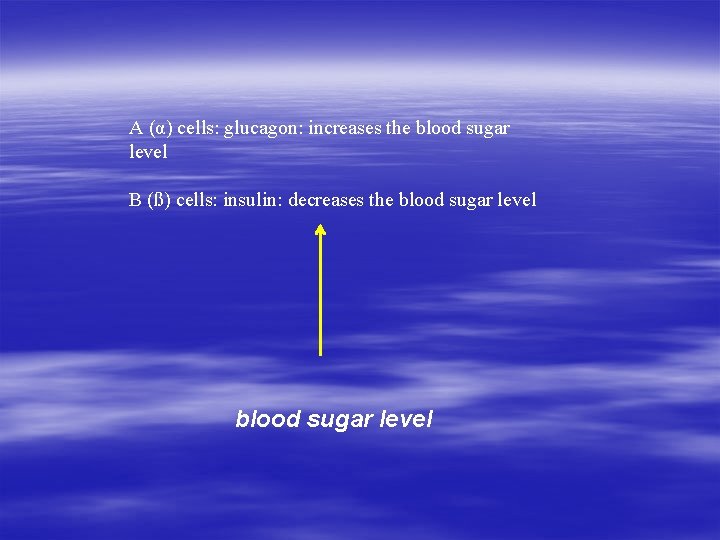
Α (α) cells: glucagon: increases the blood sugar level B (ß) cells: insulin: decreases the blood sugar level
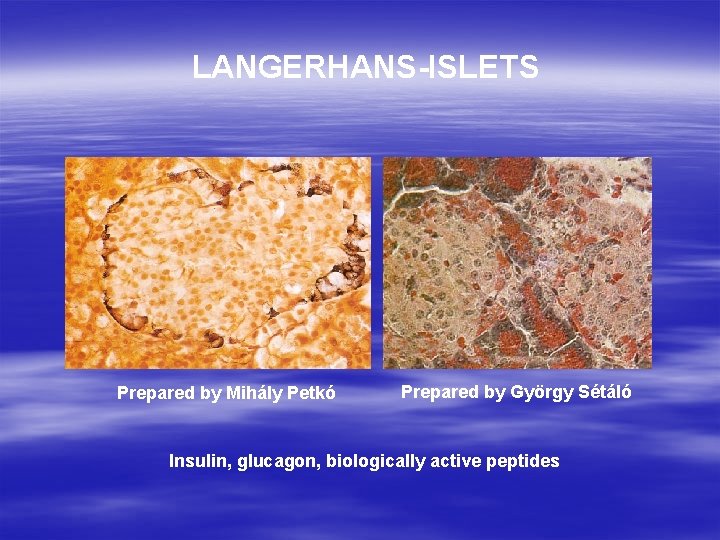
LANGERHANS-ISLETS Prepared by Mihály Petkó Prepared by György Sétáló Insulin, glucagon, biologically active peptides
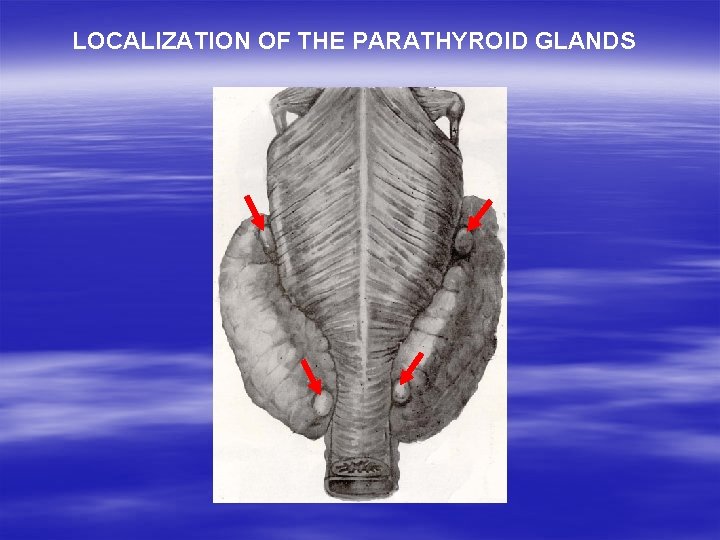
LOCALIZATION OF THE PARATHYROID GLANDS
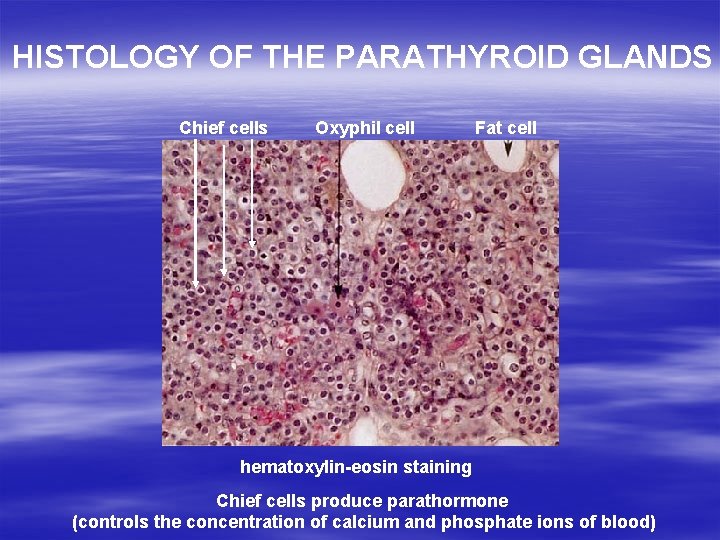
HISTOLOGY OF THE PARATHYROID GLANDS Chief cells Oxyphil cell Fat cell hematoxylin-eosin staining Chief cells produce parathormone (controls the concentration of calcium and phosphate ions of blood)
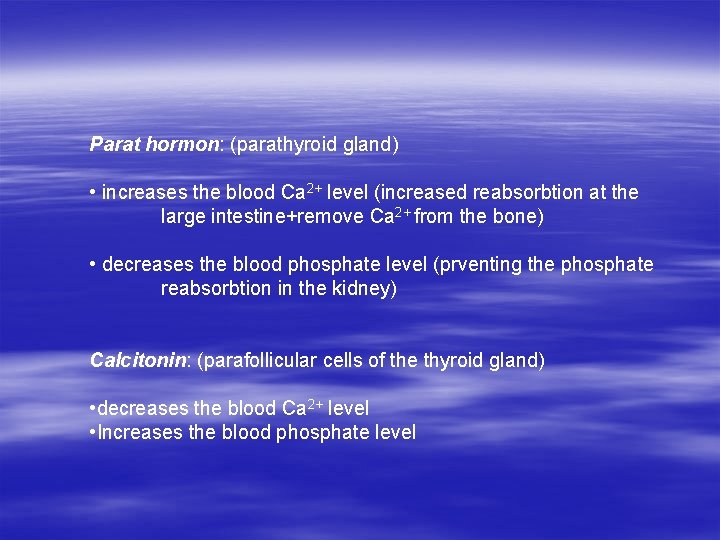
Parat hormon: (parathyroid gland) • increases the blood Ca 2+ level (increased reabsorbtion at the large intestine+remove Ca 2+ from the bone) • decreases the blood phosphate level (prventing the phosphate reabsorbtion in the kidney) Calcitonin: (parafollicular cells of the thyroid gland) • decreases the blood Ca 2+ level • Increases the blood phosphate level
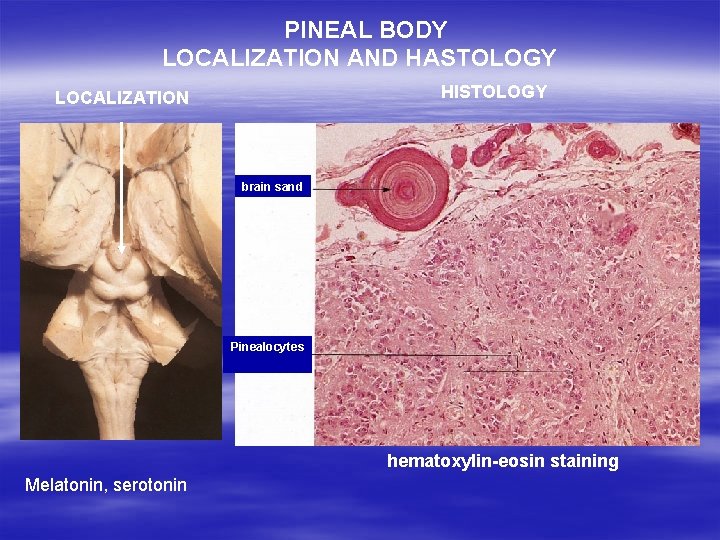
PINEAL BODY LOCALIZATION AND HASTOLOGY HISTOLOGY LOCALIZATION brain sand Pinealocytes hematoxylin-eosin staining Melatonin, serotonin