
Neuroanatomy of Memory Zara A Melikyan some slides

- Slides: 18
Neuroanatomy of Memory Zara A. Melikyan (some slides are courtesy of Dr. G. P. Sutton) February 17, 2015
Lecture Goals: • Brain structures involved in: - Declarative memory - Non-Declarative memory • How are memories formed: - STM vs. LTM
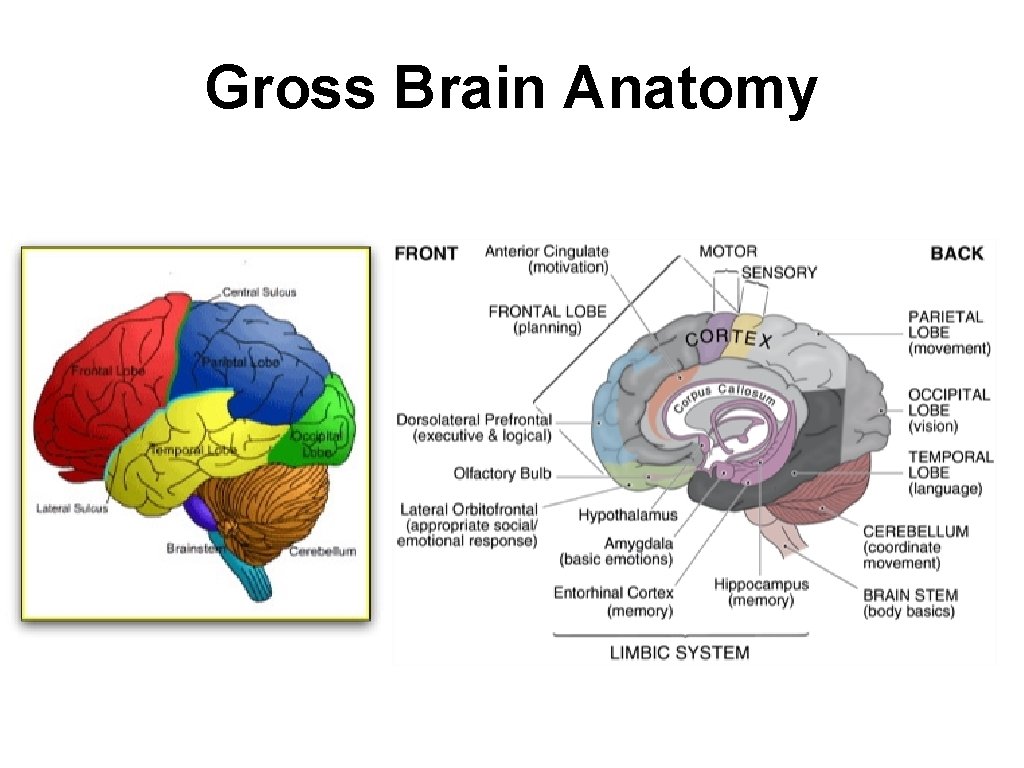
Gross Brain Anatomy
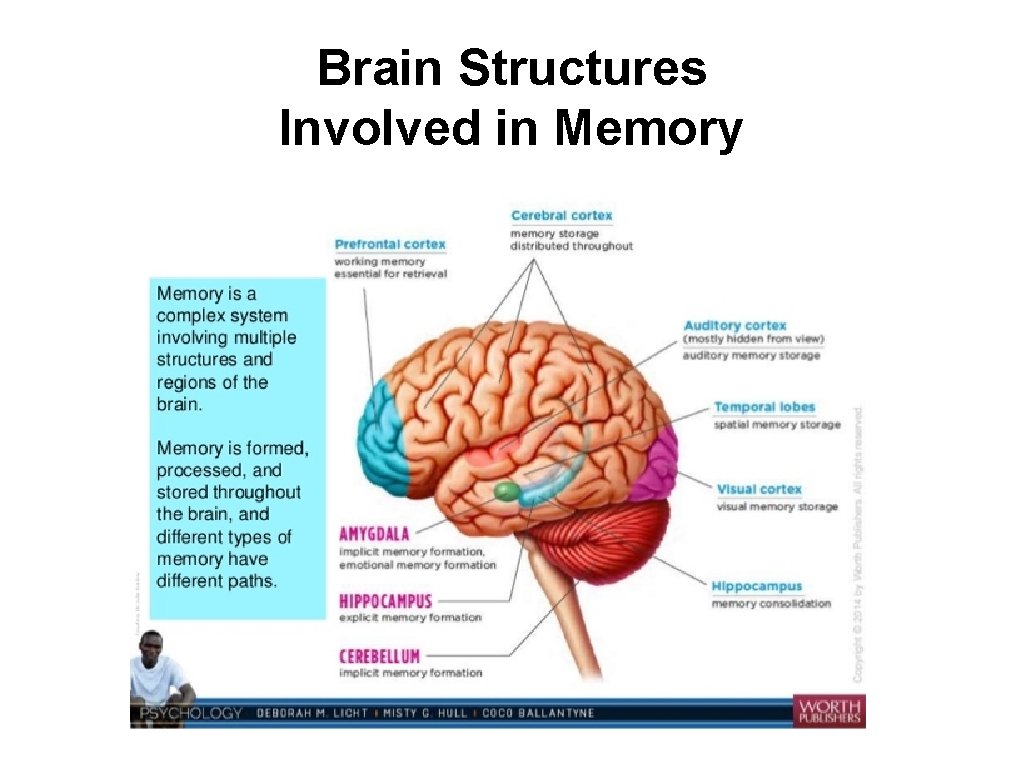
Brain Structures Involved in Memory
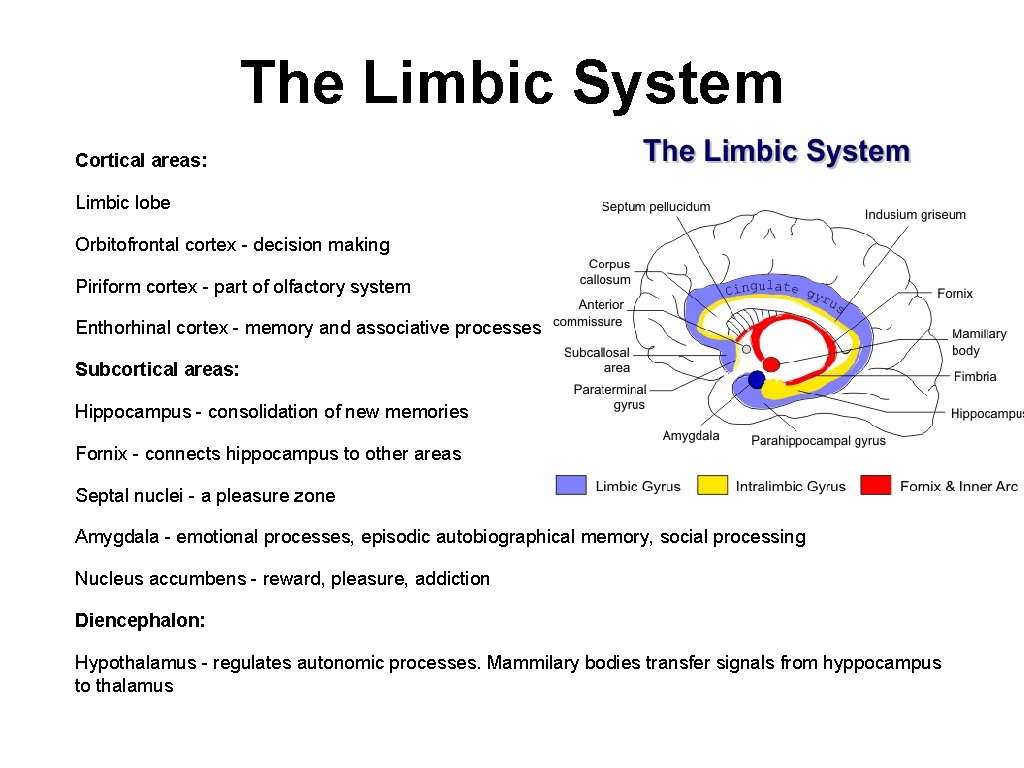
The Limbic System Cortical areas: Limbic lobe Orbitofrontal cortex - decision making Piriform cortex - part of olfactory system Enthorhinal cortex - memory and associative processes Subcortical areas: Hippocampus - consolidation of new memories Fornix - connects hippocampus to other areas Septal nuclei - a pleasure zone Amygdala - emotional processes, episodic autobiographical memory, social processing Nucleus accumbens - reward, pleasure, addiction Diencephalon: Hypothalamus - regulates autonomic processes. Mammilary bodies transfer signals from hyppocampus to thalamus
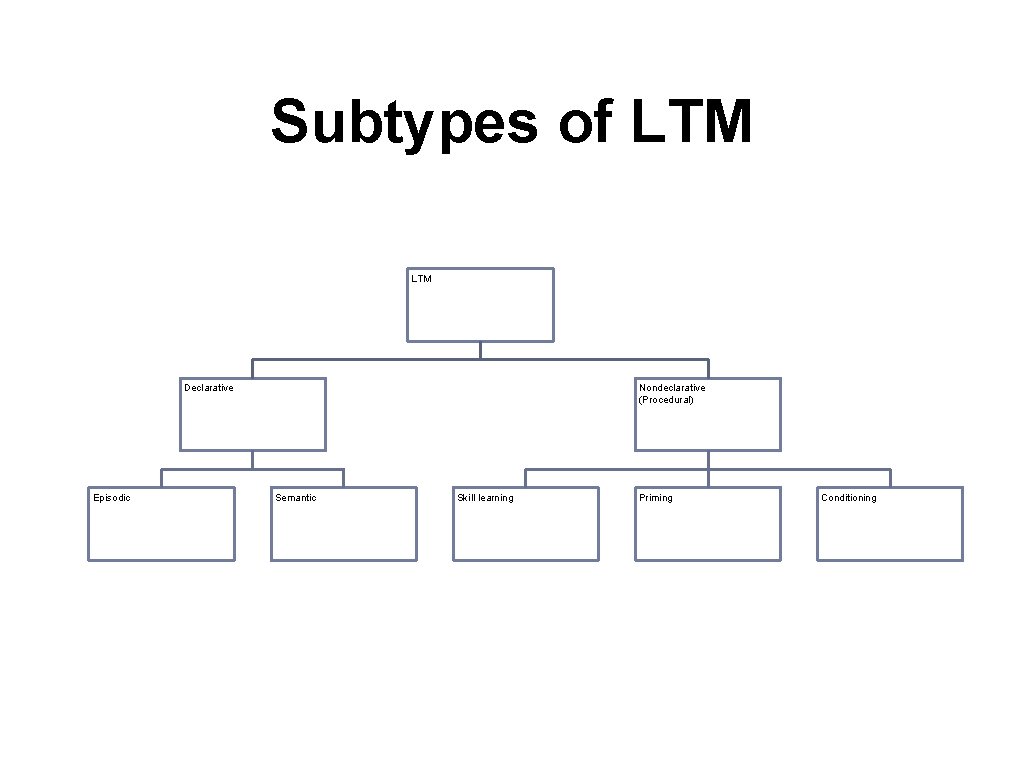
Subtypes of LTM Declarative Episodic Nondeclarative (Procedural) Semantic Skill learning Priming Conditioning
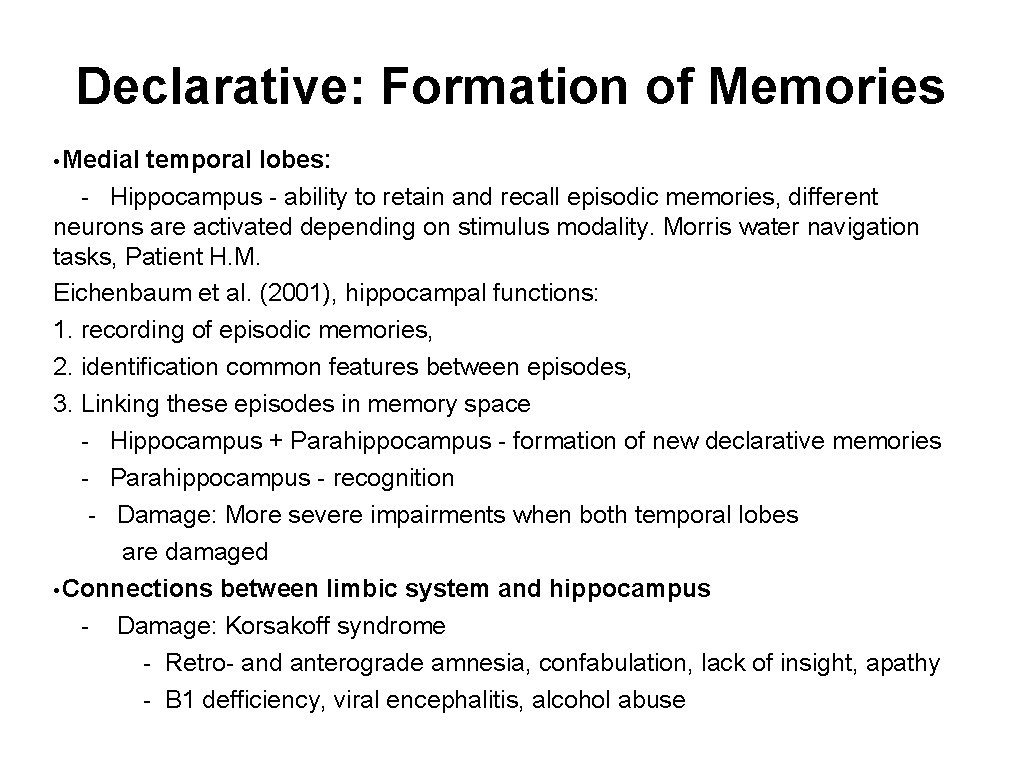
Declarative: Formation of Memories • Medial temporal lobes: - Hippocampus - ability to retain and recall episodic memories, different neurons are activated depending on stimulus modality. Morris water navigation tasks, Patient H. M. Eichenbaum et al. (2001), hippocampal functions: 1. recording of episodic memories, 2. identification common features between episodes, 3. Linking these episodes in memory space - Hippocampus + Parahippocampus - formation of new declarative memories - Parahippocampus - recognition - Damage: More severe impairments when both temporal lobes are damaged • Connections between limbic system and hippocampus - Damage: Korsakoff syndrome - Retro- and anterograde amnesia, confabulation, lack of insight, apathy - B 1 defficiency, viral encephalitis, alcohol abuse
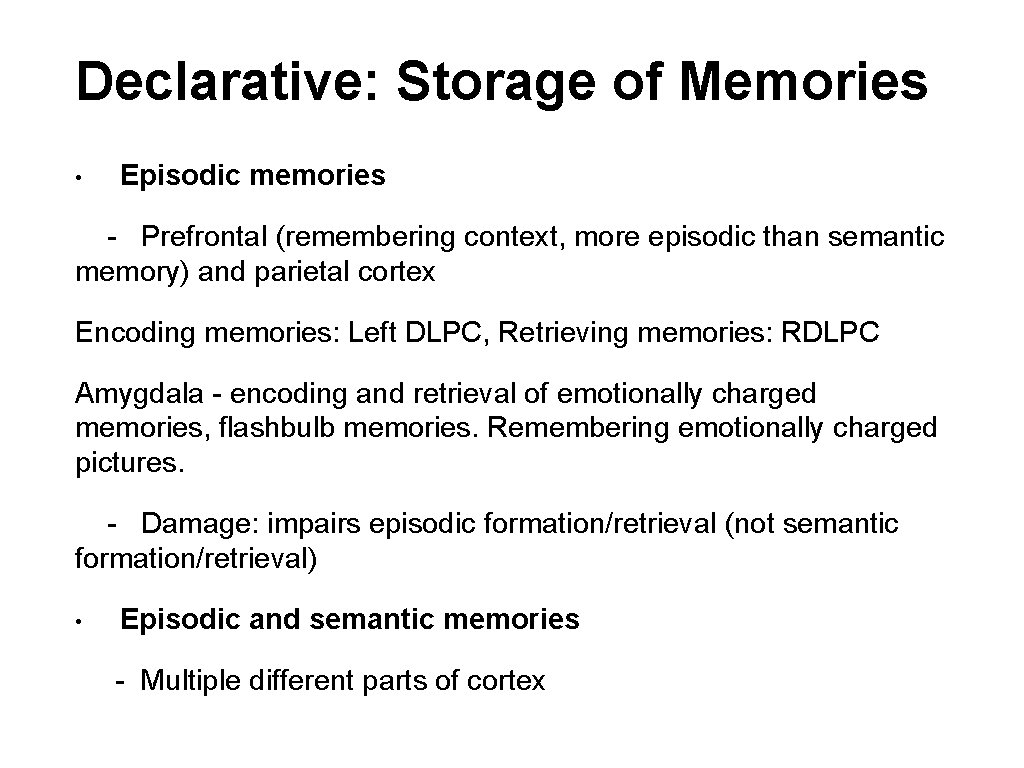
Declarative: Storage of Memories • Episodic memories - Prefrontal (remembering context, more episodic than semantic memory) and parietal cortex Encoding memories: Left DLPC, Retrieving memories: RDLPC Amygdala - encoding and retrieval of emotionally charged memories, flashbulb memories. Remembering emotionally charged pictures. - Damage: impairs episodic formation/retrieval (not semantic formation/retrieval) • Episodic and semantic memories - Multiple different parts of cortex
Non-Declarative: Skill Learning • Basal ganglia, striatum, motor cortex, cerebellum, limbic system • Evidence: - Impaired with damage to these areas - Activation demonstrated in neuroimaging studies
Non-Declarative: Priming • Exposure to a stimulus influences response to another stimulus • Positive priming - increases the speed of response, experiencing the stimulus • Negative priming - decreases the response speed, experiencing the stimulus and then ignoring it • Perceptual priming (perceptive aspect of stimulus: table - table top) - Reduced bilateral occipito-temporal cortical activation • Conceptual priming (semantic aspect of stimulus: table - desk) - Reduced activation of left frontal cortex
Non-Declarative: Associative Learning • Classical conditioning - Cerebellum involved in eye-blink conditioning - Humans and non-humans • Operant conditioning - A group of brain regions are involved because many aspects of behavior involved. Frontal lobes are important.
How are Memories Formed? • Sensory Memory - limited capacity 12 elements (G. Sperling), limited duration (hundreds of milliseconds). Registers all the sensory information. - Iconic - Echoic - Haptic • Short-Term Memory - limited capacity (7+/-2, or 4 -5 elements), limited duration (18 -30 sec). Registers information to which attention is paid. Transient patterns of neuronal connection in prefrontal & temporal lobes, hippocampus essential for information consolidation from STM to LTM. Information is rehearsed and chunked. • Subtype: Working memory. Manipulate information for immediate use. E. g. , reverse a phone number in your head. • Long-Term Memory - close to unlimited capacity, unlimited duration. More stable and permanent changes in neuronal connections throughout the brain.
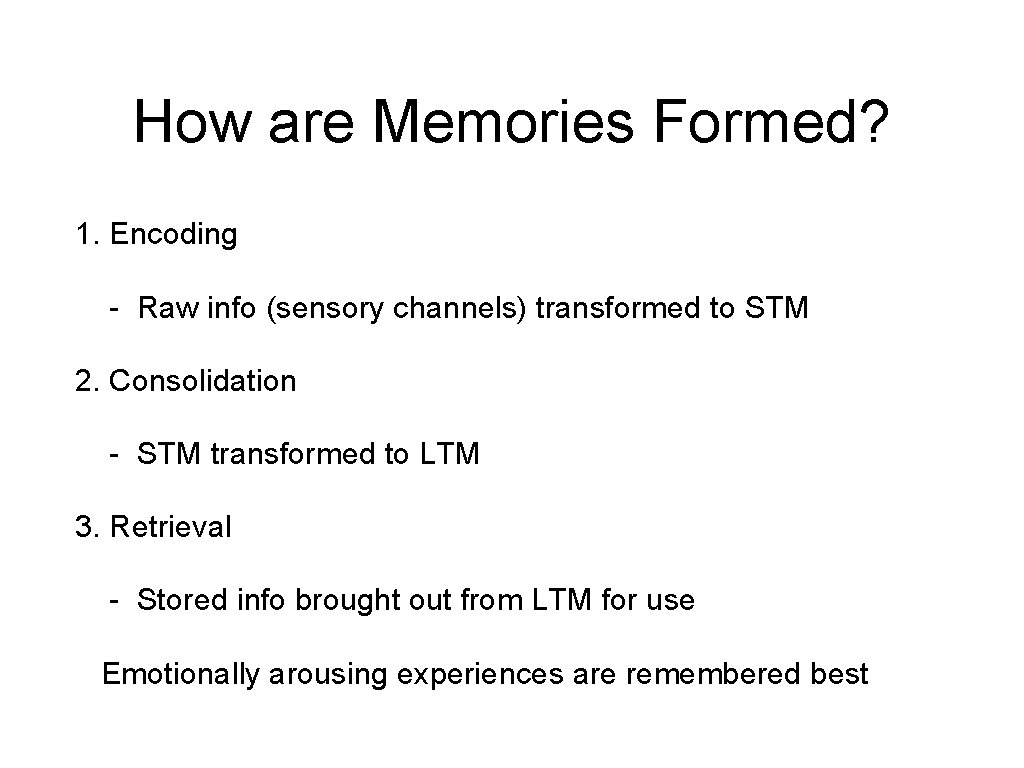
How are Memories Formed? 1. Encoding - Raw info (sensory channels) transformed to STM 2. Consolidation - STM transformed to LTM 3. Retrieval - Stored info brought out from LTM for use Emotionally arousing experiences are remembered best
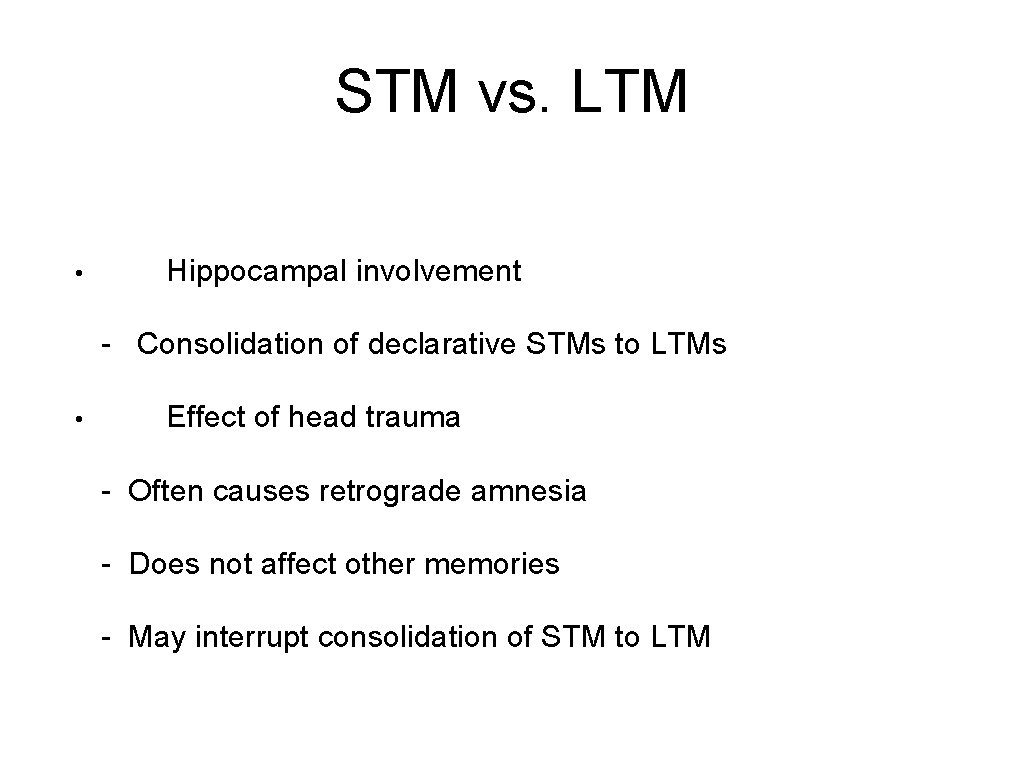
STM vs. LTM • Hippocampal involvement - Consolidation of declarative STMs to LTMs • Effect of head trauma - Often causes retrograde amnesia - Does not affect other memories - May interrupt consolidation of STM to LTM
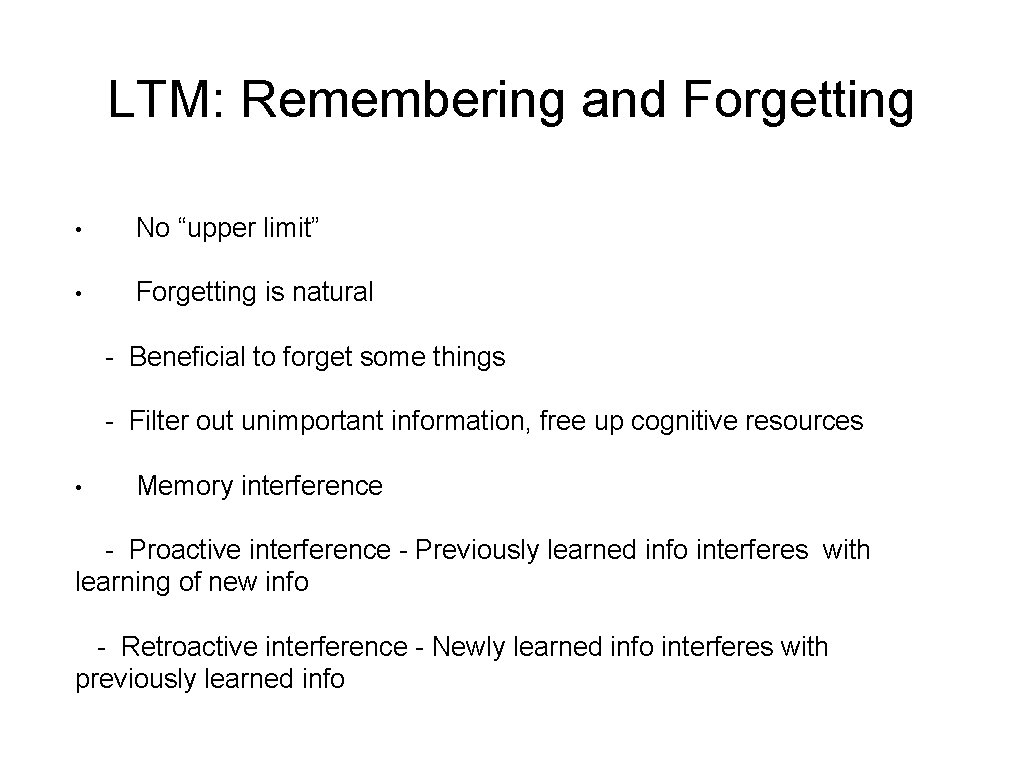
LTM: Remembering and Forgetting • No “upper limit” • Forgetting is natural - Beneficial to forget some things - Filter out unimportant information, free up cognitive resources • Memory interference - Proactive interference - Previously learned info interferes with learning of new info - Retroactive interference - Newly learned info interferes with previously learned info
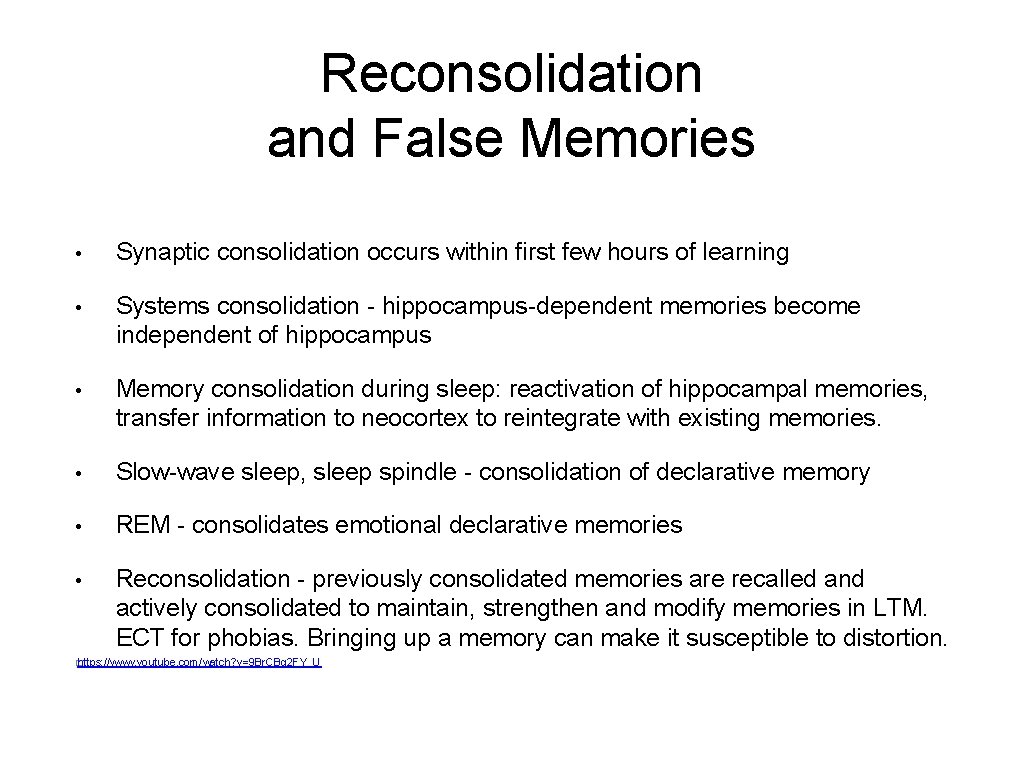
Reconsolidation and False Memories • Synaptic consolidation occurs within first few hours of learning • Systems consolidation - hippocampus-dependent memories become independent of hippocampus • Memory consolidation during sleep: reactivation of hippocampal memories, transfer information to neocortex to reintegrate with existing memories. • Slow-wave sleep, sleep spindle - consolidation of declarative memory • REM - consolidates emotional declarative memories • Reconsolidation - previously consolidated memories are recalled and actively consolidated to maintain, strengthen and modify memories in LTM. ECT for phobias. Bringing up a memory can make it susceptible to distortion. � https: //www. youtube. com/watch? v=9 Br. CBq 2 FY_U
Questions? Thank you for your attention!