
Neuroadaptation in Addiction The Extended Amygdala and Brain
Neuroadaptation in Addiction: The Extended Amygdala and Brain Reward System George F. Koob, Ph. D. Molecular Integrative Neurosciences Department Scripps Research Institute La Jolla, California
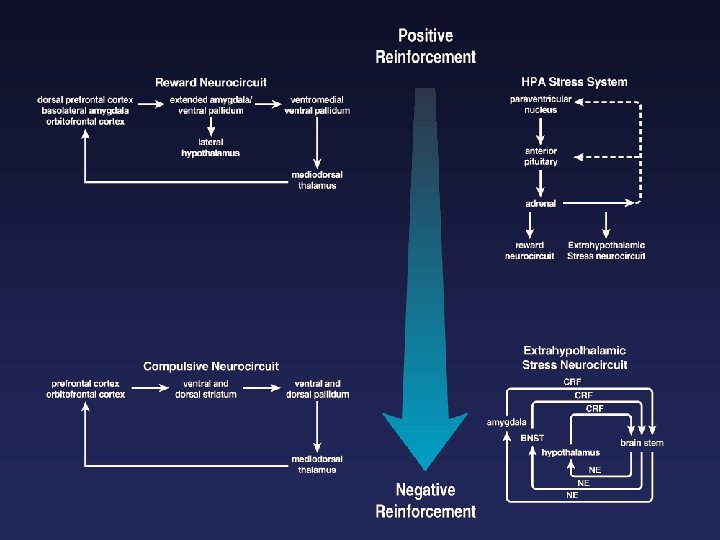
Key Definitions Drug Addiction — Chronically relapsing disorder that is characterized by a compulsion to seek and take drug, loss of control in limiting intake, and emergence of a negative emotional state (e. g. dysphoria, anxiety, irritability) when access to the drug is prevented (here, defined as the “dark side” of addiction) • Extended Amygdala- forebrain macrostructure composed of central medial amygdala, bed nucleus of the stria terminalis and a transition zone in the medial part of the nucleus accumbens • Corticotropin Releasing Factor- 41 amino acid polypeptide “brain stress” neurotransmitter that controls hormonal, sympathetic and behavioral responses to stressors Anti-reward- Construct developed to explain a “between sytems” neuroadaptation that counteracts the positive reinforcing effects of drugs of abuse and sets up not only “apparent tolerance” but an allostatic dysregulation of emotional behavior • Allostasis- literally, “other stability”; in physiology, the ability to achieve stability through change
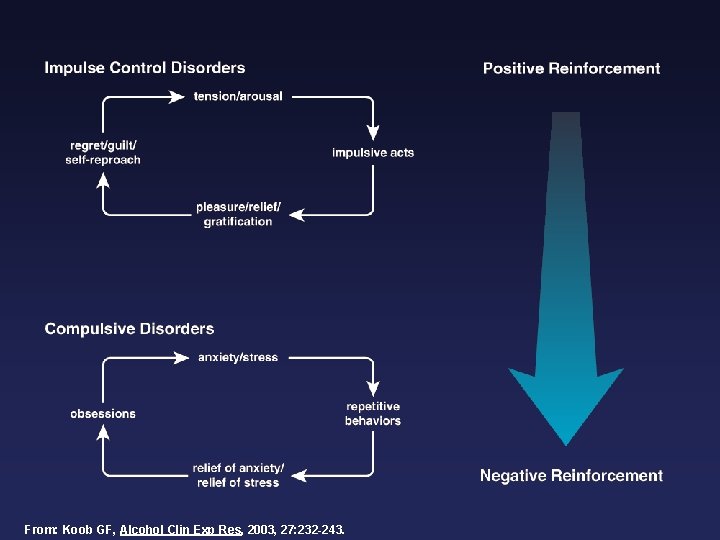
From: Koob GF, Alcohol Clin Exp Res, 2003, 27: 232 -243.
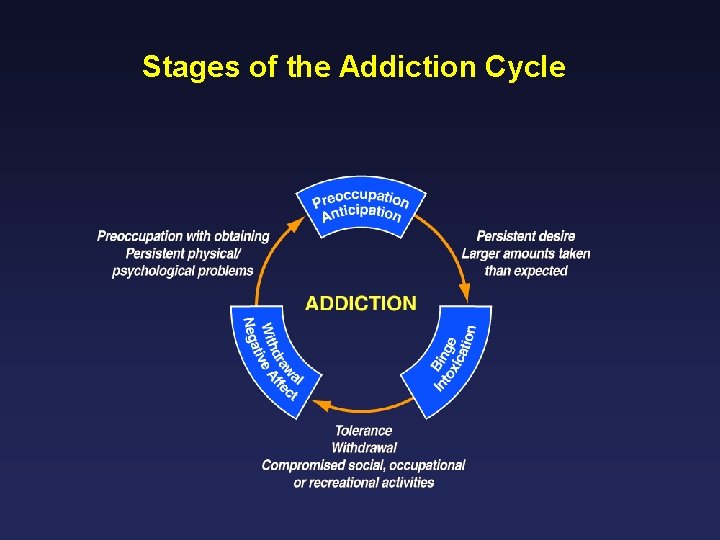
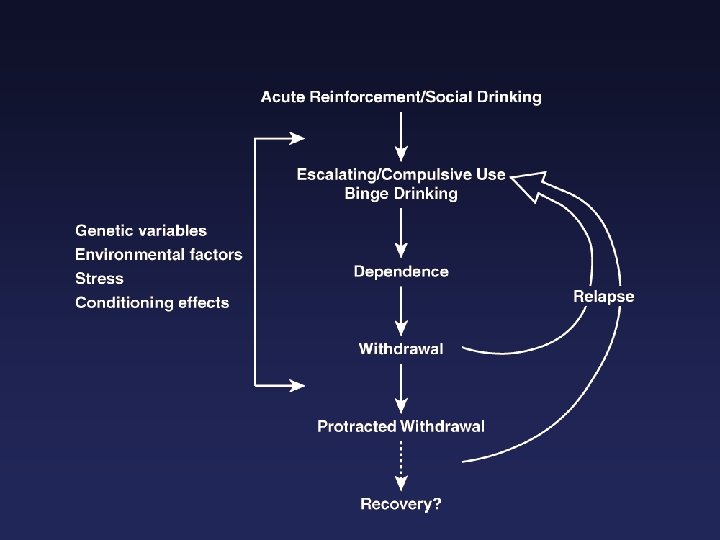
Stages of the Addiction Cycle
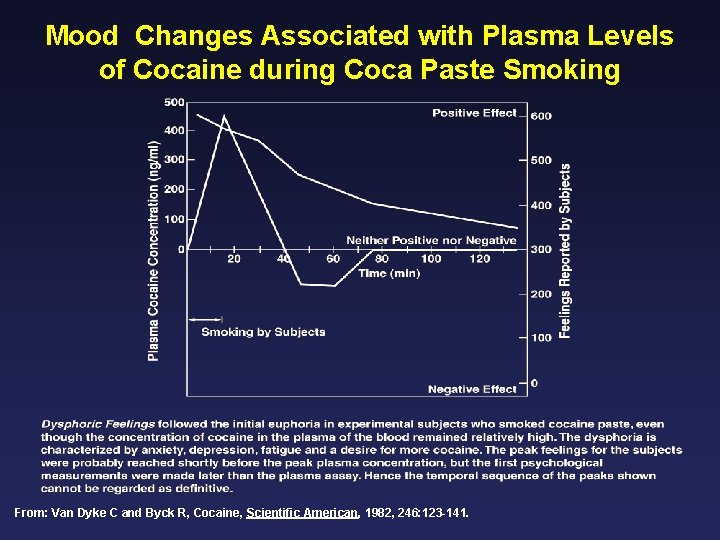
Mood Changes Associated with Plasma Levels of Cocaine during Coca Paste Smoking From: Van Dyke C and Byck R, Cocaine, Scientific American, 1982, 246: 123 -141.
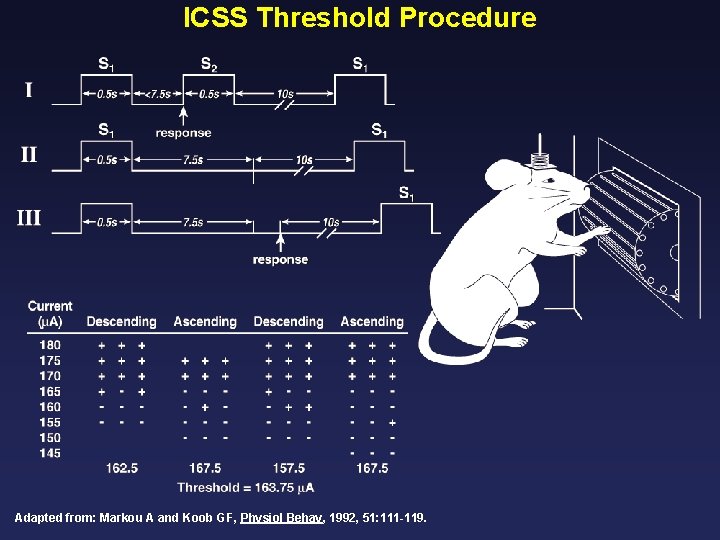
ICSS Threshold Procedure Adapted from: Markou A and Koob GF, Physiol Behav, 1992, 51: 111 -119.
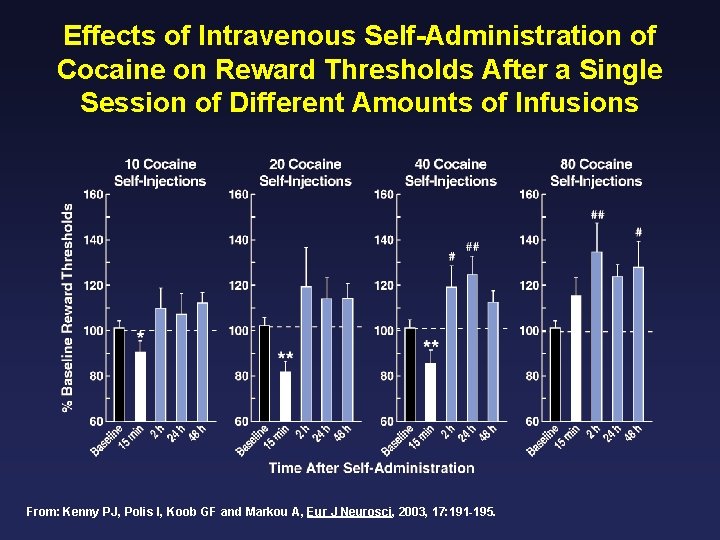
Effects of Intravenous Self-Administration of Cocaine on Reward Thresholds After a Single Session of Different Amounts of Infusions From: Kenny PJ, Polis I, Koob GF and Markou A, Eur J Neurosci, 2003, 17: 191 -195.
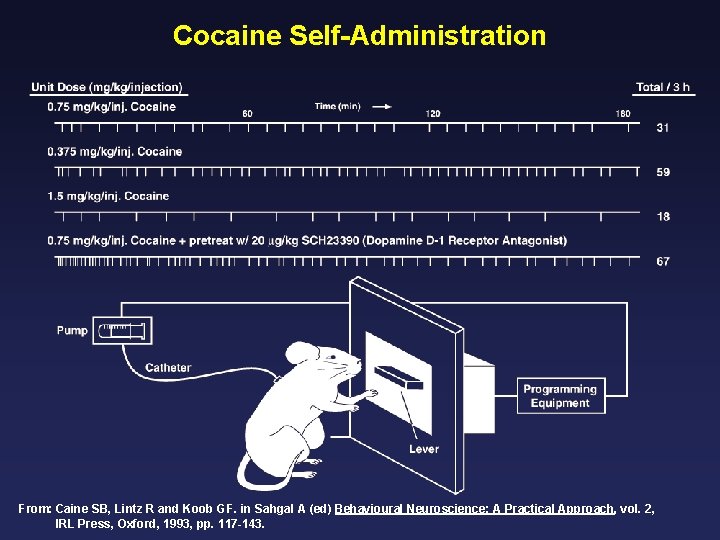
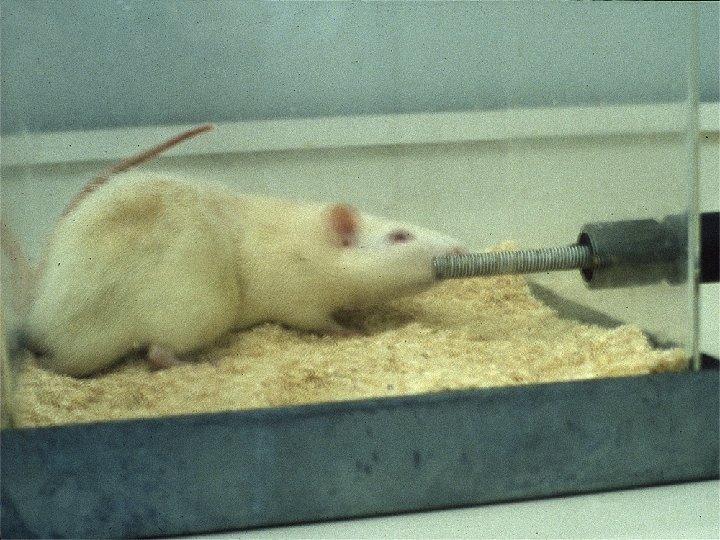
Cocaine Self-Administration From: Caine SB, Lintz R and Koob GF. in Sahgal A (ed) Behavioural Neuroscience: A Practical Approach, vol. 2, IRL Press, Oxford, 1993, pp. 117 -143.
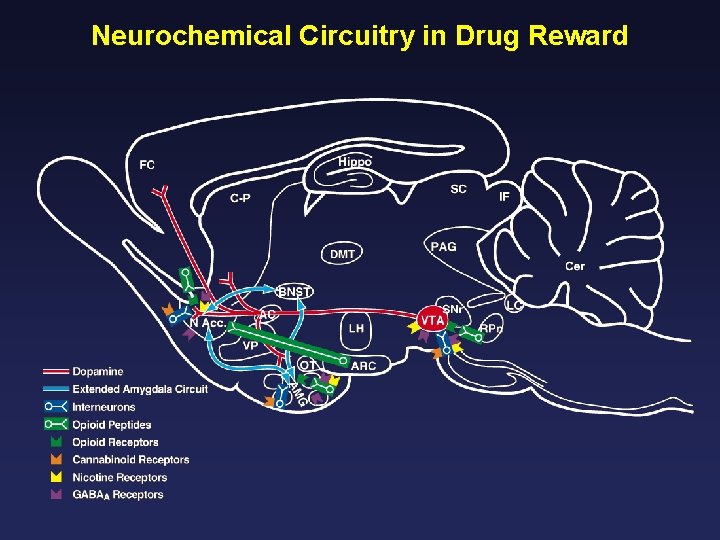
Neurochemical Circuitry in Drug Reward
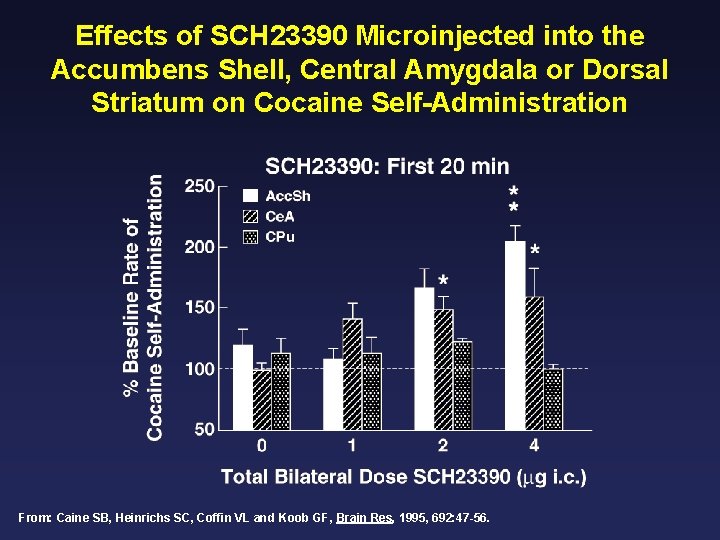
Effects of SCH 23390 Microinjected into the Accumbens Shell, Central Amygdala or Dorsal Striatum on Cocaine Self-Administration From: Caine SB, Heinrichs SC, Coffin VL and Koob GF, Brain Res, 1995, 692: 47 -56.
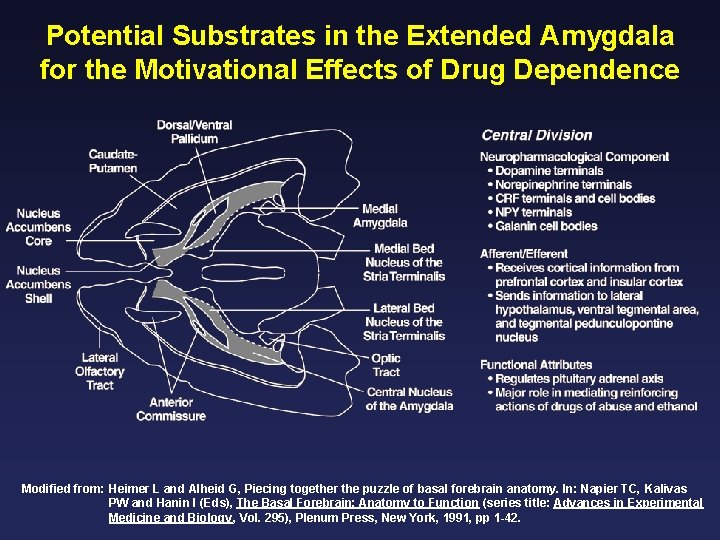
Potential Substrates in the Extended Amygdala for the Motivational Effects of Drug Dependence Modified from: Heimer L and Alheid G, Piecing together the puzzle of basal forebrain anatomy. In: Napier TC, Kalivas PW and Hanin I (Eds), The Basal Forebrain: Anatomy to Function (series title: Advances in Experimental Medicine and Biology, Vol. 295), Plenum Press, New York, 1991, pp 1 -42.
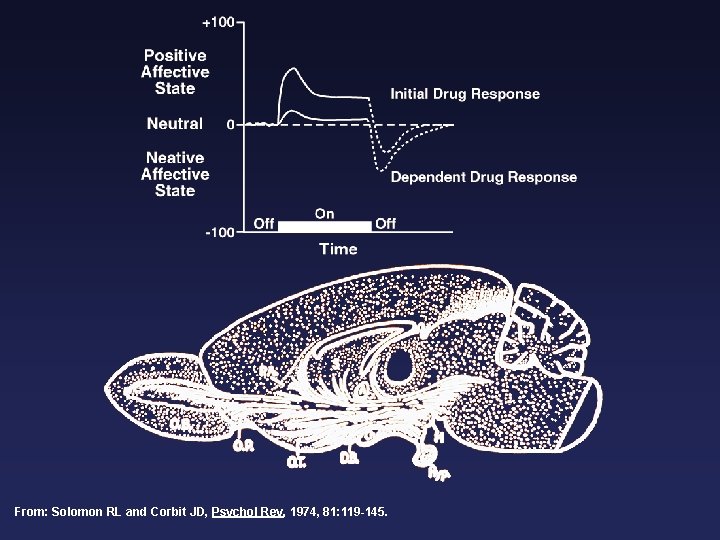
From: Solomon RL and Corbit JD, Psychol Rev, 1974, 81: 119 -145.
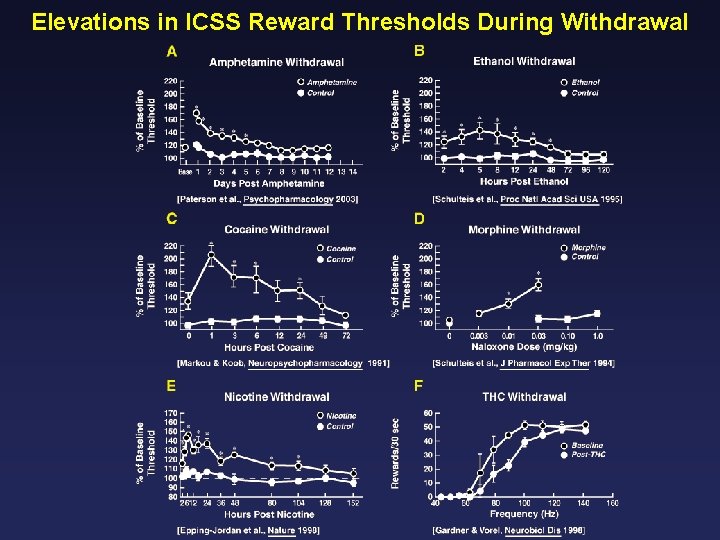
Elevations in ICSS Reward Thresholds During Withdrawal
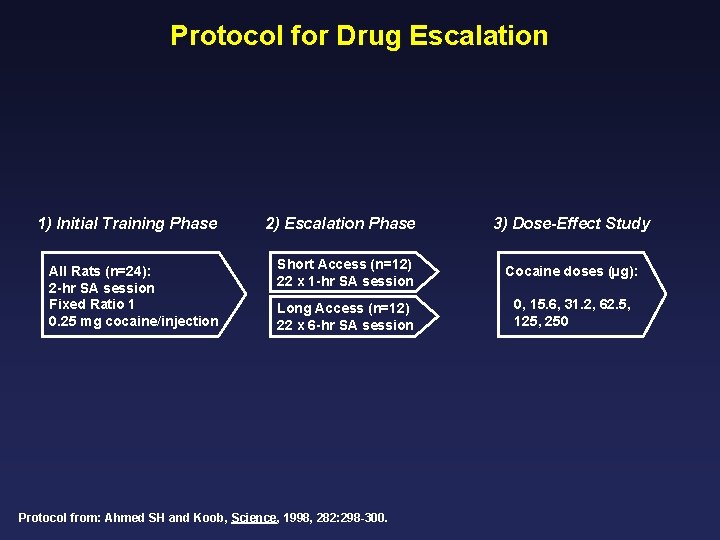
Protocol for Drug Escalation 1) Initial Training Phase 2) Escalation Phase All Rats (n=24): 2 -hr SA session Fixed Ratio 1 0. 25 mg cocaine/injection Short Access (n=12) 22 x 1 -hr SA session Cocaine doses (µg): Long Access (n=12) 22 x 6 -hr SA session 0, 15. 6, 31. 2, 62. 5, 125, 250 Protocol from: Ahmed SH and Koob, Science, 1998, 282: 298 -300. 3) Dose-Effect Study
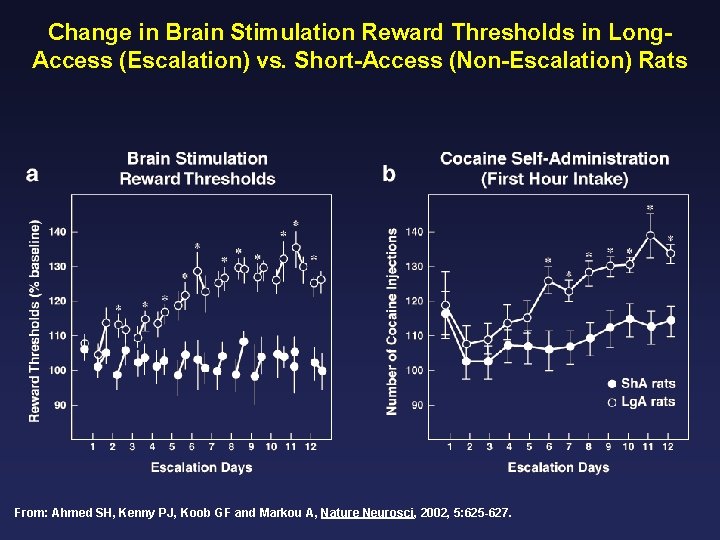
Change in Brain Stimulation Reward Thresholds in Long. Access (Escalation) vs. Short-Access (Non-Escalation) Rats From: Ahmed SH, Kenny PJ, Koob GF and Markou A, Nature Neurosci, 2002, 5: 625 -627.
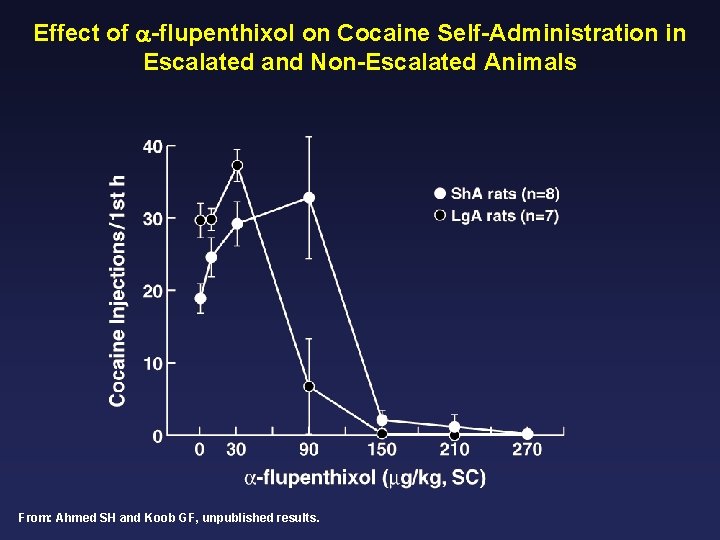
Effect of a-flupenthixol on Cocaine Self-Administration in Escalated and Non-Escalated Animals From: Ahmed SH and Koob GF, unpublished results.
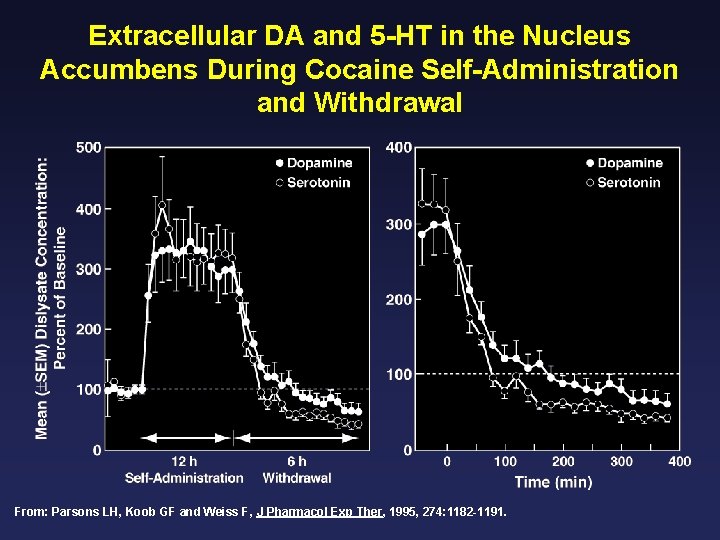
Extracellular DA and 5 -HT in the Nucleus Accumbens During Cocaine Self-Administration and Withdrawal From: Parsons LH, Koob GF and Weiss F, J Pharmacol Exp Ther, 1995, 274: 1182 -1191.
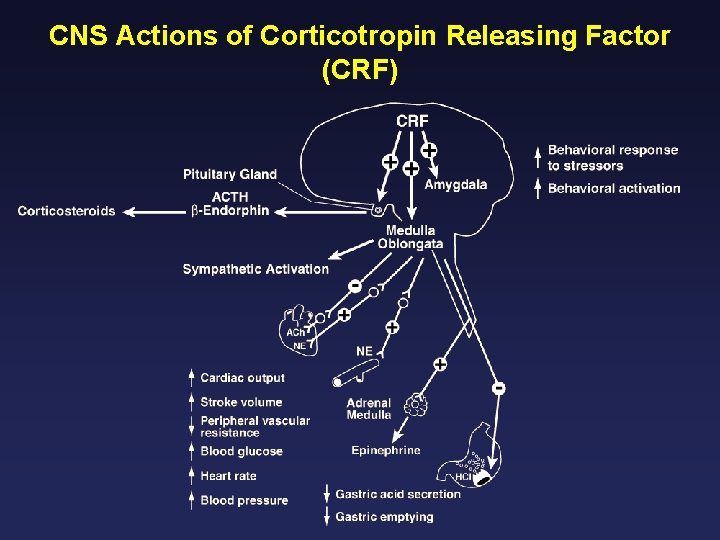
CNS Actions of Corticotropin Releasing Factor (CRF)
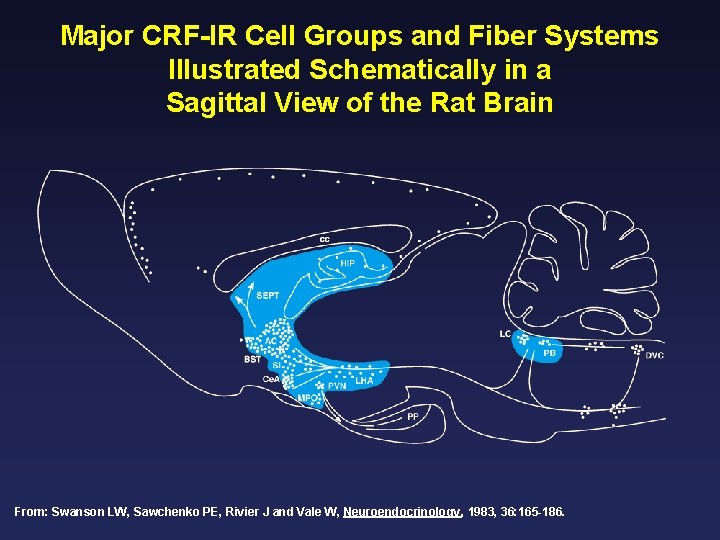
Major CRF-IR Cell Groups and Fiber Systems Illustrated Schematically in a Sagittal View of the Rat Brain From: Swanson LW, Sawchenko PE, Rivier J and Vale W, Neuroendocrinology, 1983, 36: 165 -186.
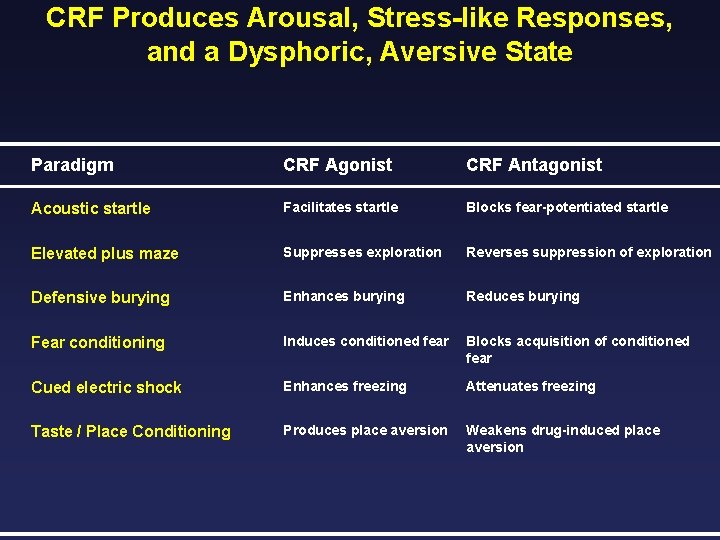
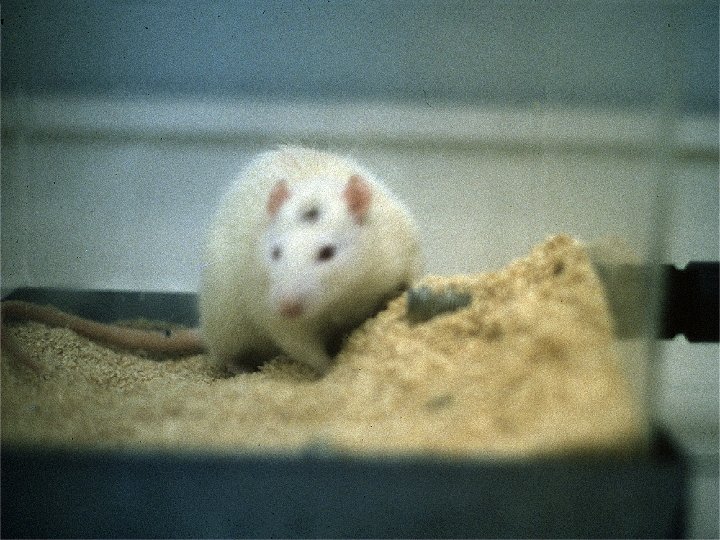
CRF Produces Arousal, Stress-like Responses, and a Dysphoric, Aversive State Paradigm CRF Agonist CRF Antagonist Acoustic startle Facilitates startle Blocks fear-potentiated startle Elevated plus maze Suppresses exploration Reverses suppression of exploration Defensive burying Enhances burying Reduces burying Fear conditioning Induces conditioned fear Blocks acquisition of conditioned fear Cued electric shock Enhances freezing Attenuates freezing Taste / Place Conditioning Produces place aversion Weakens drug-induced place aversion
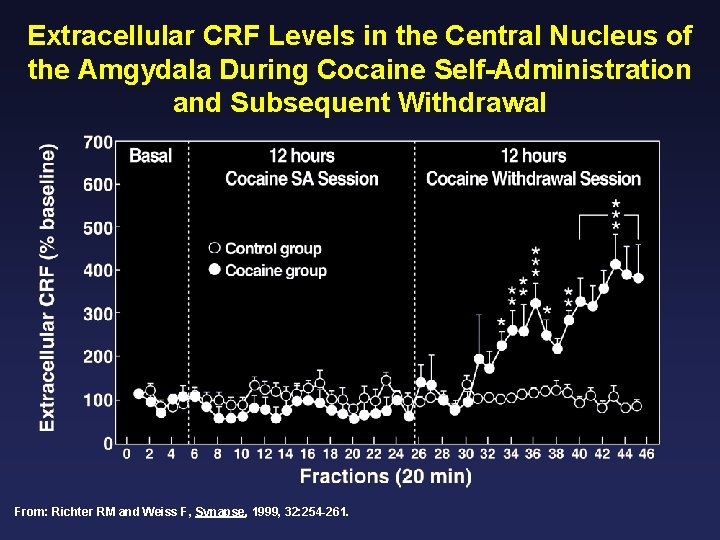
Extracellular CRF Levels in the Central Nucleus of the Amgydala During Cocaine Self-Administration and Subsequent Withdrawal From: Richter RM and Weiss F, Synapse, 1999, 32: 254 -261.
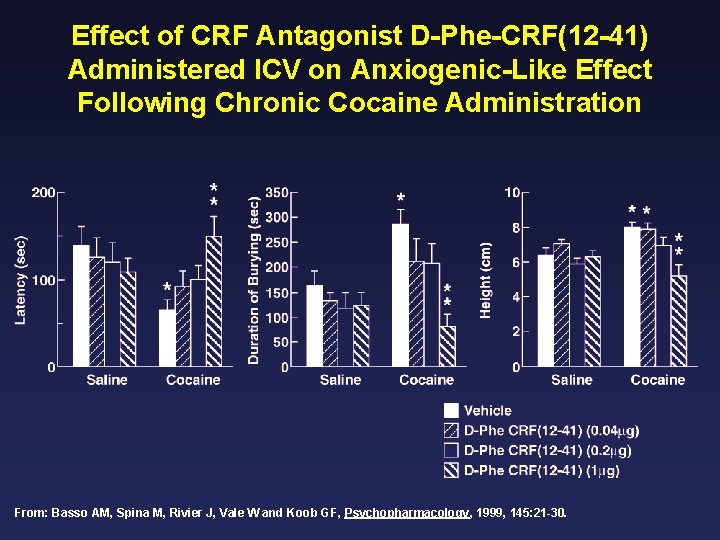
Effect of CRF Antagonist D-Phe-CRF(12 -41) Administered ICV on Anxiogenic-Like Effect Following Chronic Cocaine Administration From: Basso AM, Spina M, Rivier J, Vale W and Koob GF, Psychopharmacology, 1999, 145: 21 -30.
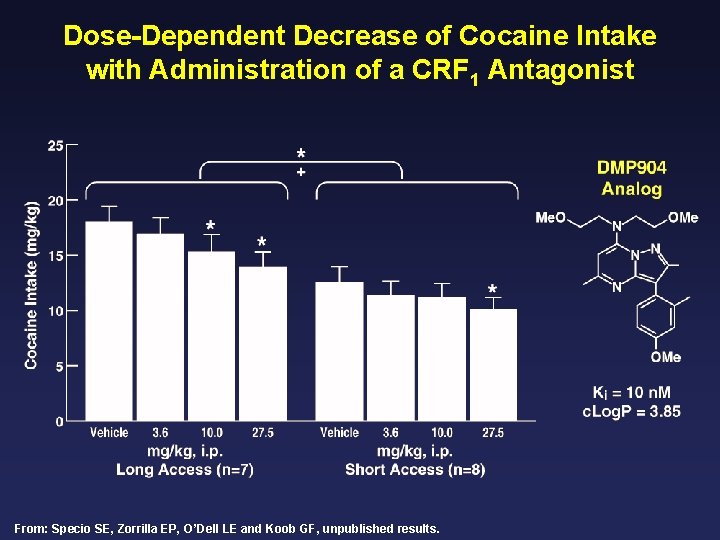
Dose-Dependent Decrease of Cocaine Intake with Administration of a CRF 1 Antagonist From: Specio SE, Zorrilla EP, O’Dell LE and Koob GF, unpublished results.
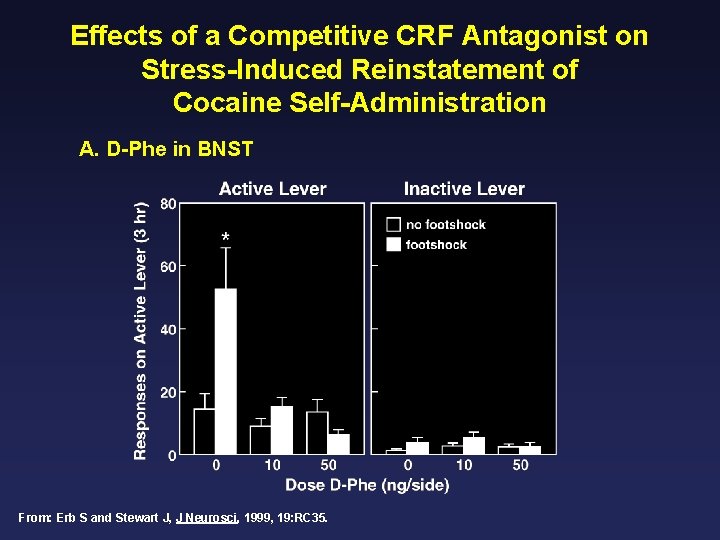
Effects of a Competitive CRF Antagonist on Stress-Induced Reinstatement of Cocaine Self-Administration A. D-Phe in BNST From: Erb S and Stewart J, J Neurosci, 1999, 19: RC 35.
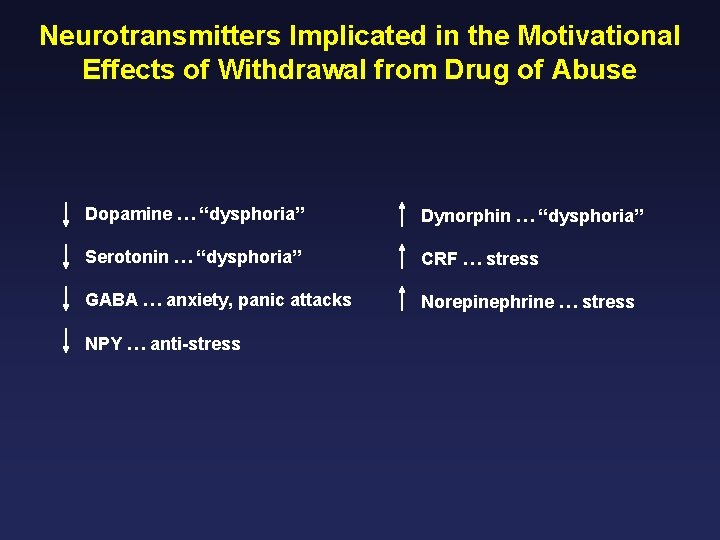
Neurotransmitters Implicated in the Motivational Effects of Withdrawal from Drug of Abuse Dopamine … “dysphoria” Dynorphin … “dysphoria” Serotonin … “dysphoria” CRF … stress GABA … anxiety, panic attacks Norepinephrine … stress NPY … anti-stress
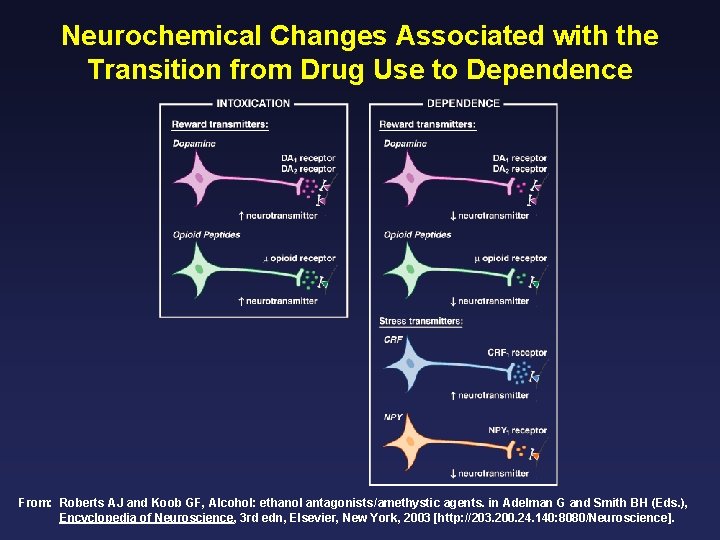
Neurochemical Changes Associated with the Transition from Drug Use to Dependence From: Roberts AJ and Koob GF, Alcohol: ethanol antagonists/amethystic agents. in Adelman G and Smith BH (Eds. ), Encyclopedia of Neuroscience, 3 rd edn, Elsevier, New York, 2003 [http: //203. 200. 24. 140: 8080/Neuroscience].
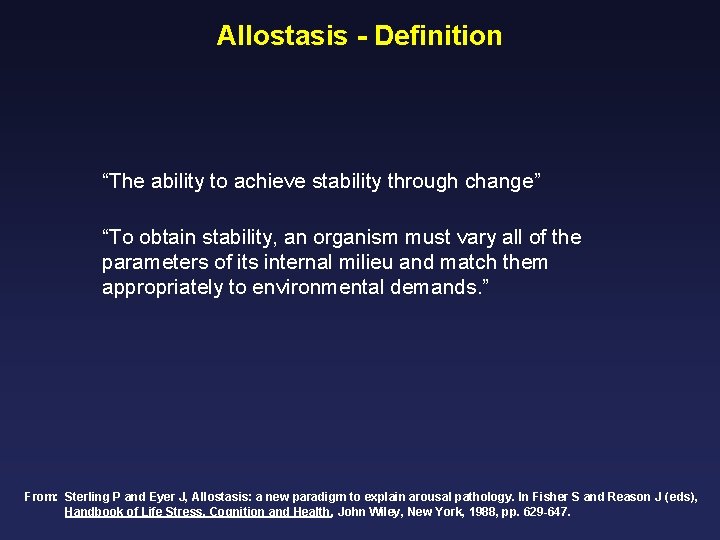
Allostasis - Definition “The ability to achieve stability through change” “To obtain stability, an organism must vary all of the parameters of its internal milieu and match them appropriately to environmental demands. ” From: Sterling P and Eyer J, Allostasis: a new paradigm to explain arousal pathology. In Fisher S and Reason J ( eds), Handbook of Life Stress, Cognition and Health, John Wiley, New York, 1988, pp. 629 -647.
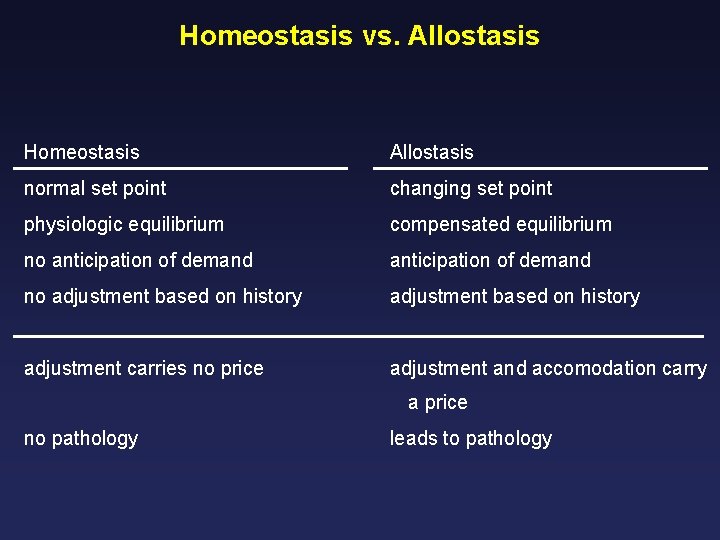
Homeostasis vs. Allostasis Homeostasis Allostasis normal set point changing set point physiologic equilibrium compensated equilibrium no anticipation of demand no adjustment based on history adjustment carries no price adjustment and accomodation carry a price no pathology leads to pathology
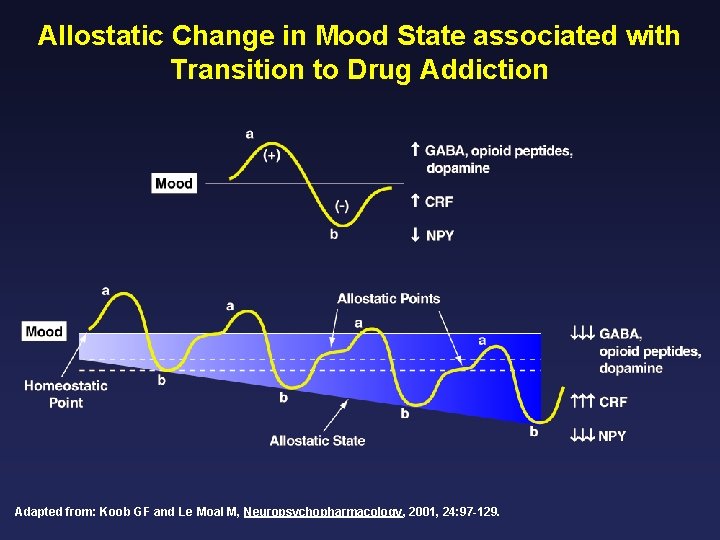
Allostatic Change in Mood State associated with Transition to Drug Addiction Adapted from: Koob GF and Le Moal M, Neuropsychopharmacology, 2001, 24: 97 -129.
Neurobiology of Drug Addiction Current Collaborators Floyd Bloom John Walker Angelo Contarino Barbara Mason Charles Heyser Robert Purdy Michel Le Moal Marc Azar Glenn Valdez Luis Stinus Serge Ahmed Scott Chen Friedbert Weiss Andrew Morse Cindy Funk Athina Markou Emanuela Izzo Brendan Walker Amanda Roberts Laura O’Dell Tom Greenwell Larry Parsons Benjamin Boutrel Heather Richardson Pietro Sanna Eric Zorrilla Sandy Ghozland Luigi Pulvirenti Paul Kenny Support from the National Institutes of Health: National Institute on Alcohol Abuse and Alcoholism National Institute on Drug Abuse National Institute of Diabetes and Digestive and Kidney Diseases Pearson Center for Alcoholism and Addiction Research
- Slides: 38