
Neural Networks Chapter 8 8 1 FeedForward Neural













- Slides: 62
Neural Networks Chapter 8
8. 1 Feed-Forward Neural Networks
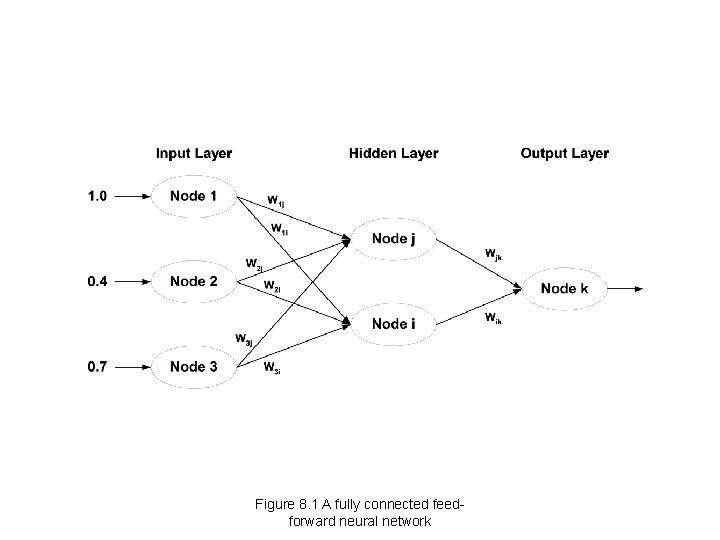
Figure 8. 1 A fully connected feedforward neural network
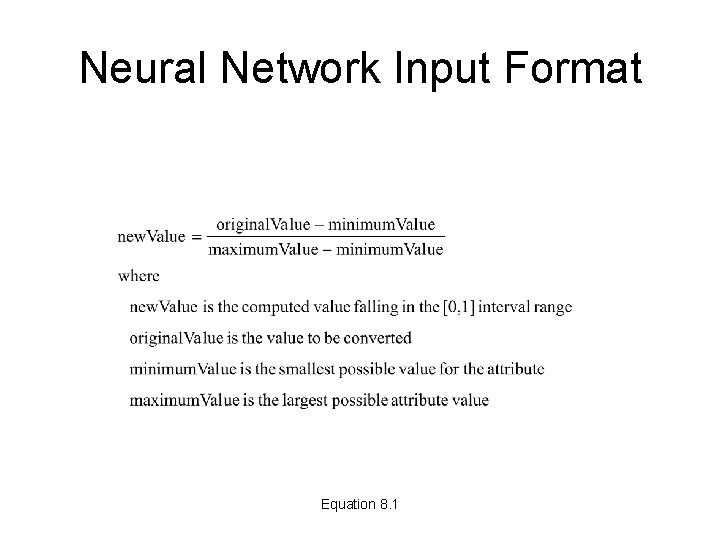
Neural Network Input Format Equation 8. 1
Neural Network Output Format
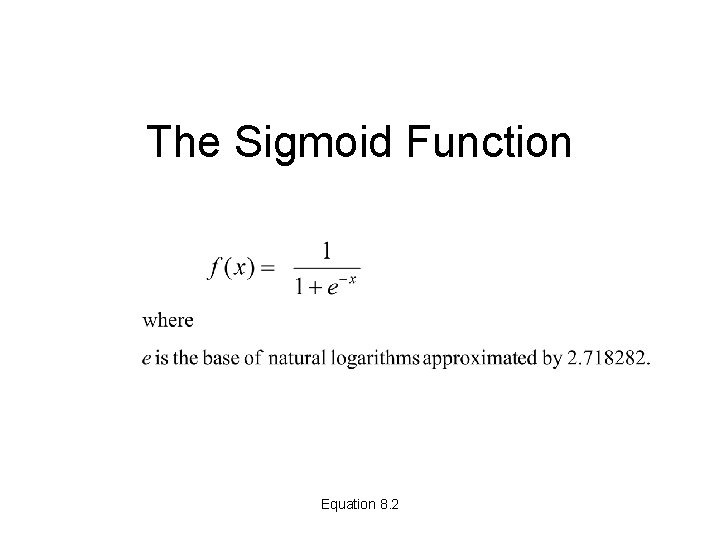
The Sigmoid Function Equation 8. 2
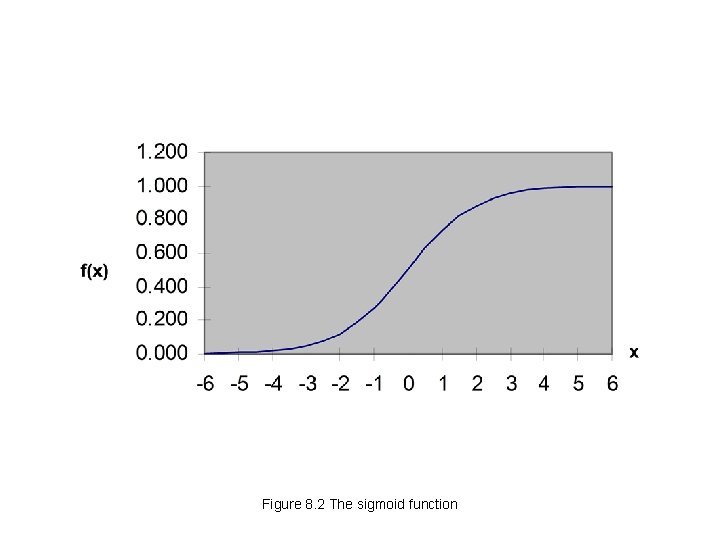
Figure 8. 2 The sigmoid function
8. 2 Neural Network Training: A Conceptual View
Supervised Learning with Feed-Forward Networks • Backpropagation Learning • Genetic Learning
Unsupervised Clustering with Self-Organizing Maps
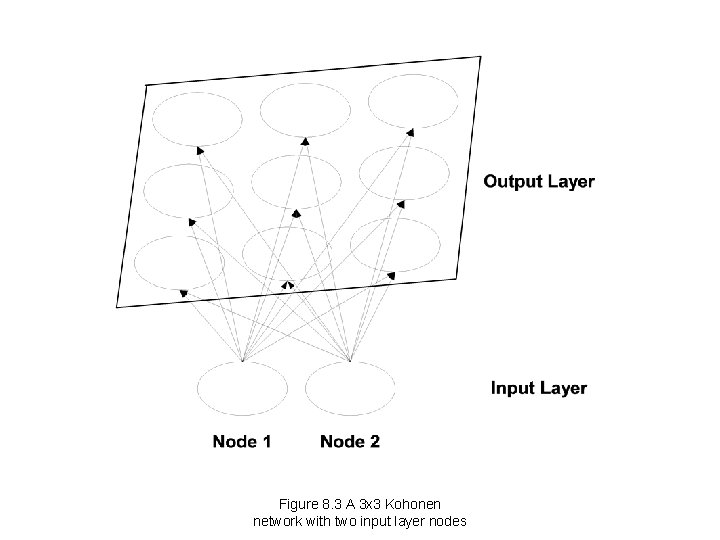
Figure 8. 3 A 3 x 3 Kohonen network with two input layer nodes
8. 3 Neural Network Explanation • Sensitivity Analysis • Average Member Technique
8. 4 General Considerations • What input attributes will be used to build the network? • How will the network output be represented? • How many hidden layers should the network contain? • How many nodes should there be in each hidden layer? • What condition will terminate network training?
Neural Network Strengths • Work well with noisy data. • Can process numeric and categorical data. • Appropriate for applications requiring a time element. • Have performed well in several domains. • Appropriate for supervised learning and unsupervised clustering.
Weaknesses • Lack explanation capabilities. • May not provide optimal solutions to problems. • Overtraining can be a problem.
8. 5 Neural Network Training: A Detailed View
The Backpropagation Algorithm: An Example
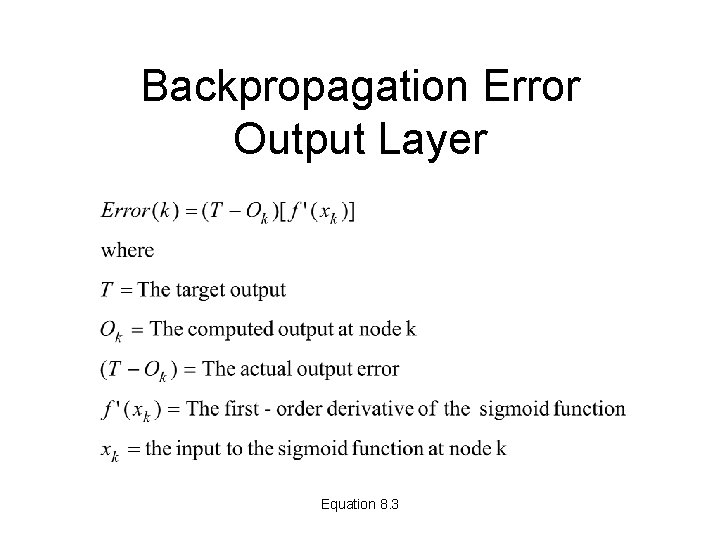
Backpropagation Error Output Layer Equation 8. 3
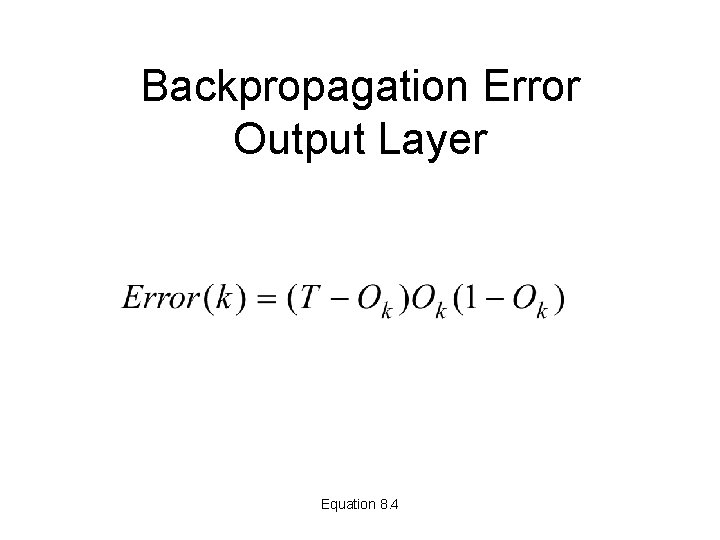
Backpropagation Error Output Layer Equation 8. 4
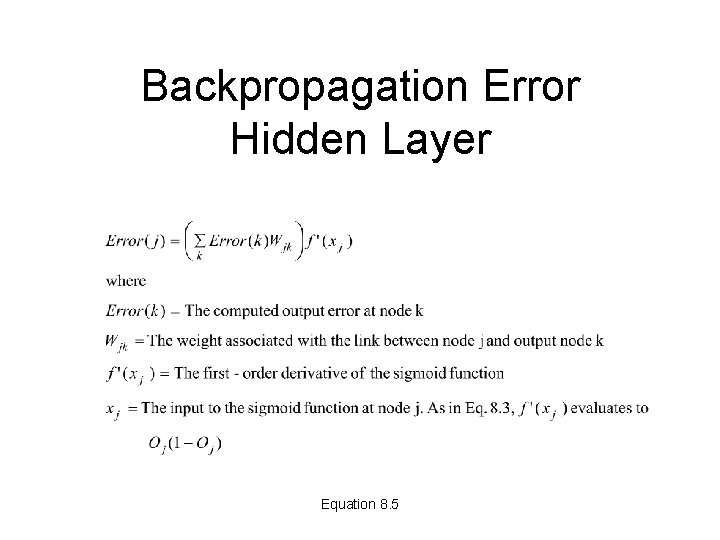
Backpropagation Error Hidden Layer Equation 8. 5
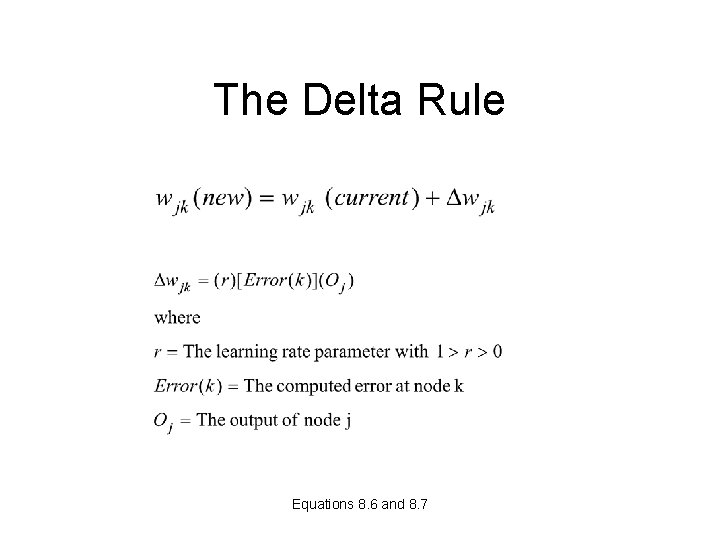
The Delta Rule Equations 8. 6 and 8. 7
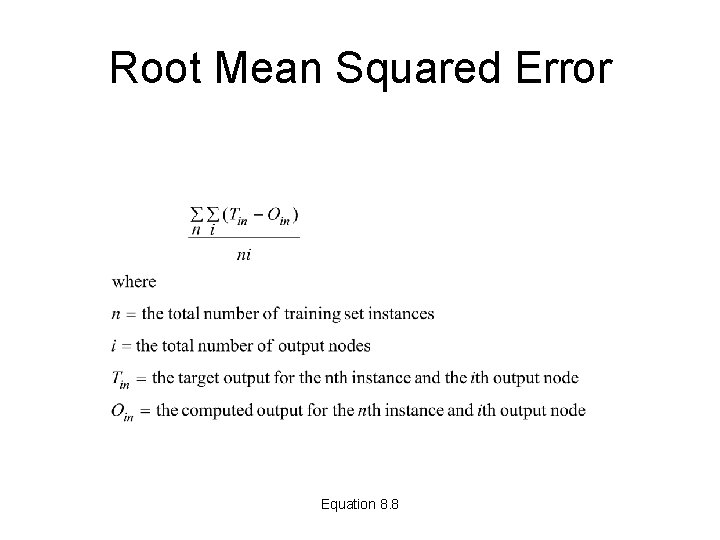
Root Mean Squared Error Equation 8. 8
Kohonen Self-Organizing Maps: An Example
Figure 8. 4 Connections for two output layer nodes
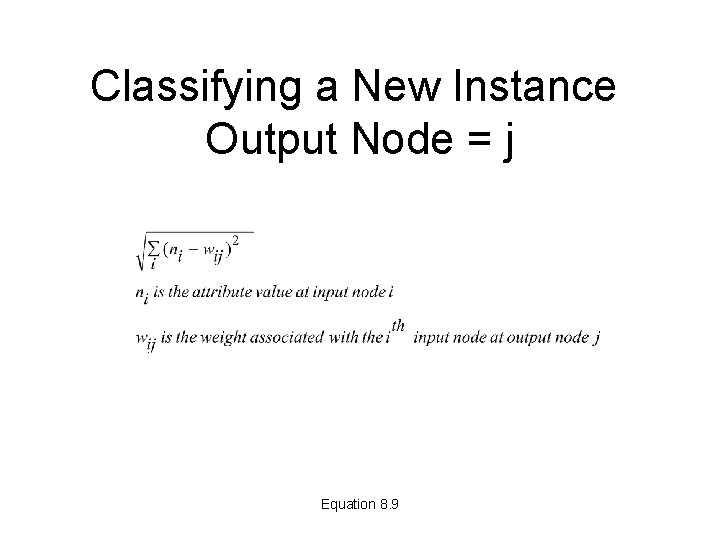
Classifying a New Instance Output Node = j Equation 8. 9
Adjusting the Weight Vectors Output Node = j Equation 8. 10
Building Neural Networks with i. DA Chapter 9
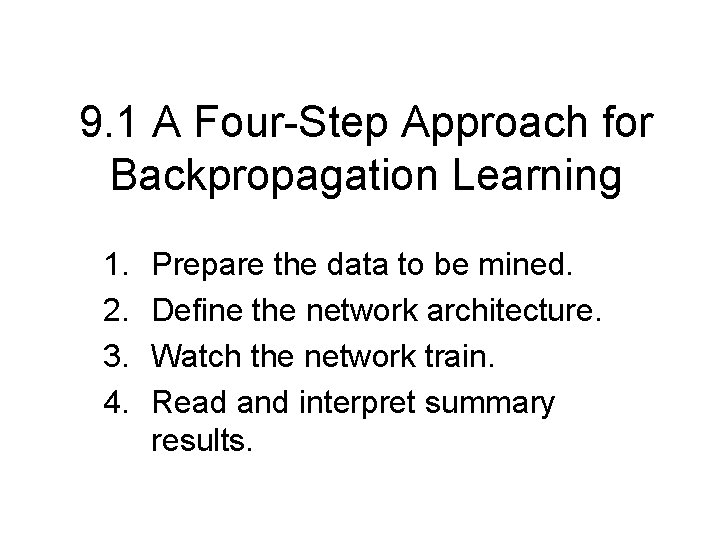
9. 1 A Four-Step Approach for Backpropagation Learning 1. 2. 3. 4. Prepare the data to be mined. Define the network architecture. Watch the network train. Read and interpret summary results.
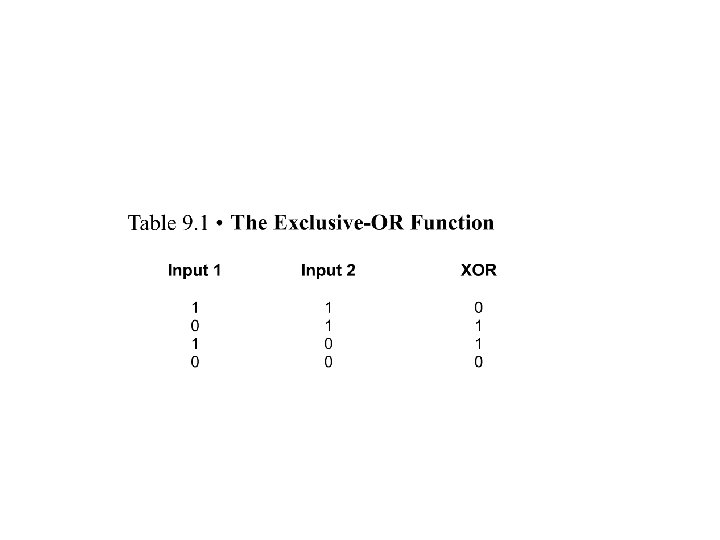
Example 1: Modeling the Exclusive-OR Function
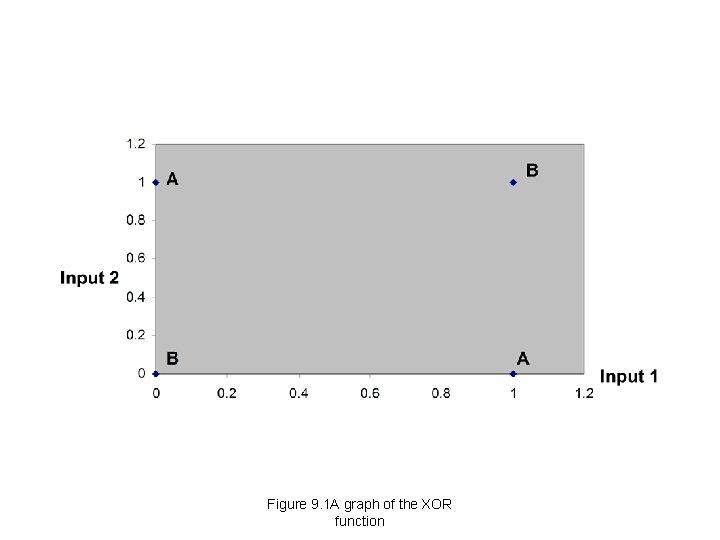
Figure 9. 1 A graph of the XOR function
Step 1: Prepare The Data To Be Mined
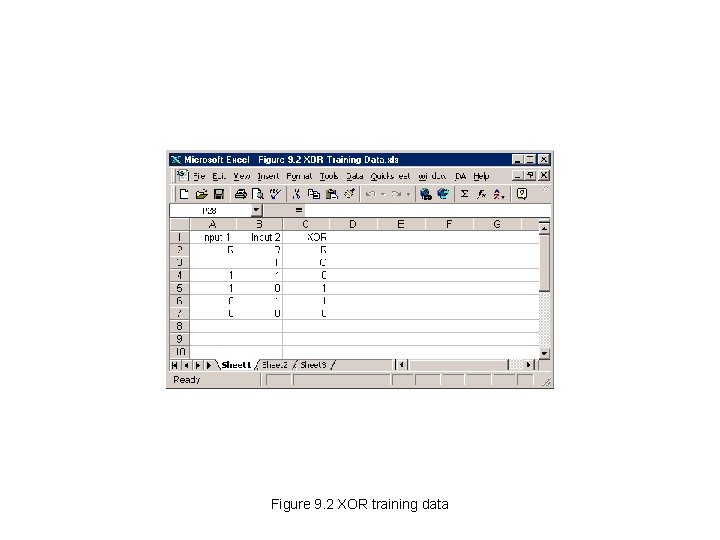
Figure 9. 2 XOR training data
Step 2: Define The Network Architecture
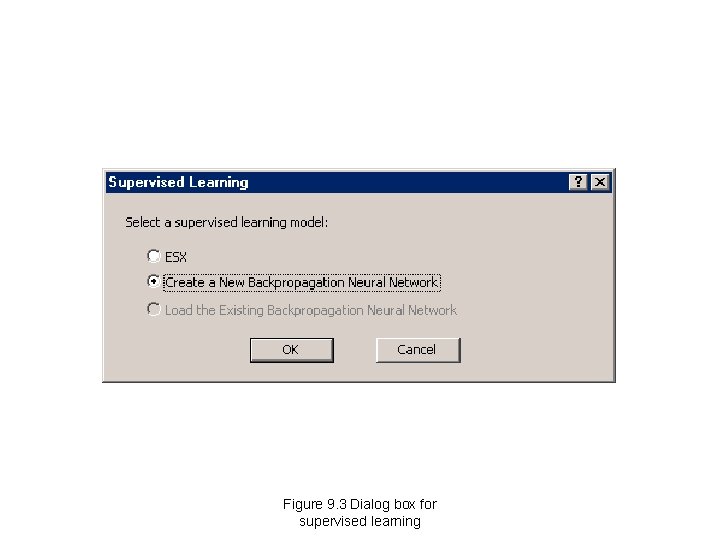
Figure 9. 3 Dialog box for supervised learning
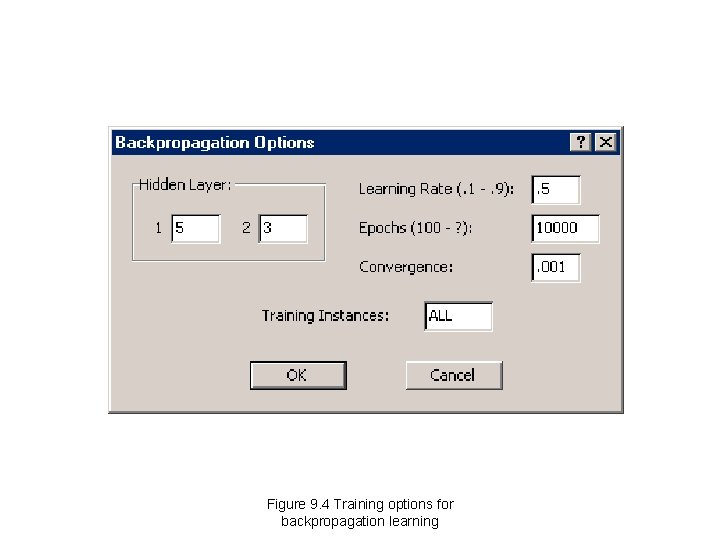
Figure 9. 4 Training options for backpropagation learning
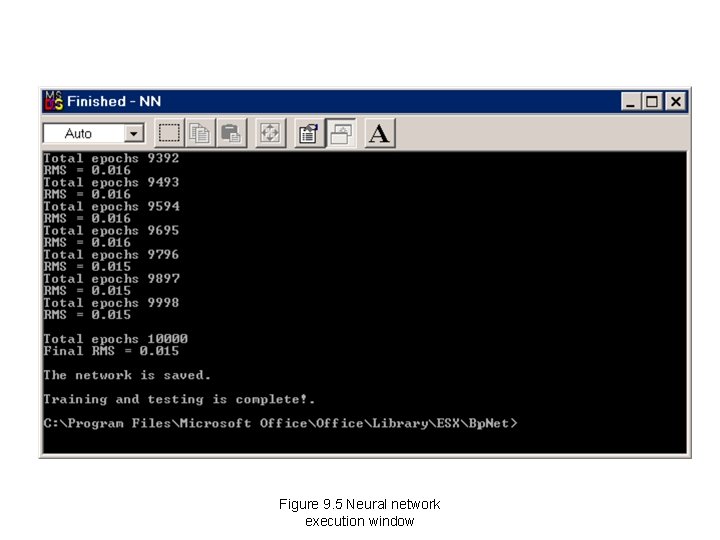
Step 3: Watch The Network Train
Figure 9. 5 Neural network execution window
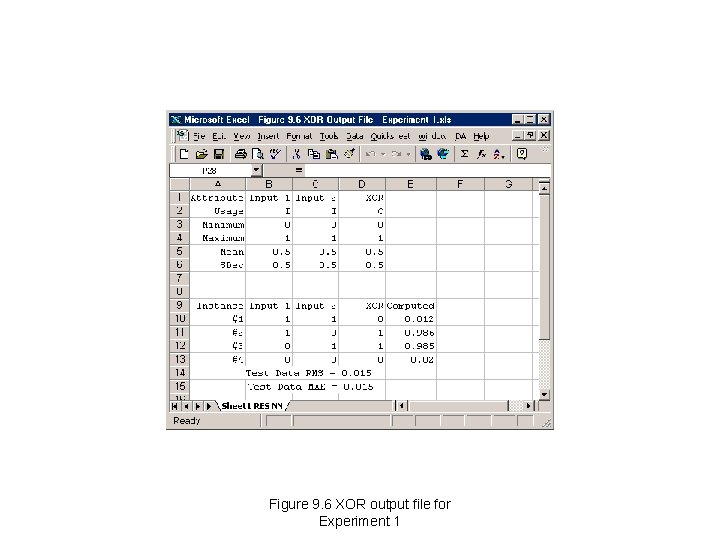
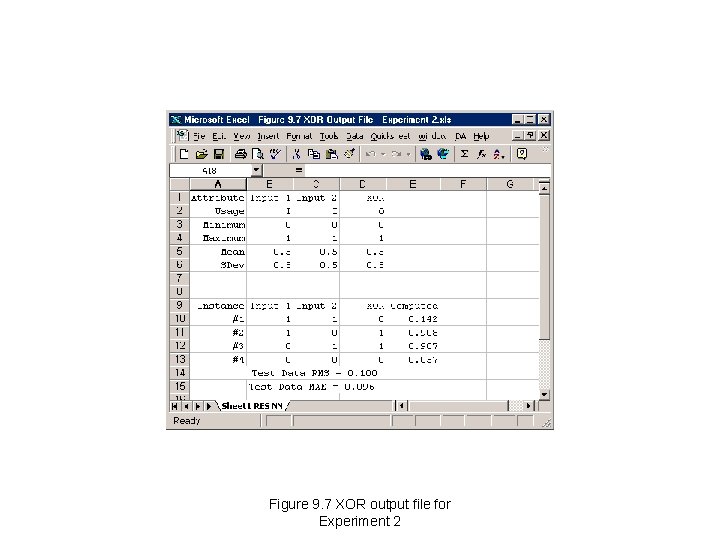
Step 4: Read and Interpret Summary Results
Figure 9. 6 XOR output file for Experiment 1
Figure 9. 7 XOR output file for Experiment 2
Example 2: The Satellite Image Dataset
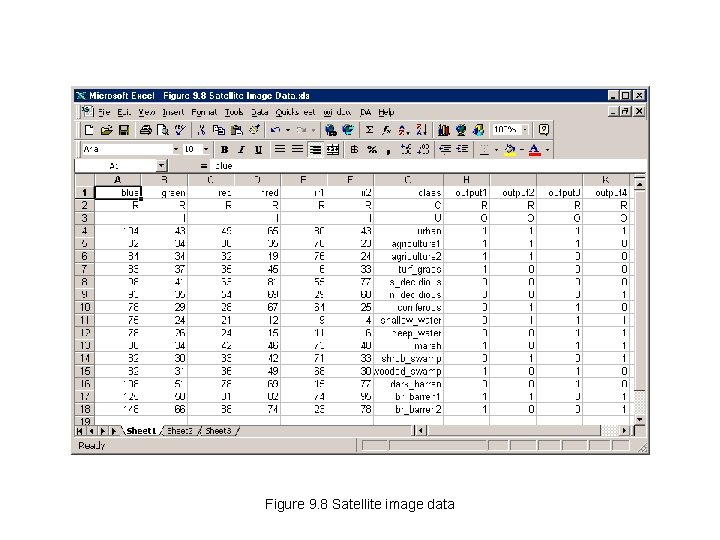
Step 1: Prepare The Data To Be Mined
Figure 9. 8 Satellite image data
Step 2: Define The Network Architecture
Figure 9. 9 Backpropagation learning parameters for the
Step 3: Watch The Network Train
Step 4: Read And Interpret Summary Results
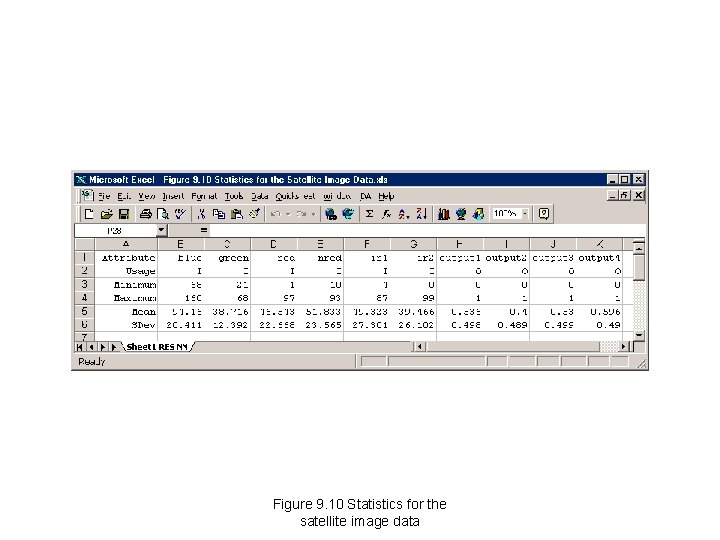
Figure 9. 10 Statistics for the satellite image data
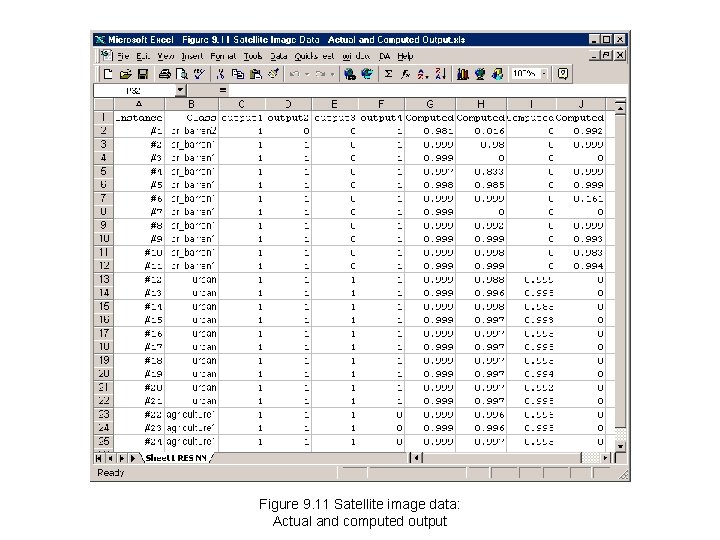
Figure 9. 11 Satellite image data: Actual and computed output
9. 2 A Four-Step Approach for Neural Network Clustering
Step 1: Prepare The Data To Be Mined The Deer Hunter Dataset
Step 2: Define The Network Architecture
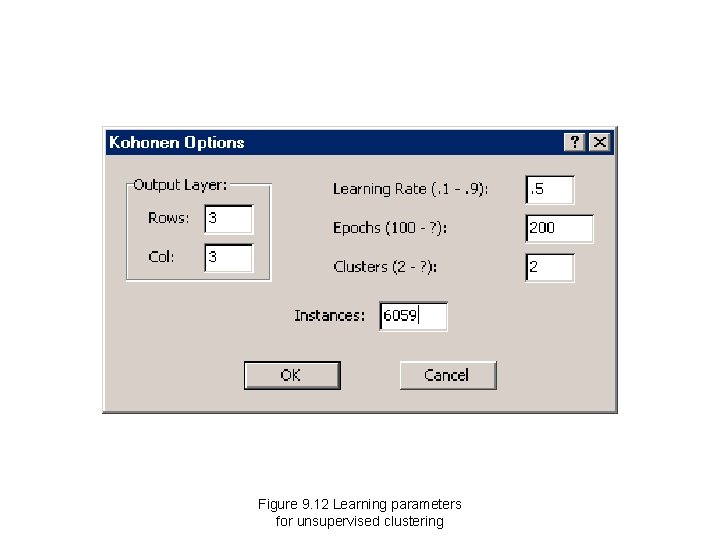
Figure 9. 12 Learning parameters for unsupervised clustering
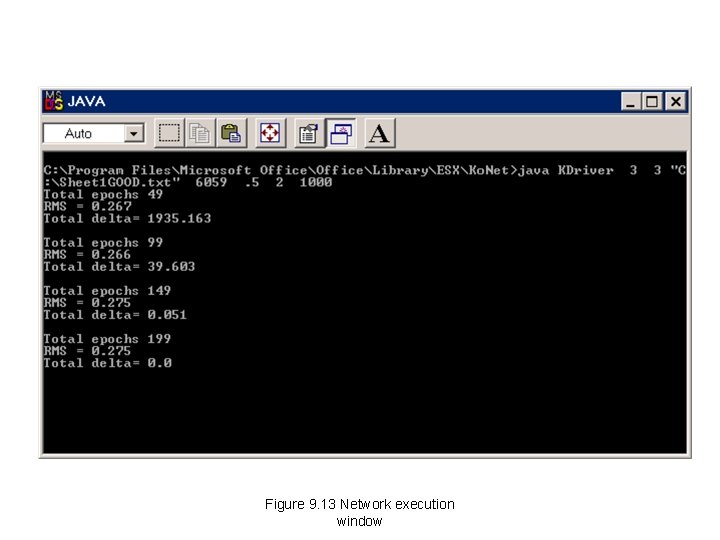
Step 3: Watch The Network Train
Figure 9. 13 Network execution window
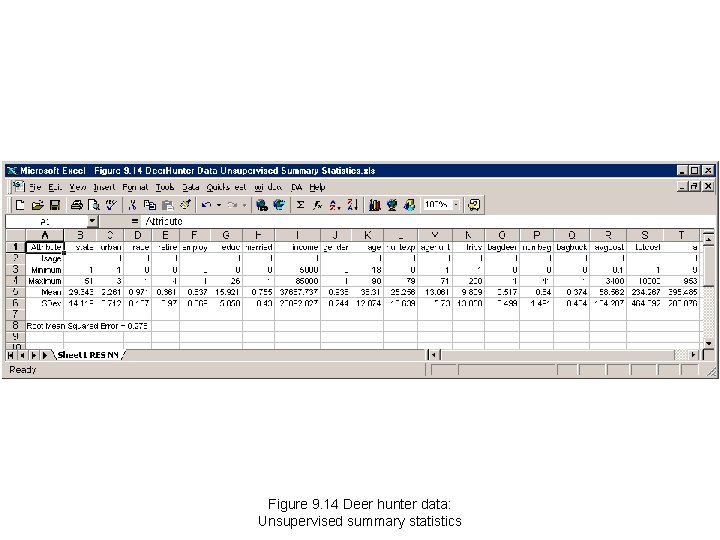
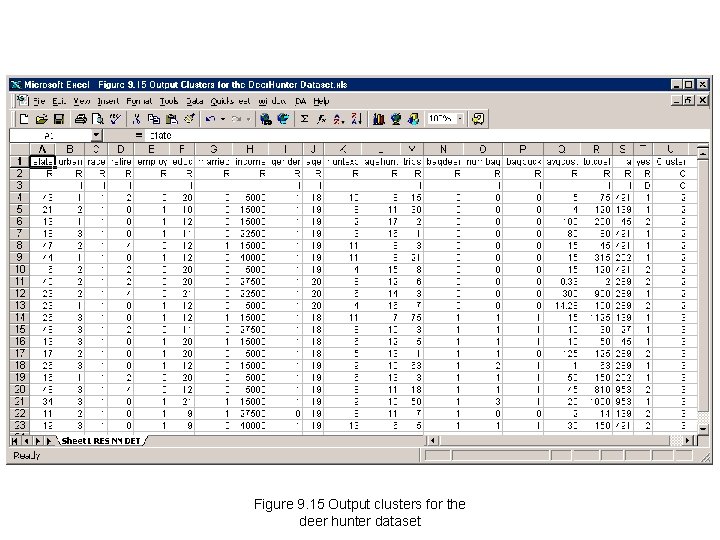
Step 4: Read And Interpret Summary Results
Figure 9. 14 Deer hunter data: Unsupervised summary statistics
Figure 9. 15 Output clusters for the deer hunter dataset
9. 3 ESX for Neural Network Cluster Analysis