
NETWORKING TESTOUT IT FUNDAMENTALS PRO Describe basic internet

NETWORKING TESTOUT IT FUNDAMENTALS PRO
Describe basic internet protocols, including TCP/IP, UDP, DNS, HTTP, FTP, and DHCP. Describe common email protocols, including SMTP, POP 3, and IMAP. Identify common HTTP methods, such as GET, POST, and DELETE. Interpret common HTTP status codes. Describe how networking devices transmit data to the right location on a network. TESTOUT IT FUNDAMENTALS PRO
Use the ipconfig command to find the following information for a workstation: IPv 4 address Subnet mask Default gateway address DNS server address DHCP server address TESTOUT IT FUNDAMENTALS PRO
DHCP server address Configure the following IP version 4 TCP/IP settings for a workstation to connect to the local network and the internet: IP Address Subnet Mask Default Gateway DNS Server TESTOUT IT FUNDAMENTALS PRO
Internet Protocol (IP) Transmission Control Protocol (TCP) User Datagram Protocol (UDP) Domain Name System (DNS) Hypertext Transfer Protocol (HTTP) Hypertext Transfer Protocol Secure (HTTPS) TESTOUT IT FUNDAMENTALS PRO
Simple Mail Transfer Protocol (SMTP) Post Office Protocol 3 (POP 3) Internet Message Access Protocol (IMAP) HTTP Method Dynamic Host Configuration Protocol (DHCP) Subnetting Subnet Mask TESTOUT IT FUNDAMENTALS PRO
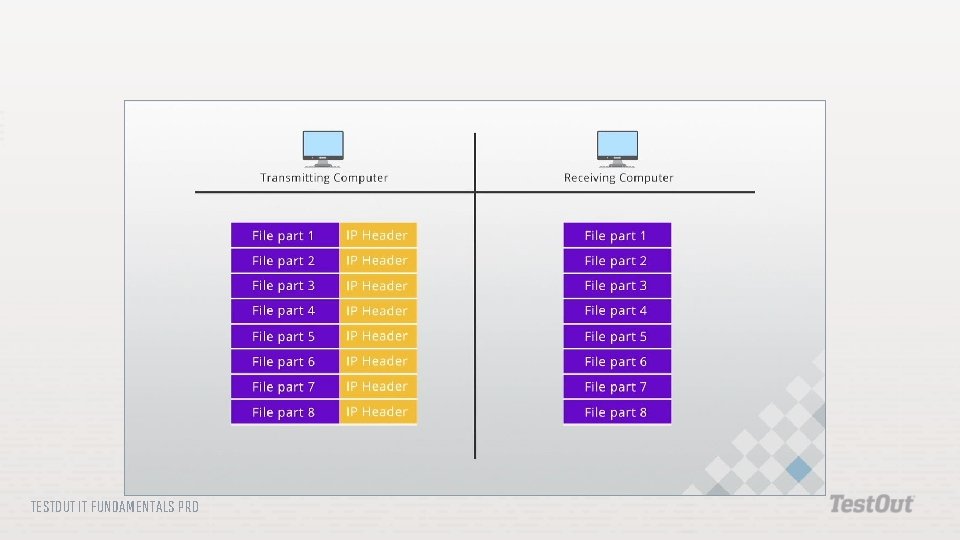
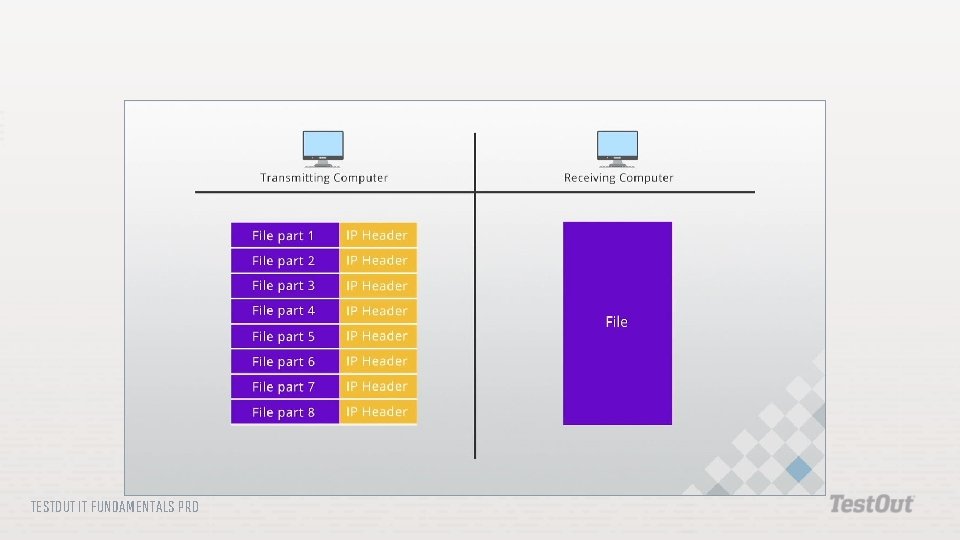
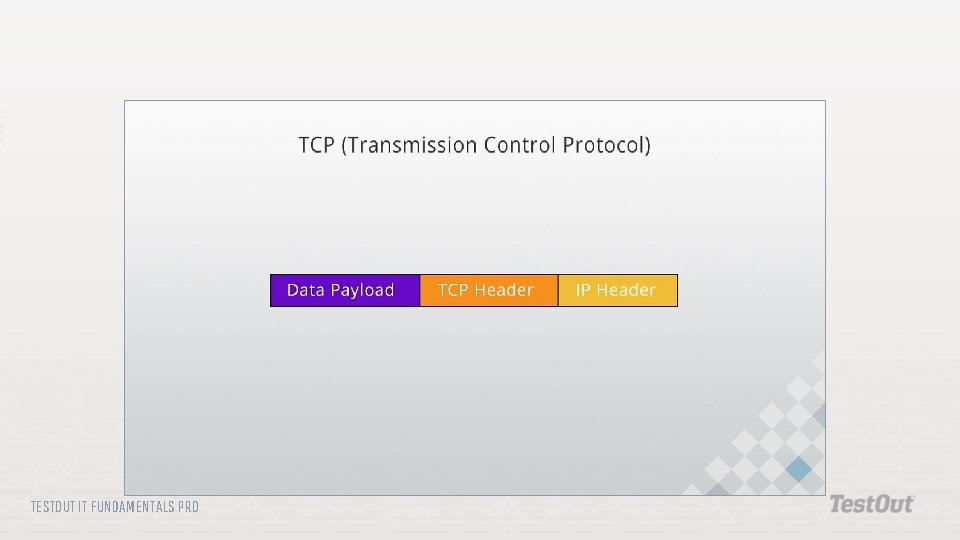
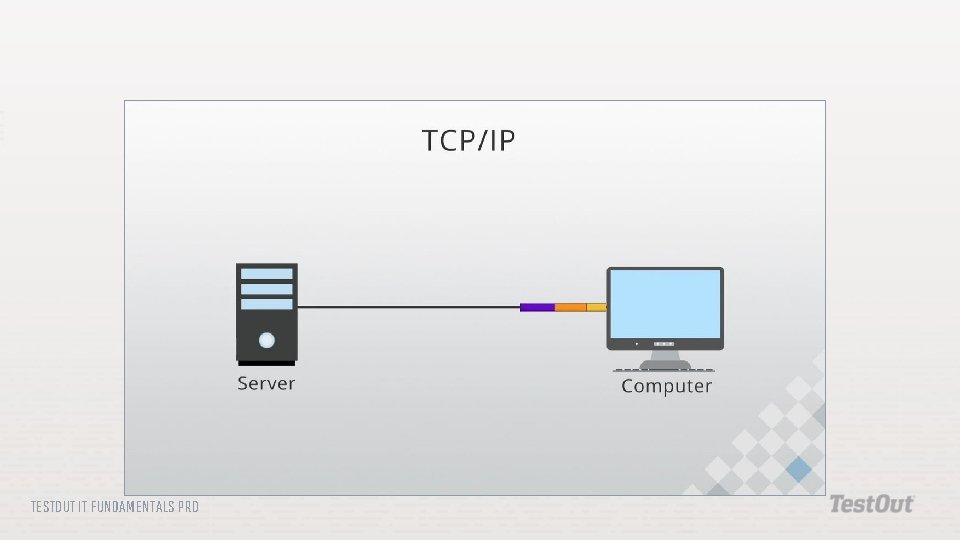
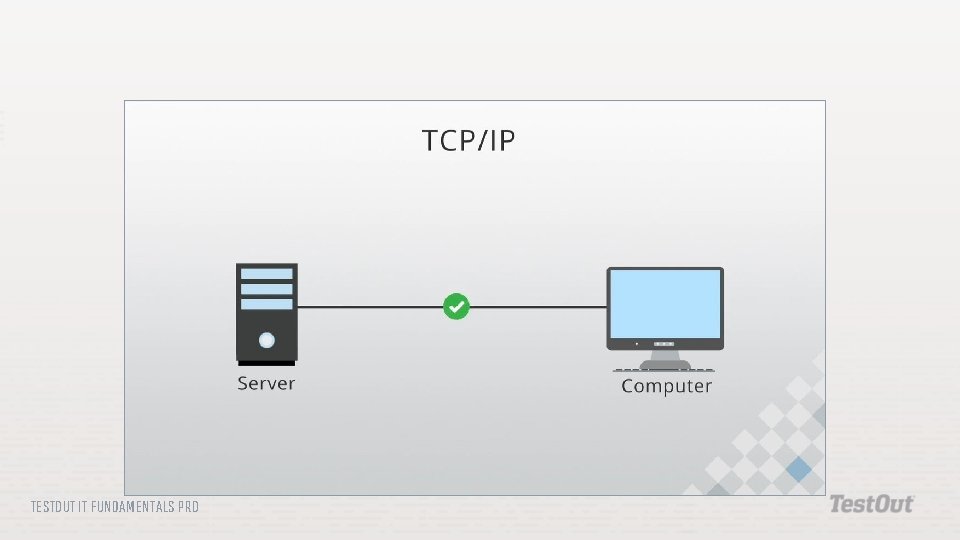
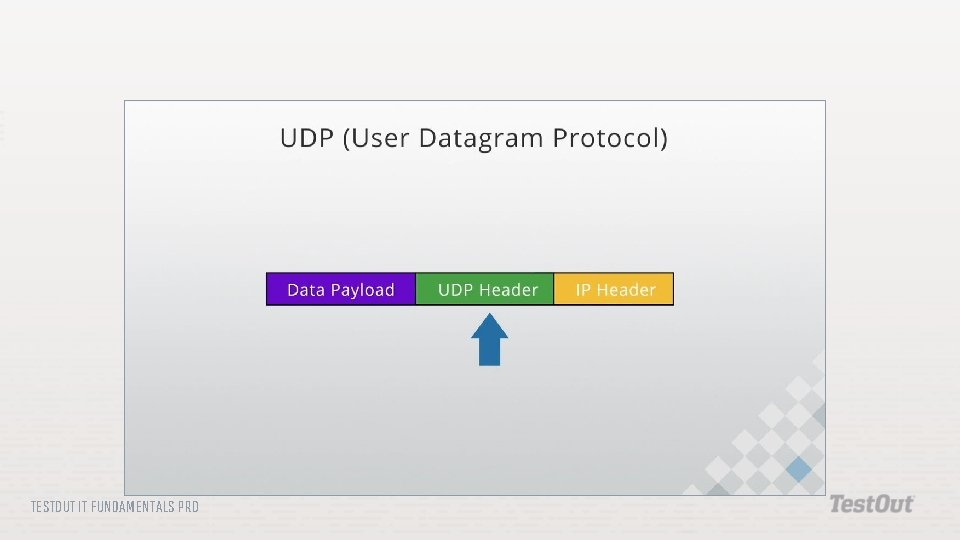
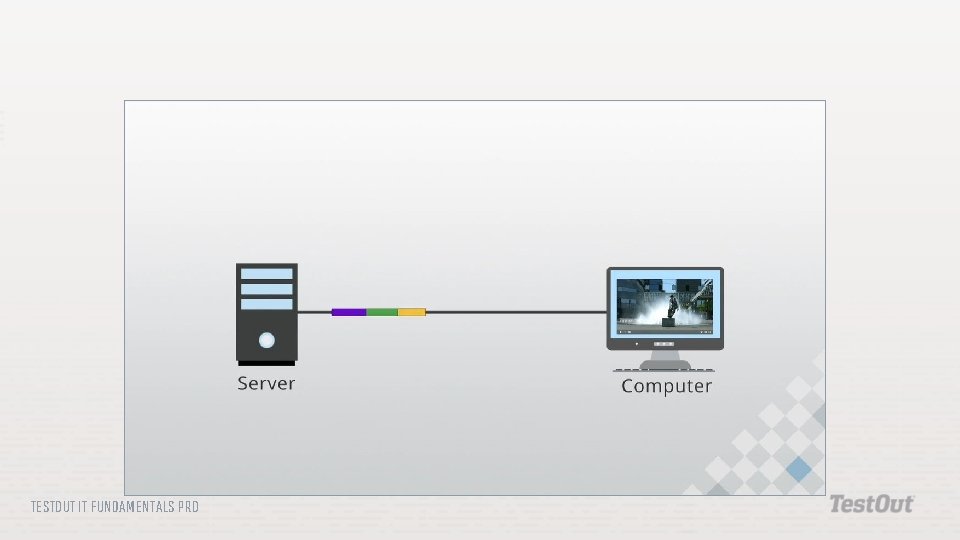
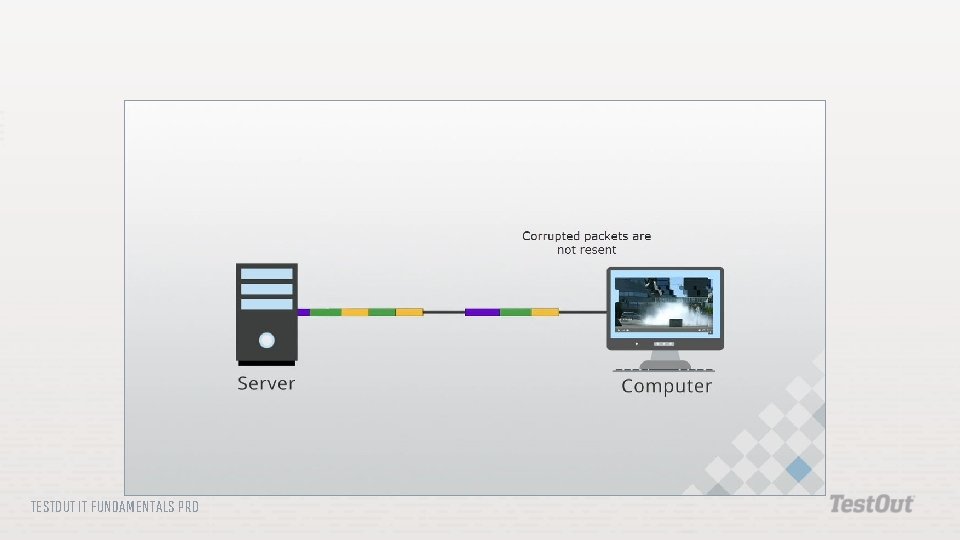
Internet Protocol (IP): The principal communications protocol in the internet protocol suite that is used to route information over the Internet. Transmission Control Protocol (TCP): An important protocol in the internet protocol suite that enables two hosts to establish a connection and exchange data. User Datagram Protocol (UDP): An important protocol in the internet protocol suite that is generally used when speed in transmission is more important than accuracy since the sending computer doesn't verify that the packets were correctly received. TESTOUT IT FUNDAMENTALS PRO
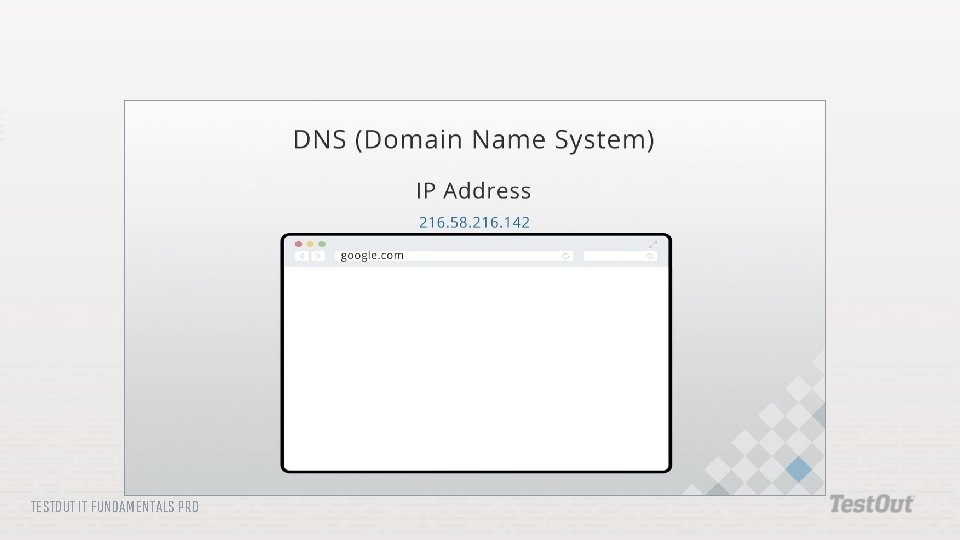
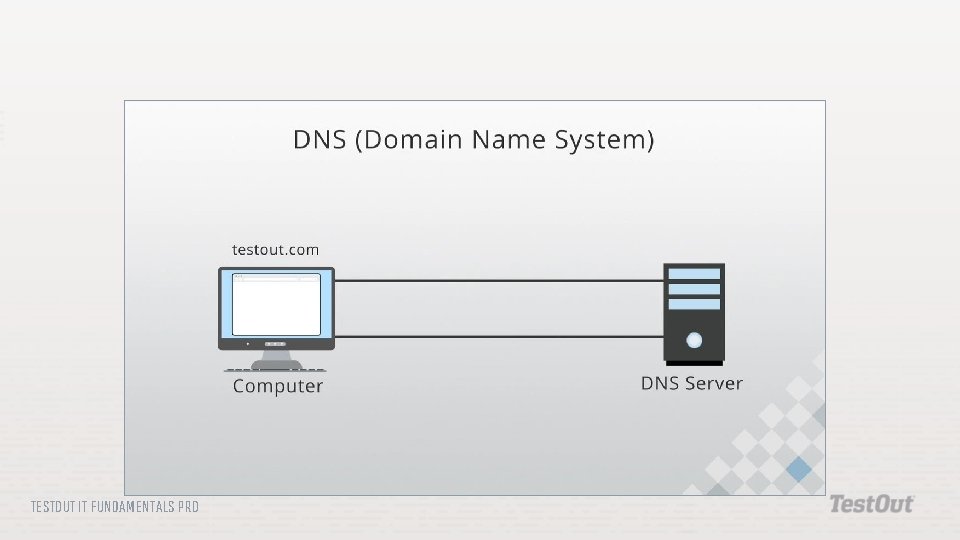
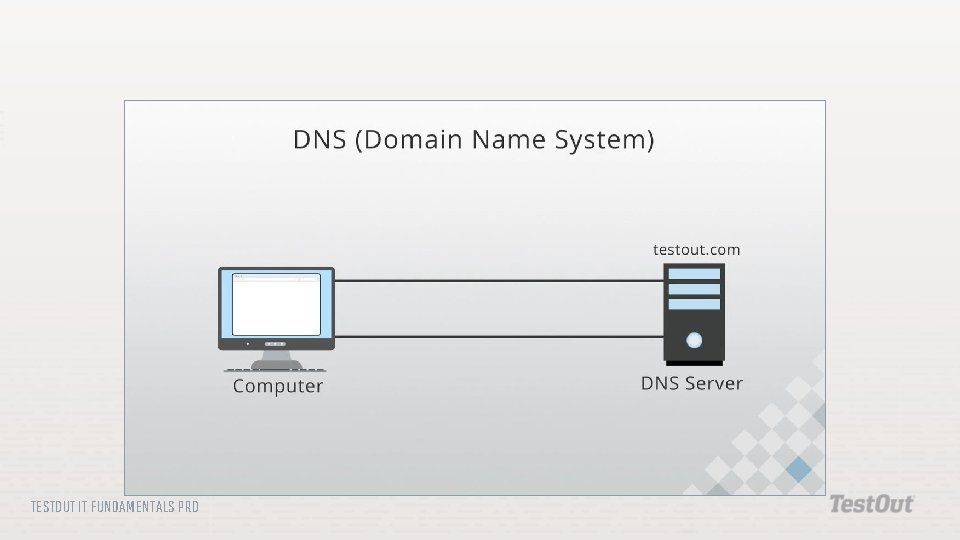
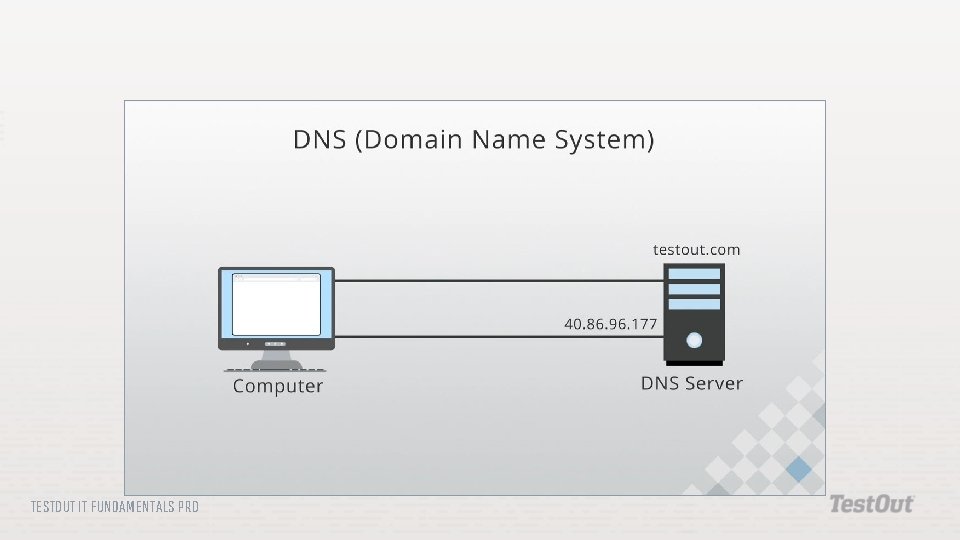
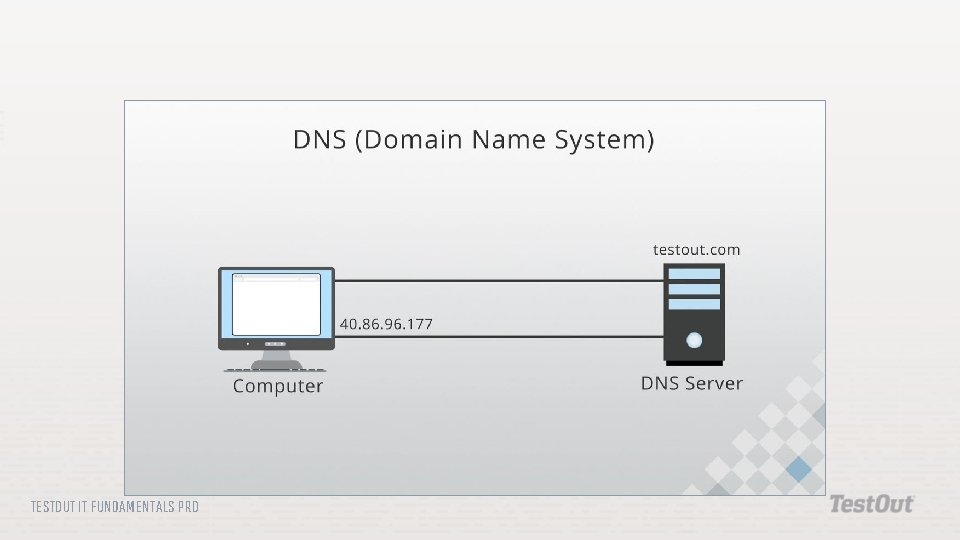
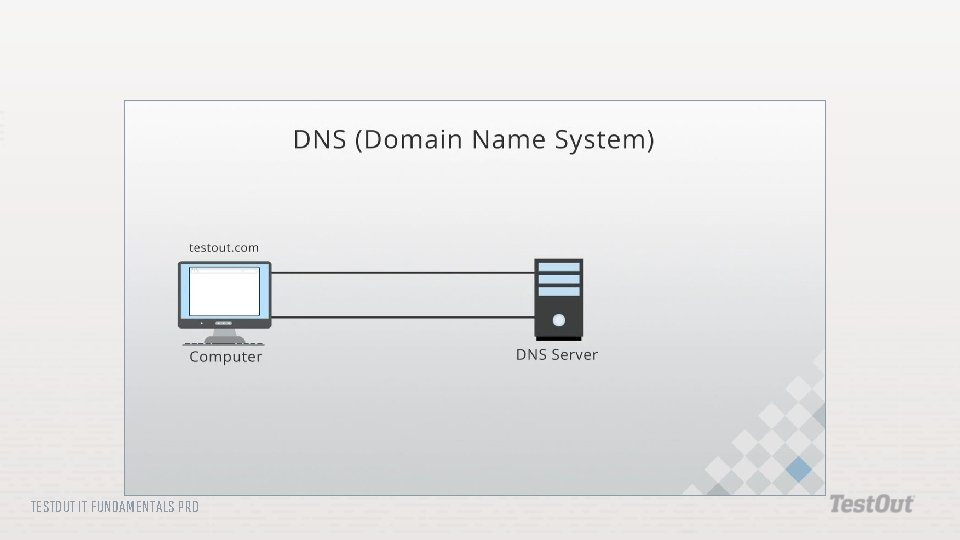
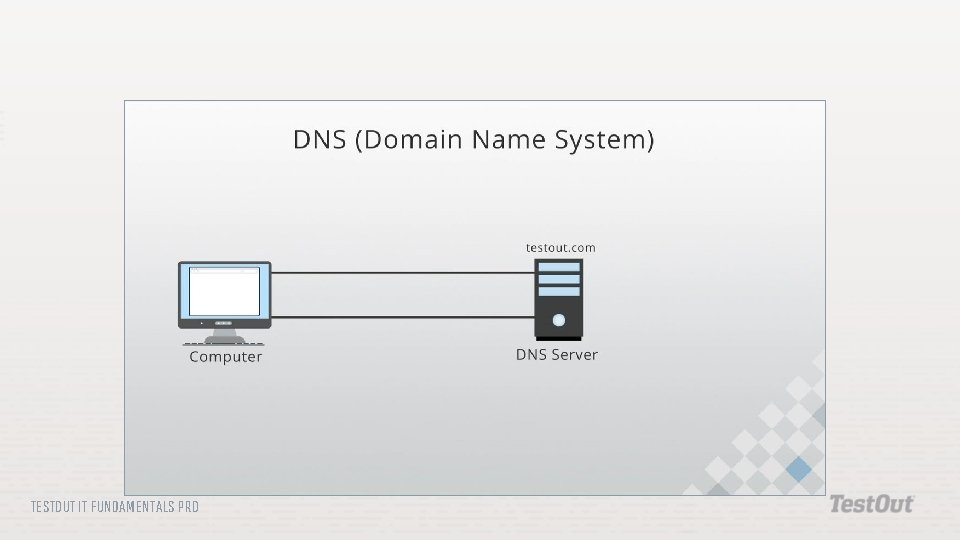
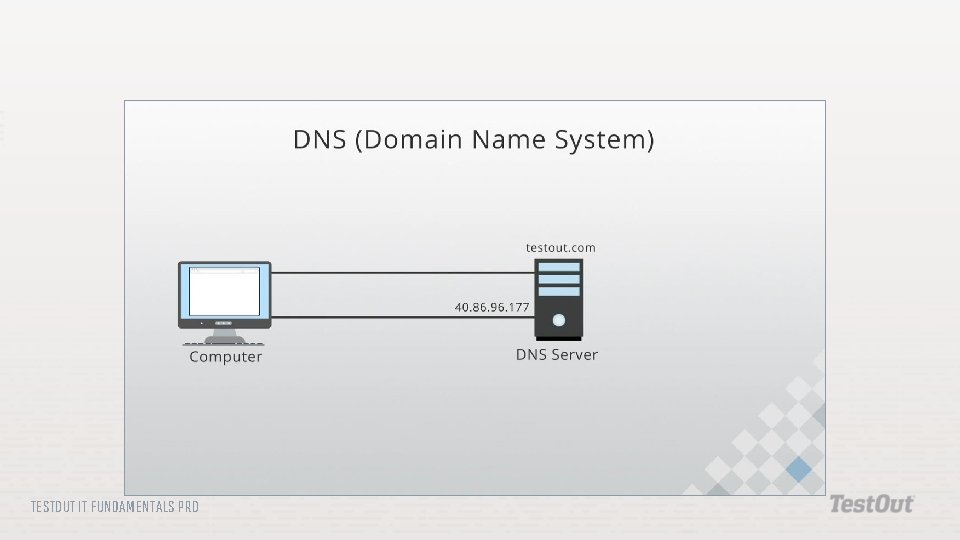
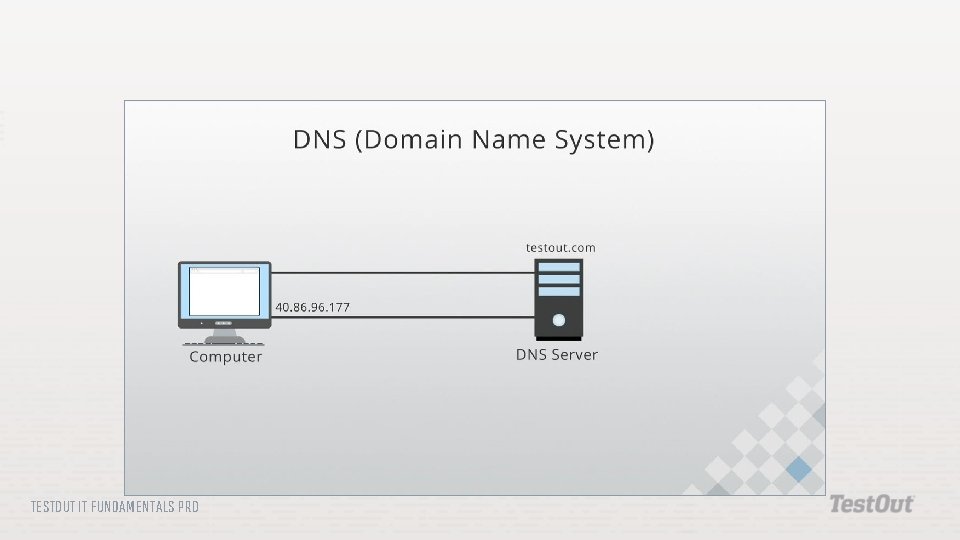
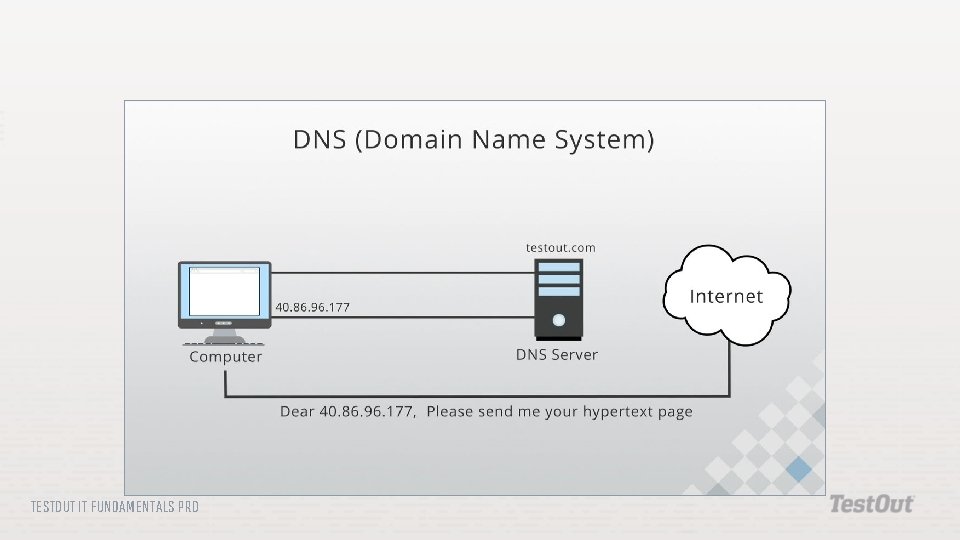
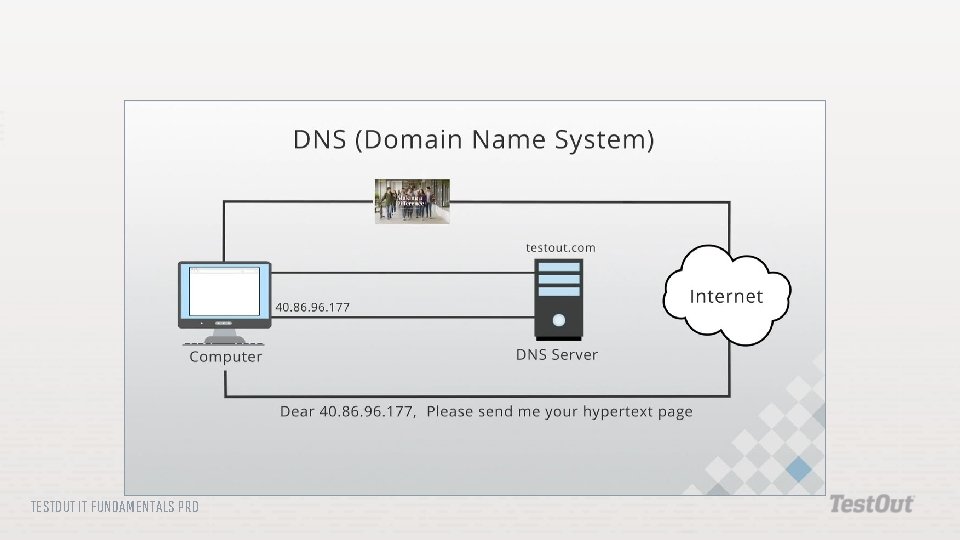
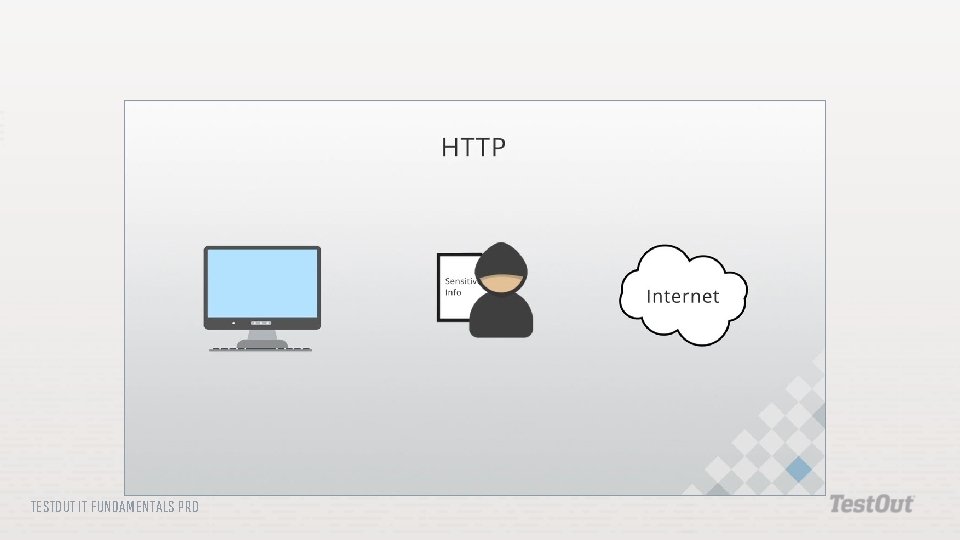
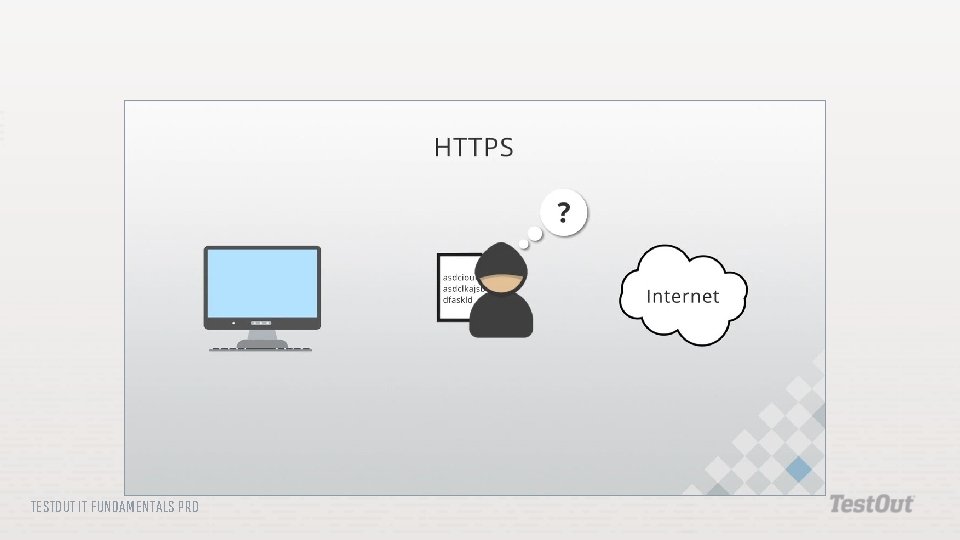
Domain Name System (DNS): A protocol that helps internet users and network devices discover other devices using a human-readable hostname instead of numeric IP addresses. Hypertext Transfer Protocol (HTTP): A protocol that governs the transfer of web content between computers. Hypertext Transfer Protocol Secure (HTTPS): A protocol that combines HTTP with the Secure Sockets Layer (SSL) protocol to securely transfer web content between computers. TESTOUT IT FUNDAMENTALS PRO
Simple Mail Transfer Protocol (SMTP): A protocol used to send email. Post Office Protocol 3 (POP 3): A protocol used to receive email. With POP 3, email is deleted from a server after it is downloaded to a client. Internet Message Access Protocol (IMAP): A protocol used to receive email. With IMAP, email is saved on a server even after it is downloaded to a client. TESTOUT IT FUNDAMENTALS PRO
HTTP Method: A command that tells the server what the user wants to do. The most common methods are POST, GET, PATCH, and DELETE. These methods are used for CRUD operations which stand for Create, Read, Update, and Delete. Dynamic Host Configuration Protocol (DHCP): A network management protocol that assigns IP addresses on a network. It is part of the larger set of built-in networking protocols known as TCP/IP. TESTOUT IT FUNDAMENTALS PRO
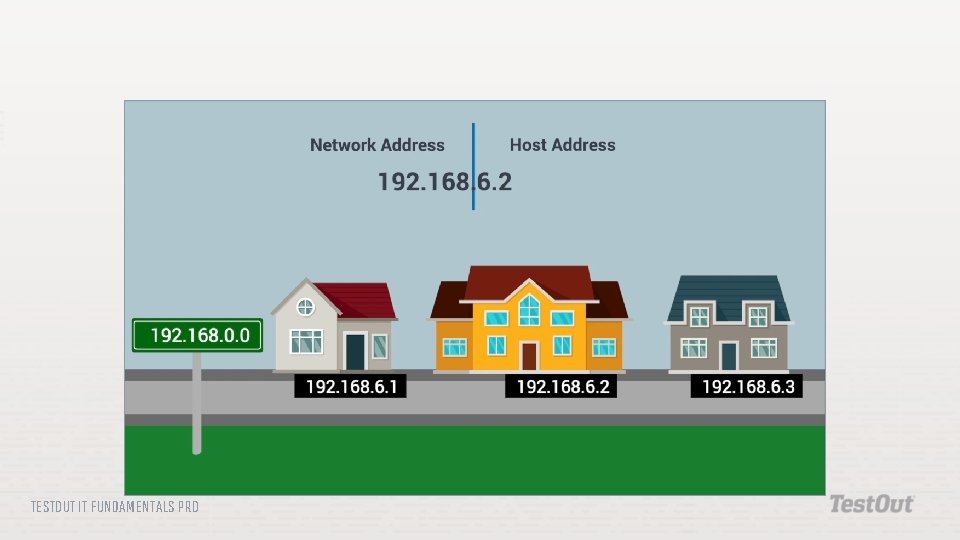
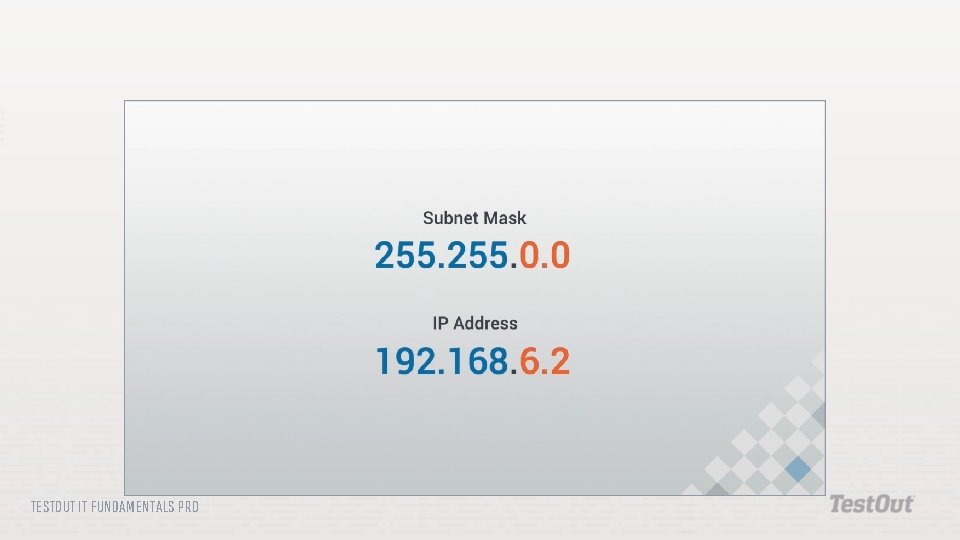
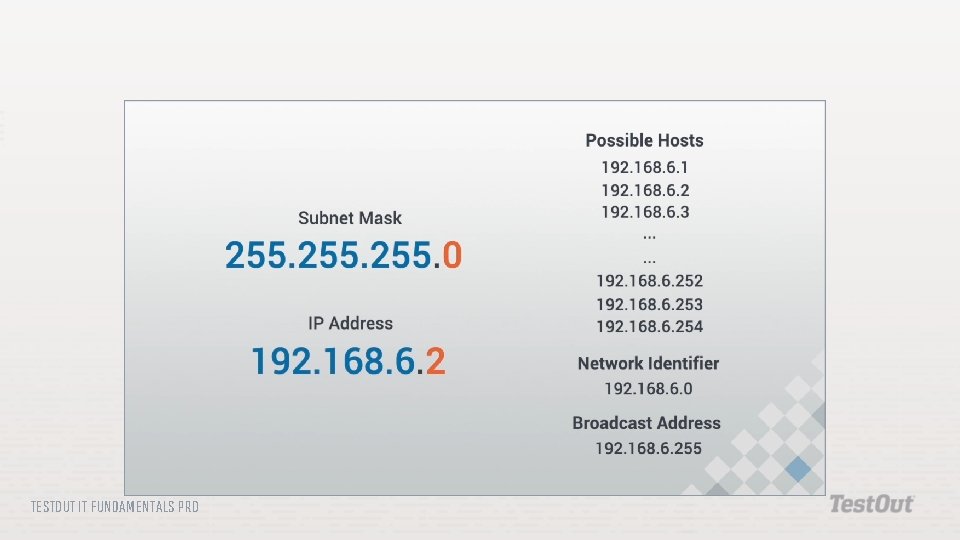
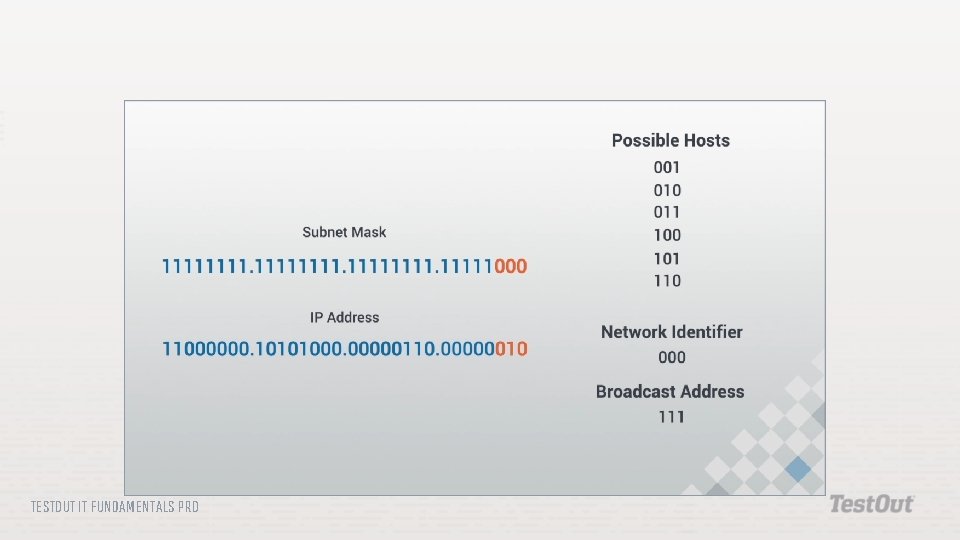
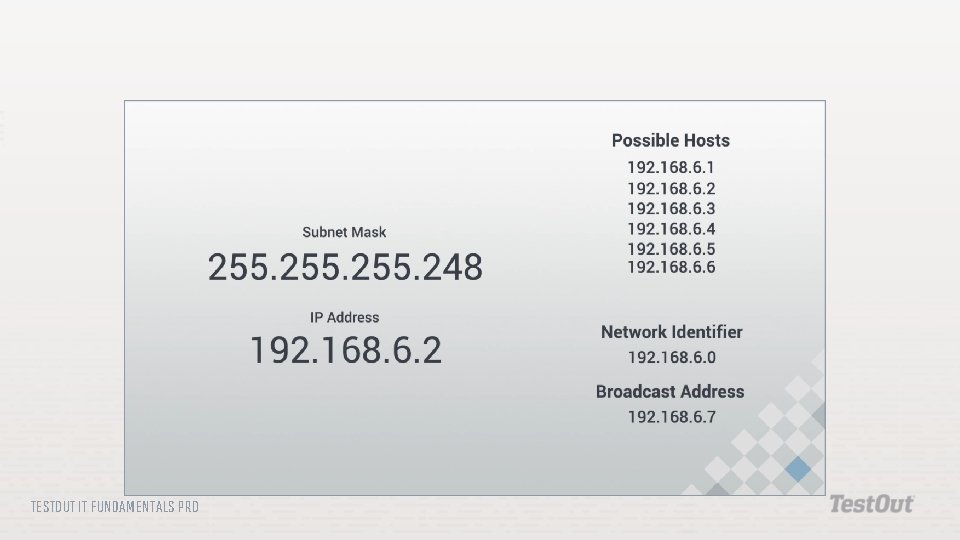
Subnetting: Dividing a network into smaller subnets. Subnet Mask: A value given to an address in a subnetted network that tells a computer which numbers are part of the network or subnet address and which are part of the host address. TESTOUT IT FUNDAMENTALS PRO

TESTOUT IT FUNDAMENTALS PRO

TESTOUT IT FUNDAMENTALS PRO
TESTOUT IT FUNDAMENTALS PRO
TESTOUT IT FUNDAMENTALS PRO
TESTOUT IT FUNDAMENTALS PRO
TESTOUT IT FUNDAMENTALS PRO
TESTOUT IT FUNDAMENTALS PRO
TESTOUT IT FUNDAMENTALS PRO
TESTOUT IT FUNDAMENTALS PRO
Perfect downloads Programs Email Webpages Too slow for some uses Video Streaming Phone Calls TESTOUT IT FUNDAMENTALS PRO
TESTOUT IT FUNDAMENTALS PRO
TESTOUT IT FUNDAMENTALS PRO
TESTOUT IT FUNDAMENTALS PRO
TESTOUT IT FUNDAMENTALS PRO
TESTOUT IT FUNDAMENTALS PRO
TESTOUT IT FUNDAMENTALS PRO
TESTOUT IT FUNDAMENTALS PRO
TESTOUT IT FUNDAMENTALS PRO
Text with links to other files TESTOUT IT FUNDAMENTALS PRO
TESTOUT IT FUNDAMENTALS PRO
TESTOUT IT FUNDAMENTALS PRO
TESTOUT IT FUNDAMENTALS PRO
TESTOUT IT FUNDAMENTALS PRO
TESTOUT IT FUNDAMENTALS PRO
TESTOUT IT FUNDAMENTALS PRO
TESTOUT IT FUNDAMENTALS PRO
SSL = Secure Sockets Layer TESTOUT IT FUNDAMENTALS PRO
TESTOUT IT FUNDAMENTALS PRO
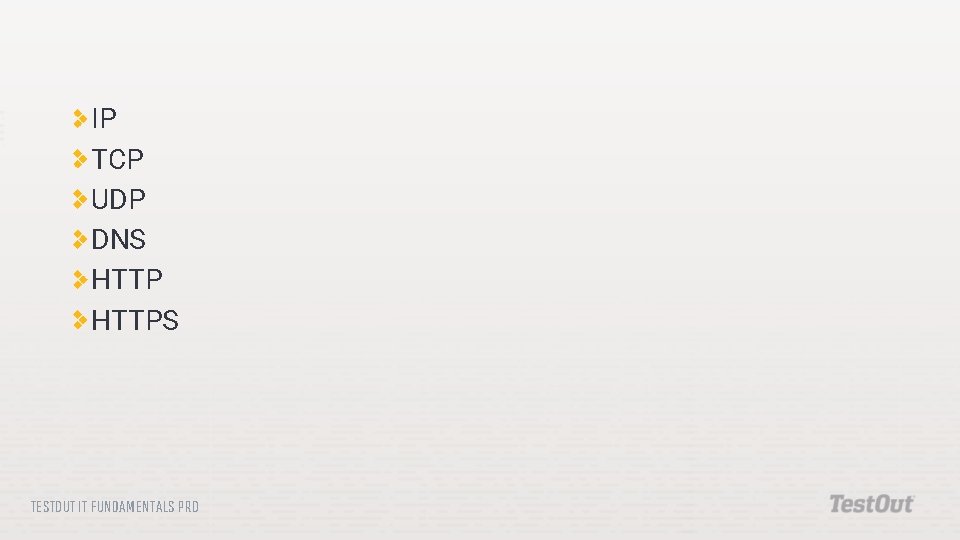
IP TCP UDP DNS HTTPS TESTOUT IT FUNDAMENTALS PRO

TESTOUT IT FUNDAMENTALS PRO
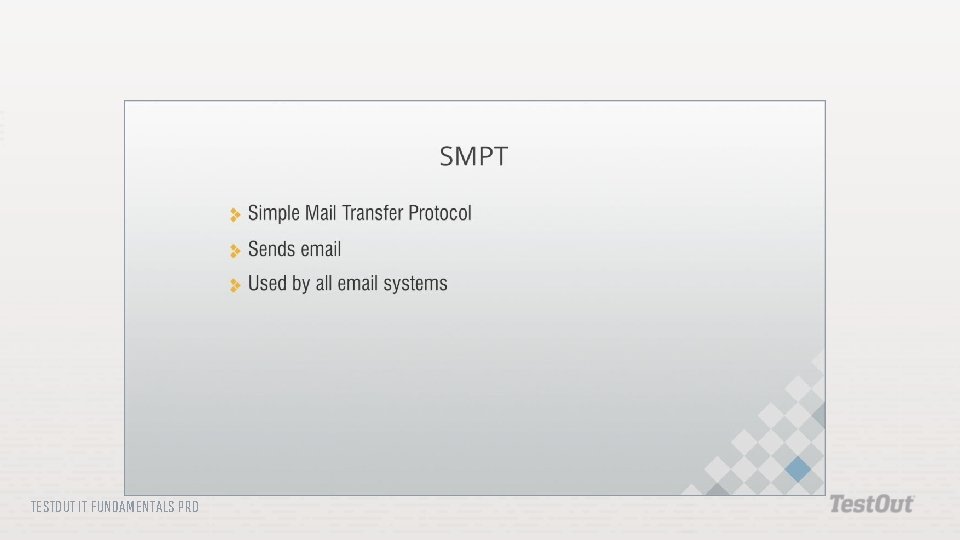
TESTOUT IT FUNDAMENTALS PRO
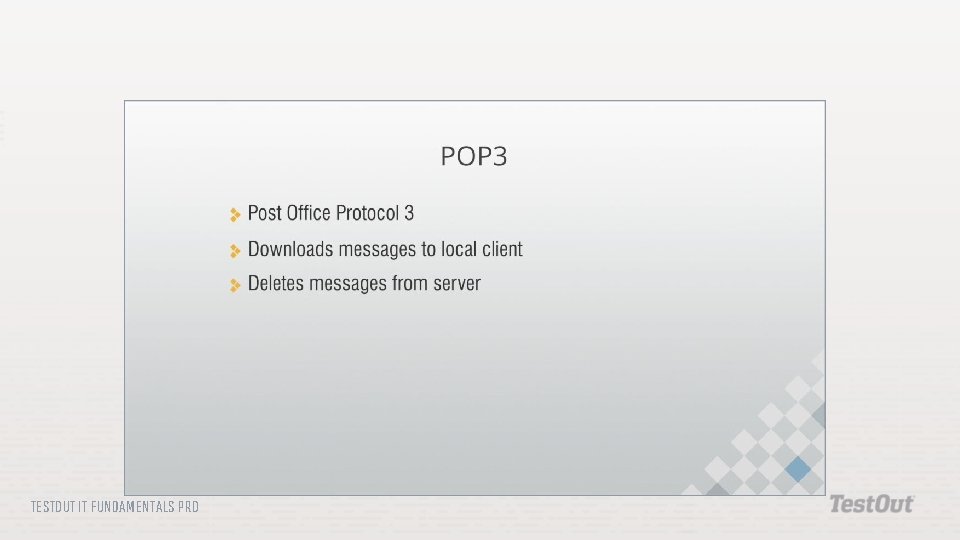
TESTOUT IT FUNDAMENTALS PRO
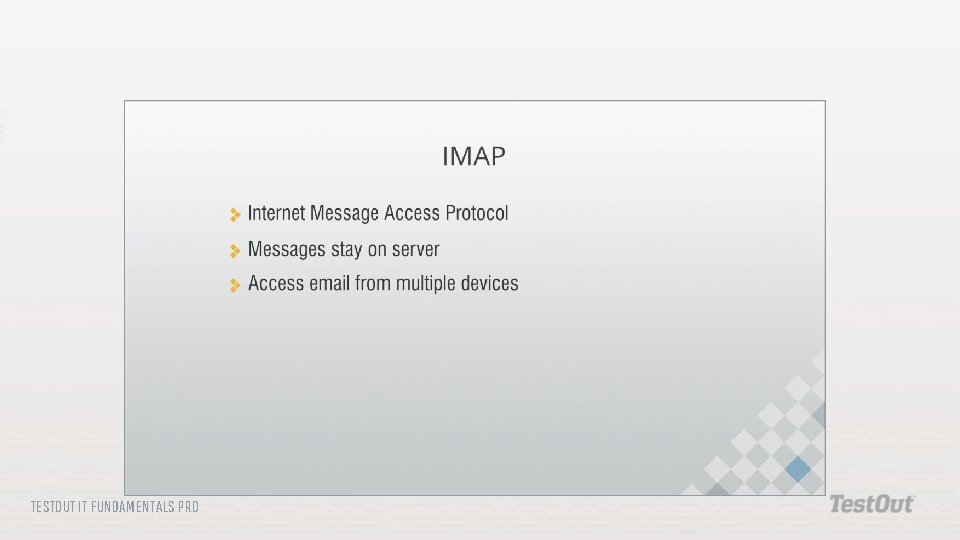
TESTOUT IT FUNDAMENTALS PRO
SMTP POP 3 IMAP TESTOUT IT FUNDAMENTALS PRO

TESTOUT IT FUNDAMENTALS PRO
TESTOUT IT FUNDAMENTALS PRO
TESTOUT IT FUNDAMENTALS PRO
TESTOUT IT FUNDAMENTALS PRO
TESTOUT IT FUNDAMENTALS PRO
TESTOUT IT FUNDAMENTALS PRO
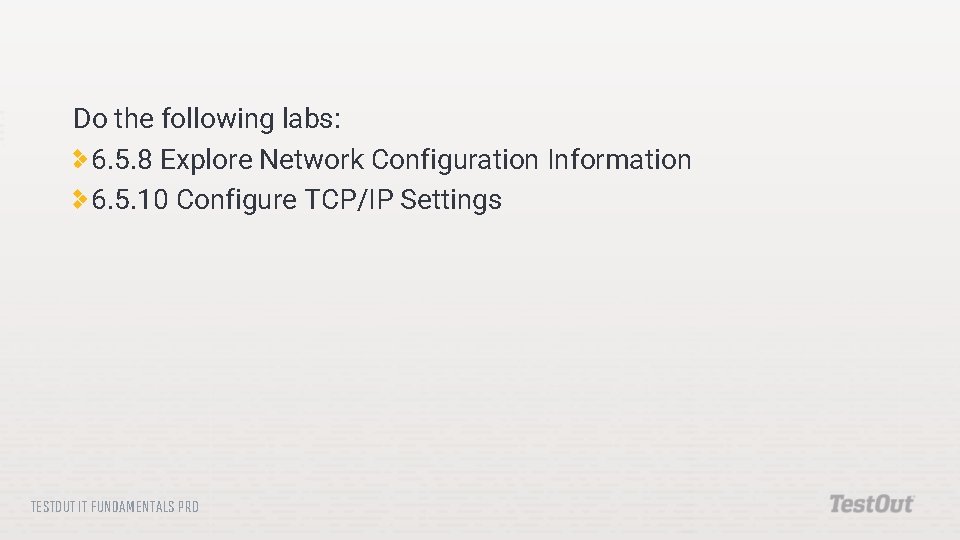
Do the following labs: 6. 5. 8 Explore Network Configuration Information 6. 5. 10 Configure TCP/IP Settings TESTOUT IT FUNDAMENTALS PRO
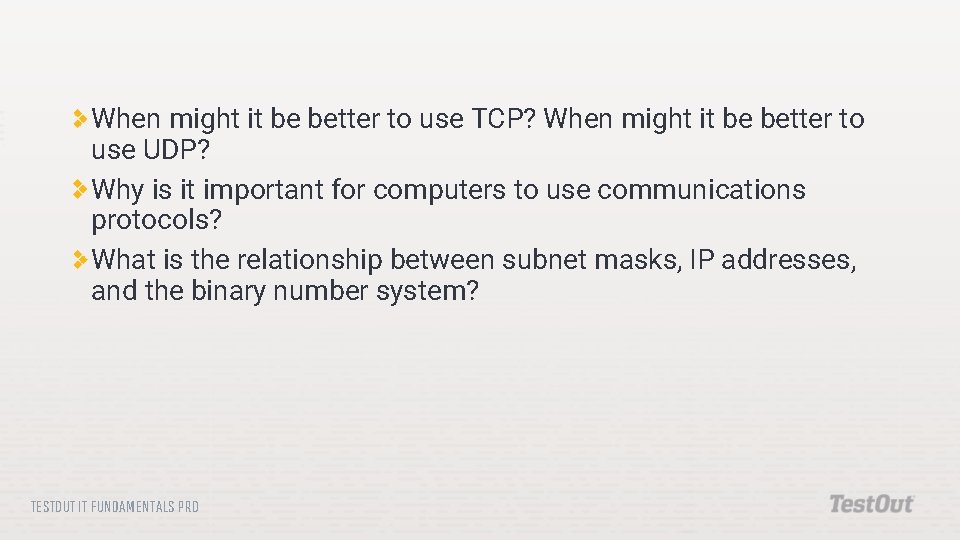
When might it be better to use TCP? When might it be better to use UDP? Why is it important for computers to use communications protocols? What is the relationship between subnet masks, IP addresses, and the binary number system? TESTOUT IT FUNDAMENTALS PRO
- Slides: 53