
Nervous Tissue Objectives Intoduction Morphology of a Neuron

Nervous Tissue
Objectives • • Intoduction Morphology of a Neuron Types of Neuron Neuroglia Myelinated and unmyelinated Axons Peripheral Nerve Sensory and motor Ganglia
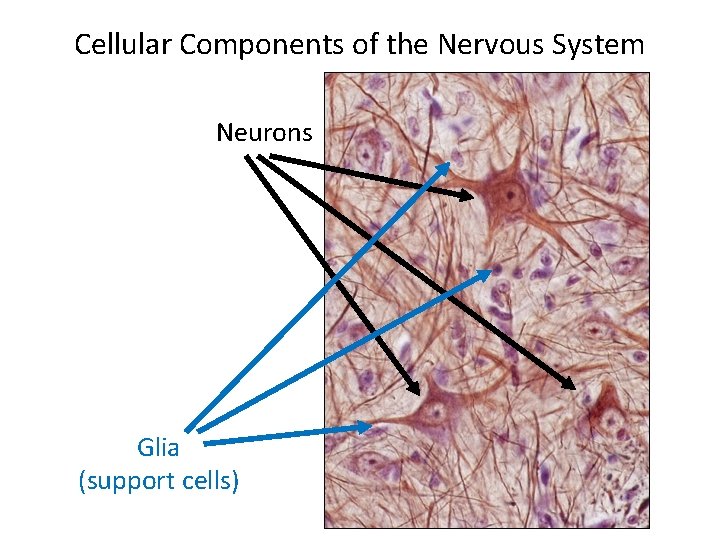
Cellular Components of the Nervous System Neurons Glia (support cells)
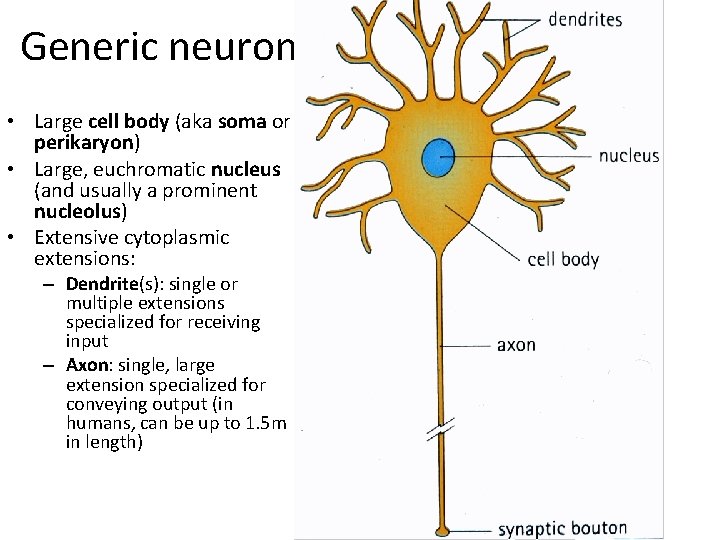
Generic neuron • Large cell body (aka soma or perikaryon) • Large, euchromatic nucleus (and usually a prominent nucleolus) • Extensive cytoplasmic extensions: – Dendrite(s): single or multiple extensions specialized for receiving input – Axon: single, large extension specialized for conveying output (in humans, can be up to 1. 5 m in length)
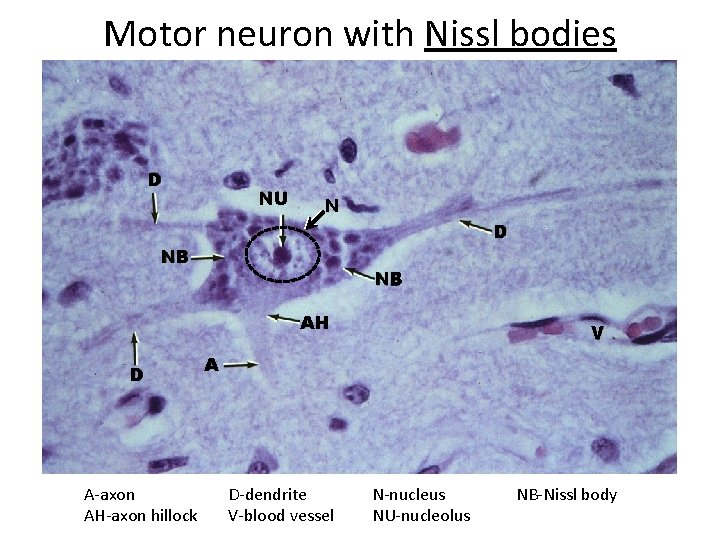
Motor neuron with Nissl bodies D NU N D NB NB AH D A-axon AH-axon hillock V A D-dendrite V-blood vessel N-nucleus NU-nucleolus NB-Nissl body
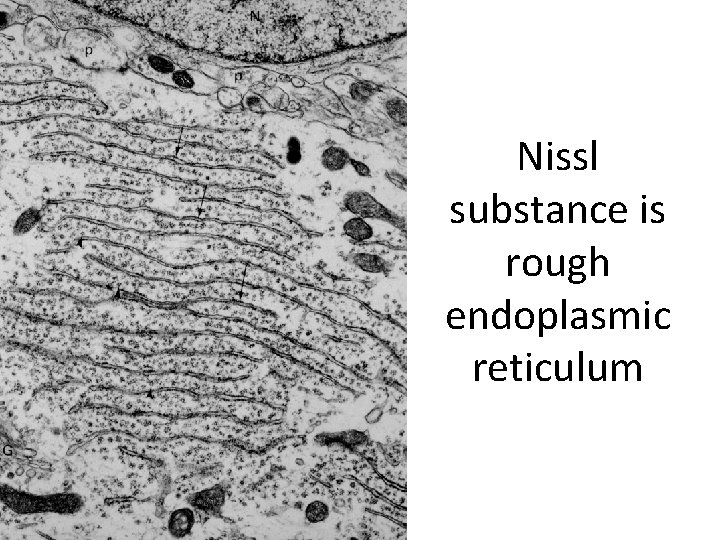
Nissl substance is rough endoplasmic reticulum
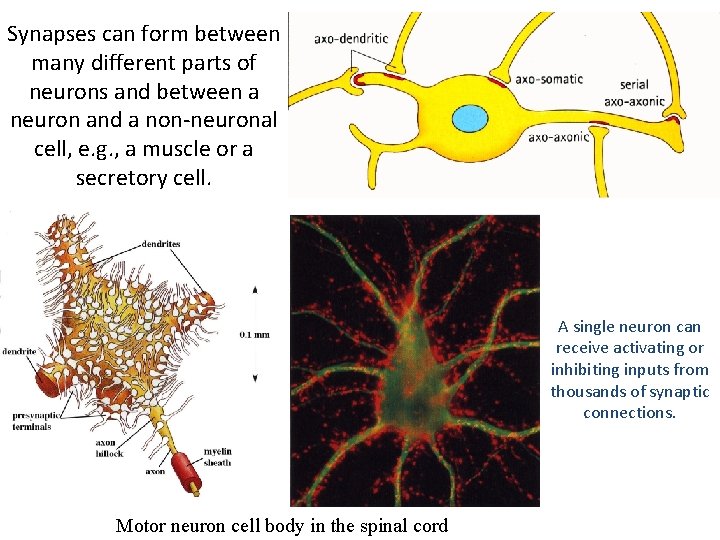
Synapses can form between many different parts of neurons and between a neuron and a non-neuronal cell, e. g. , a muscle or a secretory cell. A single neuron can receive activating or inhibiting inputs from thousands of synaptic connections. Motor neuron cell body in the spinal cord
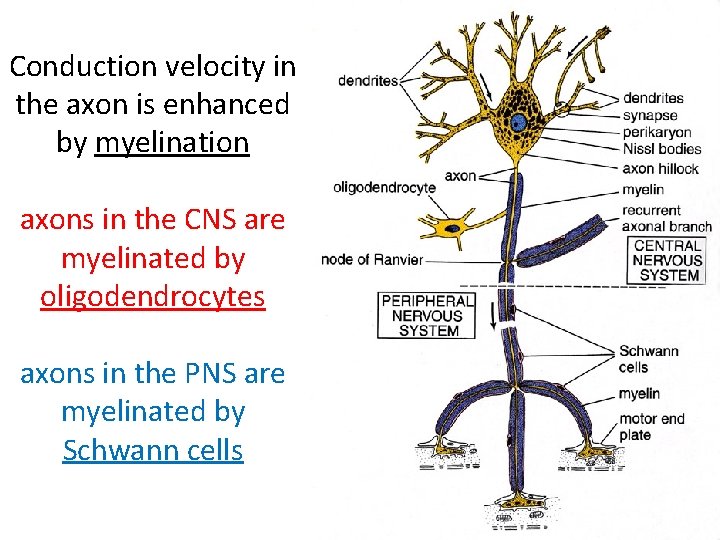
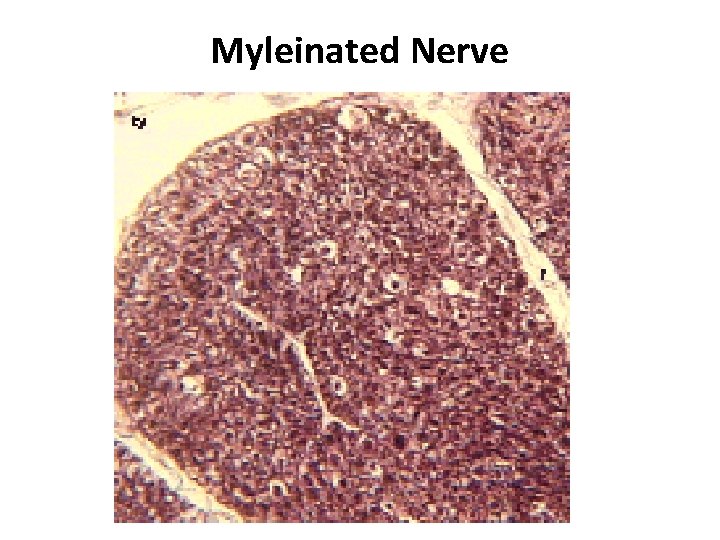
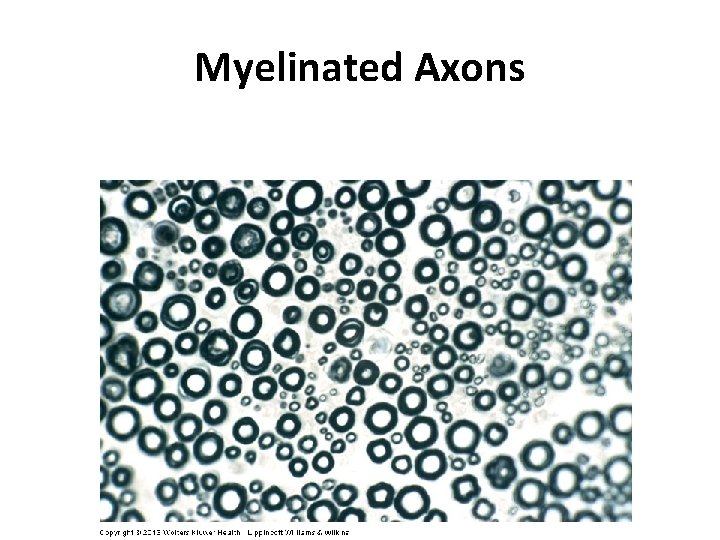
Conduction velocity in the axon is enhanced by myelination axons in the CNS are myelinated by oligodendrocytes axons in the PNS are myelinated by Schwann cells
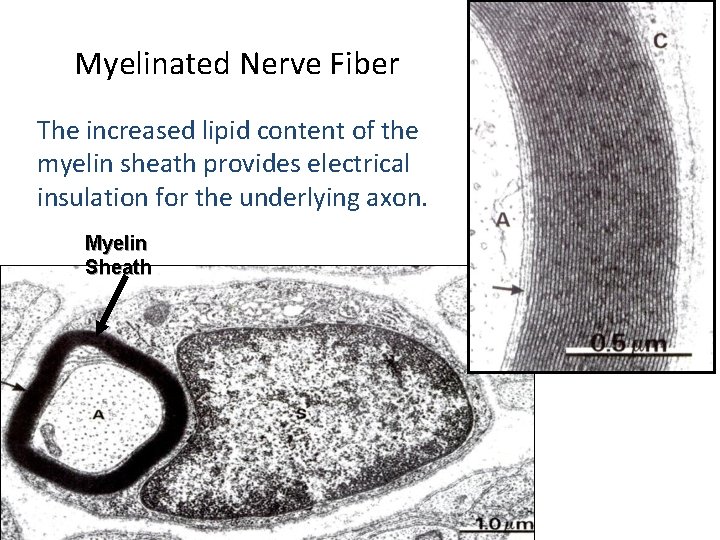
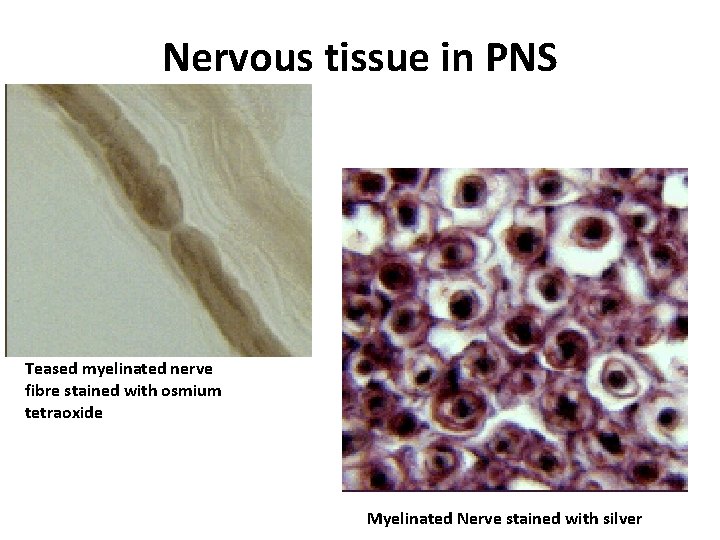
Myelinated Nerve Fiber The increased lipid content of the myelin sheath provides electrical insulation for the underlying axon. Myelin Sheath
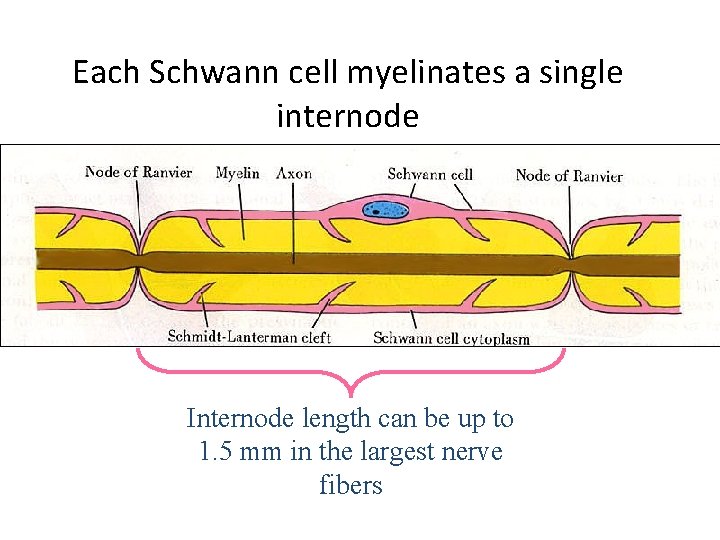
Each Schwann cell myelinates a single internode Internode length can be up to 1. 5 mm in the largest nerve fibers
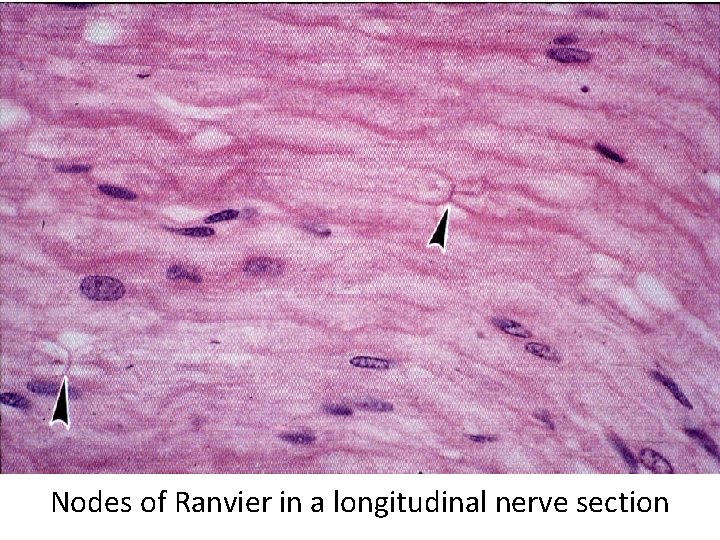
Nodes of Ranvier in a longitudinal nerve section
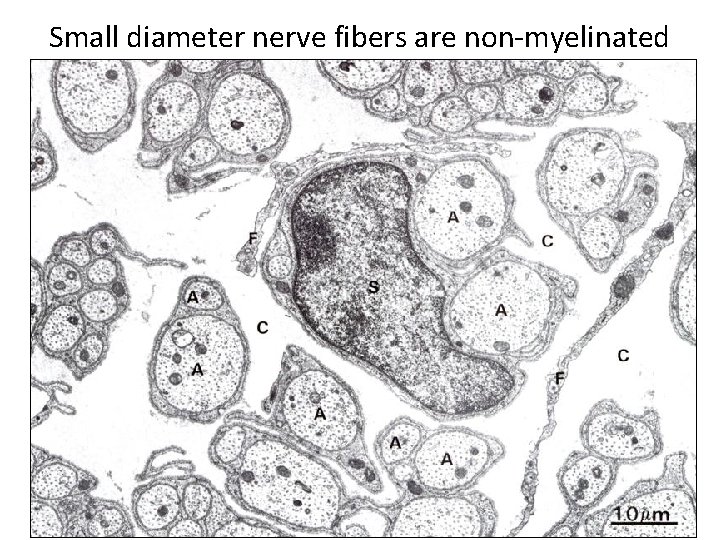
Small diameter nerve fibers are non-myelinated
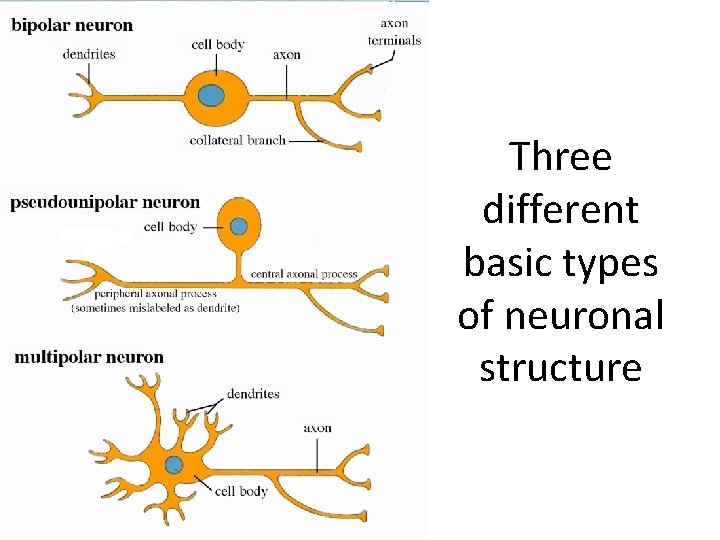
Three different basic types of neuronal structure
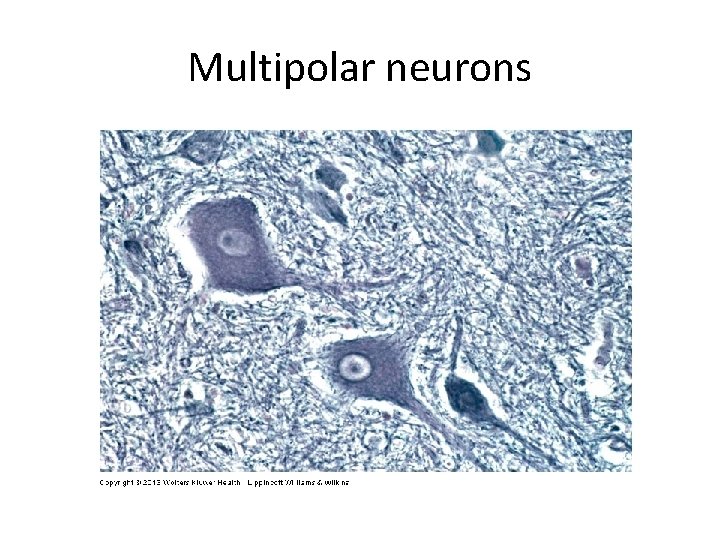
Multipolar neurons

Multipolar neurons
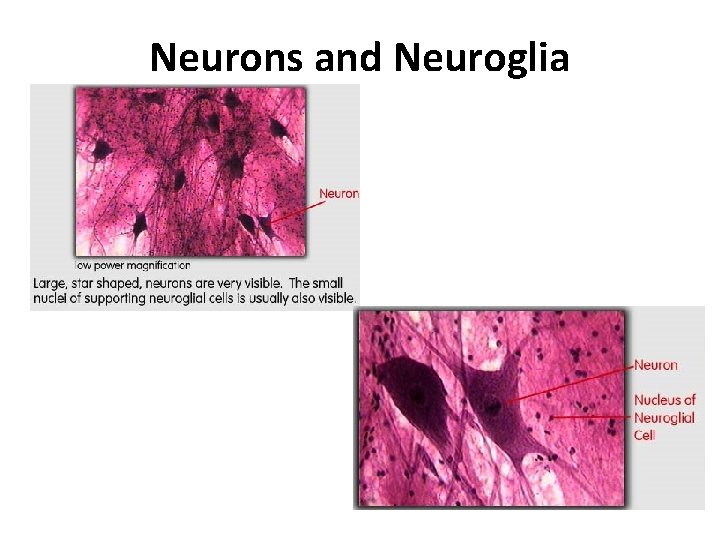
Neurons and Neuroglia
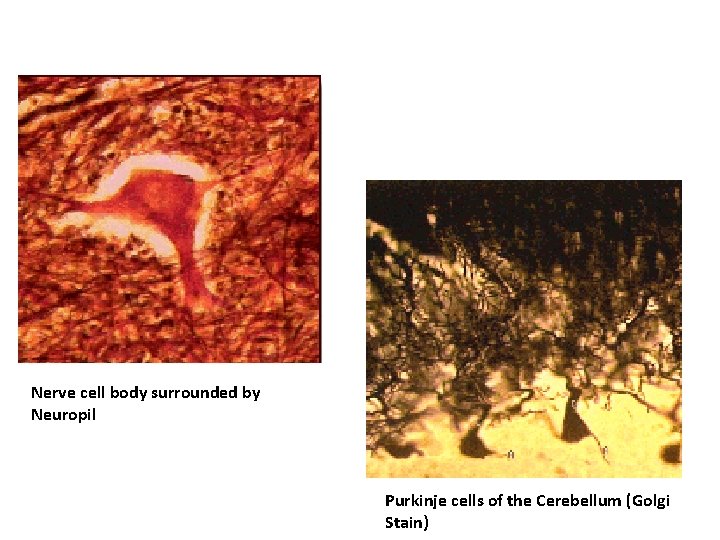
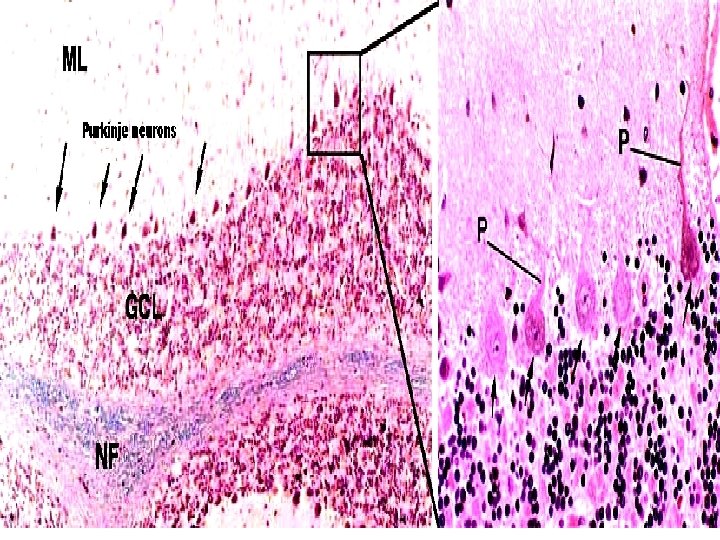
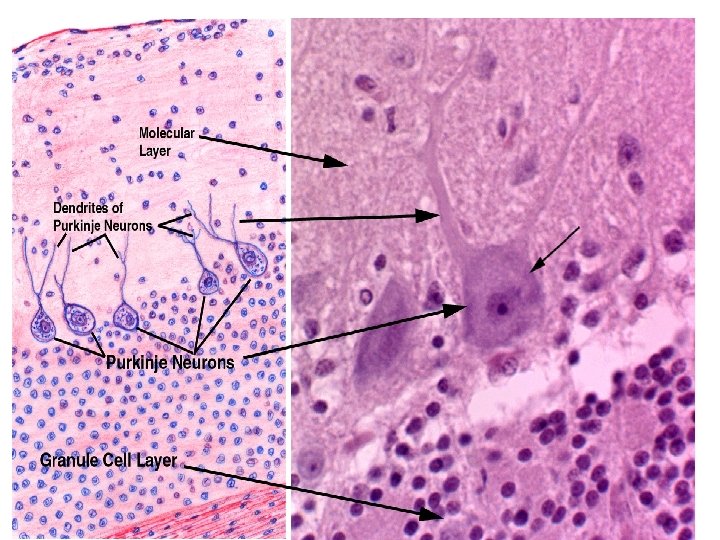
Nerve cell body surrounded by Neuropil Purkinje cells of the Cerebellum (Golgi Stain)
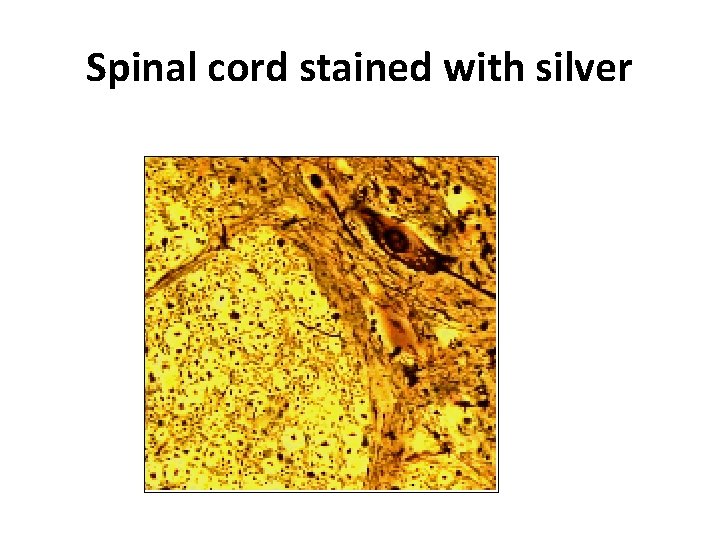
Spinal cord stained with silver
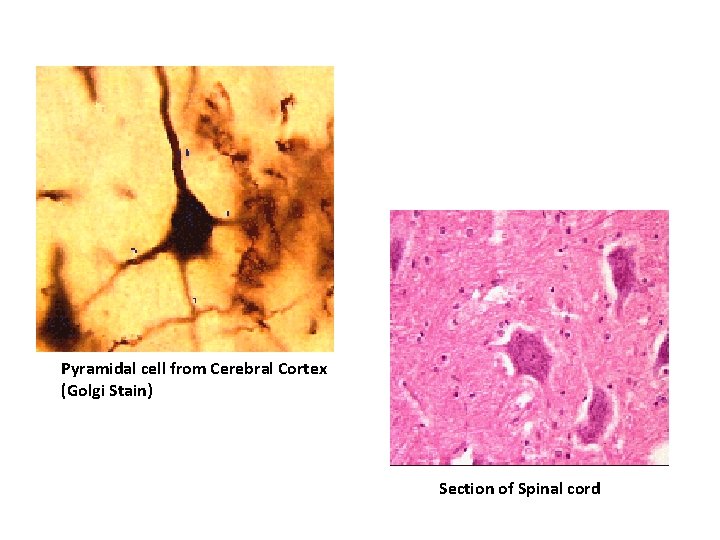
Pyramidal cell from Cerebral Cortex (Golgi Stain) Section of Spinal cord
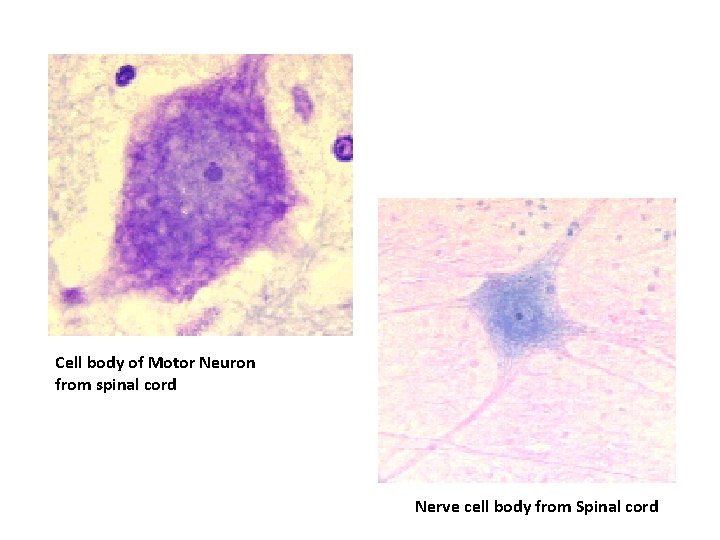
Cell body of Motor Neuron from spinal cord Nerve cell body from Spinal cord
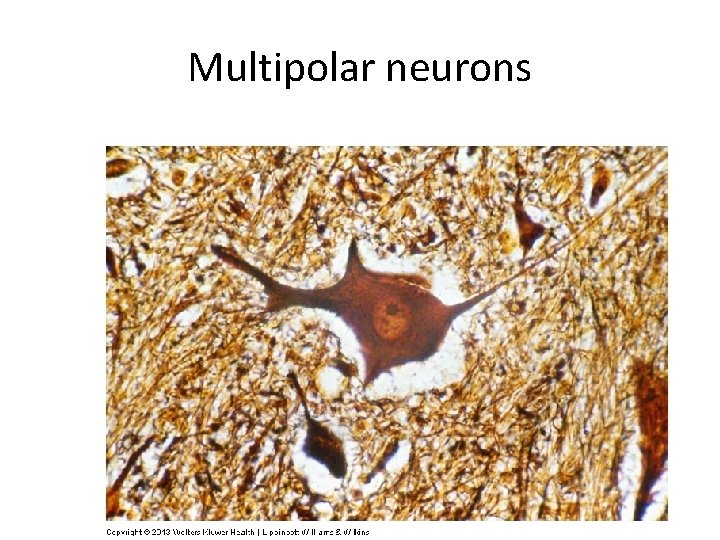
Multipolar neurons
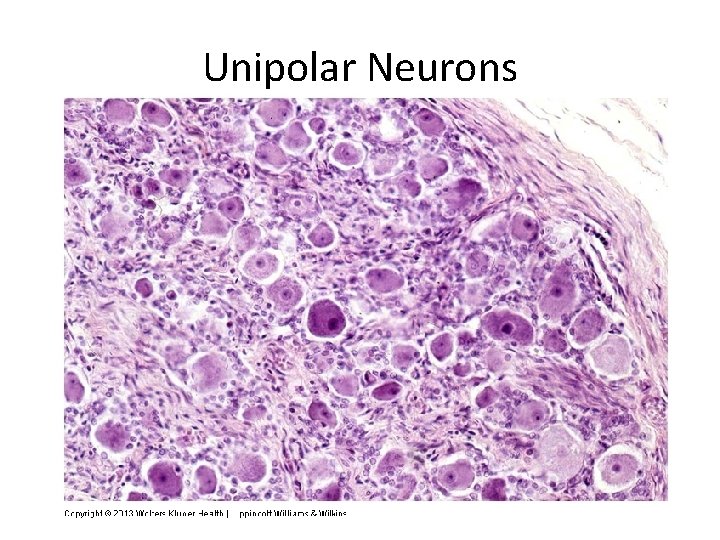
Unipolar Neurons
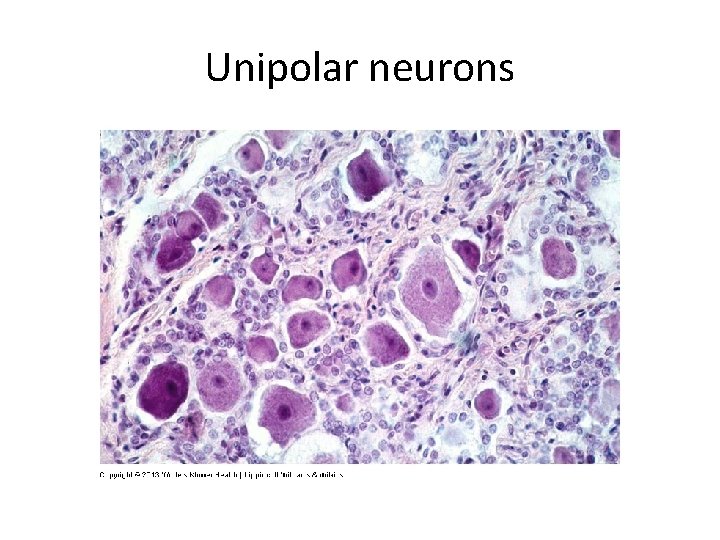
Unipolar neurons
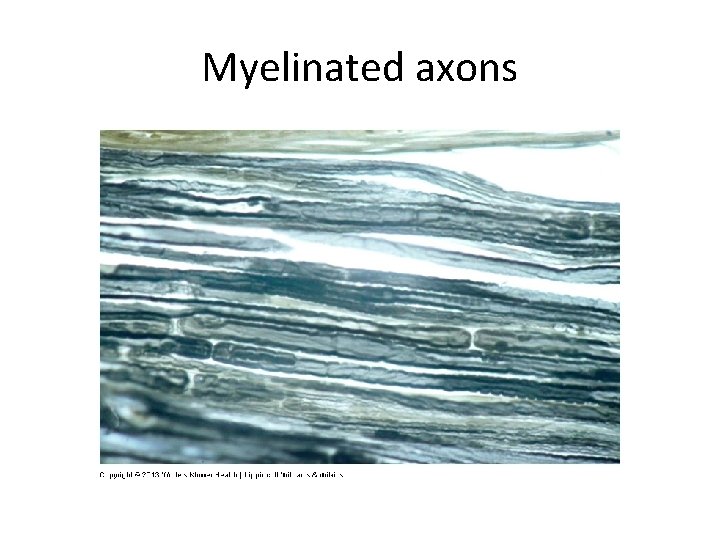
Myelinated axons
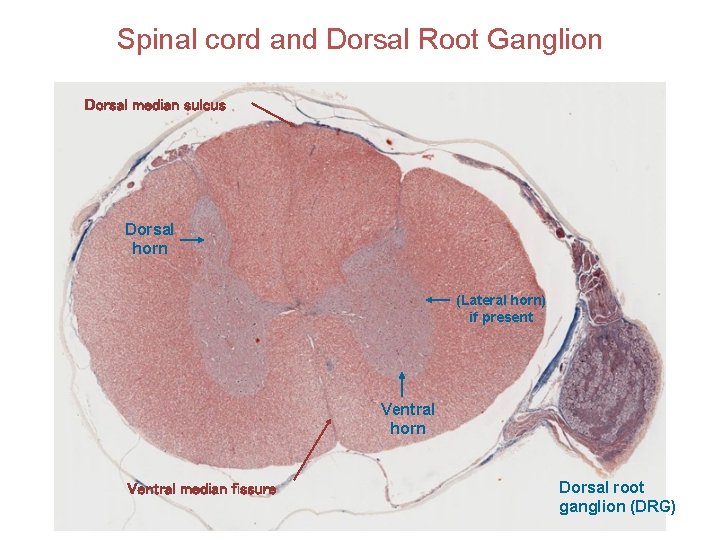
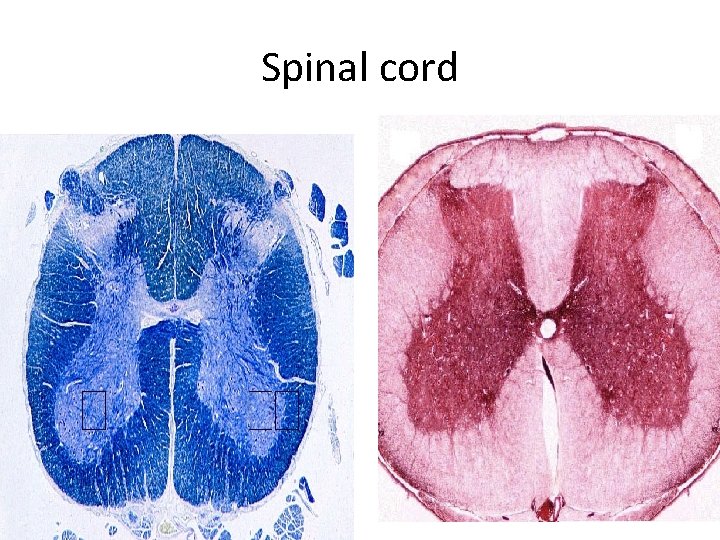
Spinal cord and Dorsal Root Ganglion Dorsal median sulcus Dorsal horn (Lateral horn) if present Ventral horn Ventral median fissure Dorsal root ganglion (DRG)
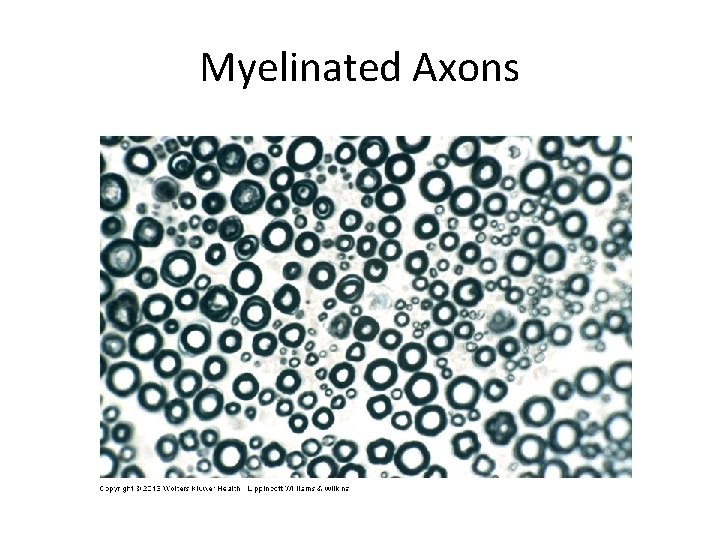
Myelinated Axons
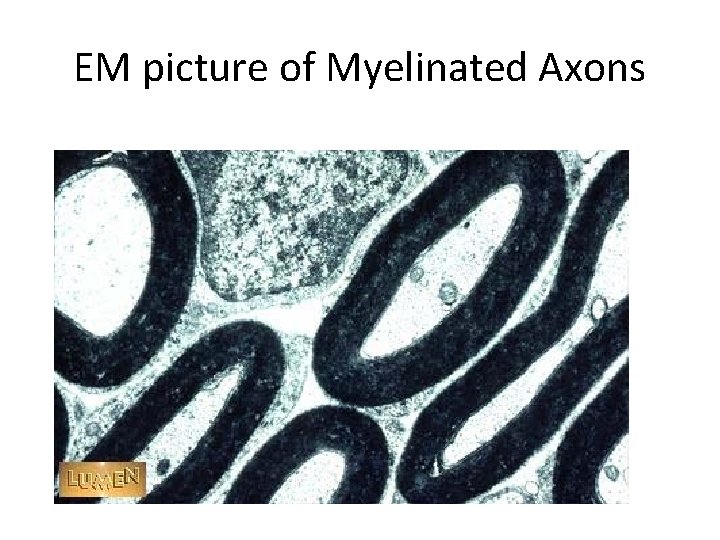
EM picture of Myelinated Axons
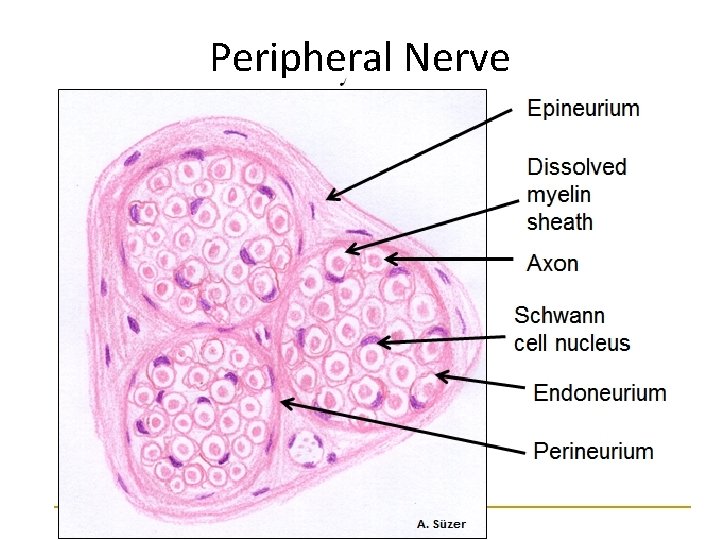
Peripheral Nerve
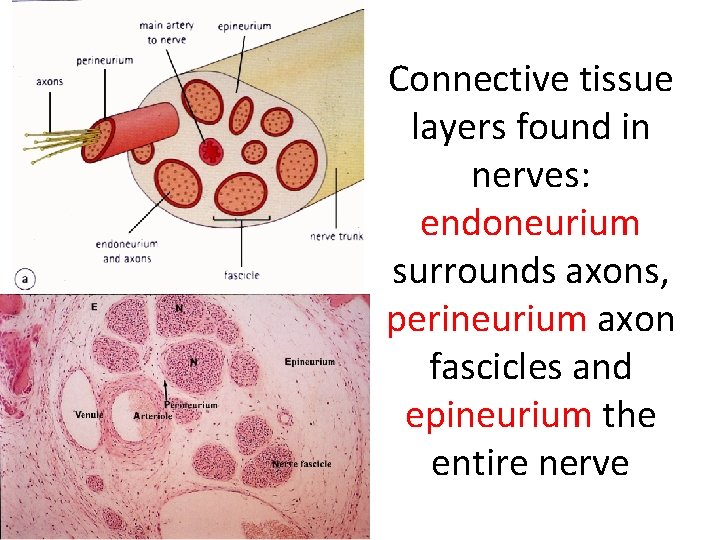
Connective tissue layers found in nerves: endoneurium surrounds axons, perineurium axon fascicles and epineurium the entire nerve
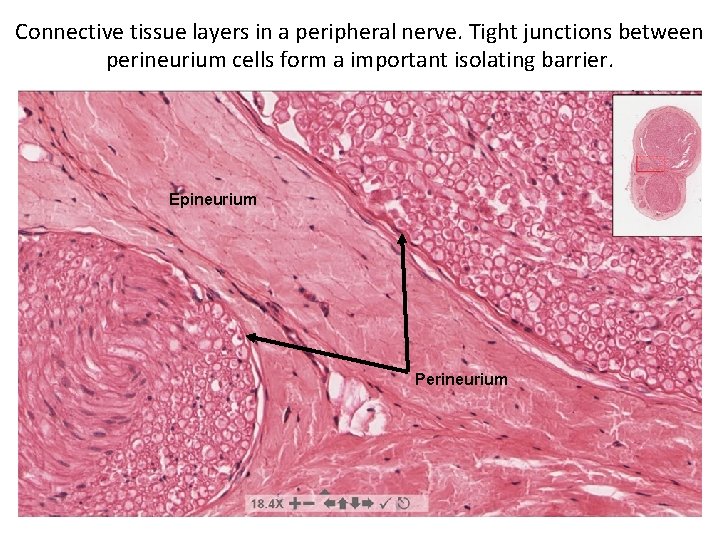
Connective tissue layers in a peripheral nerve. Tight junctions between perineurium cells form a important isolating barrier. Epineurium Perineurium
Myleinated Nerve
Myelinated Axons
Nervous tissue in PNS Teased myelinated nerve fibre stained with osmium tetraoxide Myelinated Nerve stained with silver
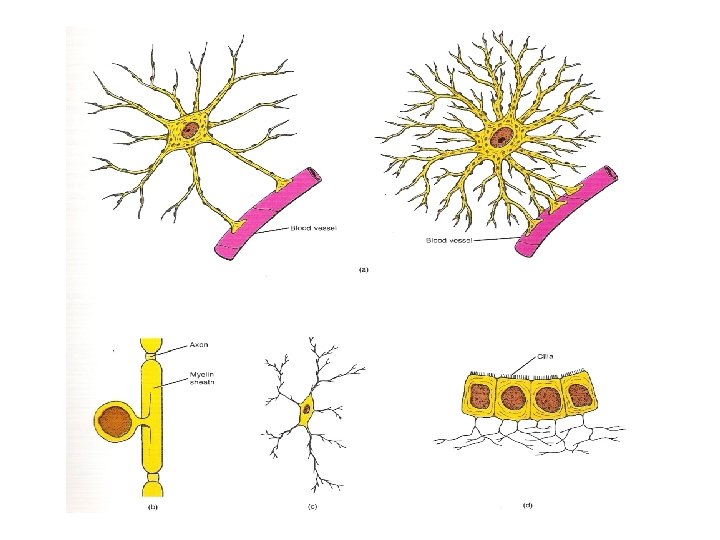
Neuroglial cells • • Supporting, Non-neuronal cells Much smaller than the neurons 10 times more numerous than neurons 4 types: Astrocytes(Fibrous and Protoplasmic), oligodendroctes, microglial cells
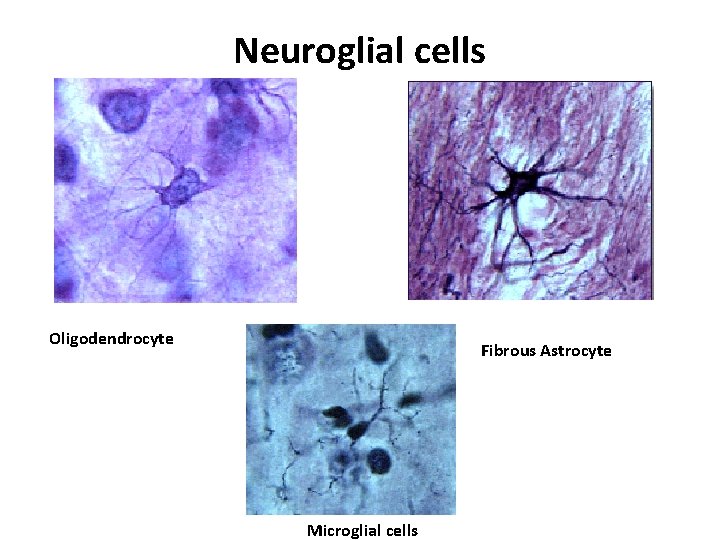
Neuroglial cells Oligodendrocyte Fibrous Astrocyte Microglial cells
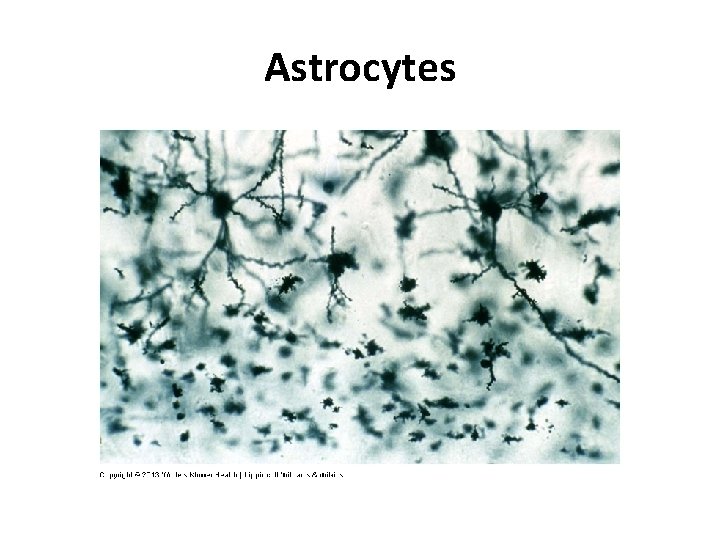
Astrocytes
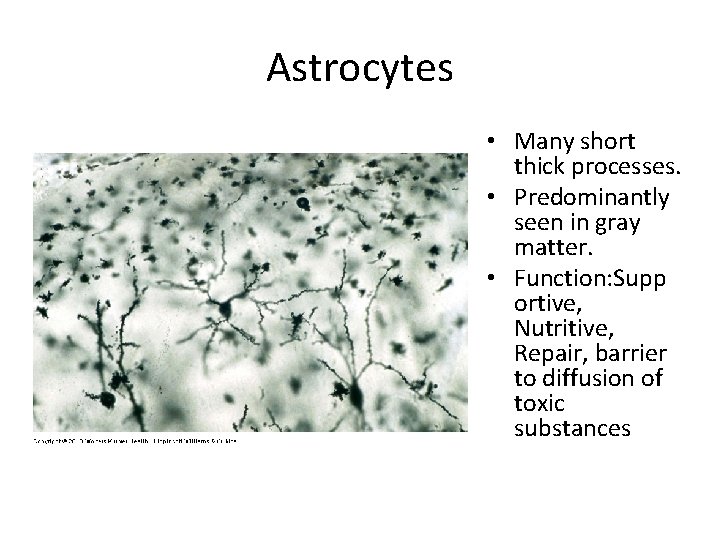
Astrocytes • Many short thick processes. • Predominantly seen in gray matter. • Function: Supp ortive, Nutritive, Repair, barrier to diffusion of toxic substances
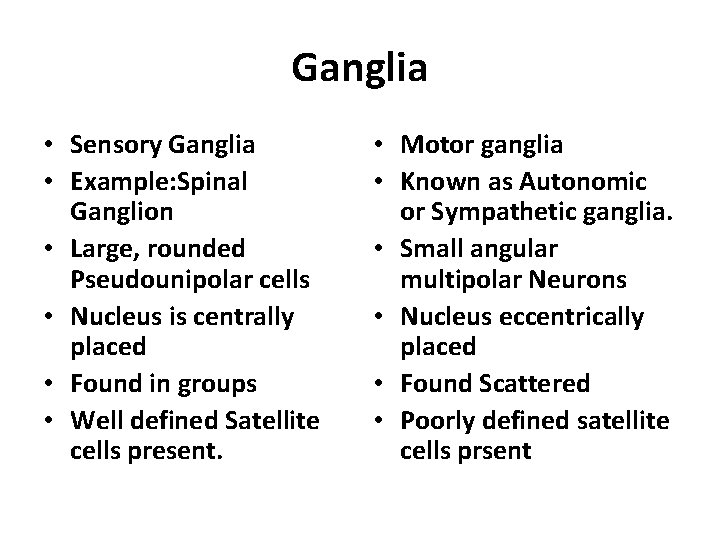
Ganglia • Sensory Ganglia • Example: Spinal Ganglion • Large, rounded Pseudounipolar cells • Nucleus is centrally placed • Found in groups • Well defined Satellite cells present. • Motor ganglia • Known as Autonomic or Sympathetic ganglia. • Small angular multipolar Neurons • Nucleus eccentrically placed • Found Scattered • Poorly defined satellite cells prsent
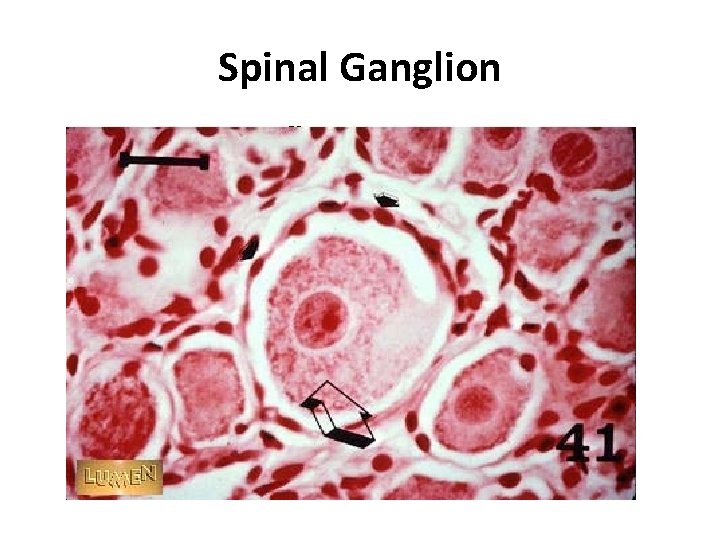
Spinal Ganglion
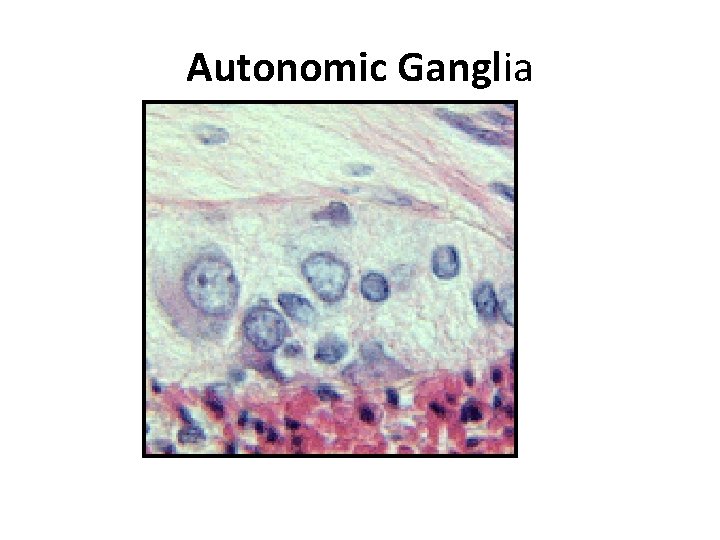
Autonomic Ganglia
MCQ • Pseudounipolar cells are found in the following ganglion: • 1. Spinal • 2. Spiral • 3. Sympathetic • 4. Parasympathetic
MCQ • The connective tissue sheath around a nerve is called • 1. Endoneurium • 2. Perineurium • 3. Epineurium • 4. Neurilemma
MCQ • Section of the sympathetic ganglion can be identified by the presence of • 1. Large Pseudo-unipolar neurons • 2. Small multiple neurons • 3. Bipolar Neurons • 4. Well dveloped satellite cells
Spinal cord
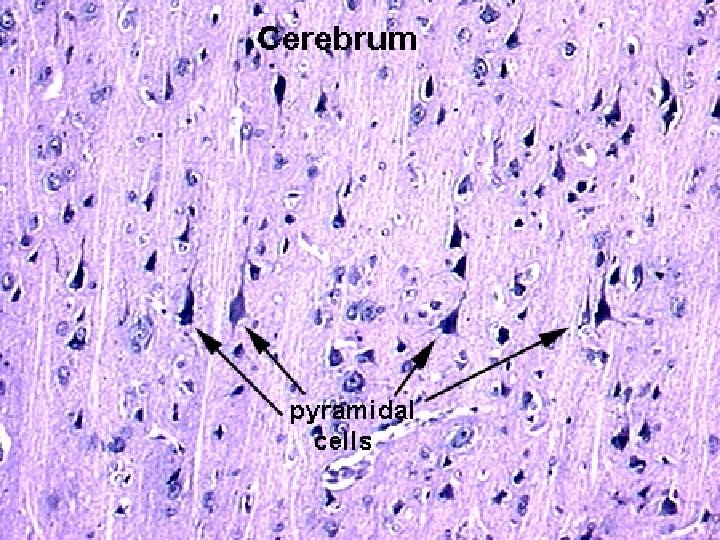
Cerebrum

Pacinian Corpuscle
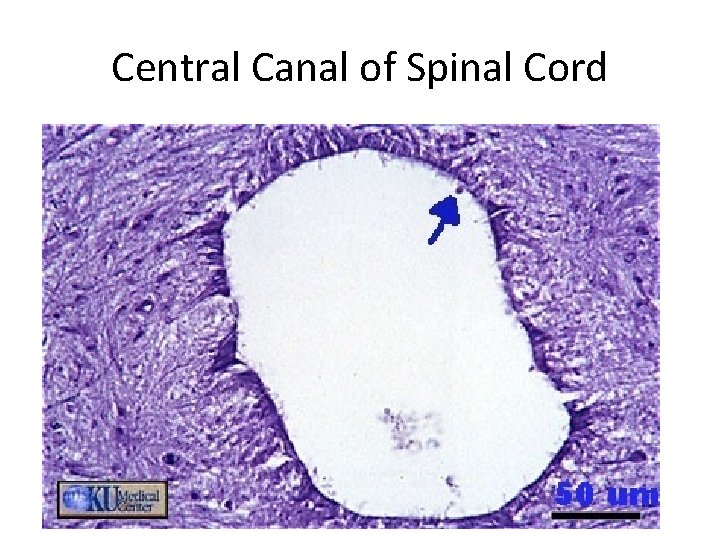
Central Canal of Spinal Cord
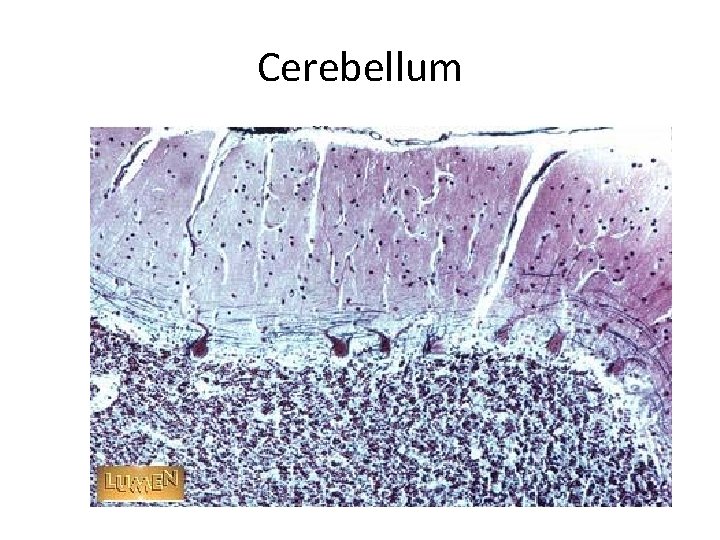
Cerebellum
- Slides: 52