
Nervous System Sensitization Peripheral Sensitization Increased chemical and
- Slides: 11
Nervous System Sensitization
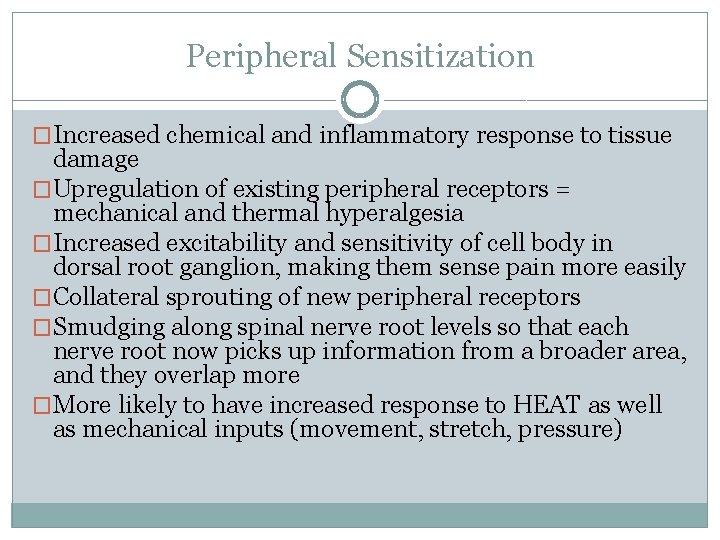
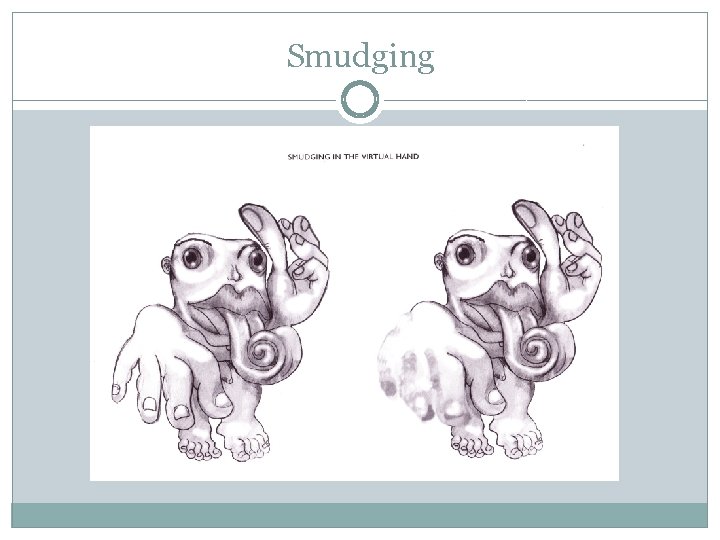
Peripheral Sensitization �Increased chemical and inflammatory response to tissue damage �Upregulation of existing peripheral receptors = mechanical and thermal hyperalgesia �Increased excitability and sensitivity of cell body in dorsal root ganglion, making them sense pain more easily �Collateral sprouting of new peripheral receptors �Smudging along spinal nerve root levels so that each nerve root now picks up information from a broader area, and they overlap more �More likely to have increased response to HEAT as well as mechanical inputs (movement, stretch, pressure)
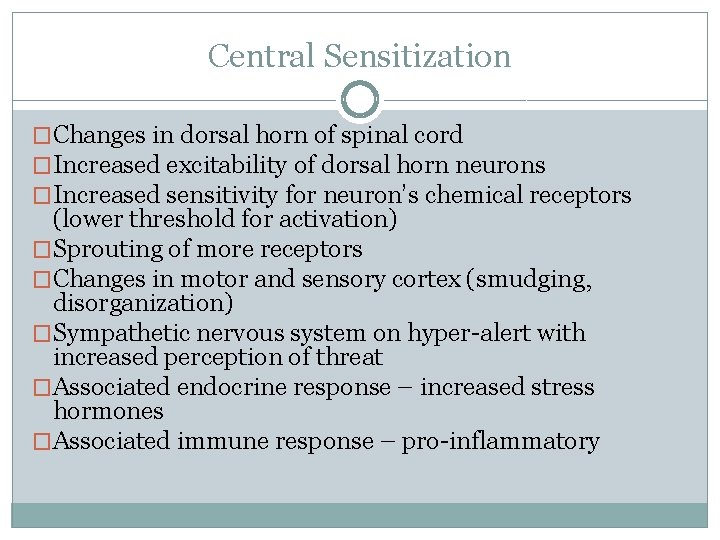
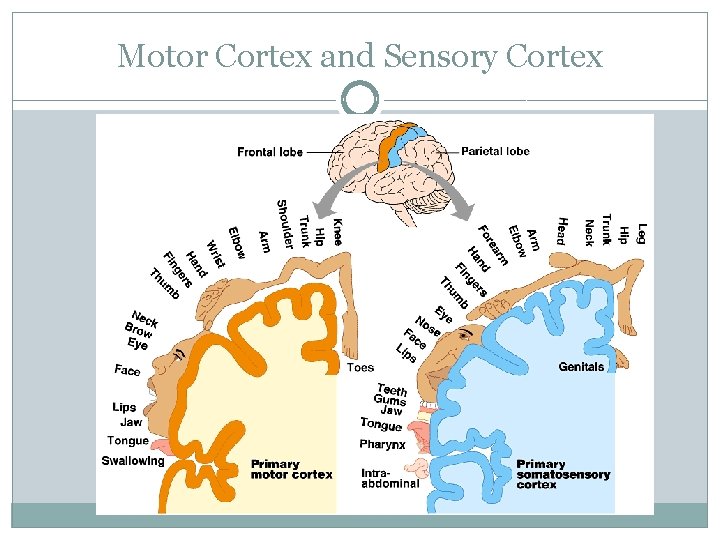
Central Sensitization �Changes in dorsal horn of spinal cord �Increased excitability of dorsal horn neurons �Increased sensitivity for neuron’s chemical receptors (lower threshold for activation) �Sprouting of more receptors �Changes in motor and sensory cortex (smudging, disorganization) �Sympathetic nervous system on hyper-alert with increased perception of threat �Associated endocrine response – increased stress hormones �Associated immune response – pro-inflammatory
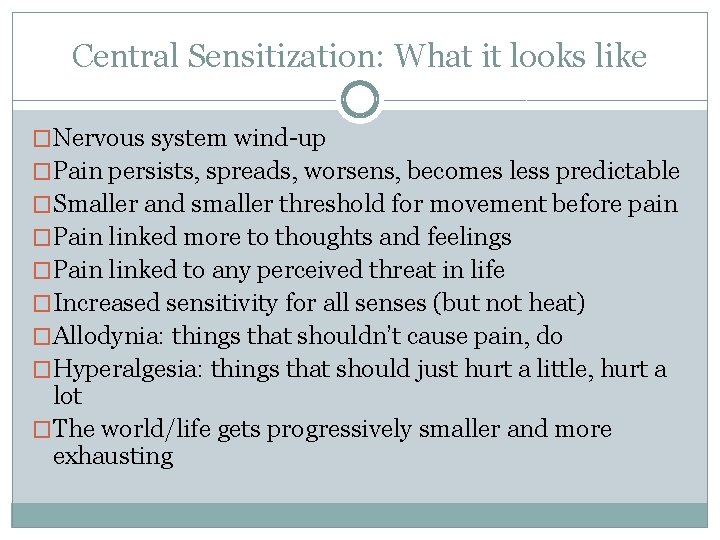
Central Sensitization: What it looks like �Nervous system wind-up �Pain persists, spreads, worsens, becomes less predictable �Smaller and smaller threshold for movement before pain �Pain linked more to thoughts and feelings �Pain linked to any perceived threat in life �Increased sensitivity for all senses (but not heat) �Allodynia: things that shouldn’t cause pain, do �Hyperalgesia: things that should just hurt a little, hurt a lot �The world/life gets progressively smaller and more exhausting
Motor Cortex and Sensory Cortex
Smudging
Smudging For example, in chronic low back pain, there’s commonly a smudging in the motor cortex representing back muscles. This results in a loss of ability to differentially use and control key muscles that stabilize the spine, including multifidus and erector spinae muscles. Patients with chronic low back pain also commonly lose their ability to sense where their body is in space, and the sense of graphesthesia, or being able to determine words written on the body via the sense of touch
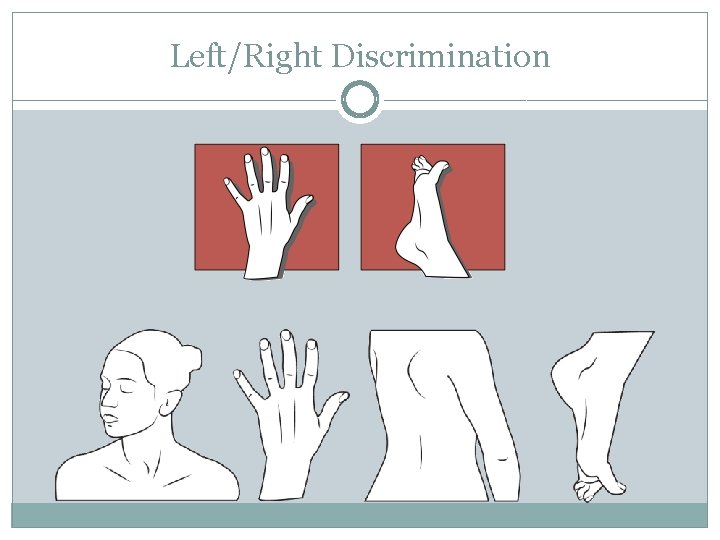
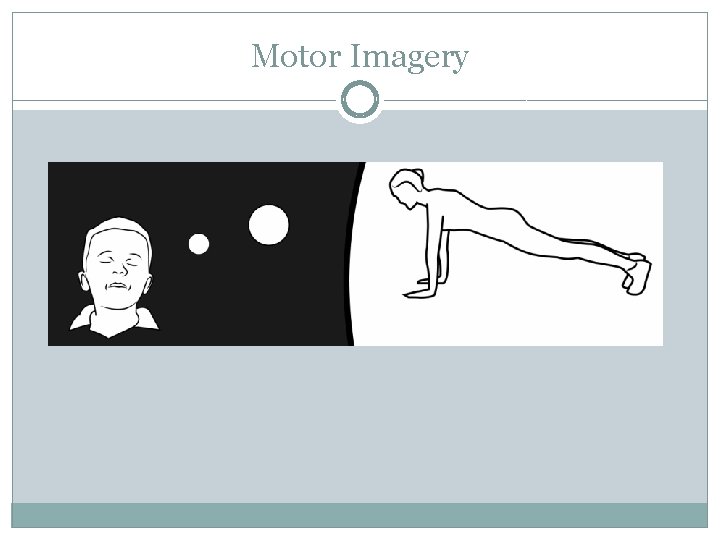
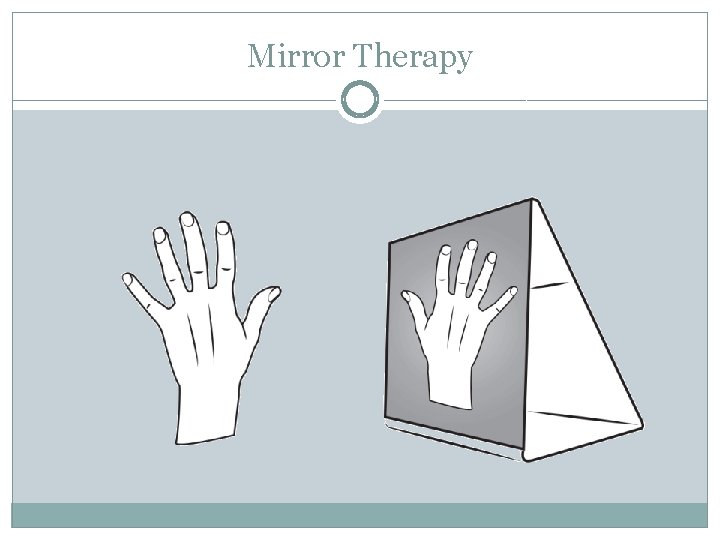
Graded Motor Imagery �Left/Right Discrimination �Motor Imagery �Mirror Therapy
Left/Right Discrimination
Motor Imagery
Mirror Therapy