
Nervous System Infections Function and Structure of CNS


- Slides: 62
Nervous System Infections
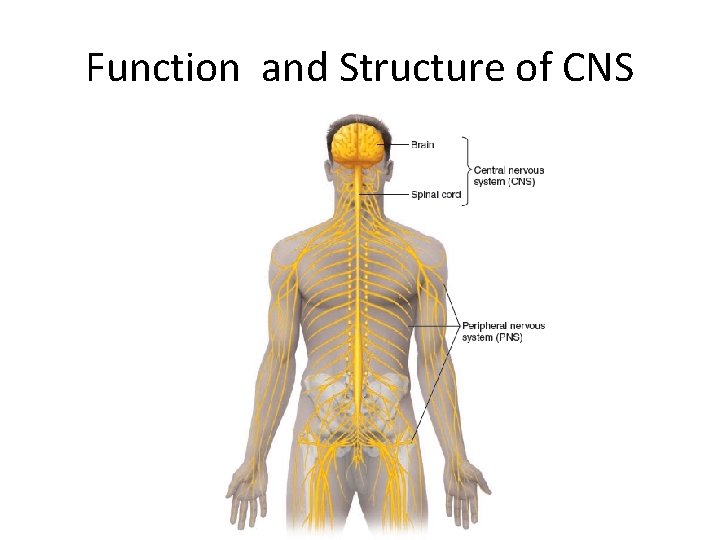
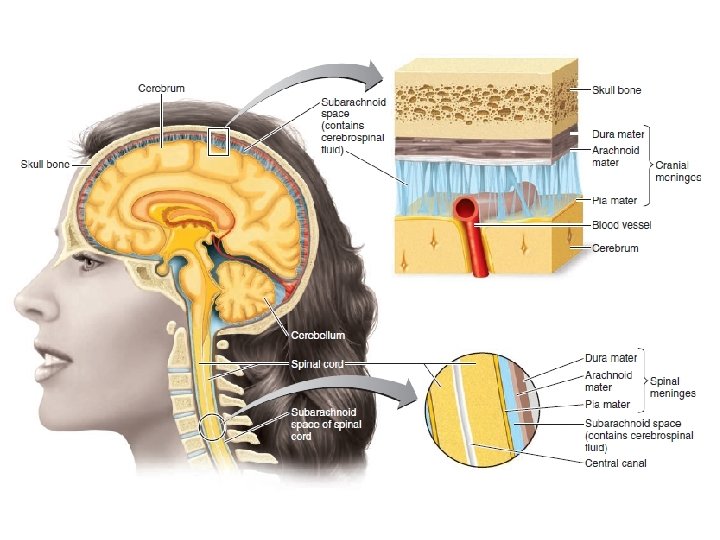
Function and Structure of CNS
Blood brain barrier • Certain capillaries in the brain are not permeable to some particles. • Drugs cannot cross BBB unless they are lipid soluble • There are special transport systems for glucose and amino acids • Inflammations of the brain tend to alter the BBB in a way that allows antibiotics to cross it when they wouldn’t be able to otherwise
• Inflammation of meninges – Meningitis • Inflammation of brain matter – Encephalitis • Inflammation of both – Meningoencephalitis
Bacterial Diseases
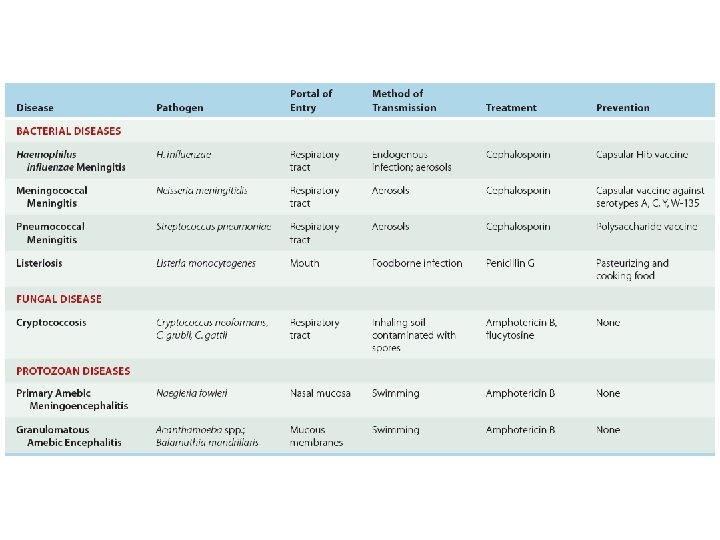
Organisms causing Meningitis. . . • Neonate Group B streptococcus (GBS), E. coli, Listeria monocytogenes, Streptococcus pneumoniae • 1 month - 6 yrs Haemophilus influenzae, Streptococcus pneumoniae, Neisseria meningitidis • >6 yrs Streptococcus pneumoniae, Neisseria meningitidis
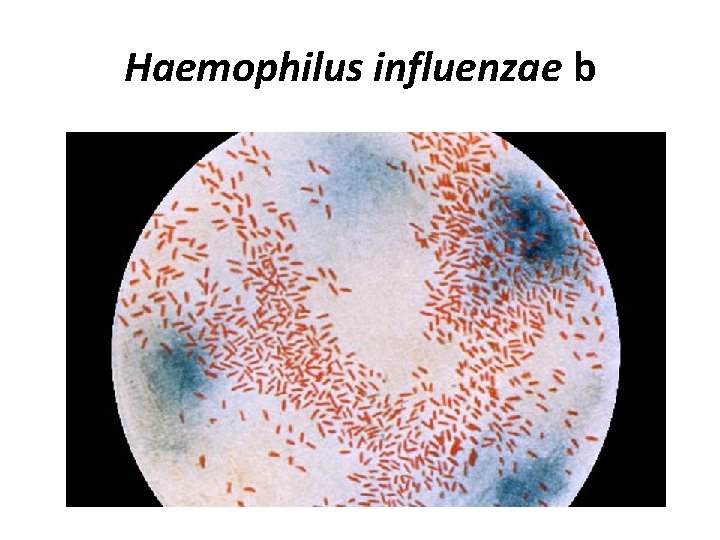
Haemophilus influenzae b
• Aerobic, gram negative • Capsulated • In addition to causing meningitis, it is also frequently a cause of pneumonia, otitis media and epiglottitis.
• Hib-caused meningitis occurs mostly in children under age 4, especially at about 6 months, when antibody protection provided by the mother weakens • Effective vaccine is available
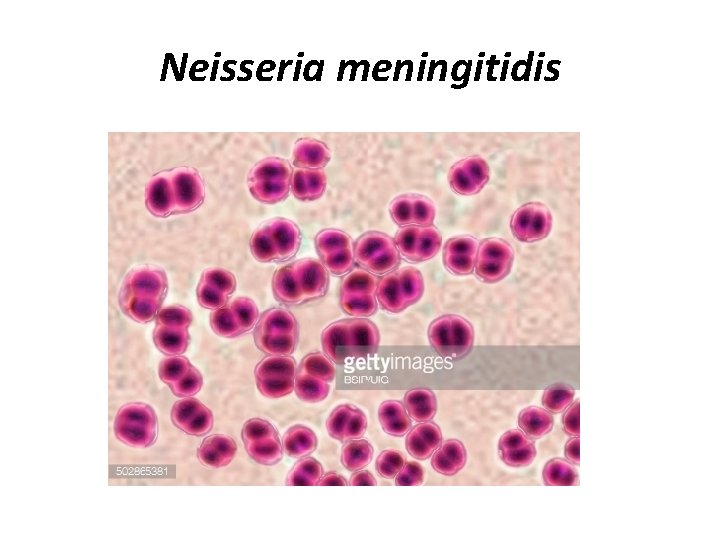
Neisseria meningitidis
• Aerobic, gram-negative bacterium • Polysaccharide capsulated • Like Hib and the pneumococci , it is frequently present in the nose and throat of carriers without causing disease symptoms • Transmission is by droplet aerosols or direct contact with secretions.
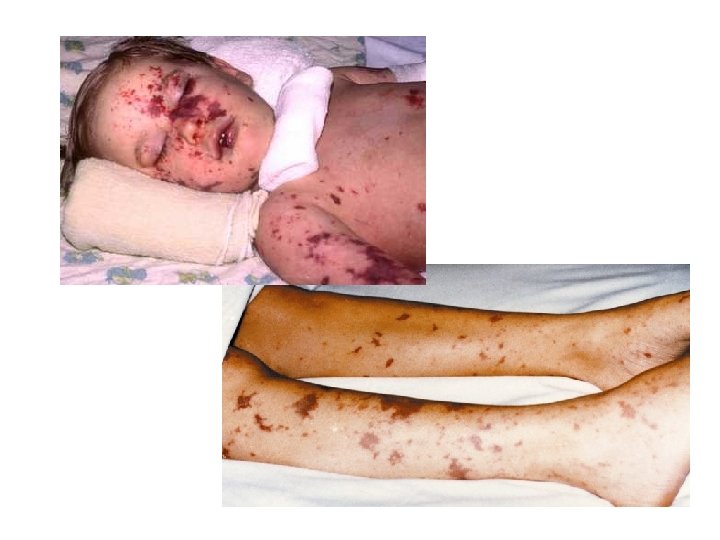
• Symptoms of meningococcal meningitis are mostly caused by an endotoxin that is produced very rapidly • It is capable of causing death within just a few hours • The most distinguishing feature is a rash that does not fade when pressed.
• It usually occurs in children under 2 years • Significant numbers of these children have residual damage, such as deafness • Death can occur within a few hours after the onset of fever • However, antibiotic therapy has helped reduce the mortality rate to about 9– 12% • Without chemotherapy, mortality rates approach 80%.
• World Health Organization (WHO) estimates that about 1. 2 million cases and 171, 000 deaths occur worldwide annually, with the greatest burden falling on nonindustrialized countries • Vaccines available for some srerotypes
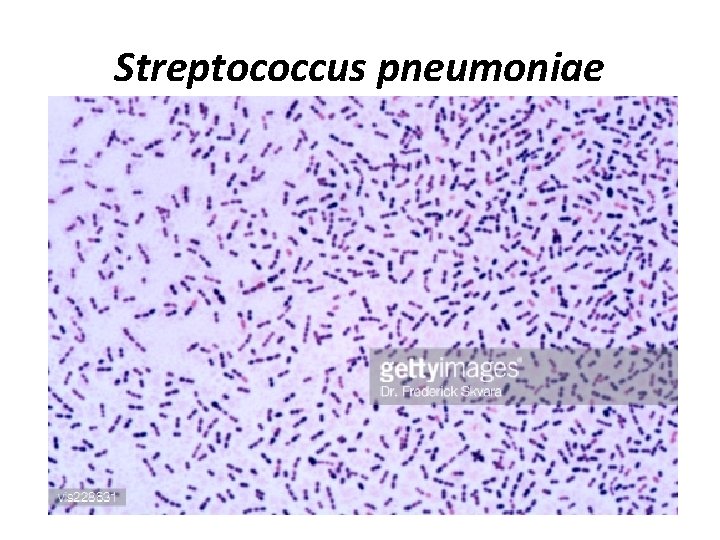
Streptococcus pneumoniae
• Gram positive, encapsulated diplococcus • Most of the cases of pneumococcal meningitis occur among children between the ages of 1 month and 4 years • A conjugated vaccine, modeled after the Hib vaccine, has been introduced
Presentation. . . • Age related. Early signs and symptoms are nonspecific • Neonate - ill, ‘septic’, poor feeding, drowsy or irritable, vomiting, fever, rash, apnoeic attacks, jaundice, convulsions etc etc neck retraction, opisthotonus, full fontanelle • Infants and young children - fever, poor feeding, vomiting, drowsiness/ irritable, convulsions bulging fontanelle, neck stiffness
…ctd • Older children and adults - headache, vomiting, photophobia, convulsions, rash • Physical signs of meningeal irritation – Brudzinski sign – Neck stiffness – Kernig sign
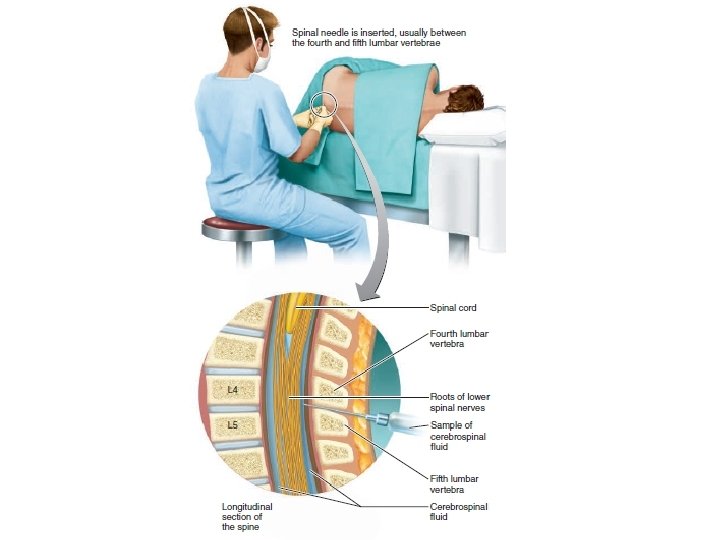
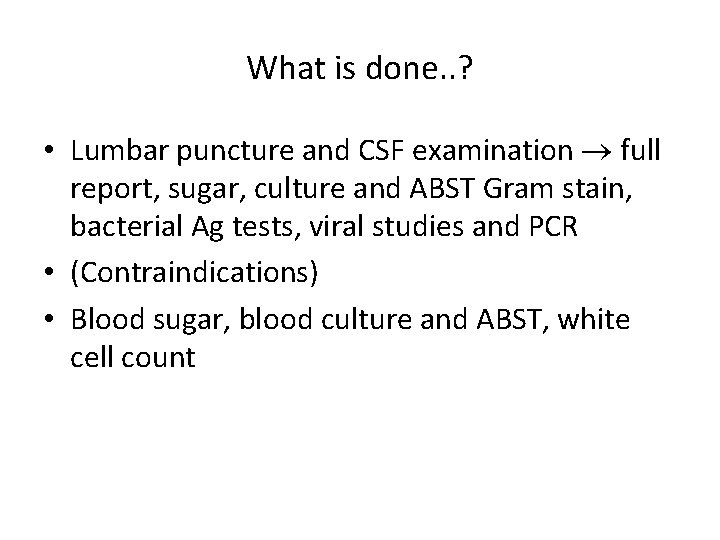
What is done. . ? • Lumbar puncture and CSF examination full report, sugar, culture and ABST Gram stain, bacterial Ag tests, viral studies and PCR • (Contraindications) • Blood sugar, blood culture and ABST, white cell count
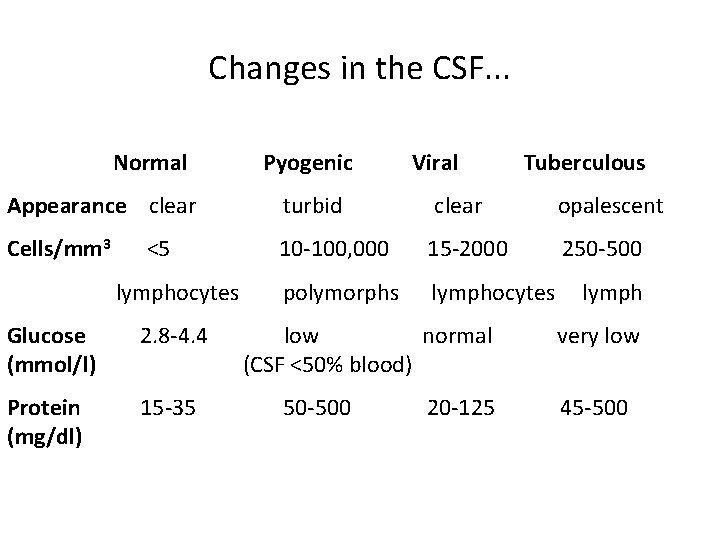
Changes in the CSF. . . Normal Pyogenic Viral Tuberculous Appearance clear turbid clear opalescent Cells/mm 3 10 -100, 000 15 -2000 250 -500 polymorphs lymphocytes <5 lymphocytes Glucose (mmol/l) 2. 8 -4. 4 Protein (mg/dl) 15 -35 low normal (CSF <50% blood) 50 -500 20 -125 lymph very low 45 -500
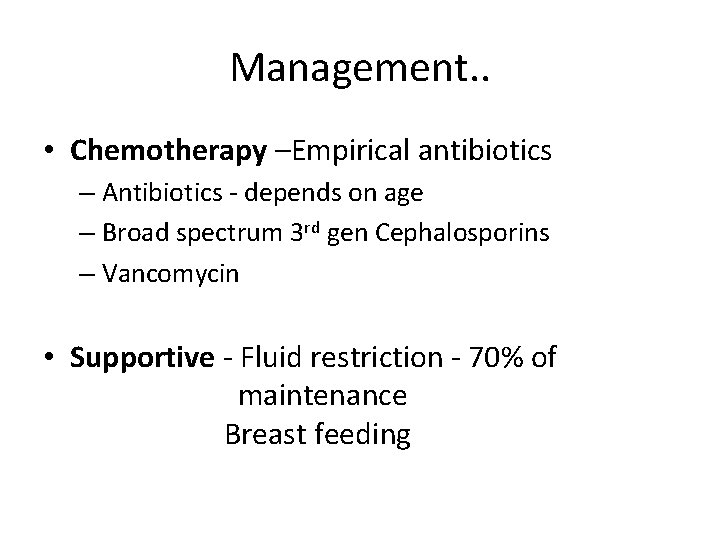
Management. . • Chemotherapy –Empirical antibiotics – Antibiotics - depends on age – Broad spectrum 3 rd gen Cephalosporins – Vancomycin • Supportive - Fluid restriction - 70% of maintenance Breast feeding
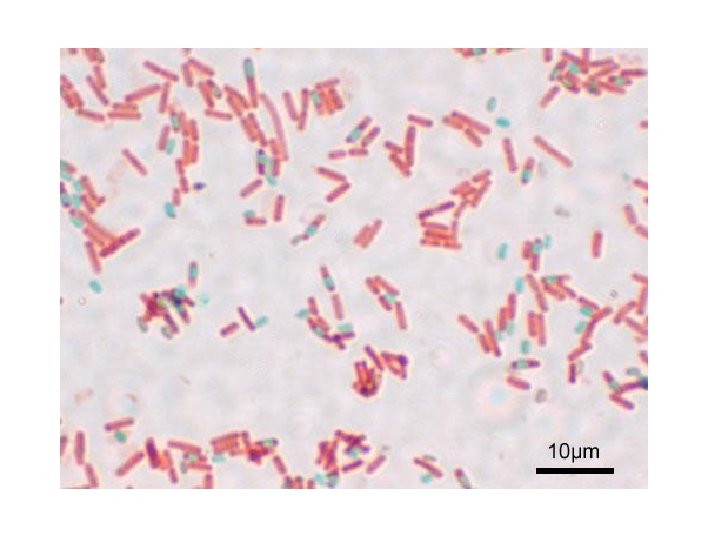
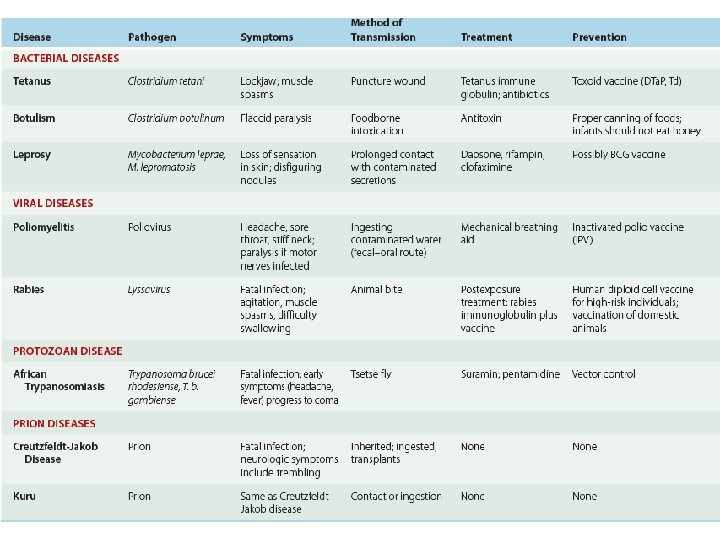
Clostridium tetani • Causative organism of tetanus • Obligately anaerobic, endospore-forming, gram-positive rod • Common in soil contaminated with animal fecal wastes.
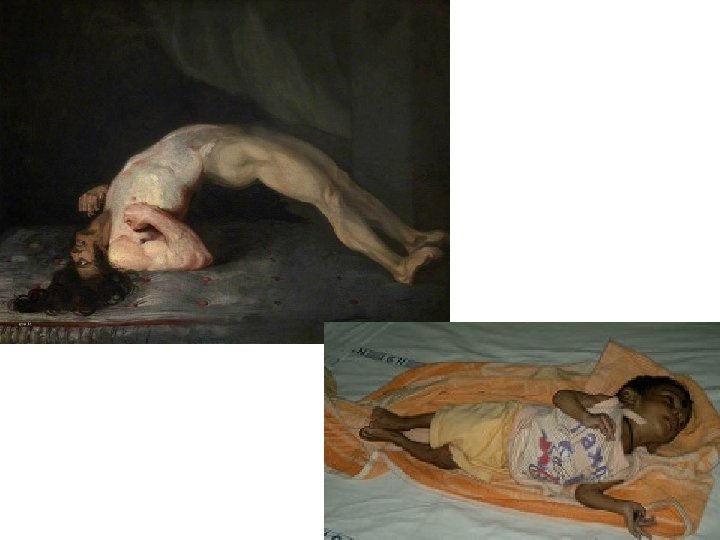
• The symptoms of tetanus are caused by an extremely potent neurotoxin, tetanospasmin • It is released upon death and lysis of the growing bacteria • Enters the CNS via the peripheral nerves or the blood
• tetanus neurotoxin blocks the relaxation pathway so that both opposing sets of muscles contract, resulting in the characteristic muscle spasms • The muscles of the jaw are affected early in the disease, preventing the mouth from opening, a condition known as lockjaw
• Tetanus vaccine is a toxoid, an inactivated toxin that stimulates the formation of antibodies that neutralize the toxin produced by the bacteria
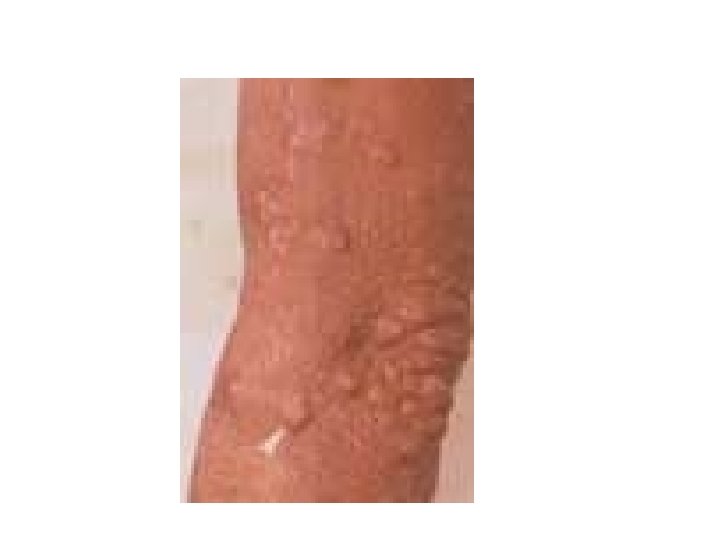
Mycobacterium leprae • Hansen’s disease / leprosy • This is a slowly progressive disease • It affects skin and peripheral nerves • If untreated it results in unsightly or disabling deformities
2 types of diseases clinically: 1. Tuberculoid leprosy 2. Lepromatous leprosy
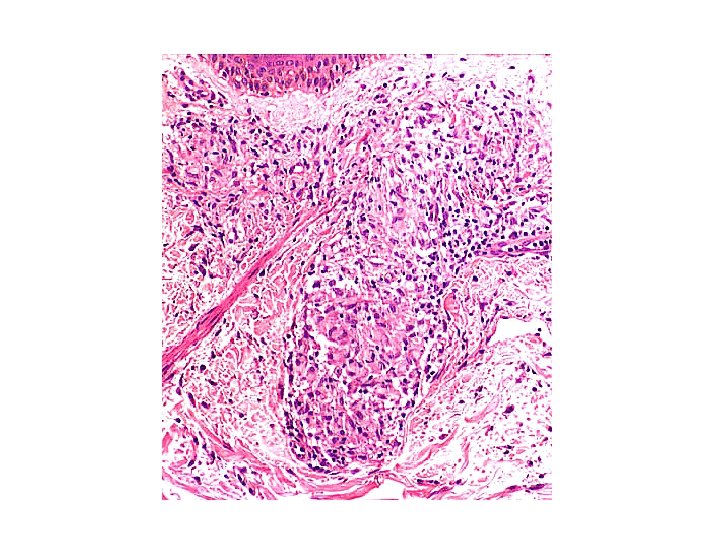
Tuberculoid leprosy • Patient develops cell-mediated immunity • The sensitized T cells cause local aggregation and activation of macrophages • There is formation of tuberculoid granulomas with a few surviving bacilli in the lesions
Lepromatous leprosy • There is lack of T- cell mediated immunity; poor host resistance • Diffuse aggregates of foamy macrophages • Large numbers of M. leprae are seen within the macrophages • With progression the nodular lesions coalesce to form a leonine facies
• Peripheral nerves may be affected - ulnar and peroneal nerves where they come near the skin • But neurologic involvement is more prominent in Tuberculoid leprosy • Loss of sensation and trophic changes in the hands and feet may follow the nerve lesions
Viral Diseases
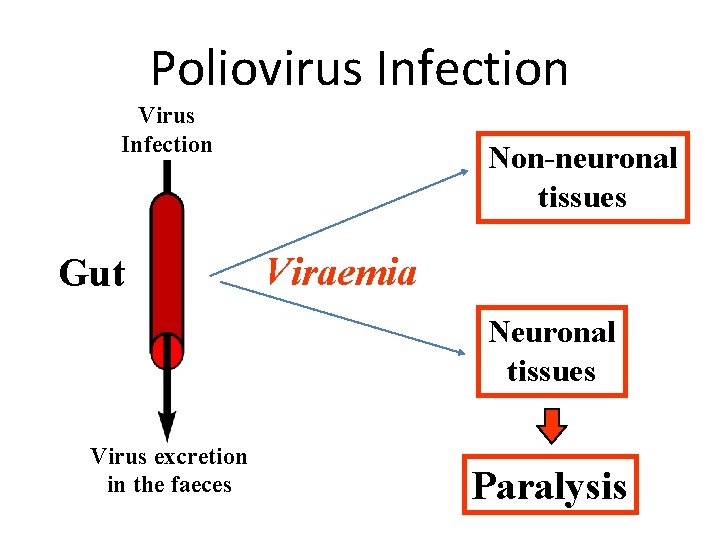
Poliomyelitis (polio) • • • Enterovirus. Possesses a RNA genome. Transmitted by the faecal oral route. Cause of gastrointestinal illness and poliomyelitis The paralytic form of poliomyelitis probably affects fewer than 1% of those infected with the poliovirus. The great majority of cases are asymptomatic or exhibit only mild symptoms, such as headache, sore throat, fever, and nausea.
Poliovirus Infection Virus Infection Gut Non-neuronal tissues Viraemia Neuronal tissues Virus excretion in the faeces Paralysis
• Effective vaccines are available
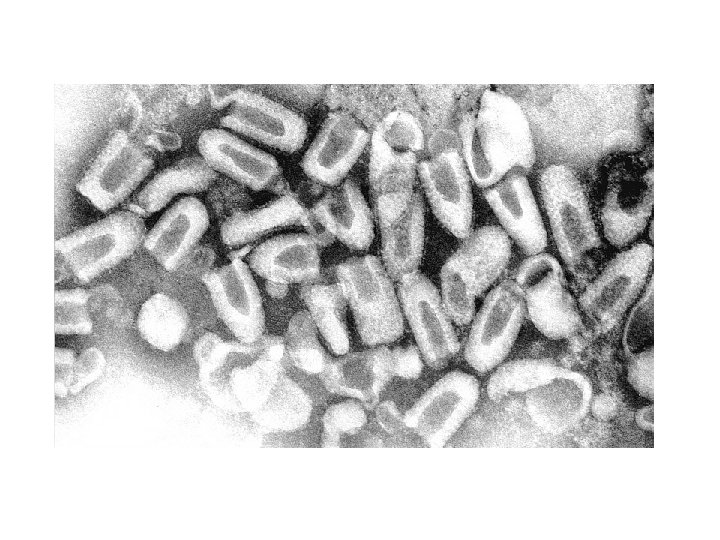
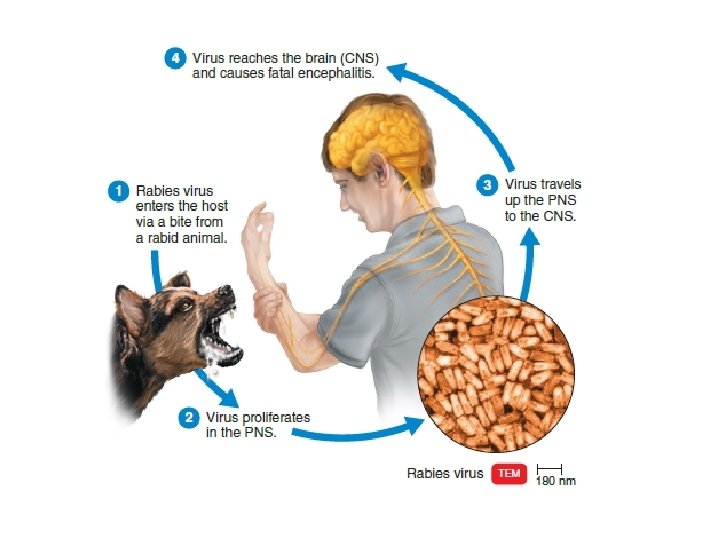
Rabies • • Almost always results in fatal encephalitis Rabies virus, a member of the genus lyssavirus Has a characteristic bullet shape Single-stranded RNA viruses with no proofreading capability, and mutant strains develop rapidly
• Humans usually are infected with the rabies virus in saliva from the bite of an infected animal—especially dogs. • On rare occasions, the virus can be transmitted through fresh skin abrasions and may cross the mucous membranes of the nose, mouth, and even eyes
• The virus proliferates in the PNS and moves, fatally, toward the CNS • Rabies is unique in that the incubation period is usually long enough to allow immunity to develop from postexposure vaccination
• Initially, the virus multiplies in skeletal muscle and connective tissue • Then it enters a motor neuron and travels along peripheral nerves to the CNS, where it causes encephalitis • Bites in areas rich in nerve fibers, such as the hands and face, are especially dangerous, and the resulting incubation period tends to be short
• • • Fever. Tachycardia. Hypertension. Hyperventilation. Anisocoria, fixed pupillary dilation (“blown pupil”), optic neuritis (may falsely suggest brain death) Facial palsy. Mydriasis. Lacrimation Spasms of the muscles of the mouth and pharynx occur when the patient feels air drafts or swallows liquids. In fact, even the mere sight or thought of water can set off the spasms—thus the common name hydrophobia (fear of water).
Fungal Infections
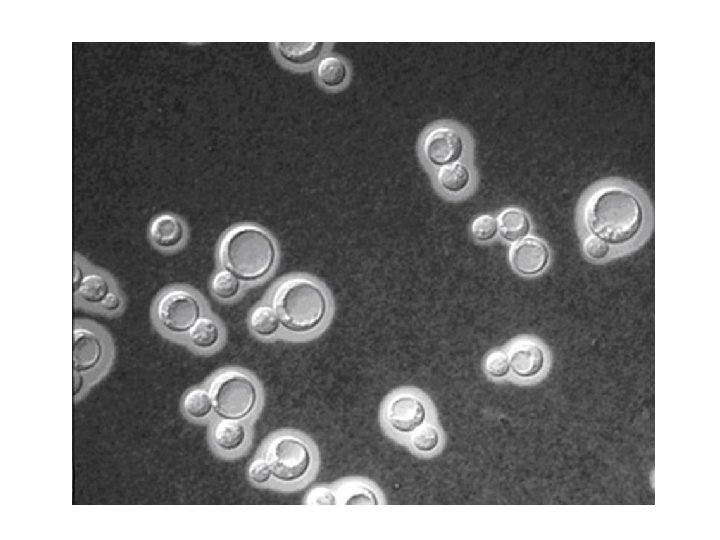
Cryptococcus neoformans • Causes Cryptococcal meningitis • The primary species pathogenic for humans are Cryptococcus neoformans and C. grubii. • These organisms are widely distributed, especially in areas contaminated by bird droppings most notably from pigeons
• The inhaled fungi multiply in persons with compromised immune systems, disseminate to the CNS, and cause meningitis that has a high mortality rate • The best serological diagnostic test is a latex agglutination • test to detect cryptococcal antigens in serum or cerebrospinal • fluid. The drugs of choice for treatment are amphotericin B and • flucytosine in combination. Even so, the mortality rate may • approach 30%.
Protozoan Diseases
African trypanosomiasis • Also known as sleeping sickness • Disease is caused by two subspecies of Trypanosoma brucei that infect humans • It is distributed throughout west and central Africa and is sometimes termed West African trypanosomiasis.
• Once a person becomes infected, there are few symptoms for weeks or months. • Eventually, a chronic form of disease with fever, headaches, and a variety of other symptoms develops that indicates involvement and deterioration of the CNS. • Coma and death are inevitable without effective treatment.
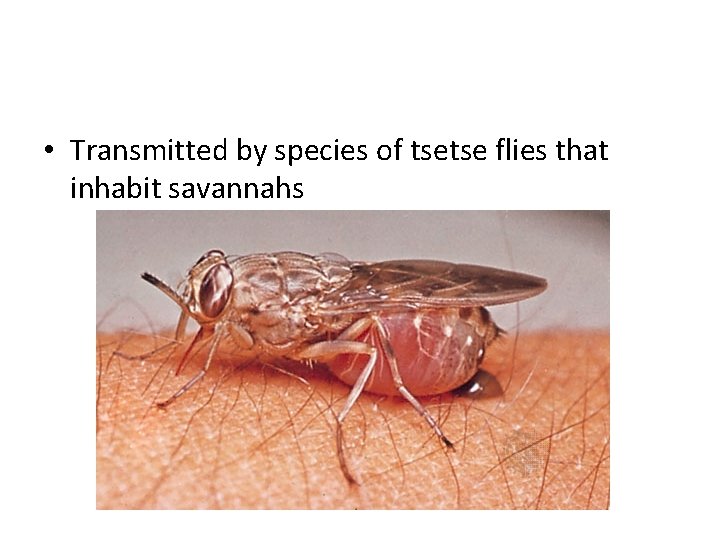
• Transmitted by species of tsetse flies that inhabit savannahs
Prion Diseases • Prions are abnormally folded proteins • If the normal protein encounters an abnormally folded protein, a prion, the normal protein changes its shape and also becomes abnormally folded • A chain reaction of protein misfolding occurs • These clump together to form the fibril aggregations of misfolded proteins that are found in diseased brains
• These prion diseases are called transmissible spongiform encephalopathies (TSE) • Eg : – Creutzfeldt-Jakob disease (CJD) – Bovine spongiform encephalopathy/ mad cow disease