
Nerve Impulse Speed is proportional to the size
- Slides: 26
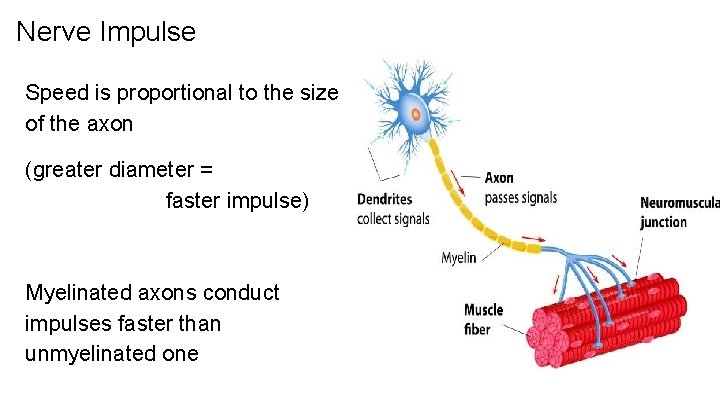
Nerve Impulse Speed is proportional to the size of the axon (greater diameter = faster impulse) Myelinated axons conduct impulses faster than unmyelinated one
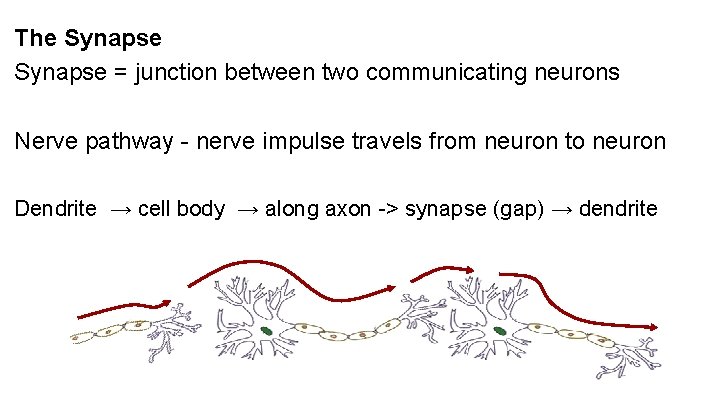
The Synapse = junction between two communicating neurons Nerve pathway - nerve impulse travels from neuron to neuron Dendrite → cell body → along axon -> synapse (gap) → dendrite
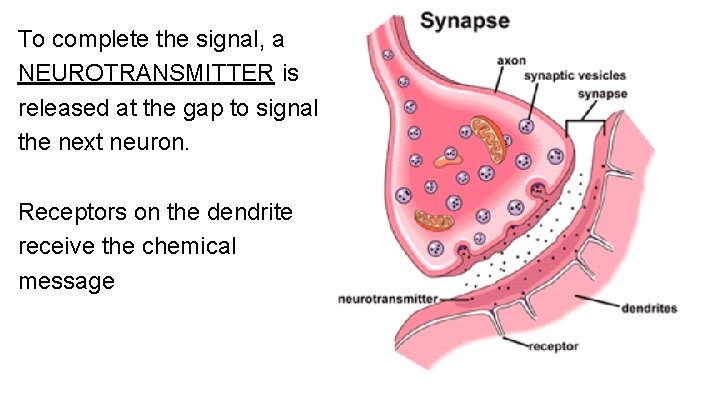
To complete the signal, a NEUROTRANSMITTER is released at the gap to signal the next neuron. Receptors on the dendrite receive the chemical message
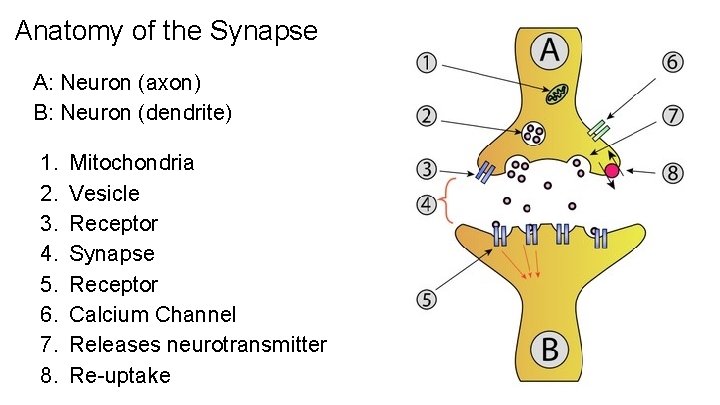
Anatomy of the Synapse A: Neuron (axon) B: Neuron (dendrite) 1. 2. 3. 4. 5. 6. 7. 8. Mitochondria Vesicle Receptor Synapse Receptor Calcium Channel Releases neurotransmitter Re-uptake
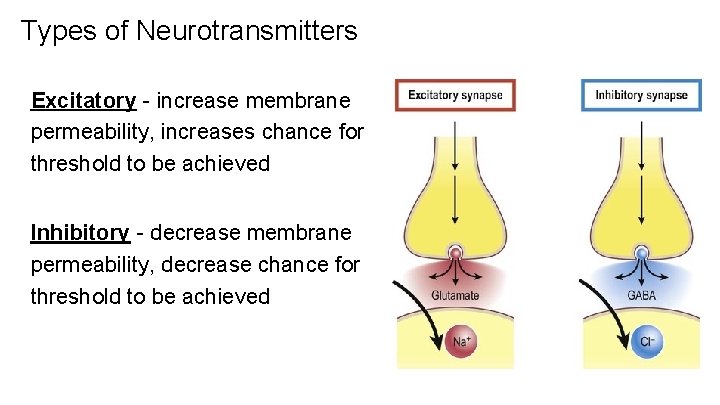
Types of Neurotransmitters Excitatory - increase membrane permeability, increases chance for threshold to be achieved Inhibitory - decrease membrane permeability, decrease chance for threshold to be achieved
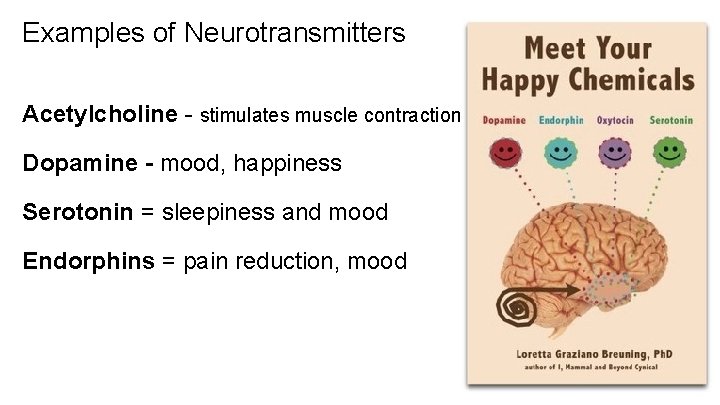
Examples of Neurotransmitters Acetylcholine - stimulates muscle contraction Dopamine - mood, happiness Serotonin = sleepiness and mood Endorphins = pain reduction, mood
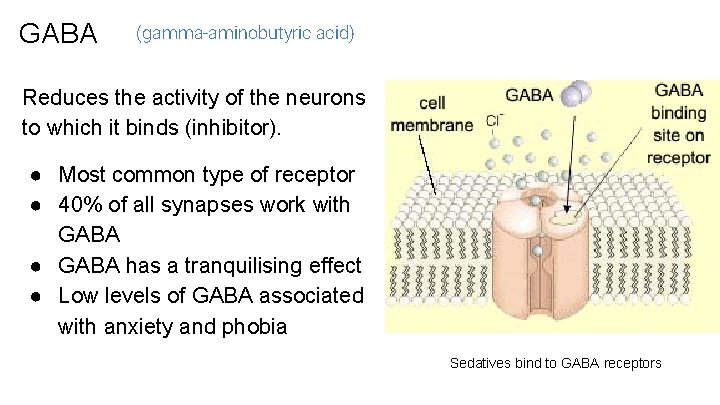
GABA (gamma-aminobutyric acid) Reduces the activity of the neurons to which it binds (inhibitor). ● Most common type of receptor ● 40% of all synapses work with GABA ● GABA has a tranquilising effect ● Low levels of GABA associated with anxiety and phobia Sedatives bind to GABA receptors
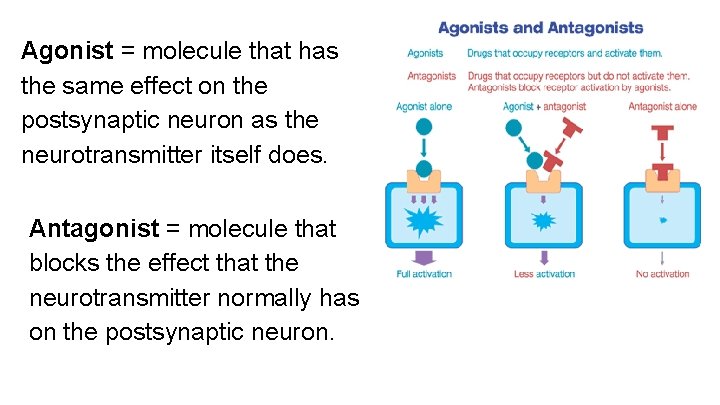
Agonist = molecule that has the same effect on the postsynaptic neuron as the neurotransmitter itself does. Antagonist = molecule that blocks the effect that the neurotransmitter normally has on the postsynaptic neuron.
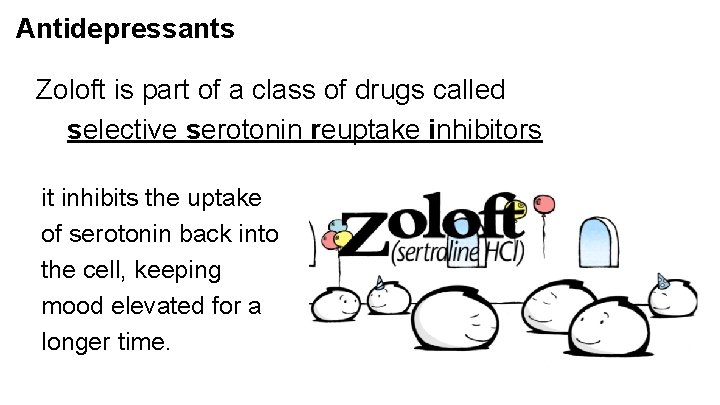
Antidepressants Zoloft is part of a class of drugs called selective serotonin reuptake inhibitors it inhibits the uptake of serotonin back into the cell, keeping mood elevated for a longer time.
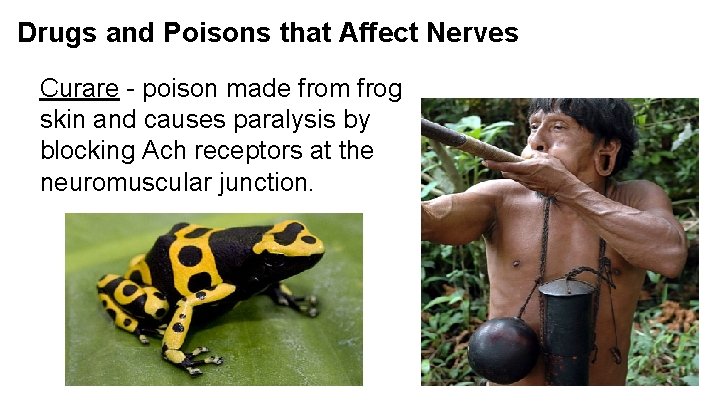
Drugs and Poisons that Affect Nerves Curare - poison made from frog skin and causes paralysis by blocking Ach receptors at the neuromuscular junction.
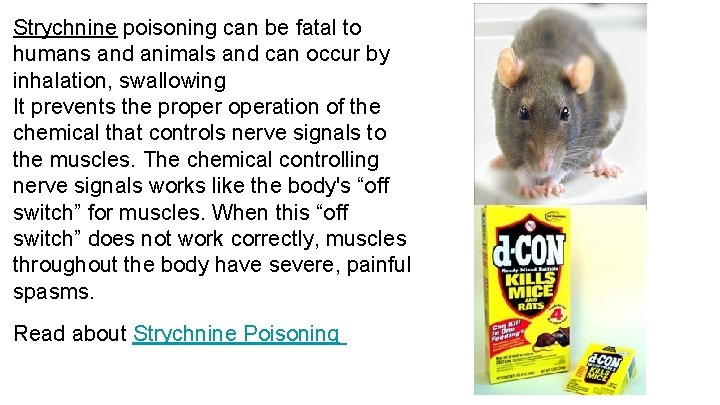
Strychnine poisoning can be fatal to humans and animals and can occur by inhalation, swallowing It prevents the properation of the chemical that controls nerve signals to the muscles. The chemical controlling nerve signals works like the body's “off switch” for muscles. When this “off switch” does not work correctly, muscles throughout the body have severe, painful spasms. Read about Strychnine Poisoning
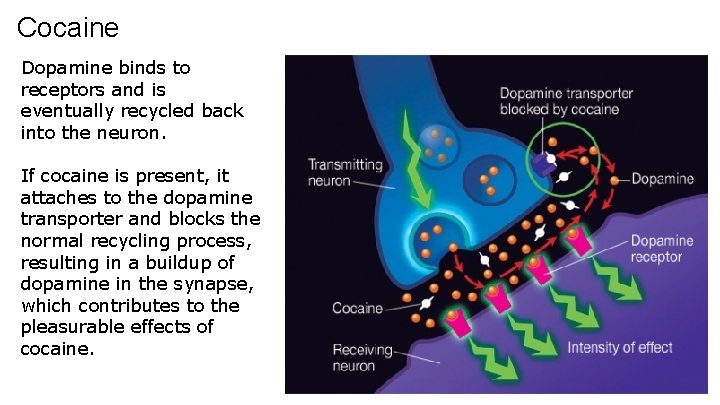
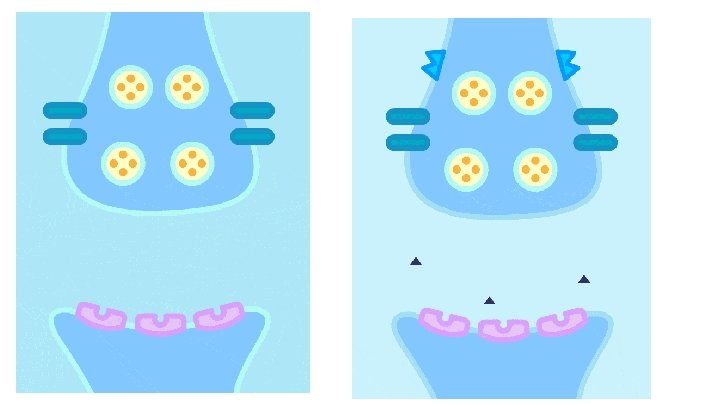
Cocaine Dopamine binds to receptors and is eventually recycled back into the neuron. If cocaine is present, it attaches to the dopamine transporter and blocks the normal recycling process, resulting in a buildup of dopamine in the synapse, which contributes to the pleasurable effects of cocaine.
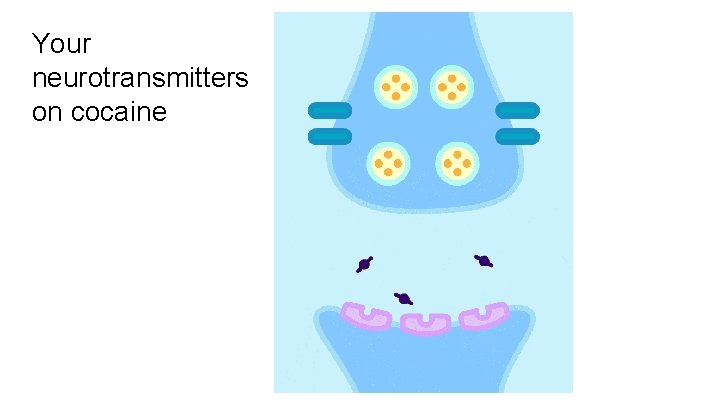
Your neurotransmitters on cocaine
Ecstasy (MDMA) The neurotransmitter serotonin is vital in regulating many of our basic functions. Serotonin is, among other things, the feel good neurotransmitter and helps to regulate body temp. Our brain cells are recycle serotonin back into the cells and out of the synapse using serotonin reuptake transporters. Ecstasy essentially takes these upkeep transporters and reverses their roles. This causes a massive flood of serotonin from the brain cells into the synapse. The most common cause of Ecstasy-related death is overheating (hyperthermia).
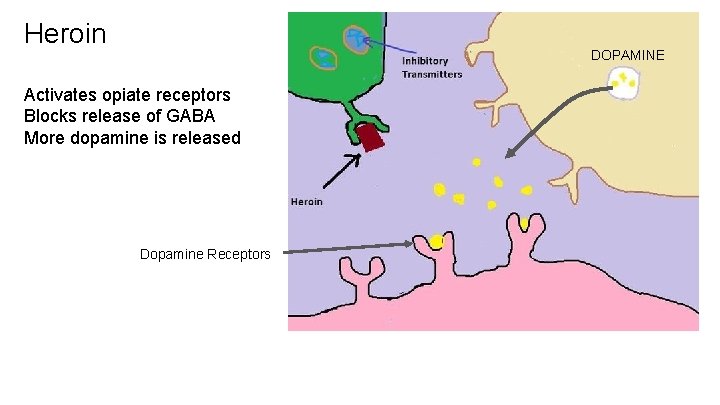
Heroin DOPAMINE Activates opiate receptors Blocks release of GABA More dopamine is released Dopamine Receptors
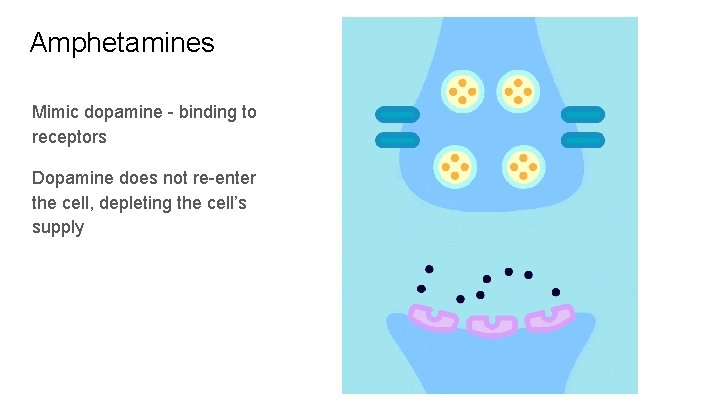
Amphetamines Mimic dopamine - binding to receptors Dopamine does not re-enter the cell, depleting the cell’s supply
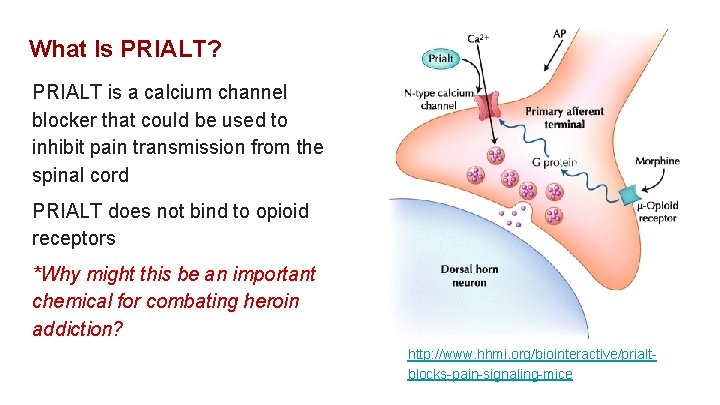
What Is PRIALT? PRIALT is a calcium channel blocker that could be used to inhibit pain transmission from the spinal cord PRIALT does not bind to opioid receptors *Why might this be an important chemical for combating heroin addiction? http: //www. hhmi. org/biointeractive/prialtblocks-pain-signaling-mice
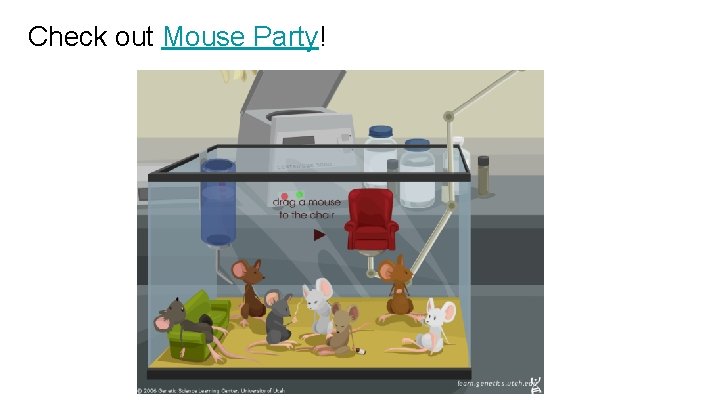
Check out Mouse Party!
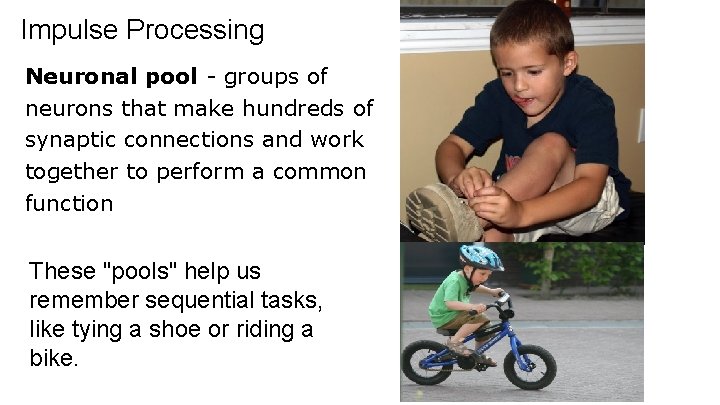
Impulse Processing Neuronal pool - groups of neurons that make hundreds of synaptic connections and work together to perform a common function These "pools" help us remember sequential tasks, like tying a shoe or riding a bike.
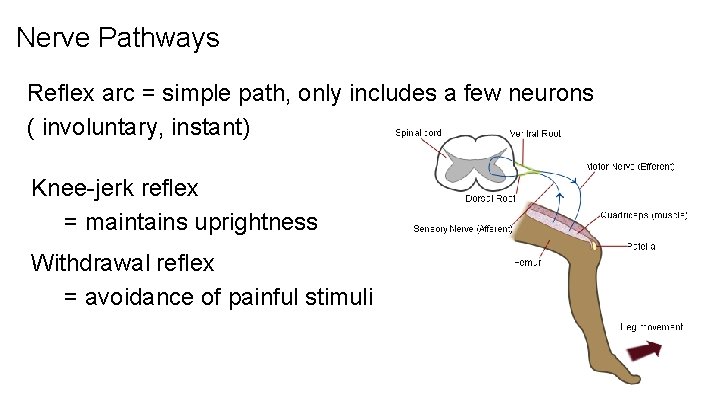
Nerve Pathways Reflex arc = simple path, only includes a few neurons ( involuntary, instant) Knee-jerk reflex = maintains uprightness Withdrawal reflex = avoidance of painful stimuli
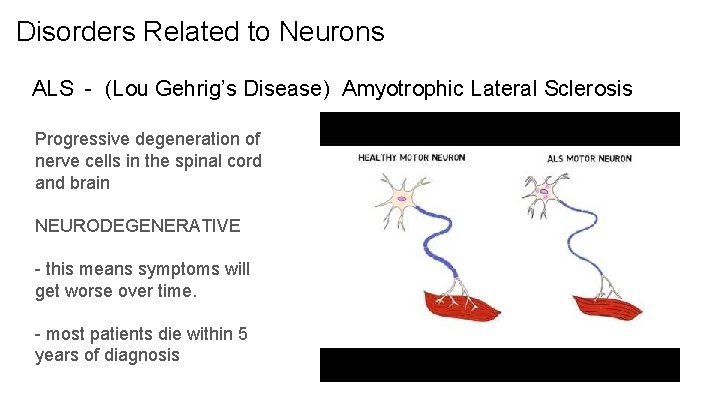
Disorders Related to Neurons ALS - (Lou Gehrig’s Disease) Amyotrophic Lateral Sclerosis Progressive degeneration of nerve cells in the spinal cord and brain NEURODEGENERATIVE - this means symptoms will get worse over time. - most patients die within 5 years of diagnosis
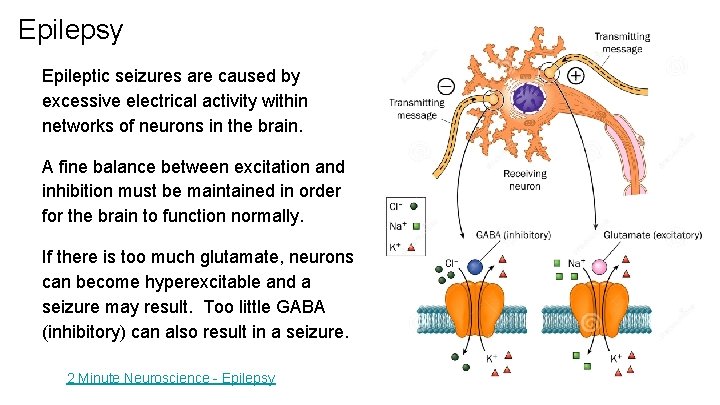
Epilepsy Epileptic seizures are caused by excessive electrical activity within networks of neurons in the brain. A fine balance between excitation and inhibition must be maintained in order for the brain to function normally. If there is too much glutamate, neurons can become hyperexcitable and a seizure may result. Too little GABA (inhibitory) can also result in a seizure. 2 Minute Neuroscience - Epilepsy
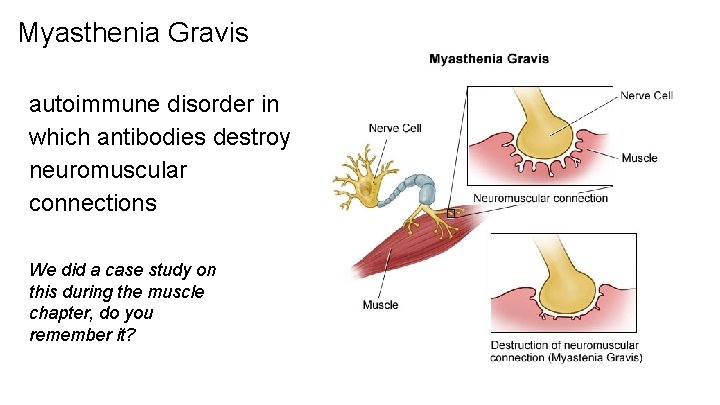
Myasthenia Gravis autoimmune disorder in which antibodies destroy neuromuscular connections We did a case study on this during the muscle chapter, do you remember it?
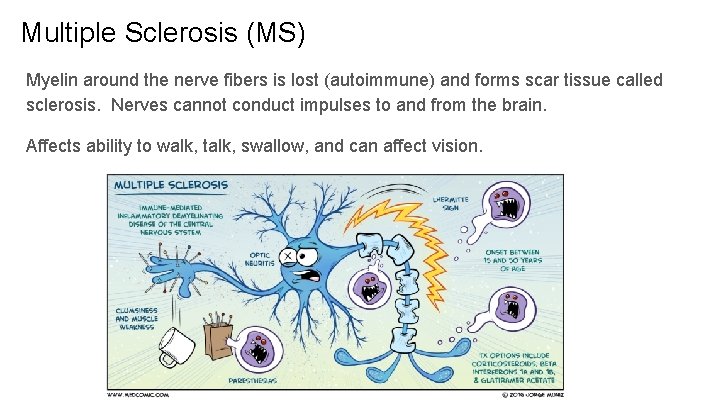
Multiple Sclerosis (MS) Myelin around the nerve fibers is lost (autoimmune) and forms scar tissue called sclerosis. Nerves cannot conduct impulses to and from the brain. Affects ability to walk, talk, swallow, and can affect vision.