
Nephrotic Syndrome Nephrosis n Glomerular disease Characterized by
Nephrotic Syndrome (Nephrosis) n Glomerular disease Characterized by Proteinuria ( urine protein loss > 2 gm/day ) Hypo-proteinemia ( serum albumin < 2. 5 gm/d. L ) Edema Hyperlipidemia
Nephrotic syndrome Dr. Walid Abdel Wahab Professor of Pediatrics
Etiology : n Primary (Idiopathic) nephrotic syndrome (90 %) Minimal-change disease (85 %) Focal sclerosis (10 %) End-stage renal failure Mesangial proliferation ( 5 %) Secondary (10 %): SLE, HSP, Infection: Bilharziasis, hepatitis, malaria n n Congenital Nephrotic (rare)

Pathophysiology of Idiopathic NS n Etiology (unknown) Immunological theory Disturbed T cell function cytokines n Pathology LM, EM n Mechanism of edema n Mechanism of hypoprotenemia n Mechanism of hyperlipedemia
Nephrotic Syndrome (Nephrosis) Clinical manifestations : n Idiopathic nephrotic syndrome (90 %) n Boys : girls = 2 : 1 peak age = 2 ~ 6 yr initial episode & subsequent relapses : follow an apparent Viral URI Edema : eyes, lower extremities “ pitting ” Weight gain Ascites or Pleural effusions (dependent sites) No HTN No hemturia Anorexia Abdominal pain
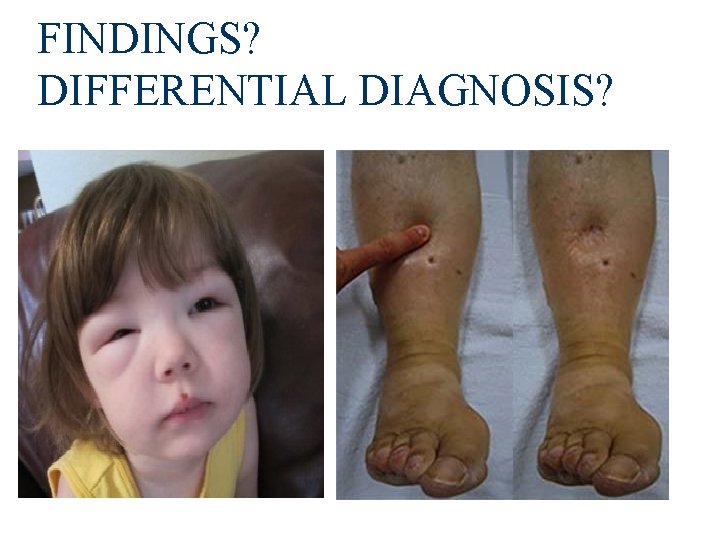
FINDINGS? DIFFERENTIAL DIAGNOSIS?
Nephrotic Syndrome (Nephrosis) n Diagnosis : 1. (Urinalysis and urine 24 hrs) Urinalysis = 3+ ~ 4+ proteinuria Urine Protein loss > 2 gm/day Urine Prot/cratinin ratio >2 Hyaline casts 2. (blood serum) Serum albumin < 2. 5 gm/d. L Cholesterol TG, >200 mg /dl Renal function (urea and creatinine) Normal C 3 *
Nephrotic Syndrome (Nephrosis) Diagnosis : 3. Renal U/s 4. (Renal biopsy) Age < 1 y > 8 y 1. Nephritic nephrotic 2. Low C 3 3. Steroid resistant 4. Persistent HTN 5. Renal failure 6. Gross hematuria 7. Persistent mic hematuria 8. Frequent relapse n
Nephrotic Syndrome (Nephrosis) n Complications : Infections Spontaneous peritonitis (Pneumococci, meningococci, hemophylus influ. ) * Polyvalent pneumococcal vaccine Sepsis, meningitis Pneumonia Cellulitis Urinary tract infections Arterial & Venous thrombosis * inhibitors of frinolysis * decreased plasma Anti-thrombin III * increased PLT aggregation * deficiency of coagulation factors IX, XI & XII, protein S, C
Treatment n Rest? n Diet n Treatment of edema n Corticosteroids n Cytotoxic drugs
Treatment n (1) Treatment of edema Rest Diet Diuretics in massive edema, small dose of furosemide (lasix) Avoid massive diuresis )shock Give K? RF Albumin IV if resistant edema
Treatment n Steroids 1. INDUCTION: Prednison 2 mg/kg/d 3 divided dose, 1 month 2. ALTERNATIVE DAY THERAPY: Same dose but single morning dose every other day for 2 months 3. GRADUAL withdrawal for 1 month Criteria for remision?
Classification of cases according to steroid treatment n Steroid responsive n n Steroid dependent (relapse) n Steroid resistant (after 8 wks ttt) n Frequent relapse > 4 / y
Nephrotic Syndrome (Nephrosis) n Treatments : Corticosteroid toxicity : Cushinoid appearance Hypertension, DM Growth failure, infection, immunity Immunosuppressive drugs : ( WBC > 5000/mm 3 ) Prolong the duration of remission prevent relapses in children with frequency relapsing nephrotic syndrome * Steroid-resistent group: Pulse IV methylprednisolone Immunosuppressive drugs
Treatment n Cytotoxic drugs Cyclophosphamide 3 mg/kg/d for 3 months then 1 month alternative Side effects: Hgic cyctitis, alopecia Leucopenia
Nephrotic Syndrome (Nephrosis) PROGNOSIS n 90 % respond to steroids n Most children with steroid-responsive nephrosis have repeated relapses till the disease resolves spontaneously toward the end of the 2 nd decade of life Rare Renal failure
- Slides: 16