
Neolithic Agricultural Revolution CSCOPE 2009 Whats the big
Neolithic Agricultural Revolution © CSCOPE 2009 What’s the big deal?
Key Understanding When people learned how to plant crops (agriculture) they had a stable food supply which allowed them to stay in one place and gave them time to develop a civilization © CSCOPE 2009
Use your chart to take notes comparing what life is like before the development of farming with what it is like after the development of farming. Example on next slide © CSCOPE 2009
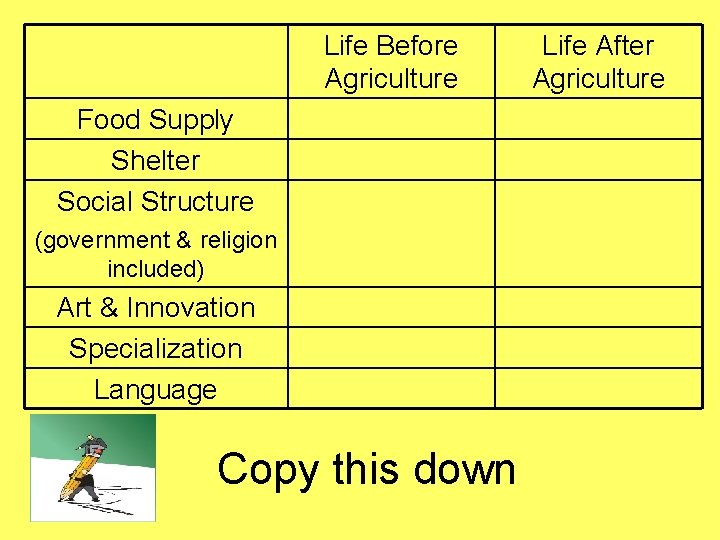
Life Before Agriculture Food Supply Shelter Social Structure (government & religion included) Art & Innovation Specialization Language © CSCOPE 2009 Copy this down Life After Agriculture
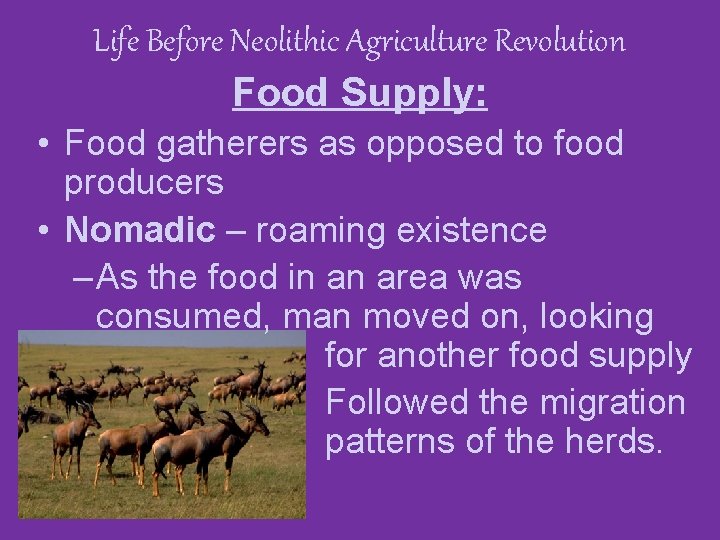
Life Before Neolithic Agriculture Revolution Food Supply: • Food gatherers as opposed to food producers • Nomadic – roaming existence – As the food in an area was consumed, man moved on, looking for another food supply Followed the migration patterns of the herds. © CSCOPE 2009
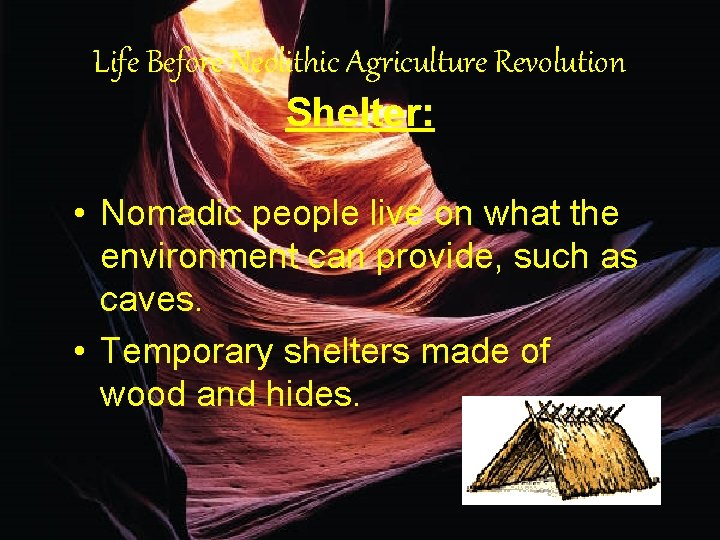
Life Before Neolithic Agriculture Revolution Shelter: • Nomadic people live on what the environment can provide, such as caves. • Temporary shelters made of wood and hides. © CSCOPE 2009
Life Before Neolithic Agriculture Revolution Social Structure: • Social Structure was based on the family. • A group of families is called a clan. © CSCOPE 2009
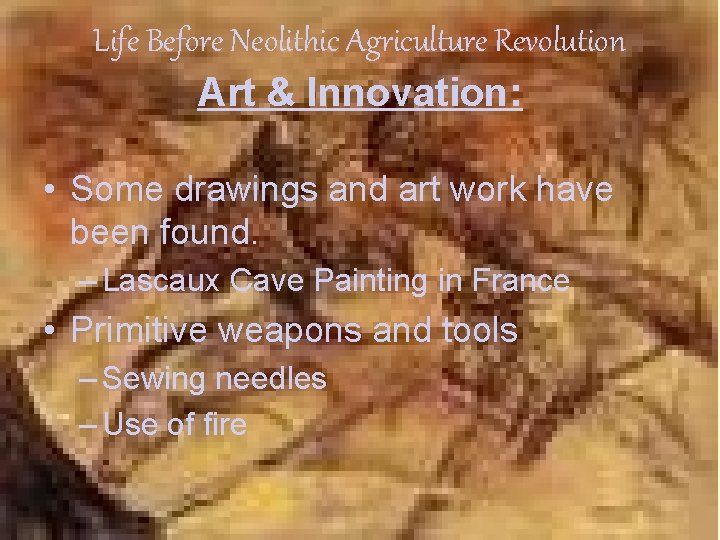
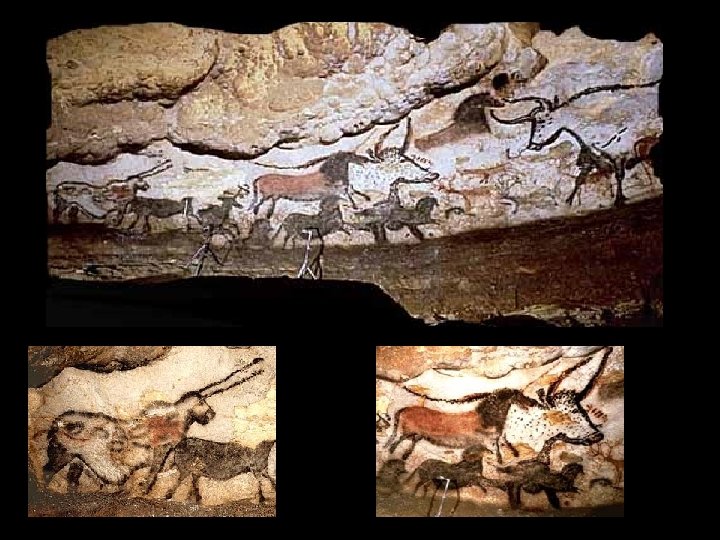
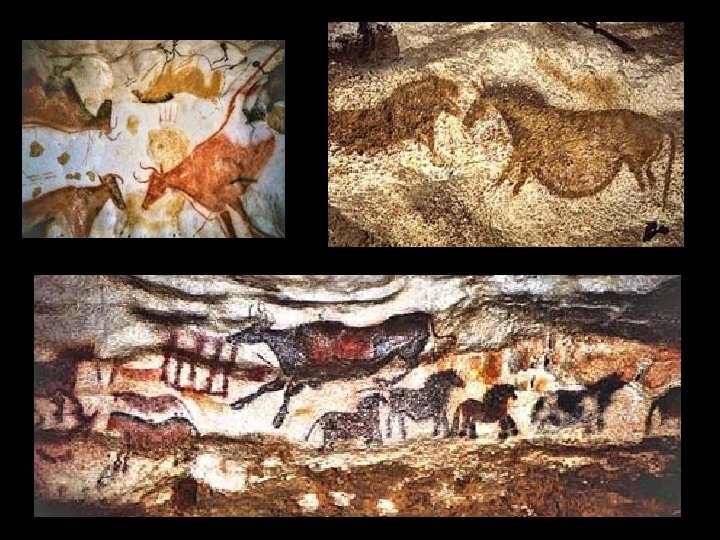
Life Before Neolithic Agriculture Revolution Art & Innovation: • Some drawings and art work have been found. – Lascaux Cave Painting in France • Primitive weapons and tools – Sewing needles – Use of fire © CSCOPE 2009
© CSCOPE 2009
© CSCOPE 2009
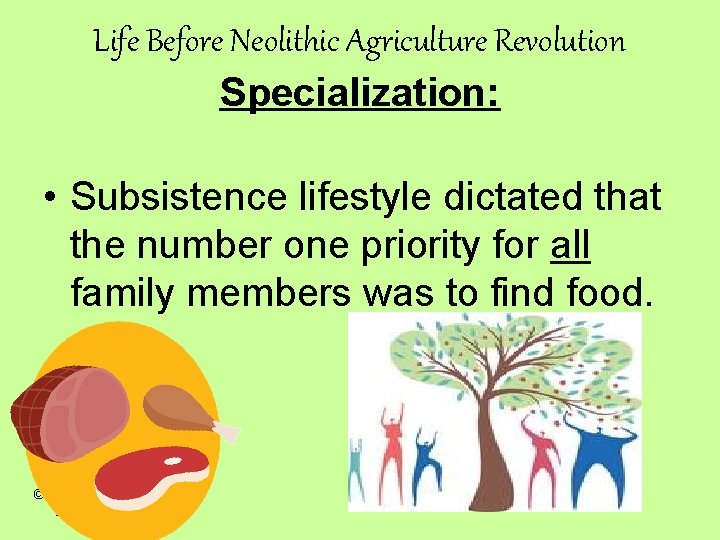
Life Before Neolithic Agriculture Revolution Specialization: • Subsistence lifestyle dictated that the number one priority for all family members was to find food. © CSCOPE 2009
Life Before Neolithic Agriculture Revolution Language: • Only verbal (no written) communication was used. • Symbols were used to mark places of importance. © CSCOPE 2009
TIME OUT Using the information just presented to you, pretend you are a nomad living off the land. Take 10 minutes to write about what life is like for you and your family. Describe what a day in the life of a nomad is like. © CSCOPE 2009
Development of Agriculture • As man learns to farm, he is able to • © CSCOPE 2009 settle in one place and able to make and keep more things. Although known as a revolution, these changes occurred over the course of several thousand years.
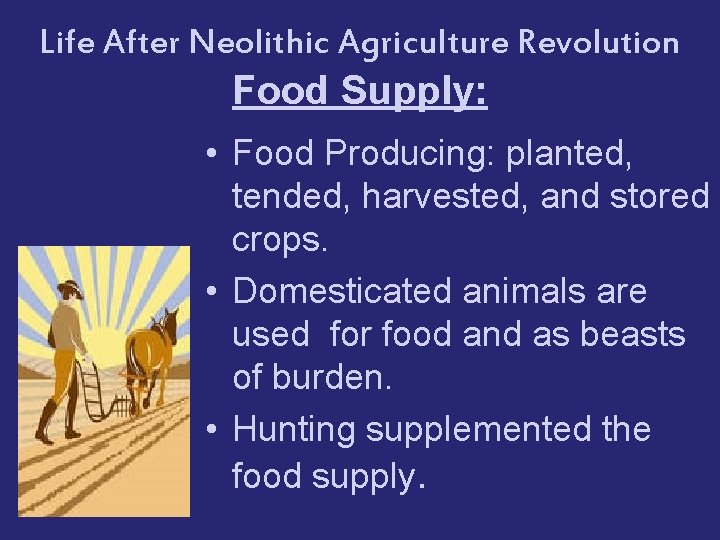
Life After Neolithic Agriculture Revolution Food Supply: © CSCOPE 2009 • Food Producing: planted, tended, harvested, and stored crops. • Domesticated animals are used for food and as beasts of burden. • Hunting supplemented the food supply.
Life After Neolithic Agriculture Revolution Shelter: • Use of mud bricks as building material • Eventually stones were used, leading to rock being quarried and cut for building. • Villages located near fields and other reliable food sources. (rivers/sea) © CSCOPE 2009
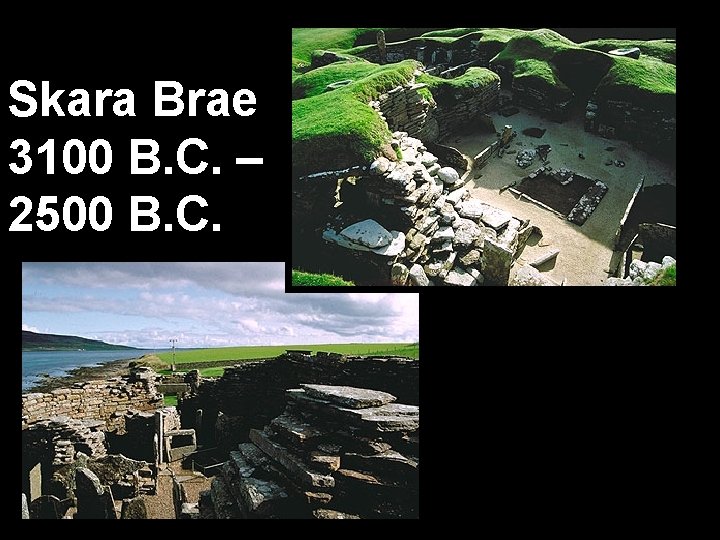
Skara Brae 3100 B. C. – 2500 B. C. © CSCOPE 2009
Life After Neolithic Agriculture Revolution Social Structure: • Complex social structures developed which involved when many clans began living in close proximity. • Gender separation: – Men farmed, herded, and hunted – Women did jobs near the home: childrearing, food preparation, etc. © CSCOPE 2009
Social Structure continued. . • Religion is believed to have been developed to explain the forces of nature • Governments developed to organize activities. © CSCOPE 2009
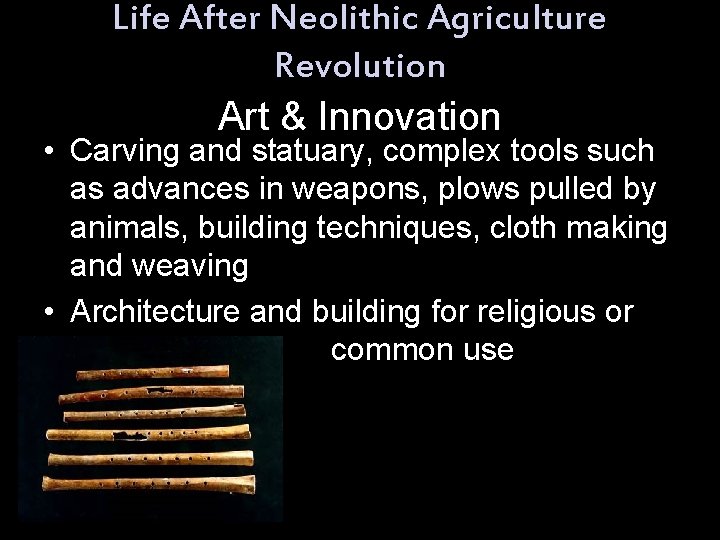
Life After Neolithic Agriculture Revolution Art & Innovation • Carving and statuary, complex tools such as advances in weapons, plows pulled by animals, building techniques, cloth making and weaving • Architecture and building for religious or common use © CSCOPE 2009
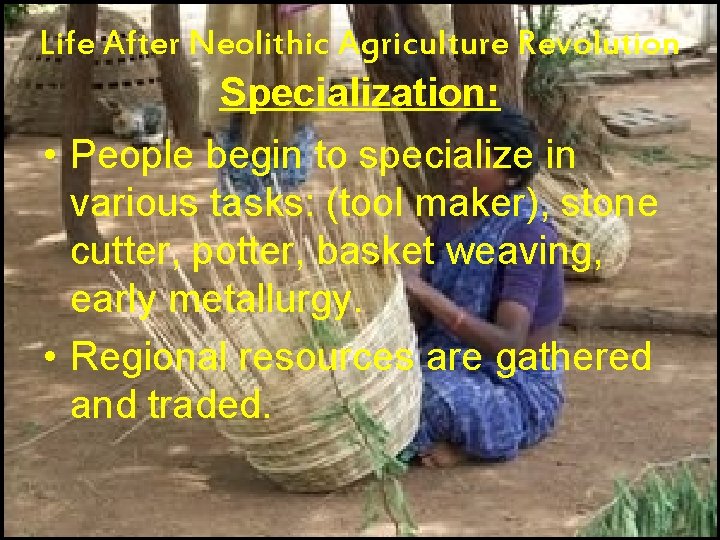
Life After Neolithic Agriculture Revolution Specialization: • People begin to specialize in various tasks: (tool maker), stone cutter, potter, basket weaving, early metallurgy. • Regional resources are gathered and traded. © CSCOPE 2009
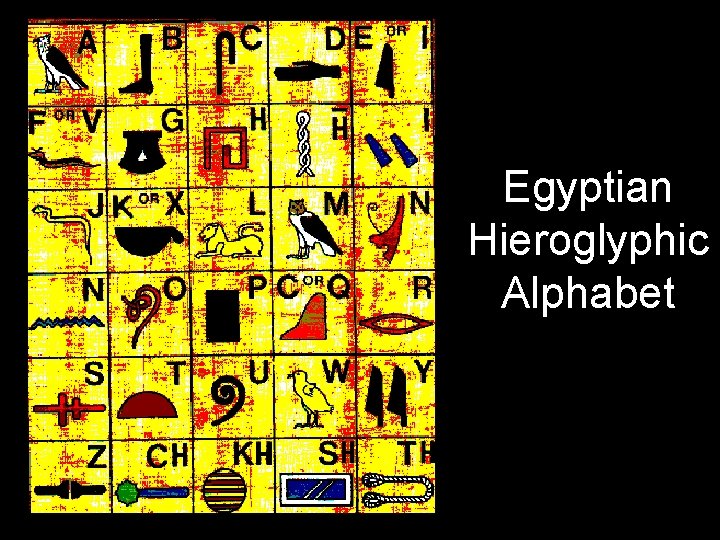
Egyptian Hieroglyphic Alphabet © CSCOPE 2009
Life After Neolithic Agriculture Revolution Language: • Development of pictographic languages (Egyptian Hieroglyphic) or written language. • Developed to keep records concerning food storage & trade. © CSCOPE 2009
TIME OUT With your new information now, pretend you are living AFTER the revolution. What is life like for you now? What are some differences? You can write on the same sheet as your previous journal. © CSCOPE 2009
What does the Neolithic Ag. Revolution lead to…. © CSCOPE 2009
Cities Civilization © CSCOPE 2009
What is a Civilization? • Civilization - An advanced state of intellectual, cultural, and material development in human society, marked by progress in the arts and sciences, the extensive use of record -keeping, including writing, and the appearance of complex political and social institutions. © CSCOPE 2009
Features of a Civilization • Some forms of government. – Why is a government important? • Some form of written language. – Why do people need to keep records? © CSCOPE 2009
Features of a Civilization • Division of labor or specialization in jobs. – Why is it important for people to have different jobs? • Social classes or social hierarchy. – How can social class be determined? © CSCOPE 2009
Features of a Civilization • Advanced technical skills. Sometimes this means inventions, sometimes it means things like art and/or architecture. – How does a civilization allow people to create thing such as music, art, or technology? © CSCOPE 2009 • Religion or belief system. – Why would the people who share a civilization also share a religion?
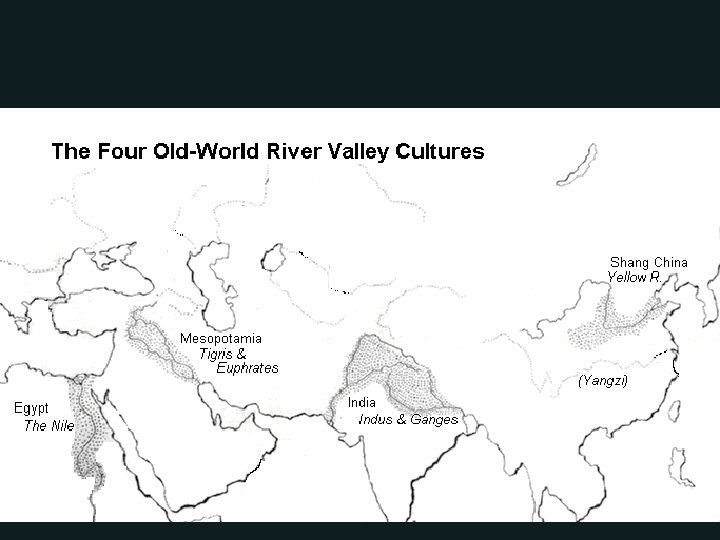
Ancient River Valley Civilizations • Nile River Valley • Tigris & Euphrates River Valley • Indus River Valley • Huang River Valley © CSCOPE 2009
© CSCOPE 2009
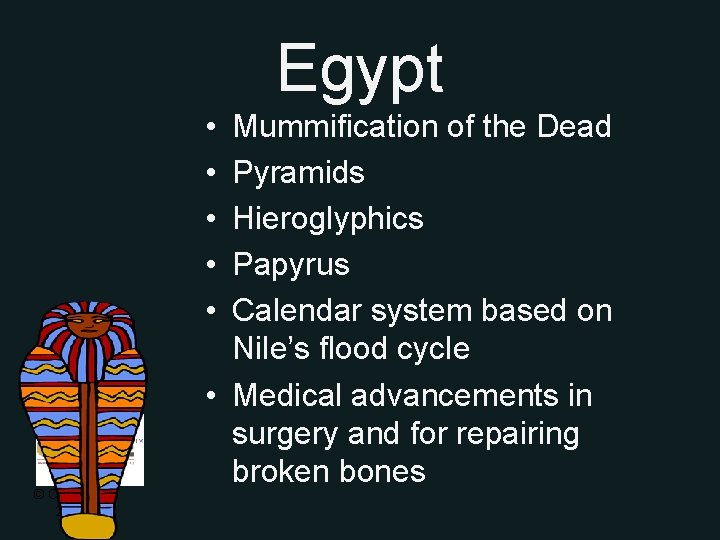
Egypt • • • © CSCOPE 2009 Mummification of the Dead Pyramids Hieroglyphics Papyrus Calendar system based on Nile’s flood cycle • Medical advancements in surgery and for repairing broken bones
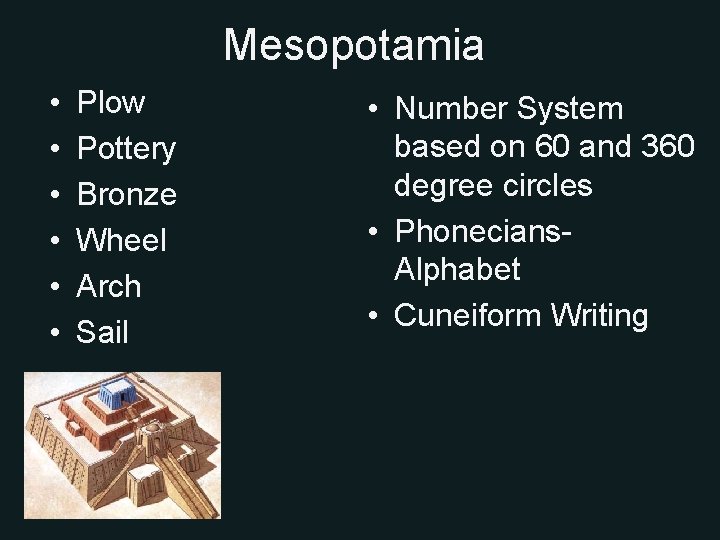
Mesopotamia • • • Plow Pottery Bronze Wheel Arch Sail © CSCOPE 2009 • Number System based on 60 and 360 degree circles • Phonecians. Alphabet • Cuneiform Writing
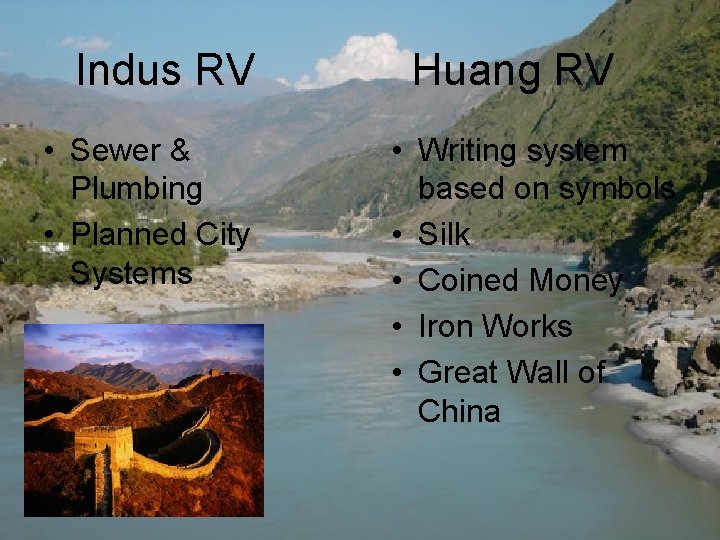
Indus RV • Sewer & Plumbing • Planned City Systems © CSCOPE 2009 Huang RV • Writing system based on symbols • Silk • Coined Money • Iron Works • Great Wall of China
- Slides: 35