
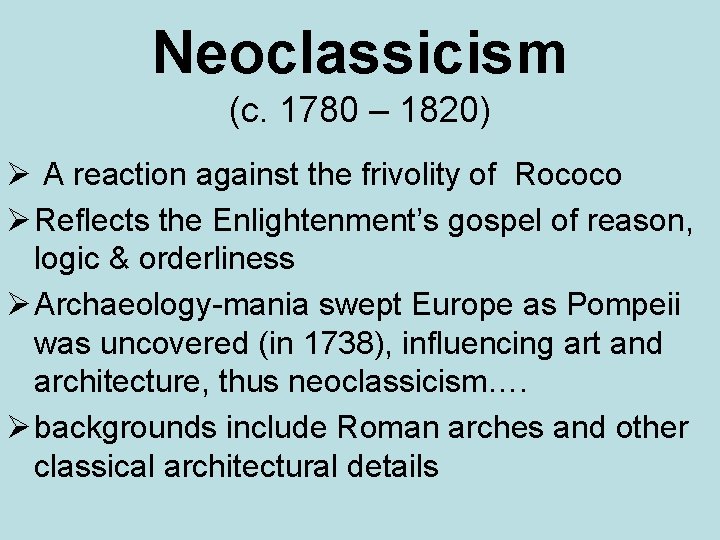
Neoclassicism c 1780 1820 A reaction against the
- Slides: 21
Neoclassicism (c. 1780 – 1820) Ø A reaction against the frivolity of Rococo Ø Reflects the Enlightenment’s gospel of reason, logic & orderliness Ø Archaeology-mania swept Europe as Pompeii was uncovered (in 1738), influencing art and architecture, thus neoclassicism…. Ø backgrounds include Roman arches and other classical architectural details
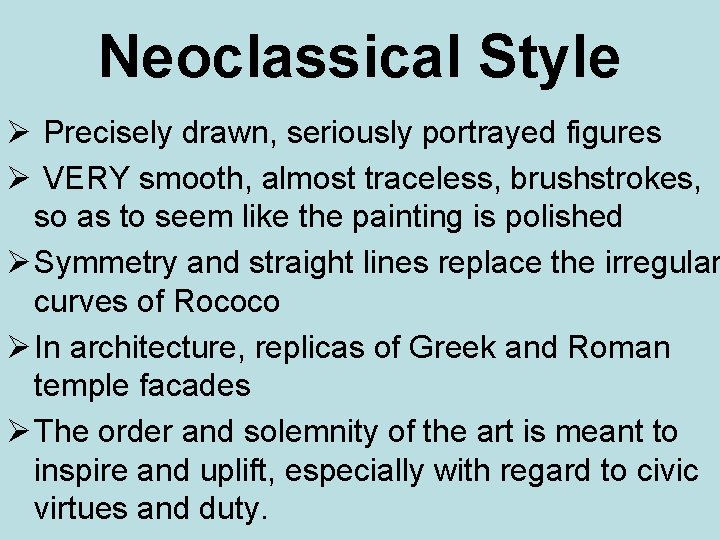
Neoclassical Style Ø Precisely drawn, seriously portrayed figures Ø VERY smooth, almost traceless, brushstrokes, so as to seem like the painting is polished Ø Symmetry and straight lines replace the irregular curves of Rococo Ø In architecture, replicas of Greek and Roman temple facades Ø The order and solemnity of the art is meant to inspire and uplift, especially with regard to civic virtues and duty.
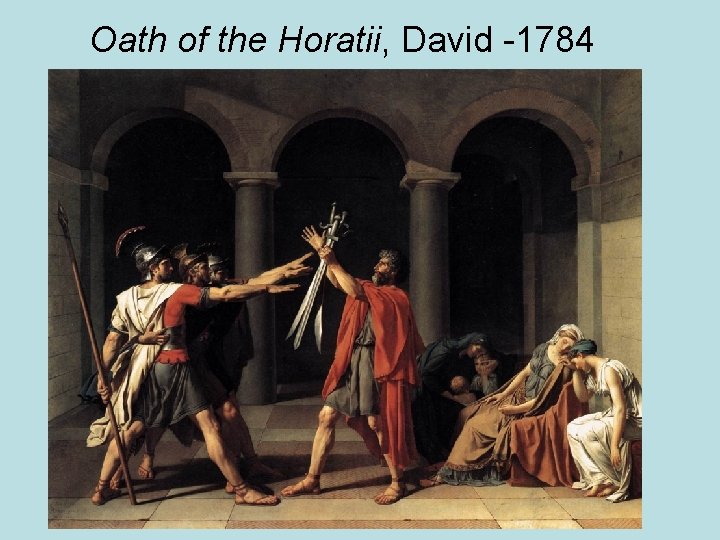
Oath of the Horatii, David -1784
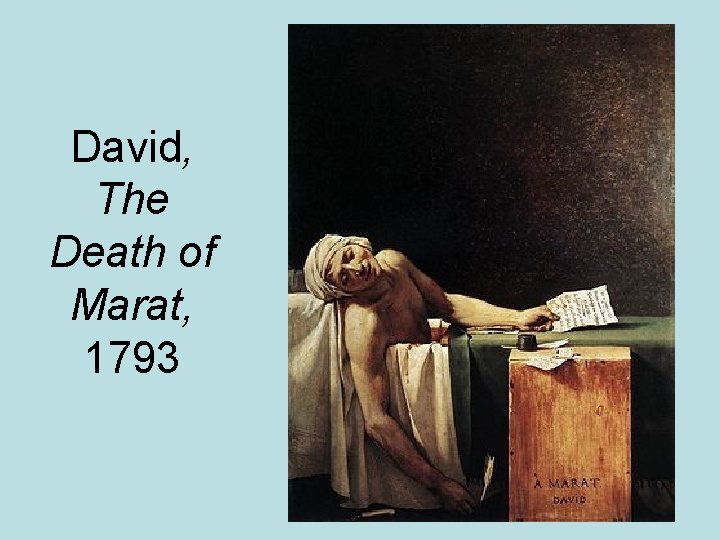
David, The Death of Marat, 1793
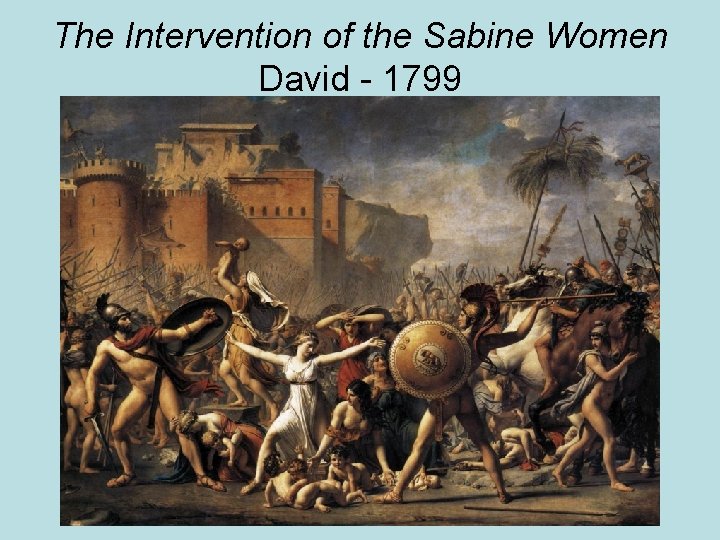
The Intervention of the Sabine Women David - 1799
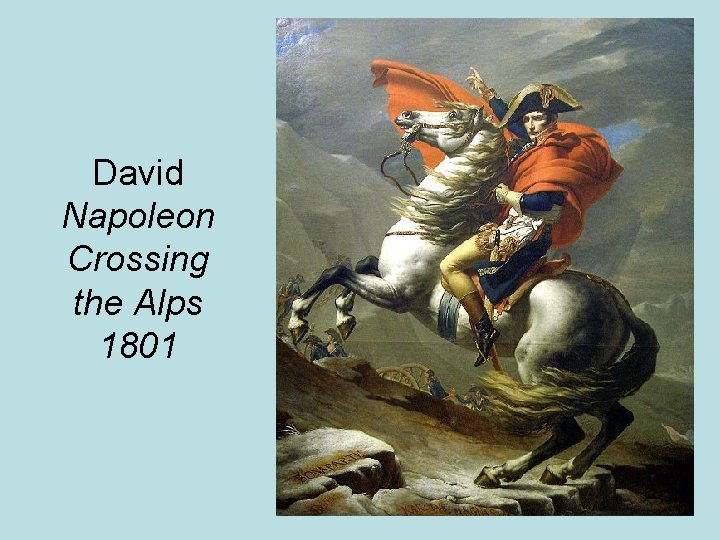
David Napoleon Crossing the Alps 1801
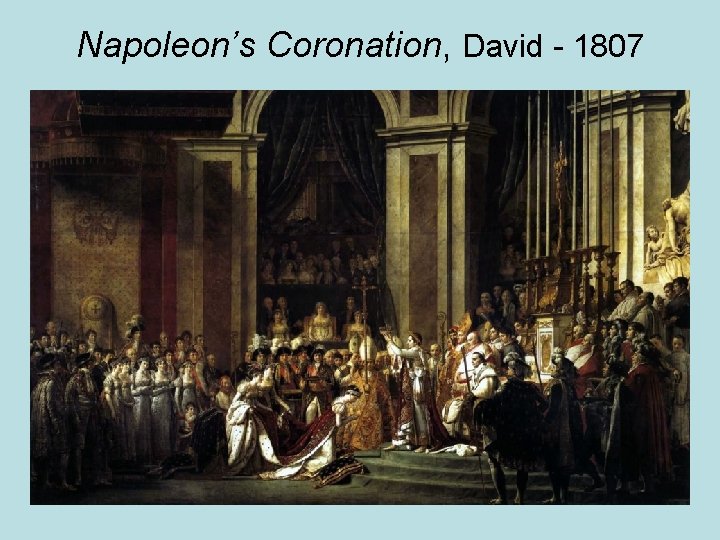
Napoleon’s Coronation, David - 1807
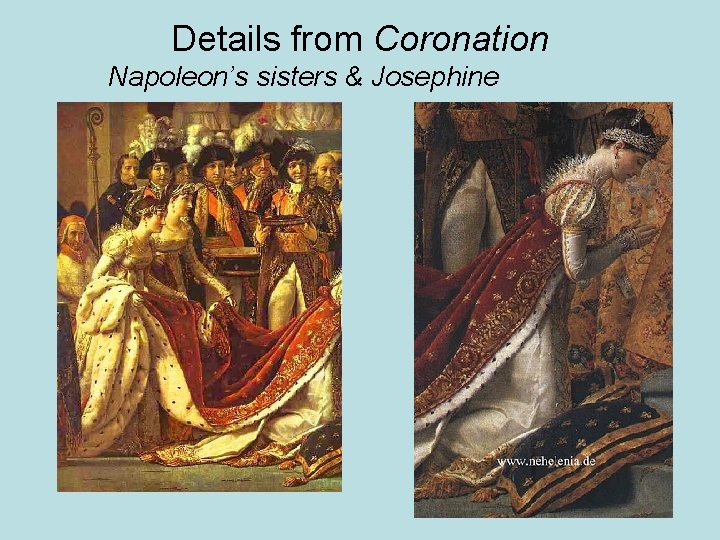
Details from Coronation Napoleon’s sisters & Josephine
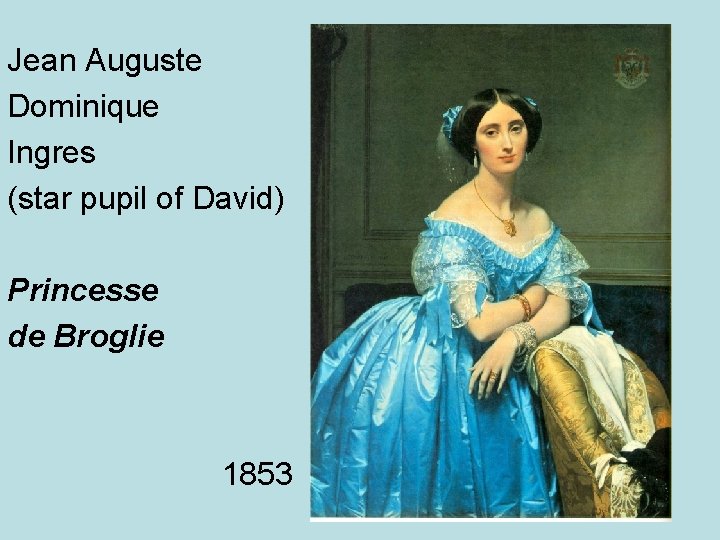
Jean Auguste Dominique Ingres (star pupil of David) Princesse de Broglie 1853
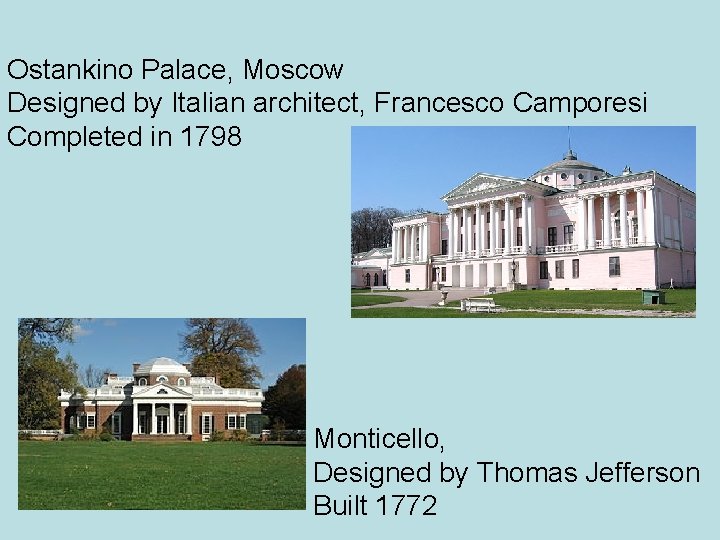
Ostankino Palace, Moscow Designed by Italian architect, Francesco Camporesi Completed in 1798 Monticello, Designed by Thomas Jefferson Built 1772
Romanticism: The Power of Passion c. 1800 -1850
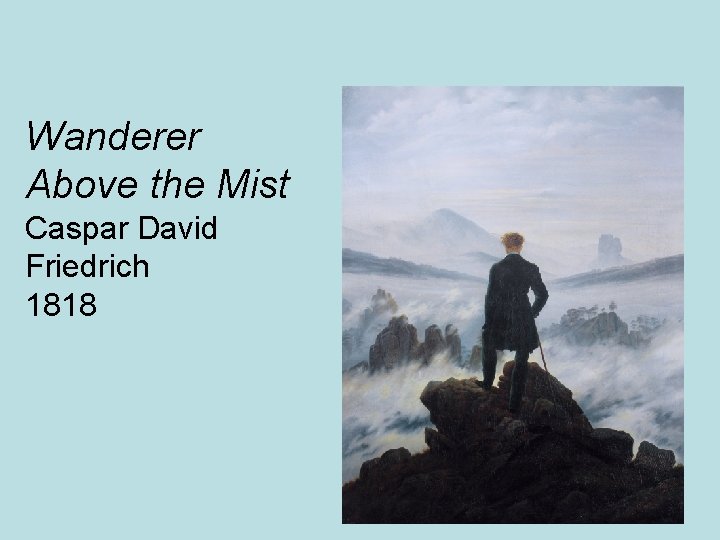
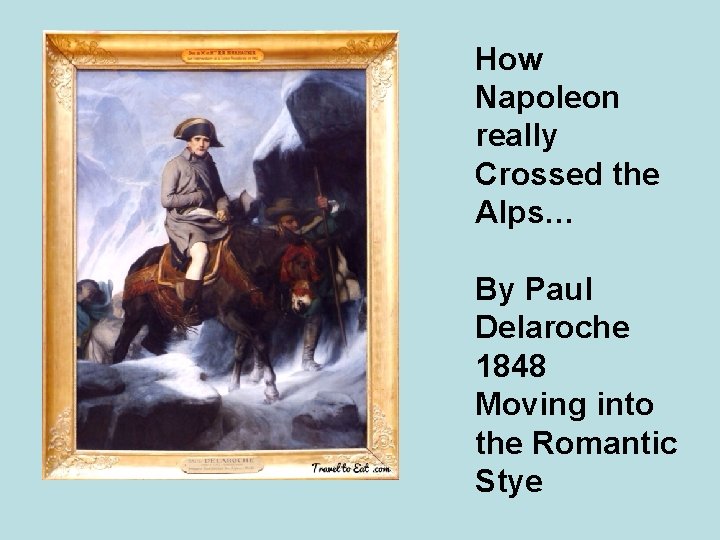
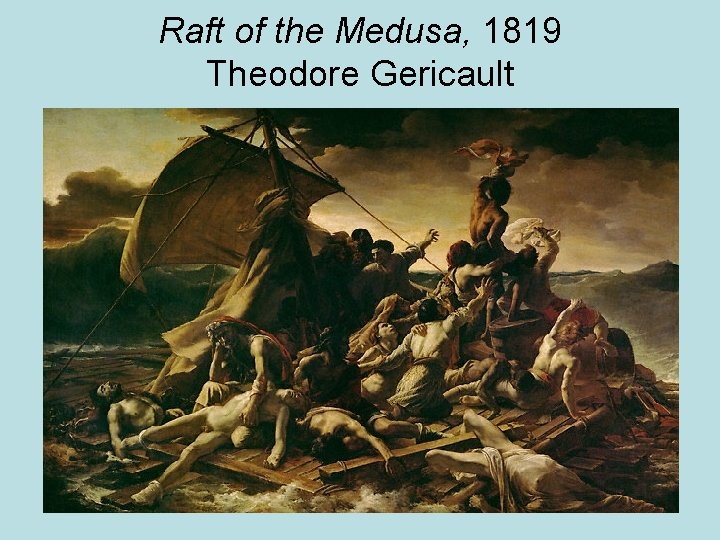
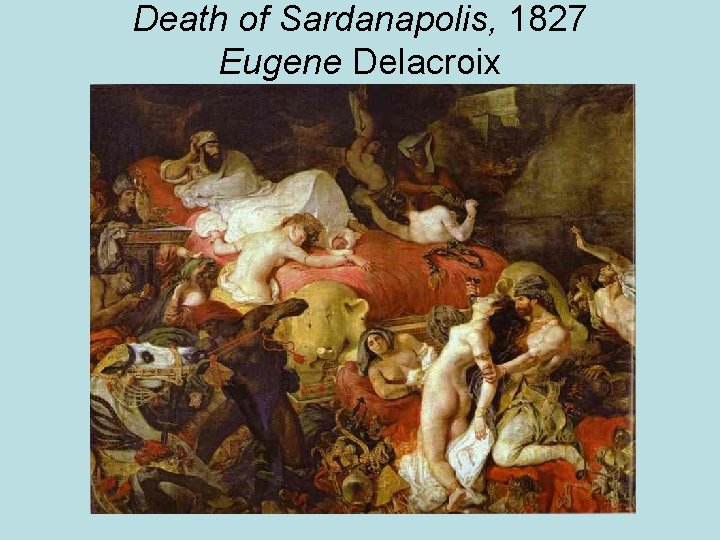
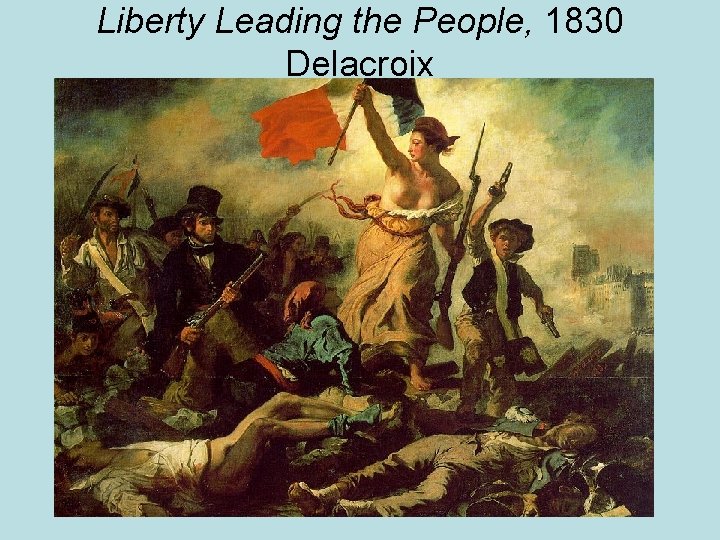
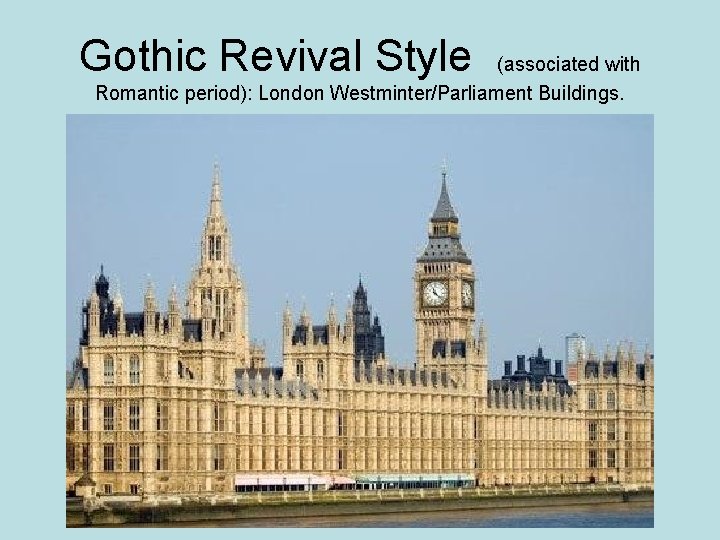
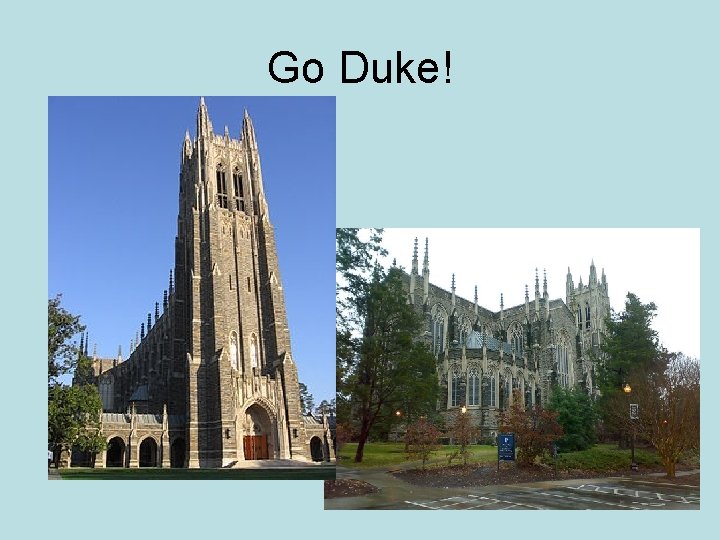
Romantic Style Ø Emphasis on intuition, emotion and imagination: “Feeling is all!” Ø Inspired by the medieval era Ø Subjects include heroic struggle, the macabre, landscapes, wild animals Ø Cult of nature worship & the heroic individual Ø Gothic revival in architecture
Wanderer Above the Mist Caspar David Friedrich 1818
How Napoleon really Crossed the Alps… By Paul Delaroche 1848 Moving into the Romantic Stye
Raft of the Medusa, 1819 Theodore Gericault
Death of Sardanapolis, 1827 Eugene Delacroix
Liberty Leading the People, 1830 Delacroix
Gothic Revival Style (associated with Romantic period): London Westminter/Parliament Buildings.
Go Duke!
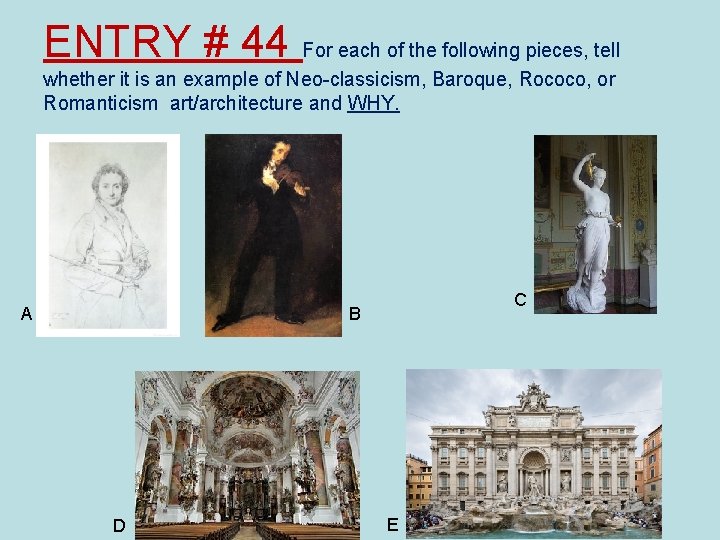
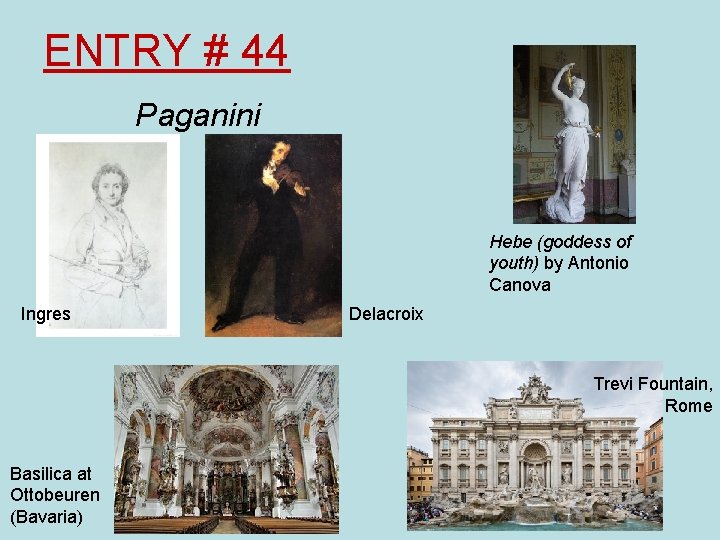
ENTRY # 44 For each of the following pieces, tell whether it is an example of Neo-classicism, Baroque, Rococo, or Romanticism art/architecture and WHY. A C B D E
ENTRY # 44 Paganini Hebe (goddess of youth) by Antonio Canova Ingres Delacroix Trevi Fountain, Rome Basilica at Ottobeuren (Bavaria)