
NeoBabylon Chaldean Mesopotamia Map General Information CityState in
Neo-Babylon/ Chaldean
Mesopotamia Map
General Information • • City-State in Ancient Mesopotamia Between the Euphrates and Tigris Present day Iraq 626 BCE to 539 BCE
General Information Cont. • • • Neo-Babylonian Era was called Chaldean Followed Assyrian Empire Persian Empire followed it “Holy City” From Babilu – “gateway of the gods”

Babylon’s Ruler Nabopolassar Nebuchadnezzar II Amel- Marduk Nergal-sharezer Labashi-Marduk Nabonidus Reigned 626 - 605 BCE 605 - 562 BCE 562 - 560 BCE 560 – 566 BCE 556 - 539 BCE

Nabopolassar • Overthrew Assyrian Empire • First King of Babylon
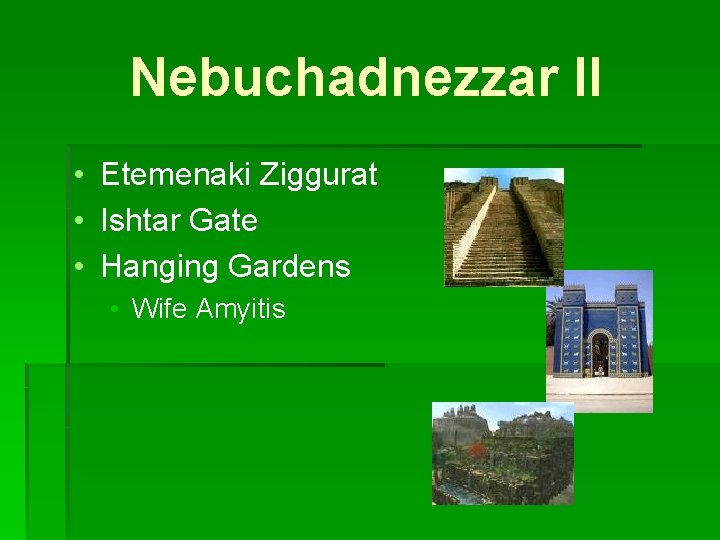
Nebuchadnezzar II • Etemenaki Ziggurat • Ishtar Gate • Hanging Gardens • Wife Amyitis
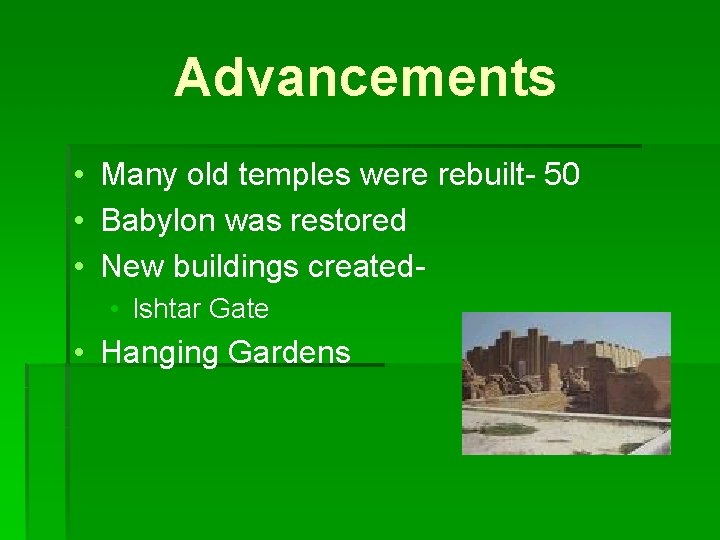
Advancements • Many old temples were rebuilt- 50 • Babylon was restored • New buildings created • Ishtar Gate • Hanging Gardens
Advancements • Turned into one of the world’s greatest cities • One of the “Seven Wonders of the Ancient World” created
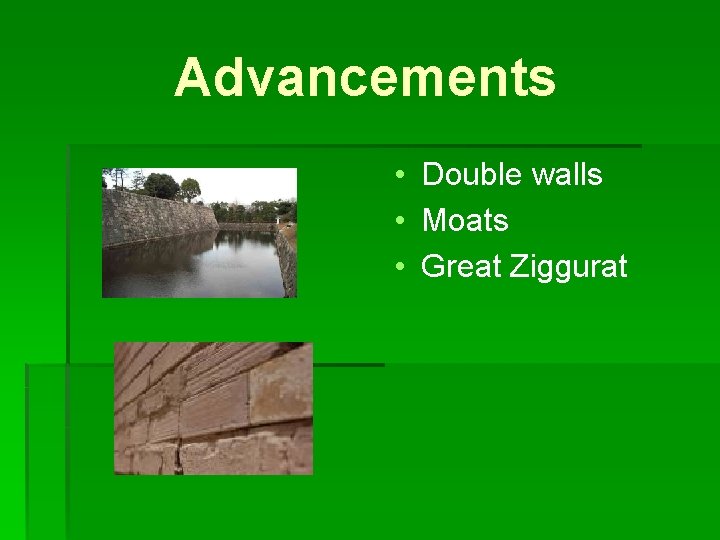
Advancements • Double walls • Moats • Great Ziggurat
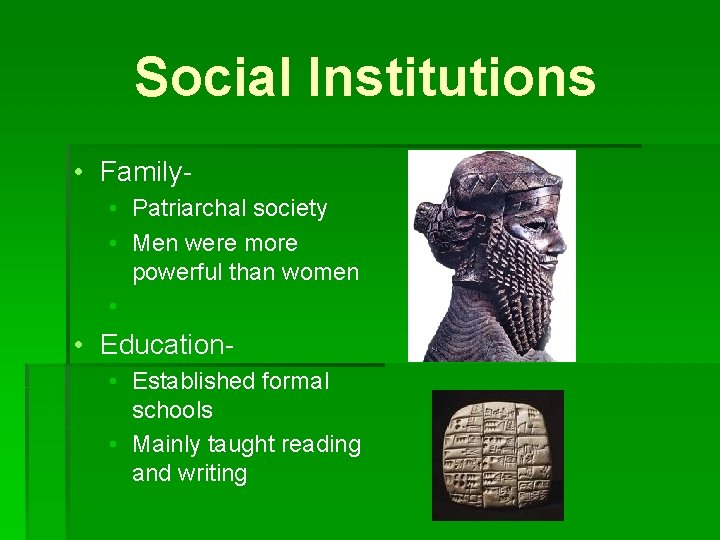
Social Institutions • Family • Patriarchal society • Men were more powerful than women • • Education • Established formal schools • Mainly taught reading and writing
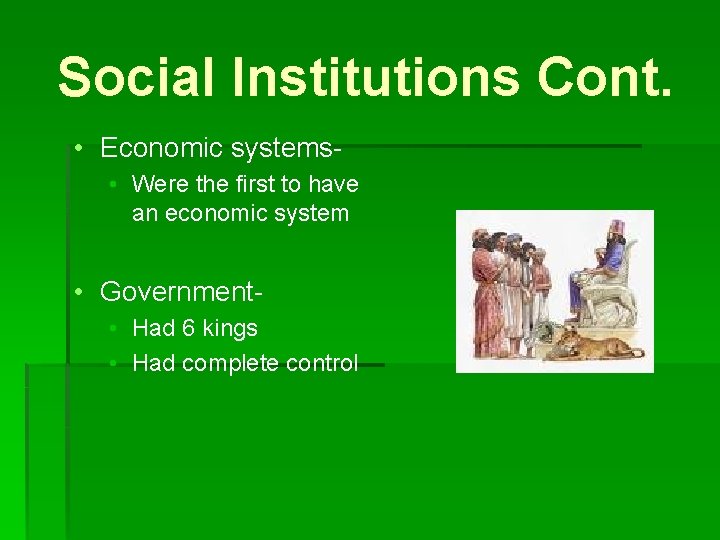
Social Institutions Cont. • Economic systems • Were the first to have an economic system • Government • Had 6 kings • Had complete control
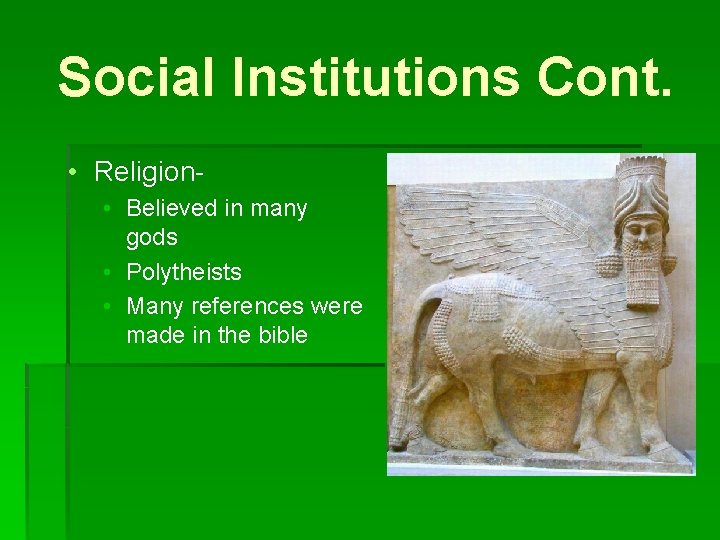
Social Institutions Cont. • Religion • Believed in many gods • Polytheists • Many references were made in the bible
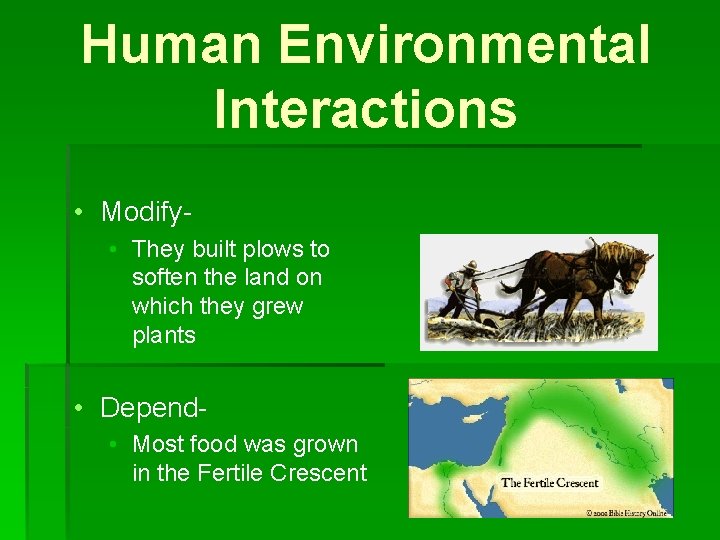
Human Environmental Interactions • Modify • They built plows to soften the land on which they grew plants • Depend • Most food was grown in the Fertile Crescent
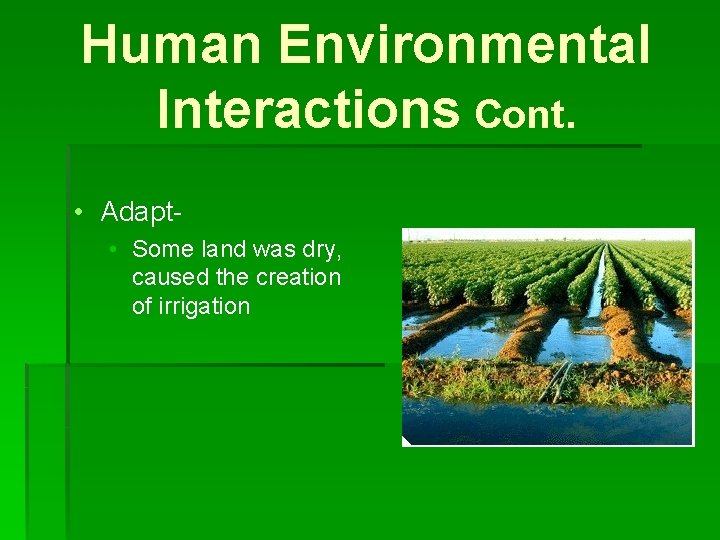
Human Environmental Interactions Cont. • Adapt • Some land was dry, caused the creation of irrigation
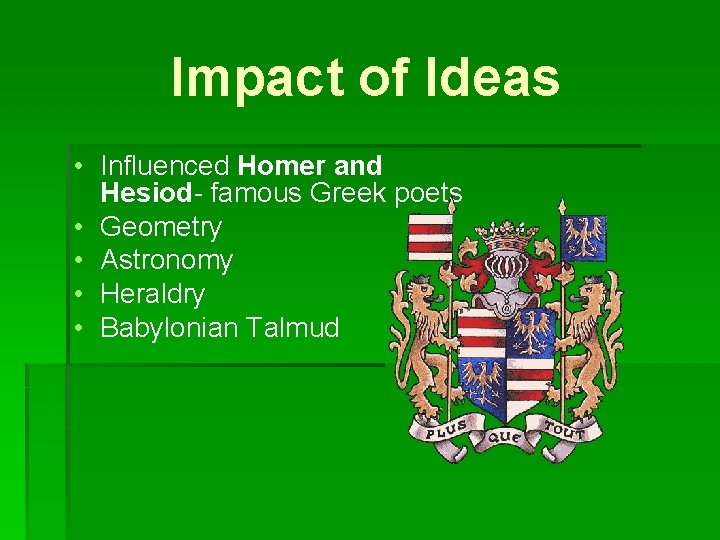
Impact of Ideas • Influenced Homer and Hesiod- famous Greek poets • Geometry • Astronomy • Heraldry • Babylonian Talmud
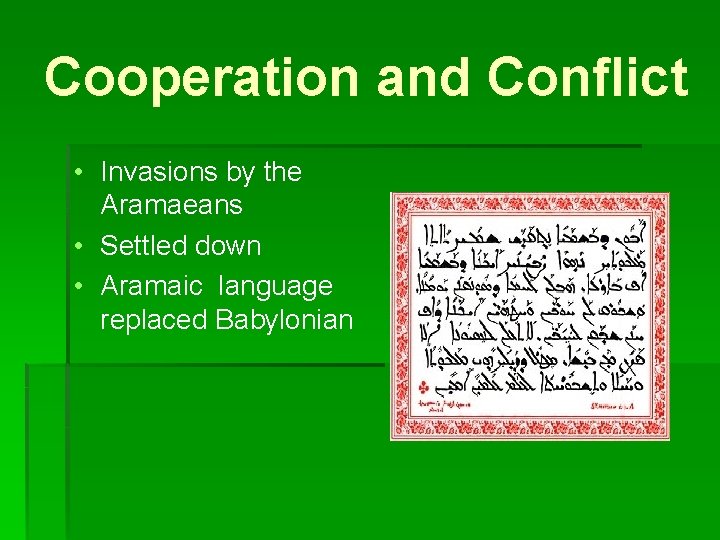
Cooperation and Conflict • Invasions by the Aramaeans • Settled down • Aramaic language replaced Babylonian
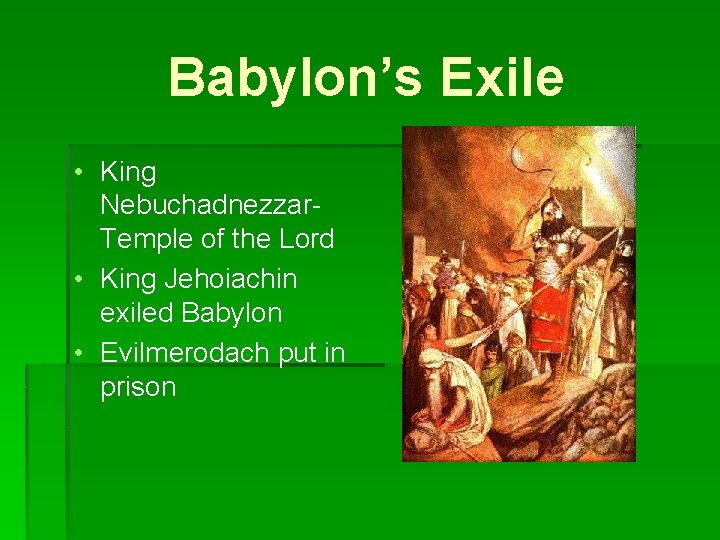
Babylon’s Exile • King Nebuchadnezzar. Temple of the Lord • King Jehoiachin exiled Babylon • Evilmerodach put in prison
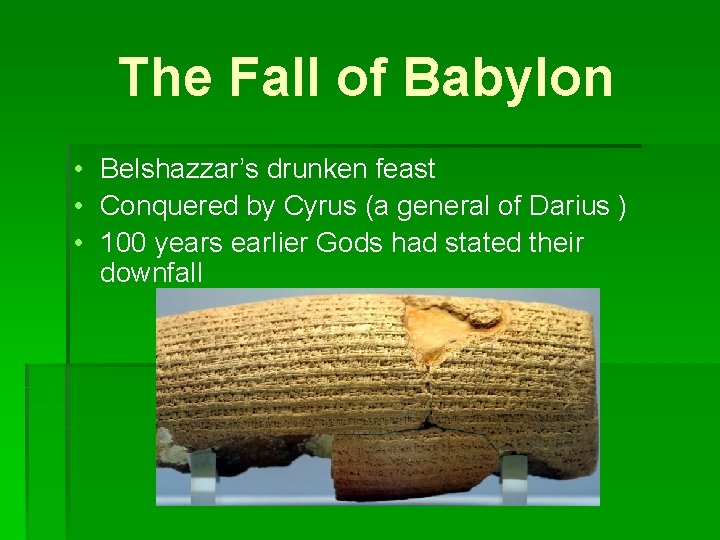
The Fall of Babylon • Belshazzar’s drunken feast • Conquered by Cyrus (a general of Darius ) • 100 years earlier Gods had stated their downfall
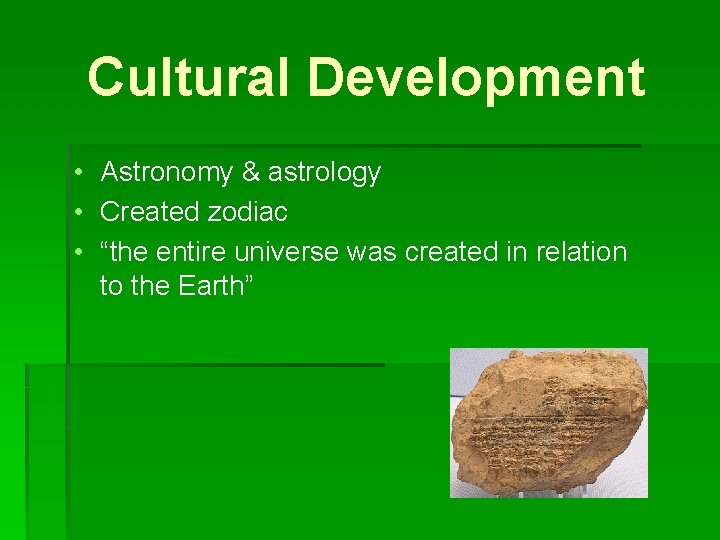
Cultural Development • Astronomy & astrology • Created zodiac • “the entire universe was created in relation to the Earth”
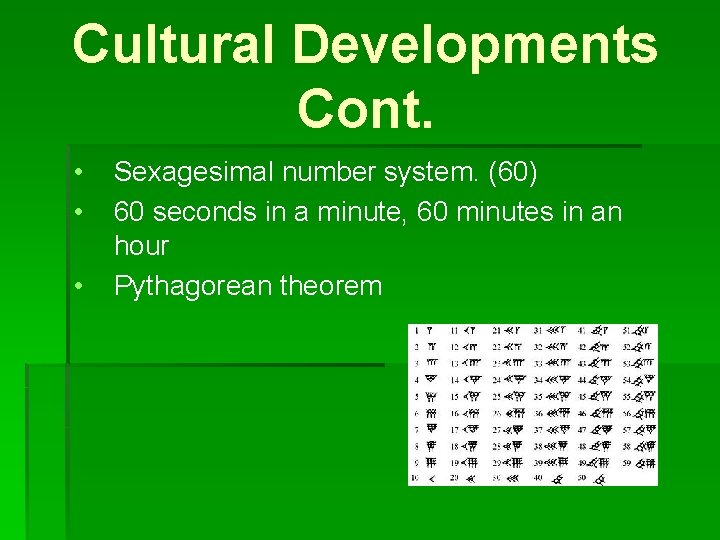
Cultural Developments Cont. • • • Sexagesimal number system. (60) 60 seconds in a minute, 60 minutes in an hour Pythagorean theorem
Economics & History • • Agriculture Foreign trade, exported items Imported items they didn’t have Sumerians had influence on Babylon’s irrigation & agriculture
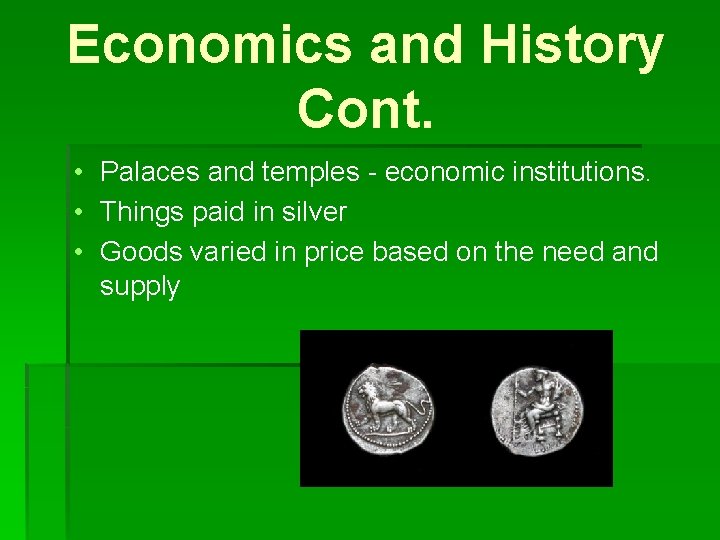
Economics and History Cont. • Palaces and temples - economic institutions. • Things paid in silver • Goods varied in price based on the need and supply
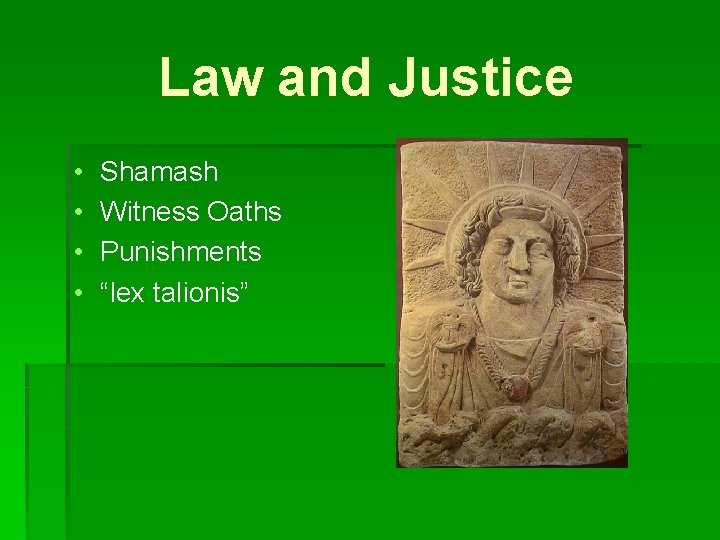
Law and Justice • • Shamash Witness Oaths Punishments “lex talionis”
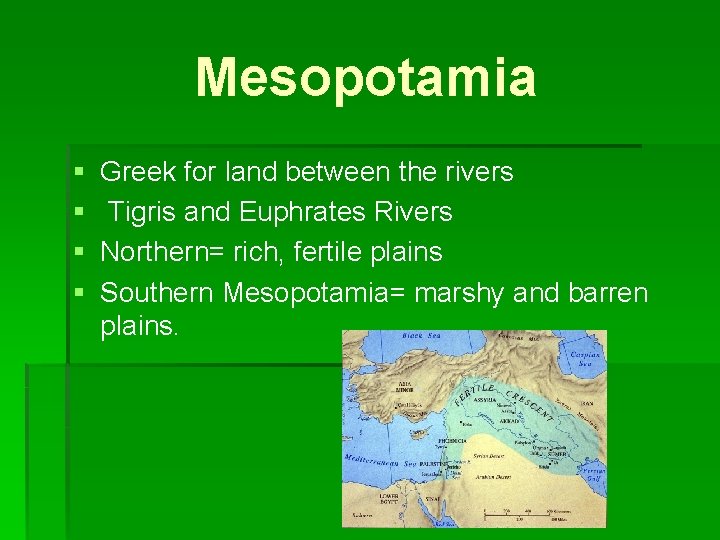
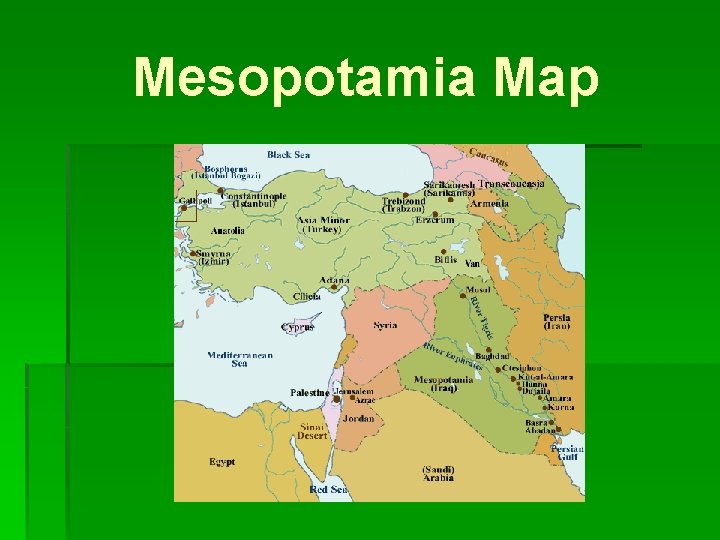
Mesopotamia § § Greek for land between the rivers Tigris and Euphrates Rivers Northern= rich, fertile plains Southern Mesopotamia= marshy and barren plains.
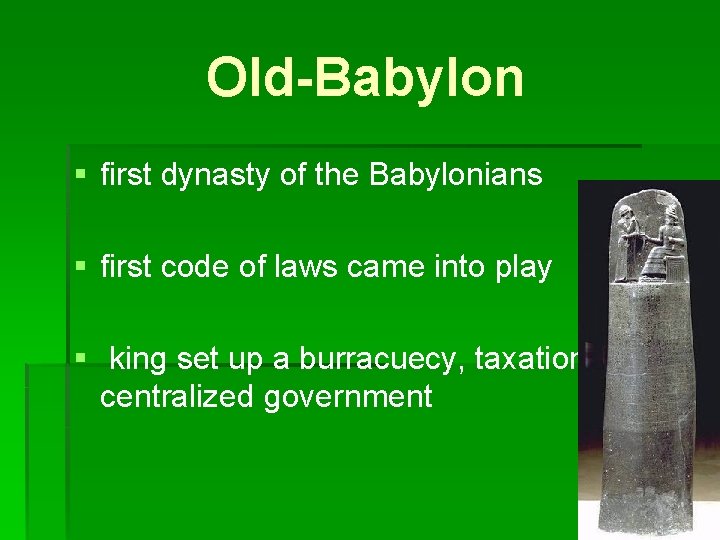
Old-Babylon § first dynasty of the Babylonians § first code of laws came into play § king set up a burracuecy, taxation, and centralized government
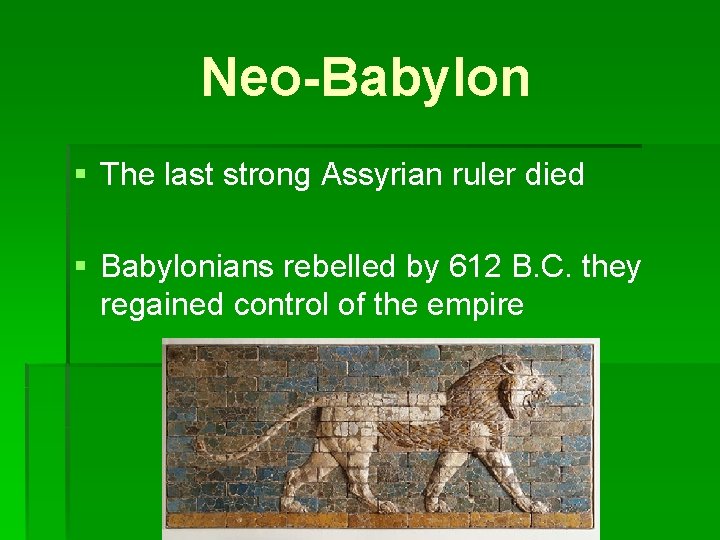
Neo-Babylon § The last strong Assyrian ruler died § Babylonians rebelled by 612 B. C. they regained control of the empire
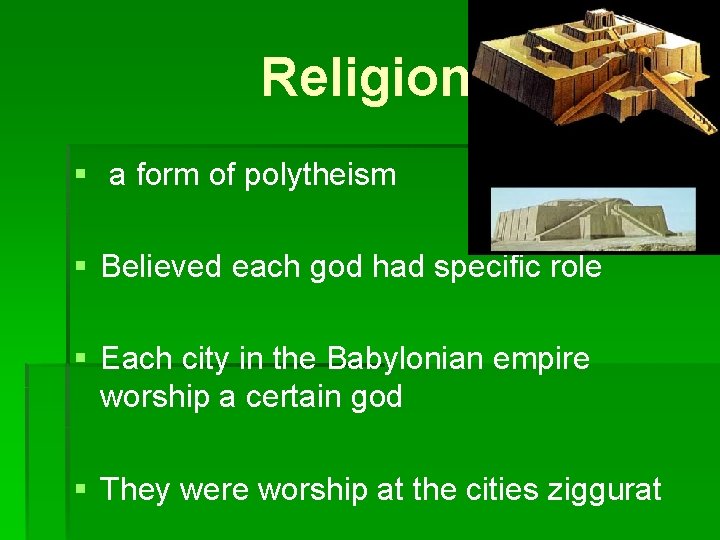
Religion § a form of polytheism § Believed each god had specific role § Each city in the Babylonian empire worship a certain god § They were worship at the cities ziggurat
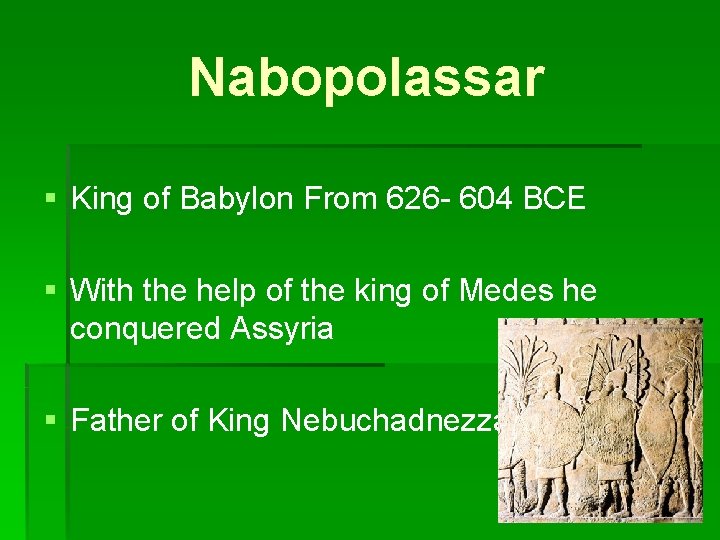
Nabopolassar § King of Babylon From 626 - 604 BCE § With the help of the king of Medes he conquered Assyria § Father of King Nebuchadnezzar II
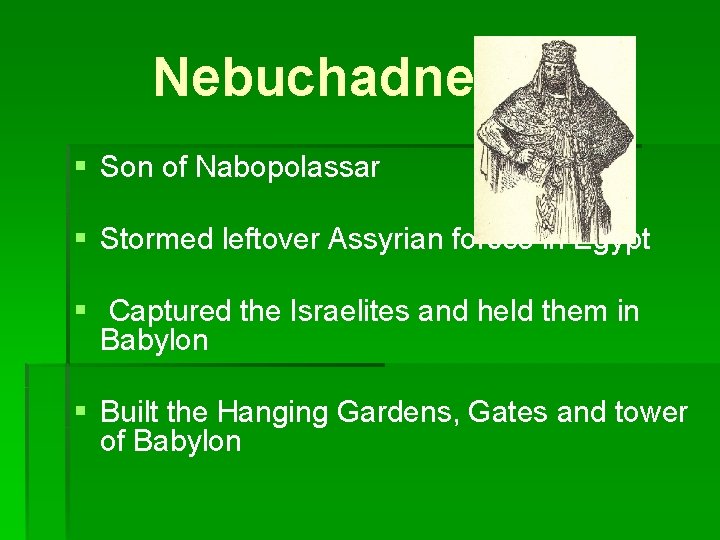
Nebuchadnezzar § Son of Nabopolassar § Stormed leftover Assyrian forces in Egypt § Captured the Israelites and held them in Babylon § Built the Hanging Gardens, Gates and tower of Babylon
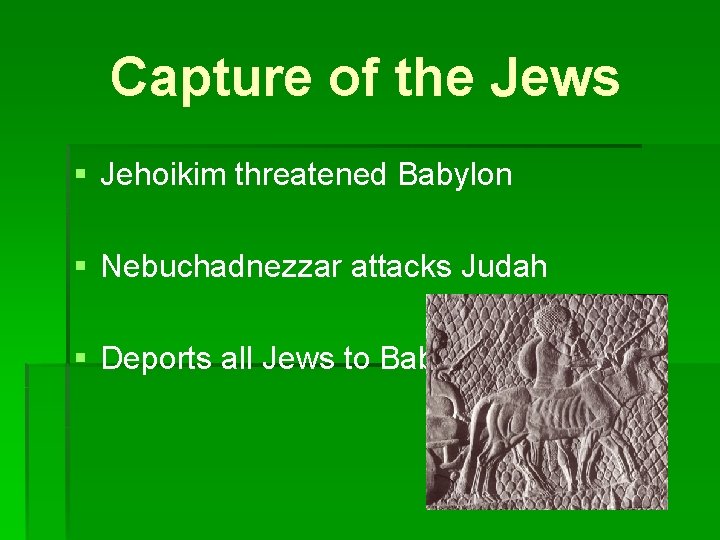
Capture of the Jews § Jehoikim threatened Babylon § Nebuchadnezzar attacks Judah § Deports all Jews to Babylon
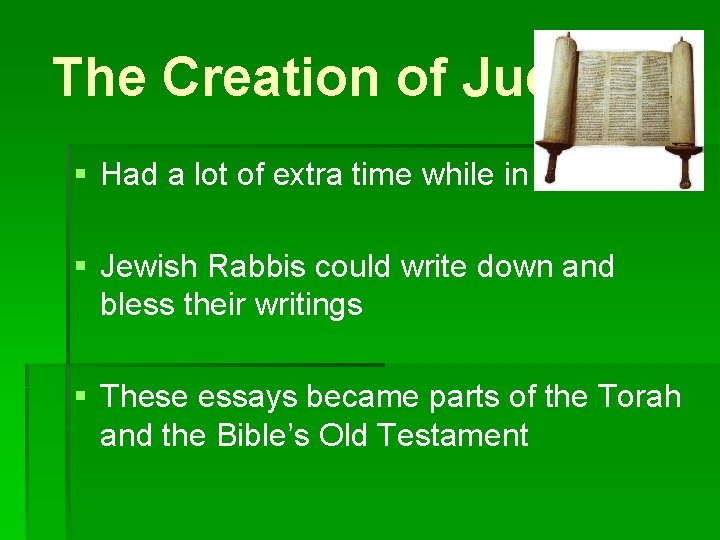
The Creation of Judaism § Had a lot of extra time while in Babylon § Jewish Rabbis could write down and bless their writings § These essays became parts of the Torah and the Bible’s Old Testament
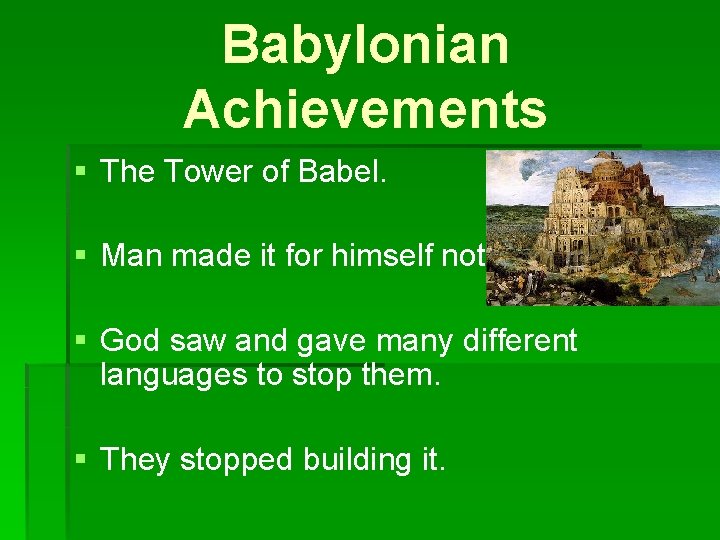
Babylonian Achievements § The Tower of Babel. § Man made it for himself not God. § God saw and gave many different languages to stop them. § They stopped building it.
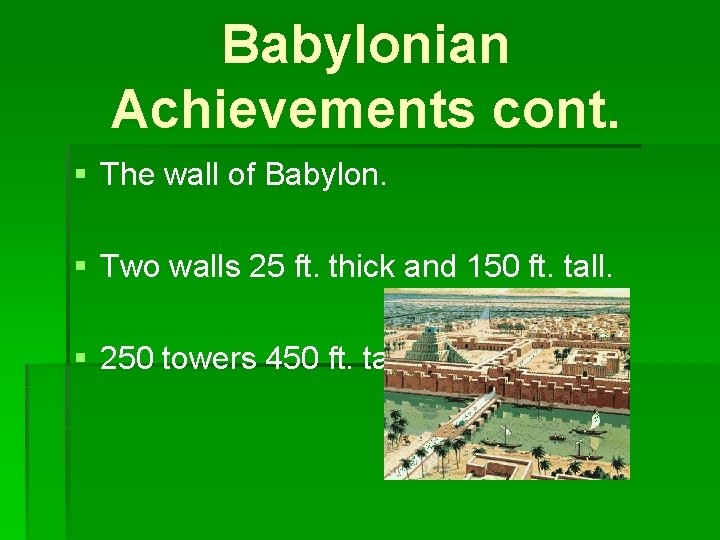
Babylonian Achievements cont. § The wall of Babylon. § Two walls 25 ft. thick and 150 ft. tall. § 250 towers 450 ft. tall.
Changing Ideas § The Babylonian citizens were liberal and accepted the Jewish religion. § Many even believed in the Jews religion.
Impact of Ideas § Babylonians had their own gods but also accepted the Jewish god. § Many learned to read and write so they quickly learned religion
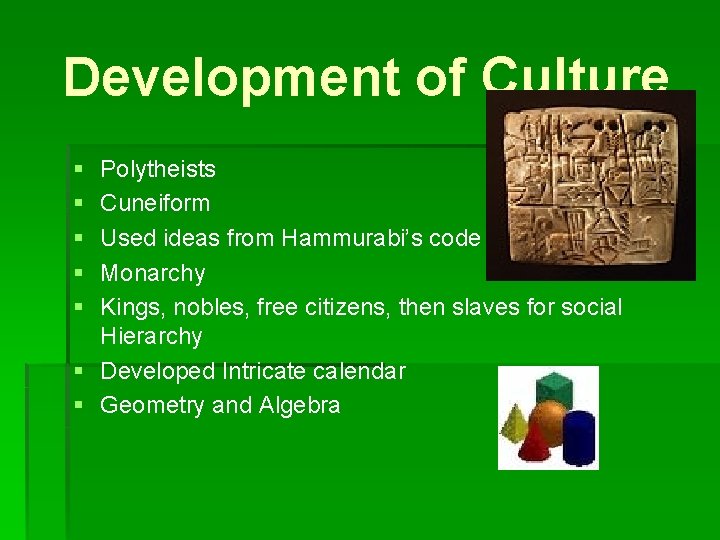
Development of Culture § § § Polytheists Cuneiform Used ideas from Hammurabi’s code Monarchy Kings, nobles, free citizens, then slaves for social Hierarchy § Developed Intricate calendar § Geometry and Algebra
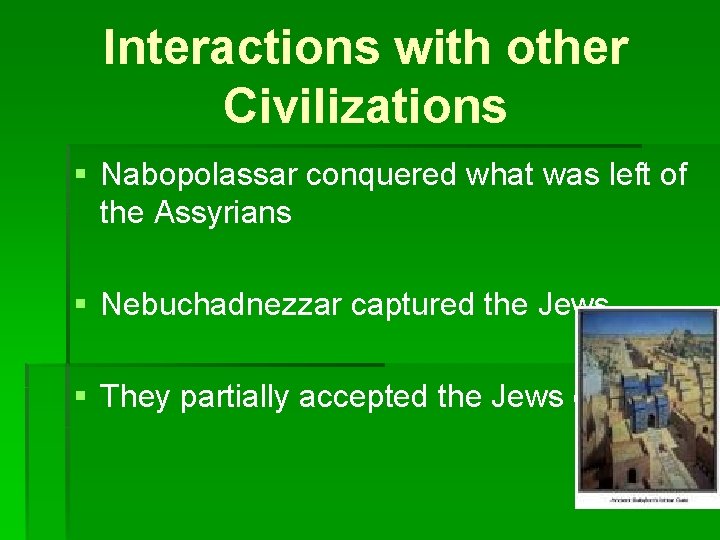
Interactions with other Civilizations § Nabopolassar conquered what was left of the Assyrians § Nebuchadnezzar captured the Jews § They partially accepted the Jews culture
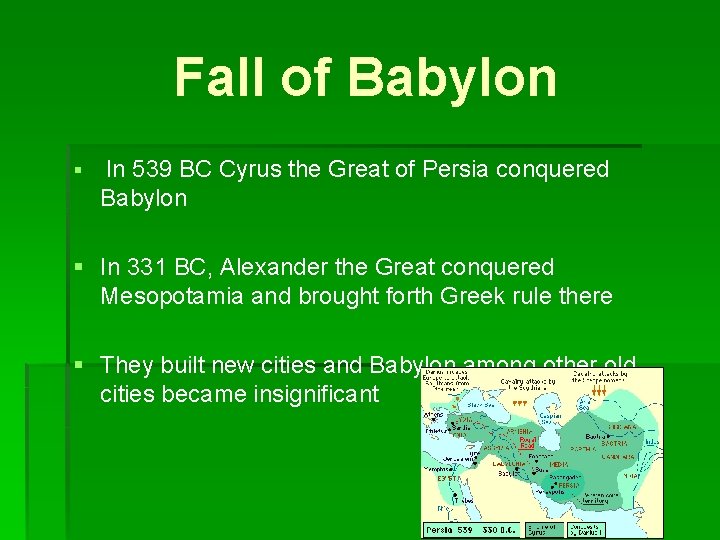
Fall of Babylon § In 539 BC Cyrus the Great of Persia conquered Babylon § In 331 BC, Alexander the Great conquered Mesopotamia and brought forth Greek rule there § They built new cities and Babylon among other old cities became insignificant
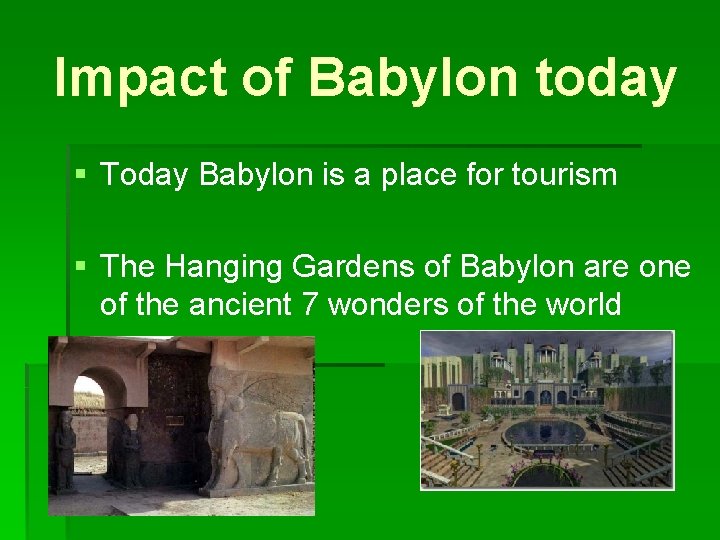
Impact of Babylon today § Today Babylon is a place for tourism § The Hanging Gardens of Babylon are one of the ancient 7 wonders of the world
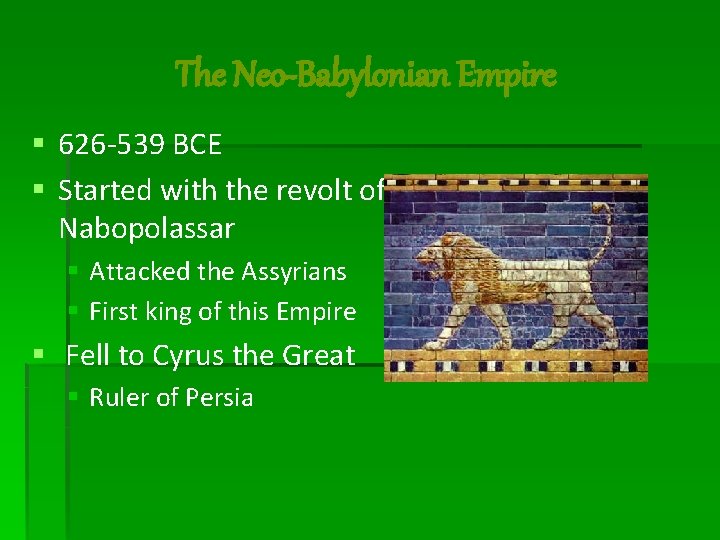
The Neo-Babylonian Empire § 626 -539 BCE § Started with the revolt of Nabopolassar § Attacked the Assyrians § First king of this Empire § Fell to Cyrus the Great § Ruler of Persia
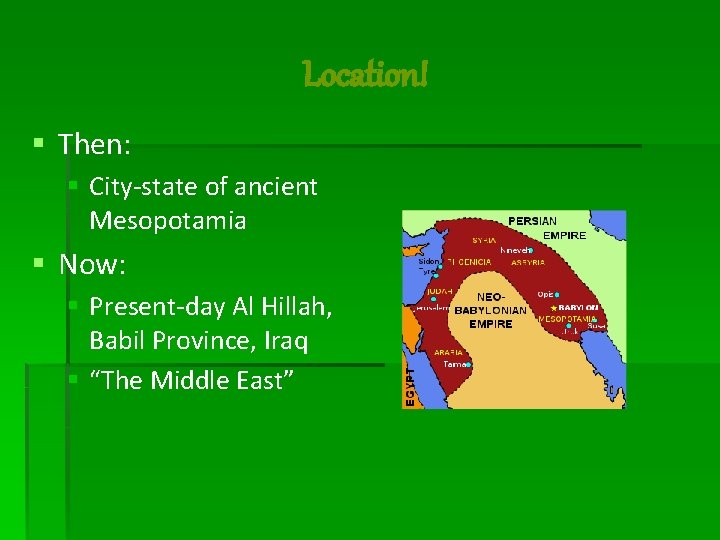
Location! § Then: § City-state of ancient Mesopotamia § Now: § Present-day Al Hillah, Babil Province, Iraq § “The Middle East”
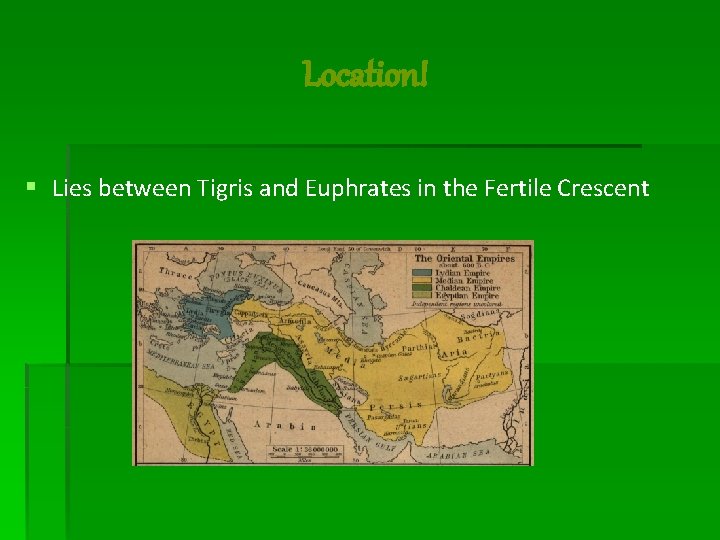
Location! § Lies between Tigris and Euphrates in the Fertile Crescent
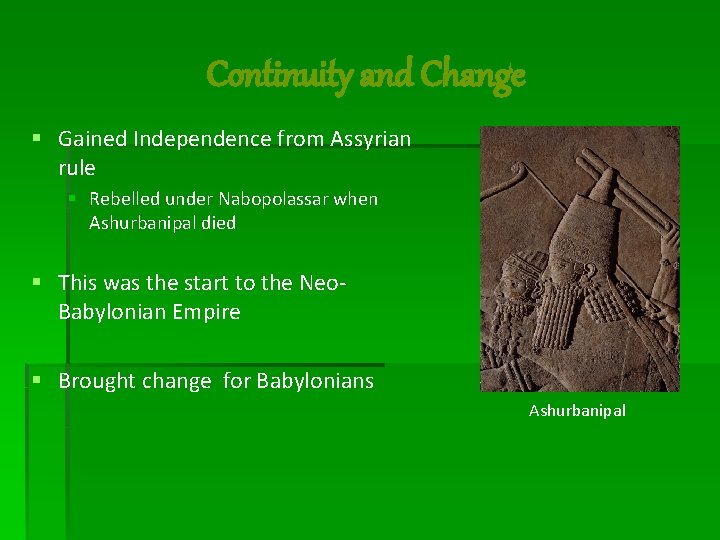
Continuity and Change § Gained Independence from Assyrian rule § Rebelled under Nabopolassar when Ashurbanipal died § This was the start to the Neo. Babylonian Empire § Brought change for Babylonians Ashurbanipal
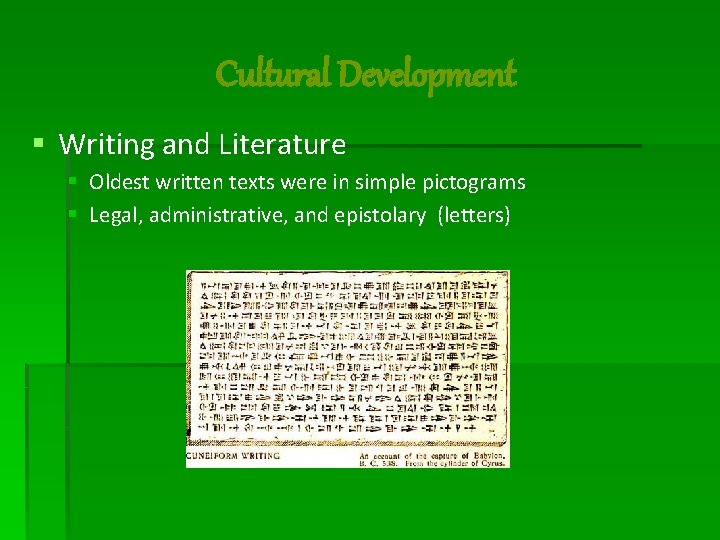
Cultural Development § Writing and Literature § Oldest written texts were in simple pictograms § Legal, administrative, and epistolary (letters)
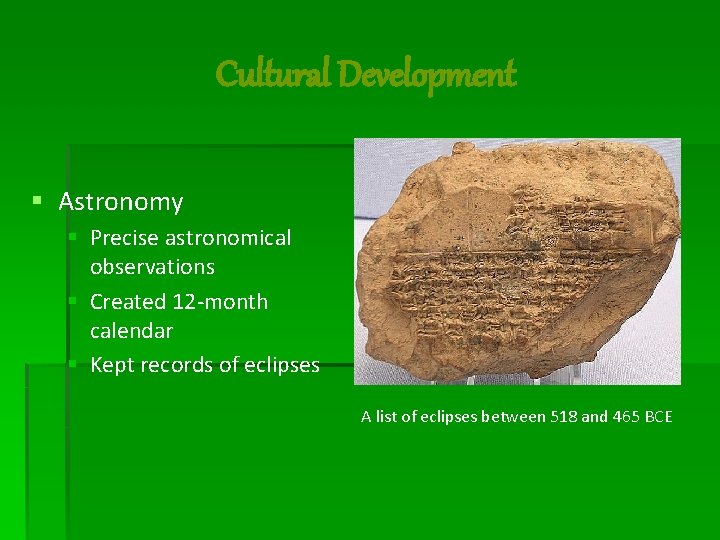
Cultural Development § Astronomy § Precise astronomical observations § Created 12 -month calendar § Kept records of eclipses A list of eclipses between 518 and 465 BCE
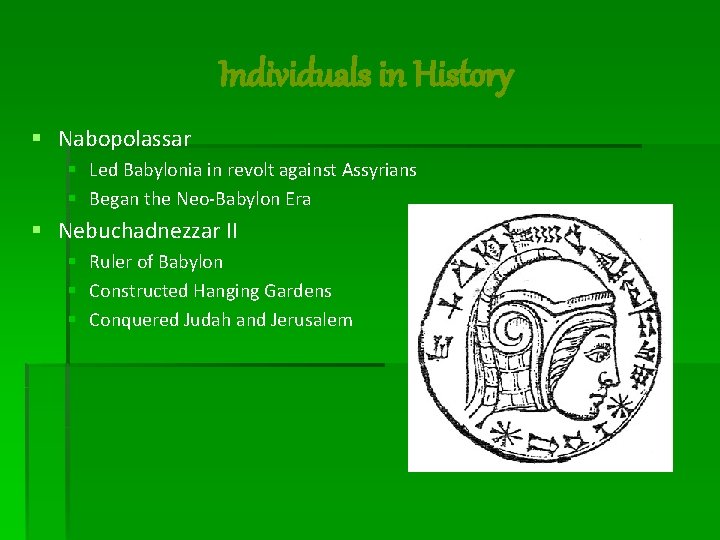
Individuals in History § Nabopolassar § Led Babylonia in revolt against Assyrians § Began the Neo-Babylon Era § Nebuchadnezzar II § Ruler of Babylon § Constructed Hanging Gardens § Conquered Judah and Jerusalem
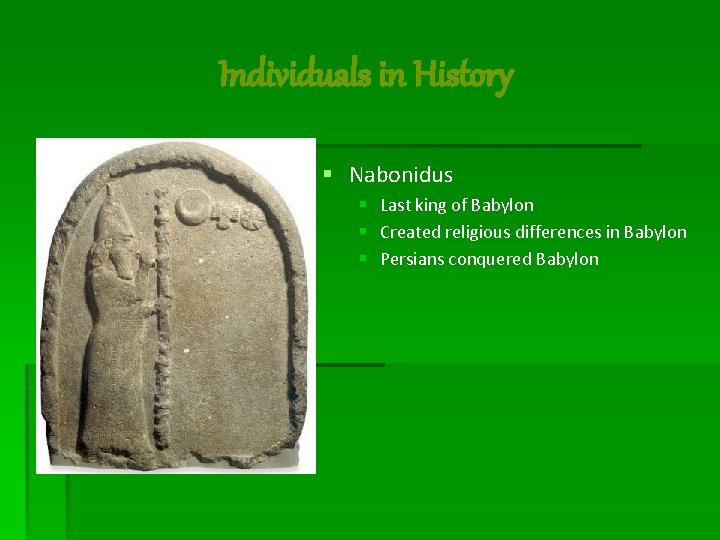
Individuals in History § Nabonidus § Last king of Babylon § Created religious differences in Babylon § Persians conquered Babylon
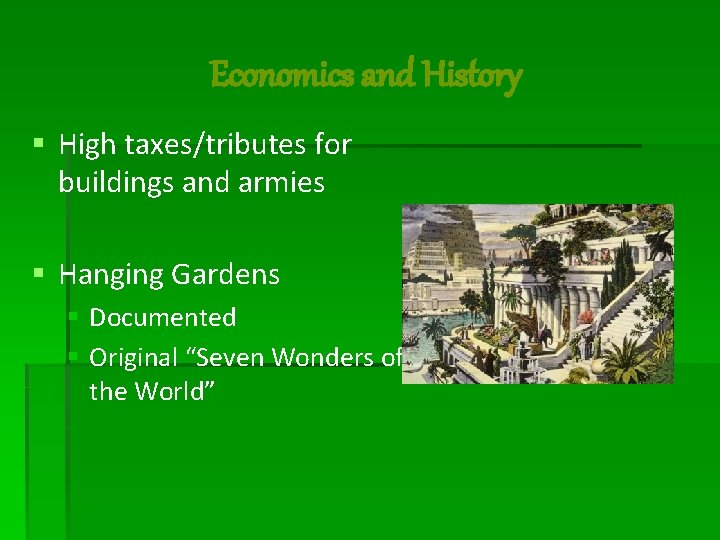
Economics and History § High taxes/tributes for buildings and armies § Hanging Gardens § Documented § Original “Seven Wonders of the World”
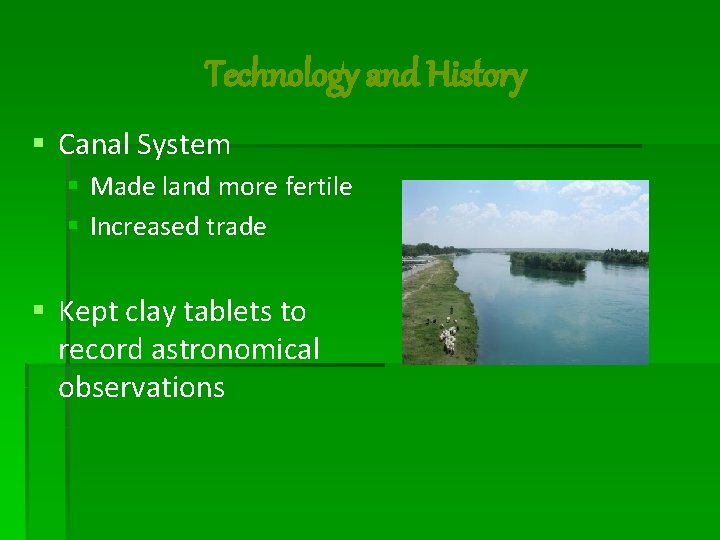
Technology and History § Canal System § Made land more fertile § Increased trade § Kept clay tablets to record astronomical observations
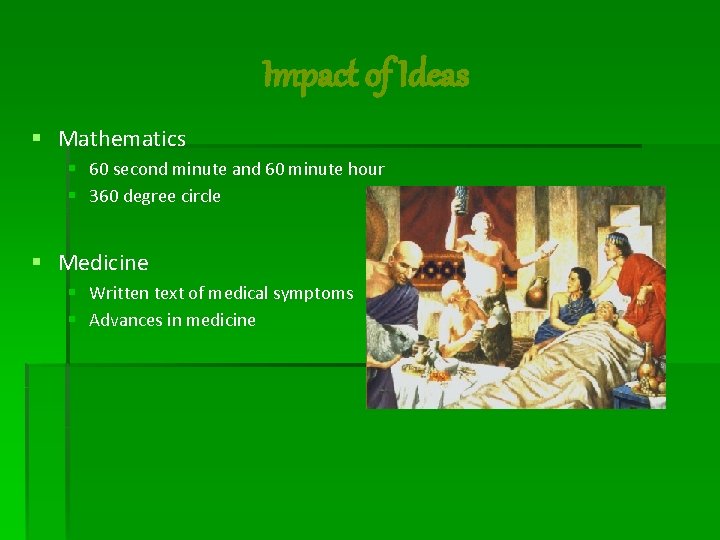
Impact of Ideas § Mathematics § 60 second minute and 60 minute hour § 360 degree circle § Medicine § Written text of medical symptoms § Advances in medicine
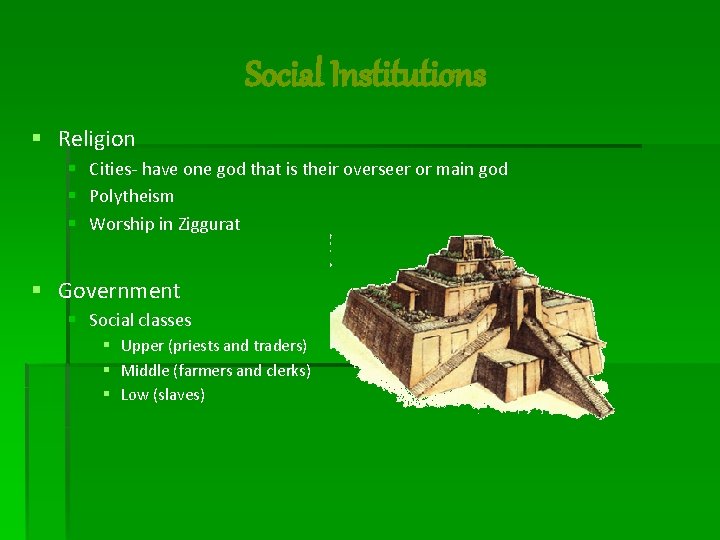
Social Institutions § Religion § Cities- have one god that is their overseer or main god § Polytheism § Worship in Ziggurat § Government § Social classes § Upper (priests and traders) § Middle (farmers and clerks) § Low (slaves)
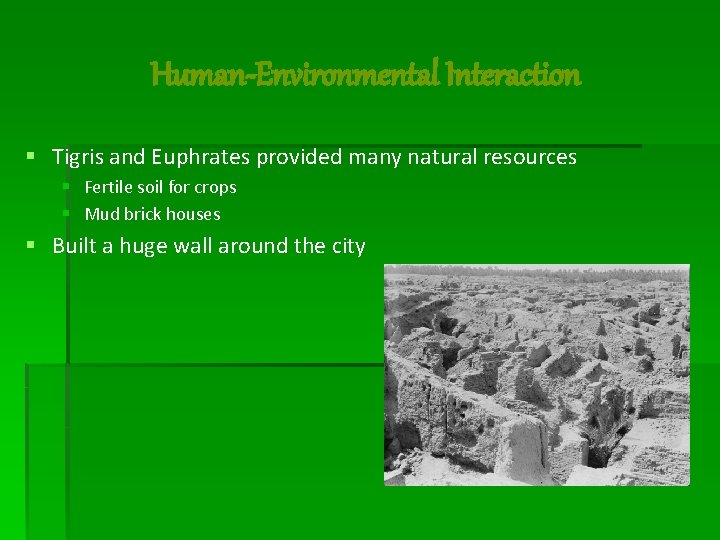
Human-Environmental Interaction § Tigris and Euphrates provided many natural resources § Fertile soil for crops § Mud brick houses § Built a huge wall around the city
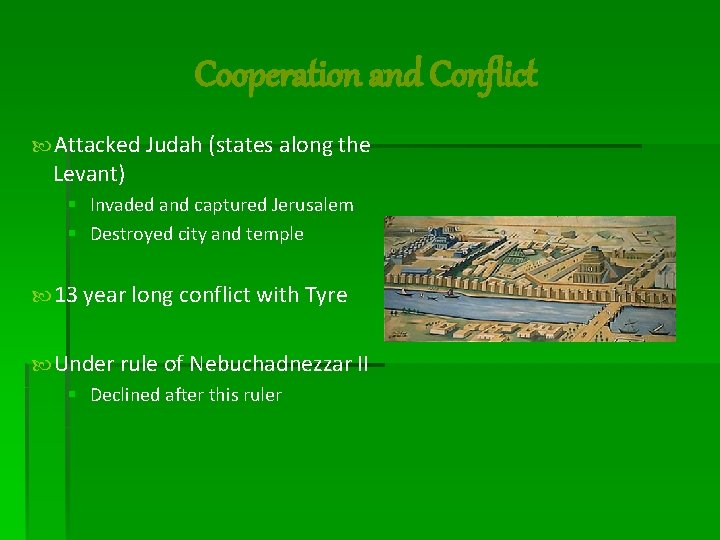
Cooperation and Conflict Attacked Judah (states along the Levant) § Invaded and captured Jerusalem § Destroyed city and temple 13 year long conflict with Tyre Under rule of Nebuchadnezzar II § Declined after this ruler
- Slides: 54