
Negative Feedback HomeostasisDynamic Equilibrium and Endocrine System HOMEOSTASISDYNAMIC
Negative Feedback Homeostasis/Dynamic Equilibrium and Endocrine System

HOMEOSTASIS/DYNAMIC EQUILIBRIUM • Keep body healthy and balanced by – Constantly responding to STIMULI • Your body gets hot…You sweat • Your body gets cold…You shiver • You have too much glucose in blood…Insulin released to take glucose to cells
How does Body maintain BALANCE/Equilibrium? HORMONES – chemical messages that get sent all over body in the blood stream Hormones are made in GLANDS (all over body) • Hormones are: “notes” with instructions – Estrogen says…OVULATE! – Testosterone says…MAKE SPERM! – Insulin says…Get extra GLUCOSE out of blood stream NOW!
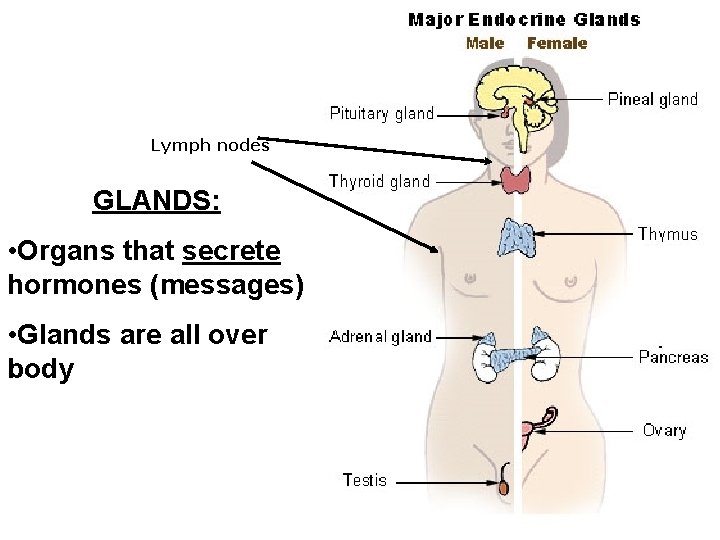
Lymph nodes GLANDS: • Organs that secrete hormones (messages) • Glands are all over body
Rate of Communication of Endocrine System • SLOW • Hormones spend 1 -30 minutes in blood stream but effects last minutes, hours, or days Examples of rate and the message sent – Minutes = sweating, heart rate (circulatory system) – Hours = white blood cell production (immune system) – Days = ovulation (reproductive system)
Think-Pair-Share • Why is the bloodstream a good place for hormones to travel? • Compare the rates of communication between the nervous and endocrine systems: • In what way are the nervous and endocrine system similar:
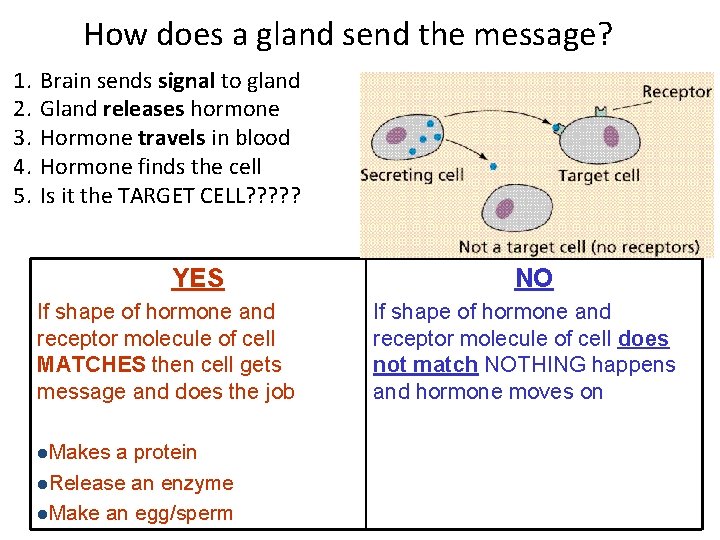
How does a gland send the message? 1. 2. 3. 4. 5. Brain sends signal to gland Gland releases hormone Hormone travels in blood Hormone finds the cell Is it the TARGET CELL? ? ? YES If shape of hormone and receptor molecule of cell MATCHES then cell gets message and does the job l. Makes a protein l. Release an enzyme l. Make an egg/sperm NO If shape of hormone and receptor molecule of cell does not match NOTHING happens and hormone moves on
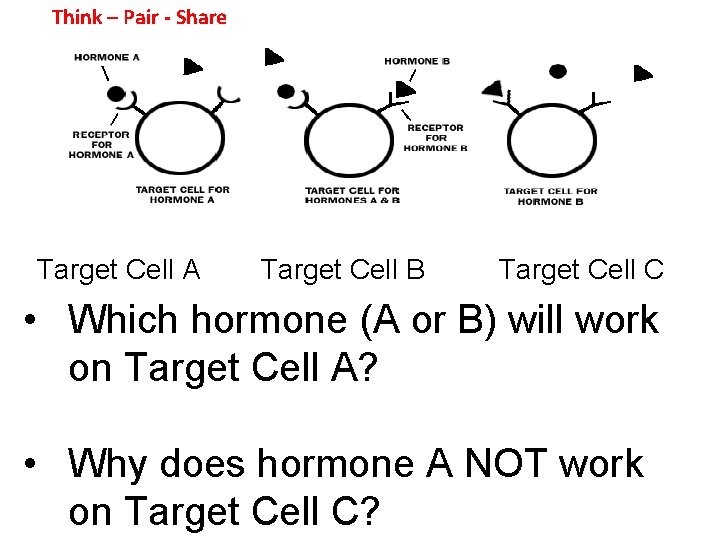
Think – Pair - Share Target Cell A Target Cell B Target Cell C • Which hormone (A or B) will work on Target Cell A? • Why does hormone A NOT work on Target Cell C?
Negative Feedback Mechanisms Negative Feedback • Constant regulation to maintain __________ • Things our bodies maintain: – Temperature (98. 6 ° F) – Blood glucose (sugar) levels
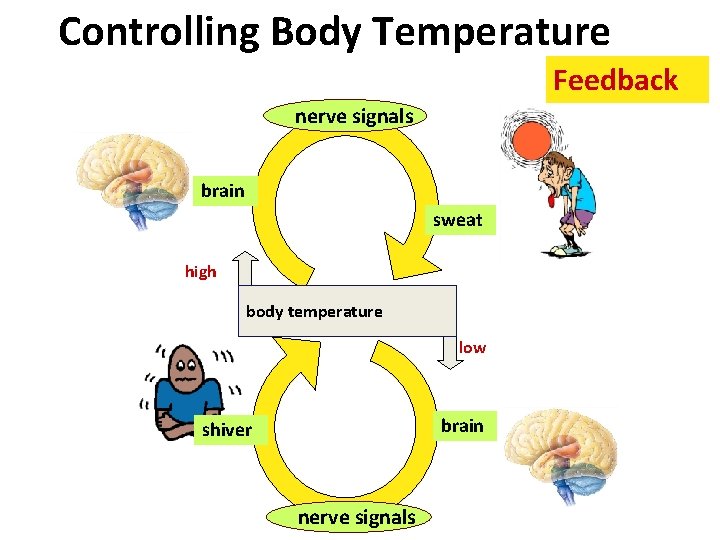
Controlling Body Temperature Feedback nerve signals brain sweat high body temperature low brain shiver nerve signals
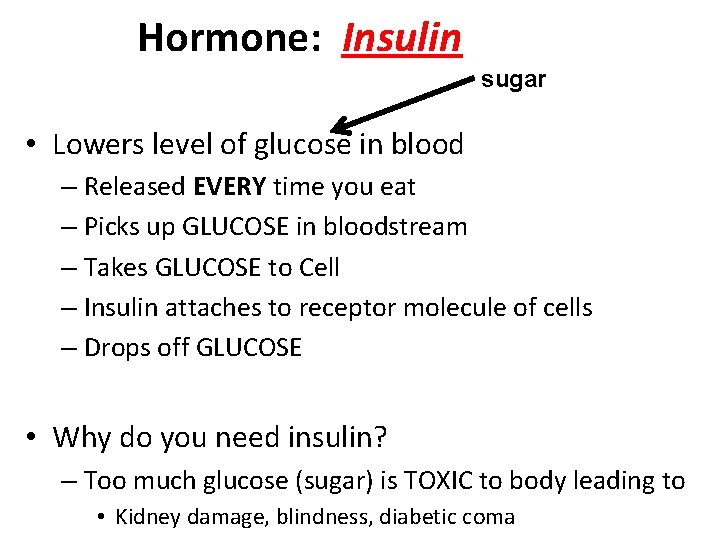
Hormone: Insulin sugar • Lowers level of glucose in blood – Released EVERY time you eat – Picks up GLUCOSE in bloodstream – Takes GLUCOSE to Cell – Insulin attaches to receptor molecule of cells – Drops off GLUCOSE • Why do you need insulin? – Too much glucose (sugar) is TOXIC to body leading to • Kidney damage, blindness, diabetic coma
Diabetes - Disease Type l Diabetes - Juvenile Diabetes • Body does not make insulin Type ll Diabetes • Body produces too little insulin or • Insulin not working right • Can develop from being overweight and lacking exercise • Develops anytime
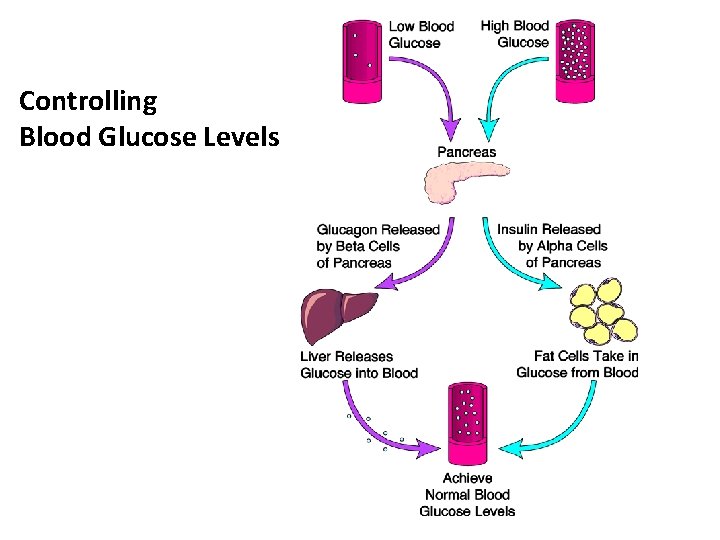
Controlling Blood Glucose Levels
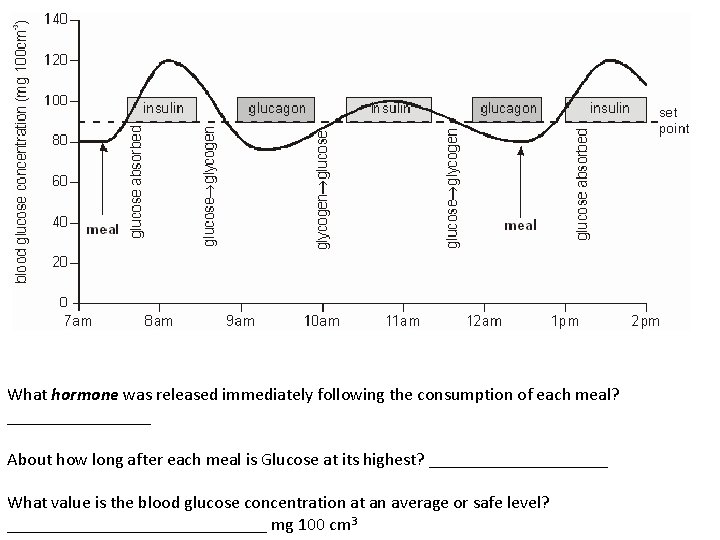
What hormone was released immediately following the consumption of each meal? ________ About how long after each meal is Glucose at its highest? __________ What value is the blood glucose concentration at an average or safe level? _______________ mg 100 cm 3
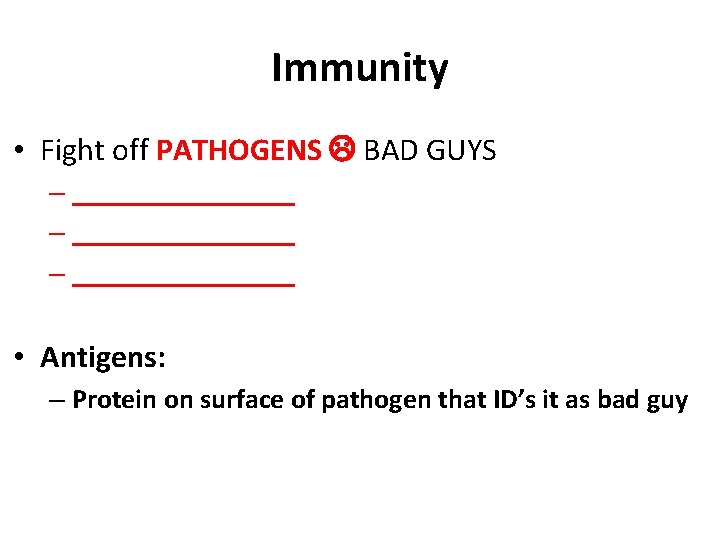
Immunity • Fight off PATHOGENS BAD GUYS – ________________ – ________ • Antigens: – Protein on surface of pathogen that ID’s it as bad guy
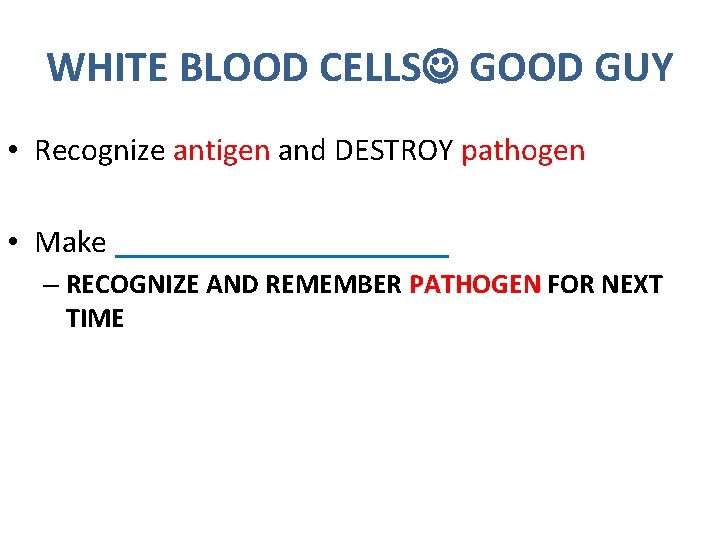
WHITE BLOOD CELLS GOOD GUY • Recognize antigen and DESTROY pathogen • Make ___________ – RECOGNIZE AND REMEMBER PATHOGEN FOR NEXT TIME
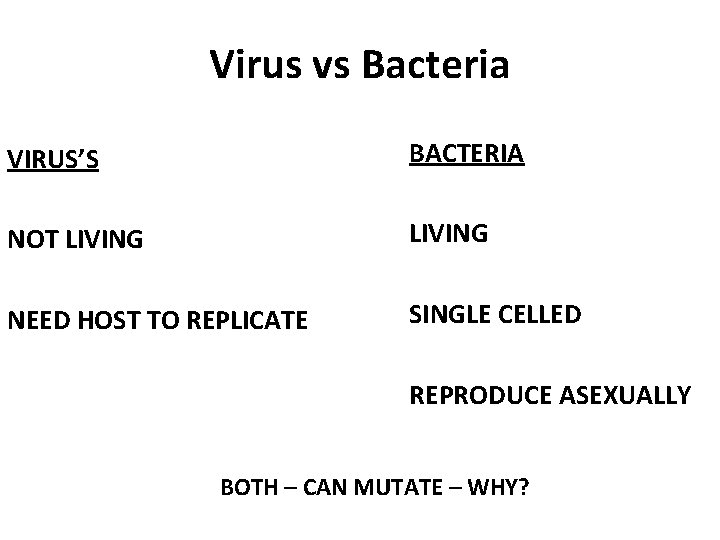
Virus vs Bacteria VIRUS’S BACTERIA NOT LIVING NEED HOST TO REPLICATE SINGLE CELLED REPRODUCE ASEXUALLY BOTH – CAN MUTATE – WHY?
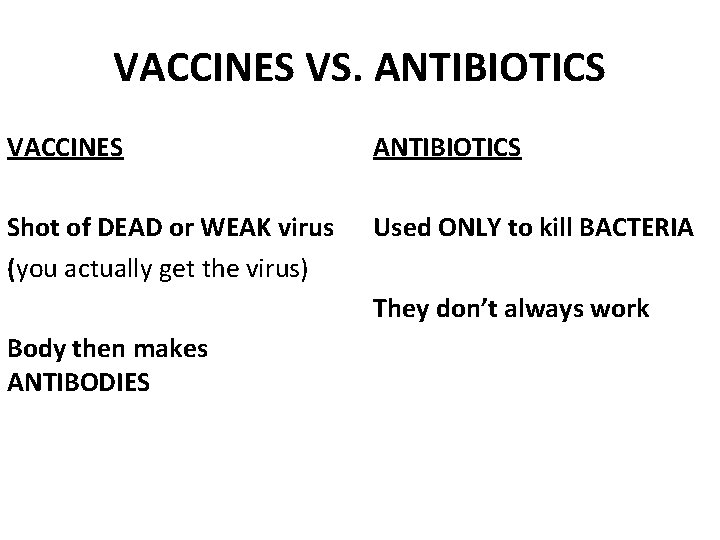
VACCINES VS. ANTIBIOTICS VACCINES ANTIBIOTICS Shot of DEAD or WEAK virus (you actually get the virus) Used ONLY to kill BACTERIA They don’t always work Body then makes ANTIBODIES
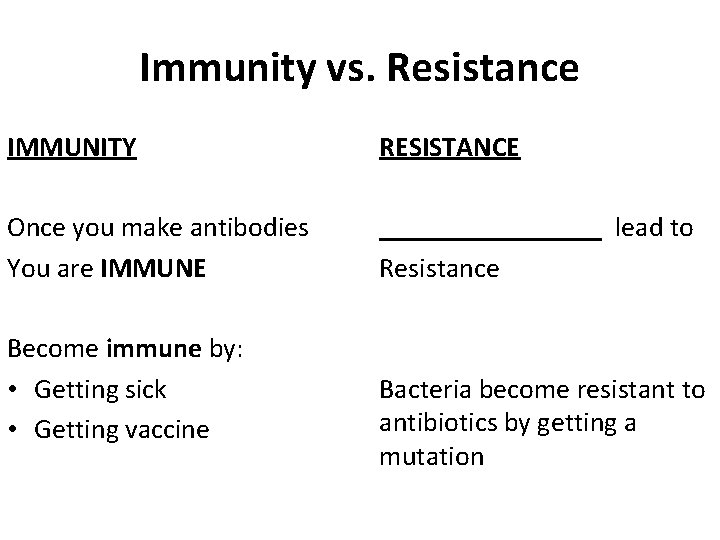
Immunity vs. Resistance IMMUNITY RESISTANCE Once you make antibodies You are IMMUNE ________ lead to Resistance Become immune by: • Getting sick • Getting vaccine Bacteria become resistant to antibiotics by getting a mutation
- Slides: 19