
Needs of Organisms and the Ecosystem September 2005
Needs of Organisms and the Ecosystem September 2005

Water • Principle component of living things • Needed for plants to grow (photosynthesis) • Affects characteristics and abundance of life in an area
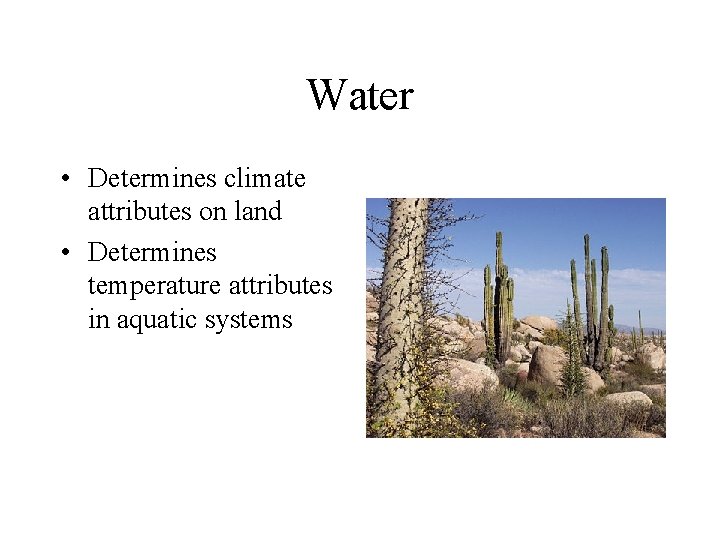
Water • Determines climate attributes on land • Determines temperature attributes in aquatic systems
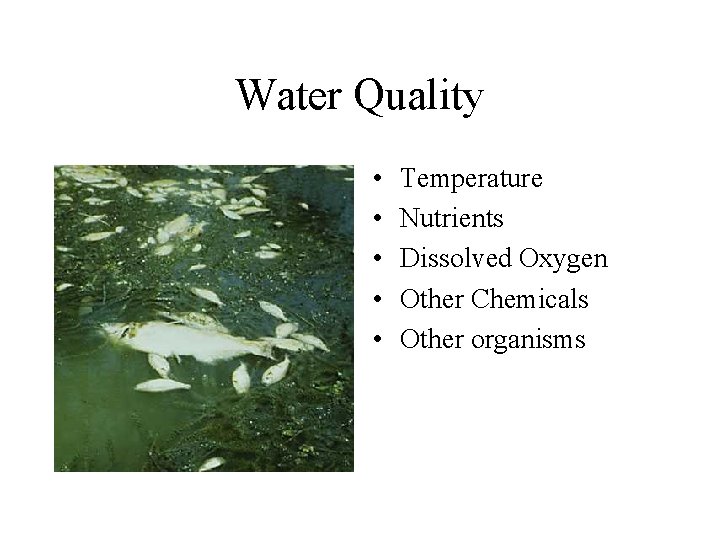
Water Quality • • • Temperature Nutrients Dissolved Oxygen Other Chemicals Other organisms
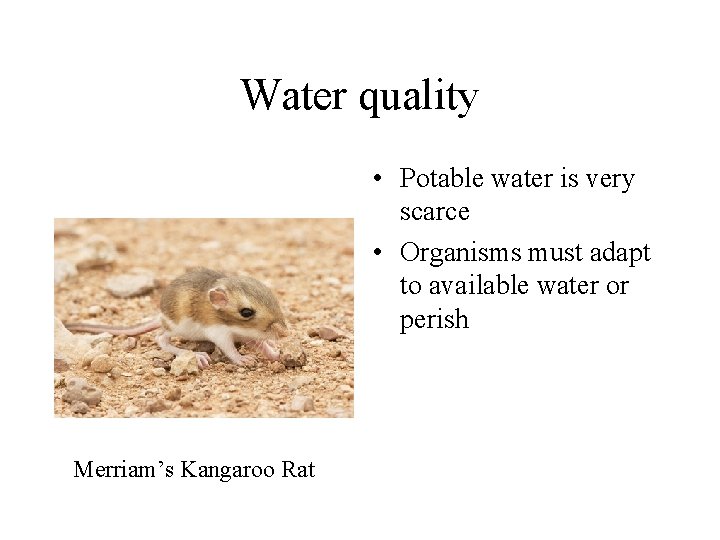
Water quality • Potable water is very scarce • Organisms must adapt to available water or perish Merriam’s Kangaroo Rat
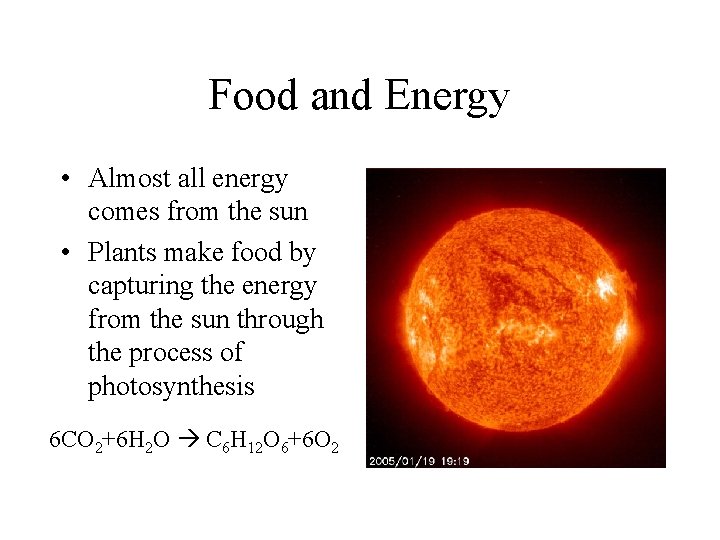
Food and Energy • Almost all energy comes from the sun • Plants make food by capturing the energy from the sun through the process of photosynthesis 6 CO 2+6 H 2 O C 6 H 12 O 6+6 O 2
Food and Energy • Animals and other organisms get energy by eating plants or other animals • Autotroph • heterotroph
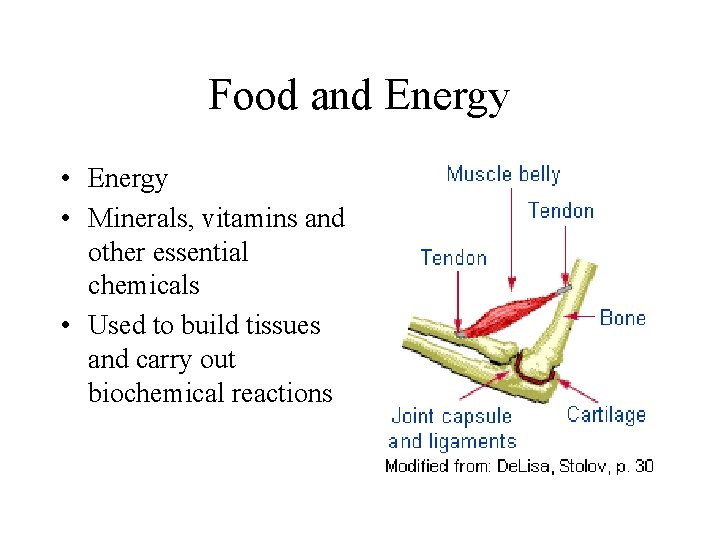
Food and Energy • Minerals, vitamins and other essential chemicals • Used to build tissues and carry out biochemical reactions
• Major macromolecule are disassembled and then reassembled into new tissue • Proteins, Nucleic Acids, Lipids and Carbohydrates
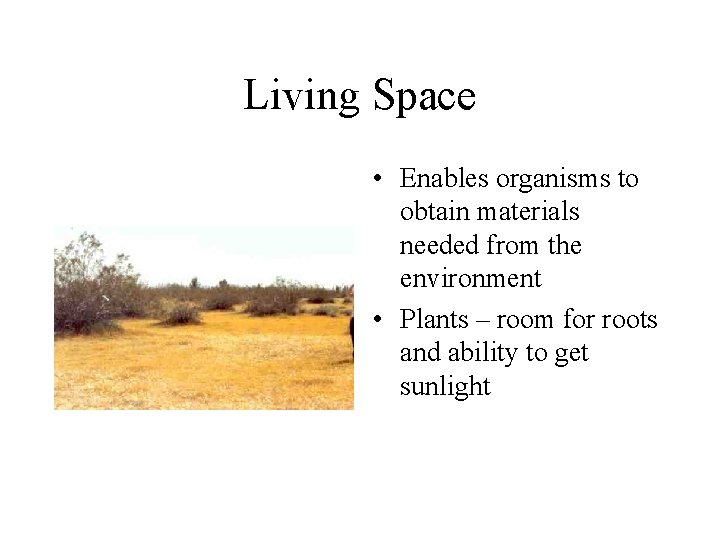
Living Space • Enables organisms to obtain materials needed from the environment • Plants – room for roots and ability to get sunlight
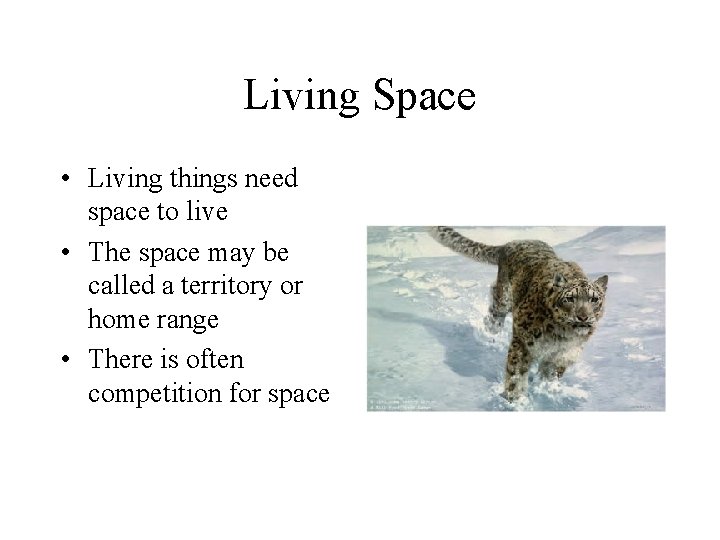
Living Space • Living things need space to live • The space may be called a territory or home range • There is often competition for space
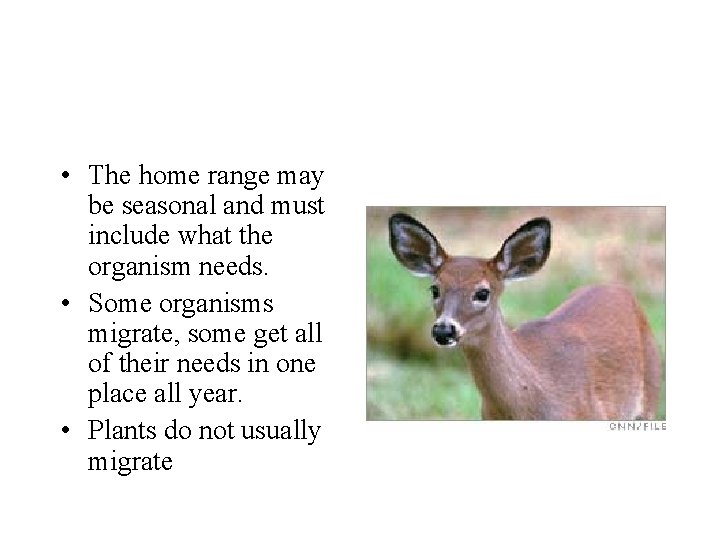
• The home range may be seasonal and must include what the organism needs. • Some organisms migrate, some get all of their needs in one place all year. • Plants do not usually migrate
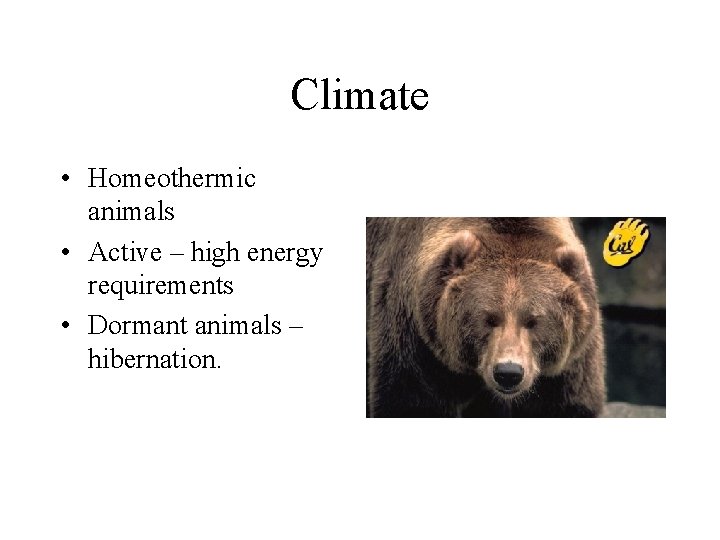
Climate • Homeothermic animals • Active – high energy requirements • Dormant animals – hibernation.
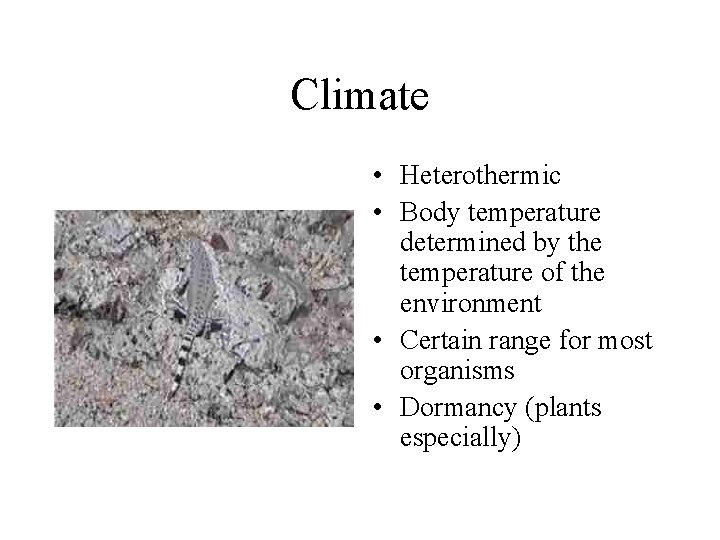
Climate • Heterothermic • Body temperature determined by the temperature of the environment • Certain range for most organisms • Dormancy (plants especially)
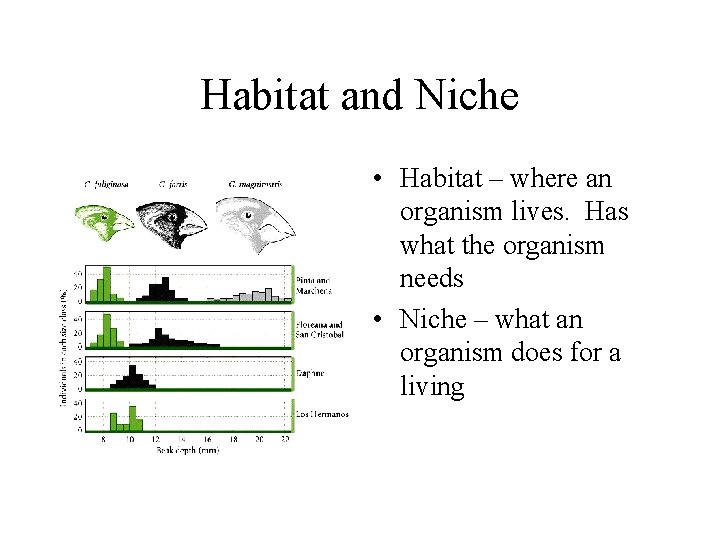
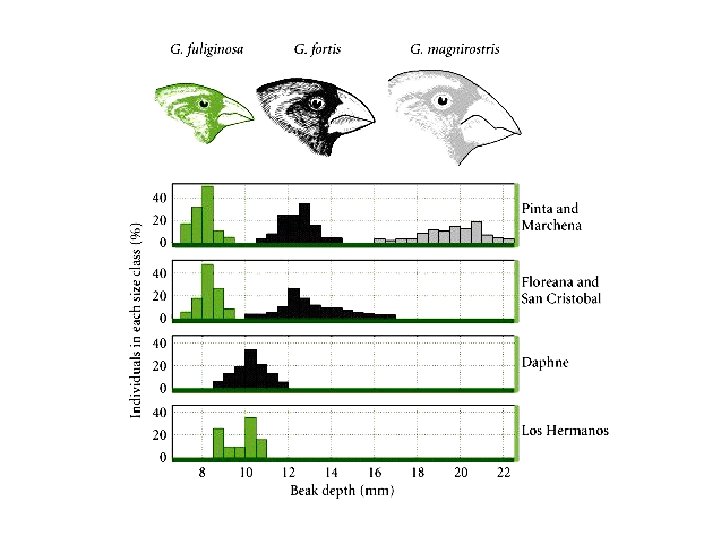
Habitat and Niche • Habitat – where an organism lives. Has what the organism needs • Niche – what an organism does for a living
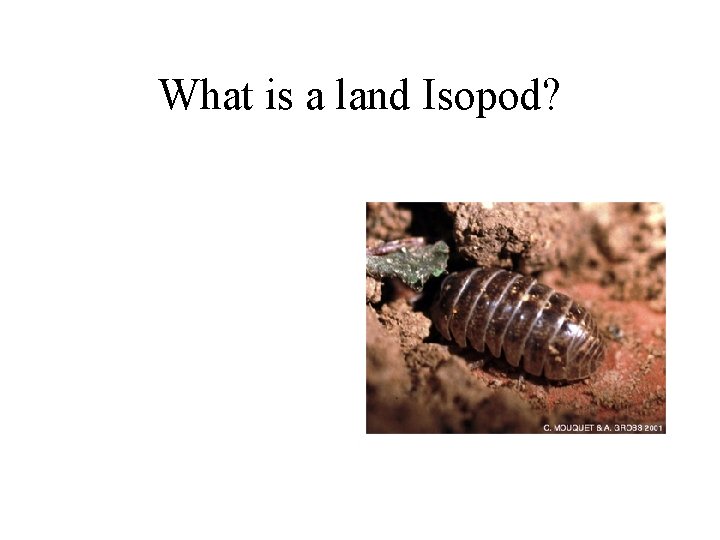
What is a land Isopod?
- Slides: 17