
Nebraska County Attorneys Association 2013 Spring Conference Board
Nebraska County Attorneys Association 2013 Spring Conference
Board of Directors Dave Wilson President Liz Waterman President-Elect Brenda Beadle Treasurer Mark Young Secretary Melanie Young 1 st Director James Smith 2 nd Director Patrick Condon 3 rd Director Vacant 4 th Director Vacant 5 th Director Jeff Mathers Past President
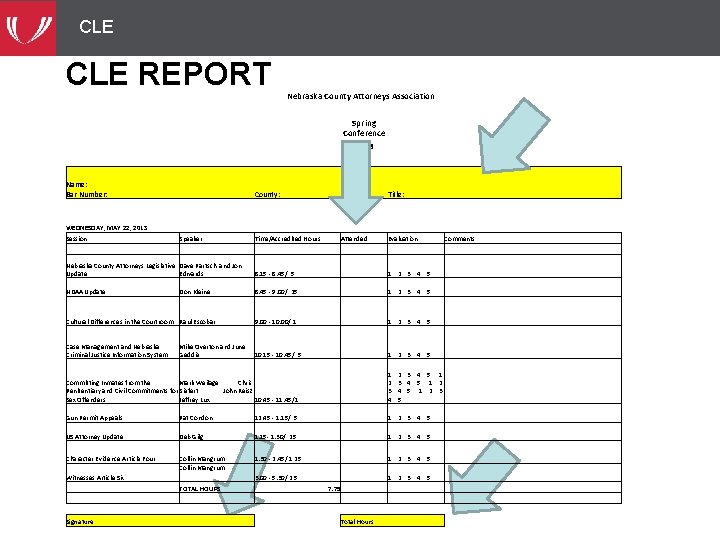
CLE REPORT Nebraska County Attorneys Association Spring Conference 2013 Name: Bar Number: County: WEDNESDAY, MAY 22, 2013 Session Speaker Time/Accredited Hours Title: Attended Evaluation Comments Nebraska County Attorneys Legislative Dave Partsch and Jon Update Edwards 8: 15 - 8: 45/. 5 1 2 3 4 5 NDAA Update 8: 45 - 9: 00/. 25 1 2 3 4 5 Cultural Differences in the Courtroom Raul Escobar 9: 00 - 10: 00/ 1 1 2 3 4 5 Case Management and Nebraska Criminal Justice Information System 10: 15 - 10: 45/. 5 1 2 3 4 5 Committing Inmates from the Mark Weilage Chris Penitentiary and Civil Commitments for Siefert John Reisz Sex Offenders Jeffrey Lux 10: 45 - 11: 45/1 1 2 3 4 5 1 2 3 4 5 Gun Permit Appeals Pat Condon 12: 45 - 1: 15/. 5 1 2 3 4 5 US Attorney Update Deb Gilg 1: 15 - 1: 30/. 25 1 2 3 4 5 Character Evidence Article Four Collin Mangrum 1: 30 - 2: 45/ 1. 25 1 2 3 4 5 Don Kleine Mike Overton and June Geddie Witnesses Article Six 3: 00 - 5: 30/ 2. 5 TOTAL HOURS Signature 1 2 3 4 5 7. 75 Total Hours
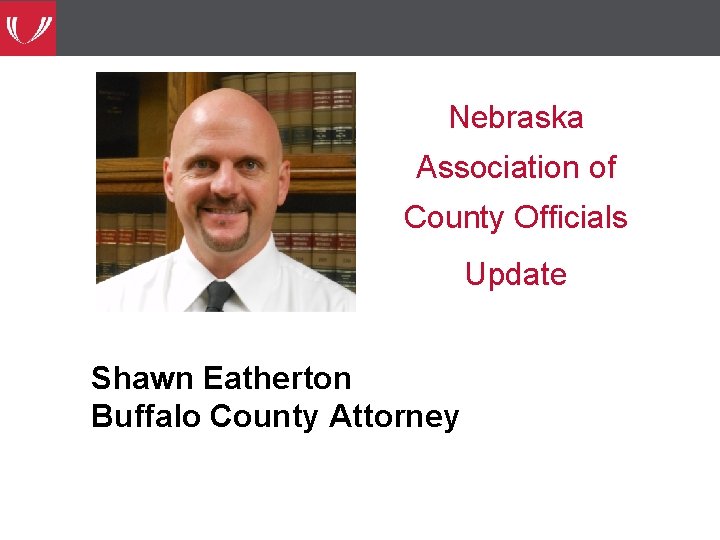
Nebraska Association of County Officials Update Shawn Eatherton Buffalo County Attorney
103 rd Legislature 1 st Session Update Dave Partsch Otoe County Attorney and Jon Edwards Cutshall and Associates

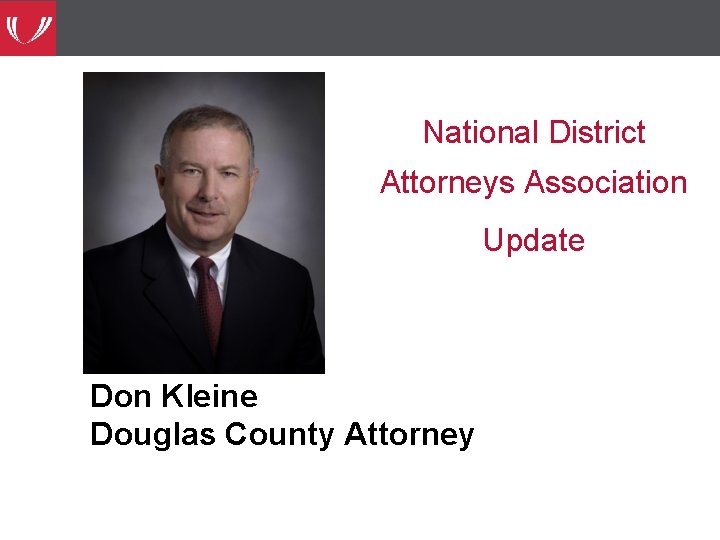
National District Attorneys Association Update Don Kleine Douglas County Attorney
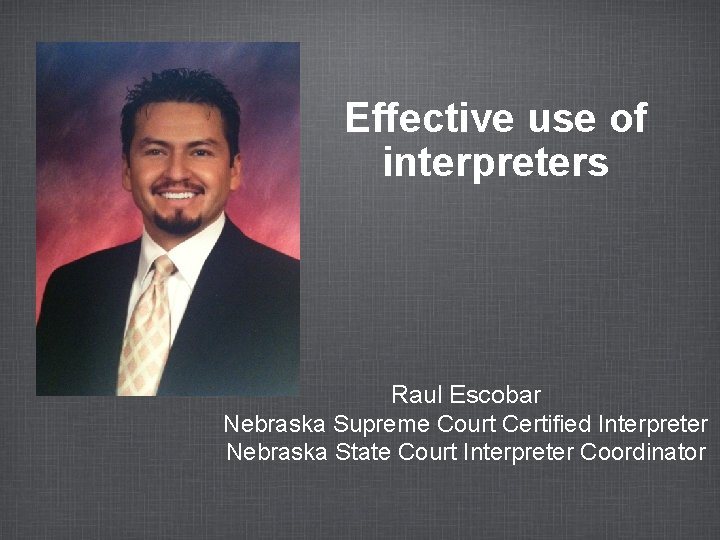
Effective use of interpreters Raul Escobar Nebraska Supreme Court Certified Interpreter Nebraska State Court Interpreter Coordinator
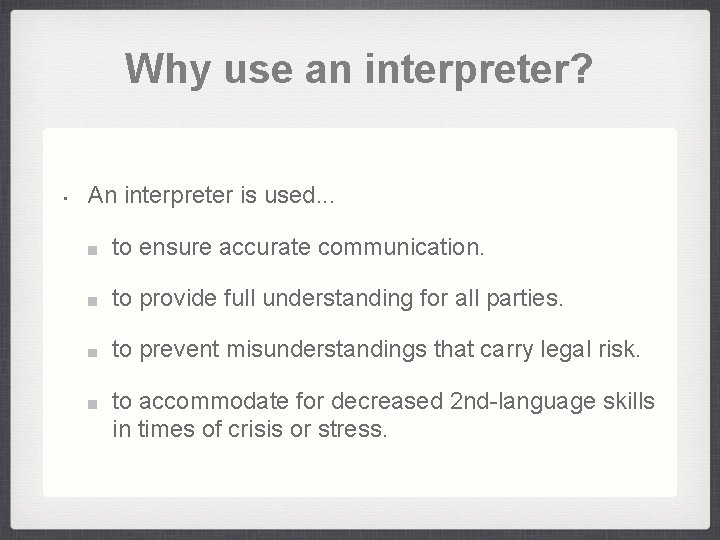
Why use an interpreter? • An interpreter is used. . . to ensure accurate communication. to provide full understanding for all parties. to prevent misunderstandings that carry legal risk. to accommodate for decreased 2 nd-language skills in times of crisis or stress.
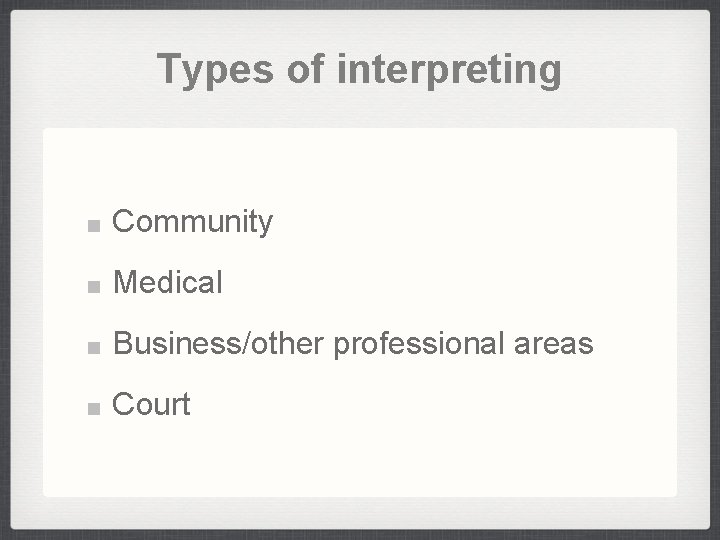
Types of interpreting Community Medical Business/other professional areas Court
State of Nebraska Interpreter program Structure Levels of interpreters
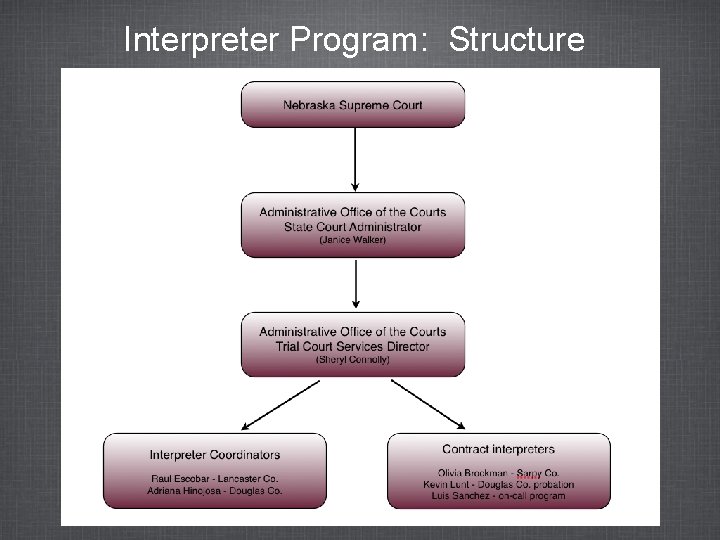
Interpreter Program: Structure
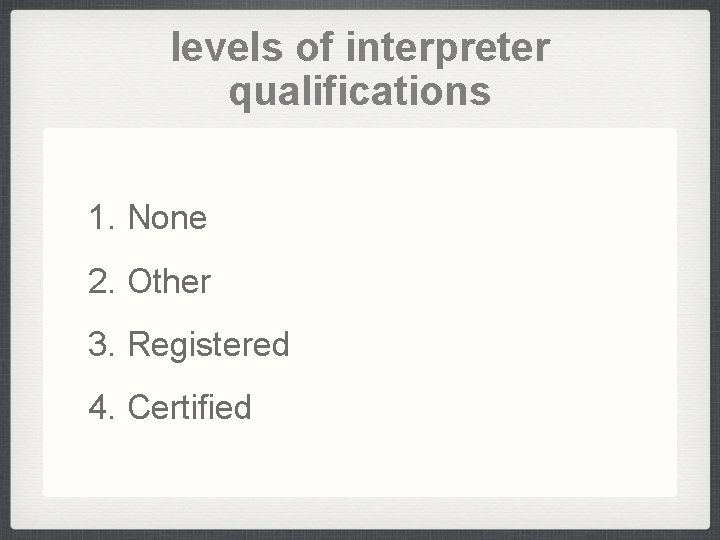
levels of interpreter qualifications 1. None 2. Other 3. Registered 4. Certified
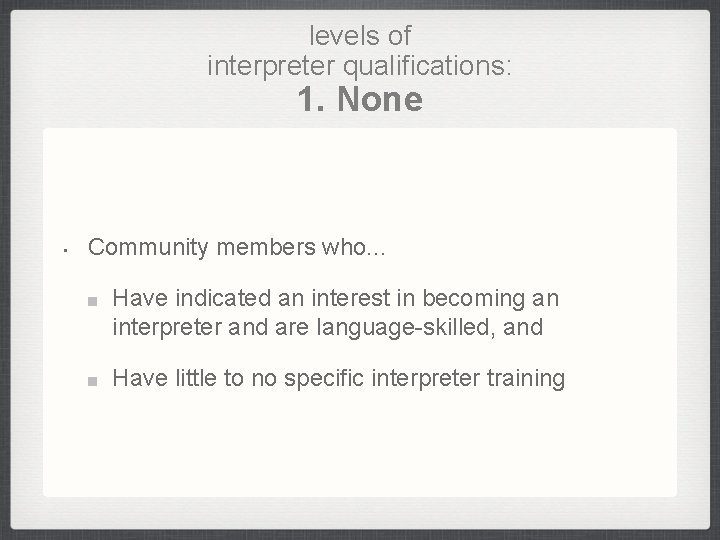
levels of interpreter qualifications: 1. None • Community members who. . . Have indicated an interest in becoming an interpreter and are language-skilled, and Have little to no specific interpreter training
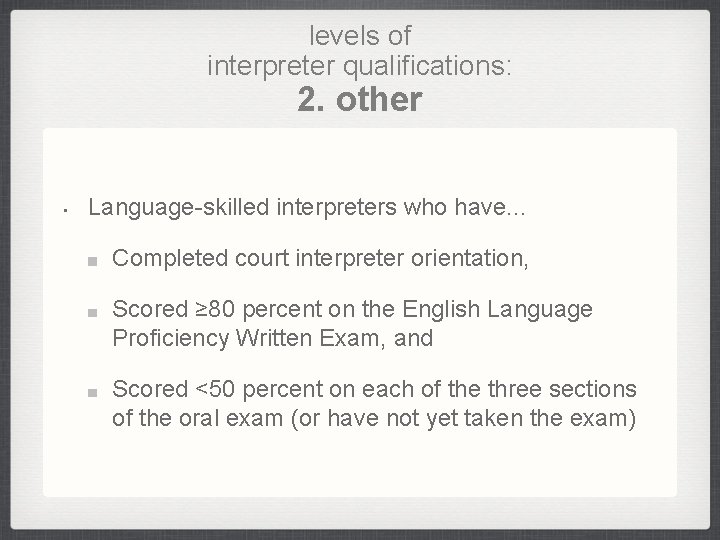
levels of interpreter qualifications: 2. other • Language-skilled interpreters who have. . . Completed court interpreter orientation, Scored ≥ 80 percent on the English Language Proficiency Written Exam, and Scored <50 percent on each of the three sections of the oral exam (or have not yet taken the exam)
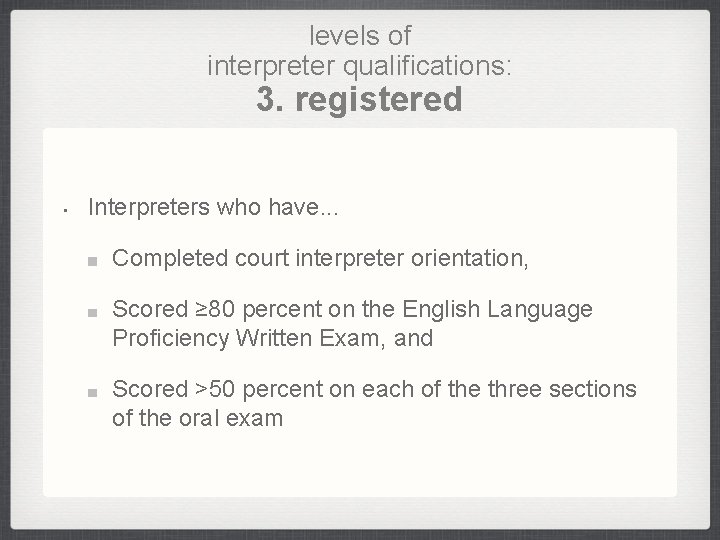
levels of interpreter qualifications: 3. registered • Interpreters who have. . . Completed court interpreter orientation, Scored ≥ 80 percent on the English Language Proficiency Written Exam, and Scored >50 percent on each of the three sections of the oral exam
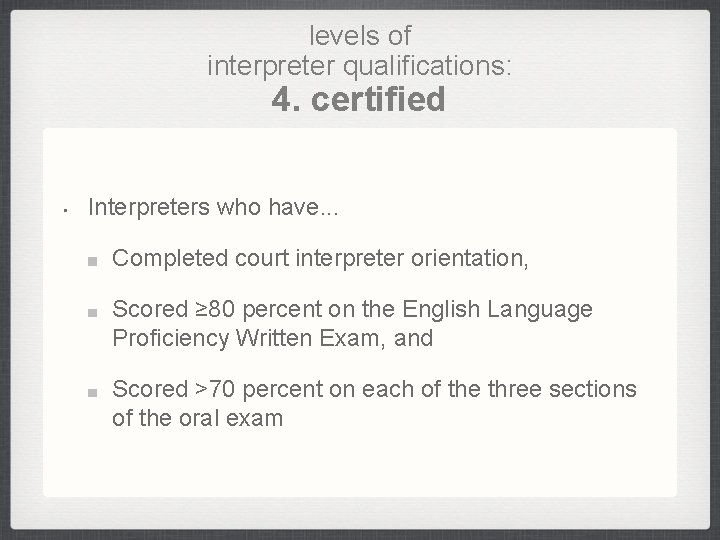
levels of interpreter qualifications: 4. certified • Interpreters who have. . . Completed court interpreter orientation, Scored ≥ 80 percent on the English Language Proficiency Written Exam, and Scored >70 percent on each of the three sections of the oral exam
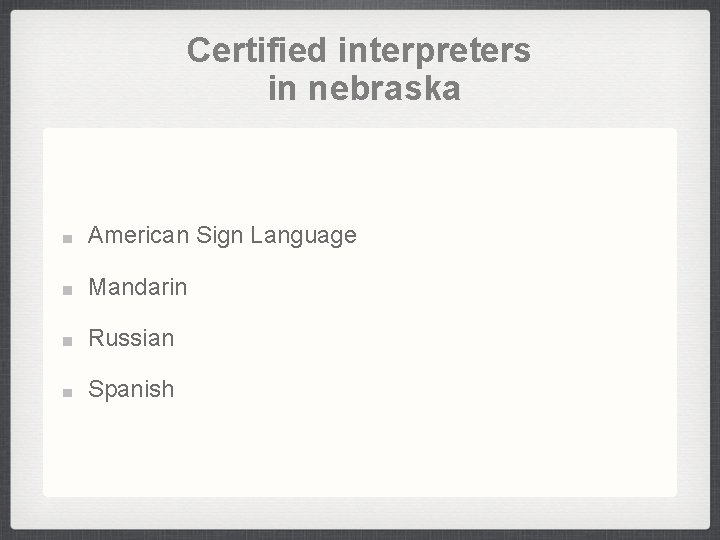
Certified interpreters in nebraska American Sign Language Mandarin Russian Spanish
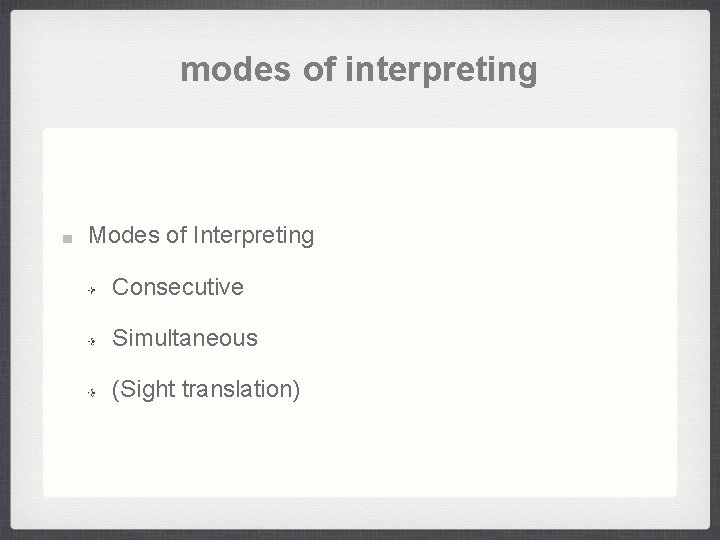
modes of interpreting Modes of Interpreting Consecutive Simultaneous (Sight translation)
using interpreters effectively: overview Control Mechanics Friends & Family In Court
using interpreters effectively: Control Set the stage for the encounter Explain your role and the purpose of the visit Remind interpreter to convey everything that is said Interrupt side conversations
using interpreters effectively: mechanics Maintain eye contact with Limited English Proficient (LEP) party Use caution when assessing visual cues/body language Anticipate the need for extra clarification Use simple, clear language
using interpreters effectively: idioms Throw the book Back to square one Cut to the chase Beat around the bush Hit the nail on the head Get on the ball
using interpreters effectively: Friends & family • Reasons not to use family members as interpreters: Conflict of interest Inadequate language skills or understanding of concepts Safety Re-victimization
using interpreters effectively: in cour. T Evidence Translation/Transcription Video/audio recordings Birth certificates, marriage licenses, bank statements, & other documents Speech: Speed and Style
Common interpreter errors Paraphrasing or “cleaning up” Adding/deleting Speaking in 3 rd person Changing register
Who ya’ gonna call? Check the Supreme Court website www. supremecourt. ne. gov , click on “Court Interpreter Registry” Stay local Courthouse, other attorneys, community centers, colleges Contact Adriana or me Raul. Escobar@nebraska. gov / 402 -890 -9561 Adriana. Hinojosa@nebraska. gov / 402 -250 -0041
http: //fc 09. deviantart. net/fs 71/f/2012/294/6/c/the_interpreter_by_neeckochichi-d 5 ih 2 i 9. jpg
Case Management and Nebraska Criminal Justice Information System
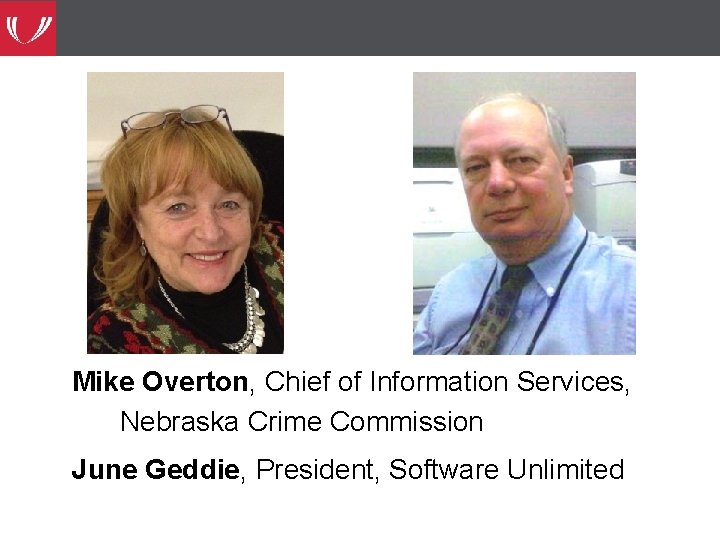
Mike Overton, Chief of Information Services, Nebraska Crime Commission June Geddie, President, Software Unlimited
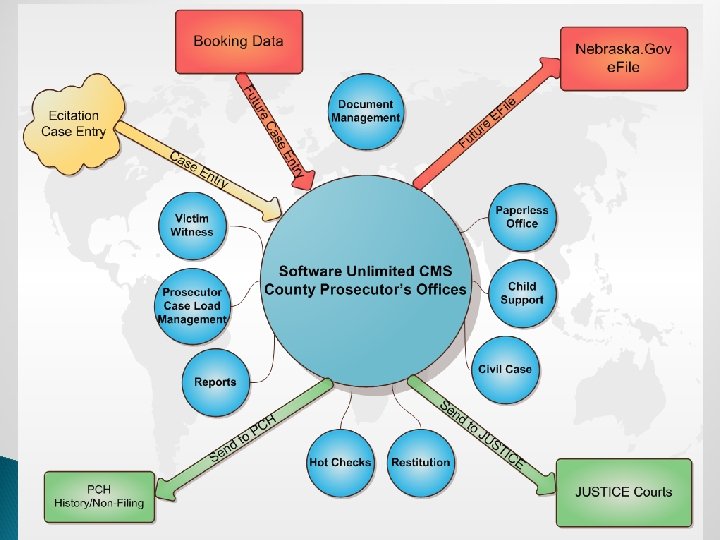
Nebraska County Attorneys Interfaces With Software Unlimited Corp CMS
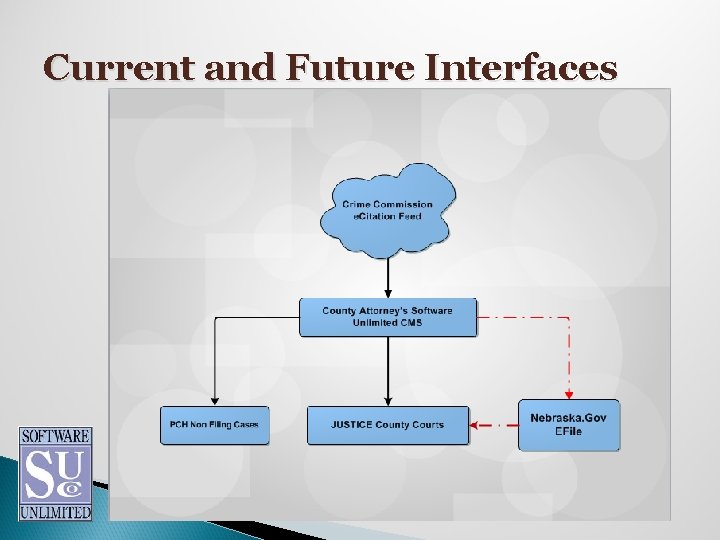
Current and Future Interfaces
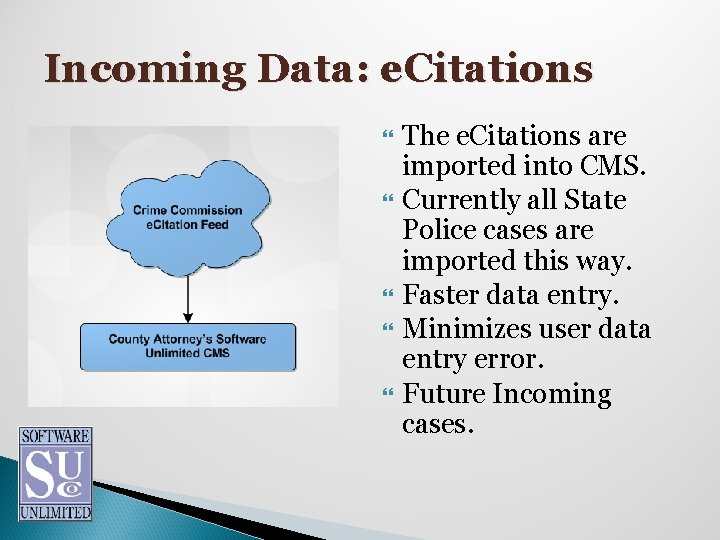
Incoming Data: e. Citations The e. Citations are imported into CMS. Currently all State Police cases are imported this way. Faster data entry. Minimizes user data entry error. Future Incoming cases.
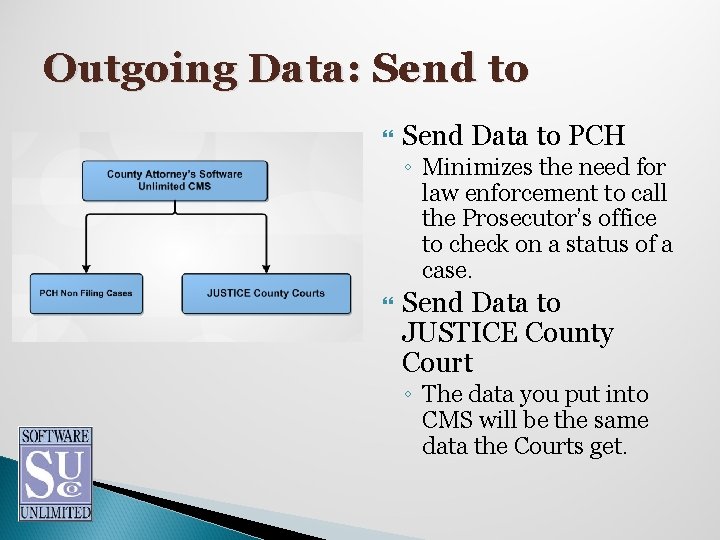
Outgoing Data: Send to Send Data to PCH ◦ Minimizes the need for law enforcement to call the Prosecutor’s office to check on a status of a case. Send Data to JUSTICE County Court ◦ The data you put into CMS will be the same data the Courts get.
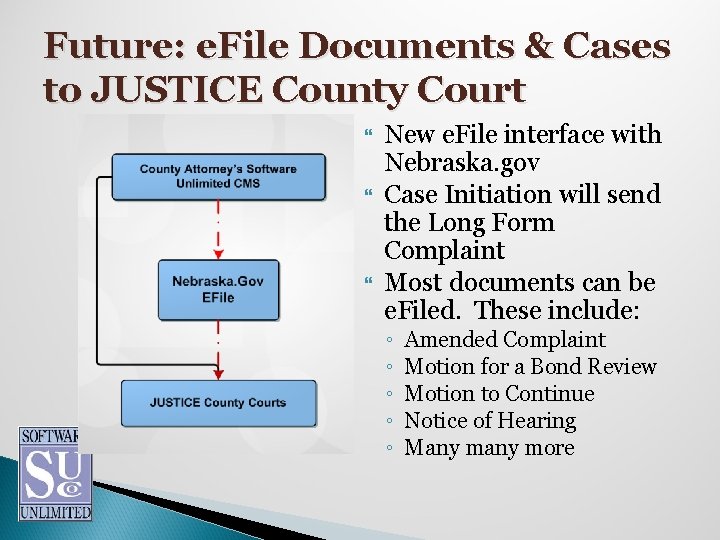
Future: e. File Documents & Cases to JUSTICE County Court New e. File interface with Nebraska. gov Case Initiation will send the Long Form Complaint Most documents can be e. Filed. These include: ◦ ◦ ◦ Amended Complaint Motion for a Bond Review Motion to Continue Notice of Hearing Many more
Committing Inmates from the Penitentiary and Civil Commitments for Sex Offenders
PANELISTS: Mark Weilage, Behavior Health Assistant Administrator for Mental Health Department of Corrections Jeffrey Lux, Deputy Douglas County Attorney John Reisz, Deputy Sarpy County Attorney Chris Siefert, Deputy Lancaster County Attorney
Pathways to Civil Commitment A Correctional Perspective By Mark Weilage, Ph. D
Two Roads • The Old Road - LB 1083 - Mentally Ill and Dangerous • The New Road - LB 1199 – Dangerous Sex Offender
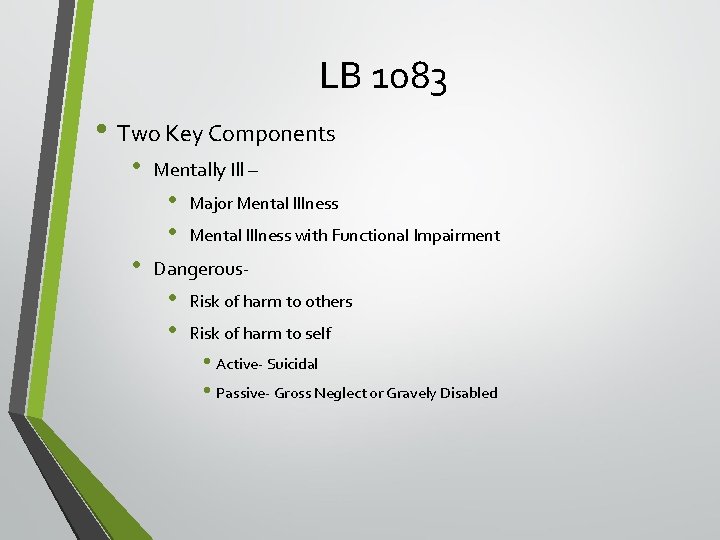
LB 1083 • Two Key Components • Mentally Ill – • • • Major Mental Illness with Functional Impairment Dangerous- • • Risk of harm to others Risk of harm to self • Active- Suicidal • Passive- Gross Neglect or Gravely Disabled
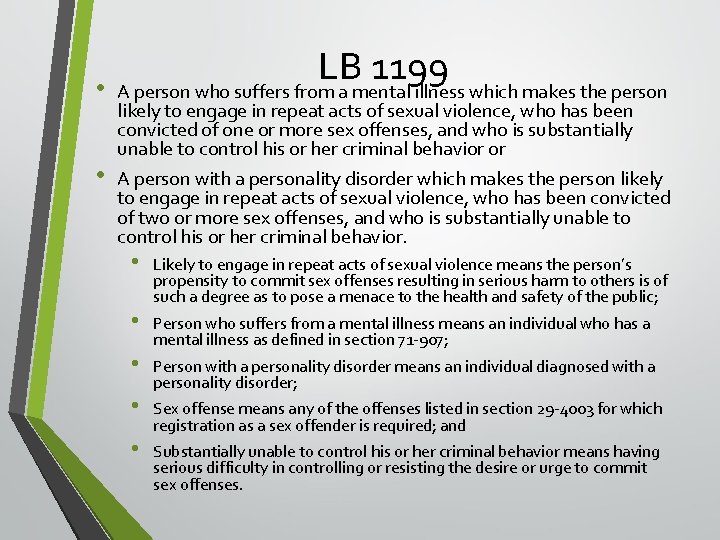
• • LB 1199 A person who suffers from a mental illness which makes the person likely to engage in repeat acts of sexual violence, who has been convicted of one or more sex offenses, and who is substantially unable to control his or her criminal behavior or A person with a personality disorder which makes the person likely to engage in repeat acts of sexual violence, who has been convicted of two or more sex offenses, and who is substantially unable to control his or her criminal behavior. • • • Likely to engage in repeat acts of sexual violence means the person’s propensity to commit sex offenses resulting in serious harm to others is of such a degree as to pose a menace to the health and safety of the public; Person who suffers from a mental illness means an individual who has a mental illness as defined in section 71 -907; Person with a personality disorder means an individual diagnosed with a personality disorder; Sex offense means any of the offenses listed in section 29 -4003 for which registration as a sex offender is required; and Substantially unable to control his or her criminal behavior means having serious difficulty in controlling or resisting the desire or urge to commit sex offenses.
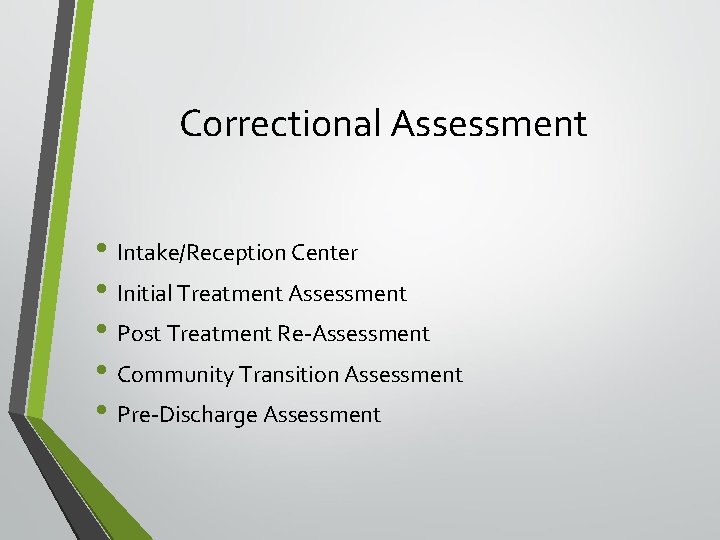
Correctional Assessment • Intake/Reception Center • Initial Treatment Assessment • Post Treatment Re-Assessment • Community Transition Assessment • Pre-Discharge Assessment
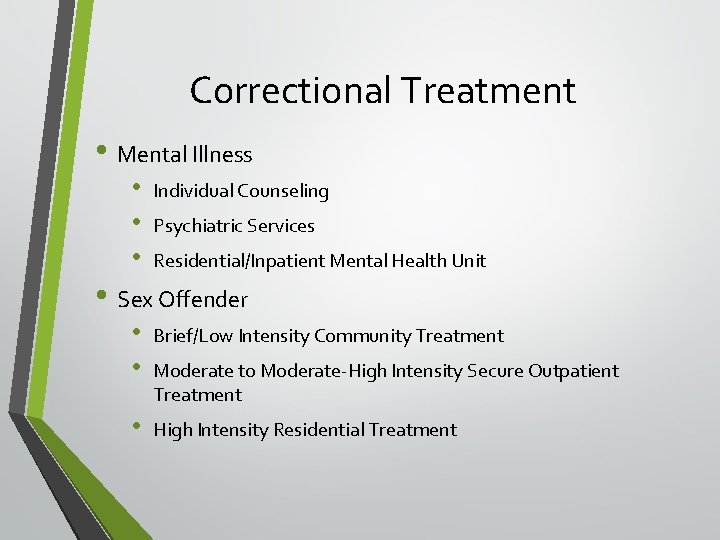
Correctional Treatment • Mental Illness • • • Individual Counseling Psychiatric Services Residential/Inpatient Mental Health Unit • Sex Offender • • Brief/Low Intensity Community Treatment • High Intensity Residential Treatment Moderate to Moderate-High Intensity Secure Outpatient Treatment
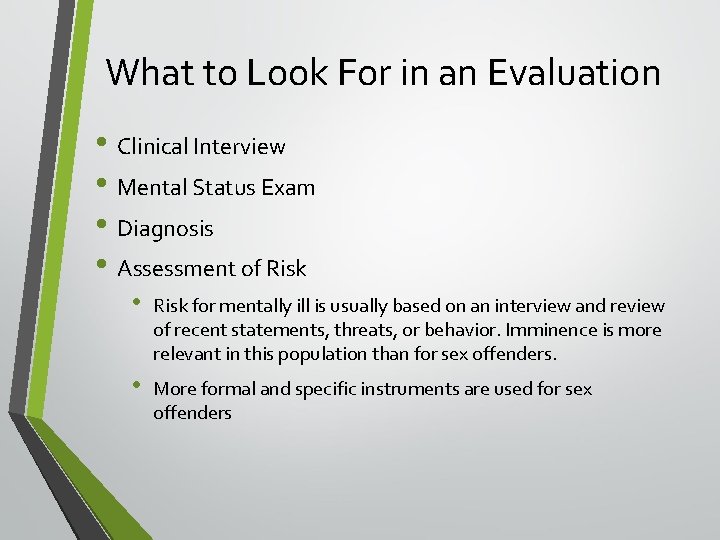
What to Look For in an Evaluation • Clinical Interview • Mental Status Exam • Diagnosis • Assessment of Risk • Risk for mentally ill is usually based on an interview and review of recent statements, threats, or behavior. Imminence is more relevant in this population than for sex offenders. • More formal and specific instruments are used for sex offenders
What To Ask the Evaluator • Expertise • Diagnosis • Risk Assessment • Treatment
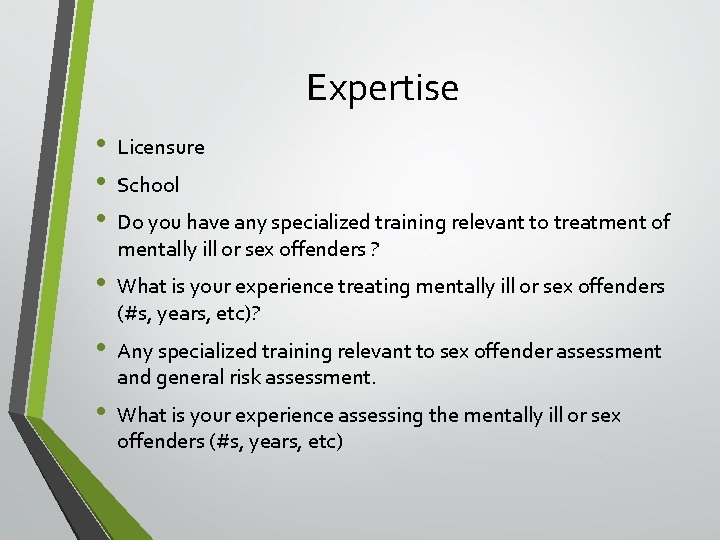
Expertise • • • Licensure • What is your experience treating mentally ill or sex offenders (#s, years, etc)? • Any specialized training relevant to sex offender assessment and general risk assessment. • What is your experience assessing the mentally ill or sex offenders (#s, years, etc) School Do you have any specialized training relevant to treatment of mentally ill or sex offenders ?
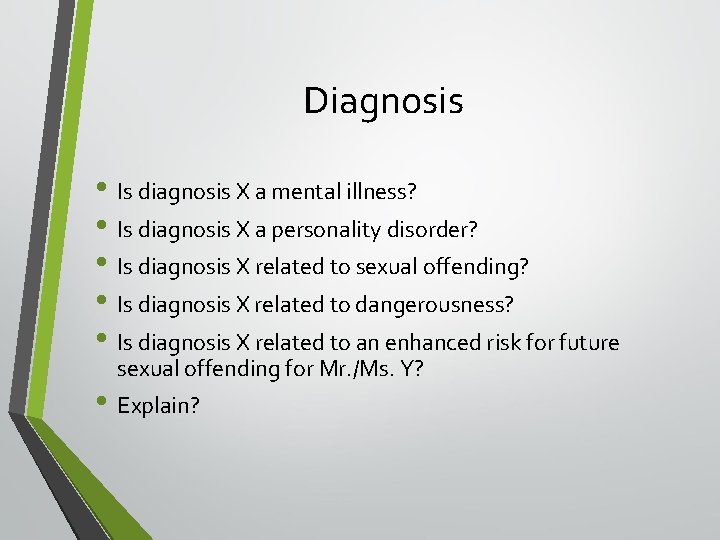
Diagnosis • Is diagnosis X a mental illness? • Is diagnosis X a personality disorder? • Is diagnosis X related to sexual offending? • Is diagnosis X related to dangerousness? • Is diagnosis X related to an enhanced risk for future sexual offending for Mr. /Ms. Y? • Explain?
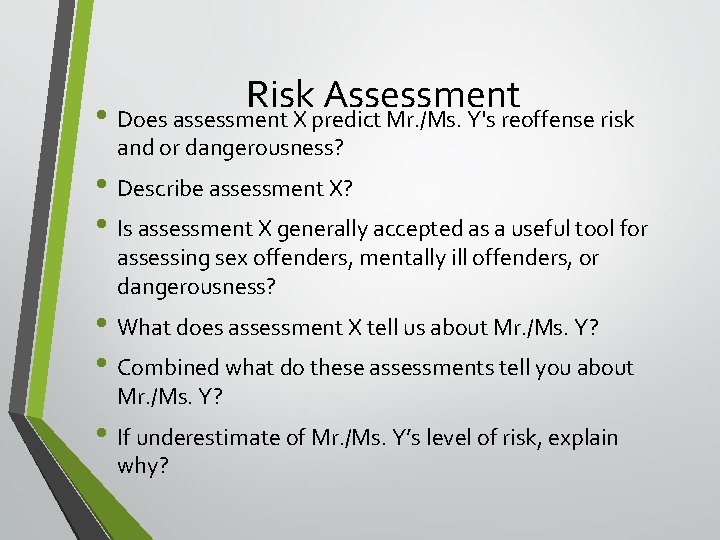
Risk Assessment • Does assessment X predict Mr. /Ms. Y's reoffense risk and or dangerousness? • Describe assessment X? • Is assessment X generally accepted as a useful tool for assessing sex offenders, mentally ill offenders, or dangerousness? • What does assessment X tell us about Mr. /Ms. Y? • Combined what do these assessments tell you about Mr. /Ms. Y? • If underestimate of Mr. /Ms. Y’s level of risk, explain why?
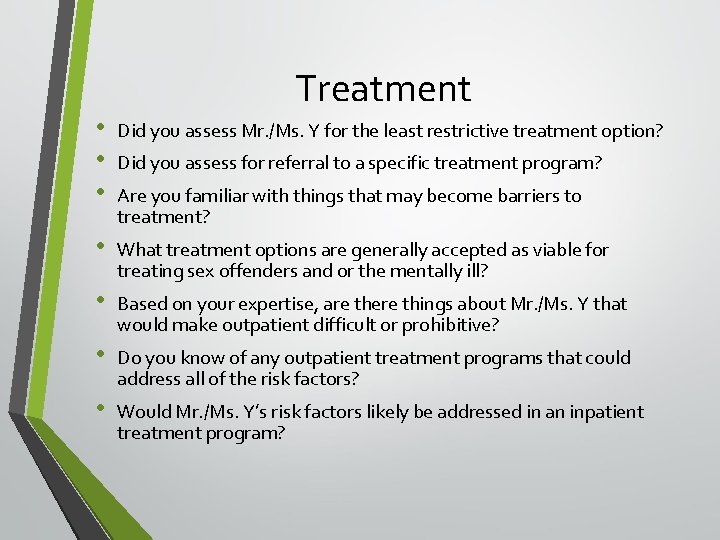
Treatment • • • Did you assess Mr. /Ms. Y for the least restrictive treatment option? • What treatment options are generally accepted as viable for treating sex offenders and or the mentally ill? • Based on your expertise, are there things about Mr. /Ms. Y that would make outpatient difficult or prohibitive? • Do you know of any outpatient treatment programs that could address all of the risk factors? • Would Mr. /Ms. Y’s risk factors likely be addressed in an inpatient treatment program? Did you assess for referral to a specific treatment program? Are you familiar with things that may become barriers to treatment?
Summative Statements • Cover Two Areas • Is the individual dangerous and appears to meet the standard of the applicable statute • What are considerations for treatment
Sample Affidavit of Dangerousness I, Joe Evaluator, Ph. D. , being first duly sworn on oath, state that the following is true to the best of my knowledge and belie • I am a Psychologist, duly licensed by the State of Nebraska. • I have conducted an evaluation of Mr. X, which is attached. • It is my professional opinion that Mr. X is a dangerous sex offende
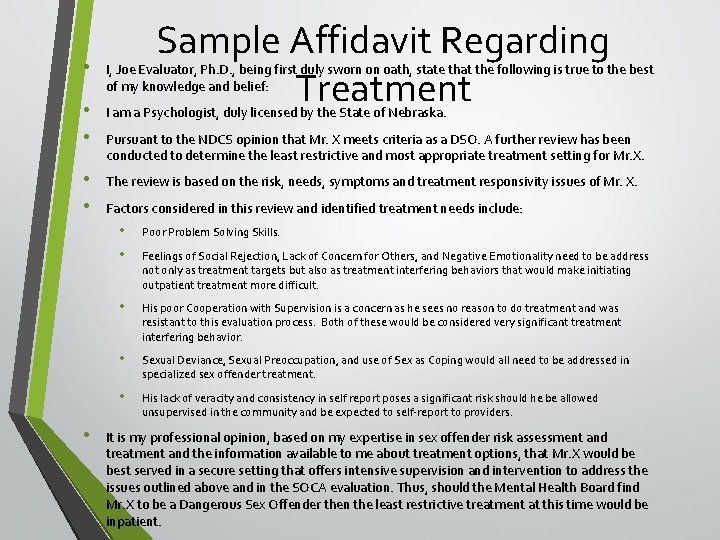
Sample Affidavit Regarding Treatment • I, Joe Evaluator, Ph. D. , being first duly sworn on oath, state that the following is true to the best of my knowledge and belief: • • I am a Psychologist, duly licensed by the State of Nebraska. • • The review is based on the risk, needs, symptoms and treatment responsivity issues of Mr. X. • Pursuant to the NDCS opinion that Mr. X meets criteria as a DSO. A further review has been conducted to determine the least restrictive and most appropriate treatment setting for Mr. X. Factors considered in this review and identified treatment needs include: • • Poor Problem Solving Skills. • His poor Cooperation with Supervision is a concern as he sees no reason to do treatment and was resistant to this evaluation process. Both of these would be considered very significant treatment interfering behavior. • Sexual Deviance, Sexual Preoccupation, and use of Sex as Coping would all need to be addressed in specialized sex offender treatment. • His lack of veracity and consistency in self report poses a significant risk should he be allowed unsupervised in the community and be expected to self-report to providers. Feelings of Social Rejection, Lack of Concern for Others, and Negative Emotionality need to be address not only as treatment targets but also as treatment interfering behaviors that would make initiating outpatient treatment more difficult. It is my professional opinion, based on my expertise in sex offender risk assessment and treatment and the information available to me about treatment options, that Mr. X would be best served in a secure setting that offers intensive supervision and intervention to address the issues outlined above and in the SOCA evaluation. Thus, should the Mental Health Board find Mr. X to be a Dangerous Sex Offender then the least restrictive treatment at this time would be inpatient.
Contact Information Mark Weilage, Ph. D • Nebraska Department Of Correctional Services • • • Mental Health Department Phone: 402 -479 -3012 Email: mark. weilage@nebraska. gov
Nebraska County Attorneys Association 2013 Spring Conference

Gun Permit Appeals – How to Handle Denied Gun Permits
Panelists: Patrick Condon, Chief Deputy Lancaster County Attorney Sarah Milsap, Nebraska State Patrol Glenn Elwell, Lancaster County Sherriff’s Office
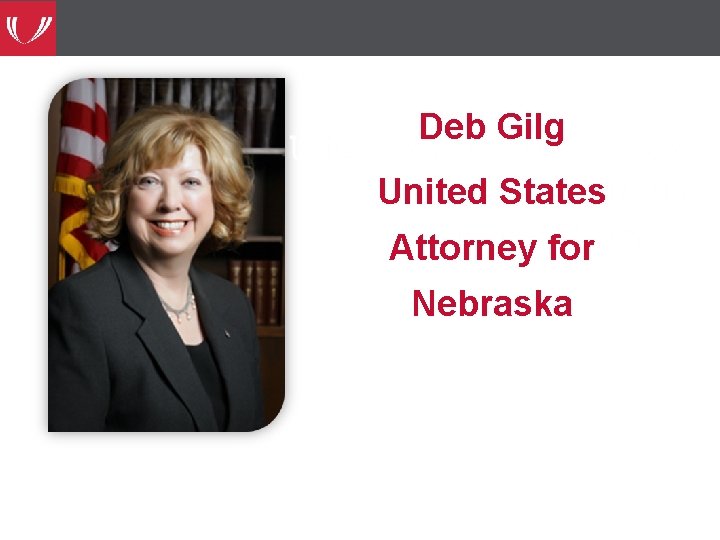
Deb Gilg United States Attorney for Nebraska
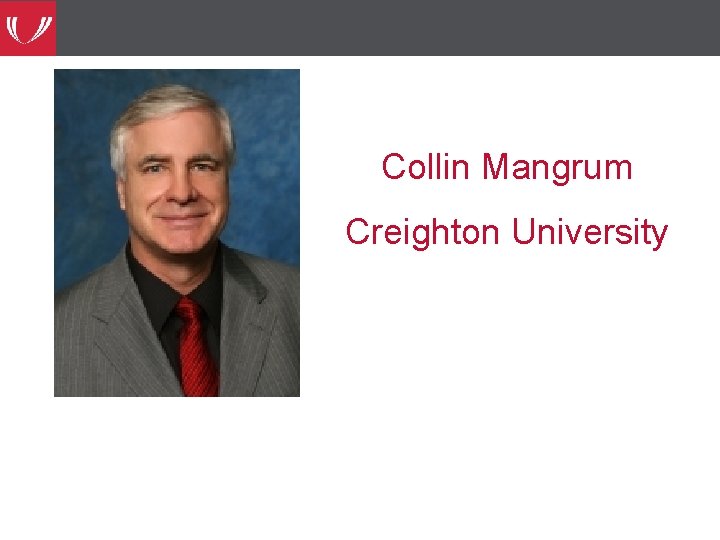
Collin Mangrum Creighton University
Nebraska County Attorneys Association 2013 Spring Conference Record your cle hours!
- Slides: 61