
NCEANAPSA Core Competencies Curriculum MODULE 17 ASSESSING ADULT



- Slides: 52
NCEA/NAPSA Core Competencies Curriculum MODULE # 17 ASSESSING ADULT PROTECTIVE SERVICES CLIENTS’ DECISION MAKING CAPACITY Slide 1
www. ncea. aoa. gov Address: National Center on Elder Abuse c/o Center for Community Research and Services University of Delaware 297 Graham Hall Newark, DE 19716 Phone: 302 -831 -3525 Fax: 302 -831 -4225 Email: NCEA-info@aoa. hhs. gov Web Site: www. ncea. aoa. gov Slide 2
This training is a product of the National Center on Elder Abuse (NCEA), which is funded in part by the U. S. Administration on Aging under Grant # 90 -AM -2792. The project was developed by the National Adult Protective Services Association (NAPSA), and its contractor, the REFT Institute, Inc. Grantees undertaking projects under government sponsorship are encouraged to express freely their findings and conclusions. Therefore, points of view or opinions do not necessarily represent official Administration on Aging policy. NAPSA 2006 Slide 3
NATIONAL ADULT PROTECTIVE SERVICES ASSOCIATION NAPSA is the only national organization which represents APS professionals, programs and clients NAPSA is the National Voice of APS NAPSA is a partner in the National Center on Elder Abuse NAPSA has members in 49 states and DC Slide 4
APS CORE COMPETENCIES There are twenty-three modules in the Adult Protective Services (APS) Core Competencies identified by NAPSA. This module is #17 Assessing APS Clients’ Decision-Making Capacity. Slide 5
TRAINING GOAL To assist Adult Protective Services professionals in identifying the factors that affect clients’ decisional capacity and to know when and how to seek a professional evaluation Slide 6
LEARNING OBJECTIVES Define autonomy, capacity, and incapacity. List four potential consequences on the adult of a declaration of incapacity. Describe five factors that may influence client capacity. Identify five types of decisions that require adult capacity. Describe four components of capacity assessment. Slide 7
LEARNING OBJECTIVES Identify the uses, potential strengths and limitations of assessment tools. Identify key questions and approaches used to assess client capacity. Describe key considerations in assessing the capacity of special populations. Present one “next step” in the planning process based on a capacity assessment case study. Slide 8
KEY TERMS OF CAPACITY ASSESSMENT Slide 9
WHAT IS AUTONOMY? ‣ Autonomy is the highest principle in legal, psychological and medical issues. ‣ “Autonomy” means the right to make one’s own decisions. Source: Kemp 2005 Slide 10
WHAT IS DECISIONAL CAPACITY? Decisional capacity is the ability to adequately process information in order to make a decision based on that information. Source: Kemp 2005 Slide 11
CAPACITY MAY VARY: ‣ As a result of physical or mental stress. ‣ According to the complexity of the decision. ‣ From day to day. ‣ From morning to evening. Source: Kemp 2005 Slide 12
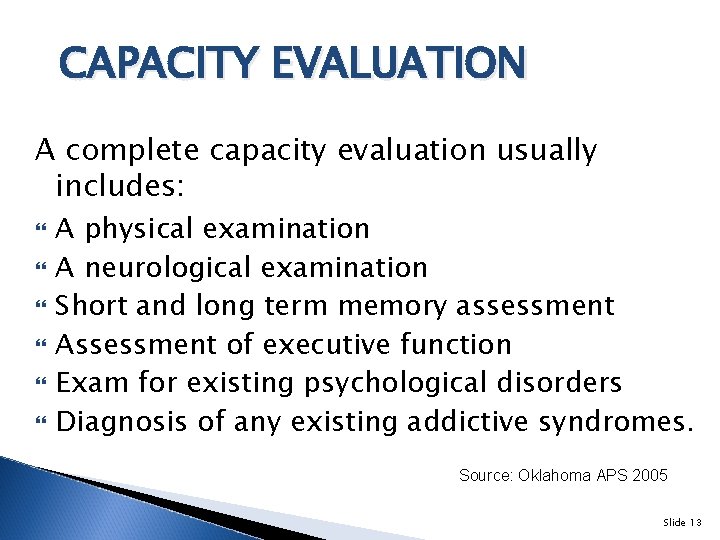
CAPACITY EVALUATION A complete capacity evaluation usually includes: A physical examination A neurological examination Short and long term memory assessment Assessment of executive function Exam for existing psychological disorders Diagnosis of any existing addictive syndromes. Source: Oklahoma APS 2005 Slide 13
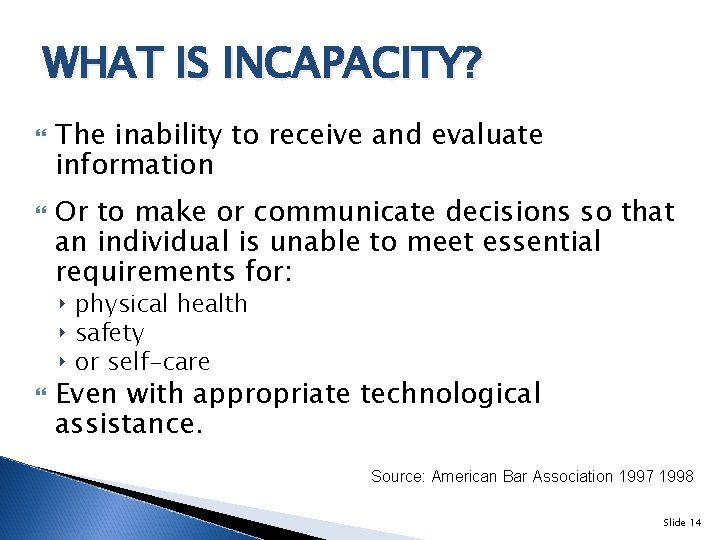
WHAT IS INCAPACITY? The inability to receive and evaluate information Or to make or communicate decisions so that an individual is unable to meet essential requirements for: ‣ physical health ‣ safety ‣ or self-care Even with appropriate technological assistance. Source: American Bar Association 1997 1998 Slide 14
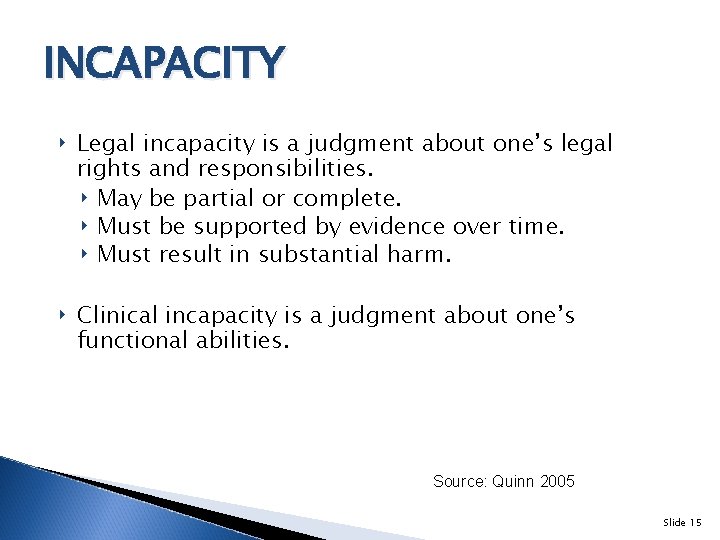
INCAPACITY ‣ Legal incapacity is a judgment about one’s legal rights and responsibilities. ‣ May be partial or complete. ‣ Must be supported by evidence over time. ‣ Must result in substantial harm. ‣ Clinical incapacity is a judgment about one’s functional abilities. Source: Quinn 2005 Slide 15
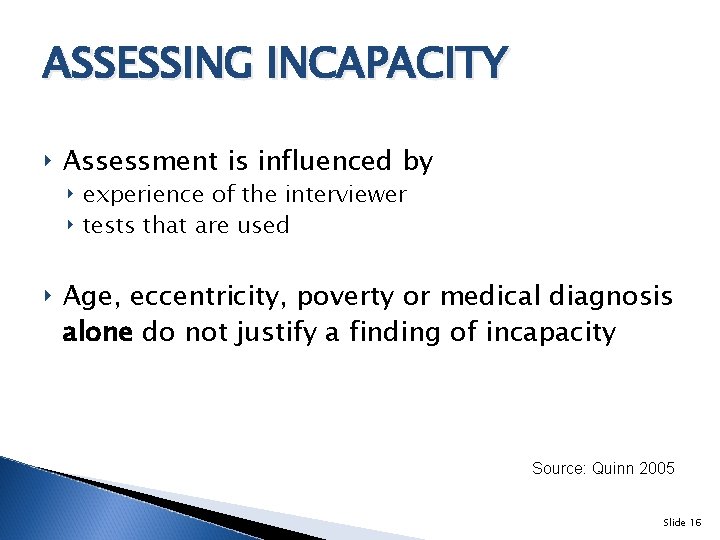
ASSESSING INCAPACITY ‣ Assessment is influenced by ‣ experience of the interviewer ‣ tests that are used ‣ Age, eccentricity, poverty or medical diagnosis alone do not justify a finding of incapacity Source: Quinn 2005 Slide 16
ASSESSING INCAPACITY ‣ Decisional capacity can only be measured at a given point in time ‣ It is influenced by medical conditions such as: ‣ medication and medication interactions ‣ sensory deficits ‣ substance abuse ‣ mental illness Source: Quinn 2005 Slide 17
ASSESSING INCAPACITY ‣ It is influenced by situational factors such as: ‣ substance abuse, ‣ depression, ‣ social setting, ‣ nutrition. Source: Quinn 2005 Slide 18
IMPLICATIONS OF A JUDGMENT OF INCAPACITY ‣ Client may lose the right to: ‣ make decisions about medical treatment and personal care ‣ marry ‣ enter into contracts ‣ testify in court ‣ participate in research ‣ choose where to live Slide 19
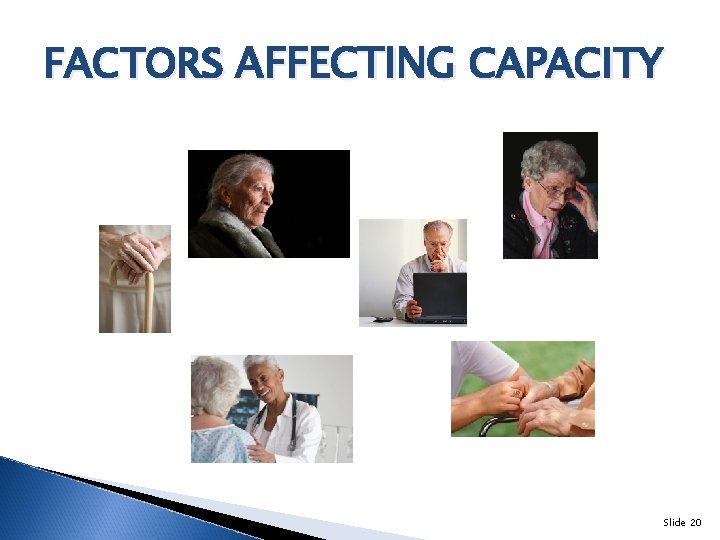
FACTORS AFFECTING CAPACITY Slide 20
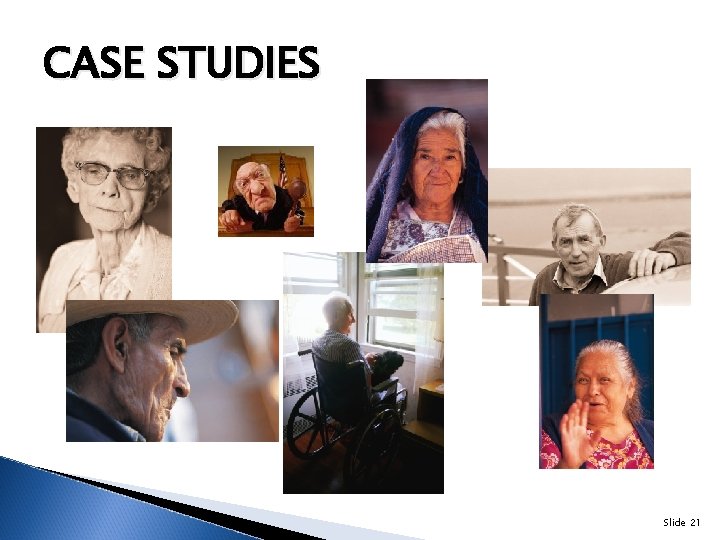
CASE STUDIES Slide 21
ACTIVE LEARNING #1 Small Group Discussion ‣ Group members are divided into small groups. Each group will be provided with one case example. ‣ The task of group members is to find out as much information about their case as they can by questioning the group leader. Slide 22
ASSESSING DECISIONAL CAPACITY Slide 23
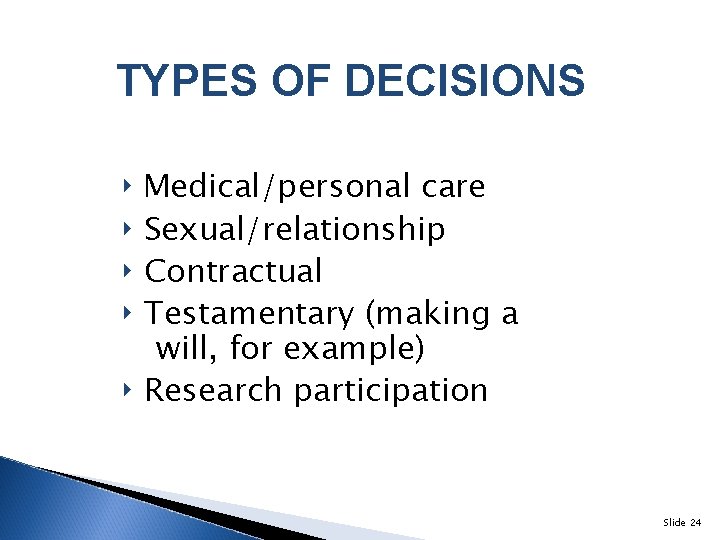
TYPES OF DECISIONS ‣ Medical/personal care ‣ Sexual/relationship ‣ Contractual ‣ Testamentary (making a ‣ will, for example) Research participation Slide 24
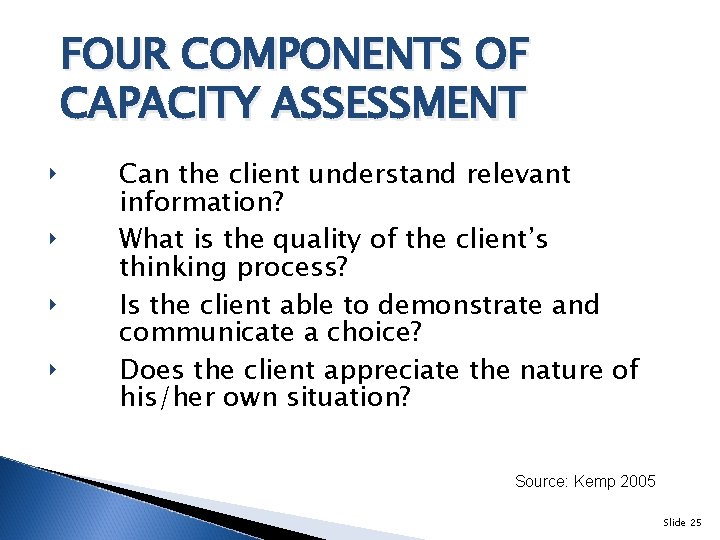
FOUR COMPONENTS OF CAPACITY ASSESSMENT ‣ ‣ Can the client understand relevant information? What is the quality of the client’s thinking process? Is the client able to demonstrate and communicate a choice? Does the client appreciate the nature of his/her own situation? Source: Kemp 2005 Slide 25
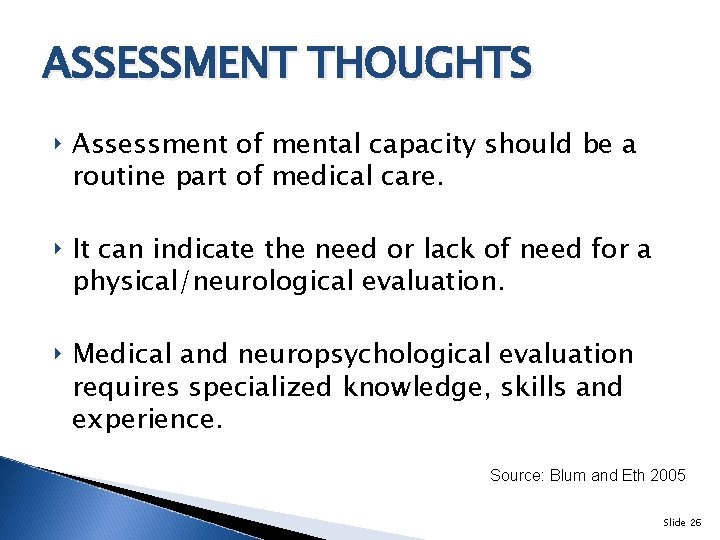
ASSESSMENT THOUGHTS ‣ Assessment of mental capacity should be a routine part of medical care. ‣ It can indicate the need or lack of need for a physical/neurological evaluation. ‣ Medical and neuropsychological evaluation requires specialized knowledge, skills and experience. Source: Blum and Eth 2005 Slide 26
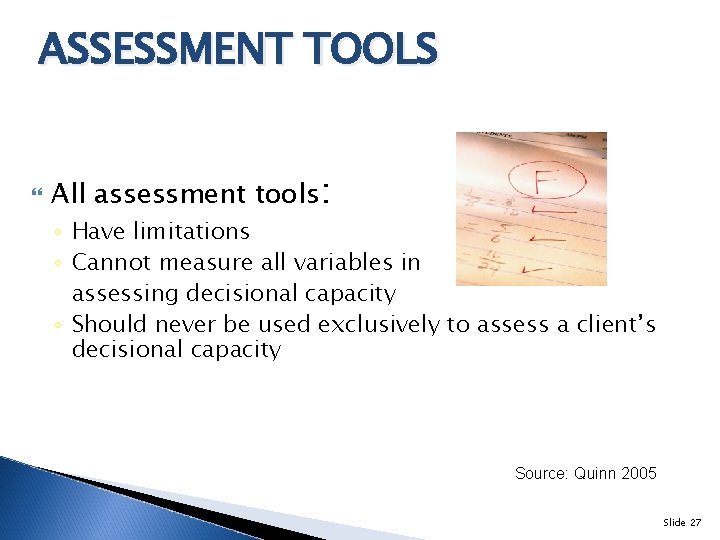
ASSESSMENT TOOLS All assessment tools: ◦ Have limitations ◦ Cannot measure all variables in assessing decisional capacity ◦ Should never be used exclusively to assess a client’s decisional capacity Source: Quinn 2005 Slide 27
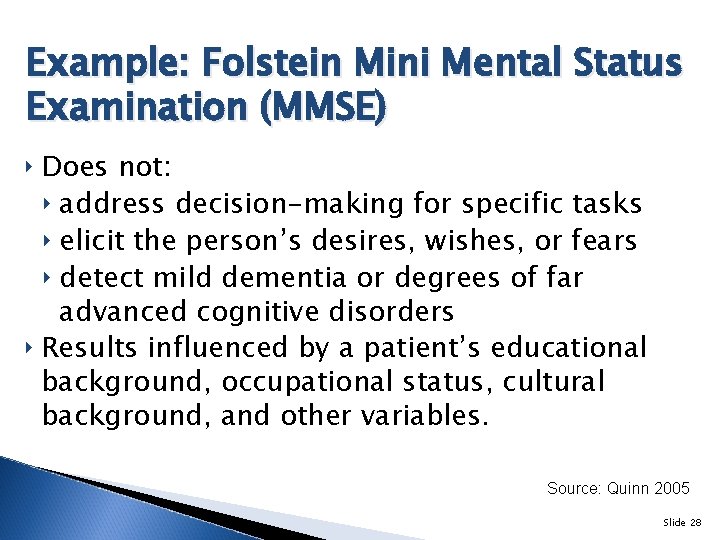
Example: Folstein Mini Mental Status Examination (MMSE) ‣ Does not: ‣ address decision-making for specific tasks ‣ elicit the person’s desires, wishes, or fears ‣ detect mild dementia or degrees of far advanced cognitive disorders ‣ Results influenced by a patient’s educational background, occupational status, cultural background, and other variables. Source: Quinn 2005 Slide 28
Example: CLOCK DRAWING TEST ‣ Tests frontal lobe functioning. ‣ Provides information about executive functioning (the ability to think abstractly, plan, judge situations, etc. Executive functioning affects many areas of life) ‣ Of 49% of APS clients who passed the MMSE, 55% failed CLOX 1 Source: Royal and Polk 1998 Slide 29
Example: PARADISE-2 Questions on 16 behaviors and cognitive functions May be used by non-medical professionals Questions correspond to brain functions. Interpretation is subjective. Source: Blum 2006 Slide 30
CLINICAL PROFESSIONALS QUALIFIED TO EVALUATE CAPACITY Geriatricians, geriatric psychiatrists Neurologists Neuropsychologists Nurses Occupational therapists Physicians Psychiatrists Psychologists Licensed social workers Source: American Bar Association & America Psychological Association 2005 Slide 31
INTERVIEWING FOR DECISIONAL CAPACITY Slide 32
FRAMING THE QUESTIONS Slide 33
BEFORE YOU ASK ‣ Remember that you will be assessing the client’s ability to: ‣ Understand follow instructions; ‣ Understand risks and benefits; ‣ Make and execute a plan. Slide 34
SETTING THE SCENE FOR THE INTERVIEW Location Timing Client comfort Source: Quinn 2005 Slide 35
DO NOT: ‣ Make assumptions. ‣ Ask questions that lead to a “yes” or “no” answer. ‣ Ask complicated questions. ‣ Put words in the client’s mouth. Slide 36
DO: ‣ Take your time. ‣ Speak slowly and clearly. ‣ Ask open-ended questions. ‣ Ask the client to clarify statements that are unclear or ambiguous. Slide 37
ASK QUESTIONS THAT FOCUS ON: ‣ The client’s understanding of relevant information. ‣ The quality of the client’s thinking process. ‣ The client’s ability to demonstrate and communicate a choice. ‣ The client’s understanding of his/her own situation. Slide 38
CROSS CULTURAL INTERVIEWING Slide 39
CULTURAL AWARENESS Openness to learning about other persons’ beliefs, attitudes, values and customs. Awareness of cultures of physically and mentally challenged persons, of persons from other ethnic groups, and countries. Source: Lodwick 2007 Slide 40
CULTURALLY SKILLED INTERVIEWING Builds rapport. Helps to get valid information. Establishes a context for accurate analysis. Source: Texas Department of Family and Protective Services 2004 Slide 41
CROSS-CULTURAL Interviewing Skills ‣ Learn as much as you can beforehand about cultural beliefs that affect: ‣ Values ‣ Attitudes ‣ Customs ‣ Faith/religious beliefs ‣ Family structure ‣ Marriage ‣ Roles Source: Texas Department of Family and Protective Services 2004 Slide 42
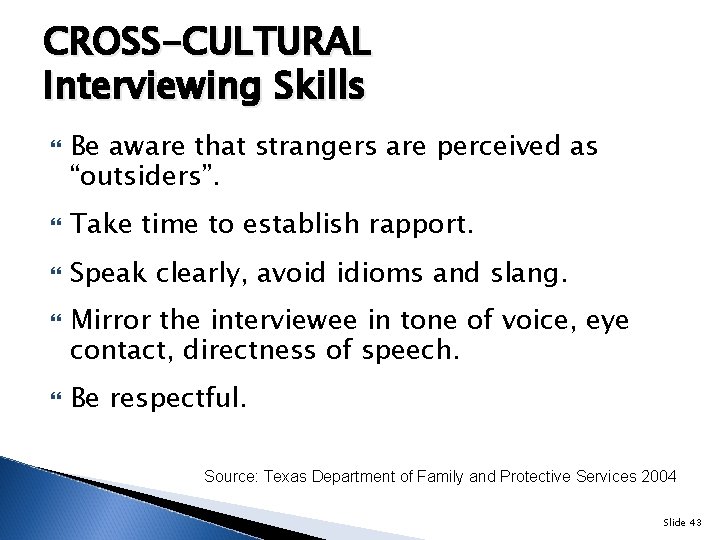
CROSS-CULTURAL Interviewing Skills Be aware that strangers are perceived as “outsiders”. Take time to establish rapport. Speak clearly, avoid idioms and slang. Mirror the interviewee in tone of voice, eye contact, directness of speech. Be respectful. Source: Texas Department of Family and Protective Services 2004 Slide 43
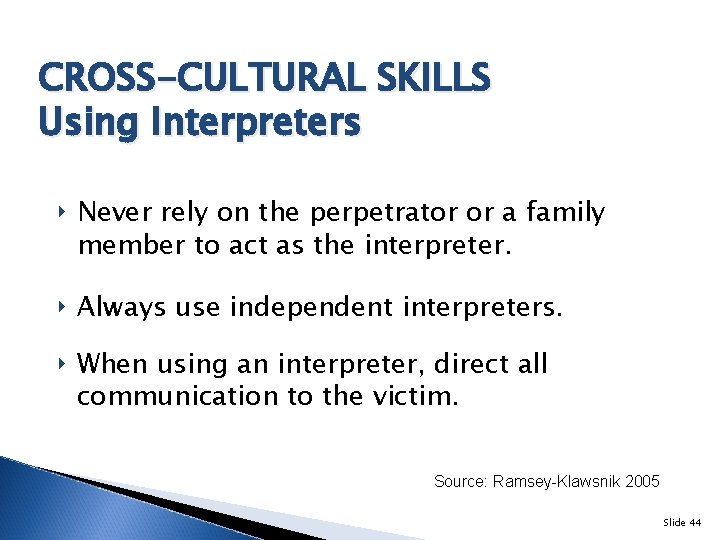
CROSS-CULTURAL SKILLS Using Interpreters ‣ Never rely on the perpetrator or a family member to act as the interpreter. ‣ Always use independent interpreters. ‣ When using an interpreter, direct all communication to the victim. Source: Ramsey-Klawsnik 2005 Slide 44
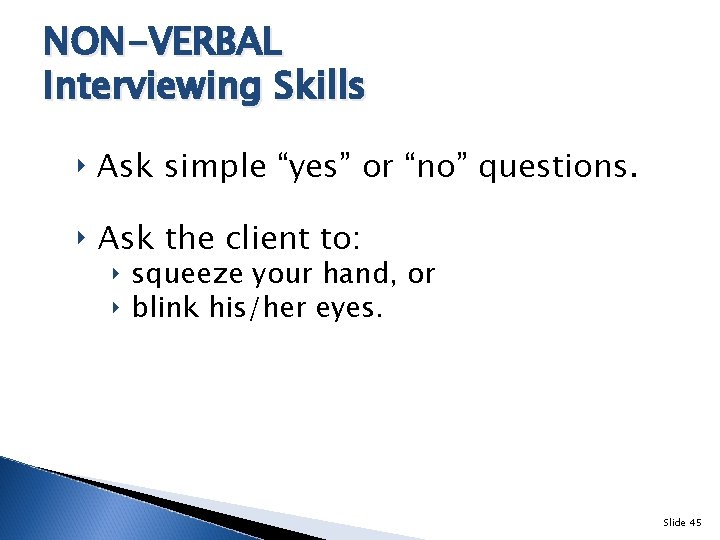
NON-VERBAL Interviewing Skills ‣ Ask simple “yes” or “no” questions. ‣ Ask the client to: ‣ squeeze your hand, or ‣ blink his/her eyes. Slide 45
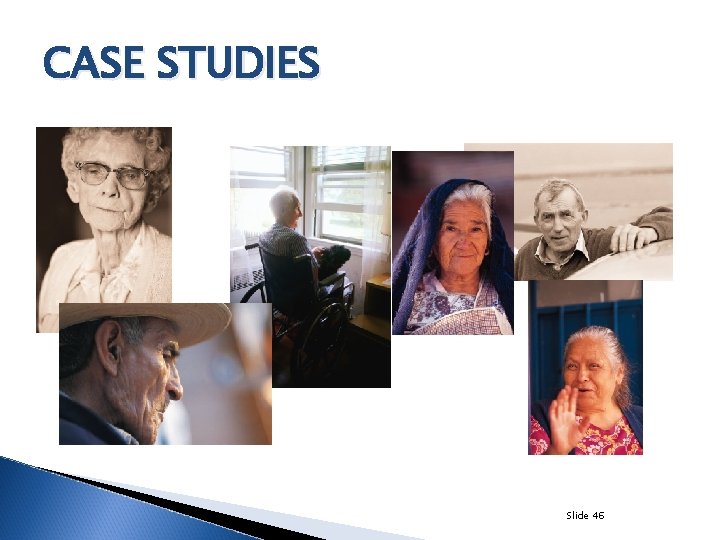
CASE STUDIES Slide 46
ACTIVE LEARNING #2 Small Group Discussion ‣Using the previous case examples, small groups will develop appropriate questions to evaluate the clients’ decisional capacity Slide 47
ASSISTED CAPACITY Interviewing Skills ‣ When a client appears to lack full decisional capacity, it may be possible to assist his/her decision-making by: ‣ Treating medical problems ‣ Providing information ‣ Manipulating the environment ‣ Providing encouragement and support Source: Kapp 1990 Slide 48
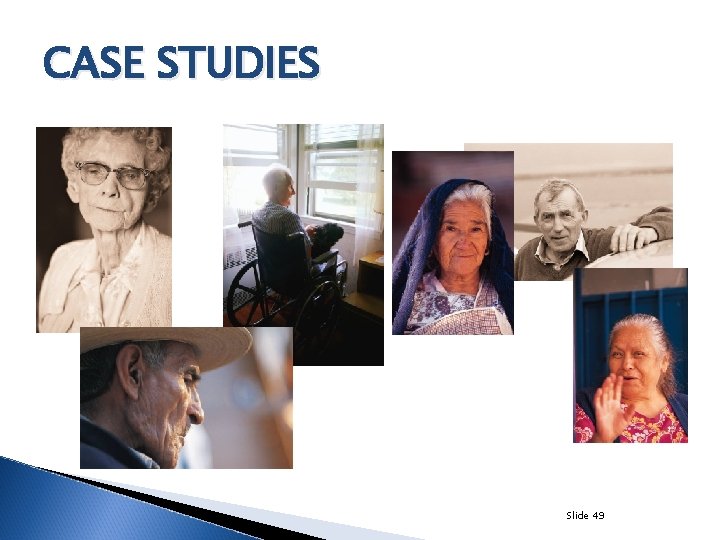
CASE STUDIES Slide 49
ACTIVE LEARNING #3 Small Group Discussion then Large Group ‣Using the previous cases examples, the small groups will develop a next step for each case, based on the client capacity assessments. ‣These next steps will be presented to the large group for discussion. Slide 50
REFLECTIONS Slide 51
THANK YOU FOR YOUR ATTENTION! NCEA www. ncea. aoa. gov NAPSA www. apsnetwork. org Slide 52