
Navigating the Fourth Industrial Revolution Building skills for

Navigating the Fourth Industrial Revolution Building skills for an evolving economy
2 2 N o v e m b e r 2 0 Presenters • Panetha Ott, Brown University • Preeti Rajendran, UWC Mahindra College • Marie Vivas, International Baccalaureate Organization • Elizabeth Zeller, Leiden University College
3 Committed to Improving the State of the World

4 1 1 / 2 2 / 2 0 Center for the Fourth Industrial Revolution Video: https: //youtu. be/Cw. BSWOqa. M 40 “The Fourth Industrial Revolution, which includes developments in previously disjointed fields such as artificial intelligence and machinelearning, robotics, nanotechnology, 3 -D printing, and genetics and biotechnology, will cause widespread disruption not only to business models but also to labour markets over the next five years, with enormous change predicted in the skill sets needed to thrive in the new landscape. ”


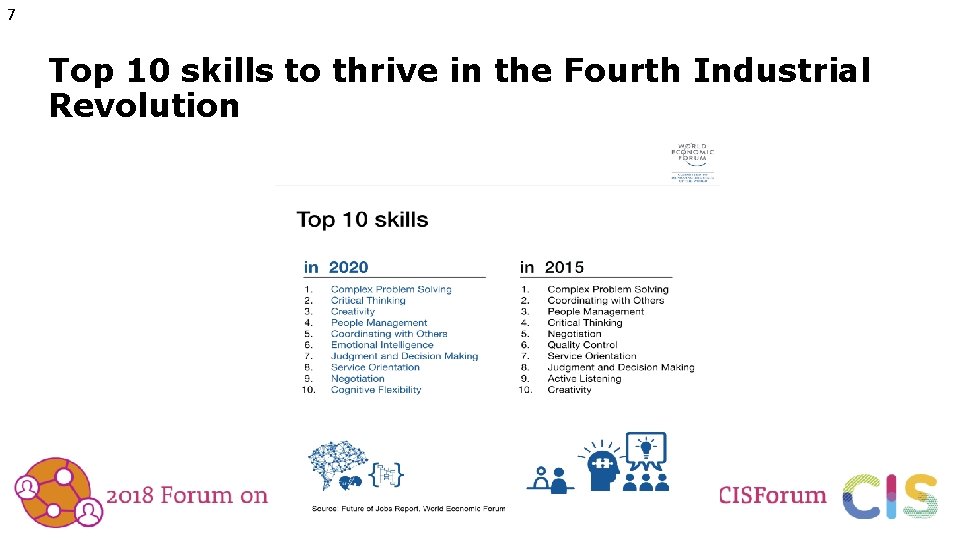
7 Top 10 skills to thrive in the Fourth Industrial Revolution
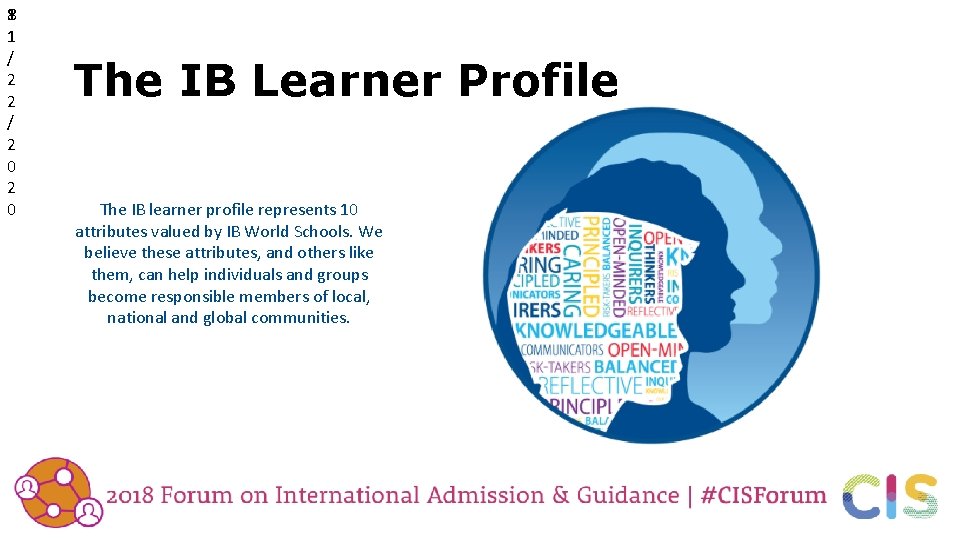
8 1 1 / 2 2 / 2 0 The IB Learner Profile The IB learner profile represents 10 attributes valued by IB World Schools. We believe these attributes, and others like them, can help individuals and groups become responsible members of local, national and global communities.
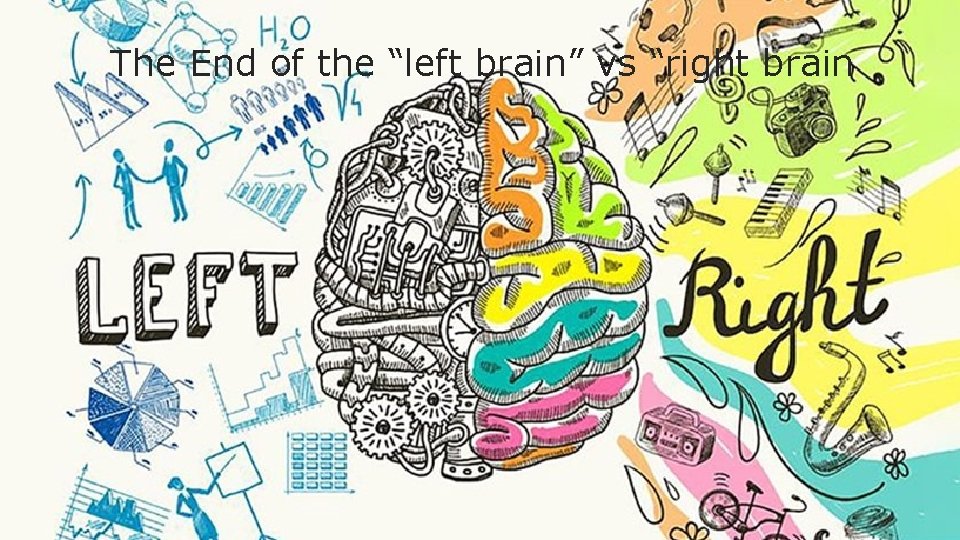
The End of the “left brain” vs “right brain 9
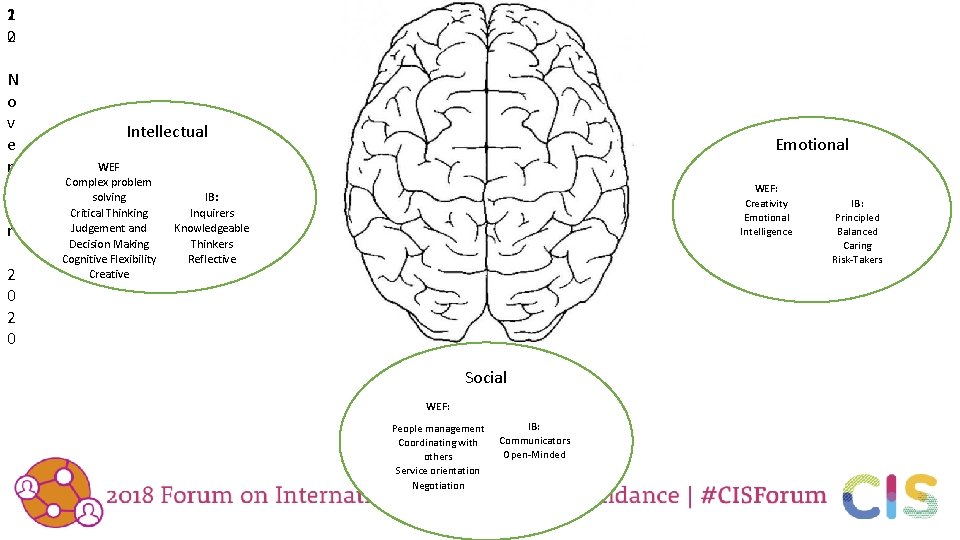
1 2 2 0 N o v e m b e r 2 0 Intellectual WEF Complex problem solving Critical Thinking Judgement and Decision Making Cognitive Flexibility Creative Emotional WEF: Creativity Emotional Intelligence IB: Inquirers Knowledgeable Thinkers Reflective Social WEF: People management Coordinating with others Service orientation Negotiation IB: Communicators Open-Minded IB: Principled Balanced Caring Risk-Takers
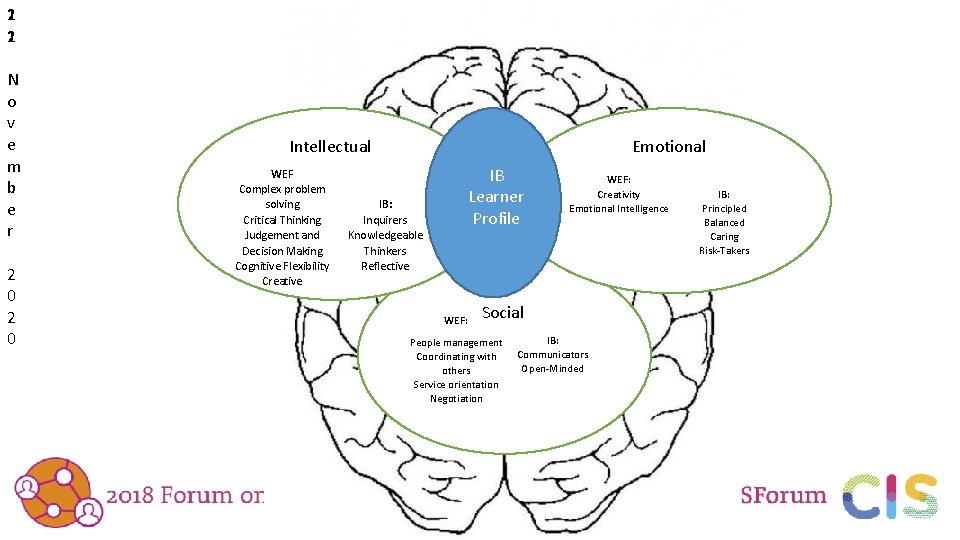
1 2 2 1 N o v e m b e r 2 0 Intellectual WEF Complex problem solving Critical Thinking Judgement and Decision Making Cognitive Flexibility Creative Emotional IB Learner Profile IB: Inquirers Knowledgeable Thinkers Reflective WEF: Creativity Emotional Intelligence Social People management Coordinating with others Service orientation Negotiation IB: Communicators Open-Minded IB: Principled Balanced Caring Risk-Takers
Director of Admission, International Recruitment Brown University Panetha Nychis Ott
22 November 2020 13
1 2 2 4 N o v e m b e r 2 0

1 2 2 5 N o v e m b e r 2 0
1 2 2 6 N o v e m b e r 2 0
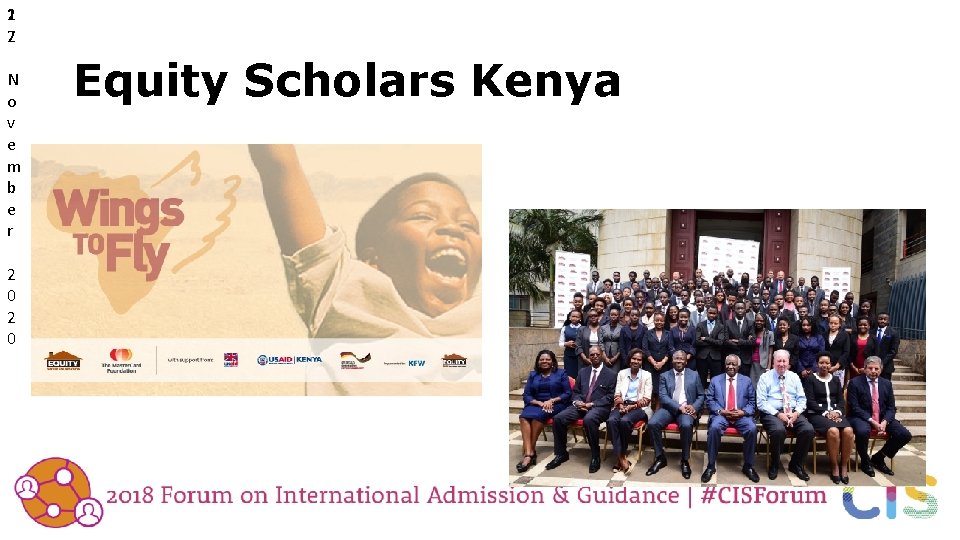
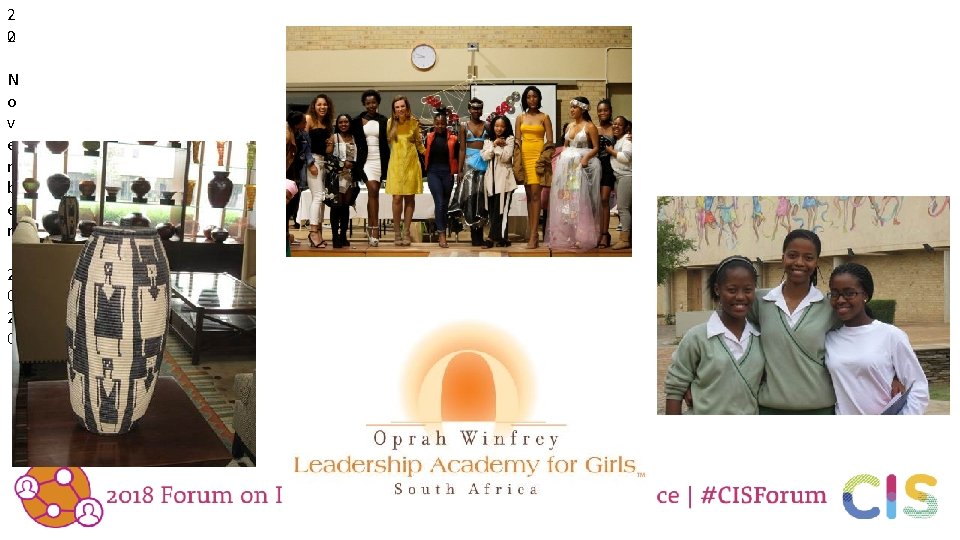
1 2 2 7 N o v e m b e r 2 0 Equity Scholars Kenya

1 2 2 8 N o v e m b e r 2 0

1 2 2 9 N o v e m b e r 2 0
2 2 0 N o v e m b e r 2 0
University Guidance Counselor UWC Mahindra College Preeti Rajendran
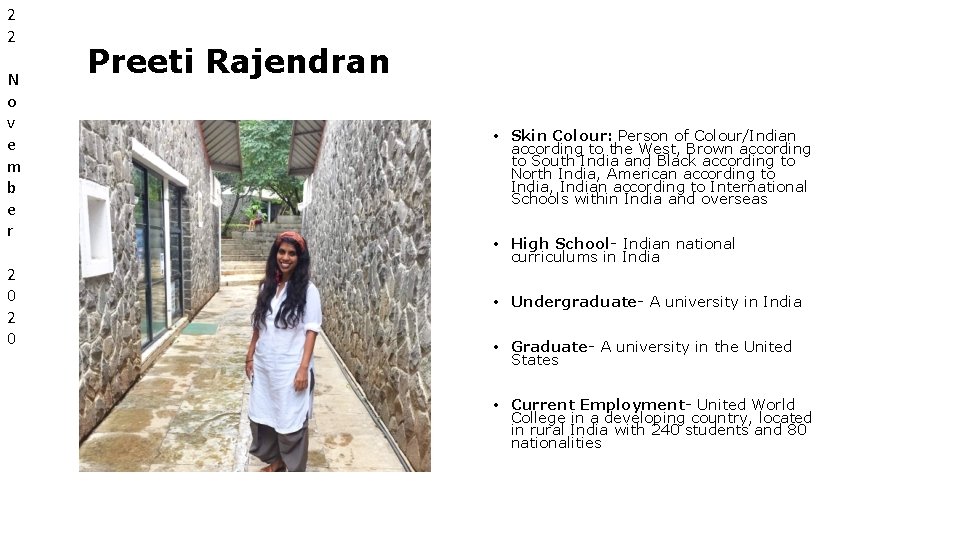
2 2 N o v e m b e r 2 0 Preeti Rajendran • Skin Colour: Person of Colour/Indian according to the West, Brown according to South India and Black according to North India, American according to India, Indian according to International Schools within India and overseas • High School- Indian national curriculums in India • Undergraduate- A university in India • Graduate- A university in the United States • Current Employment- United World College in a developing country, located in rural India with 240 students and 80 nationalities
2 2 3 N o v e m b e r 2 0 Developing Countries-An Indian Perspective • History from Industrial beginnings to the start of the fourth industrial revolution…examples of India • In 1843, the British colonizers sent an engineer to explore where to build railways for transporting cotton from the fields to their rapidly automated textile industry. It created the world’s largest railway network, but in the process killed India’s thriving domestic textile industry. • In the 1920 s, India’s first steel mill was established, the largest in the British Empire. It made inroads in the European market after liberalization of economic policies in 1991, only to suffer from subsidized Chinese steel production and exports. • More recently, India became the largest exporter of software but now faces threat of decline with increased use of algorithms in back offices of importing countries, ranging from call centers to the banking sector, not to mention more restricted immigration policies in the U. S. Can India’s IT industry power be turned inwards to benefit millions of rural households?
2 2 4 N o v e m b e r 2 0 What role does the West through higher education in developing economies play in the race towards the fourth industrial revolution? • Does it create a larger divide or a place at the table with developed Western countries? • International schools in developing countries cater in large to an elite- English speaking and financially able section of society does this mirror Western European Higher Education and US Higher Education? • Can parallels be drawn with who defines the fourth industrial revolution with who defines standards of education globally?
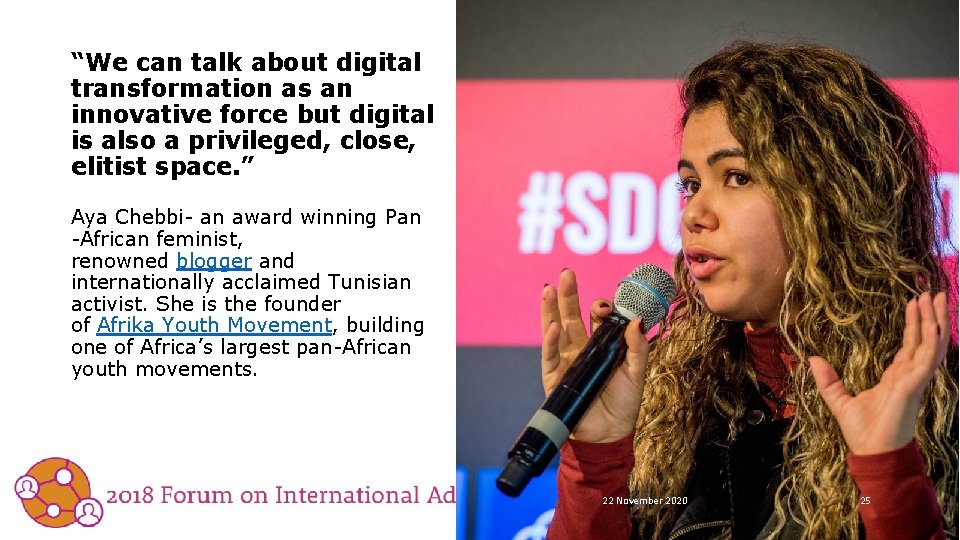
“We can talk about digital transformation as an innovative force but digital is also a privileged, close, elitist space. ” Aya Chebbi- an award winning Pan -African feminist, renowned blogger and internationally acclaimed Tunisian activist. She is the founder of Afrika Youth Movement, building one of Africa’s largest pan-African youth movements. 22 November 2020 25
Senior Recruitment and Communications Officer Leiden University College Elizabeth Zeller
2 2 7 N o v e m b e r 2 0 Latin America – general trends • Education is not interdisciplinary, very few universities use this approach. This creates a gap in the skills needed for the Industrial Revolution • Example of an innovation in interdisciplinary teaching: Ikiam University –the university of the amazon: connecting subjects agriculture production with commerce and creating areas such as Biocommerce – preparing innovators as well as field experts
2 2 8 N o v e m b e r 2 0 Latin America – general trends • STEM programmes are under-represented by students, and those that are interested are usually not prepared enough • Example of solutions: Ecuador is creating a general education foundation year where all STEM subjects such as math and natural sciences are introduced. This can be a year or a semester to “level ”off students and provide prepared students for university level
2 2 9 N o v e m b e r 2 0 Latin America – general trends • Traditional preparation for careers in Technology and Engineering is changing to also create innovators and researchers, not only academics that are generalists or experts in their fields. This is to create more innovation within the industry. However the industry in the region at the same time is not one of innovation but of production. Education needs to introduce innovation more in curriculum. • Latin America needs an educational revolution in order to cater the 4 th industrial revolution and the skills students need for this.
3 2 2 0 N o v e m b e r 2 0 Trends in universities in The Netherlands • Introduction of interdisciplinary curriculums including Liberal Arts and Sciences catering the needs for skills required for Industrial Revolution 4. 0 • Henk Volberda, from the Erasmus University in Rotterdam, the Netherlands is a frontrunner in terms of implementing the new technologies that constitute the fourth industrial revolution. However, to be able to face the challenges this revolution brings, investment in higher education is essential. • Introduction of more STEAM programmes within universities
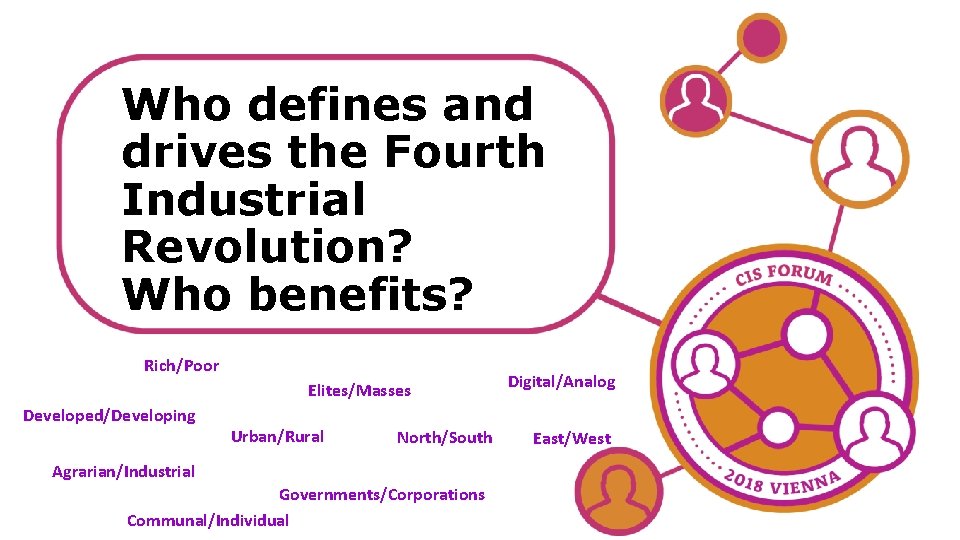
Who defines and drives the Fourth Industrial Revolution? Who benefits? Rich/Poor Elites/Masses Developed/Developing Urban/Rural North/South Agrarian/Industrial Governments/Corporations Communal/Individual Digital/Analog East/West
Discussion Divide into 3 groups to address some key questions around this topic and report back. 20 minutes. Group A- Preeti Group B- Panetha Group C- Elizabeth
3 2 2 3 N o v e m b e r 2 0 Reflections
Thank you! Questions? Panetha Ott, panetha_ott@brown. edu Preeti Rajendran, prajendran@muwci. net Marie Vivas, marie. vivas@ibo. org Elizabeth Zeller, e. a. zeller@luc. leidenuniv. nl
- Slides: 34