
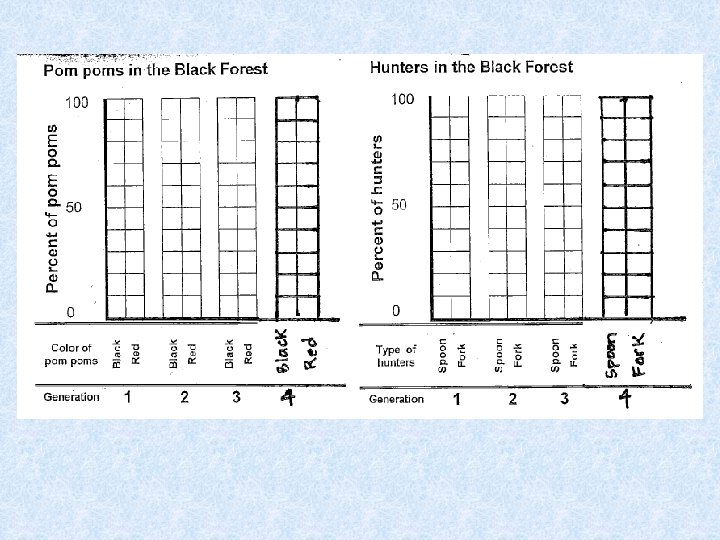
Natural Selection Lab Natural Selection Lab What is
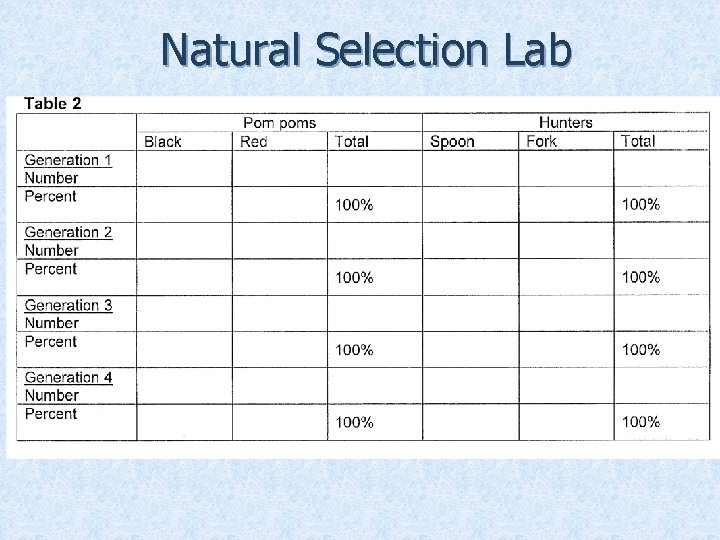
Natural Selection Lab

Natural Selection Lab
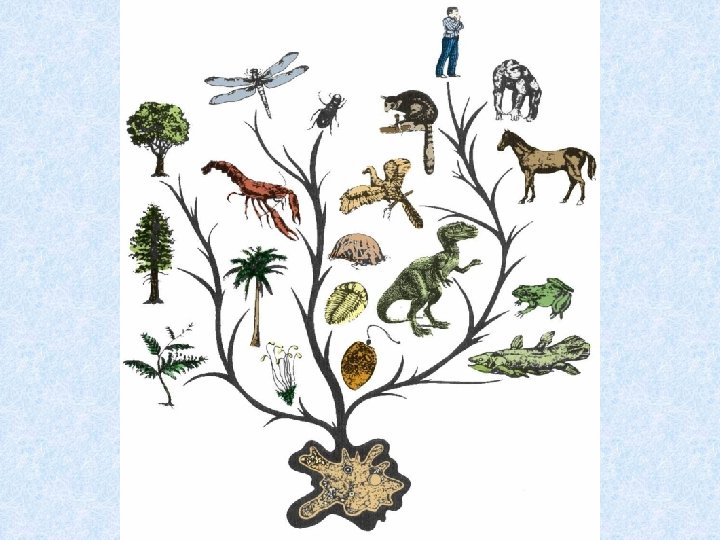
What is Evolution? n n n Change over time of individual organisms and/or populations The theory of evolution proposes that modern forms of life have descended from earlier forms of life and changed as they descended. What caused the “changes” or differences in traits? n Mutations and/or changes in gene expression (turning genes on or off) n Can we control this?
Why is the Theory of Evolution so Controversial? n n People have varying beliefs on the origin of life due to religion. Biological evolution does not study the origin of life. It only studies the changes in life forms since their origin.
What is Population Evolution? § § A population is a group of organisms that belong to the same species and can interbreed. Population evolution is the change in the frequency (percentage) of an allele (form of a gene) in a population. This is what interested Charles Darwin. § Five mechanisms drive population evolution: § § § Mutations Natural Selection Gene Flow Genetic Drift Non-Random Mating
Mechanisms that drive Population Evolution Natural Selection- A theory introduced by Charles Darwin n A process that increases or decreases the presence of a trait depending on the trait’s ability to keep the organism alive and reproducing (fitness). n A trait that helps keep an organisms alive and reproducing is an adaptation. n 3 conditions must be met for natural selection to occur: n Variation in characteristics (due to mutations and/or gene expression) n Differences in fitness n Heritability (can be passed down to offspring) of the characteristic
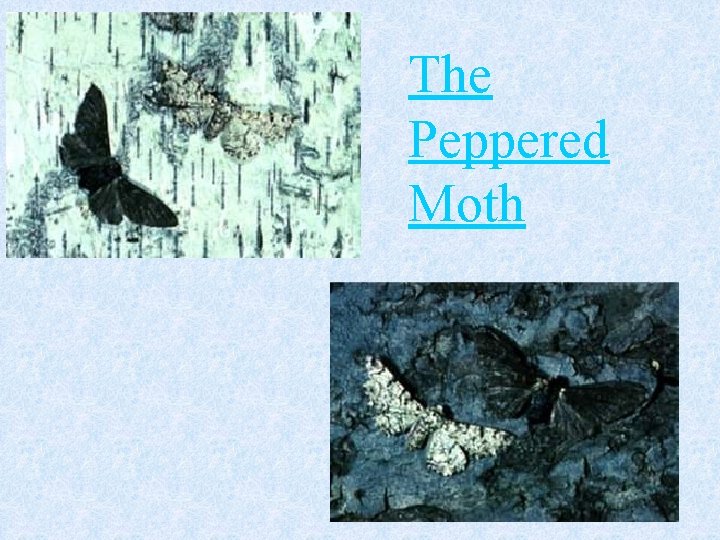
The Peppered Moth
Examples of Natural Selection Peppered and black moths= different abilities to camouflage depending on the environment n Male peacocks= varying brightness in their feathers n Giraffes= varying neck length n Humans= varying resistance to diseases n Bacteria= antibiotic resistance n
Population evolution cont… n Gene Flow= movement of alleles (genes) into or out of a population n n Immigration and/or emigration Genetic drift= changes in the alleles of a population due to random events and chance n Effects are the strongest in smaller populations n Two mechanisms cause genetic drift: bottleneck effect and the founder effect
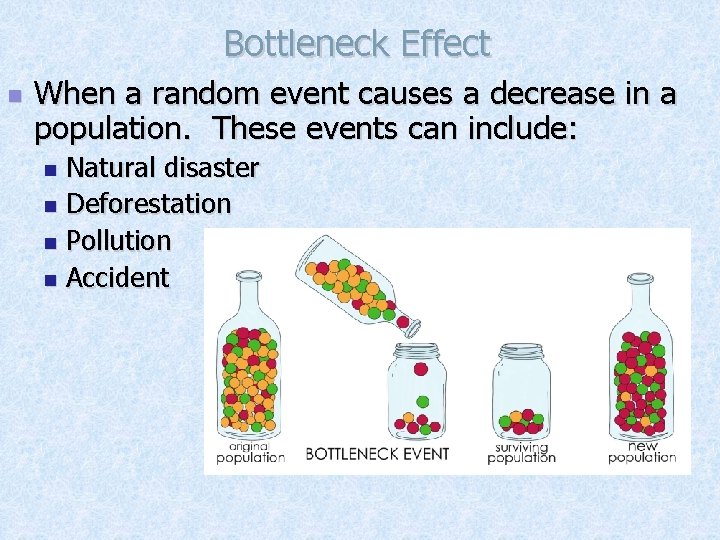
Bottleneck Effect n When a random event causes a decrease in a population. These events can include: Natural disaster n Deforestation n Pollution n Accident n
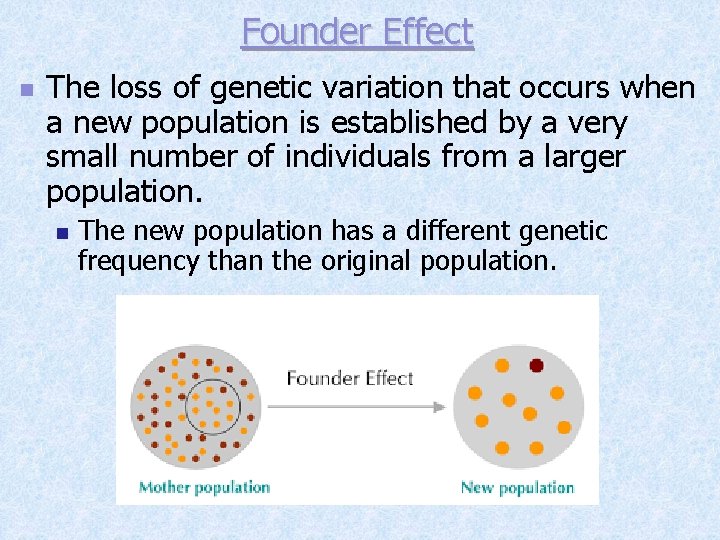
Founder Effect n The loss of genetic variation that occurs when a new population is established by a very small number of individuals from a larger population. n The new population has a different genetic frequency than the original population.
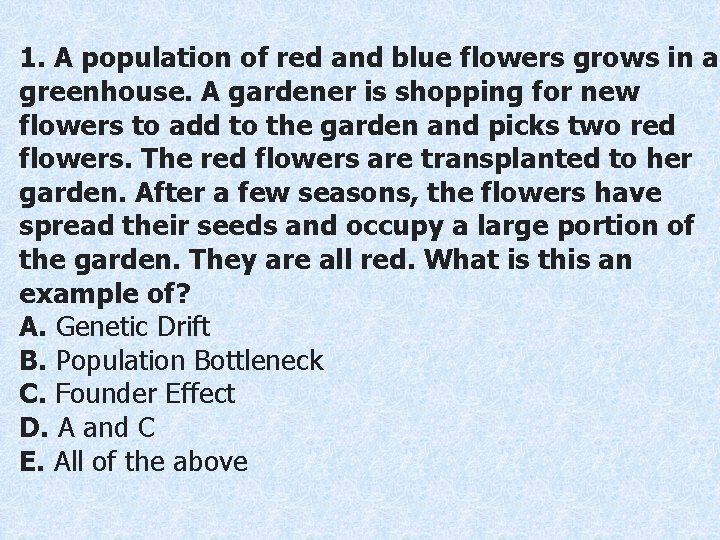
1. A population of red and blue flowers grows in a greenhouse. A gardener is shopping for new flowers to add to the garden and picks two red flowers. The red flowers are transplanted to her garden. After a few seasons, the flowers have spread their seeds and occupy a large portion of the garden. They are all red. What is this an example of? A. Genetic Drift B. Population Bottleneck C. Founder Effect D. A and C E. All of the above
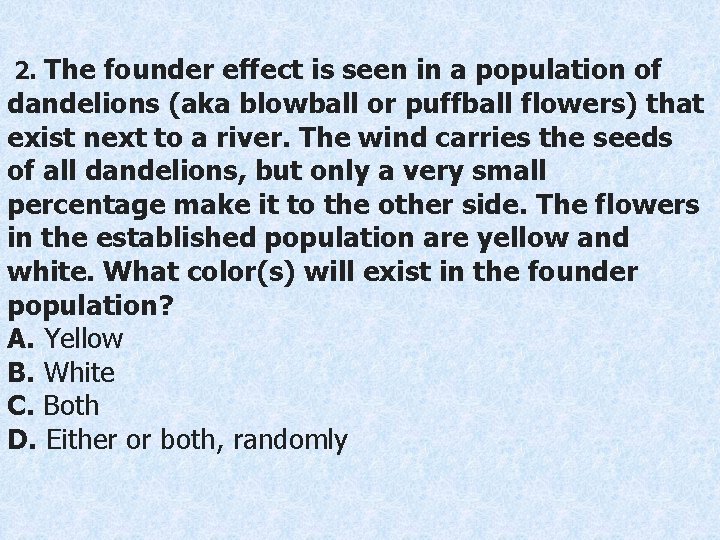
2. The founder effect is seen in a population of dandelions (aka blowball or puffball flowers) that exist next to a river. The wind carries the seeds of all dandelions, but only a very small percentage make it to the other side. The flowers in the established population are yellow and white. What color(s) will exist in the founder population? A. Yellow B. White C. Both D. Either or both, randomly
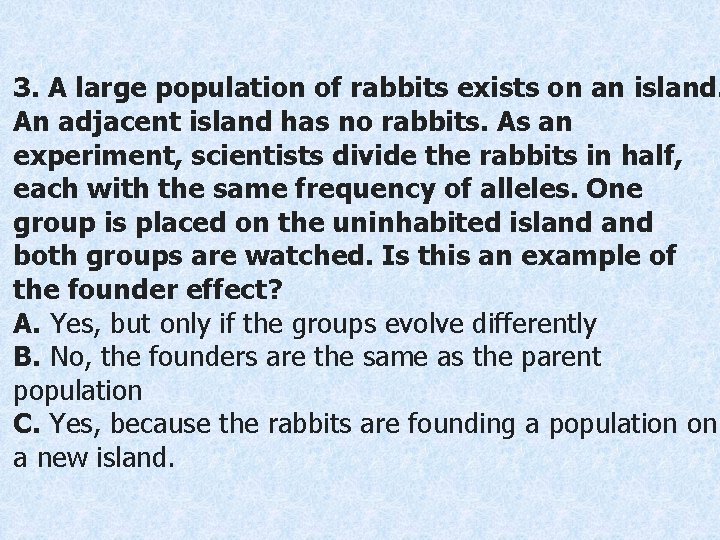
3. A large population of rabbits exists on an island. An adjacent island has no rabbits. As an experiment, scientists divide the rabbits in half, each with the same frequency of alleles. One group is placed on the uninhabited island both groups are watched. Is this an example of the founder effect? A. Yes, but only if the groups evolve differently B. No, the founders are the same as the parent population C. Yes, because the rabbits are founding a population on a new island.
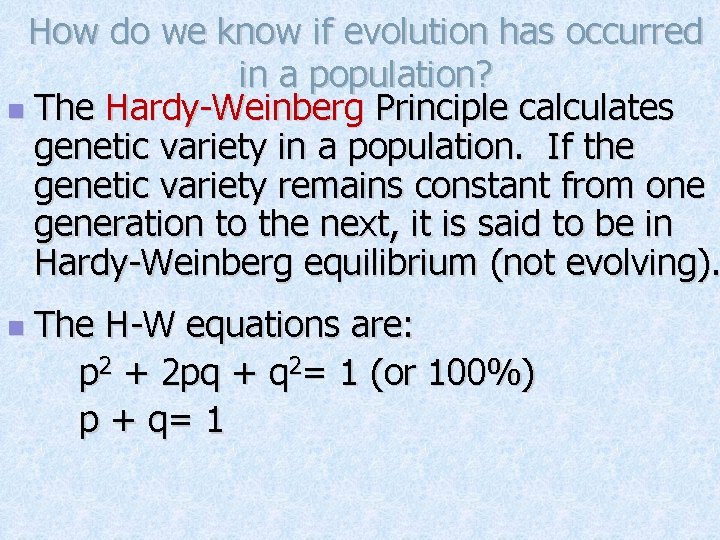
How do we know if evolution has occurred in a population? n The Hardy-Weinberg Principle calculates genetic variety in a population. If the genetic variety remains constant from one generation to the next, it is said to be in Hardy-Weinberg equilibrium (not evolving). n The H-W equations are: p 2 + 2 pq + q 2= 1 (or 100%) p + q= 1
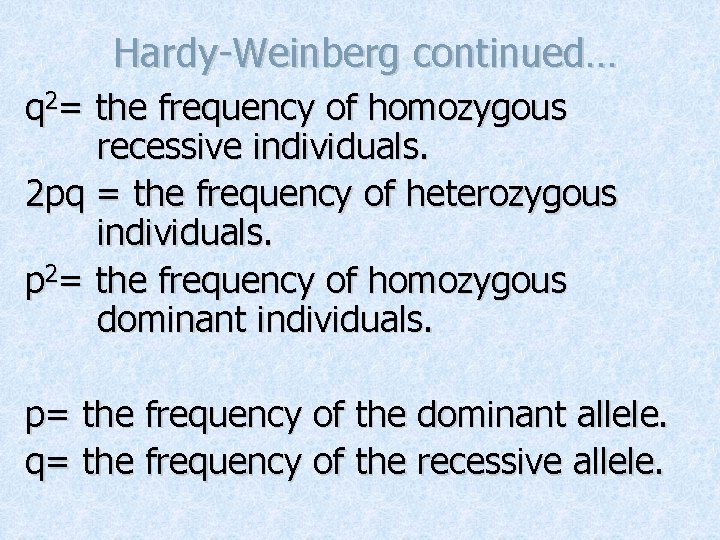
Hardy-Weinberg continued… q 2= the frequency of homozygous recessive individuals. 2 pq = the frequency of heterozygous individuals. p 2= the frequency of homozygous dominant individuals. p= the frequency of the dominant allele. q= the frequency of the recessive allele.
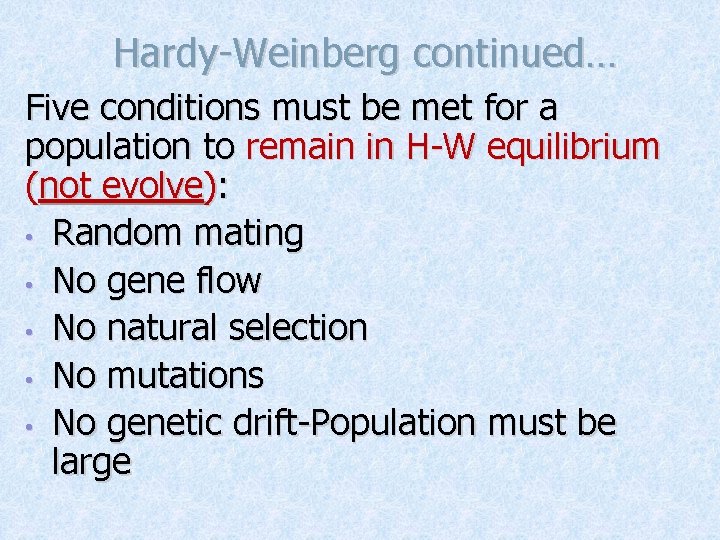
Hardy-Weinberg continued… Five conditions must be met for a population to remain in H-W equilibrium (not evolve): • Random mating • No gene flow • No natural selection • No mutations • No genetic drift-Population must be large
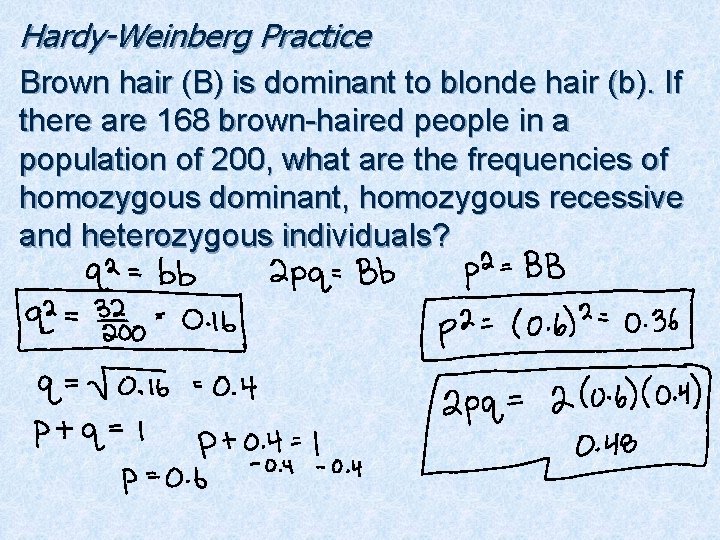
Hardy-Weinberg Practice Brown hair (B) is dominant to blonde hair (b). If there are 168 brown-haired people in a population of 200, what are the frequencies of homozygous dominant, homozygous recessive and heterozygous individuals?
Hardy-Weinberg Practice Brown hair (B) is dominant to blonde hair (b). If there are 168 brown-haired people in a population of 200, what are the frequencies of homozygous dominant, homozygous recessive and heterozygous individuals?
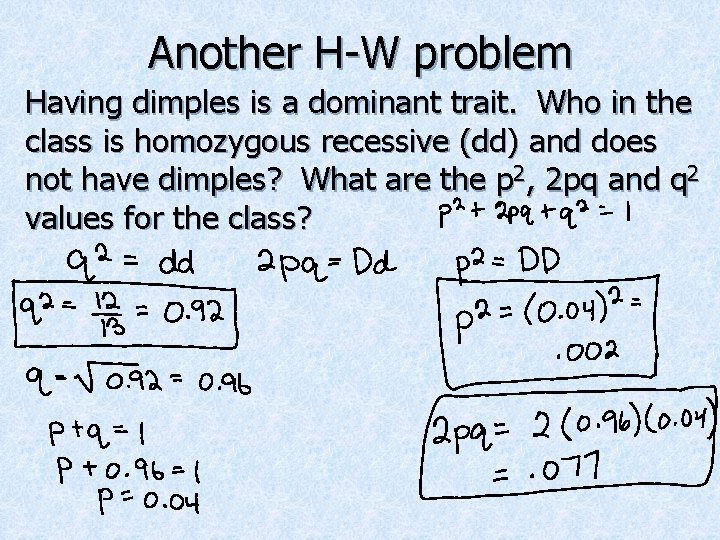
Another H-W problem Having dimples is a dominant trait. Who in the class is homozygous recessive (dd) and does not have dimples? What are the p 2, 2 pq and q 2 values for the class?
Another H-W problem Having dimples is a dominant trait. Who in the class is homozygous recessive (dd) and does not have dimples? What are the p 2, 2 pq and q 2 values for the class?
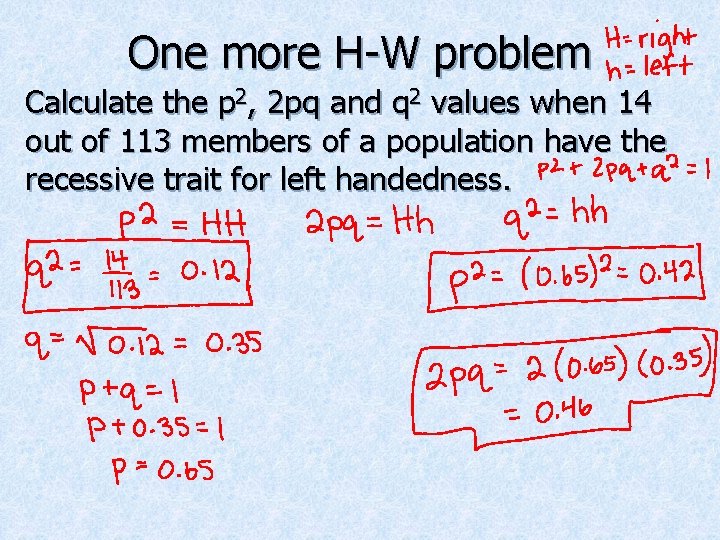
One more H-W problem Calculate the p 2, 2 pq and q 2 values when 14 out of 113 members of a population have the recessive trait for left handedness.
One more H-W problem Calculate the p 2, 2 pq and q 2 values when 14 out of 113 members of a population have the recessive trait for left handedness.
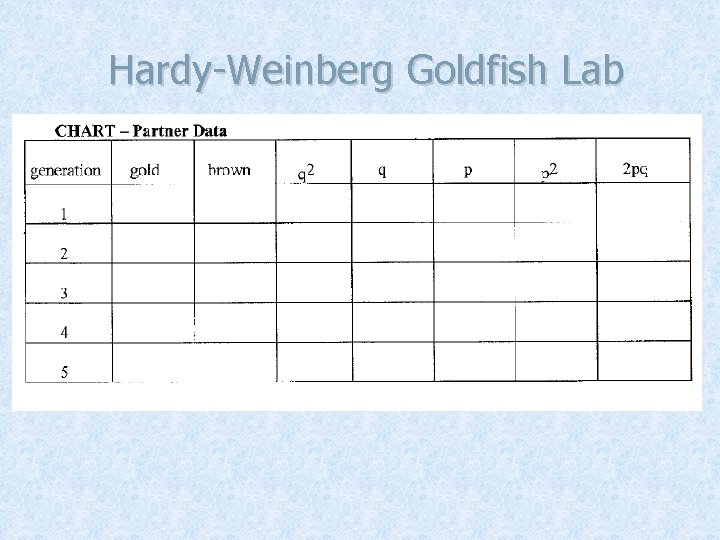
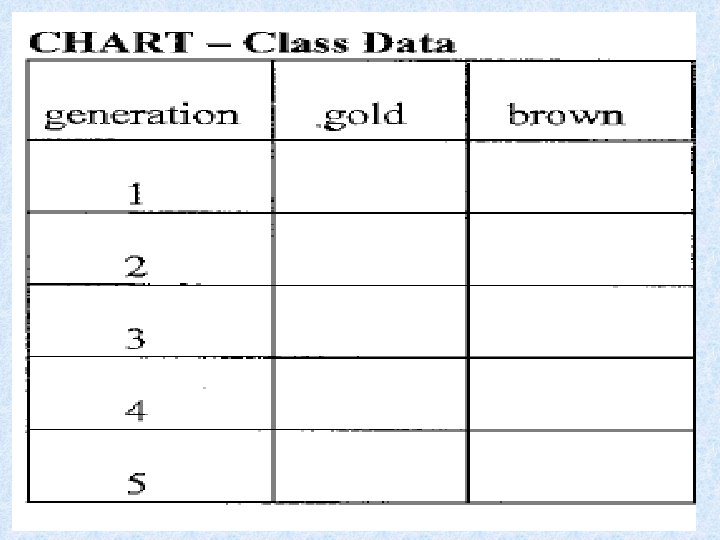
Hardy-Weinberg Goldfish Lab
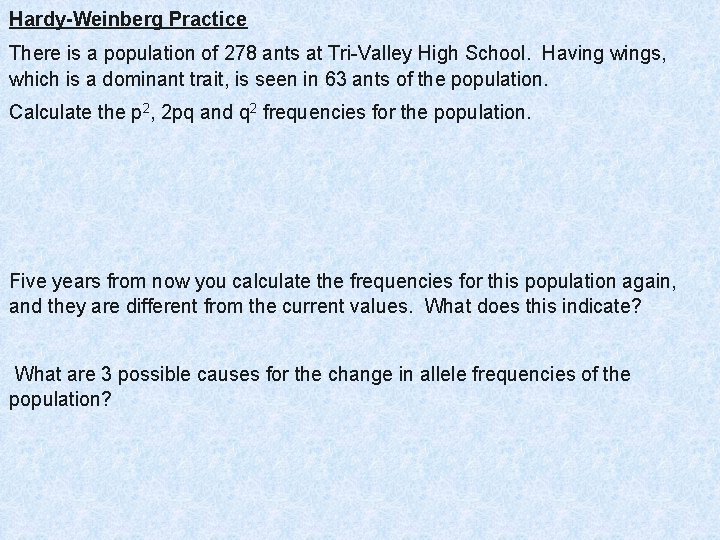
Hardy-Weinberg Practice There is a population of 278 ants at Tri-Valley High School. Having wings, which is a dominant trait, is seen in 63 ants of the population. Calculate the p 2, 2 pq and q 2 frequencies for the population. Five years from now you calculate the frequencies for this population again, and they are different from the current values. What does this indicate? What are 3 possible causes for the change in allele frequencies of the population?
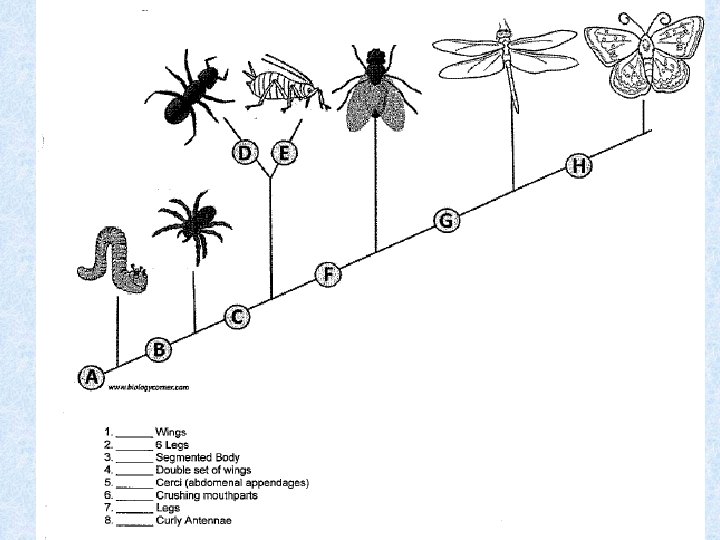
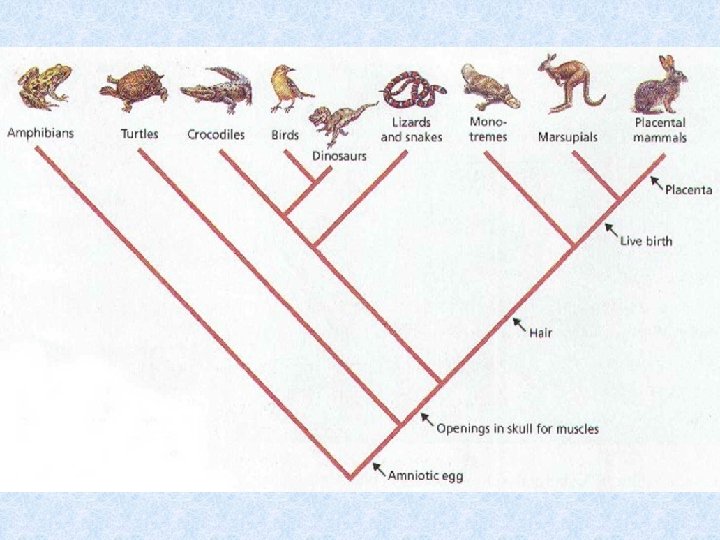
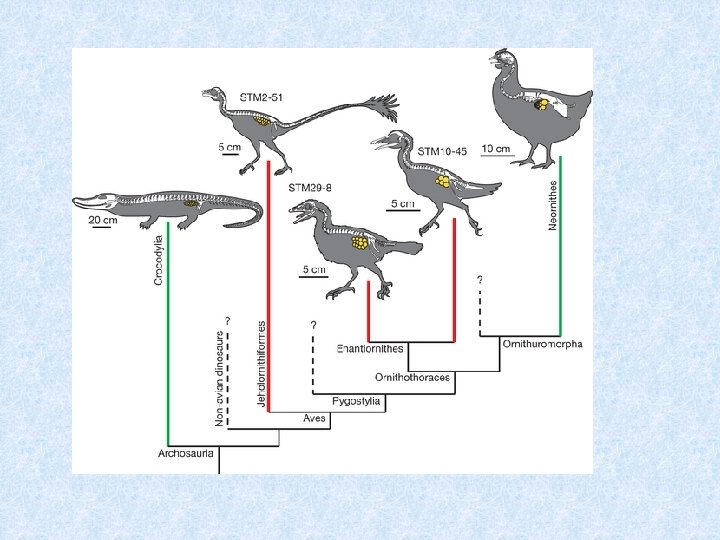
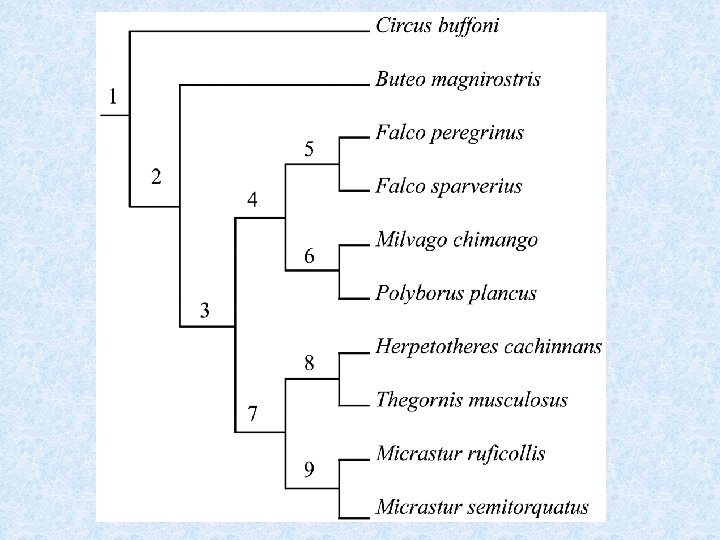
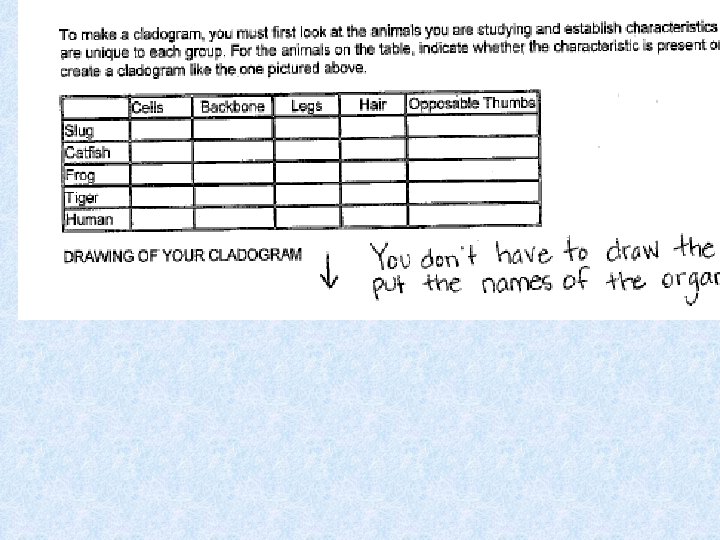
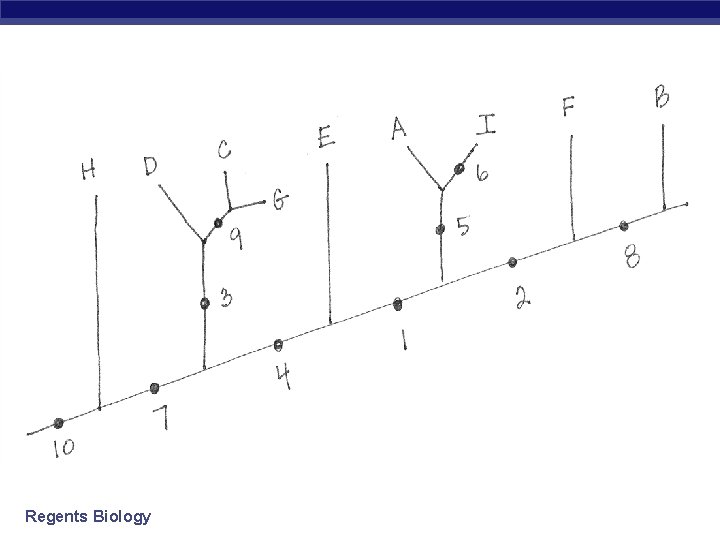
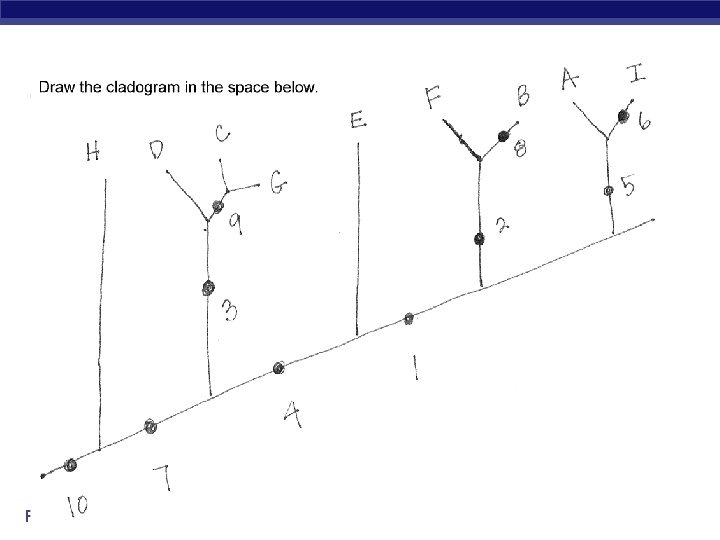
Cladogram Evolutionary relatedness between organisms can be demonstrated on a diagram called a cladogram. n Organisms with similar characteristics are placed more closely on the diagram because they are thought to have evolved more closely to one another. n As a new organism evolves, there is a new branch (clade) on the cladogram. n
Cladogram cont… n n Characteristics that evolve between species are called derived characters. Every clade demonstrates speciationwhen one species splits into 2 or more different species. More about reasons for this later!
Regents Biology
Regents Biology
Evidence of Common Ancestry n n The theory of evolution states that all living things have descended from another life form, just as you have descended from your parents and they descended from their parents. The evidence that supports this theory includes: n Fossils n Comparative anatomy (homologous and vestigial structures) n Embryo structure n DNA
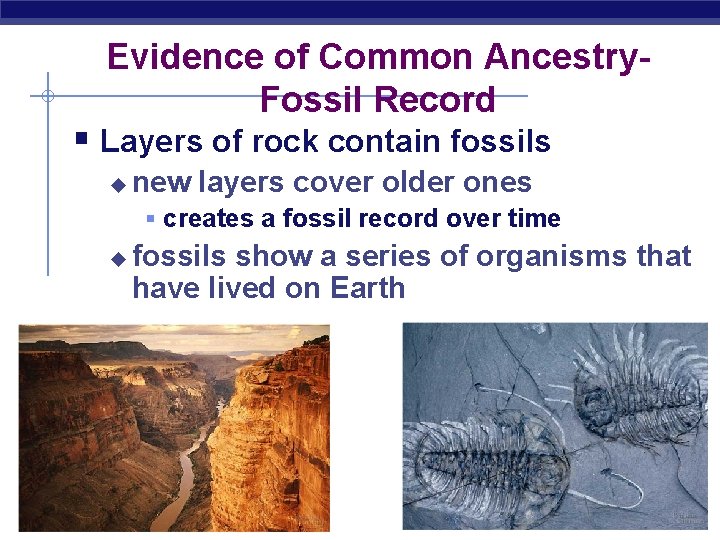
Evidence of Common Ancestry. Fossil Record § Layers of rock contain fossils u new layers cover older ones § creates a fossil record over time u fossils show a series of organisms that have lived on Earth Regents Biology
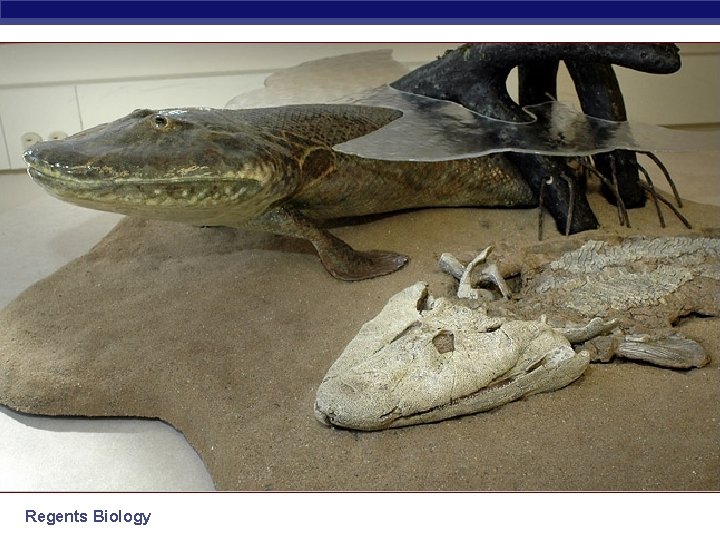
Evolution from sea to land § Fossils are also evidence of transitional (in § § § between) forms. Whales- Transition from land to water (6: 10) Whale Transition- Part #2 (13: 00) In 2006, there was the fossil discovery of the missing link between sea and land animals called Tiktaalik u Limb bones and fins, flat head, lungs and gills, scales u Regents Biology
Regents Biology
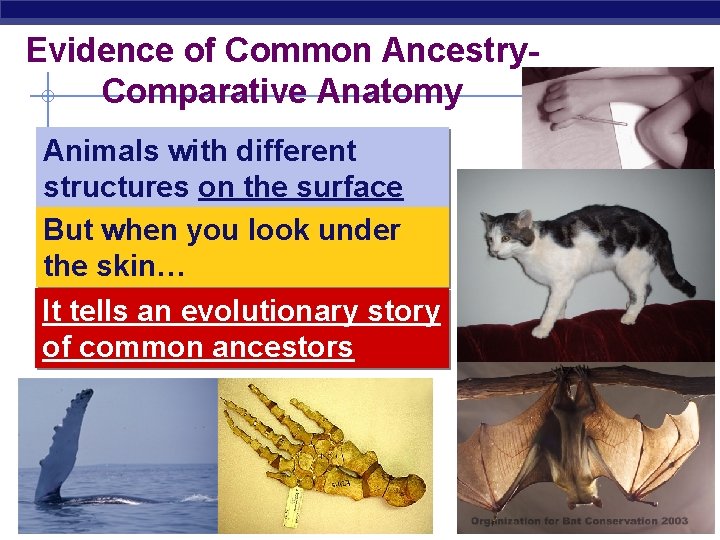
Evidence of Common Ancestry. Comparative Anatomy Animals with different structures on the surface But when you look under the skin… It tells an evolutionary story of common ancestors Regents Biology
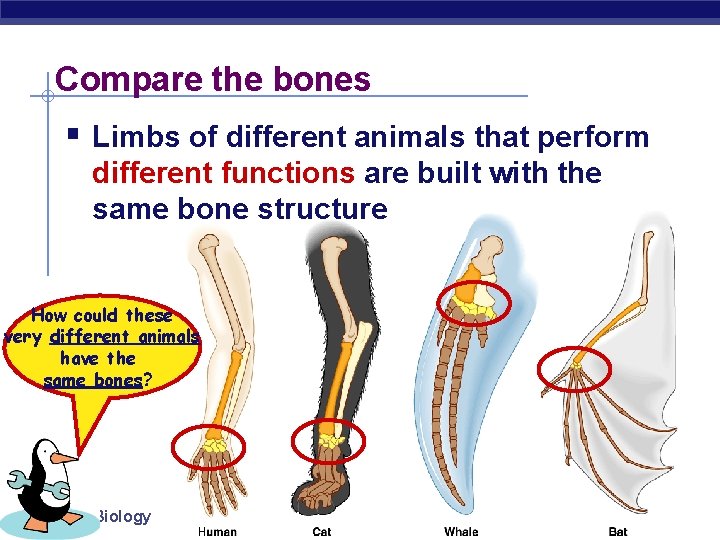
Compare the bones § Limbs of different animals that perform different functions are built with the same bone structure How could these very different animals have the same bones? Regents Biology
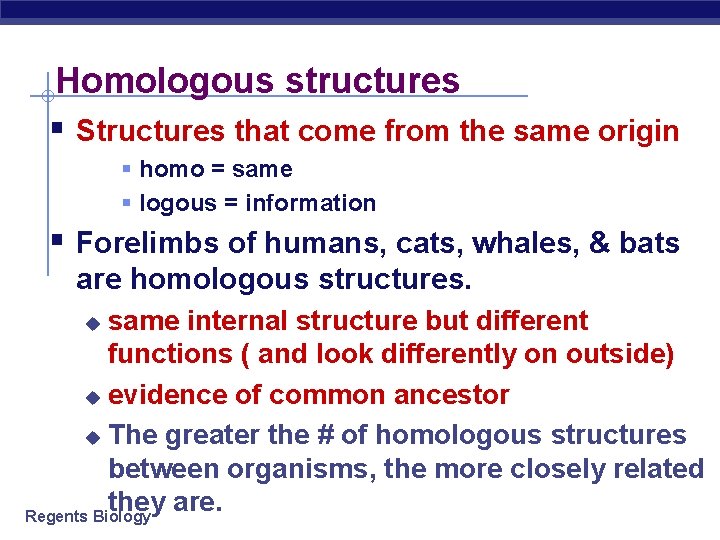
Homologous structures § Structures that come from the same origin § homo = same § logous = information § Forelimbs of humans, cats, whales, & bats are homologous structures. same internal structure but different functions ( and look differently on outside) u evidence of common ancestor u The greater the # of homologous structures between organisms, the more closely related they are. Regents Biology u
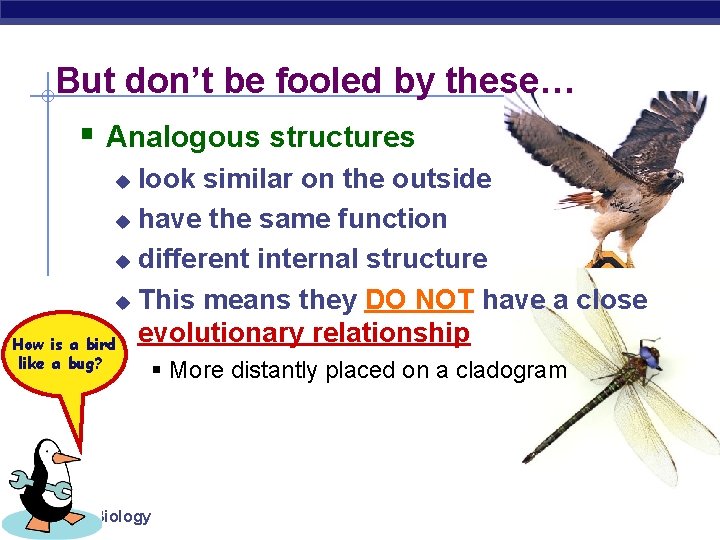
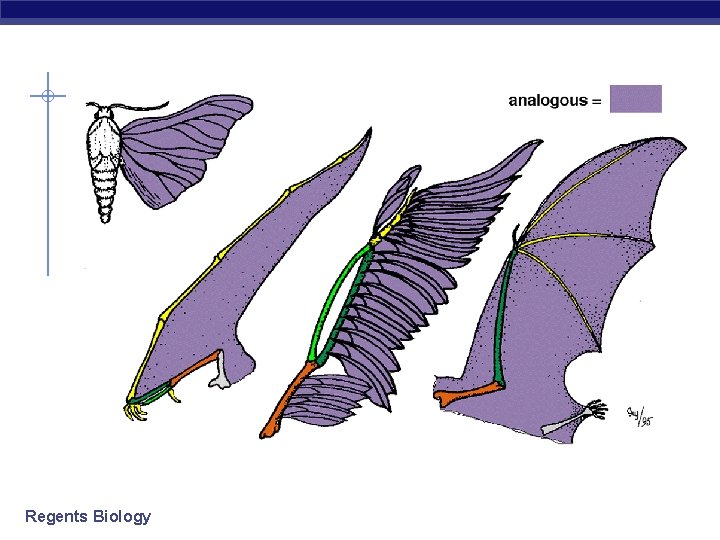
But don’t be fooled by these… § Analogous structures look similar on the outside u have the same function u different internal structure u This means they DO NOT have a close evolutionary relationship How is a bird u like a bug? § More distantly placed on a cladogram Regents Biology
Regents Biology
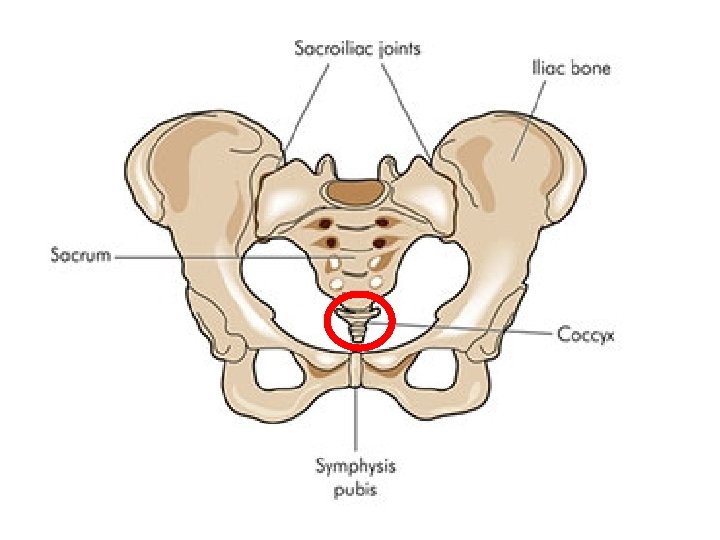
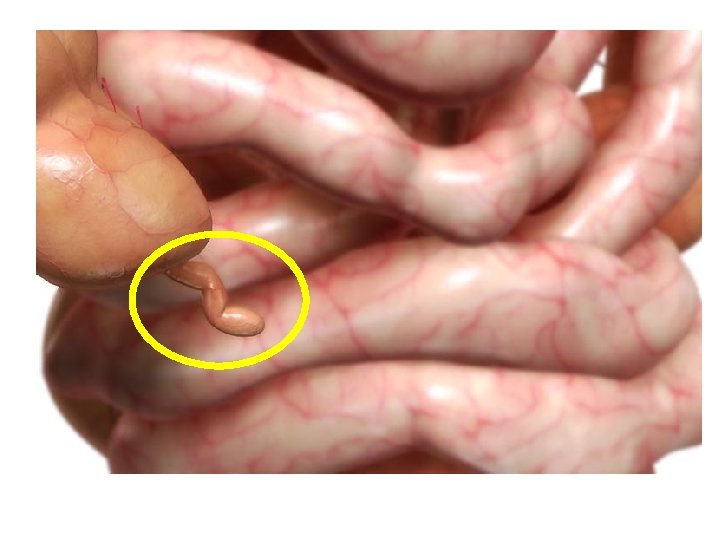
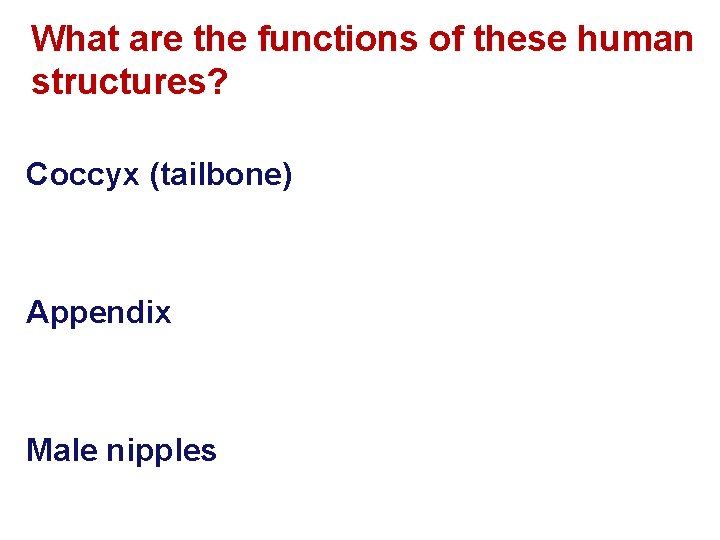
What are the functions of these human structures? Coccyx (tailbone) Appendix Male nipples
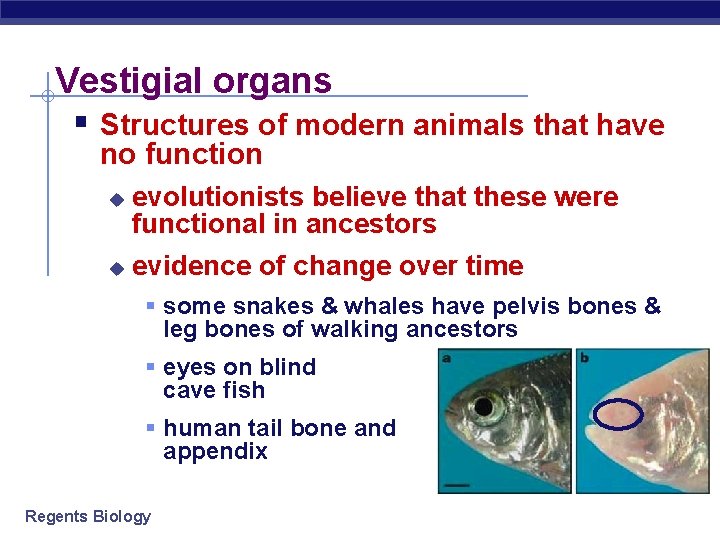
Vestigial organs § Structures of modern animals that have no function evolutionists believe that these were functional in ancestors u evidence of change over time u § some snakes & whales have pelvis bones & leg bones of walking ancestors § eyes on blind cave fish § human tail bone and appendix Regents Biology
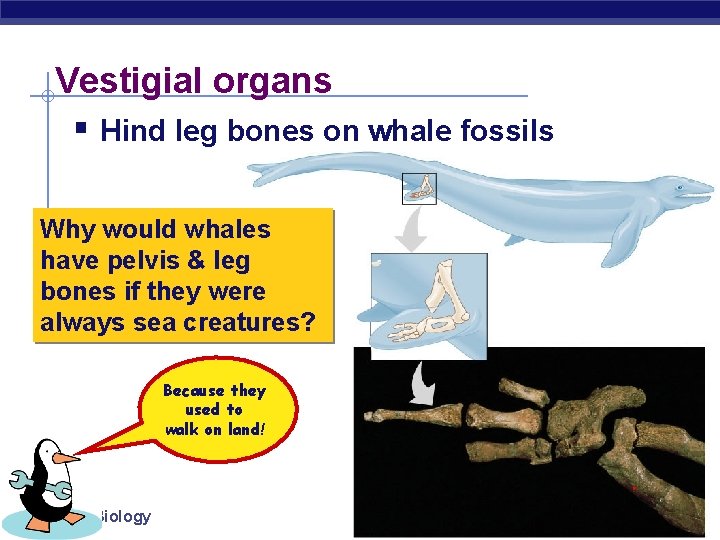
Vestigial organs § Hind leg bones on whale fossils Why would whales have pelvis & leg bones if they were always sea creatures? Because they used to walk on land! Regents Biology
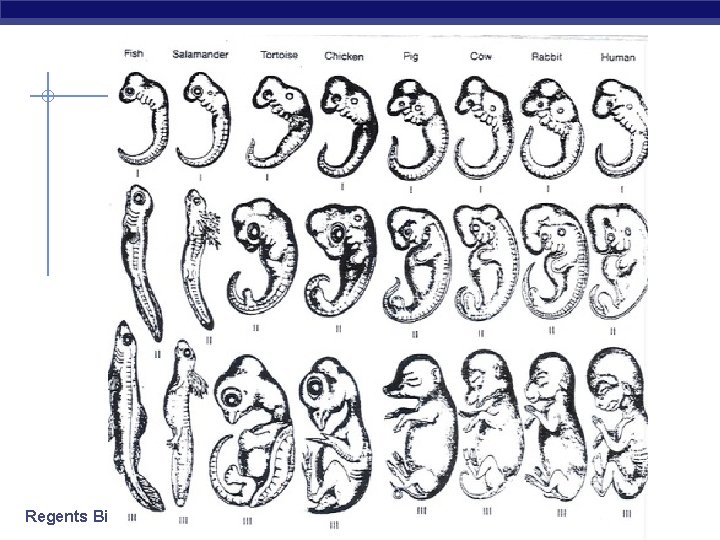
Evidence of Common Ancestry. Embryology § Development of an embryo tells an evolutionary story u The greater the # of similar structures during embryo development, the more closely related they are. Regents Biology
Regents Biology
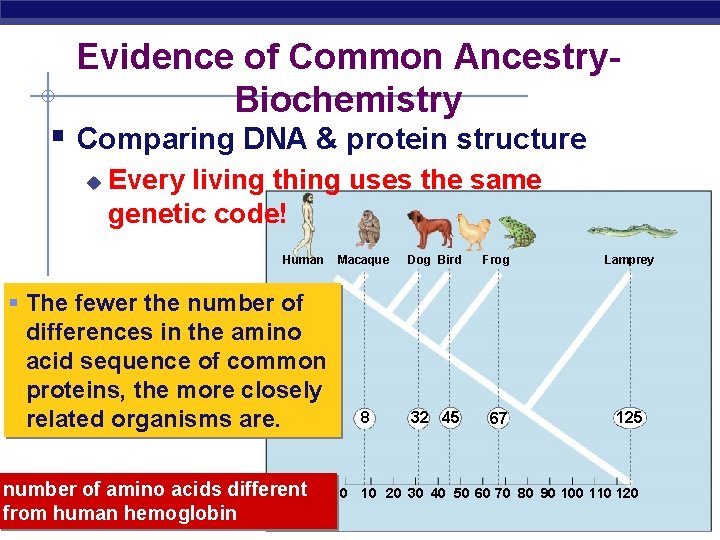
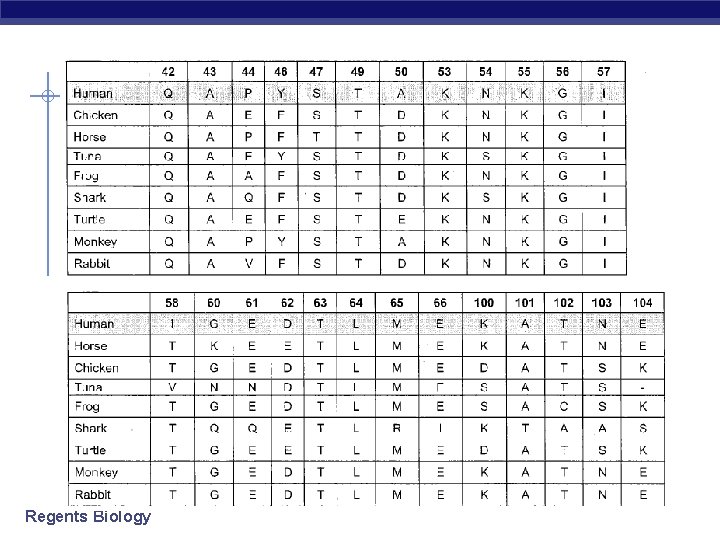
Evidence of Common Ancestry. Biochemistry § Comparing DNA & protein structure u Every living thing uses the same genetic code! Human § The fewer the number of differences in the amino acid sequence of common proteins, the more closely related organisms are. number of amino acids different from human hemoglobin Regents Biology Macaque Dog Bird Frog Lamprey 8 32 45 67 125 0 10 20 30 40 50 60 70 80 90 100 110 120
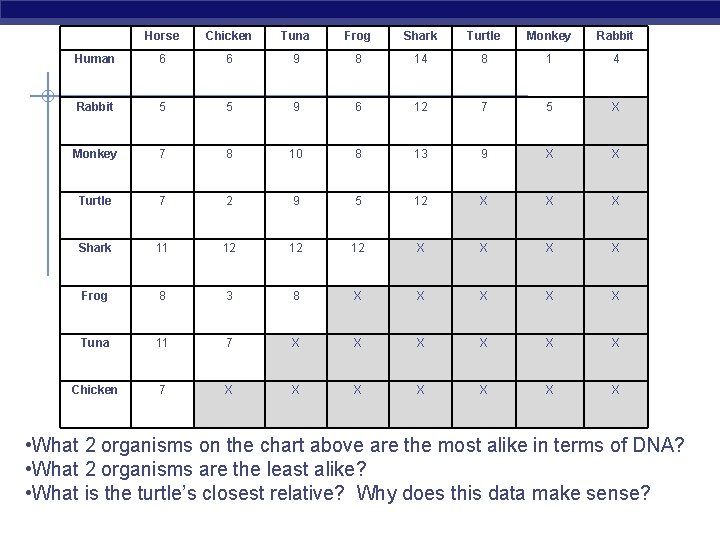
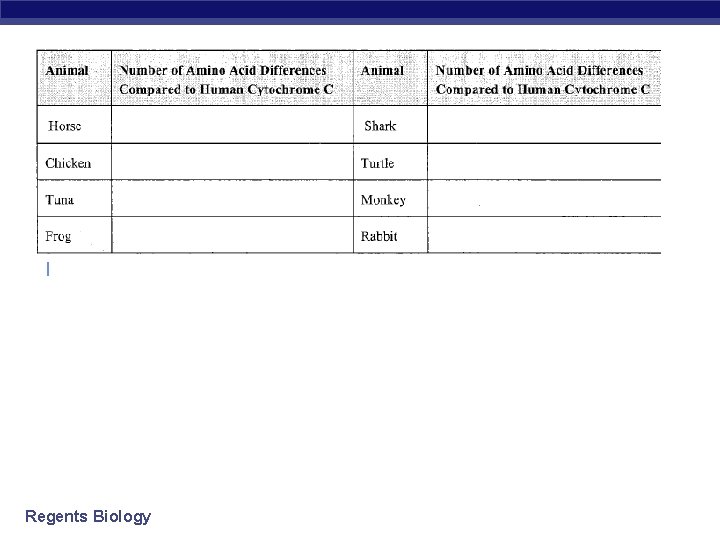
Horse Chicken Tuna Frog Shark Turtle Monkey Rabbit Human 6 6 9 8 14 8 1 4 Rabbit 5 5 9 6 12 7 5 X Monkey 7 8 10 8 13 9 X X Turtle 7 2 9 5 12 X X X Shark 11 12 12 12 X X Frog 8 3 8 X X X Tuna 11 7 X X X Chicken 7 X X X X • What 2 organisms on the chart above are the most alike in terms of DNA? • What 2 organisms are the least alike? • What is the turtle’s closest relative? Why does this data make sense? Regents Biology
Regents Biology
Regents Biology

What data from whole genome sequencing can tell us about evolution of humans Regents Biology
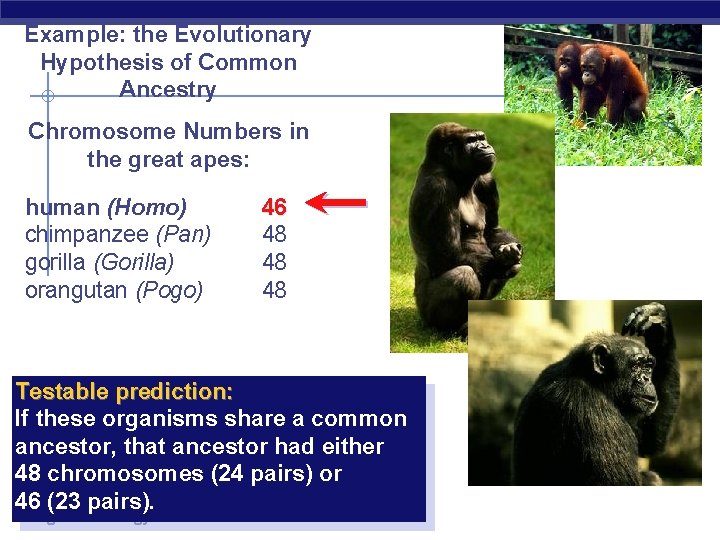
Example: the Evolutionary Hypothesis of Common Ancestry Chromosome Numbers in the great apes: human (Homo) chimpanzee (Pan) gorilla (Gorilla) orangutan (Pogo) 46 48 48 48 Testable prediction: If these organisms share a common ancestor, that ancestor had either 48 chromosomes (24 pairs) or 46 (23 pairs). Regents Biology
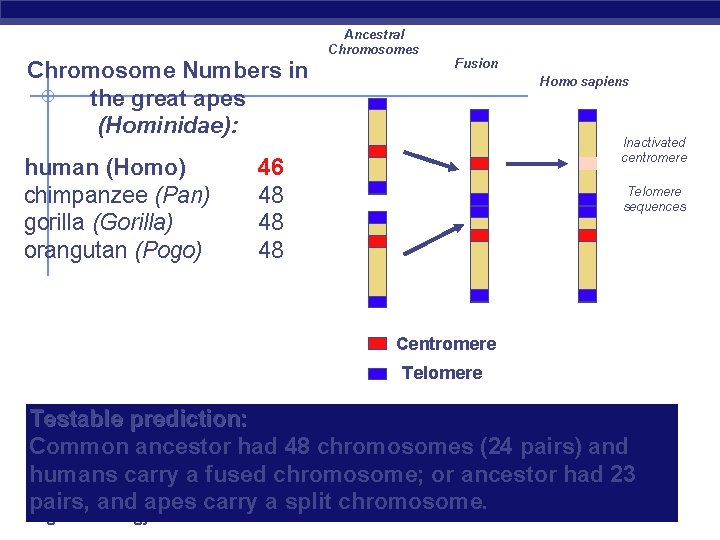
Ancestral Chromosomes Chromosome Numbers in the great apes (Hominidae): human (Homo) chimpanzee (Pan) gorilla (Gorilla) orangutan (Pogo) Fusion Homo sapiens Inactivated centromere 46 48 48 48 Telomere sequences Centromere Telomere Testable prediction: Common ancestor had 48 chromosomes (24 pairs) and humans carry a fused chromosome; or ancestor had 23 pairs, and apes carry a split chromosome. Regents Biology
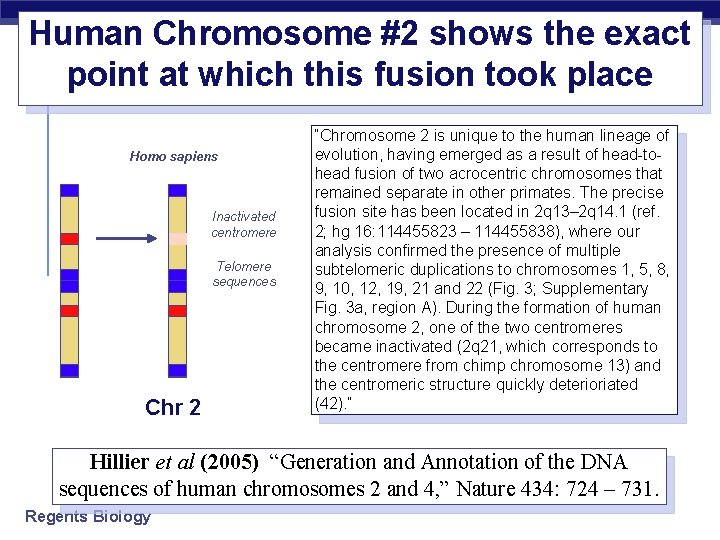
Human Chromosome #2 shows the exact point at which this fusion took place Homo sapiens Inactivated centromere Telomere sequences Chr 2 “Chromosome 2 is unique to the human lineage of evolution, having emerged as a result of head-tohead fusion of two acrocentric chromosomes that remained separate in other primates. The precise fusion site has been located in 2 q 13– 2 q 14. 1 (ref. 2; hg 16: 114455823 – 114455838), where our analysis confirmed the presence of multiple subtelomeric duplications to chromosomes 1, 5, 8, 9, 10, 12, 19, 21 and 22 (Fig. 3; Supplementary Fig. 3 a, region A). During the formation of human chromosome 2, one of the two centromeres became inactivated (2 q 21, which corresponds to the centromere from chimp chromosome 13) and the centromeric structure quickly deterioriated (42). ” Hillier et al (2005) “Generation and Annotation of the DNA sequences of human chromosomes 2 and 4, ” Nature 434: 724 – 731. Regents Biology
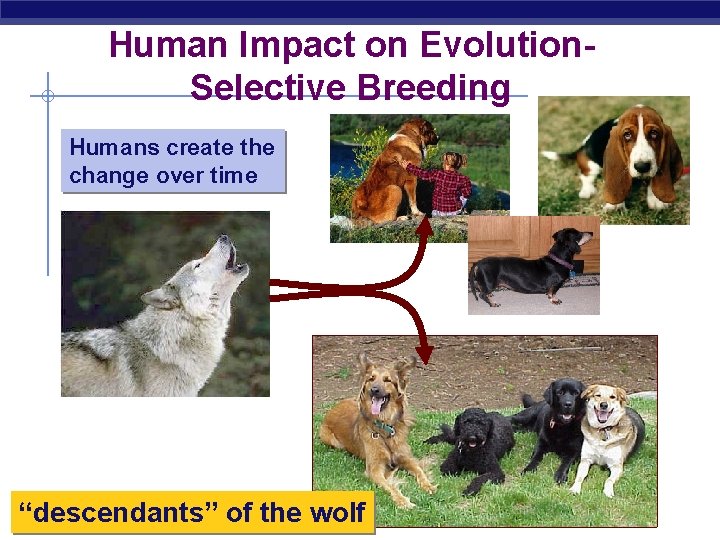
Human Impact on Evolution. Selective Breeding Humans create the change over time Regents Biology “descendants” of the wolf
Insecticide resistance § Human activities like spraying crop fields with insecticides leads to: The survival of insects that are resistant to the insecticide u Resistant survivors reproduce u Resistance is inherited u Insecticide becomes less & less effective u Regents Biology

- Slides: 64