
Natural selection can alter the distribution of traits
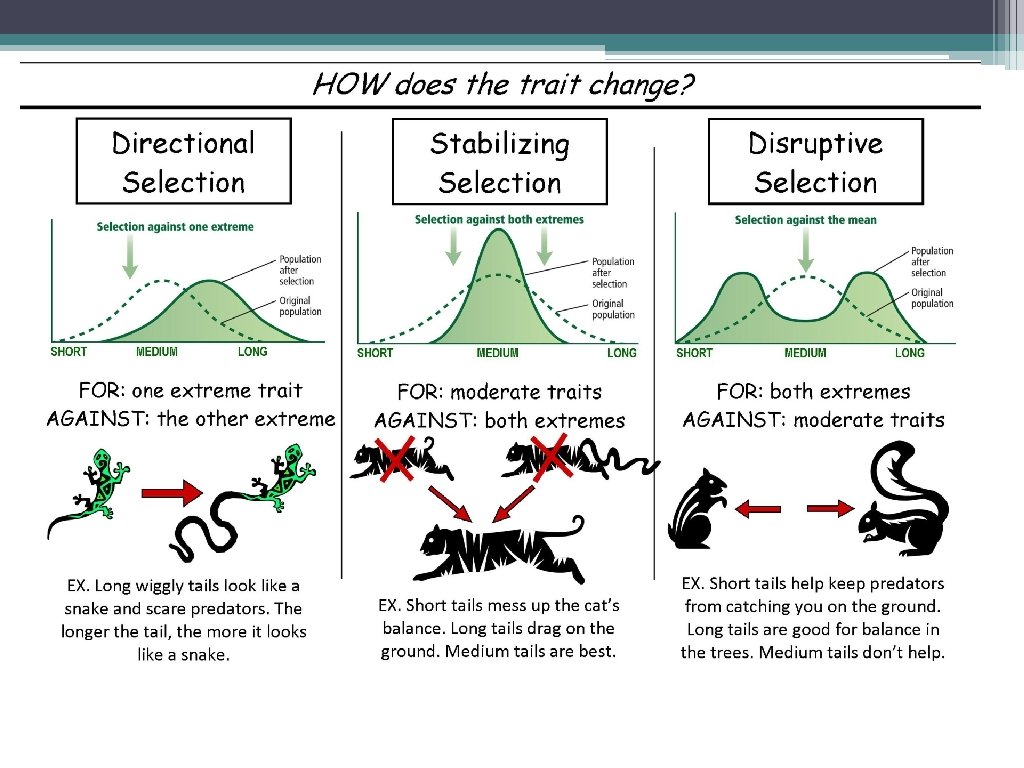
• Natural selection can alter the distribution of traits, depending on which phenotypes are favored. Will always favor those traits with the highest reproductive success ▫ directional selection �conditions favor individuals exhibiting one phenotypic extreme �occurs in environmental changes ▫ disruptive selection �conditions favor individuals at both phenotypic extremes ▫ stabilizing selection �acts against both extreme phenotypes, favors intermediate variants �reduces variation of a particular trait
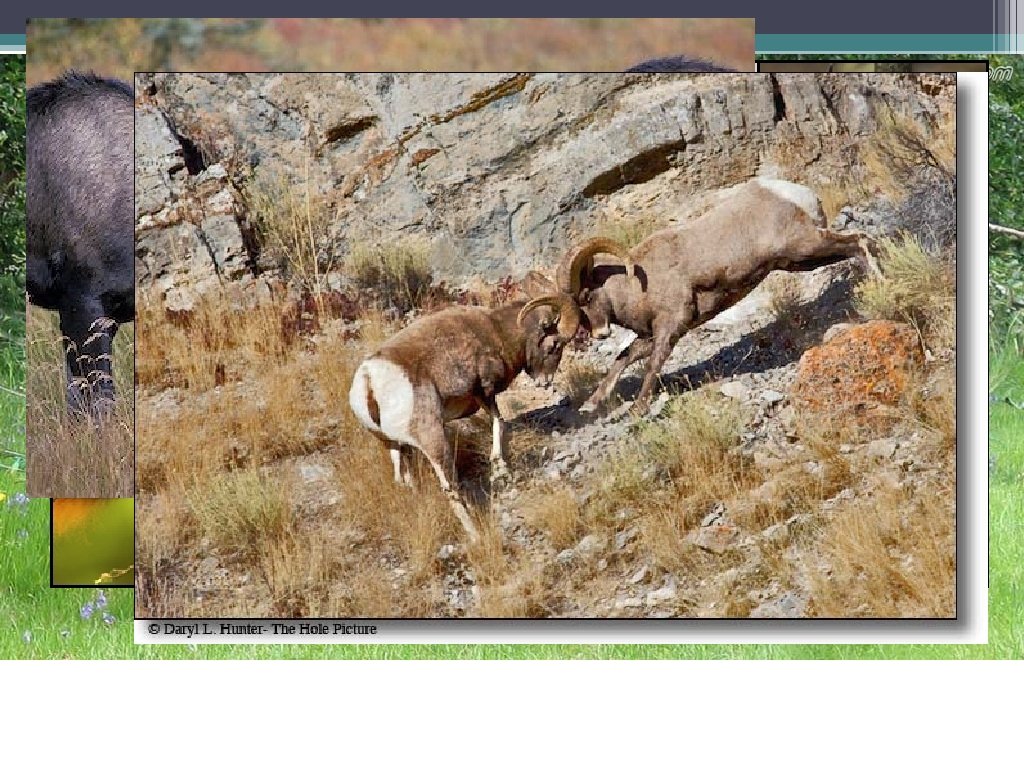
• Sexual Selection ▫ individuals with certain characteristics are more likely to obtain mates ▫ result in sexual dimorphism (differences between males and females) ▫ often result in extreme ornamentation or behavioral displays in males, driven by female selection of mates (choosy females) �the benefit must outweigh the risk (benefit of passing on genes outweighs attracting predators with bright colors/displays) �birds (peacock) ▫ may result in competition among males for access to females �Ungulate rutting
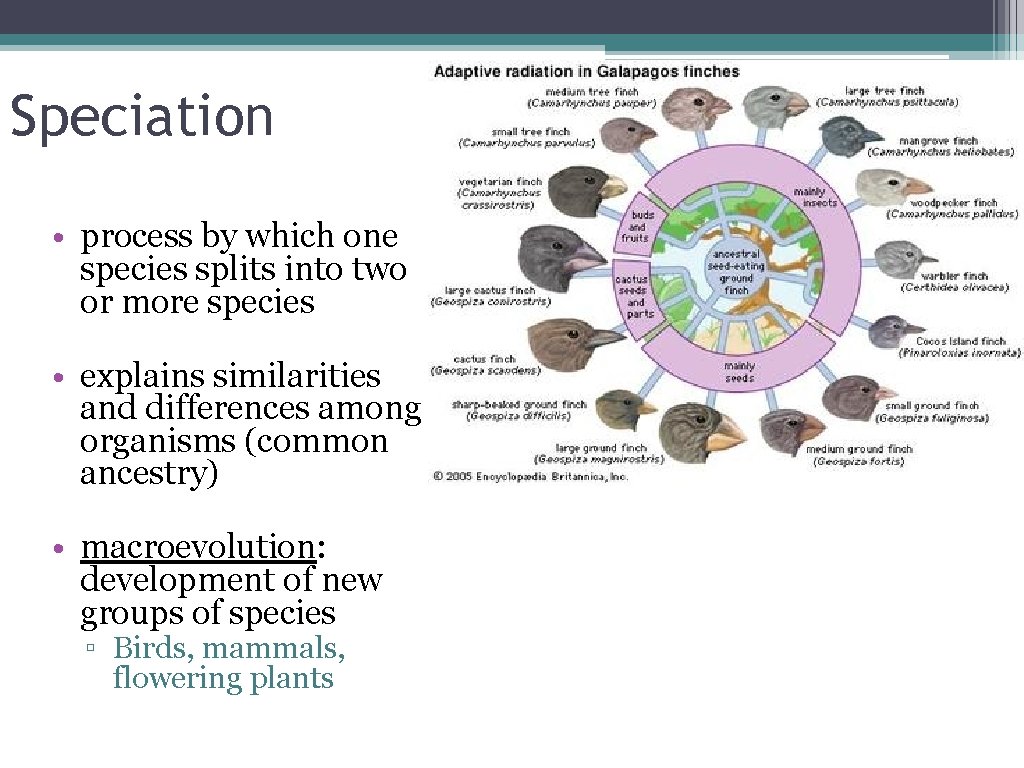
Speciation • process by which one species splits into two or more species • explains similarities and differences among organisms (common ancestry) • macroevolution: development of new groups of species ▫ Birds, mammals, flowering plants
Species-Concepts (definitions) • Biological species concept ▫ a species is a group of populations whose members have the potential to interbreed in nature and produce viable fertile offspring ▫ “reproductively compatible” ▫ emphasizes gene flow between populations • morphological species concept ▫ characterizes a species by body shape and other structural features ▫ subjective • ecological species concept ▫ views a species in terms of its ecological niche ▫ emphasizes adaptation to environments • phylogenetic species concept ▫ smallest group of individuals that share a common ancestor
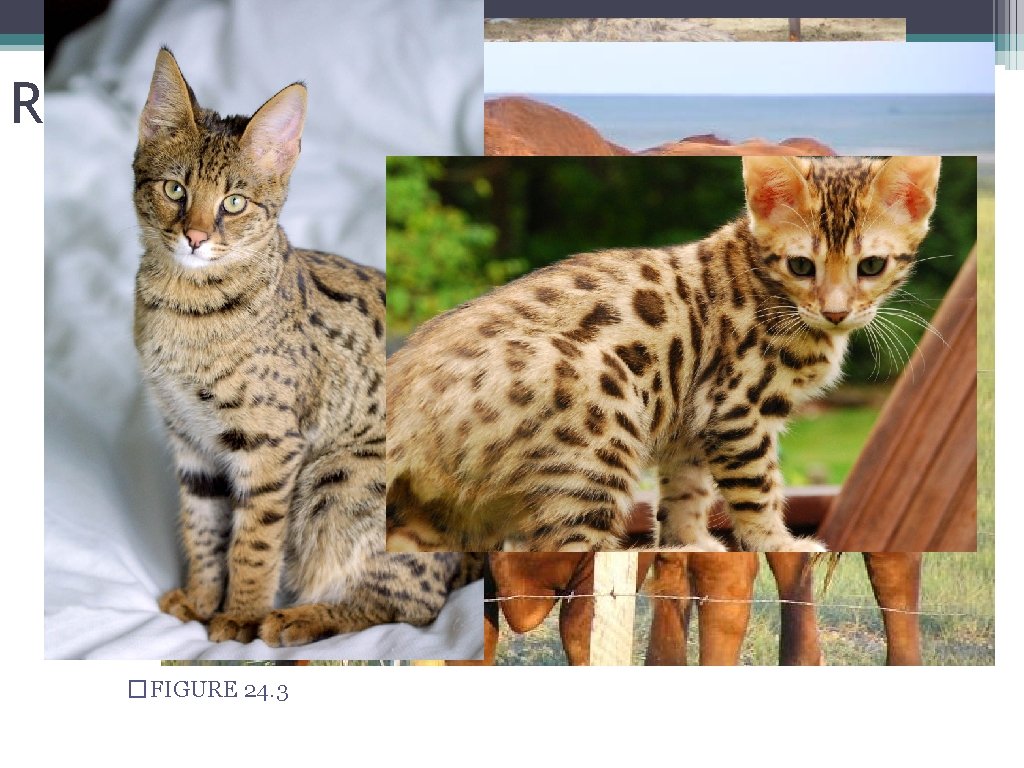
Reproductive Isolation • existence of biological factors (barriers) that impede members of two species from interbreeding and producing viable, fertile offspring • zygote = fertilized egg ▫ prezygotic barriers � block fertilization from occurring by: �impeding mating �preventing mating from being completed successfully �hindering fertilization ▫ postzygotic barriers � developmental errors lead to reduced survival of embryo � hybrids infertile, or don’t live long enough to reproduce �Zonkeys and Ligers! � FIGURE 24. 3
How new species arise. . . • Allopatric Speciation ▫ gene flow interrupted by geographic barrier �geographic barrier is different for each population • Once gene pools have diverged, mutations arise and natural selection alters gene frequencies ▫ this leads to reproductive isolation over time ▫ evidence that speciation has occurred. . . �two populations brought back together and unable to reproduce, or prefer members of their own population
• Sympatric Speciation ▫ occurs in species that live in the same geographic area (less common) ▫ caused by: �polyploidy (extra chromosomes--mistakes in cell division) �habitats (exploit habitat/resource not used by parent population) �sexual selection
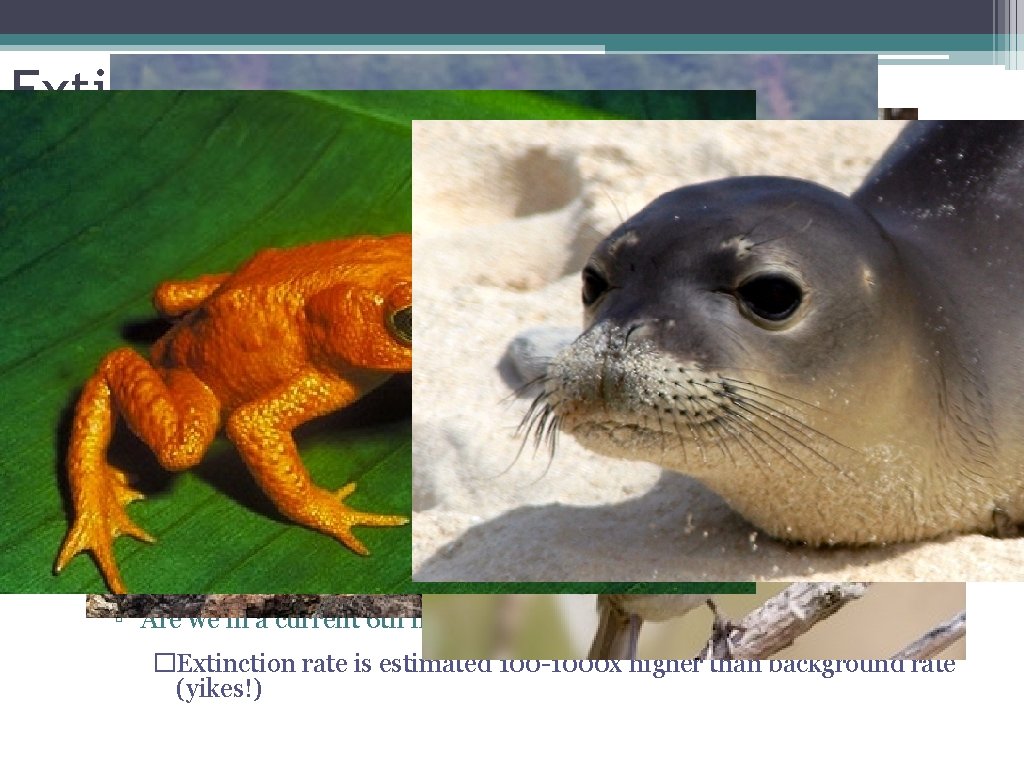
Extinction • Majority of organisms that ever lived are now extinct • 5 historical mass extinctions ▫ Permian � Largest extinction event… 90% of species extinct � Effected mostly marine life. Recovery took ~30 million years. ▫ Triassic-Jurassic � 70% of species extinct. Dinosaurs evolved. ▫ Cretaceous (K-T extinction) � resulted from volcanic eruptions and a warming atmosphere � 75% of species extinct. Mammals and Birds evolved as a result. ▫ Are we in a current 6 th mass extinction? ? �Extinction rate is estimated 100 -1000 x higher than background rate (yikes!)
• Consequences of Extinctions ▫ decrease ecosystem biodiversity drastically ▫ millions of years for species to rebound �adaptive radiation: period of evolutionary change when groups of organisms form many new species as a result of their adaptations to fill vacant niches in an ecosystem ▫ have occurred after all major extinctions ▫ “Cambrian explosion”— 530 million years ago, huge increase in animal life. ▫ change ecosystem dynamics (disrupt balance in species interactions)
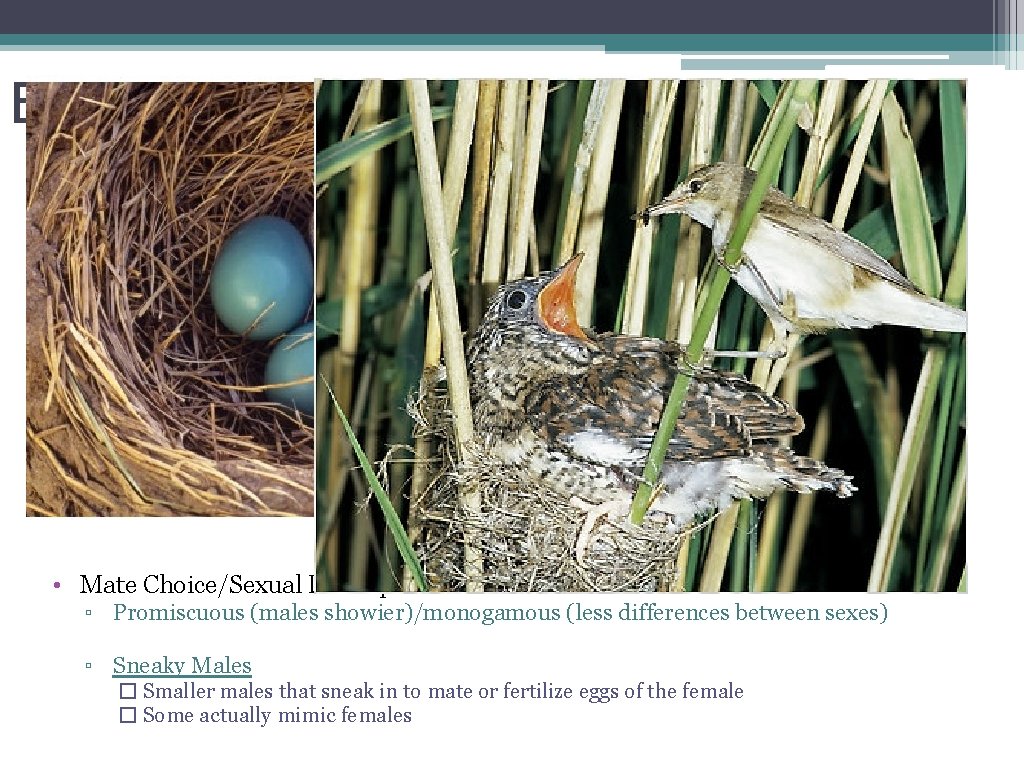
Evolution-Behavior Connections • Parental Care ▫ Maximize reproductive success by caring for offspring ▫ Maximize reproductive success by mating with several females…letting the females care for offspring ▫ Brood Parasites � Certain species will lay their eggs in the nest of another and leave them to raise their young • Altruism ▫ Reduces an individuals fitness, but increases the fitness of other individuals in the population ▫ Kin selection: favors altruistic behavior by enhancing reproductive success of relatives � Bees, many rodents, elephants, chimpanzees… • Mate Choice/Sexual Dimorphism ▫ Promiscuous (males showier)/monogamous (less differences between sexes) ▫ Sneaky Males � Smaller males that sneak in to mate or fertilize eggs of the female � Some actually mimic females
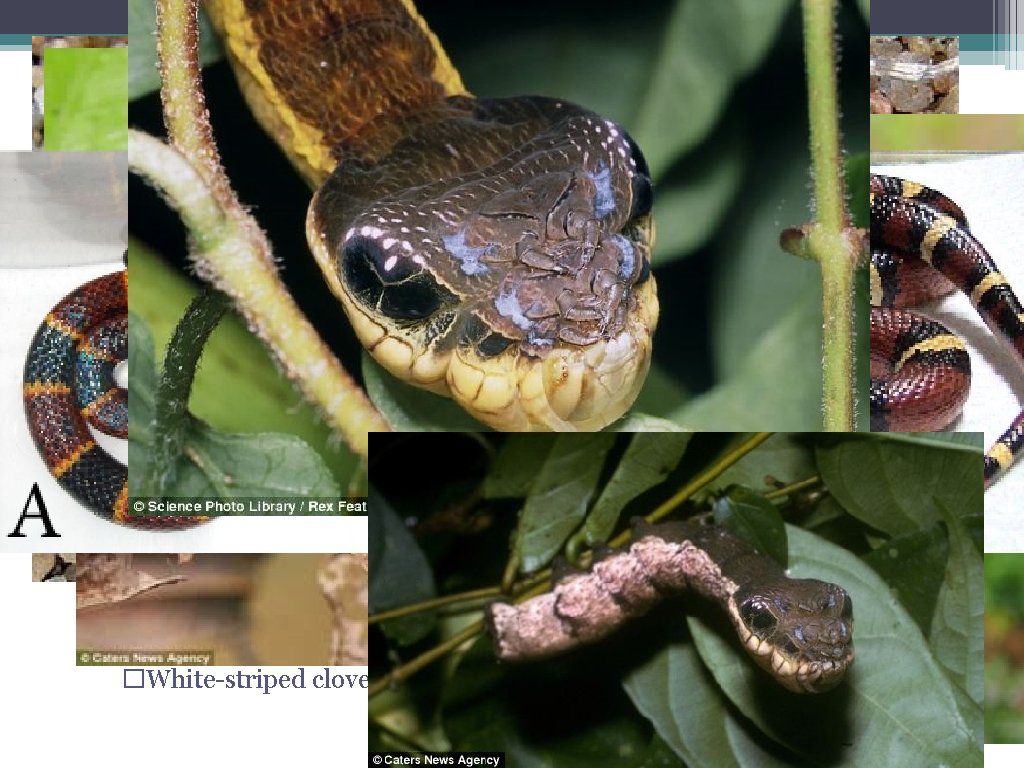
• Foraging Behavior ▫ Natural selection favors behaviors that enhance efficiency of feeding (search, recognize, capture food) • Agnostic Behavior ▫ Competition that results in access to a resource (food, mates) • Mimicry ▫ Cryptic coloration (camouflage) ▫ Aposematic coloration (warning coloration) �Across species, similar colors are used as warning (convergent evolution) ▫ Batesian mimicry (harmless species mimics harmful one) ▫ Mullerian mimicry (two unpalatable species mimic each other) • Plant defenses ▫ Thorns, toxins, attracting other predatory animals to feed on herbivores �White-striped clover!
- Slides: 11