
Natural Approaches To Immune Health Dr Barry W

Natural Approaches To Immune Health Dr. Barry W. Sunshine
The IMMUNE SYSTEM
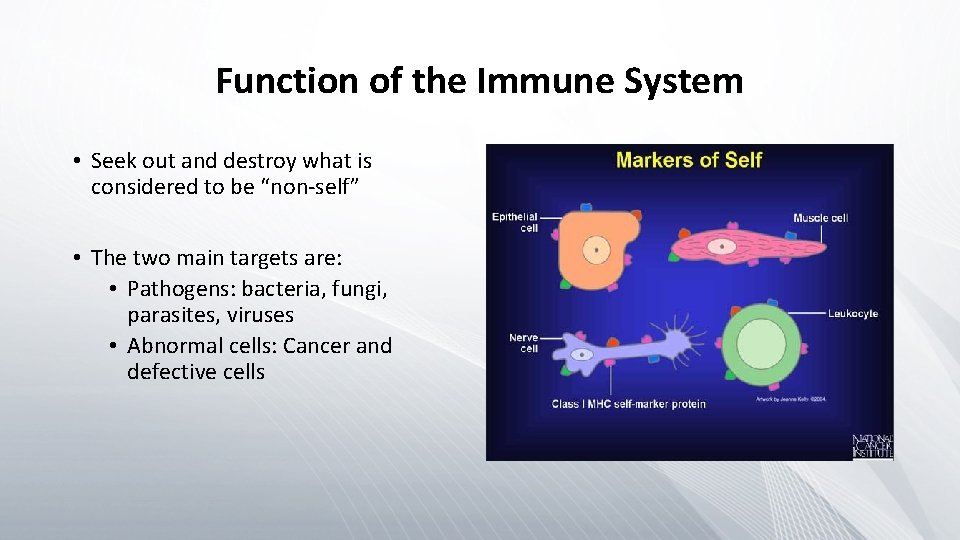
Function of the Immune System • Seek out and destroy what is considered to be “non-self” • The two main targets are: • Pathogens: bacteria, fungi, parasites, viruses • Abnormal cells: Cancer and defective cells
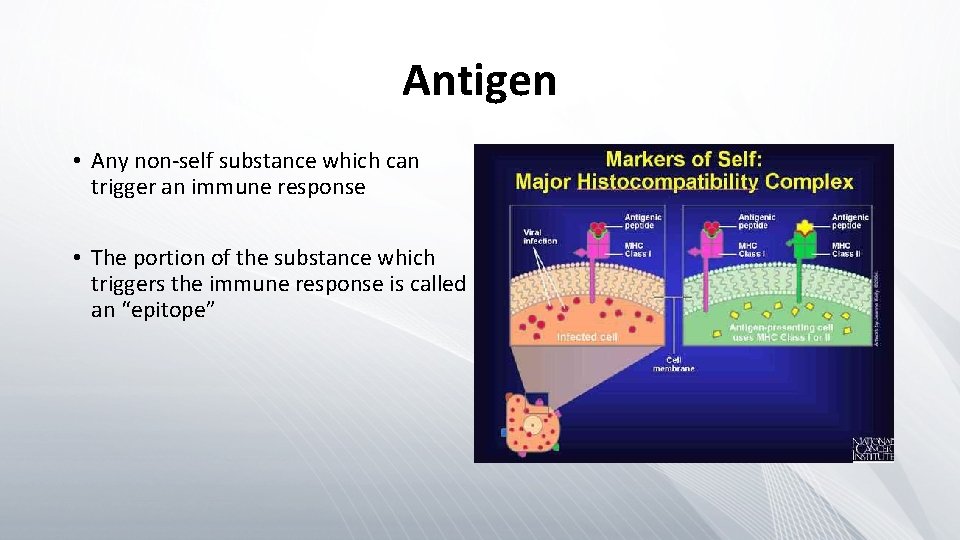
Antigen • Any non-self substance which can trigger an immune response • The portion of the substance which triggers the immune response is called an “epitope”
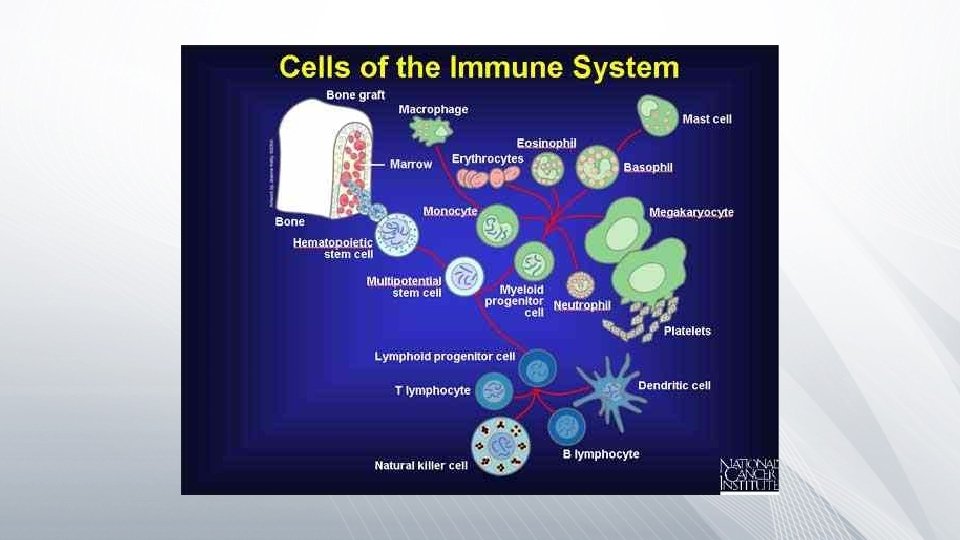
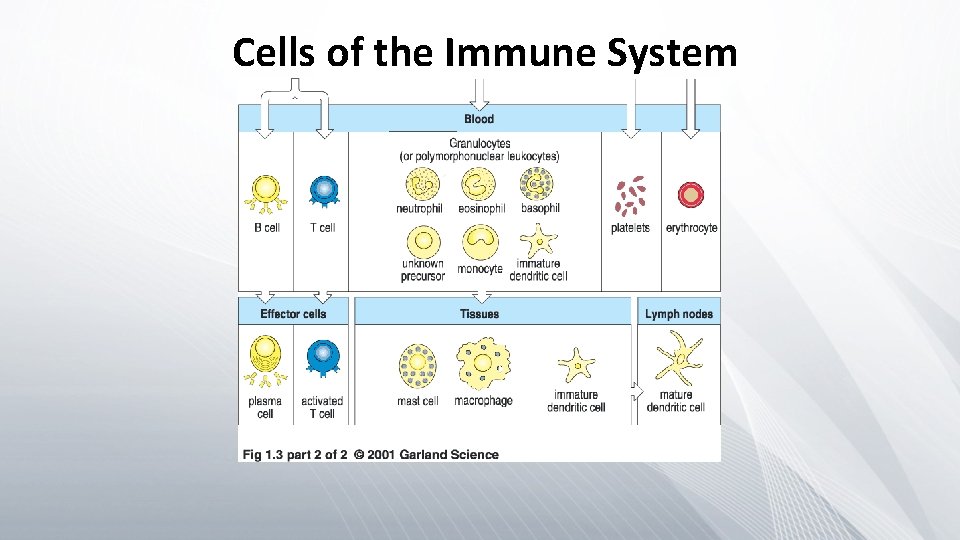
Cells of the Immune System
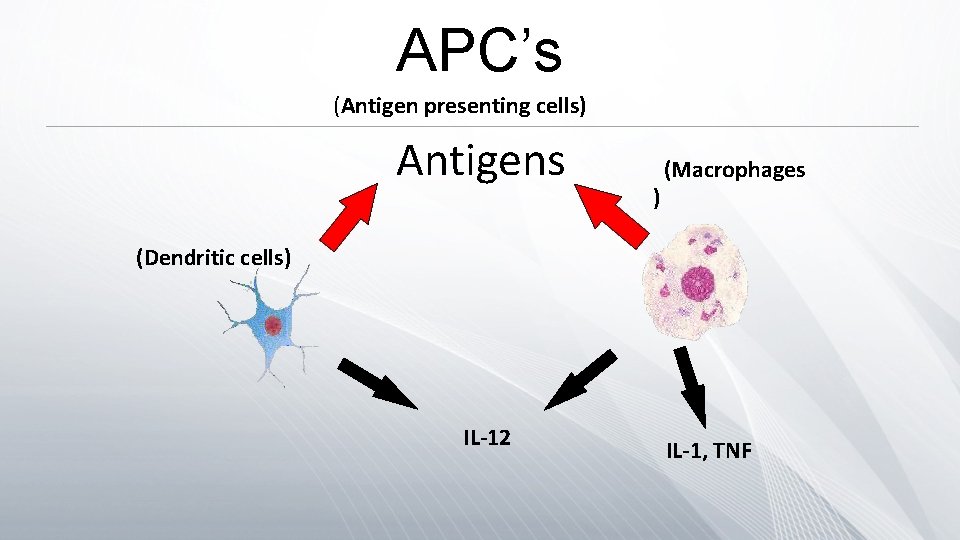
APC’s (Antigen presenting cells) Antigens ) (Macrophages (Dendritic cells) IL-12 IL-1, TNF
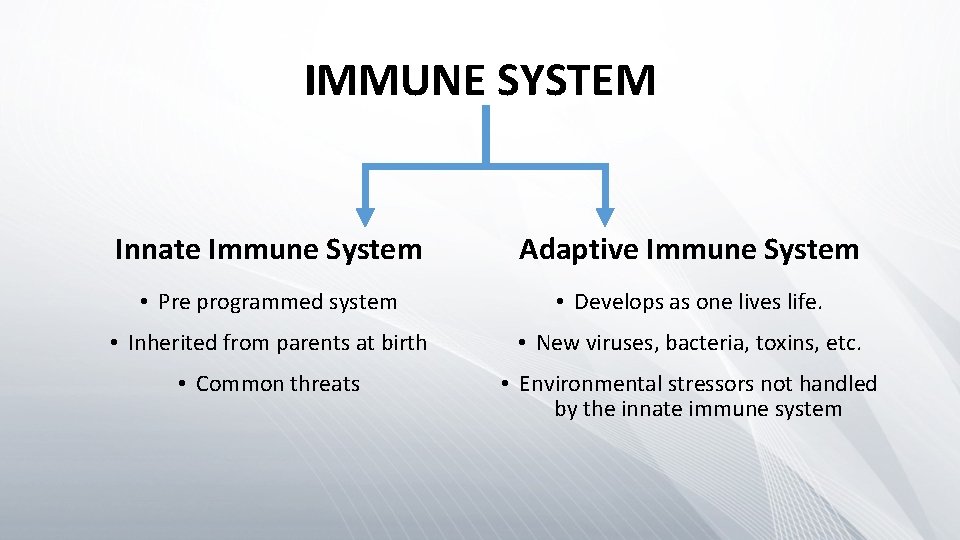
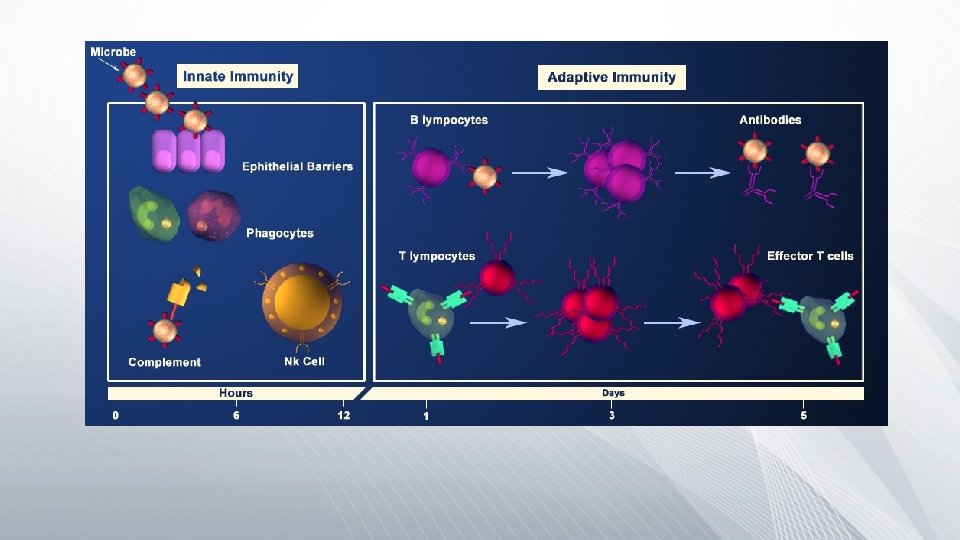
IMMUNE SYSTEM Innate Immune System Adaptive Immune System • Pre programmed system • Develops as one lives life. • Inherited from parents at birth • New viruses, bacteria, toxins, etc. • Common threats • Environmental stressors not handled by the innate immune system
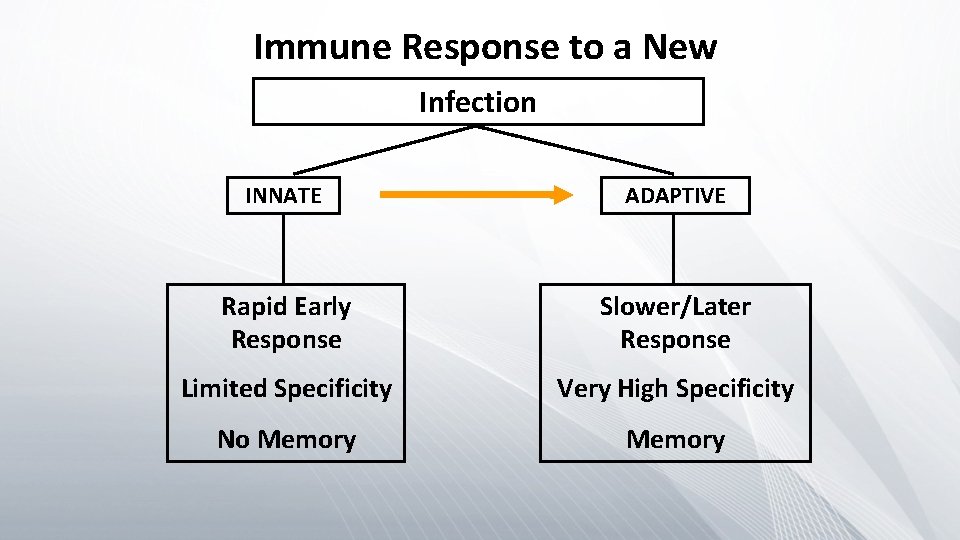
Immune Response to a New Infection INNATE ADAPTIVE Rapid Early Response Slower/Later Response Limited Specificity Very High Specificity No Memory
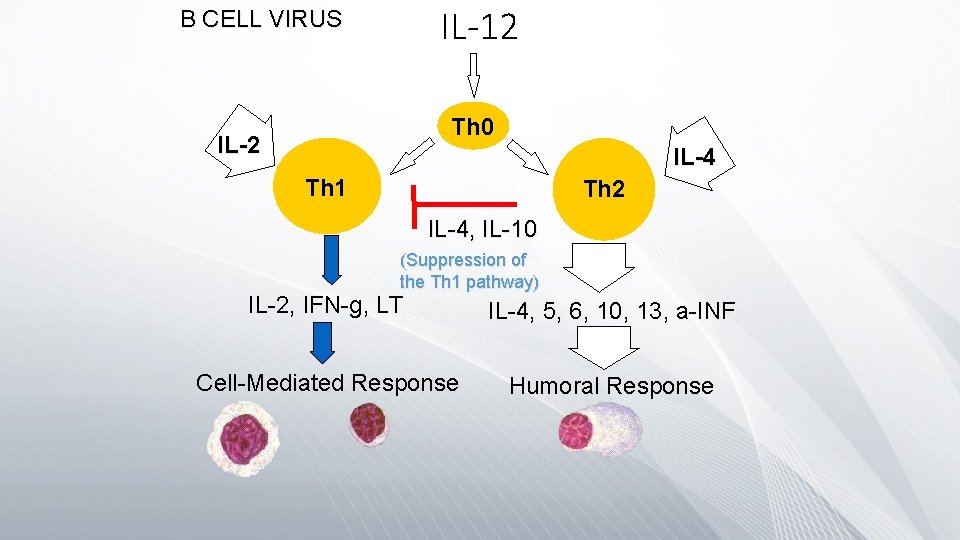
IL-12 B CELL VIRUS Th 0 IL-2 IL-4 Th 1 Th 2 IL-4, IL-10 (Suppression of the Th 1 pathway) IL-2, IFN-g, LT IL-4, 5, 6, 10, 13, a-INF Cell-Mediated Response Humoral Response
AHCC® The world-leading clinically-backed immune support ingredient from Japanese medicinal mushrooms
AHCC What is AHCC ? • AHCC is an immune support dietary supplement produced from mycelia of Lentinula edodes. • AHCC is designed to enhance natural immune system in our body. How does it work ? 1. AHCC is a completely safe dietary supplement. 2. When eaten, the body recognizes AHCC as a foreign substance because it is fungi-based ingredients. 3. AHCC stimulates several key immune receptors. 4. The immune-related signaling pathways are activated. 5. Cytokines and Immune cells are enhanced.
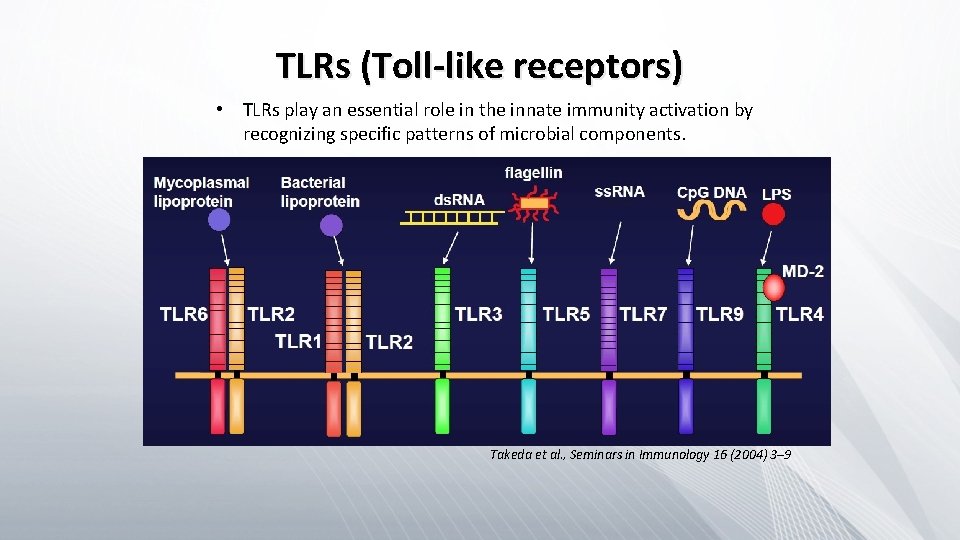
TLRs (Toll-like receptors) • TLRs play an essential role in the innate immunity activation by recognizing specific patterns of microbial components. Takeda et al. , Seminars in Immunology 16 (2004) 3– 9
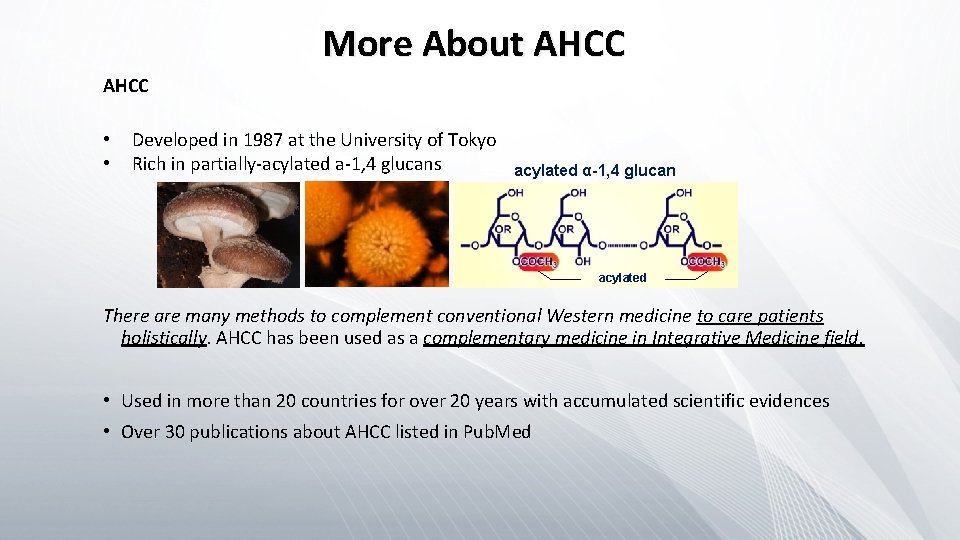
More About AHCC • • Developed in 1987 at the University of Tokyo Rich in partially-acylated a-1, 4 glucans acylated α-1, 4 glucan acylated There are many methods to complement conventional Western medicine to care patients holistically. AHCC has been used as a complementary medicine in Integrative Medicine field. • Used in more than 20 countries for over 20 years with accumulated scientific evidences • Over 30 publications about AHCC listed in Pub. Med
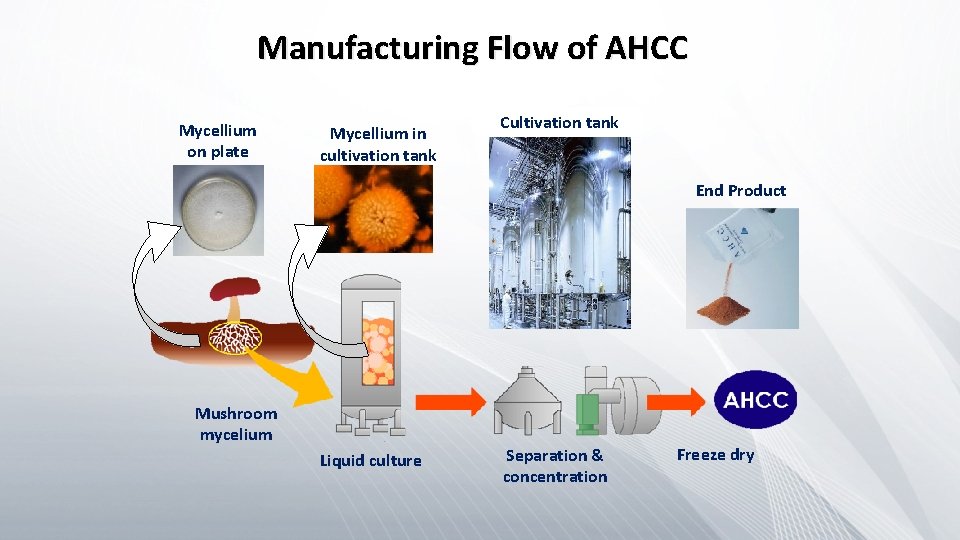
Manufacturing Flow of AHCC Mycellium on plate Mycellium in cultivation tank Cultivation tank End Product Mushroom mycelium Liquid culture Separation & concentration Freeze dry
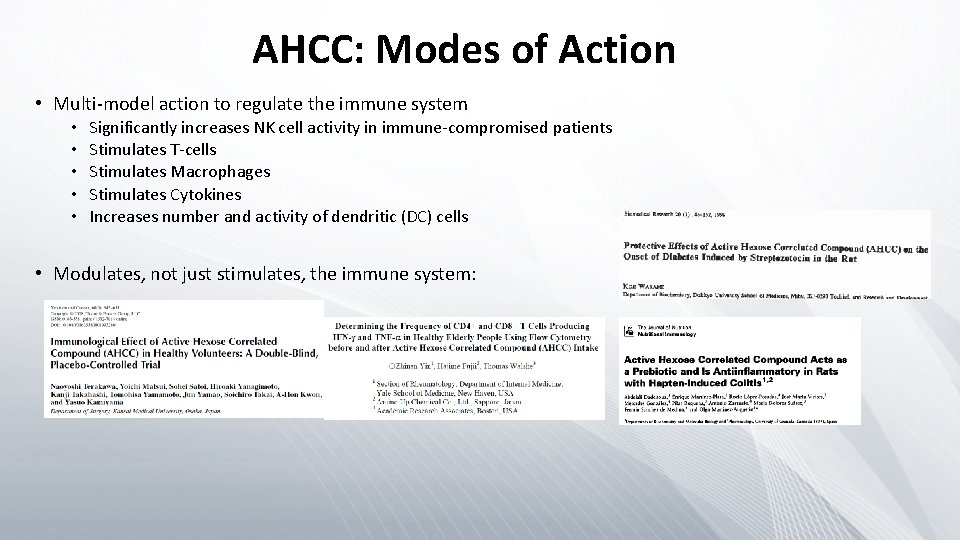
AHCC: Modes of Action • Multi-model action to regulate the immune system • • • Significantly increases NK cell activity in immune-compromised patients Stimulates T-cells Stimulates Macrophages Stimulates Cytokines Increases number and activity of dendritic (DC) cells • Modulates, not just stimulates, the immune system:
AHCC Effects in Oncology
Summary of AHCC effects in Oncology • • Longer postoperative survival Chemotherapy Support Chemotherapy Side Effects Reduction QOL Improvement Summary of AHCC efficacy mechanisms • Mucosal Immunity Stimulation • Intestinal Flora Condition Improvement Future studies • Combination of AHCC and probiotics • More precise mechanisms
AHCC and Immuno-senescence • New term which has become very relevant • Describes the deterioration of our immune system that occurs naturally as we age • Increase frequency of infections (Pneumonia is still the #1 cause of death for the elderly in the US) • Increased frequency of non-infectious diseases such as atrial fibrillation, diabetes, arthritis & high blood pressure • Increased risk of developing autoimmune disorders • But it can be delayed and this should be a key focus of modern preventative medicine
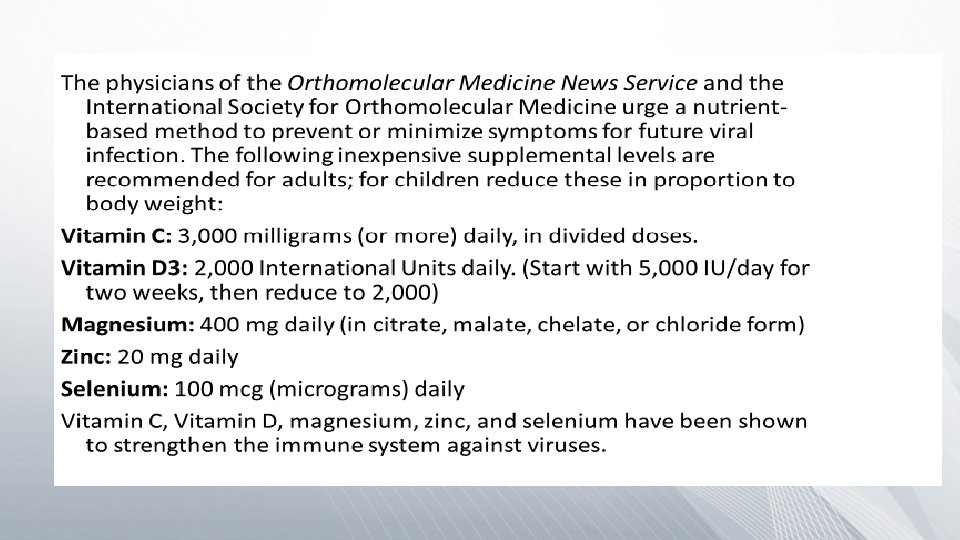
The basis for using high doses of vitamin C to prevent and combat virus -caused illness may be traced back to vitamin C's early success against polio, first reported in the late 1940 s. Many people are unaware, even surprised, to learn this. Further clinical evidence built up over the decades, leading to an anti-virus protocol published in 1980. It is important to remember that preventing and treating respiratory infections with large amounts of vitamin C is well established.
AHCC and Infectious Diseases AHCC has been the subject of several studies, which investigated its potential as a countermeasure to various infectious diseases, including the H 1 N 1 influenza (flu) virus, the H 5 N 1 avian influenza (bird flu) virus, West Nile virus, methicillin-resistant Staphylococcus aureus (MRSA) and several other opportunistic infections (Klebsiella pneumoniae, Candida albicans and Pseudomonas aeruginosa). Supplementation with AHCC also resulted in enhanced NK cell activity in the lungs and spleen and rapid virus clearance from lungs. So the data clearly suggested that AHCC supplementation enhanced NK cell activity in response to influenza infection, which was associated with a decrease in lung virus titers, a less severe infection and increased survival.
AHCC: Eradication of HPV infections in Women with HPV positive PAP Smears Judith A. Smith, Pharm. D. Department of Obstetrics, Gynecology & Reproductive Sciences UT Health Sciences Center
Human Papillomavirus (HPV) • • • Non-enveloped ds. DNA virus Infects epithelial and mucosal surfaces Very common infection with over 100 subtypes 15 subtypes are carcinogenic Most common subtypes: HPV 16, 18, 31, 39, and 41 It does not cause cancer independently
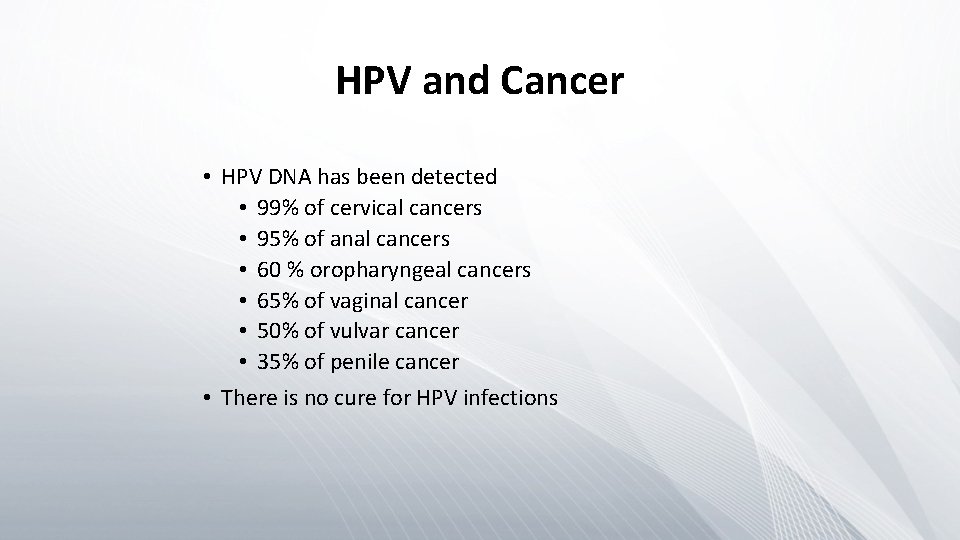
HPV and Cancer • HPV DNA has been detected • 99% of cervical cancers • 95% of anal cancers • 60 % oropharyngeal cancers • 65% of vaginal cancer • 50% of vulvar cancer • 35% of penile cancer • There is no cure for HPV infections
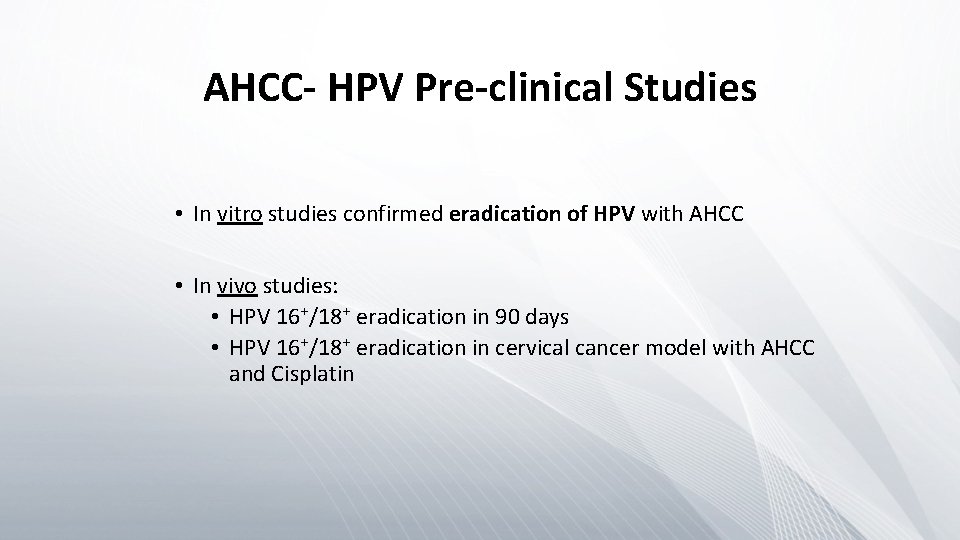
AHCC- HPV Pre-clinical Studies • In vitro studies confirmed eradication of HPV with AHCC • In vivo studies: • HPV 16⁺/18⁺ eradication in 90 days • HPV 16⁺/18⁺ eradication in cervical cancer model with AHCC and Cisplatin
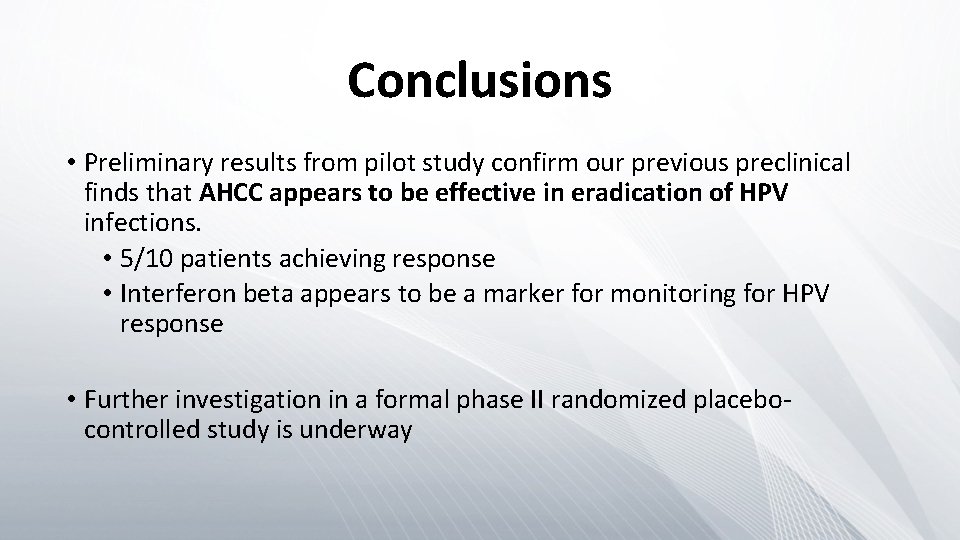
Conclusions • Preliminary results from pilot study confirm our previous preclinical finds that AHCC appears to be effective in eradication of HPV infections. • 5/10 patients achieving response • Interferon beta appears to be a marker for monitoring for HPV response • Further investigation in a formal phase II randomized placebocontrolled study is underway
Clinical Effects of AHCC on High. Risk HPV Infection and Secretory Ig. A • Kensuke MIKI 1, 2, Tamami TAKEDA 1, Hirofumi MIMA 1 • 1 MIMA LADIES CLINIC • 2 Graduate School of Nanobioscience, Yokohama City University MIMA LADIES CLINIC
Conclusions AHCC supplementation resulted in the following significant changes compared with control. 1. HPV infection became negative in 5 patients. 2. NK activity (10: 1 ET ratio) significantly increased. 3. Secretory Ig. A in stool markedly increased. 4. In the questionnaire study, menstrual cycle, quality and volume of vaginal discharge, and appetite all significantly improved. Continuous ingestion of AHCC can lead to clearance of HPV infection, and suppress transition to cervical cancer
Usage and Dosage • Preventatively • Health-conscious adults seeking to heighten their immune activity • Recommended preventative dose: 1, 000 mg daily • Translational studies indicate efficacy at above 500 mg/day • Therapeutically • Patients with highly compromised immune systems • Cancer patients, HEP-C patients, and other serious conditions • Recommended therapeutic dose: 3, 000 mg daily
Human Microbial Ecology • All body surfaces in contact with the outside world have colonization of bacteria and fungi. • Normal flora are those microbes which live in a symbiotic relationship causing no harm. • These vary with diet and lifestyle, environment, body chemistry and immune system.
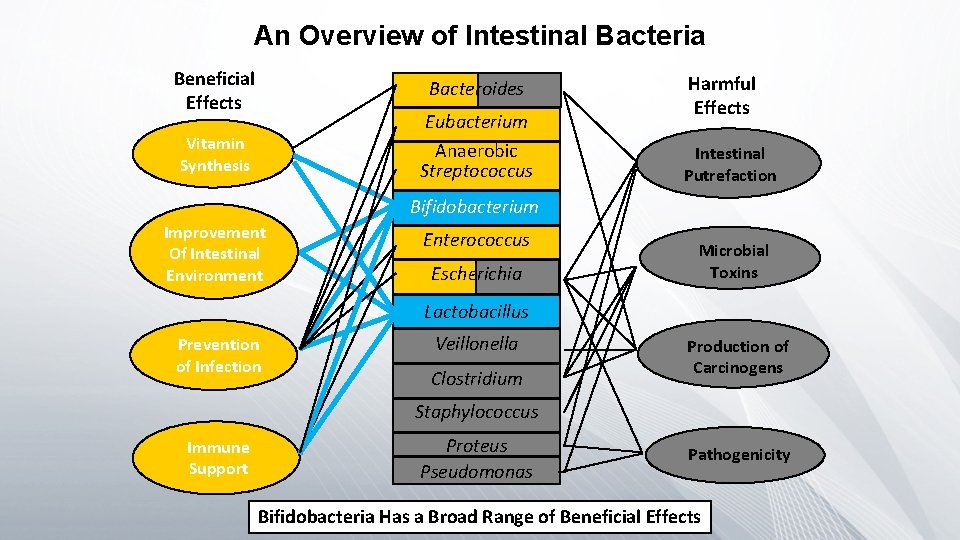
An Overview of Intestinal Bacteria Beneficial Effects Bacteroides Eubacterium Anaerobic Streptococcus Vitamin Synthesis Harmful Effects Intestinal Putrefaction Bifidobacterium Improvement Of Intestinal Environment Enterococcus Escherichia Microbial Toxins Lactobacillus Prevention of Infection Veillonella Clostridium Production of Carcinogens Staphylococcus Immune Support Proteus Pseudomonas Pathogenicity Bifidobacteria Has a Broad Range of Beneficial Effects
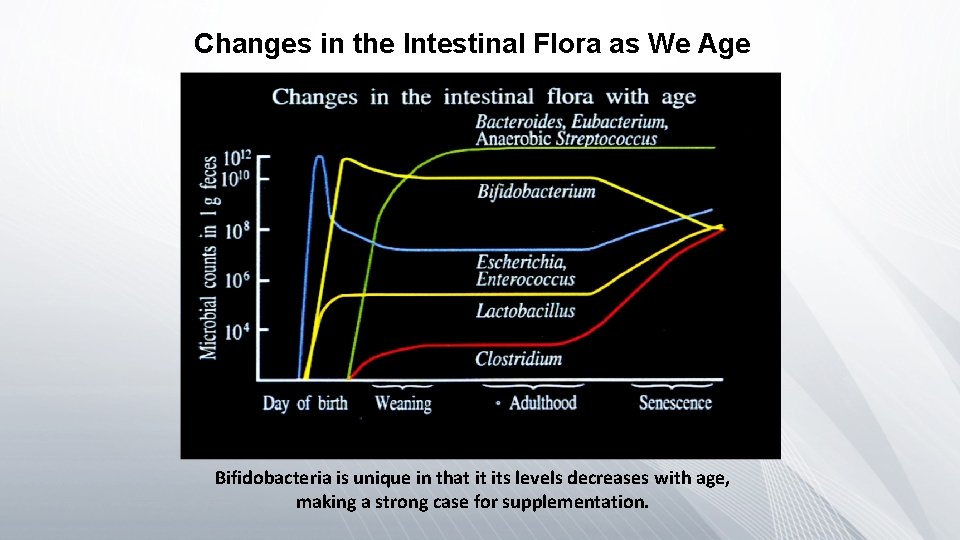
Changes in the Intestinal Flora as We Age Bifidobacteria is unique in that it its levels decreases with age, making a strong case for supplementation.
What is Dysbiosis? • Damage to microflora of the gut • Damage to the gut wall (micro-villi) • Results in hyperporosity of the gut lining • Leaky Gut Syndrome: • Large food particles enter the blood stream • Depletion of vital nutrients • Opportunistic pathogens produce toxins and putrefaction
What Causes Dysbiosis? • Prolong stress states • Cooked oils and fats • Refined Sugar (100 lbs/ year per capita) • Sodas (300/ year per capita) • Alcohol • NSAID’S and antibiotics • Pain relievers • Eating habits • Radiation and chemotherapy
Probiotic Microorganisms • Lactobacillus: acidophilus, bifidus, brevis, caesei, paracaesei, cellobiosis, fermenti, leichmannii, plantarum, salivarius, sporogenes • Saccharomycess boulardii • Bifidobacterium spp • Enterococcus faecium • Streptococcus thermophilus
Probiotics Effect on Gut Pathogens • Resistance to colonization • Production of antimicrobial substances • Inhibition of pathogen adhesion • Degradation of toxins • Stimulation of local and peripheral immunity • Stimulation of brush border enzymes • Stimulation of secretory- Ig. A • Prevention of microbial translocation
Prebiotics • Non digestible fiber compounds that pass undigested through the upper part of the GI tract • Stimulate the growth of advantageous bacteria in LI by acting as a substrate for them • First identified and named by Marcel Roberfroid in 1995
Prebiotics
The Solution: Micro. Active Resveratrol • Micro. Active Resveratrol, featured in Resveratrol-SR, provides resveratrol in a special micronized, extended-release matrix. • Resveratrol is released over time so it stays in the blood longer — and is therefore active longer — than regular resveratrol.
Micro. Active Resveratrol Enhanced Bioavailability A small pilot study has shown Micro. Active Resveratrol: Achieves higher blood levels over a longer period of time than regular resveratrol Has 2. 5 x greater bioavailability than regular resveratrol Delivers sustained release over 9 hours

Stay Healthy!
- Slides: 43