
Nato Tree Known as the Eastern Mahogany Usually
- Slides: 18
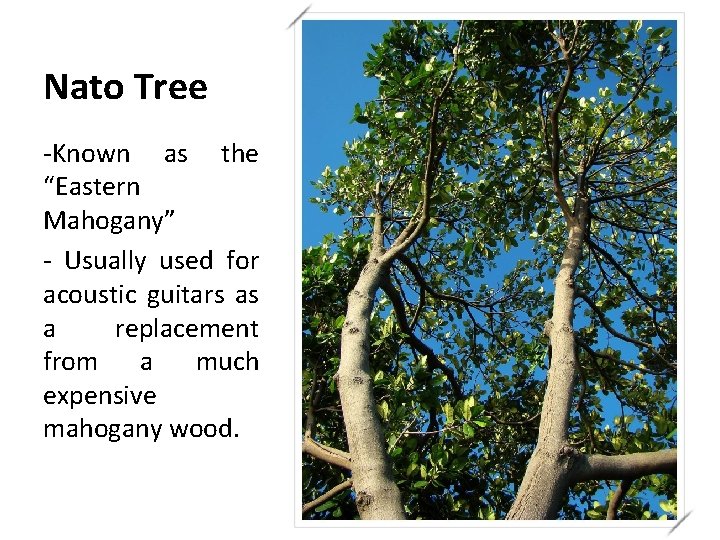
Nato Tree -Known as the “Eastern Mahogany” - Usually used for acoustic guitars as a replacement from a much expensive mahogany wood.
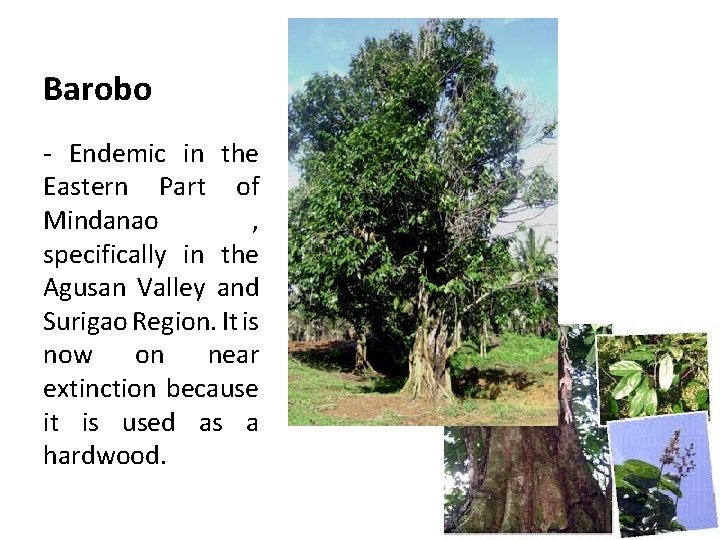
Barobo - Endemic in the Eastern Part of Mindanao , specifically in the Agusan Valley and Surigao Region. It is now on near extinction because it is used as a hardwood.
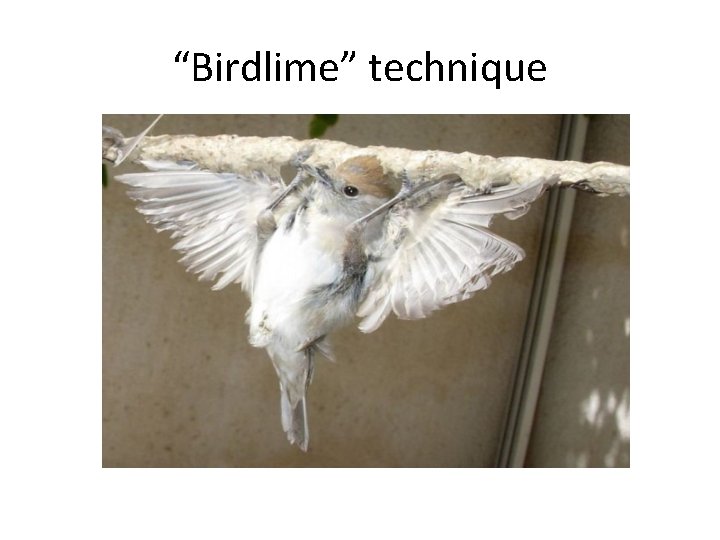
“Birdlime” technique
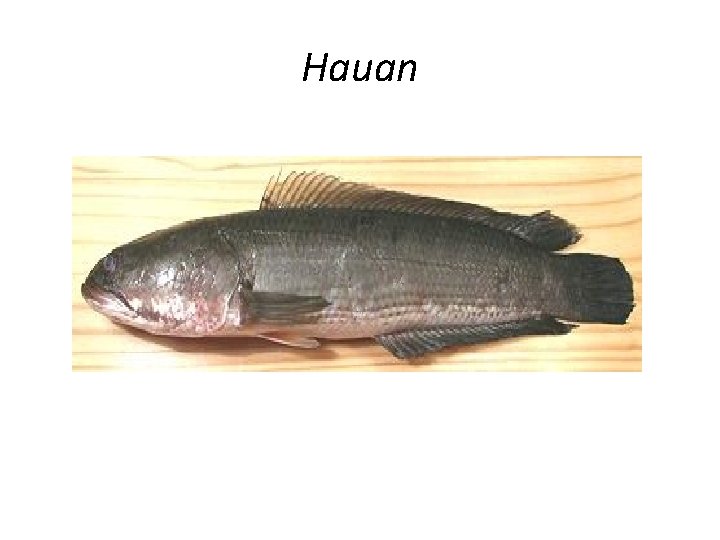
Hauan
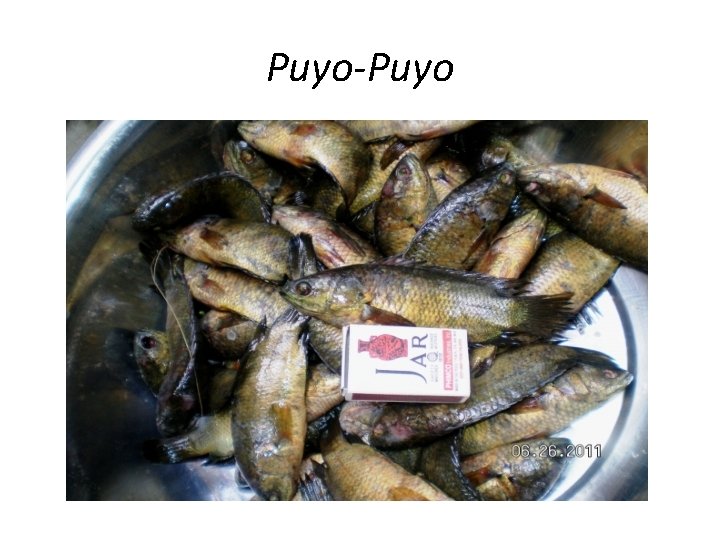
Puyo-Puyo
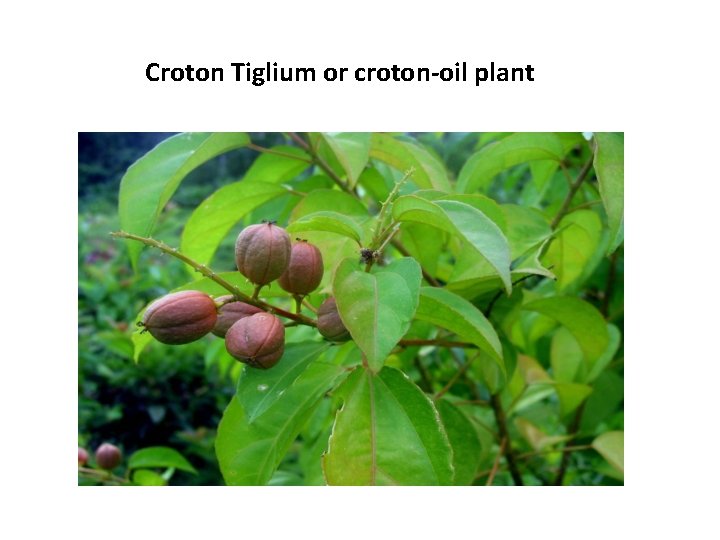
Croton Tiglium or croton-oil plant
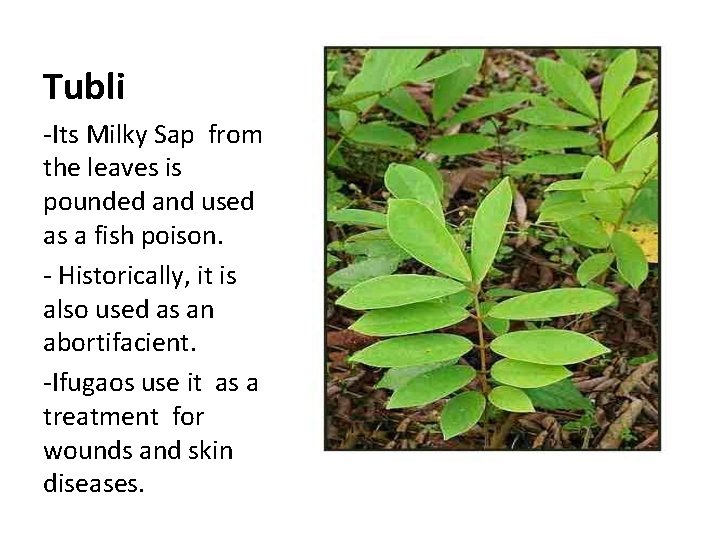
Tubli -Its Milky Sap from the leaves is pounded and used as a fish poison. - Historically, it is also used as an abortifacient. -Ifugaos use it as a treatment for wounds and skin diseases.
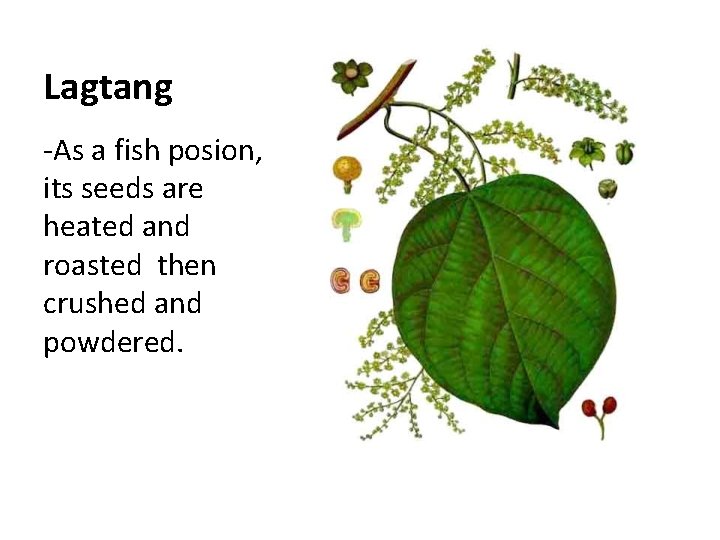
Lagtang -As a fish posion, its seeds are heated and roasted then crushed and powdered.
• THE TIME AND PLACE OF PLANTING RICE -based from the voice of the kuahau & when the leaves of the lanipau begin to fall. 1 st: After he chooses, he offers betel-nut to the tagbanua & to other spirits. 2 nd: He selects a spot for the house and clears it, and then cut down a few small trees as a notice of ownership. 3 rd The following day, he erects a house in the middle of the farm for their small shack, and on the side an offering house. (Kamalig) • THE SOWING CEREMONY -Taephag (guards the crop against man and beast, even revealing to her chosen ones the names of trespassers) 1 st: Invocation or prayers are made by the baylan 2 nd: A fowl is offered, and after it is killed is thrown to the ground and left to flutter around. (hugad to saya w/c means “to cleanse from sin”) 3 rd : the entrails of the victim is carefully observed by the baylan for signs of good and bad omens. 4 th : offering is made to Taephagan: a handful of unhulled rice taken from the last harvest.
• THE CLEARING OF THE LAND -Pag-a-bai-yus-an: ”mutual-help system” (all members of the household helps) -last for about 2 -5 days - 1 st: Gas or Gai-as- cutting down of underbrush and small trees -2 nd : Gu-ba- felling of trees -3 rd: Sang-ag- branches & leaves are piled into heaps for future burning.
SOWING OF ITS RICE AND CULTURE Should take place bet. The time of burning and the next full moon (balatik) -to be exact: 9 th day after the 1 st waning moon. (guyabang) 1 st: Kambuyai- The owner of the farm takes a handful of seeds from the grass-bag and scatter. The women and children immediately covers it with soil to prevent from rodents to prey on it. - 2 nd: During the sowing of the rice, appearance of certain birds within the vicinity is considered a bad omen that’s why proper ceremonies is done. • THE RICE HARVEST - (merriest time of the year & perfect time for marriages) -1 st: Makaduya- All trails leading to the house and farm are closed to prevent bad spirits from entering the premises. -2 nd: Owner makes solemn invocation to the kuyahaw, if the bird is satisfied then the owner will cut some ripe heads of rice and place it at the center of the farm. He then puts it in a grass-bag w/ bezoar stones or “mutja” so that the rice will increase in quantity. • HARVEST FEAST - Hakyad (more elaborate than Taephag lasting for several days) -Every inducement is offered to Hakyadan to prevent the rice form being stolen by Dagau (a fickle spirit who brings hunger to humankind) - Must take place before the process of harvesting begins. - An offering of pig is made, if a family cant afford it, chicken is made as a replacement. -After the feast, the harvesting begins. • -
• THE CULTURE OF OTHER CROPS - After the rice harvest, the Manobos plant: 1. Sweet potatoes (kamote) 2. Mais 3. Sugarcane (tubo) 4. Banana - Bananas and sugarcane are planted at noon because of the belief that it will grow taller and bigger if planted at that hour. - Taro and corn are planted in the morning because of the same belief. - If the rumbling of thunder is heard during the planting of these crops, then its an omen that the planting should be halted till the following day.
• HUNTING -The Manóbos are excellent hunters, keen, clever, determined, and enduring, but by no means incessant. In fact, it is only under the stress of hunger or when a few of them rally together that they start off with hunting spears and dogs. Occasionally one meets a professional who takes as may be observed by the trophies of wild−boar tusks and jaws hung in his house. • HUNTING W/ DOGS - It is only the better , pluckier or luckier ones are chosen for hunting. These are recognized by the size and relative position of the nipples on the breast. It is said that from these and other marks the fate of the dog can be foreseen. - The ordinary Manóbo house has at least a few dogs, and these are allowed the liberty of the house. They share the family mats, and sometimes have a special ladder provided for their ascent and descent.
- However, a dog that howls in its sleep, is thought to forebode the death of its master or of some inmate of the house. It must be sold, else the owner or one of his family might die. - Before the start of hunting, the hunters first offer to Sugudun, the spirit of the hunters. They should offer a male fowl of a red color.
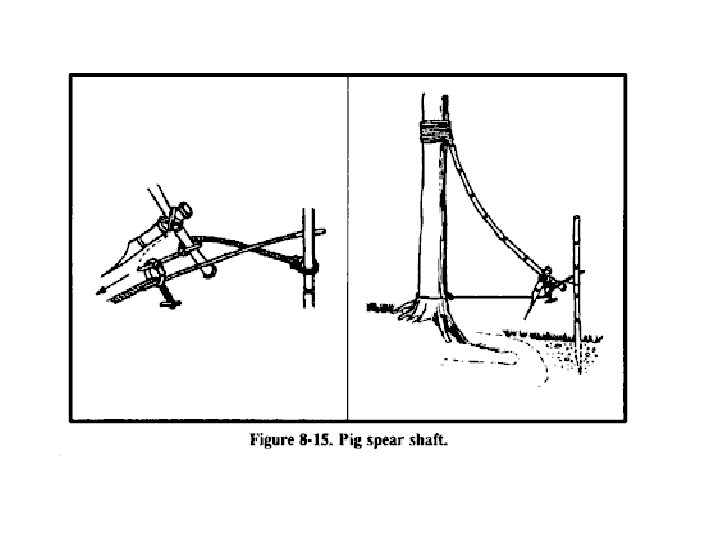
• OTHER METHODS OF OBTAINING GAME 1. Blowpipe (sumpitan)- usually used for monkeys 2. Birdlime- made out of the viscid sap of certain trees, is occasionally used to capture small birds. 3. Bamboo Spear Trap (batik)- A common method of trapping among the Manóbos, more especially practiced during the rainy season. Entering into details, it may be described as a trap in which a spring of bent wood, upon being released, drives a bamboo spear that has been attached to it into the side of a passing pig or deer. The whole apparatus is laid horizontally about 1 foot above the ground, and is carefully concealed.
• FISH POISONING 1. Túba (Croton Tiglium or croton−oil tree)- Túba has a deleterious effect on man, producing colic and diarrhea, if taken in fairly strong solution. Yet the fish that die from the effects of it are perfectly harmless in that respect. 2. Tubli- The root of the túbli plant is used for poisoning. It is a quicker−acting poison and more universal than the preceding, in the sense that nothing, not even shellfish, escapes its baneful effects. 3. Lagtang- As a fish poison, its seeds are heated and roasted then crushed and powdered.
• DRY SEASON LAKE FISHING Lingig or Linig- method of fishing wherein you just hack the fish away with bolos. There are just two kinds of fish that can be obtained through this method: 1. Isda or Hauan (mudfish) 2. Puyo-Puyo • FISHING WITH NETS & TRAPS Bubu or Bubo - cigar−shaped trap made of slats of rattan, from 0. 5 to 1 meter in length. The swifter the current, the smaller the trap used. The large end has a cone with its apex pointing inward. It is made of bamboo slats which are left unfastened at the apex of the cone so that the fish may enter but not get out. This trap is set with its mouth facing either up or down stream.