
Native Spirituality What is your connection to nature

- Slides: 39
Native Spirituality
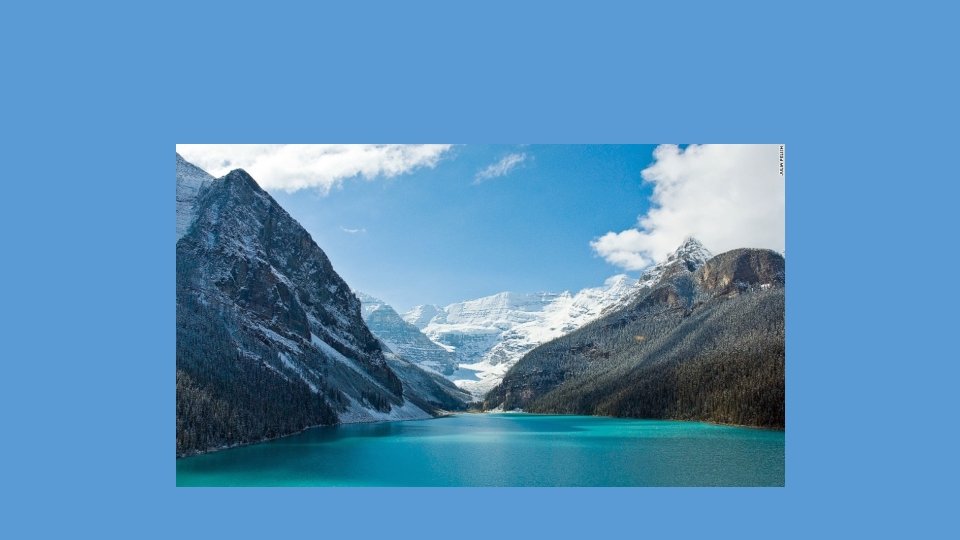
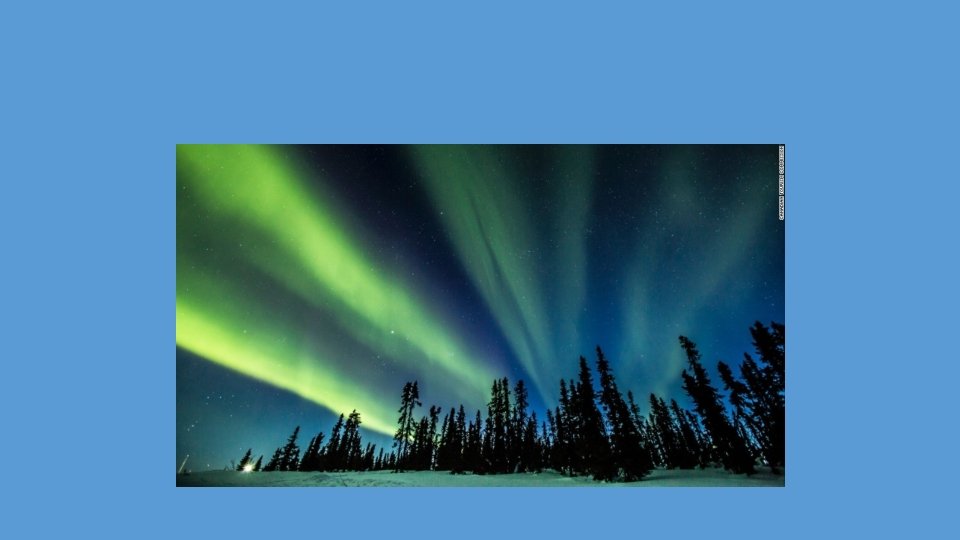
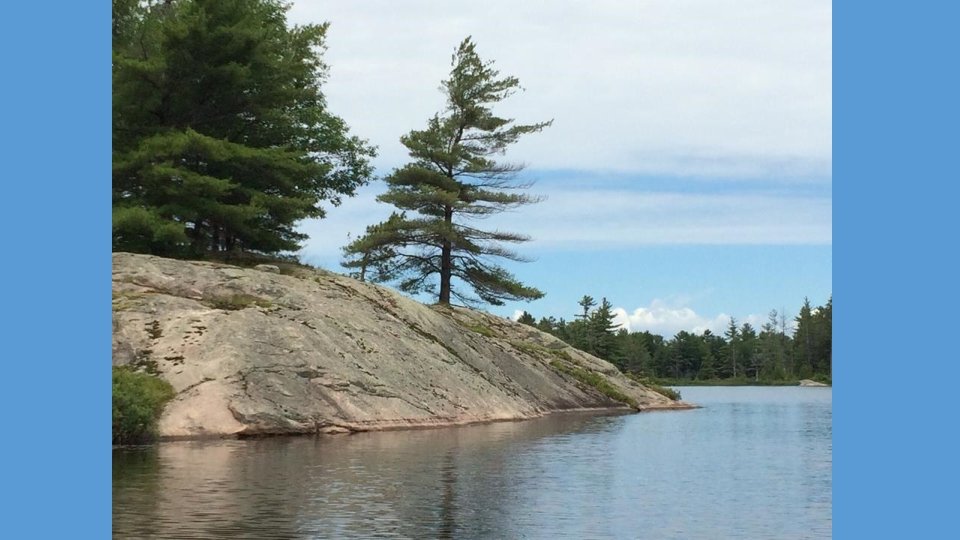
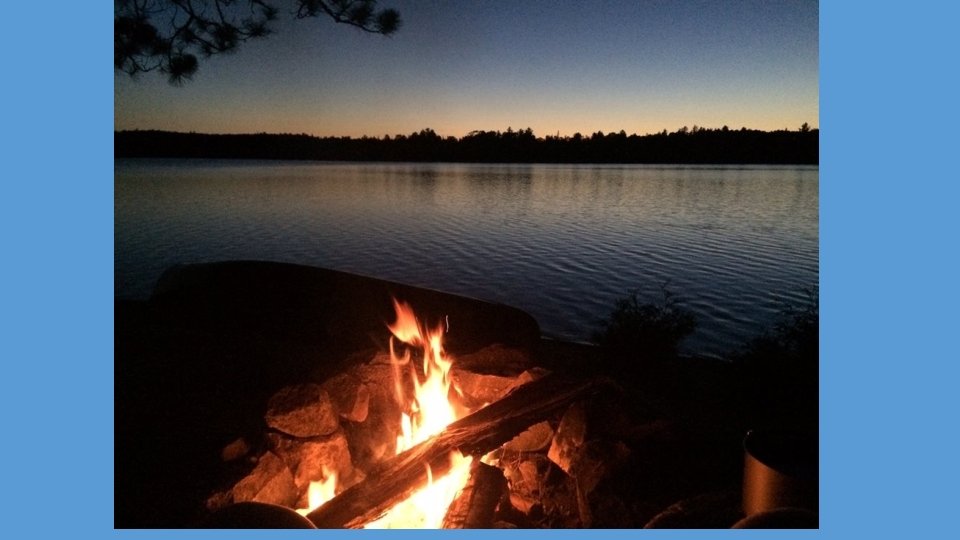
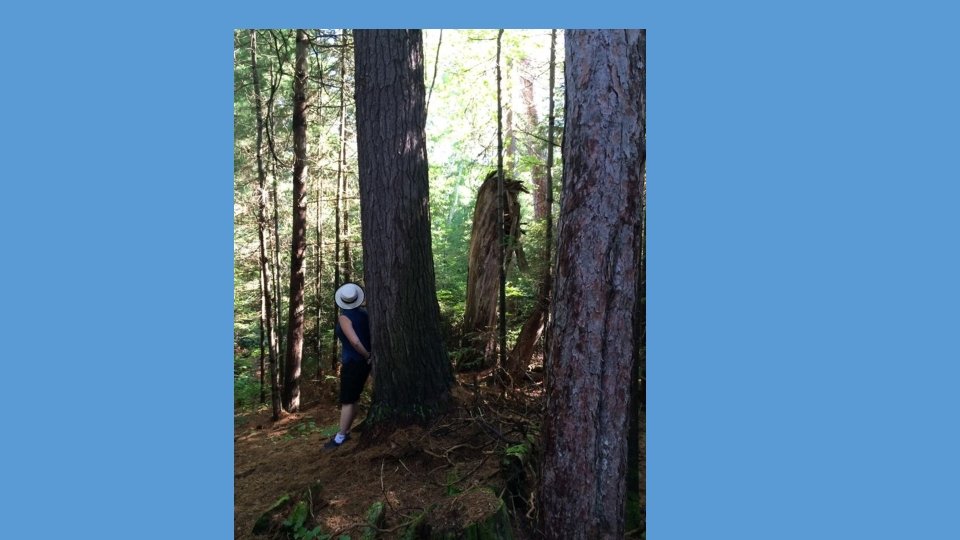
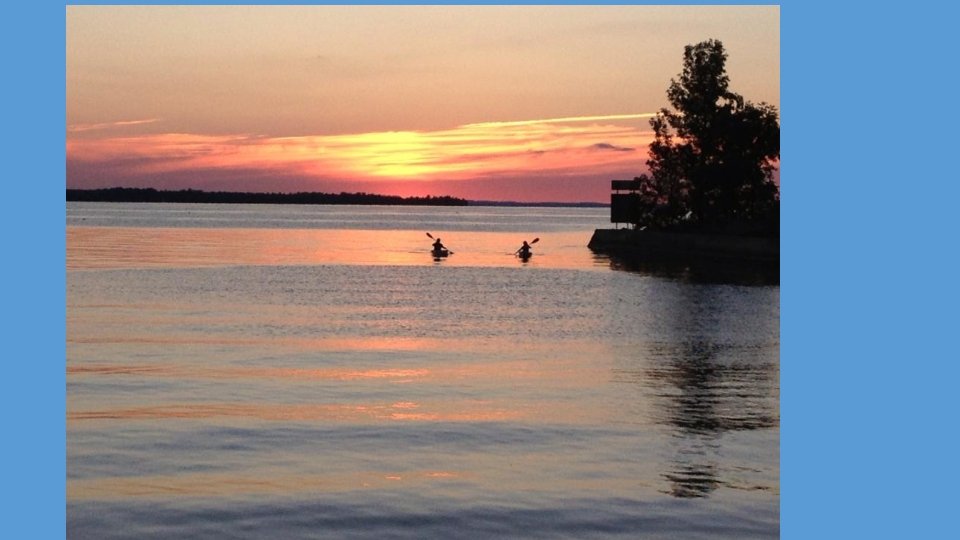
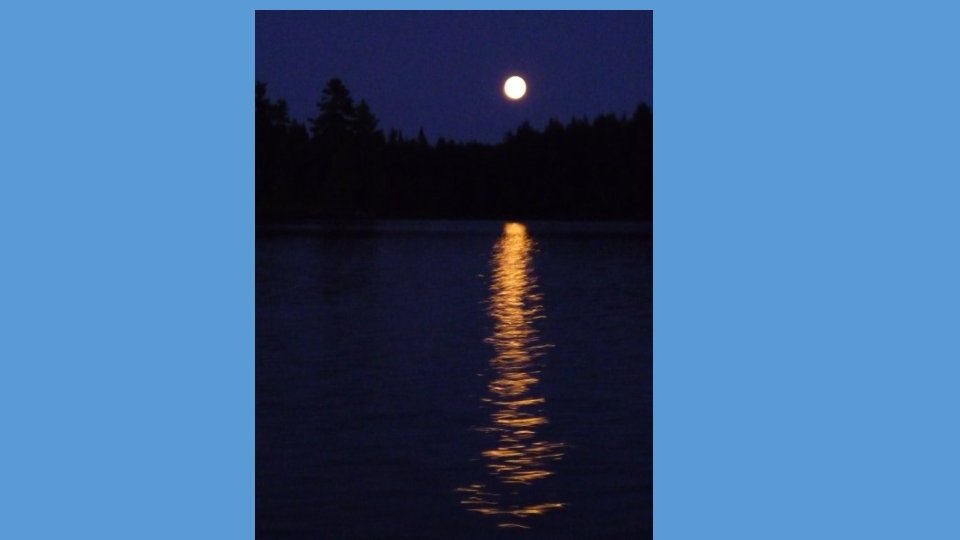
What is your connection to nature? Draw an image of -a place you like to go -something in nature that you see daily that you like Write down a word or two which describes how you feel in this place
Ultimate Reality in Native Spirituality -everything and everyone is sacred -so all are equal (children, women, LGBTQ, etc) -all in animated by spirit -so every one of your words, actions, etc matters
Ultimate Reality in Western Worldview Transcendent – God is “out there”, beyond the physical world that we humans inhabit. God “comes into” our world through the Eucharist and through Jesus. Immanent – “It is in God that I live and move and have my being” (Acts 17: 12) -our world is imbued with the spirit of God
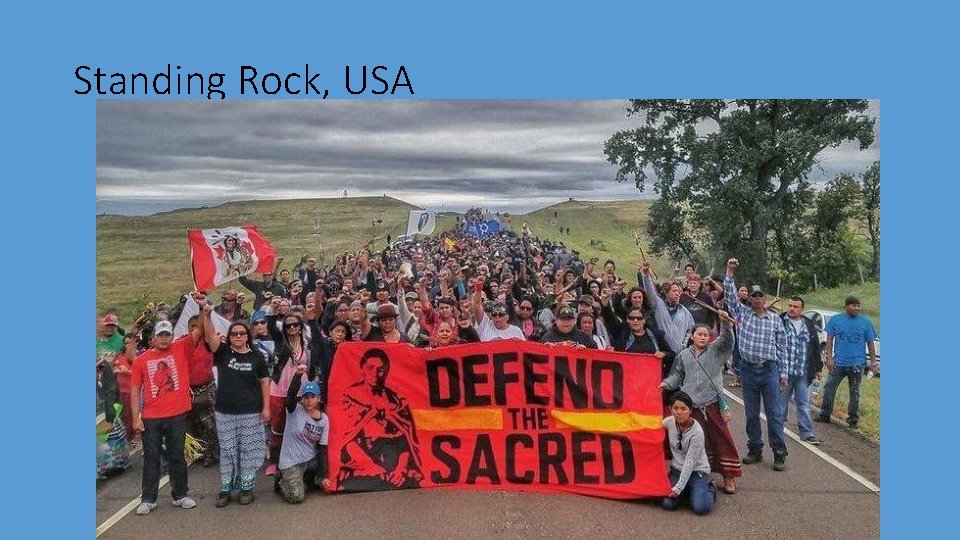
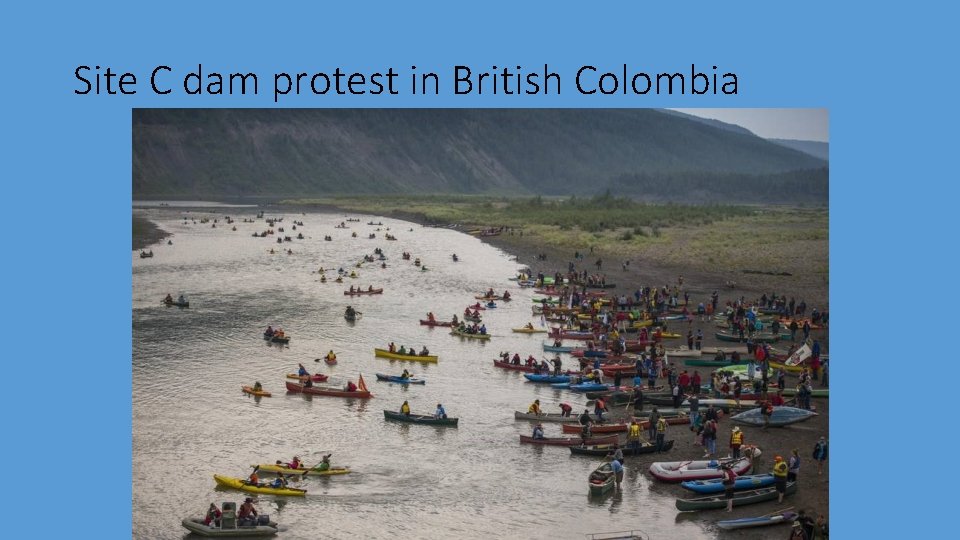
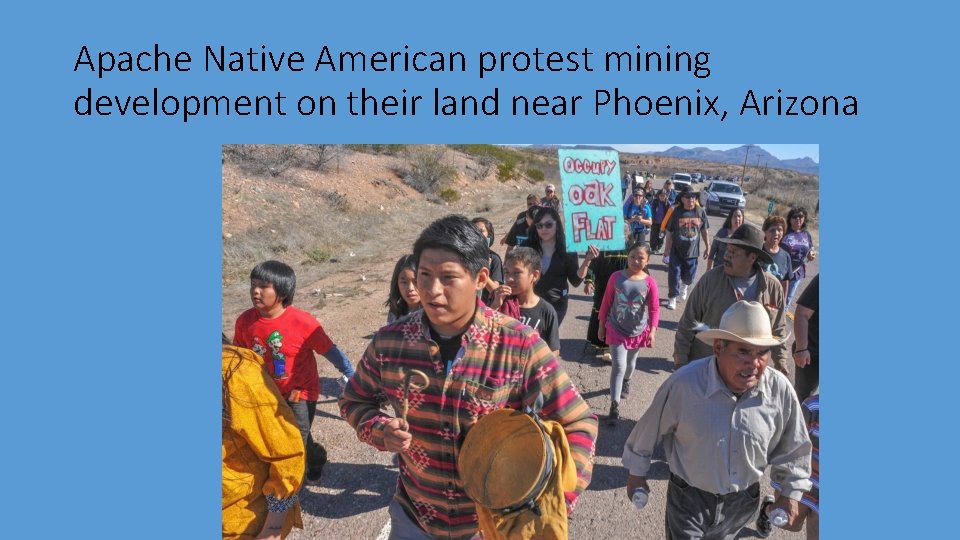
This belief in the sacredness of Mother Earth is at the heart of Indigenous actions to protect the environment -
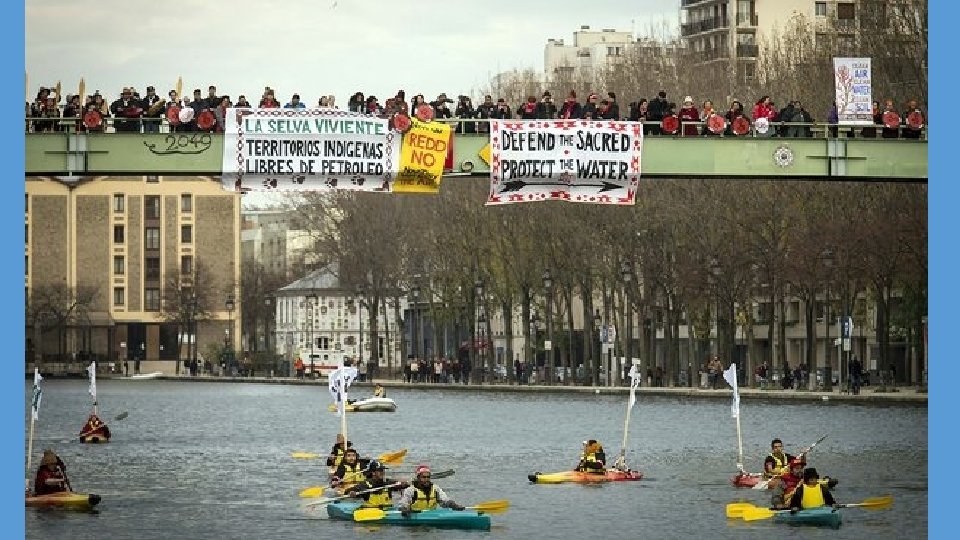
• Indigenous people paddle down the Seine as others stand on a bridge holding banners during a rally in Paris demanding Indigenous rights are included in the climate accord on December 6, 2015 on the sidelines of the COP 21 climate change conference.
Standing Rock, USA
Site C dam protest in British Colombia
Apache Native American protest mining development on their land near Phoenix, Arizona
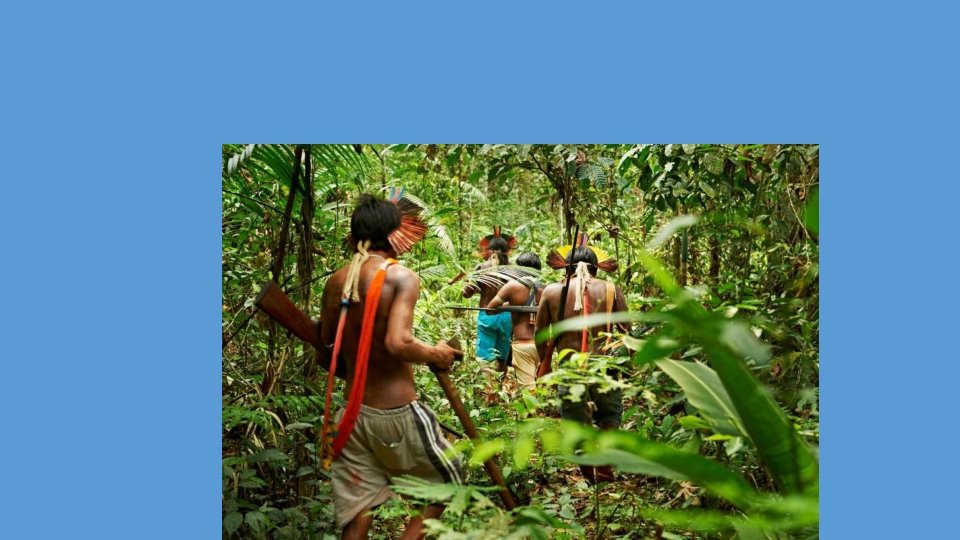
• The Amazon rain forest is the greatest expression of life on Earth. It is home to about a third of our planet's terrestrial life forms, cycles about one-quarter of the Earth's freshwater, and plays a key role in absorbing carbon and moderating climate.
Some native tribes have staged protests, pressured the government, and fought on the ground to secure their rights. Some have also formed alliances with environmental and indigenous-rights organizations, which have helped them to form their own nongovernmental organizations (NGOs), enabling them to enlist further outside backing. One example: Overflights of Kayapo territory in recent years, funded by outside NGOs, spotted gold miners in a remote area. After government inaction, the outside partners equipped a Kayapo expedition with boats, motors, fuel, GPS, and radio. In July, several dozen Kayapo warriors traveled more than 200 kilometers (124 miles) by boat and on foot to strike at the illegal mining camps. They destroyed the mining equipment and pressured the government to send helicopters to take the captured miners away.
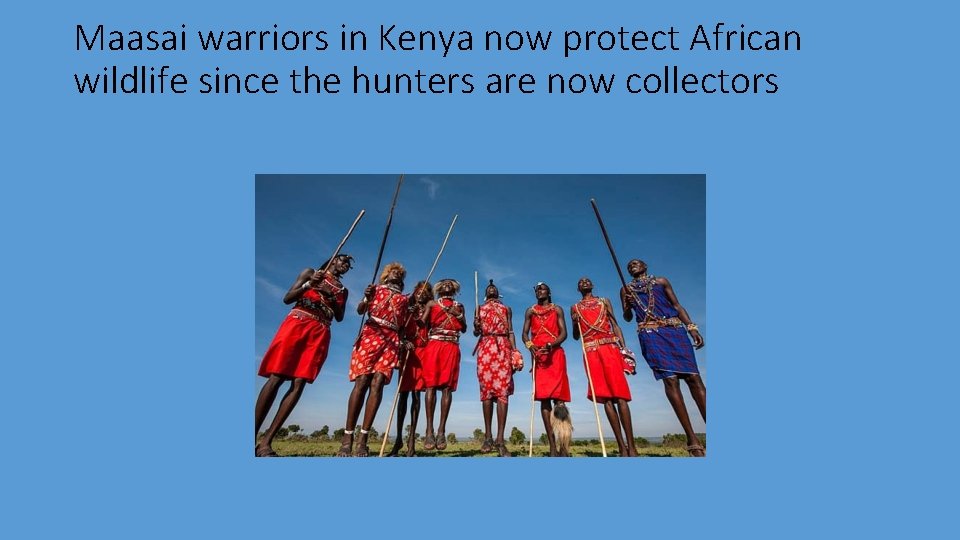
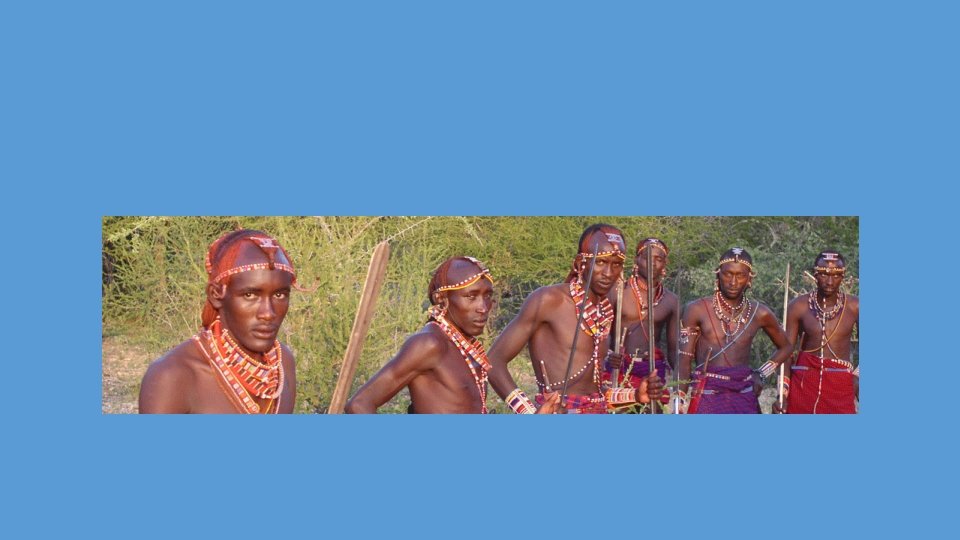
Maasai warriors in Kenya now protect African wildlife since the hunters are now collectors
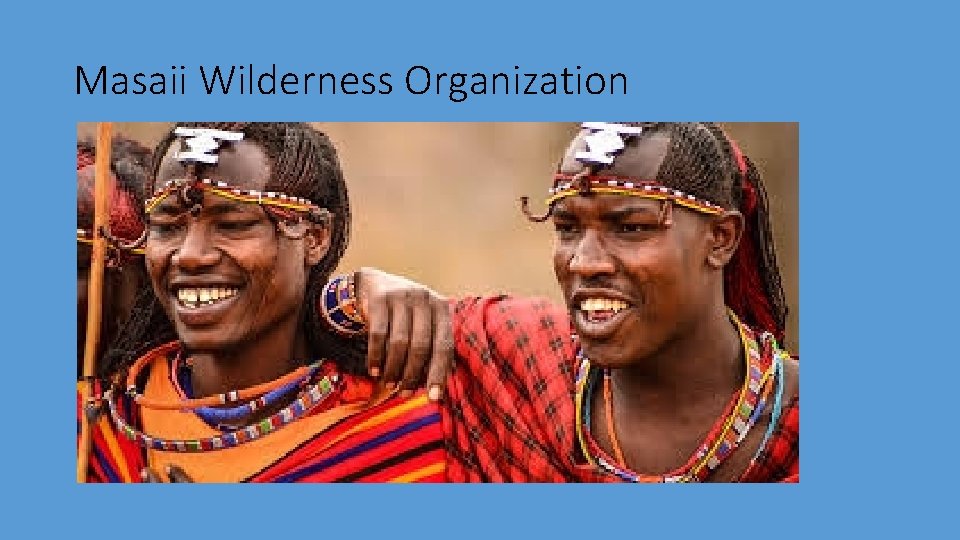
Masaii Wilderness Organization
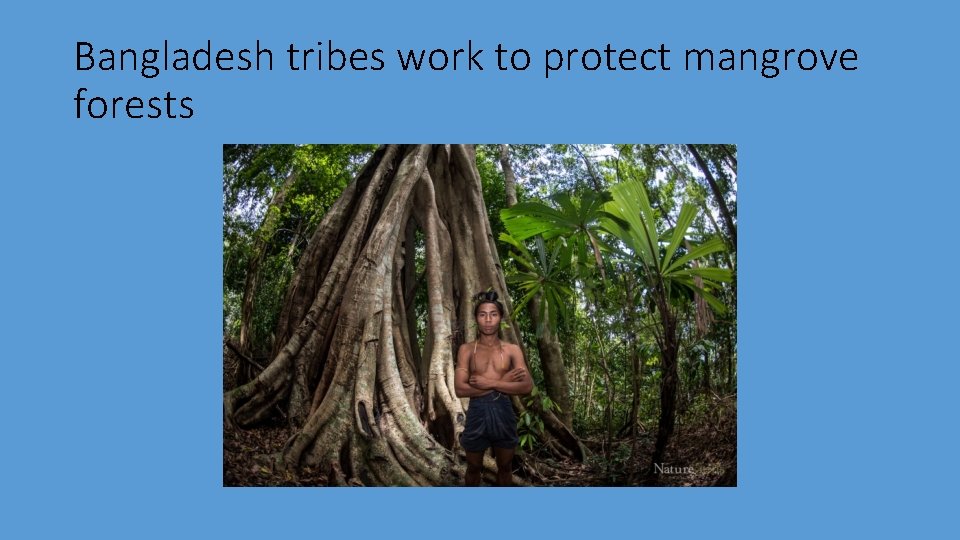
Bangladesh tribes work to protect mangrove forests
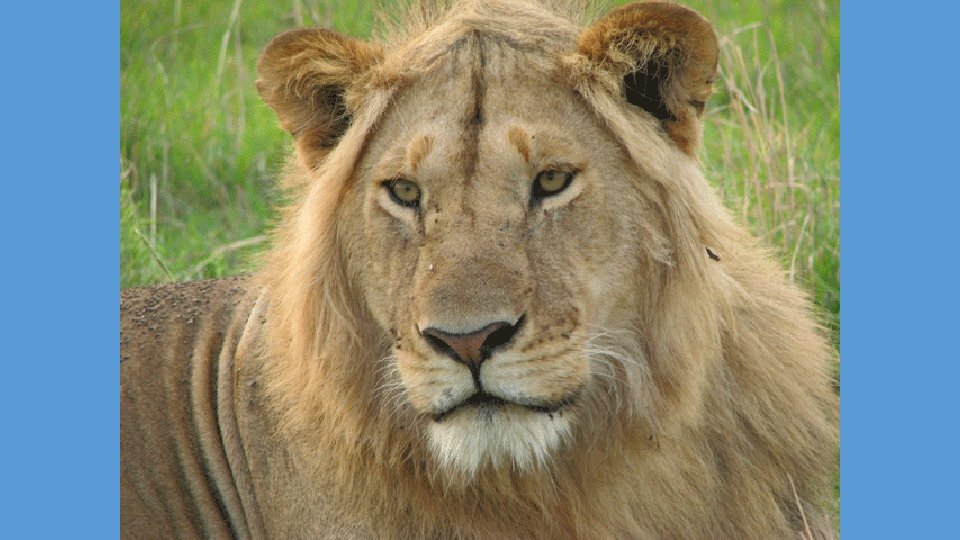
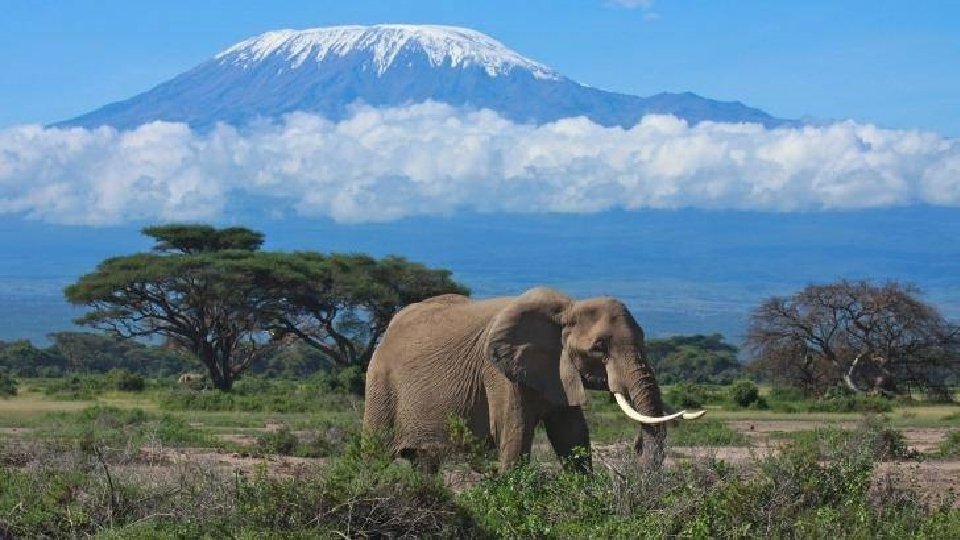
• THE ELEPHANT The biggest animal still walking the earth, there are now only about 415, 000 in the wild across 37 countries in Africa. • STATUS: VULNERABLE • THE RHINO There are fewer than 5000 black rhino in the wild, with European hunters responsible for their early drop in numbers and now poachers taking their toll. • STATUS: CRITICALLY ENDANGERED There are thought be about 20, 170 white rhino – the second biggest land mammal in the world – left mostly in South Africa, Kenya, Namibia and Zimbabwe. • THE AFRICAN LION There are fewer than 25, 000 African lions left in the wild, from more than 200, 000 in the 1960 s. • STATUS: VULNERABLE • THE AFRICAN LEOPARD The least seen of the big five since they are nocturnal and solitary, making them hard to track. While it's known their rangelands have shrunk, their numbers are not known. • STATUS: UNKNOWN • THE BUFFALO With threats mostly coming from conflict with humans and a reduced habitat, there are thought to be about 900, 000 in the wild, mostly in protected areas. • STATUS: LEAST THREATENED • Sources: World Wildlife; African Wildlife Foundation; and the IUCN Red List, compiled by the International Union for Conservation of Nature and Natural Resources.
http: //www. cbc. ca/news/canad a/iconic-first-nations-protests 1. 2125374