
Native Americans of the Eastern Woodlands 8 1
- Slides: 20
Native Americans of the Eastern Woodlands
� 8 -1. 1 Summarize the collective and individual aspects of the Native American culture of the Eastern Woodlands tribal group, including the Catawba, Cherokee, and Yemassee.
�Essential question: What did Native Americans of the Eastern Woodlands have in common?
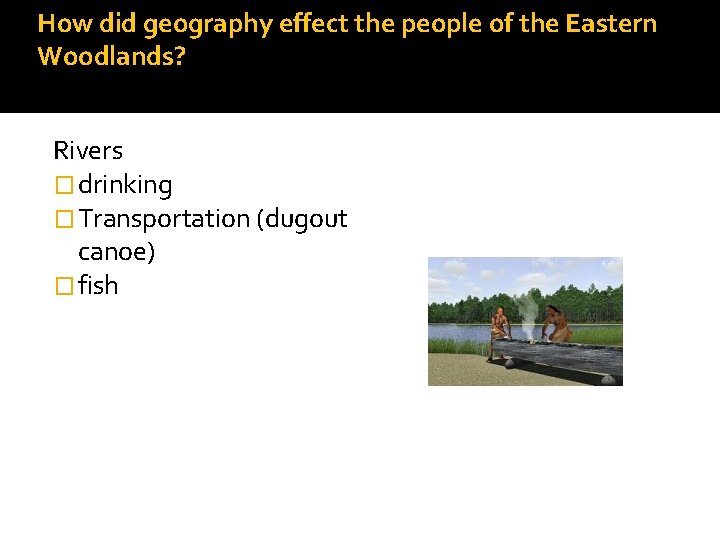
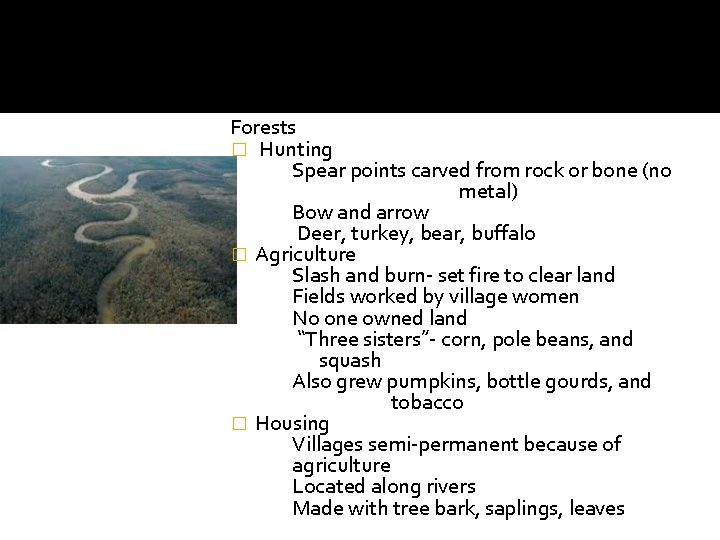
How did geography effect the people of the Eastern Woodlands? Rivers � drinking � Transportation (dugout canoe) � fish
Forests � Hunting Spear points carved from rock or bone (no metal) Bow and arrow Deer, turkey, bear, buffalo � Agriculture Slash and burn- set fire to clear land Fields worked by village women No one owned land “Three sisters”- corn, pole beans, and squash Also grew pumpkins, bottle gourds, and tobacco � Housing Villages semi-permanent because of agriculture Located along rivers Made with tree bark, saplings, leaves
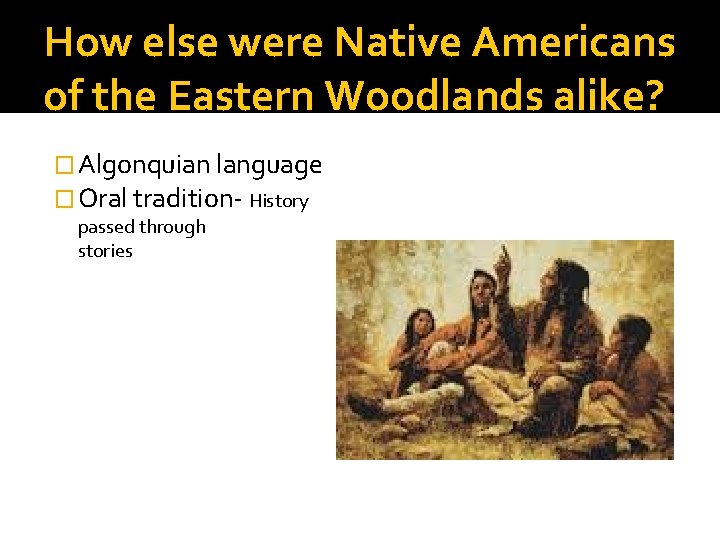
How else were Native Americans of the Eastern Woodlands alike? � Algonquian language � Oral tradition- History passed through stories
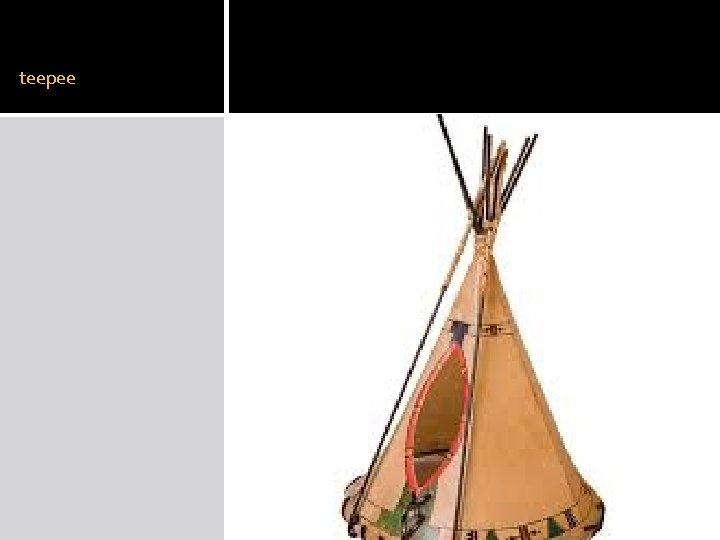
teepee
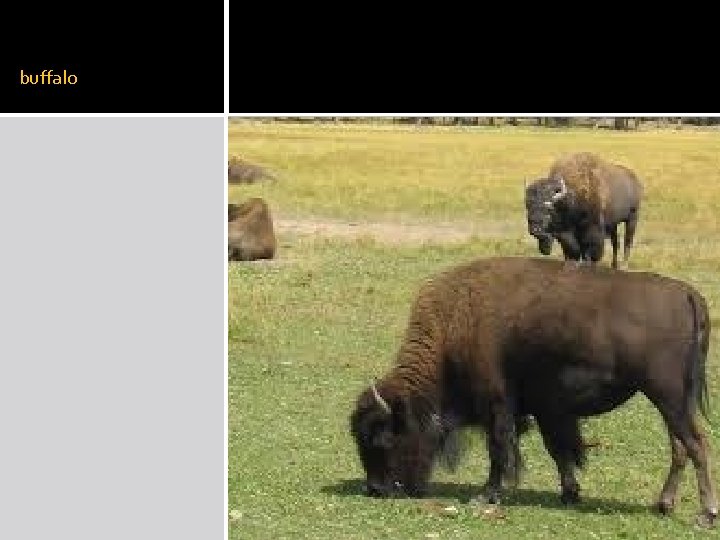
buffalo
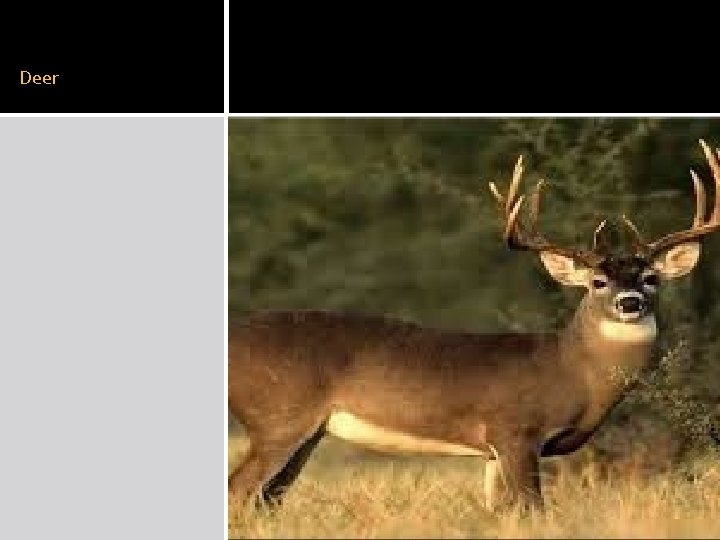
Deer
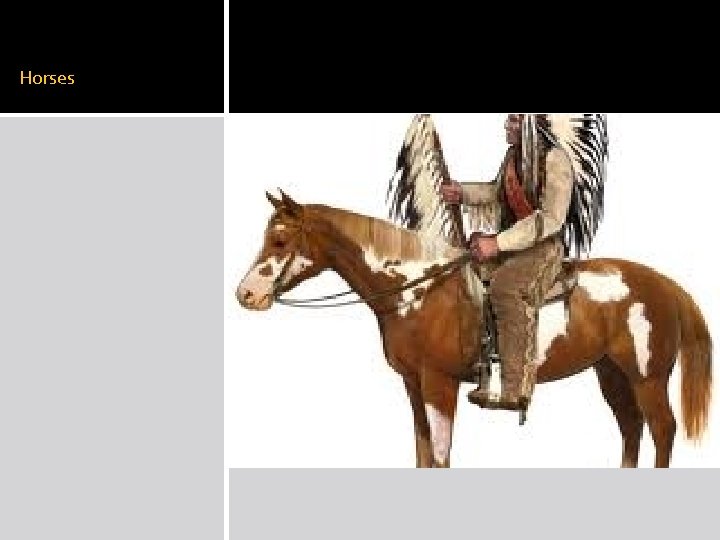
Horses
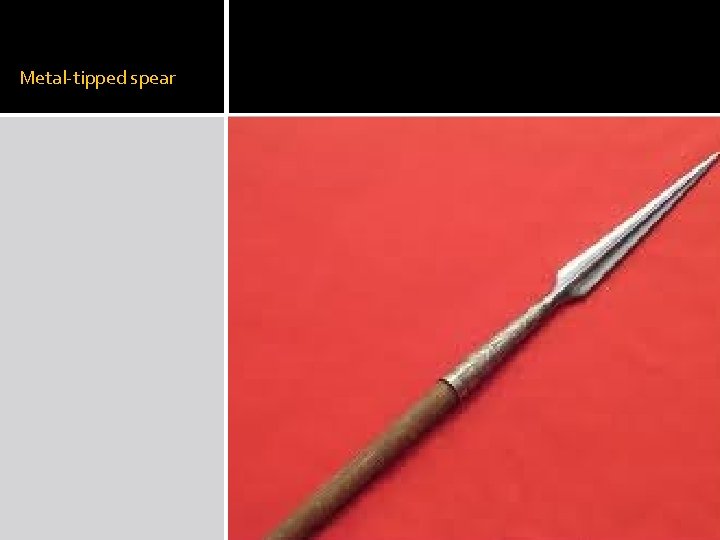
Metal-tipped spear
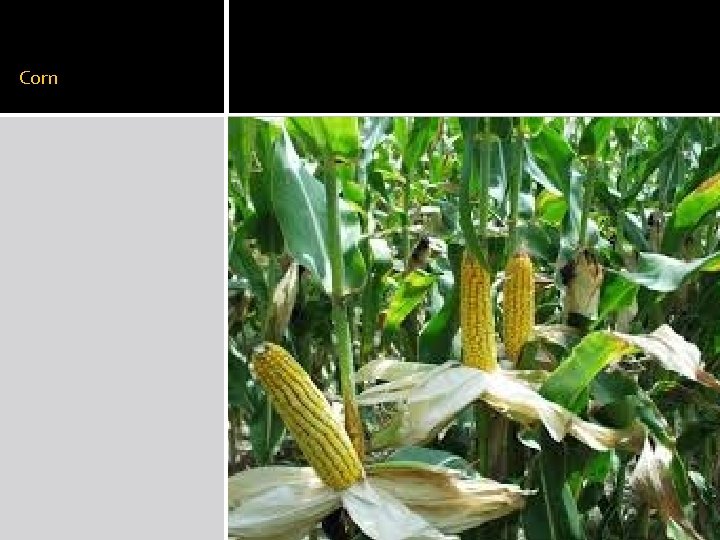
Corn
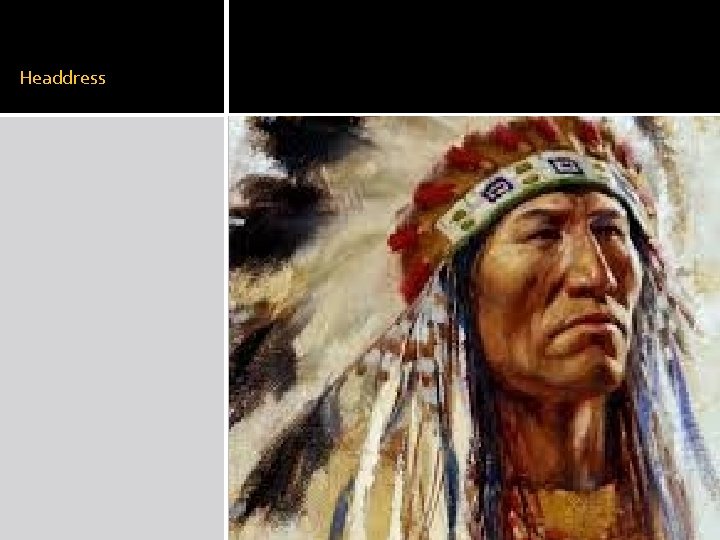
Headdress
Essential question: How were Native American tribes of the Eastern Woodlands individual?
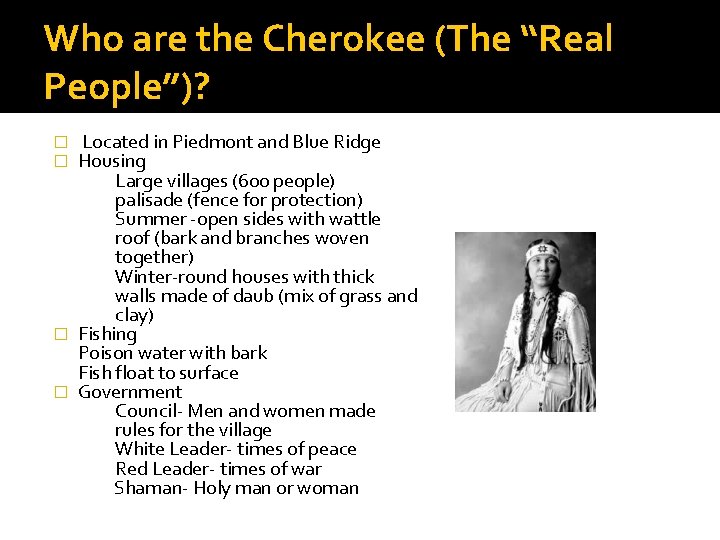
Who are the Cherokee (The “Real People”)? Located in Piedmont and Blue Ridge Housing Large villages (600 people) palisade (fence for protection) Summer -open sides with wattle roof (bark and branches woven together) Winter-round houses with thick walls made of daub (mix of grass and clay) � Fishing Poison water with bark Fish float to surface � Government Council- Men and women made rules for the village White Leader- times of peace Red Leader- times of war Shaman- Holy man or woman � �
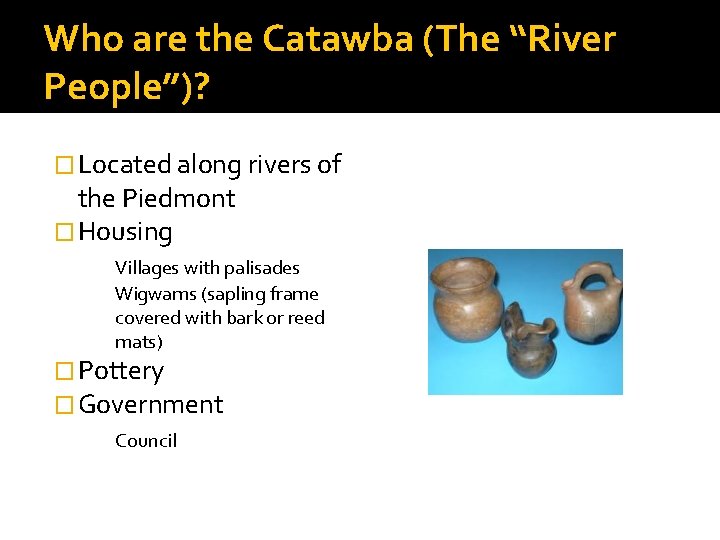
Who are the Catawba (The “River People”)? � Located along rivers of the Piedmont � Housing Villages with palisades Wigwams (sapling frame covered with bark or reed mats) � Pottery � Government Council
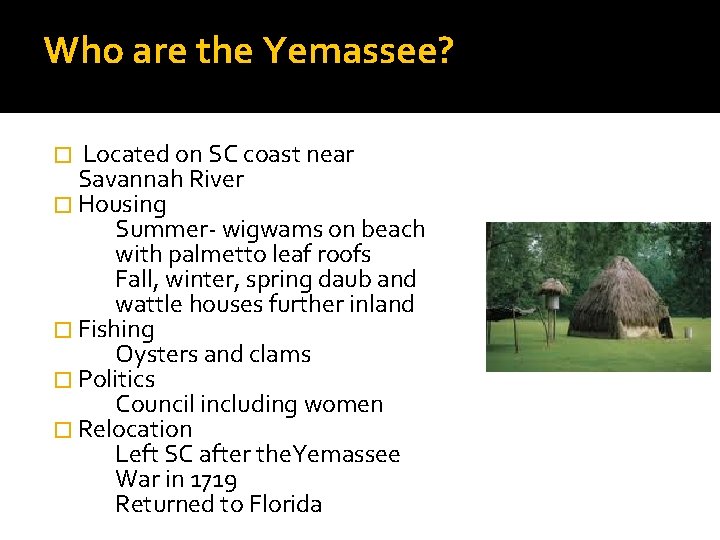
Who are the Yemassee? Located on SC coast near Savannah River � Housing Summer- wigwams on beach with palmetto leaf roofs Fall, winter, spring daub and wattle houses further inland � Fishing Oysters and clams � Politics Council including women � Relocation Left SC after the. Yemassee War in 1719 Returned to Florida �
Essential Question: How did Native Americans of the Eastern Woodlands interact with European settlers?
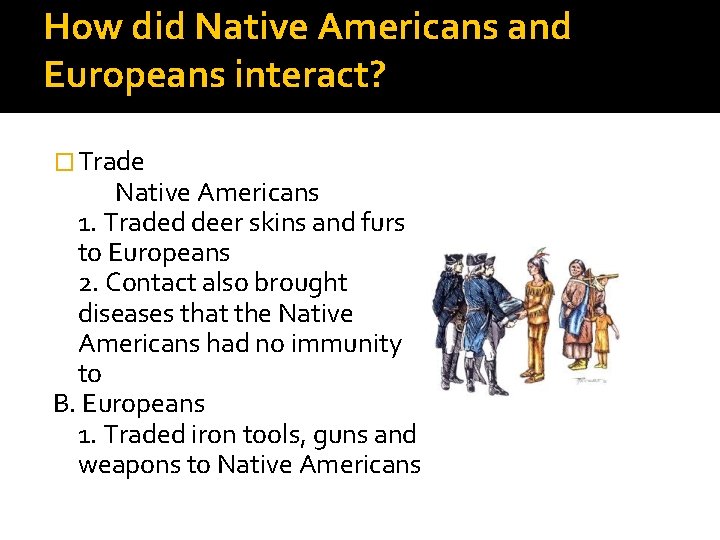
How did Native Americans and Europeans interact? � Trade Native Americans 1. Traded deer skins and furs to Europeans 2. Contact also brought diseases that the Native Americans had no immunity to B. Europeans 1. Traded iron tools, guns and weapons to Native Americans
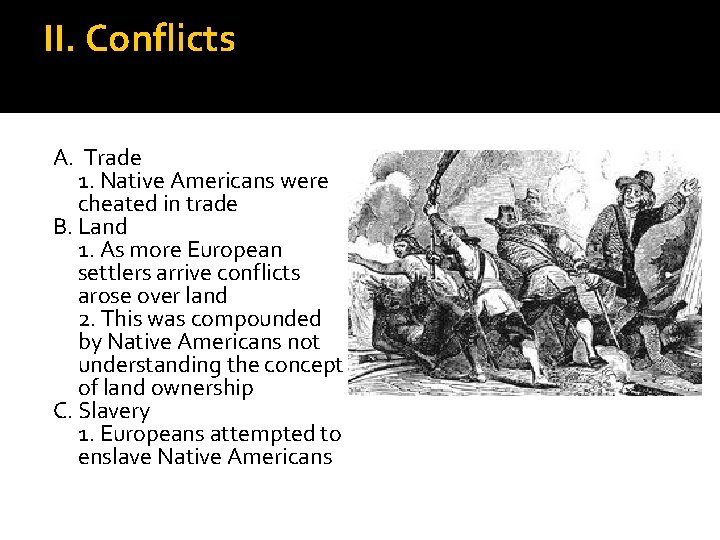
II. Conflicts A. Trade 1. Native Americans were cheated in trade B. Land 1. As more European settlers arrive conflicts arose over land 2. This was compounded by Native Americans not understanding the concept of land ownership C. Slavery 1. Europeans attempted to enslave Native Americans