
NATIONALISM AND DECOLONIZATION SINCE 1945 NATIONALISM AND DECOLONIZATION
- Slides: 16
NATIONALISM AND DECOLONIZATION SINCE 1945
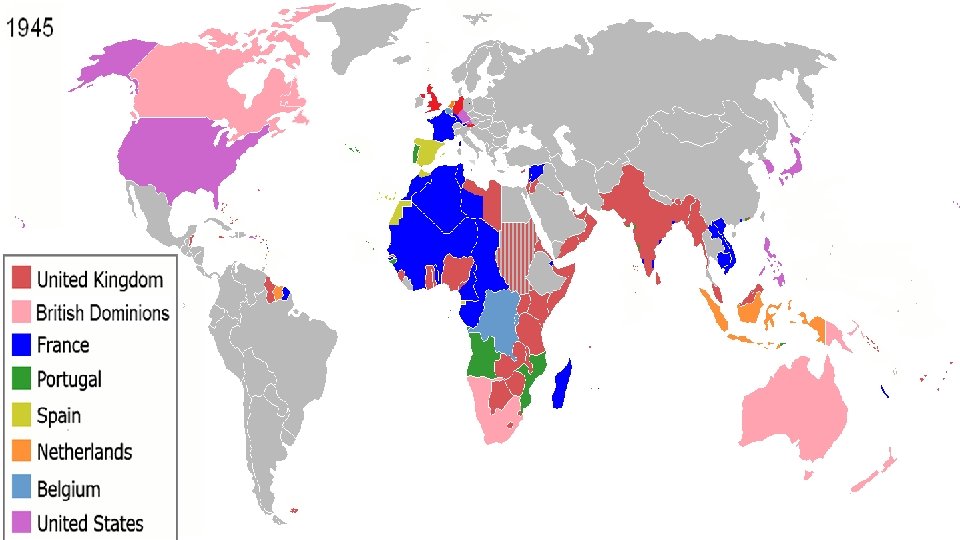
NATIONALISM AND DECOLONIZATION • WWII ends in 1945 • Victory in Europe (VE Day)- May • Victory in Japan (VJ Day)- August • Total war drained the resources of the European powers • Atlantic Charter of 1941 • US & Great Britain • Recognized the right of all people to choose the form of government under which they lived • FDR & Soviets condemned colonization
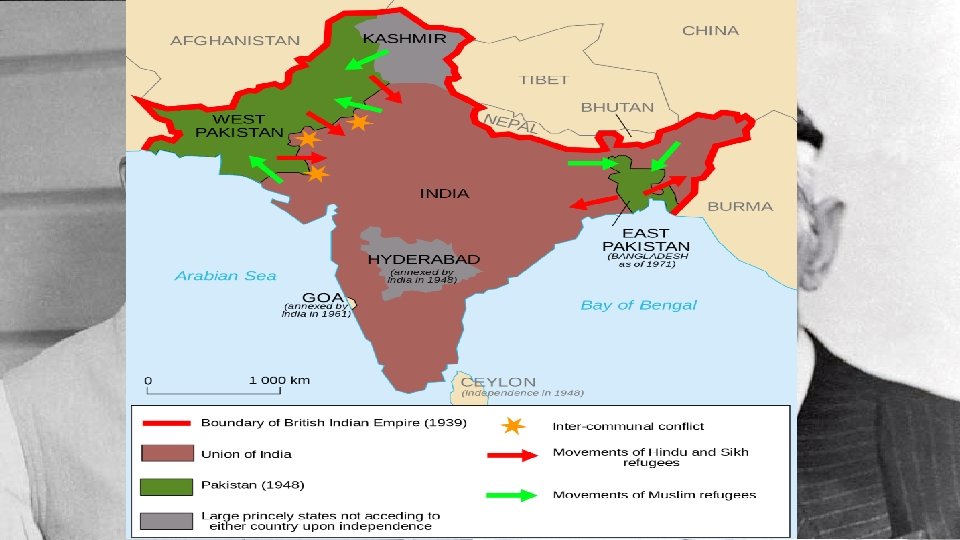
INDEPENDENCE IN THE SOUTH AND SE ASIA • Indian National Congress • Offered support to the Allies in exchange for independence • Rejected • Quiet Indian Movement • Mass civil disobedience movement to end British rule in India • British responded with mass arrests & repression • Gandhi, Nehru, and other Congress politicians were imprisoned • Independence is granted August 15, 1947 • Split into India and Pakistan
• Muslim League • Led by Muhammad Ali Jinnah • Rallied British support in WWII in exchange for a separate Muslim nation on the Indian sub -continent • Pakistan • Issues in India • Hindu-Muslim & Hindu-Sikh communal rioting turned into bloodbaths • Gandhi shot & killed • Burma (Myanmar) & Sri Lanka (Ceylon) gain independence • Philippines (1946 from the US) & Indonesia (1949 from the Netherlands) gain independence in SE Asia
THE LIBERATION OF NON-SETTLER AFRICA • Africa was impacted by WWII • Two main paths to decolonization in the postwar era • Radical • Kwame Nkrumah (Ghana) • Convention Peoples Party (CPP) • Organized strikes, boycotts, rallies, etc… • Ghana gains independence from the British in 1957
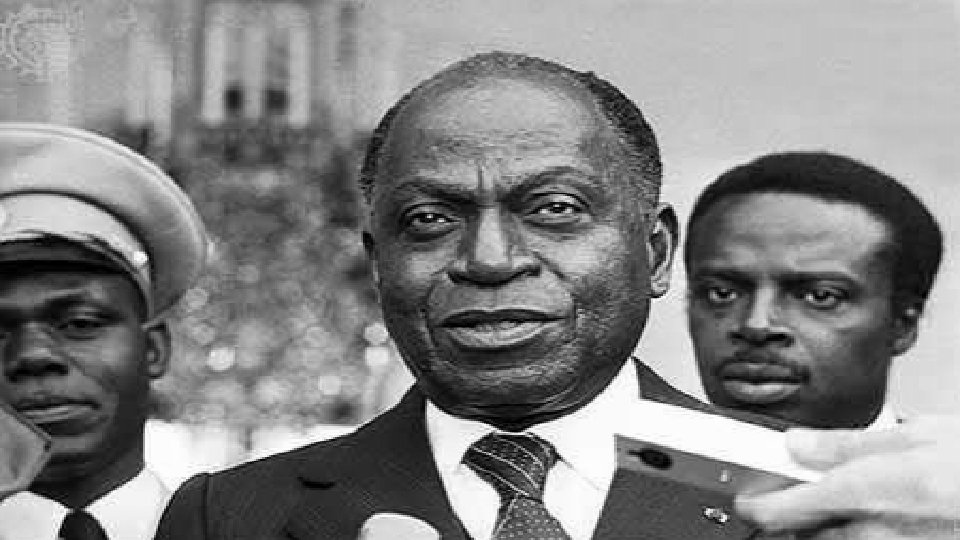
Peaceful • France • Negotiations for independence led by • Leopold Sedar Senghor (Senegal) • Felix Houphouet-Boigny (Ivory Coast) • Retained European economic and cultural ties • Belgium • Retreat (leave) from the Congo • Portugal • Retains colonies until the mid 1970 s. • Once independent many of the form colonies will see bloody civil wars.
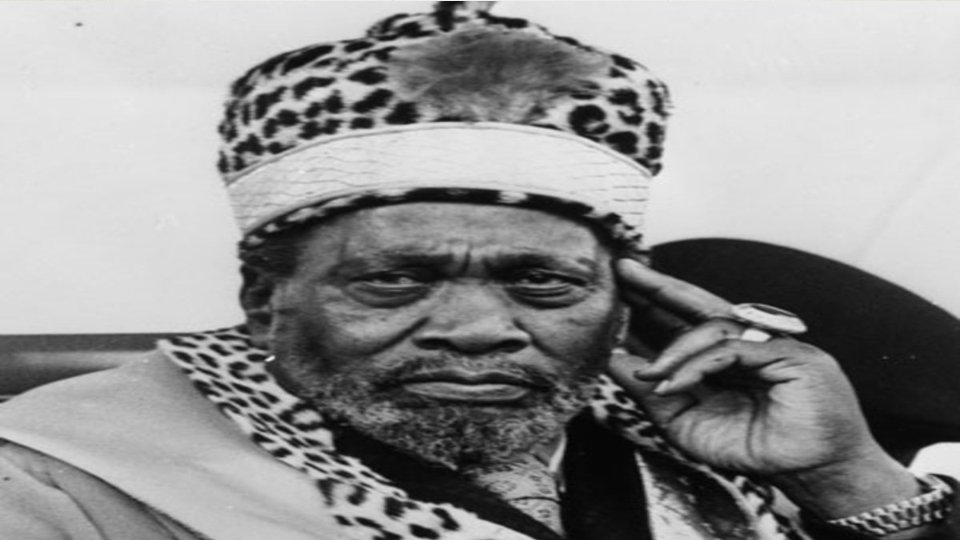
REPRESSION AND GUERRILLA WAR: THE STRUGGLE FOR THE SETTLER COLONIES • Kenya (British) • Jomo Kenyatta • Promoted peaceful independence • Lead Kenya African Party (KAU) • Land Freedom Army • Radical • Used terror and guerilla warfare • Arrest Kenyatta • Gain independence in 1963 • Kenyatta becomes president
• Algeria (French) • Civil War • National Liberation Front (FLN) • Led by Arabs & Berbers • Violent • Secret Army Organization (OAS) • Algerian settlers • Favored France • Against Arabs & Berbers • Wins independence in 1962 • FLN wins a political victory
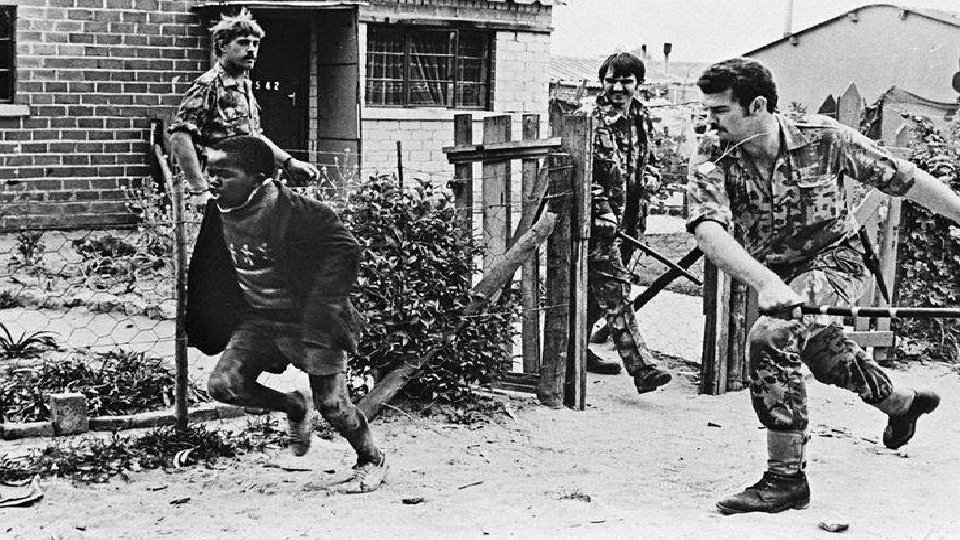
PERSISTENCE OF WHITE SUPREMACY IN SOUTH AFRICA • Angola & Mozambique • Revolution • Independence 1975 • Southern Rhodesia (Zimbabwe) • Independence by 1980 • South Africa • Only white minority to maintain its position of supremacy • Afrikaners (descendent of Dutch settlers) • White supremacist attitude • In control after Boer War (1899 -1902) • Afrikaner National Party • Apartheid • A system of racial segregation.
CONFLICTING NATIONALISMS: ARABS, ISRAELIS, AND THE PALESTINE QUESTION • Most Arab nations are independent by the 1960’s • Most governments not strong until the 70’s • Palestine • Zionist (the belief in a Jewish nation) movement gained sympathy due to the Holocaust • Muslim Revolt (1936 -1939) • British placed restrictions on the entry of Jews due to Arab resistance
• The UN partitions Palestine into Arab and Jewish countries • The two sides engage in warfare • Zionists have better arms and defend themselves and expanded into Arab territory. • The hostilities still remain today • Palestinian Liberation Organization-PLO- fights for Palestinian independence • Arab nations often go to war with Israel • Six Days War (1967), Yom Kippur War (1973)