
National Trends on K12 Competencybased Education Susan Patrick
National Trends on K-12 Competency-based Education Susan Patrick President & CEO International Association for K-12 Online Learning www. inacol. org
A 5 -Part Working Definition: Competency Education 1. Students advance upon demonstrated mastery. 2. Competencies include explicit, measurable, transferable learning objectives that empower students. 3. Assessment is meaningful and a positive learning experience for students. 4. Students receive timely, differentiated support based on their individual learning needs. 5. Learning outcomes emphasize competencies that include application and creation of knowledge, along with the development of important skills and dispositions.
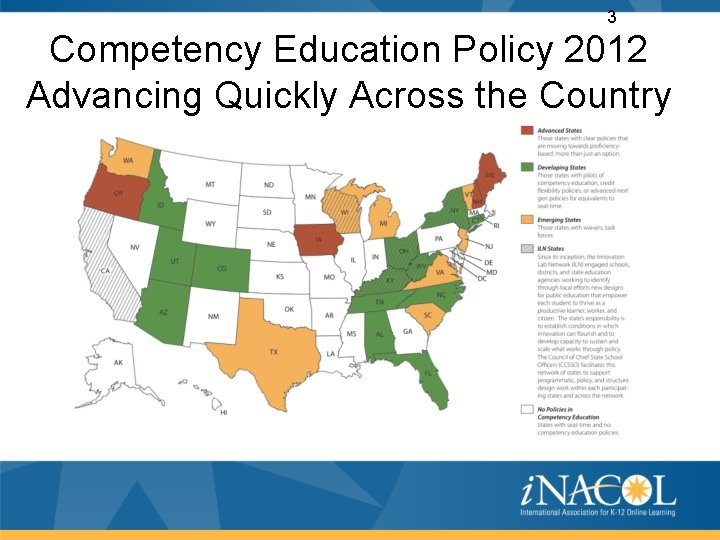
3 Competency Education Policy 2012 Advancing Quickly Across the Country
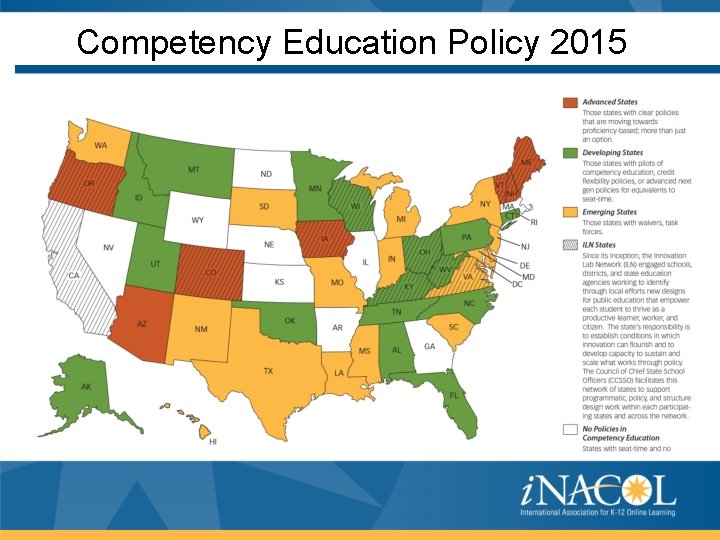
Competency Education Policy 2015
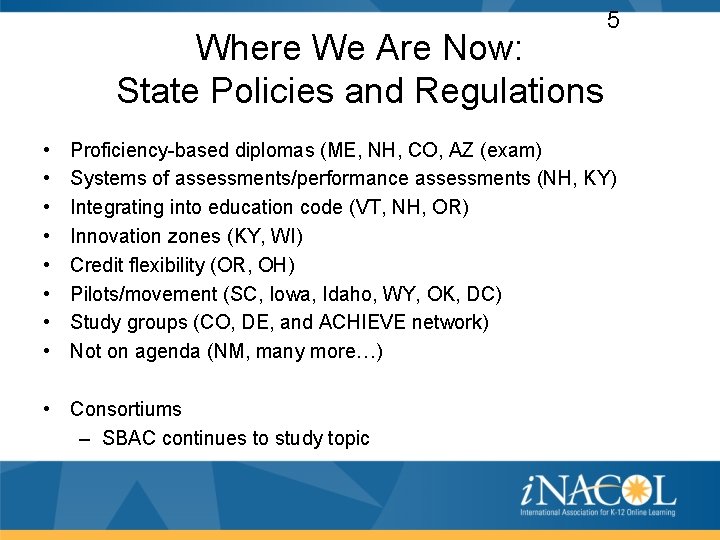
Where We Are Now: State Policies and Regulations • • 5 Proficiency-based diplomas (ME, NH, CO, AZ (exam) Systems of assessments/performance assessments (NH, KY) Integrating into education code (VT, NH, OR) Innovation zones (KY, WI) Credit flexibility (OR, OH) Pilots/movement (SC, Iowa, Idaho, WY, OK, DC) Study groups (CO, DE, and ACHIEVE network) Not on agenda (NM, many more…) • Consortiums – SBAC continues to study topic

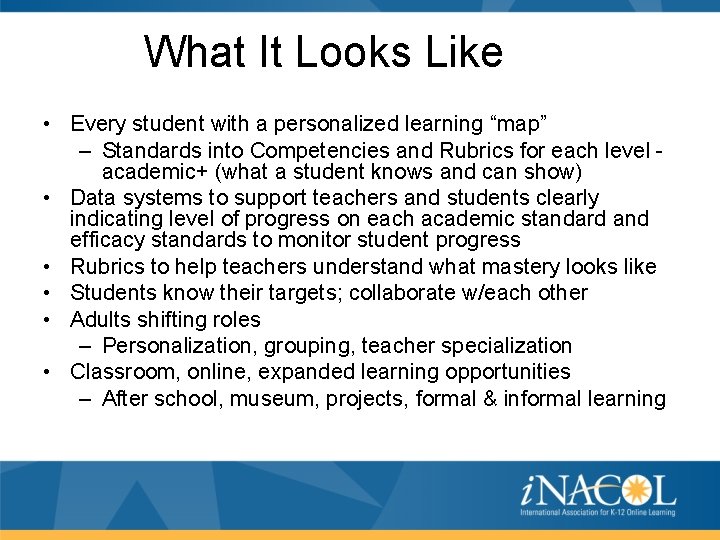
What It Looks Like • Every student with a personalized learning “map” – Standards into Competencies and Rubrics for each level academic+ (what a student knows and can show) • Data systems to support teachers and students clearly indicating level of progress on each academic standard and efficacy standards to monitor student progress • Rubrics to help teachers understand what mastery looks like • Students know their targets; collaborate w/each other • Adults shifting roles – Personalization, grouping, teacher specialization • Classroom, online, expanded learning opportunities – After school, museum, projects, formal & informal learning
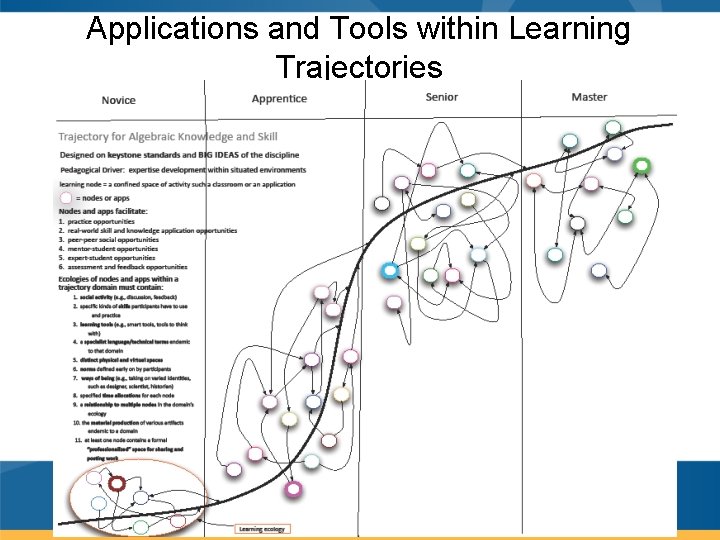
Applications and Tools within Learning Trajectories
Competency-based learning Performance or competency based learning is fundamental to personalizing learning at scale and It challenges almost all of our assumptions about the present system
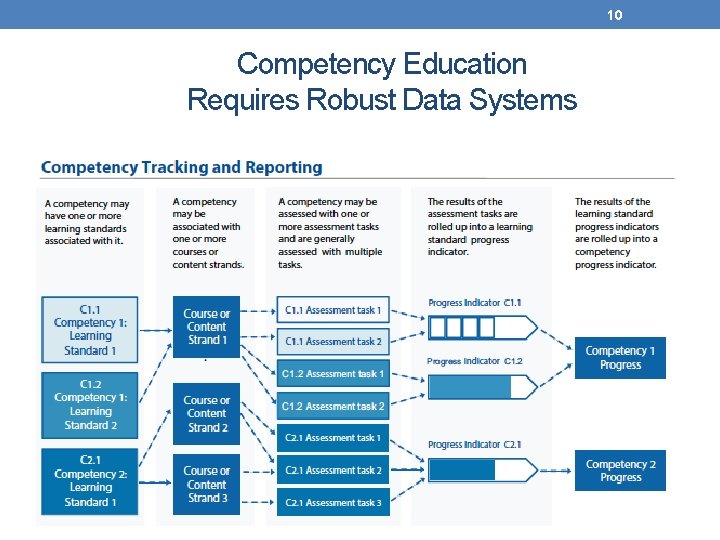
10 Competency Education Requires Robust Data Systems
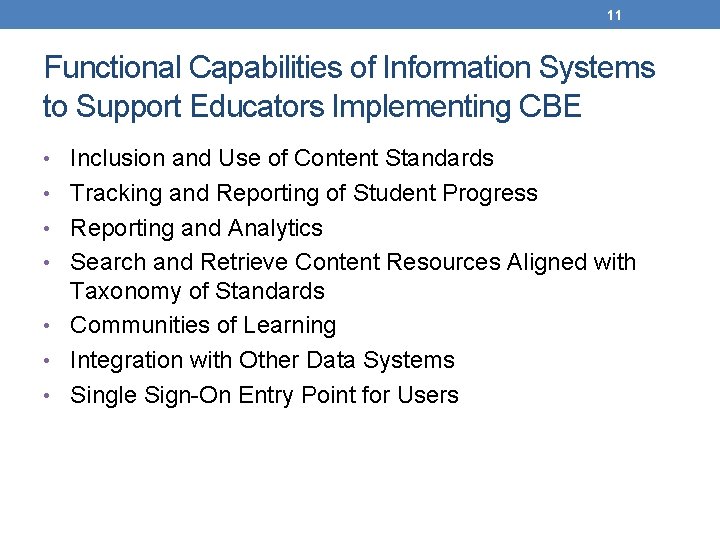
11 Functional Capabilities of Information Systems to Support Educators Implementing CBE • Inclusion and Use of Content Standards • Tracking and Reporting of Student Progress • Reporting and Analytics • Search and Retrieve Content Resources Aligned with Taxonomy of Standards • Communities of Learning • Integration with Other Data Systems • Single Sign-On Entry Point for Users
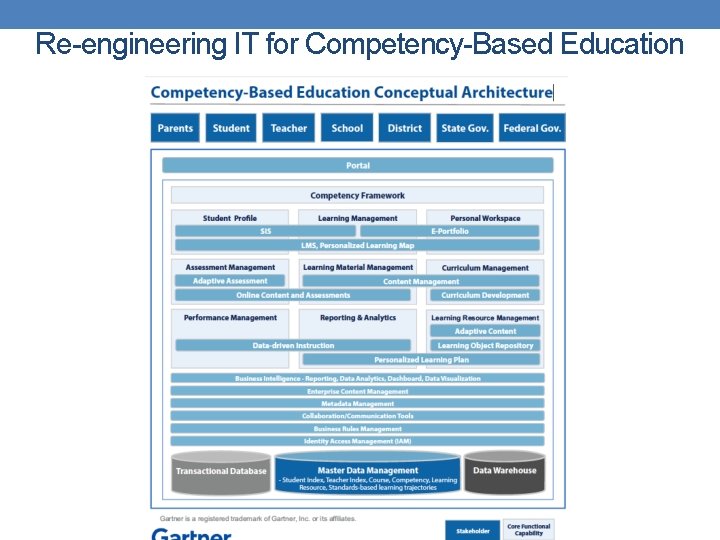
Re-engineering IT for Competency-Based Education
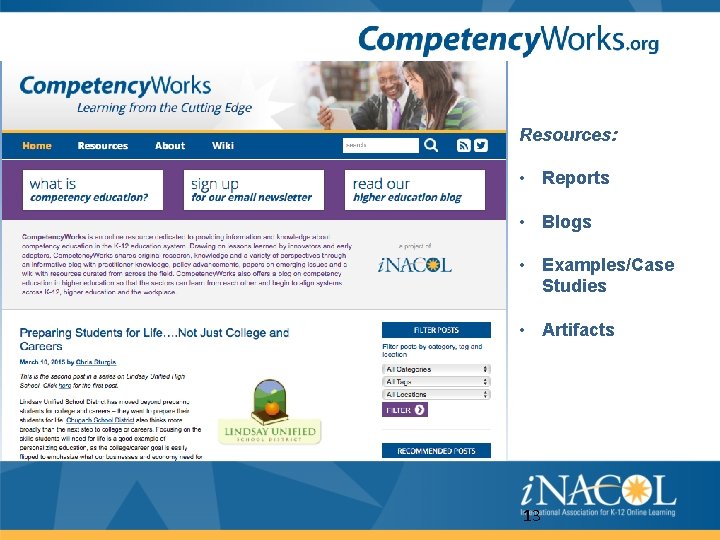
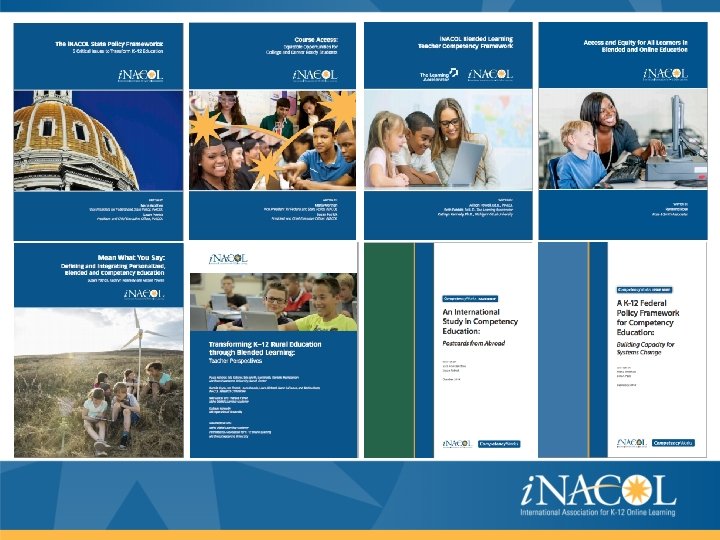
Resources: • Reports • Blogs • Examples/Case Studies • Artifacts 13
Stephen Heppel (U. K. ) notschool. net Quotes • “Students should advance on stage not age” • “Age and time are for adult convenience”. • “There’s no limit on how fast and how far students can go. ”
Discussion: Q&A
Susan Patrick spatrick@inacol. org www. inacol. org
- Slides: 17