
National Oilheat Research Alliance Developing a Renewable Biofuel
National Oilheat Research Alliance Developing a Renewable Biofuel Option for the Home Heating Sector A Report to Congress May 2015 September 12, 2016
Congressionally Mandated Report Designed to Give a State of Our Relationship With Biofuels Provided to the Congress Provided to Governors in the Oilheat States Support from Rich Sweetser, Tom Butcher, Steve Howell, and NBB
Biofuels as the Future of the Industry • Greenhouse Gas Controls, Real and Growing • State and Federal Requirements • International Agreements • Competition – Electricity – Wind and Solar – Gas – Methane from Waste • We have to have a Liquid Response
How Do We Respond • High Efficiency Appliances – Ranging to 90 Percent • Electricity – High Efficiency Heat Pumps Over 2. 0 COP, Source Power Lower, but what if Source is Renewable • NORA Working on Source Power Heat Pump to 1. 5 -1. 6 • This Would nearly Double our Efficiency, but Goals are 80 Percent Reductions, Not 50 Percent, and then What • Combine Appliances with Wind and Solar

Biofuels and Biodiesel • Biofuels Describes a Range of Biofuels, Most of Which not Proven to Work in Heating Oil Appliances • Biodiesel is a Fuel Made from Vegetable Oil and Qualified at Low Percentages – Need to Move Up • There are Still Carbon Inputs in Biodiesel and Biofuels, But Much Lower • Theory of Biodiesel and Carbon Reductions
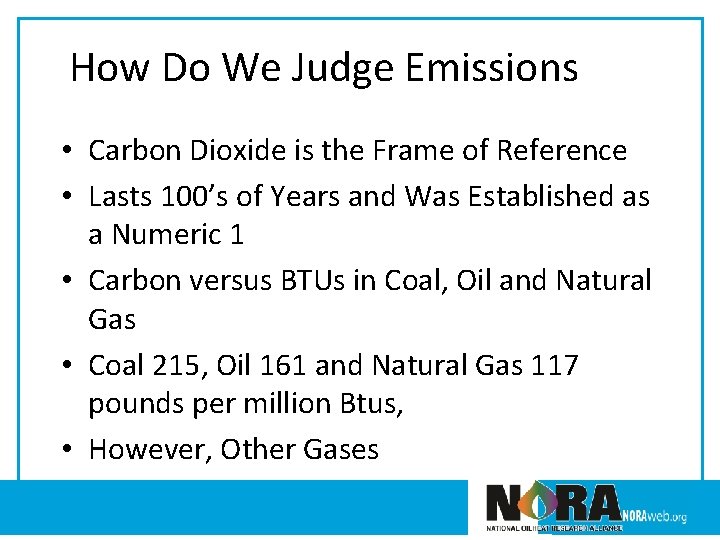
How Do We Judge Emissions • Carbon Dioxide is the Frame of Reference • Lasts 100’s of Years and Was Established as a Numeric 1 • Carbon versus BTUs in Coal, Oil and Natural Gas • Coal 215, Oil 161 and Natural Gas 117 pounds per million Btus, • However, Other Gases
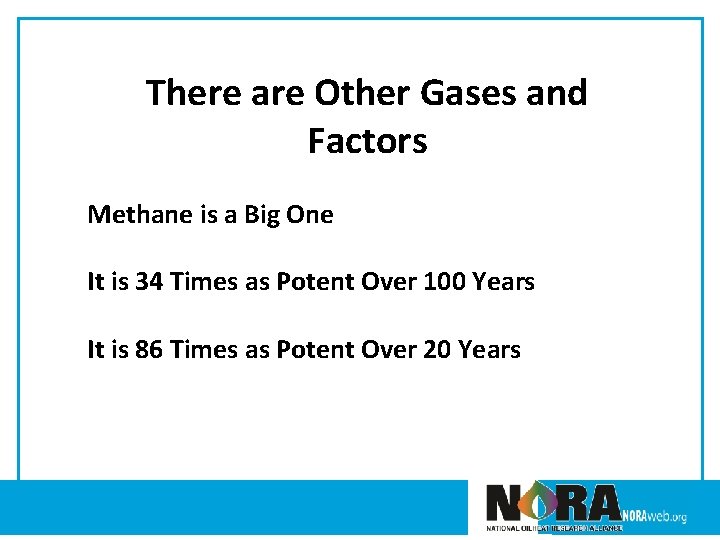
There are Other Gases and Factors Methane is a Big One It is 34 Times as Potent Over 100 Years It is 86 Times as Potent Over 20 Years
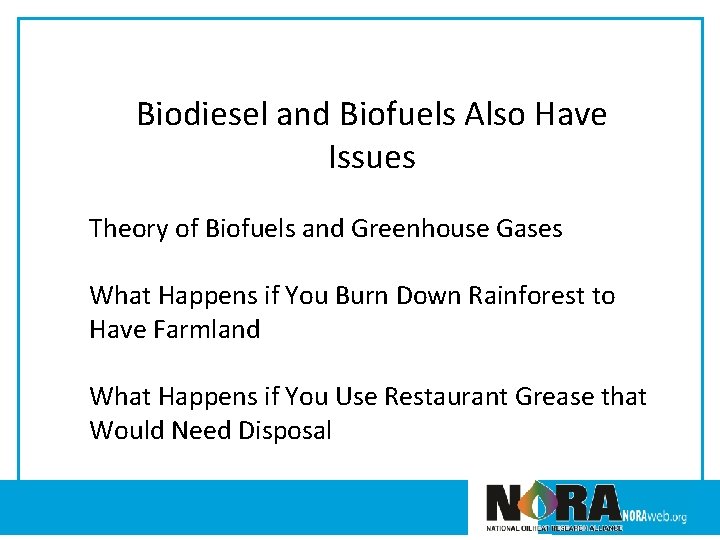
Biodiesel and Biofuels Also Have Issues Theory of Biofuels and Greenhouse Gases What Happens if You Burn Down Rainforest to Have Farmland What Happens if You Use Restaurant Grease that Would Need Disposal
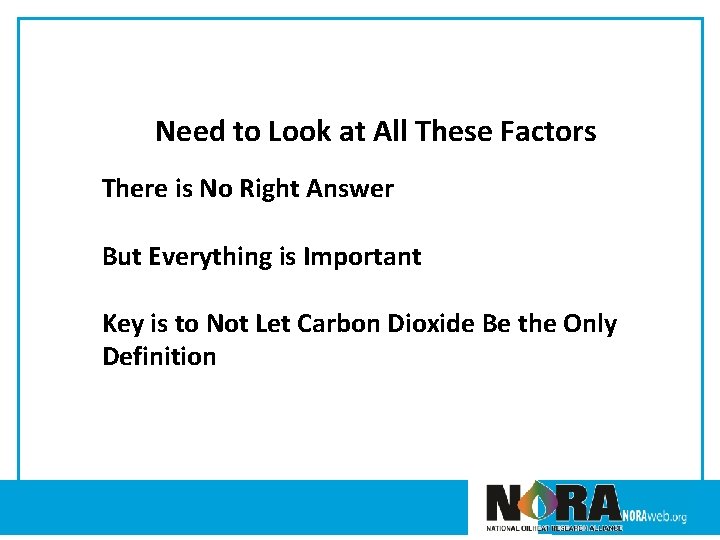
Need to Look at All These Factors There is No Right Answer But Everything is Important Key is to Not Let Carbon Dioxide Be the Only Definition

Understanding Full Impacts and Implications is Complicated Cradle to Grave Analysis What Are Primary and Secondary Implications Lot’s of Modeling and Inexact Science
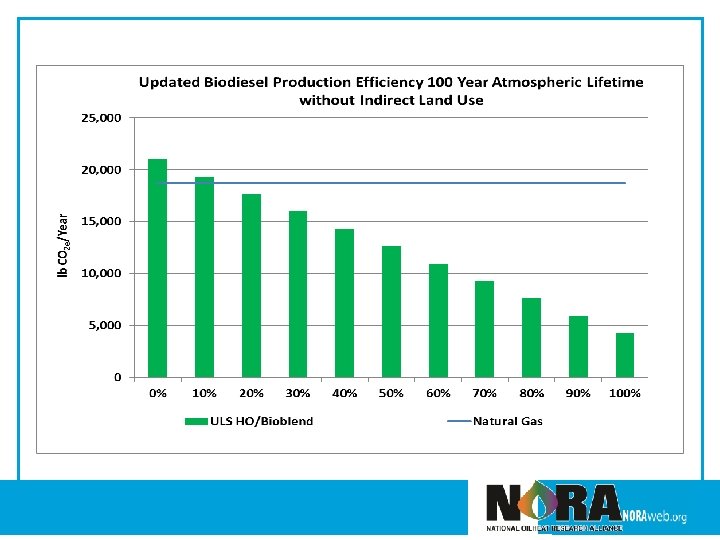
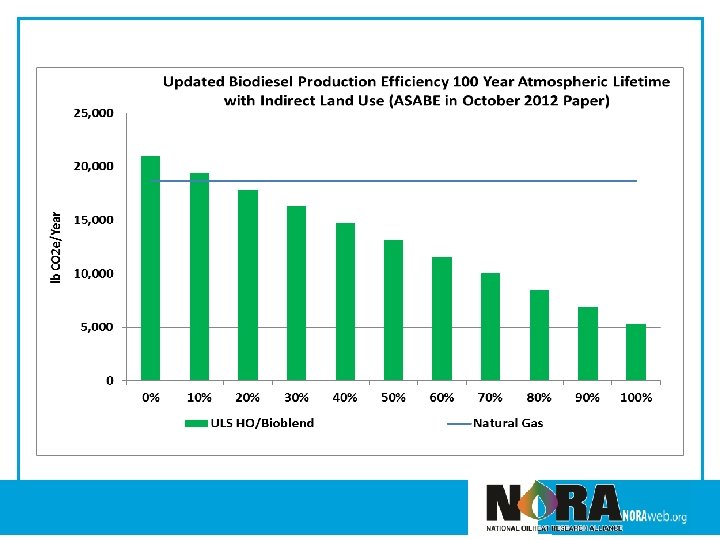
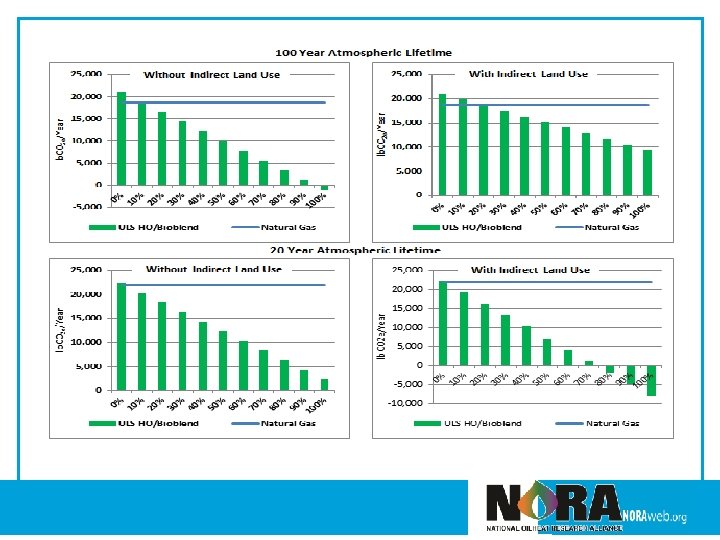
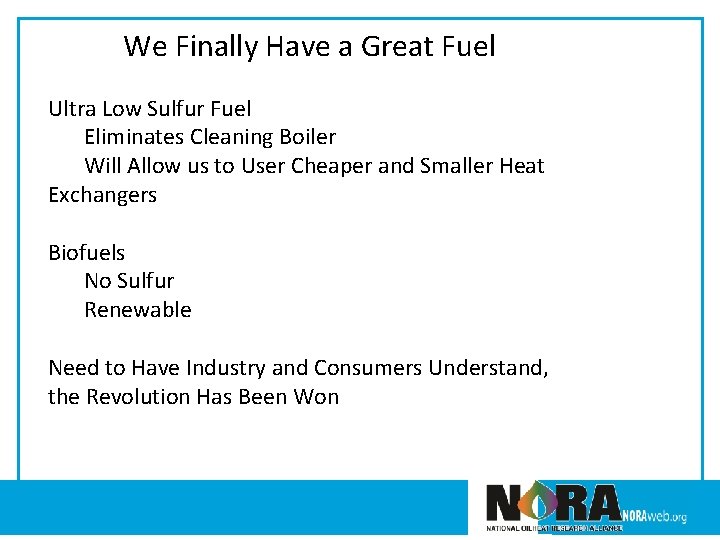
We Finally Have a Great Fuel Ultra Low Sulfur Fuel Eliminates Cleaning Boiler Will Allow us to User Cheaper and Smaller Heat Exchangers Biofuels No Sulfur Renewable Need to Have Industry and Consumers Understand, the Revolution Has Been Won
Impact on Economy Farm Use of Waste Product Goal is to use Cellulosic Materials
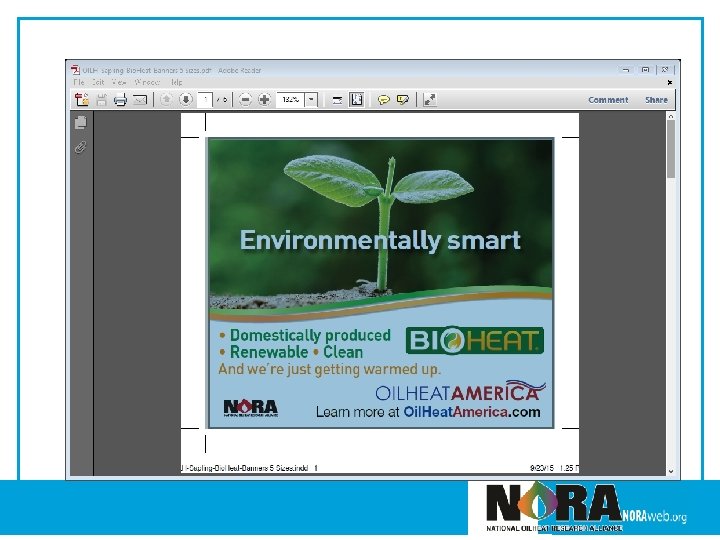
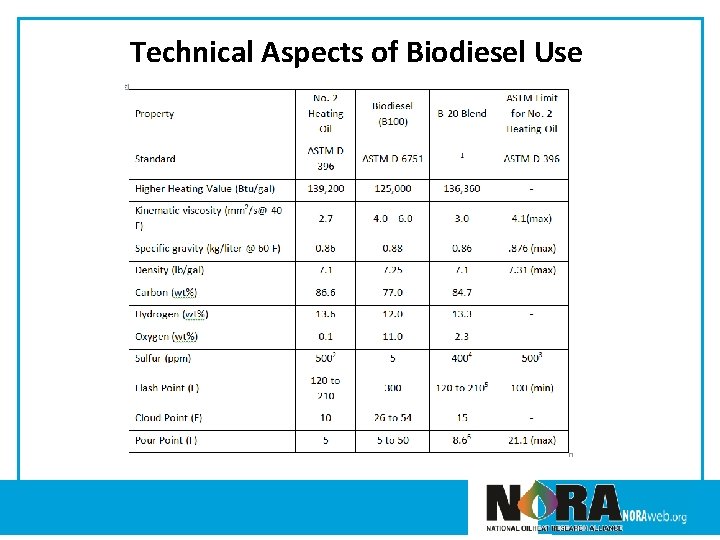
Technical Aspects of Biodiesel Use
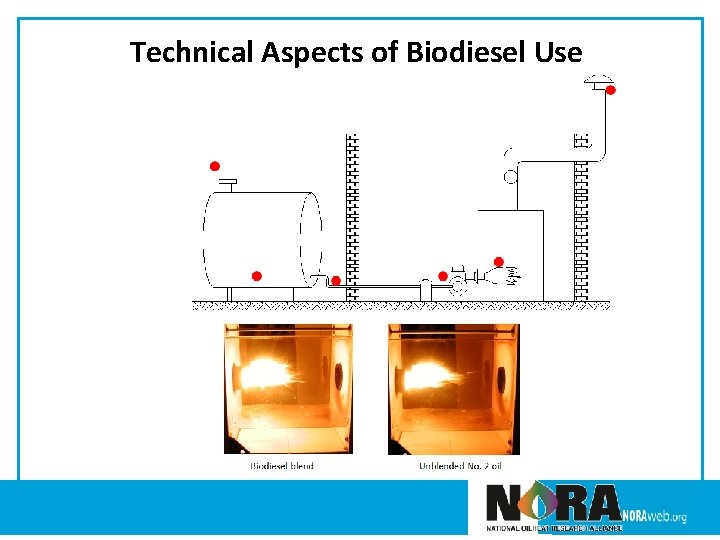
Technical Aspects of Biodiesel Use
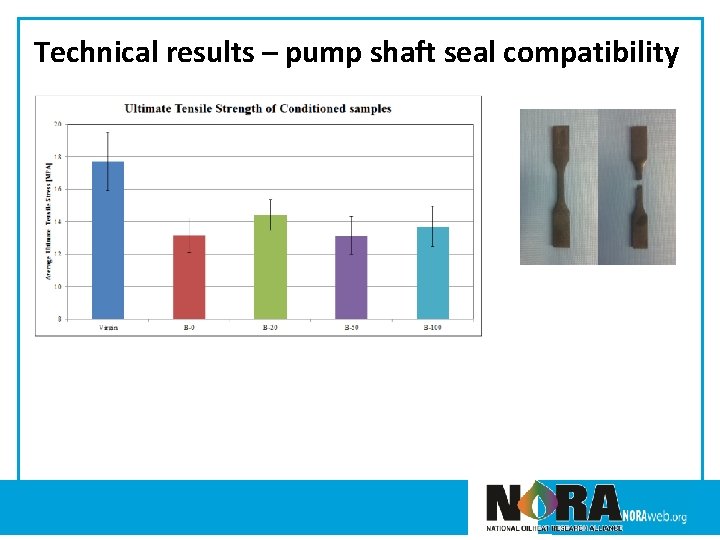
Technical results – pump shaft seal compatibility
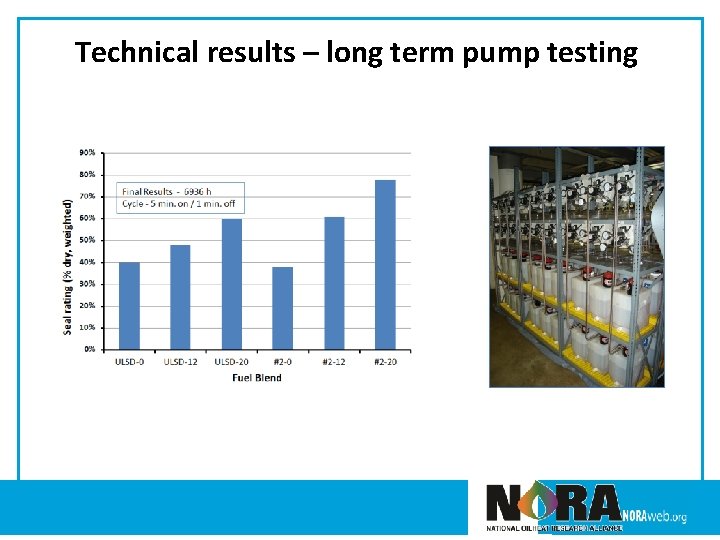
Technical results – long term pump testing
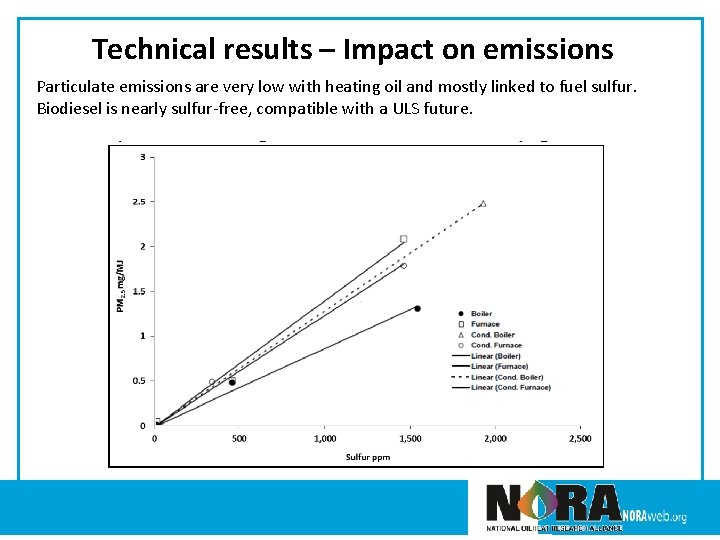
Technical results – Impact on emissions Particulate emissions are very low with heating oil and mostly linked to fuel sulfur. Biodiesel is nearly sulfur-free, compatible with a ULS future.
On-going R&D to Support the Transition • • • Fuel quality field study; Field use experience survey; Evaluation of pumps from field service; Cad cell response studies; Impact of small levels of vegetable oil contamination (R. W. Beckett); Fuel storage stability (NREL); Development of standards for product certification; Development of advanced burners with are biodiesel-compatible; Trials at higher blend levels.
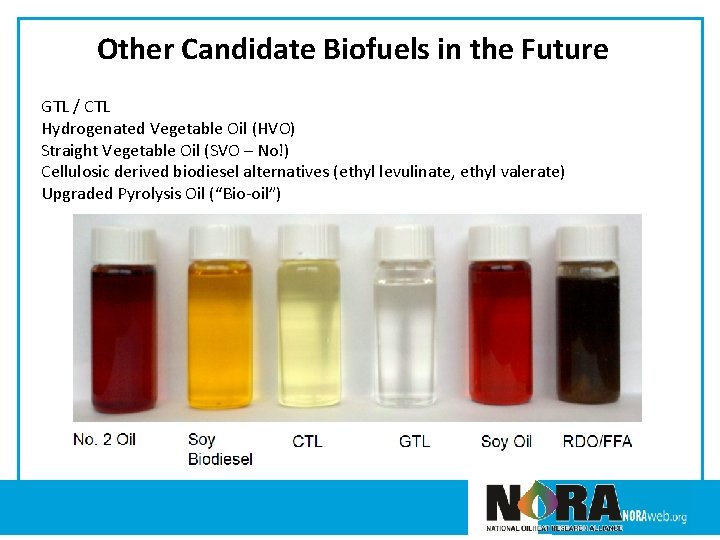
Other Candidate Biofuels in the Future GTL / CTL Hydrogenated Vegetable Oil (HVO) Straight Vegetable Oil (SVO – No!) Cellulosic derived biodiesel alternatives (ethyl levulinate, ethyl valerate) Upgraded Pyrolysis Oil (“Bio-oil”)
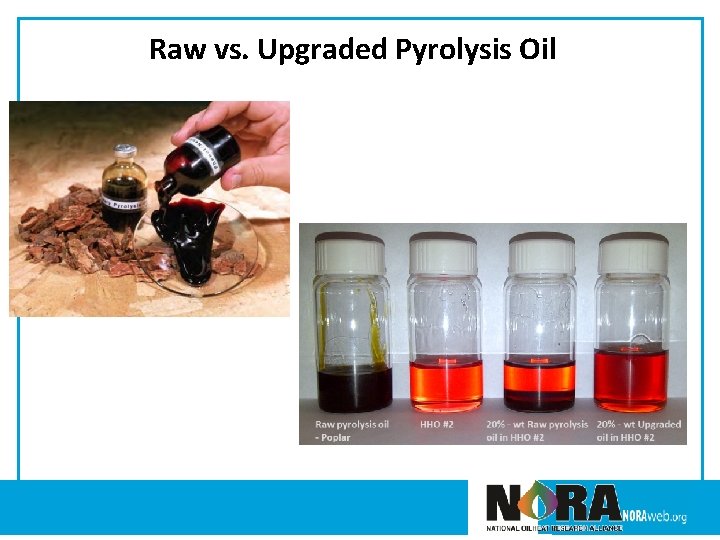
Raw vs. Upgraded Pyrolysis Oil
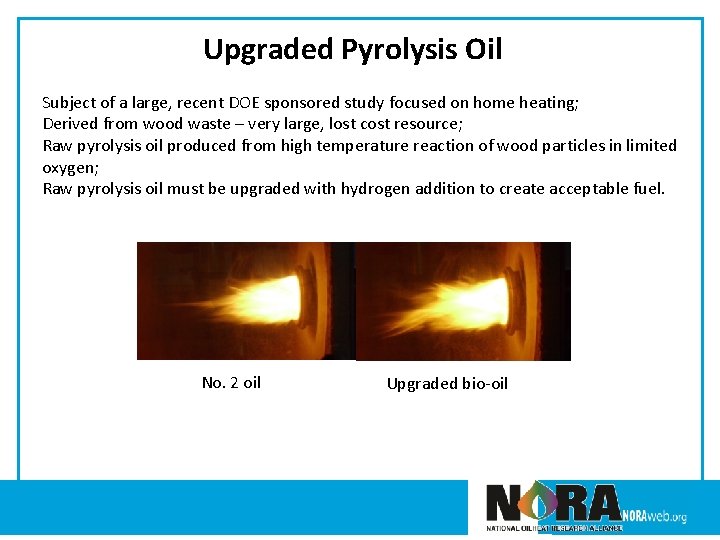
Upgraded Pyrolysis Oil Subject of a large, recent DOE sponsored study focused on home heating; Derived from wood waste – very large, lost cost resource; Raw pyrolysis oil produced from high temperature reaction of wood particles in limited oxygen; Raw pyrolysis oil must be upgraded with hydrogen addition to create acceptable fuel. No. 2 oil Upgraded bio-oil
- Slides: 25