
NASPCC ABCs of Androgen Deprivation Therapy ADT Jeanny
NASPCC: ABCs of Androgen Deprivation Therapy (ADT) Jeanny B. Aragon-Ching, M. D. , F. A. C. P. Clinical Program Director of Genitourinary Cancers, Inova Schar Cancer Institute Associate Professor of Medicine, Virginia Commonwealth University October 18, 2019
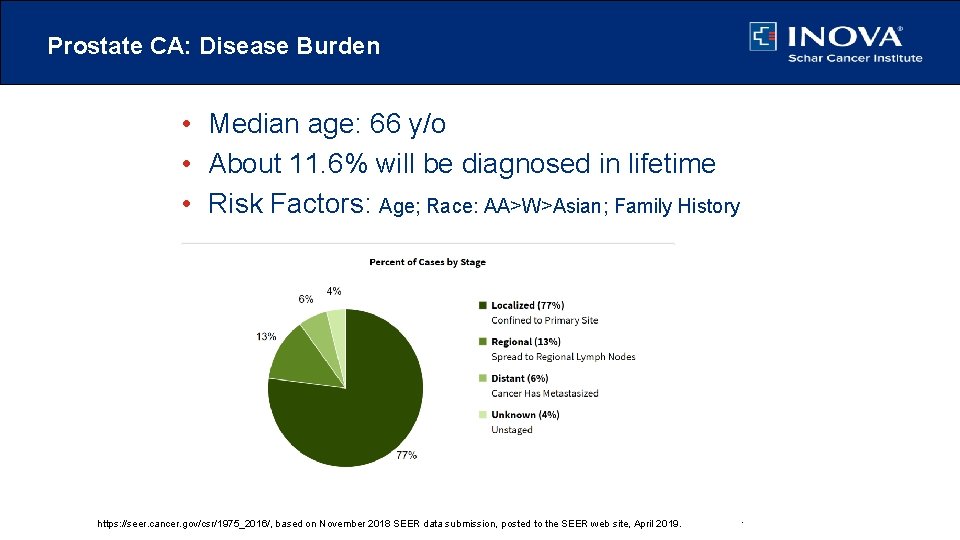
Prostate CA: Disease Burden • Median age: 66 y/o • About 11. 6% will be diagnosed in lifetime • Risk Factors: Age; Race: AA>W>Asian; Family History https: //seer. cancer. gov/csr/1975_2016/, based 2018 on November 2018 SEER data submission, posted to the web site, April 2019. https: //seer. cancer. gov/csr/1975_2016/, based on November SEER data submission, posted to the SEER web site, SEER April 2019.
What is Androgen Deprivation Therapy (ADT)? • ADT is “hormonal” therapy or Androgen “suppression” therapy • Suppression of hormones (androgen/testosterone) to achieve “castrate” levels • Achieved surgically or chemically 1 • Definition of “castrate” levels of testosterone < 50 ng/dl or < 20 ng/dl 2, 3 1. Seidenfeld J. Ann. Intern. Med. 2000 Apr 4; 132(7): 566 -77. 2. Cookson, M. S. , et al. American Urological Association. 2018; 3. Cornford, P. , et al. EAU-ESTRO-SIOG Guidelines on Prostate Cancer. Eur Urol 2017; 71: 630 -642.
Who needs Androgen Deprivation Therapy (ADT)? • ADT is a cornerstone of treatment for advanced or metastatic disease • ADT is used in patients with biochemical/PSA recurrence • Used in conjunction with radiation in early intermediate- or high-risk disease localized or locally advanced prostate cancer or as adjuvant therapy with radiation
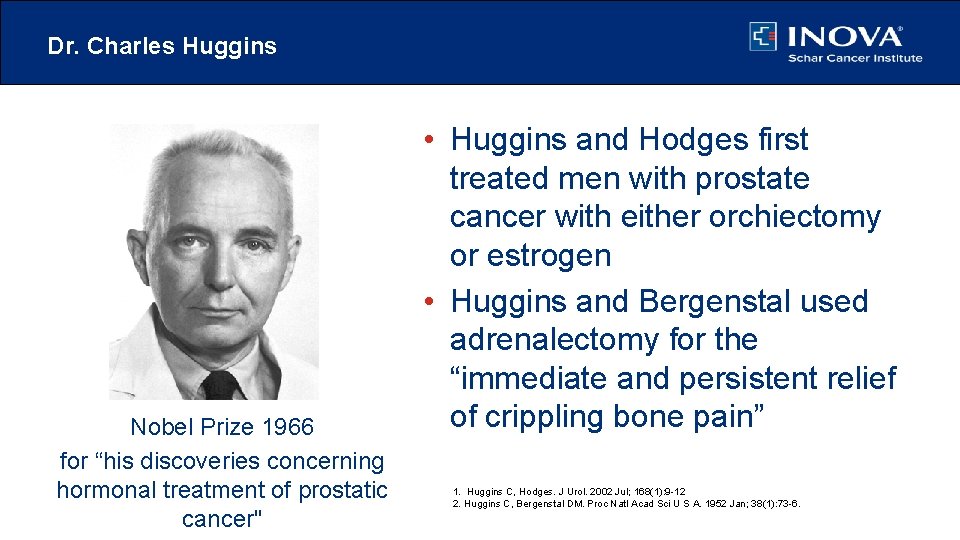
Dr. Charles Huggins Nobel Prize 1966 for “his discoveries concerning hormonal treatment of prostatic cancer" • Huggins and Hodges first treated men with prostate cancer with either orchiectomy or estrogen • Huggins and Bergenstal used adrenalectomy for the “immediate and persistent relief of crippling bone pain” 1. Huggins C, Hodges. J Urol. 2002 Jul; 168(1): 9 -12 2. Huggins C, Bergenstal DM. Proc Natl Acad Sci U S A. 1952 Jan; 38(1): 73 -6.
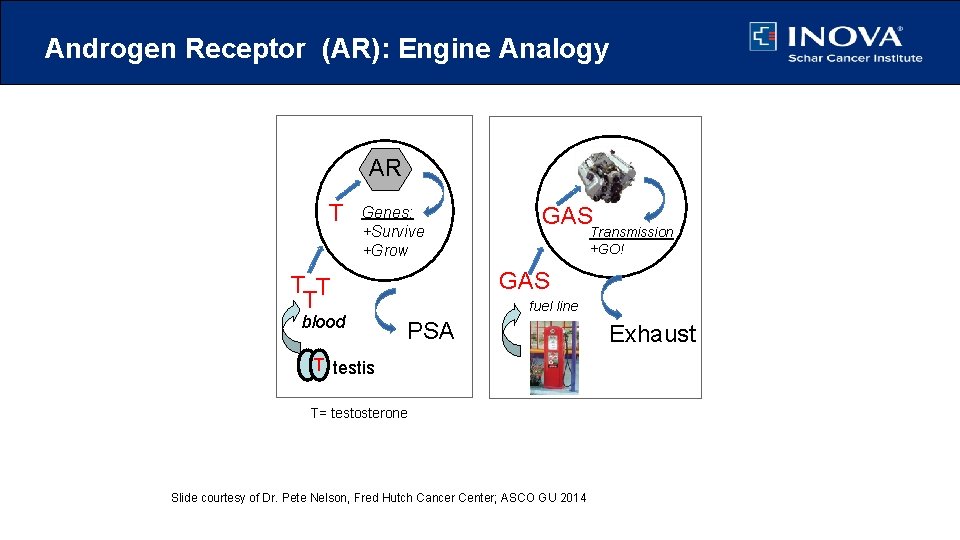
Androgen Receptor (AR): Engine Analogy prostate cell T car/auto AR Genes: +Survive +Grow Transmission +GO! GAS T T T blood GAS fuel line PSA Exhaust T testis T= testosterone Slide courtesy of Dr. Pete Nelson, Fred Hutch Cancer Center; ASCO GU 2014 PNelson 2014
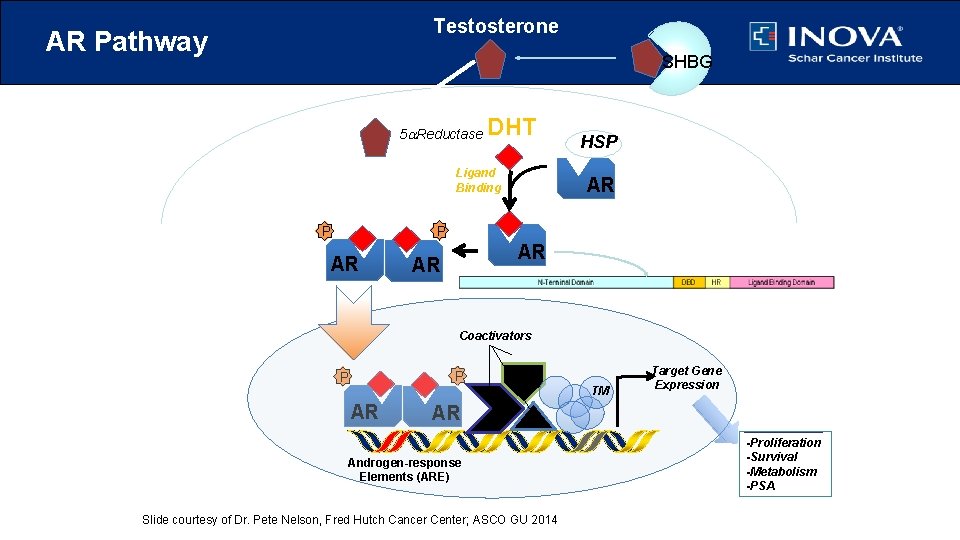
Testosterone AR Pathway SHBG 5 a. Reductase DHT Ligand Binding AR P P Dimerization HSP AR AR AR Nuclear Translocation Coactivators P P AR AR Androgen-response Elements (ARE) Slide courtesy of Dr. Pete Nelson, Fred Hutch Cancer Center; ASCO GU 2014 TM Target Gene Expression AR -Proliferation -Survival -Metabolism -PSA
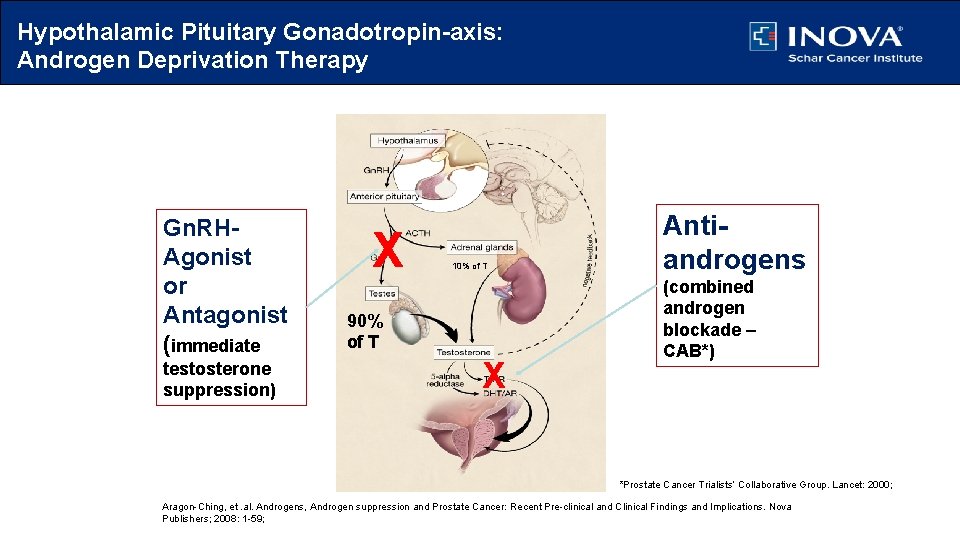
Hypothalamic Pituitary Gonadotropin-axis: Androgen Deprivation Therapy Gn. RHAgonist or Antagonist (immediate testosterone suppression) X 10% of T 90% of T X Antiandrogens (combined androgen blockade – CAB*) *Small but increased survival advantage *Prostate Cancer Trialists’ Collaborative Group. Lancet: 2000; Aragon-Ching, et. al. Androgens, Androgen suppression and Prostate Cancer: Recent Pre-clinical and Clinical Findings and Implications. Nova Publishers; 2008: 1 -59;
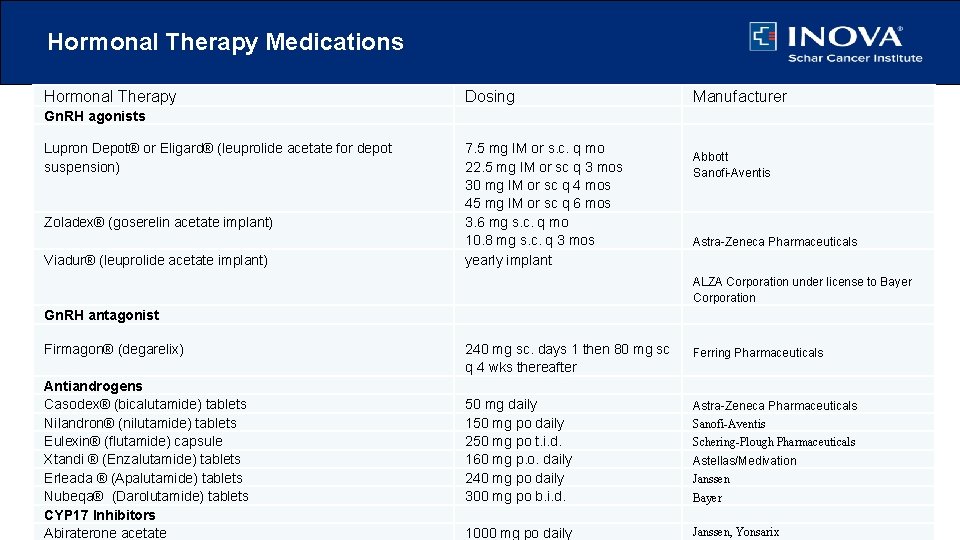
Hormonal Therapy Medications Hormonal Therapy Dosing Manufacturer Gn. RH agonists Lupron Depot® or Eligard® (leuprolide acetate for depot suspension) Zoladex® (goserelin acetate implant) Viadur® (leuprolide acetate implant) 7. 5 mg IM or s. c. q mo 22. 5 mg IM or sc q 3 mos 30 mg IM or sc q 4 mos 45 mg IM or sc q 6 mos 3. 6 mg s. c. q mo 10. 8 mg s. c. q 3 mos yearly implant Abbott Sanofi-Aventis Astra-Zeneca Pharmaceuticals ALZA Corporation under license to Bayer Corporation Gn. RH antagonist Firmagon® (degarelix) Antiandrogens Casodex® (bicalutamide) tablets Nilandron® (nilutamide) tablets Eulexin® (flutamide) capsule Xtandi ® (Enzalutamide) tablets Erleada ® (Apalutamide) tablets Nubeqa® (Darolutamide) tablets CYP 17 Inhibitors Abiraterone acetate 240 mg sc. days 1 then 80 mg sc q 4 wks thereafter Ferring Pharmaceuticals 50 mg daily 150 mg po daily 250 mg po t. i. d. 160 mg p. o. daily 240 mg po daily 300 mg po b. i. d. Astra-Zeneca Pharmaceuticals 1000 mg po daily Janssen, Yonsarix Sanofi-Aventis Schering-Plough Pharmaceuticals Astellas/Medivation Janssen Bayer
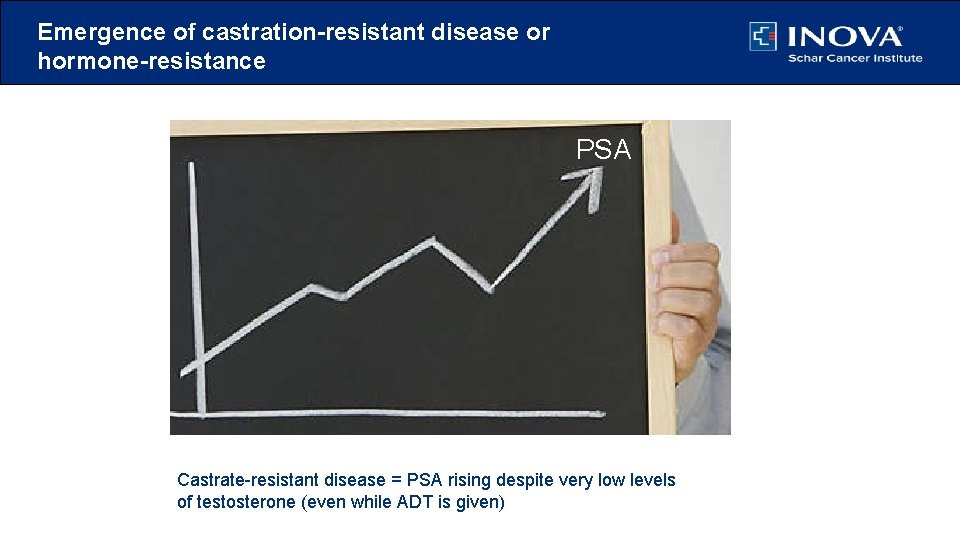
Emergence of castration-resistant disease or hormone-resistance PSA Castrate-resistant disease = PSA rising despite very low levels of testosterone (even while ADT is given)
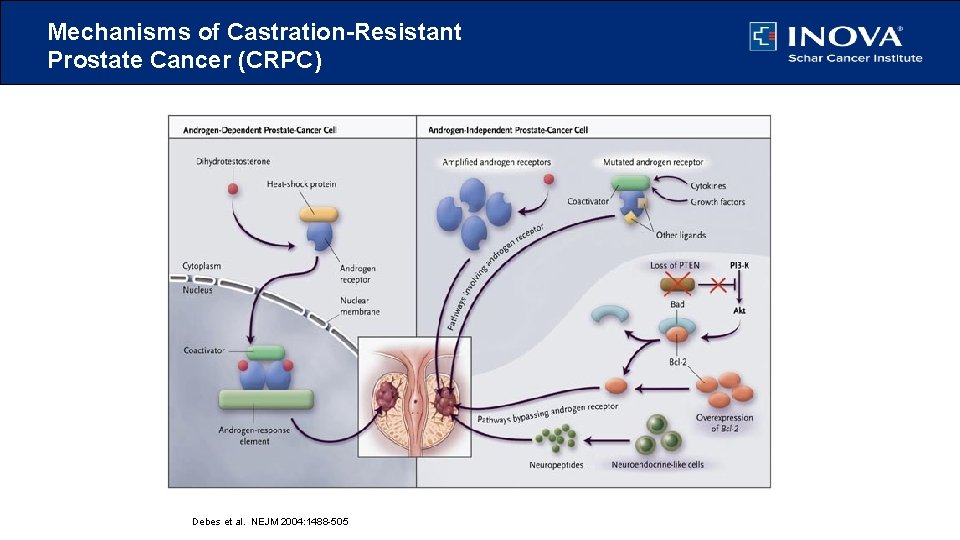
Mechanisms of Castration-Resistant Prostate Cancer (CRPC) Debes et al. NEJM 2004: 1488 -505

Abiraterone Acetate Mechanism of action • Oral irreversible inhibitor of CYP 17 (P 450 c 17) – 17α –hydroxylase – C 17, 20 -lyase • Inhibits testosterone production in testis, adrenal glands, prostate and tumor
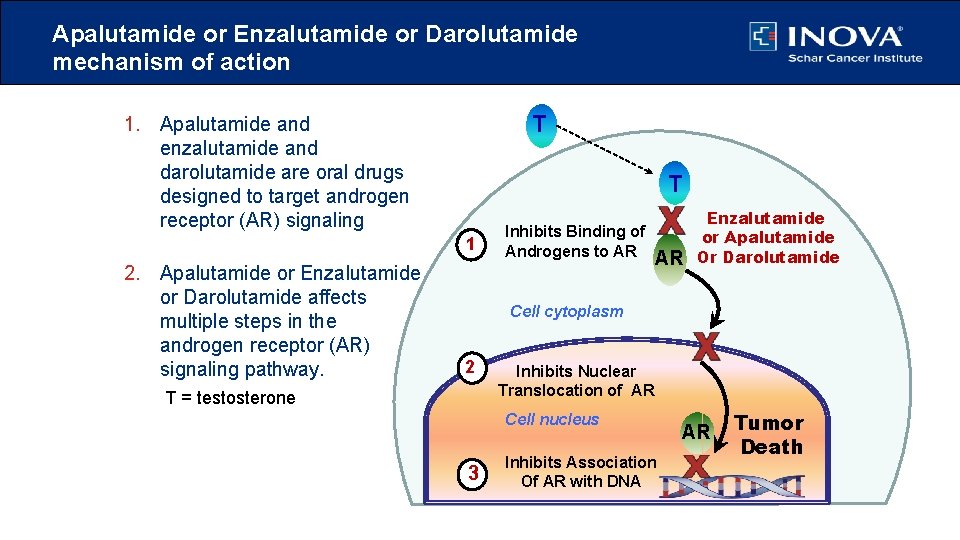
Apalutamide or Enzalutamide or Darolutamide mechanism of action T 1. Apalutamide and enzalutamide and darolutamide are oral drugs designed to target androgen receptor (AR) signaling T 1 2. Apalutamide or Enzalutamide or Darolutamide affects multiple steps in the androgen receptor (AR) signaling pathway. Inhibits Binding of Androgens to AR AR Enzalutamide or Apalutamide Or Darolutamide Cell cytoplasm 2 T = testosterone Inhibits Nuclear Translocation of AR Cell nucleus 3 Inhibits Association Of AR with DNA AR Tumor Death
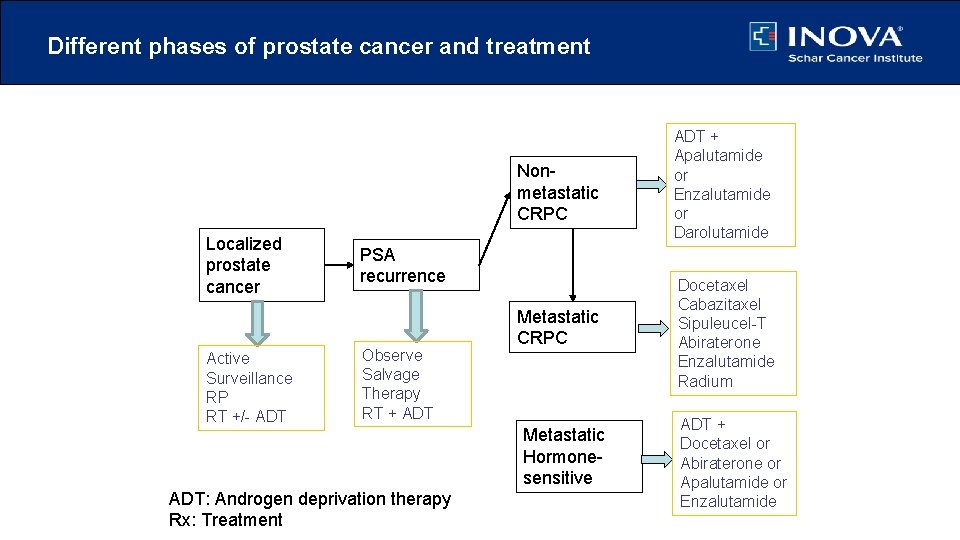
Different phases of prostate cancer and treatment Localized prostate cancer Active Surveillance RP RT +/- ADT Nonmetastatic CRPC ADT + Apalutamide or Enzalutamide or Darolutamide Metastatic CRPC Docetaxel Cabazitaxel Sipuleucel-T Abiraterone Enzalutamide Radium PSA recurrence Observe Salvage Therapy RT + ADT: Androgen deprivation therapy Rx: Treatment Metastatic Hormonesensitive ADT + Docetaxel or Abiraterone or Apalutamide or Enzalutamide
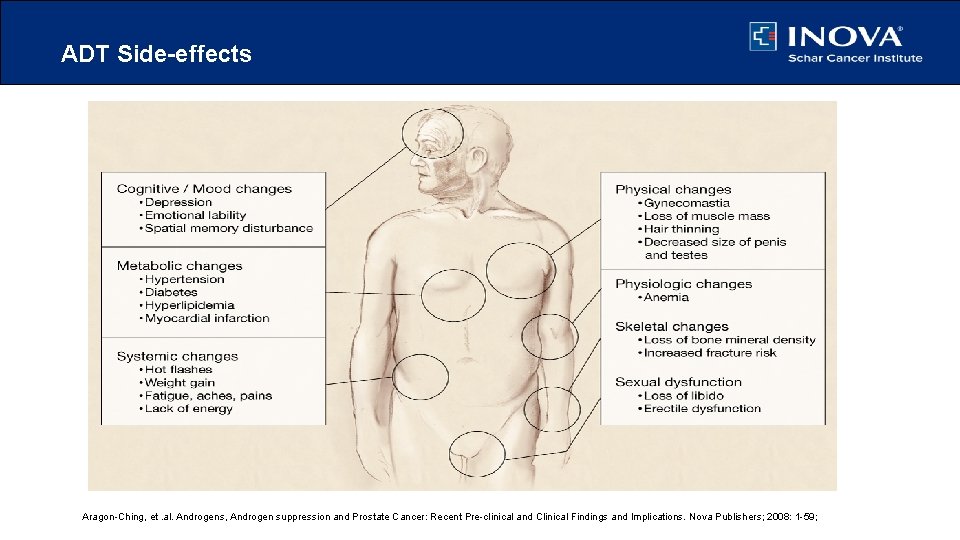
ADT Side-effects Aragon-Ching, et. al. Androgens, Androgen suppression and Prostate Cancer: Recent Pre-clinical and Clinical Findings and Implications. Nova Publishers; 2008: 1 -59;
ADT: ANDROGEN DEPRIVATION THERAPY OR HORMONAL THERAPY CA: A Cancer Journal for Clinicians, Volume: 64, Issue: 4, Pages: 225 -249, First published: 10 June 2014, DOI: (10. 3322/caac. 21234)
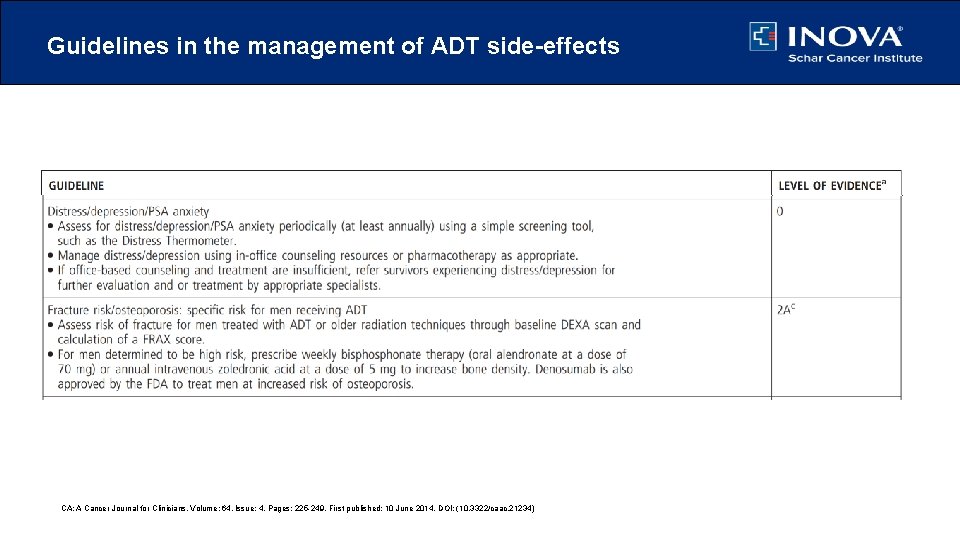
Guidelines in the management of ADT side-effects CA: A Cancer Journal for Clinicians, Volume: 64, Issue: 4, Pages: 225 -249, First published: 10 June 2014, DOI: (10. 3322/caac. 21234)
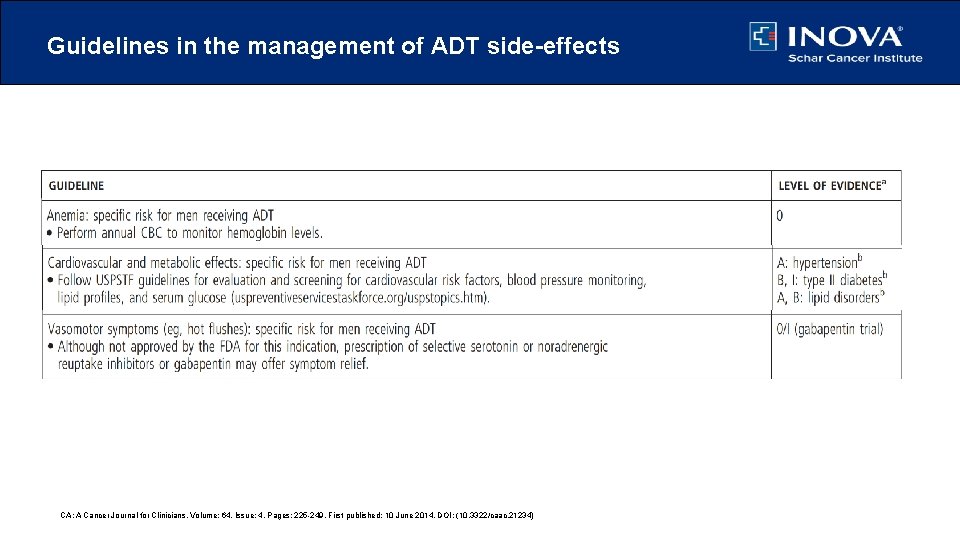
Guidelines in the management of ADT side-effects CA: A Cancer Journal for Clinicians, Volume: 64, Issue: 4, Pages: 225 -249, First published: 10 June 2014, DOI: (10. 3322/caac. 21234)
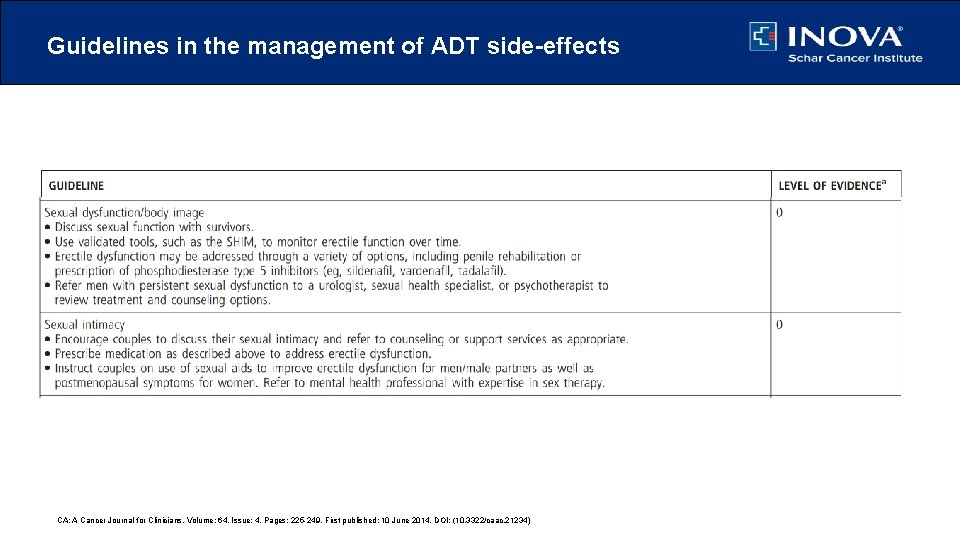
Guidelines in the management of ADT side-effects CA: A Cancer Journal for Clinicians, Volume: 64, Issue: 4, Pages: 225 -249, First published: 10 June 2014, DOI: (10. 3322/caac. 21234)
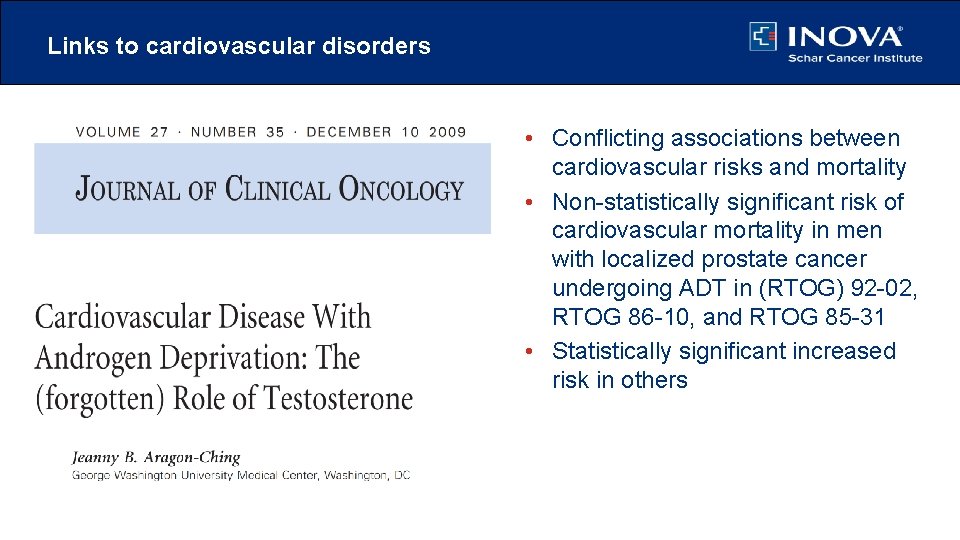
Links to cardiovascular disorders • Conflicting associations between cardiovascular risks and mortality • Non-statistically significant risk of cardiovascular mortality in men with localized prostate cancer undergoing ADT in (RTOG) 92 -02, RTOG 86 -10, and RTOG 85 -31 • Statistically significant increased risk in others
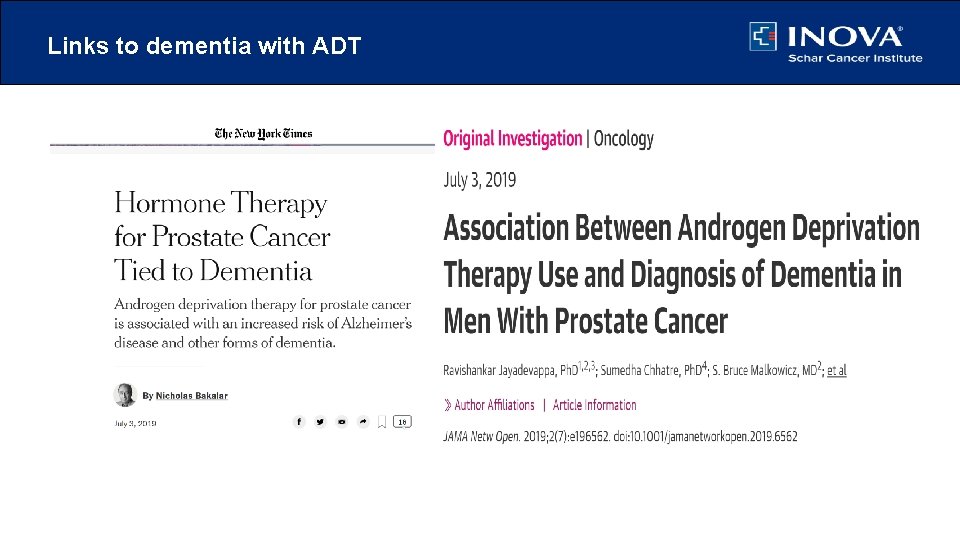
Links to dementia with ADT
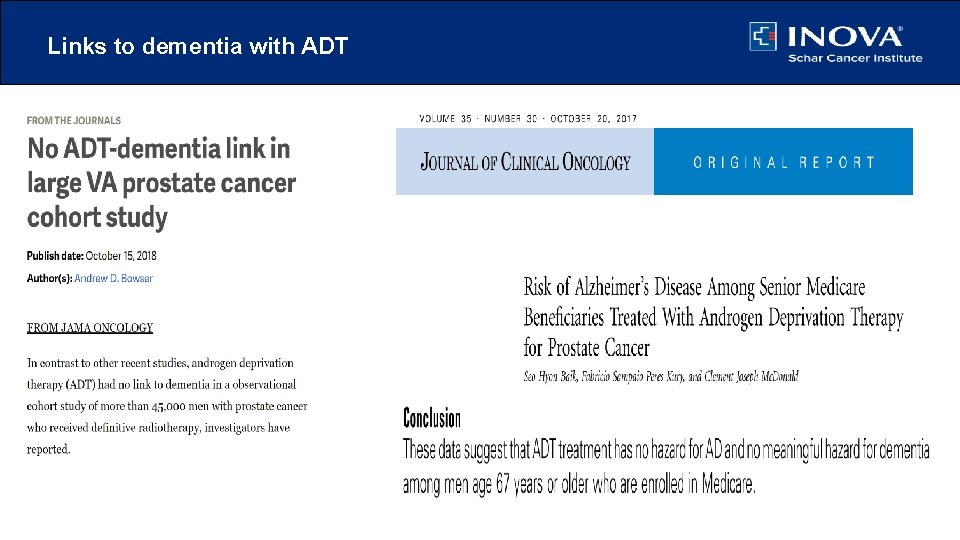
Links to dementia with ADT
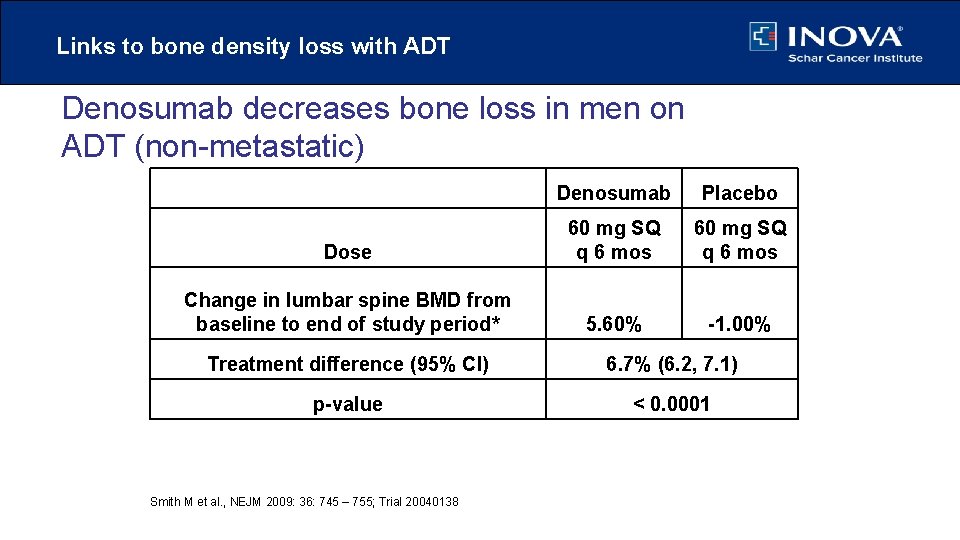
Links to bone density loss with ADT Denosumab decreases bone loss in men on ADT (non-metastatic) Denosumab Placebo Dose 60 mg SQ q 6 mos Change in lumbar spine BMD from baseline to end of study period* 5. 60% -1. 00% Treatment difference (95% CI) 6. 7% (6. 2, 7. 1) p-value < 0. 0001 Smith M et al. , NEJM 2009: 36: 745 – 755; Trial 20040138
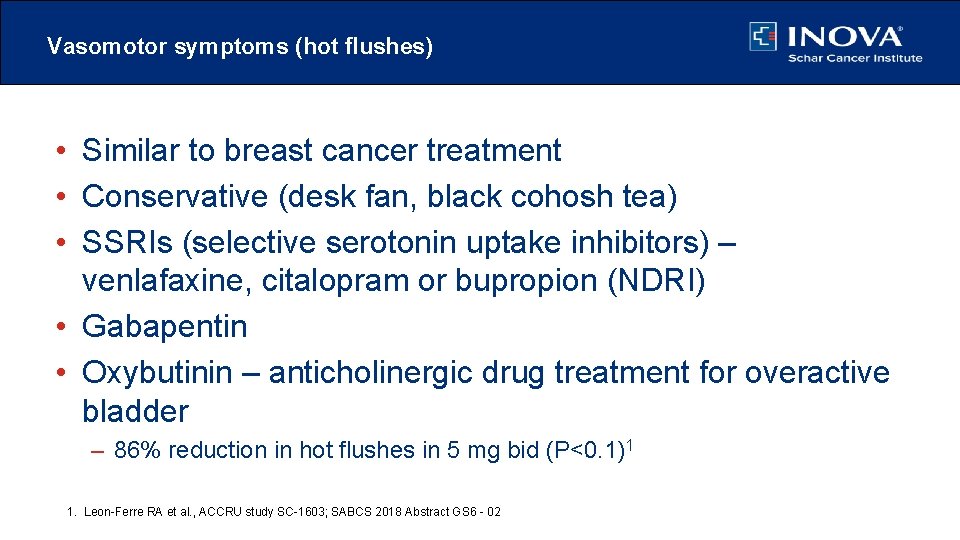
Vasomotor symptoms (hot flushes) • Similar to breast cancer treatment • Conservative (desk fan, black cohosh tea) • SSRIs (selective serotonin uptake inhibitors) – venlafaxine, citalopram or bupropion (NDRI) • Gabapentin • Oxybutinin – anticholinergic drug treatment for overactive bladder – 86% reduction in hot flushes in 5 mg bid (P<0. 1)1 1. Leon-Ferre RA et al. , ACCRU study SC-1603; SABCS 2018 Abstract GS 6 - 02
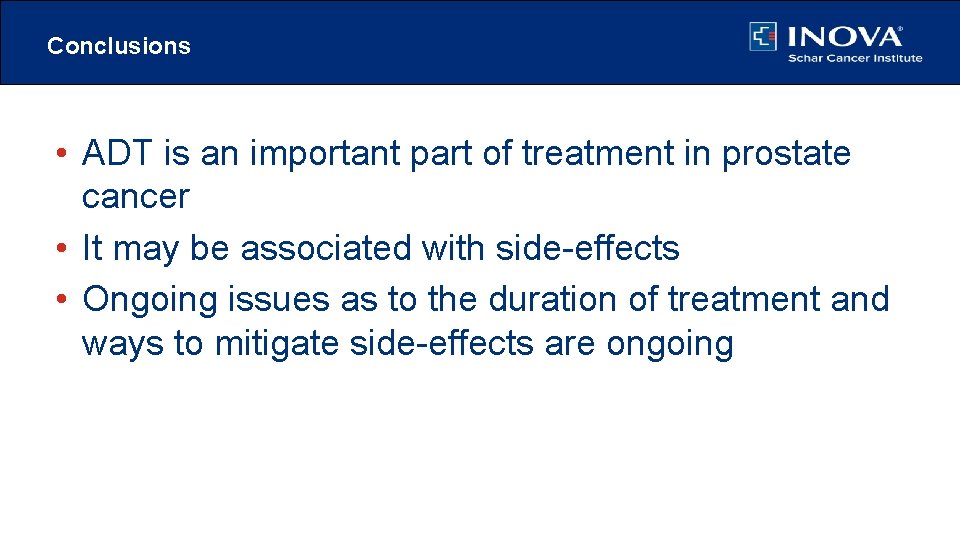
Conclusions • ADT is an important part of treatment in prostate cancer • It may be associated with side-effects • Ongoing issues as to the duration of treatment and ways to mitigate side-effects are ongoing

THANK YOU! Questions?
- Slides: 26