
Nara and Heian Period Japan Centralization of Japan




- Slides: 16
Nara and Heian Period Japan Centralization of Japan, Cultural Diffusion from China, and the breakdown to the Feudal Period
Nara Period 奈良時代 • Tribal society • 1 st official gov’t Japan ruled by the Yamato Clan/capital at Nara around 400 • Longest ruling family in the world – Emperor = divine/descendent of Sun Goddess • Taika Reforms – Secure gov’t system – Legal code including aspects of Confucianism & Buddhism, recognized chieftains as territorial administrators. • Show influence of China but two major differences: – Not Confucian – No Mandate of Heaven
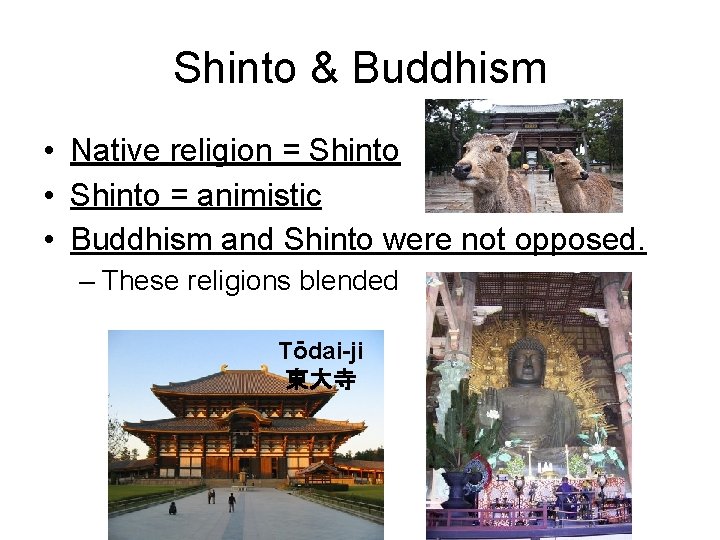
Shinto & Buddhism • Native religion = Shinto • Shinto = animistic • Buddhism and Shinto were not opposed. – These religions blended Tōdai-ji 東大寺
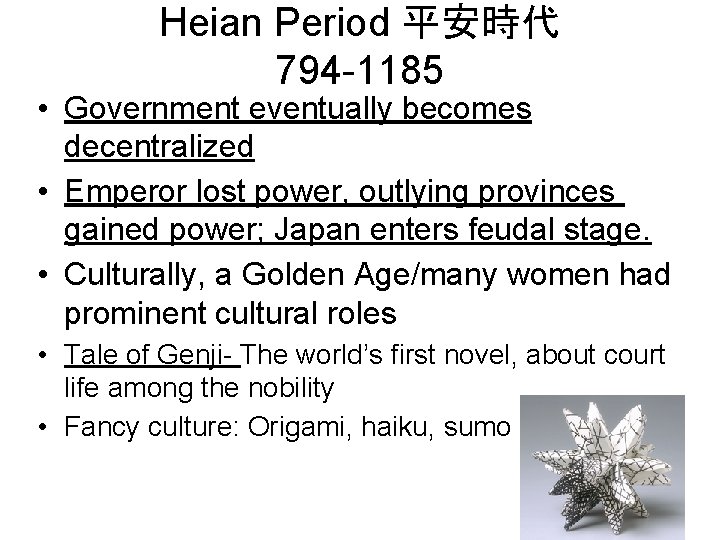
Heian Period 平安時代 794 -1185 • Government eventually becomes decentralized • Emperor lost power, outlying provinces gained power; Japan enters feudal stage. • Culturally, a Golden Age/many women had prominent cultural roles • Tale of Genji- The world’s first novel, about court life among the nobility • Fancy culture: Origami, haiku, sumo
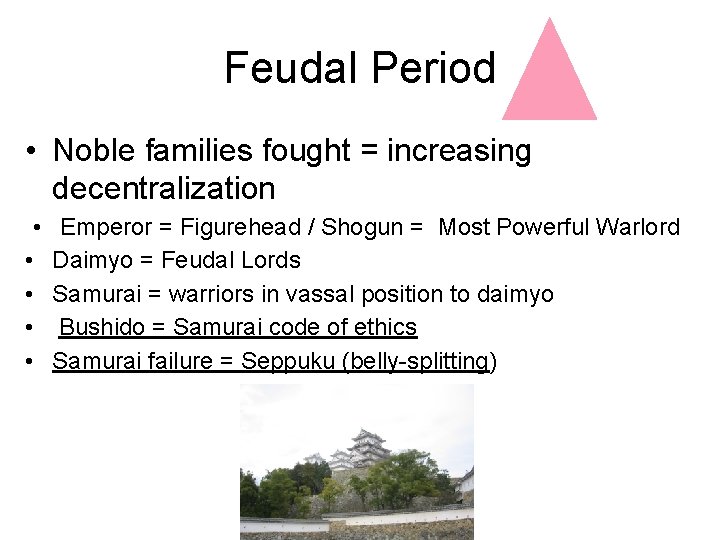
Feudal Period • Noble families fought = increasing decentralization • • • Emperor = Figurehead / Shogun = Most Powerful Warlord Daimyo = Feudal Lords Samurai = warriors in vassal position to daimyo Bushido = Samurai code of ethics Samurai failure = Seppuku (belly-splitting)
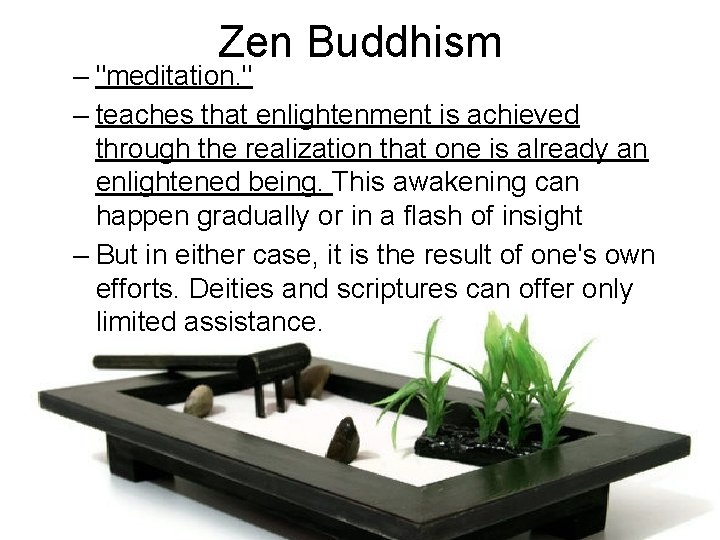
Zen Buddhism – "meditation. " – teaches that enlightenment is achieved through the realization that one is already an enlightened being. This awakening can happen gradually or in a flash of insight – But in either case, it is the result of one's own efforts. Deities and scriptures can offer only limited assistance.
Japanese Feudal Class & Medieval Western Europe Comparison Step 1: Within your assigned Japanese Social Class Group, read the descriptions of each social class seen in Heian Japan. Then answer the supplied questions as if you were actually a part of this identified social class in Heian Japan. Step 3: Within your groups read through the two primary sources (Norman England & Heian Japan) and answer the supplied questions. While reading through these primary sources, mentally compare labor obligations and taxation in Medieval England & Heian Japan. Step 4: Within your group, write a THESIS comparing and contrasting the feudal systems of Japan and Western Europe during the medieval period. Step 5: Prepare to share!
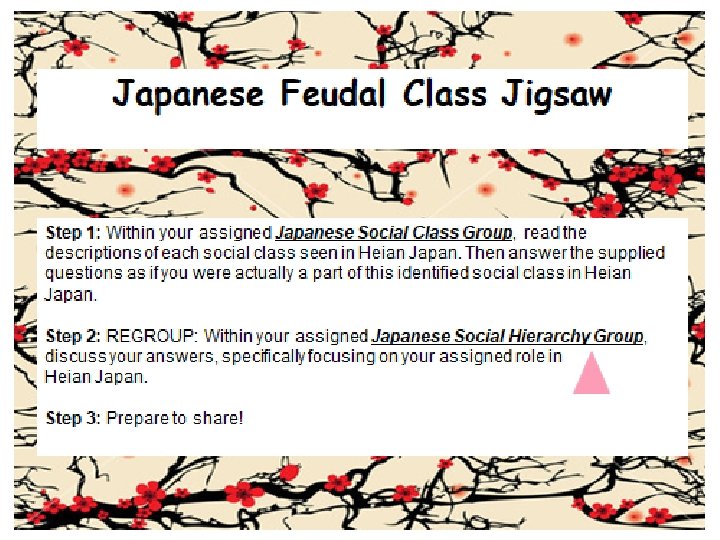
Japanese Feudal Class Jigsaw & Medieval Western Europe Comparison Step 1: Within your assigned Japanese Social Class Group, read the descriptions of each social class seen in Heian Japan. Then answer the supplied questions as if you were actually a part of this identified social class in Heian Japan. Step 2: REGROUP: Within your assigned Japanese Social Hierarchy Group, discuss your answers, specifically focusing on your assigned role in Heian Japan. Step 3: Within your groups read through the two primary sources (Norman England & Heian Japan) and answer the supplied questions. While reading through these primary sources, mentally compare labor obligations and taxation in Medieval England & Heian Japan. Step 4: Within your group, write a THESIS comparing and contrasting the feudal systems of Japan and Western Europe during the medieval period. Step 5: Prepare to share!