
Nanoscale Imaging Probes for Personalized Medicine Undergraduate Researchers
Nanoscale Imaging Probes for Personalized Medicine Undergraduate Researchers Leslie Chan, Rahul Balusu and Alice Chan Mentors Efstathios Karathanasis, Ph. D Ravi V. Bellamkonda, Ph. D Biomedical Engineering, Georgia Tech/Emory
Nanotechnology for Solid Tumors Many nanotherapeutics are currently under clinical evaluation or in clinical use (clinicaltrials. gov)… The promise. . . n Multi-functionality n n Targeting Non-invasive tracking Diagnostic and therapeutic capabilities Promise of personalized nanotherapy
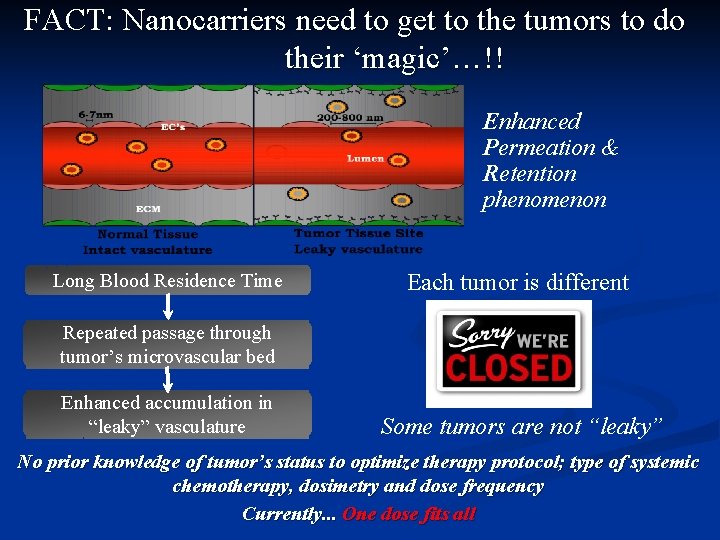
FACT: Nanocarriers need to get to the tumors to do their ‘magic’…!! Enhanced Permeation & Retention phenomenon Long Blood Residence Time Each tumor is different Repeated passage through tumor’s microvascular bed Enhanced accumulation in “leaky” vasculature Some tumors are not “leaky” No prior knowledge of tumor’s status to optimize therapy protocol; type of systemic chemotherapy, dosimetry and dose frequency Currently. . . One dose fits all
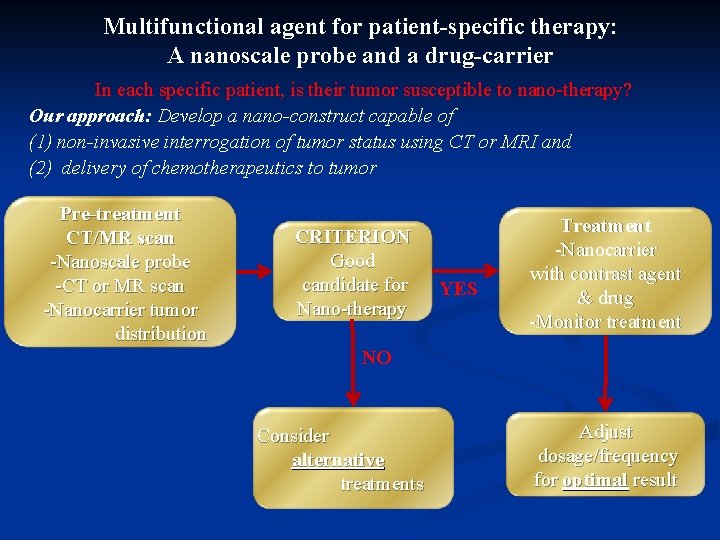
Multifunctional agent for patient-specific therapy: A nanoscale probe and a drug-carrier In each specific patient, is their tumor susceptible to nano-therapy? Our approach: Develop a nano-construct capable of (1) non-invasive interrogation of tumor status using CT or MRI and (2) delivery of chemotherapeutics to tumor Pre-treatment CT/MR scan -Nanoscale probe -CT or MR scan -Nanocarrier tumor distribution CRITERION Good candidate for Nano-therapy YES Treatment -Nanocarrier with contrast agent & drug -Monitor treatment NO Consider alternative treatments Adjust dosage/frequency for optimal result
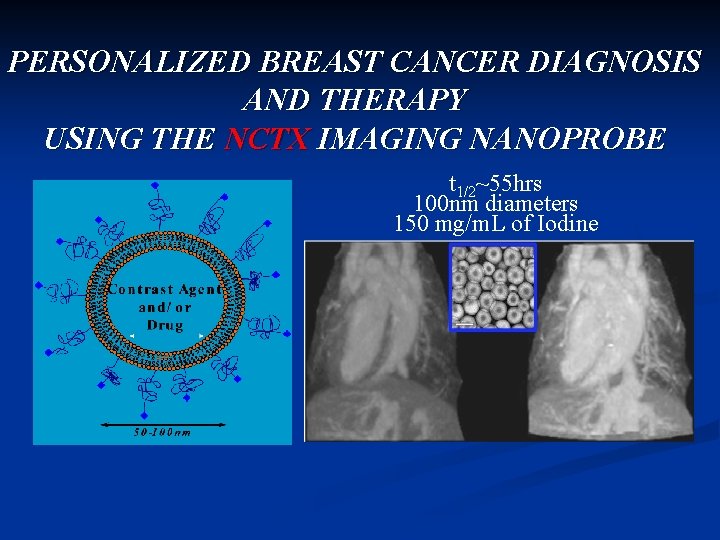
PERSONALIZED BREAST CANCER DIAGNOSIS AND THERAPY USING THE NCTX IMAGING NANOPROBE t 1/2~55 hrs 100 nm diameters 150 mg/m. L of Iodine
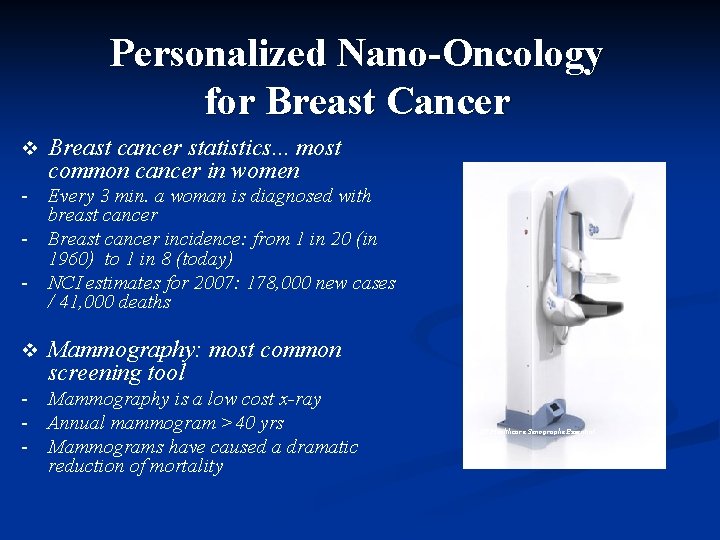
Personalized Nano-Oncology for Breast Cancer Breast cancer statistics. . . most common cancer in women - Every 3 min. a woman is diagnosed with breast cancer Breast cancer incidence: from 1 in 20 (in 1960) to 1 in 8 (today) NCI estimates for 2007: 178, 000 new cases / 41, 000 deaths Mammography: most common screening tool - Mammography is a low cost x-ray Annual mammogram >40 yrs Mammograms have caused a dramatic reduction of mortality GE Healthcare Senographe Essential
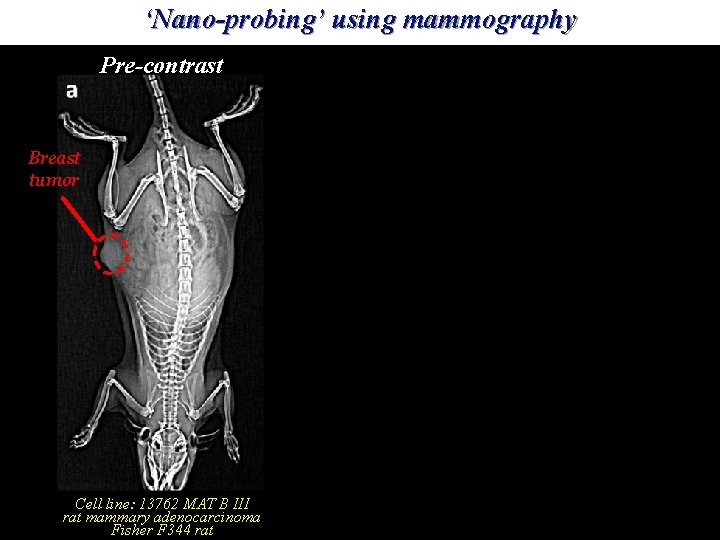
‘Nano-probing’ using mammography Pre-contrast Breast tumor Cell line: 13762 MAT B III rat mammary adenocarcinoma Fisher F 344 rat
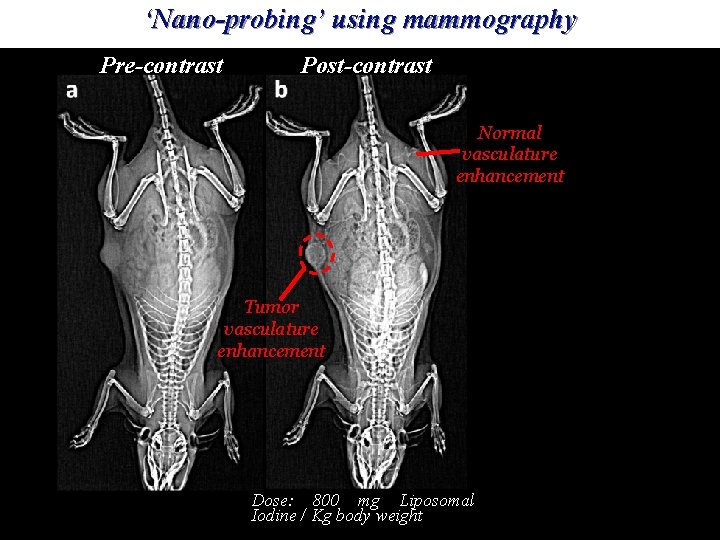
‘Nano-probing’ using mammography Pre-contrast Post-contrast Normal vasculature enhancement Tumor vasculature enhancement Dose: 800 mg Liposomal Iodine / Kg body weight
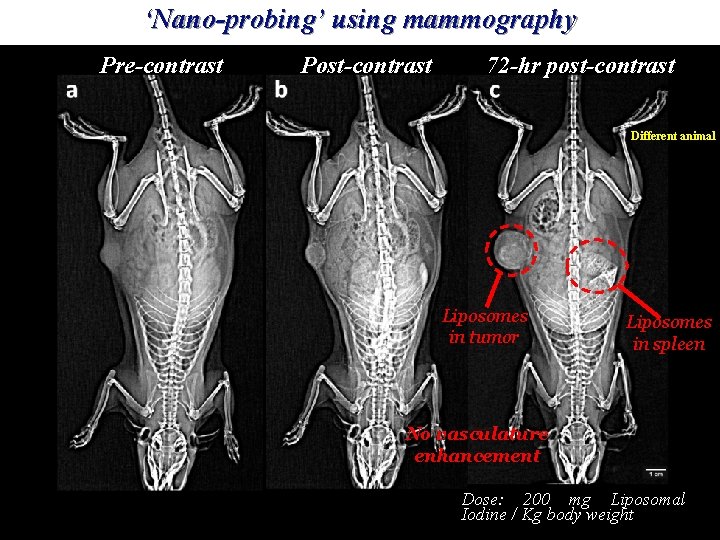
‘Nano-probing’ using mammography Pre-contrast Post-contrast 72 -hr post-contrast Different animal Liposomes in tumor Liposomes in spleen No vasculature enhancement Dose: 200 mg Liposomal Iodine / Kg body weight
Time course monitoring
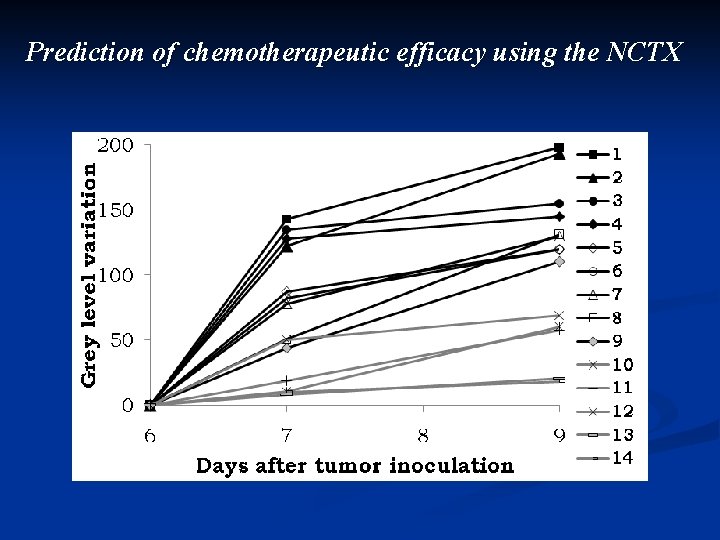
Prediction of chemotherapeutic efficacy using the NCTX
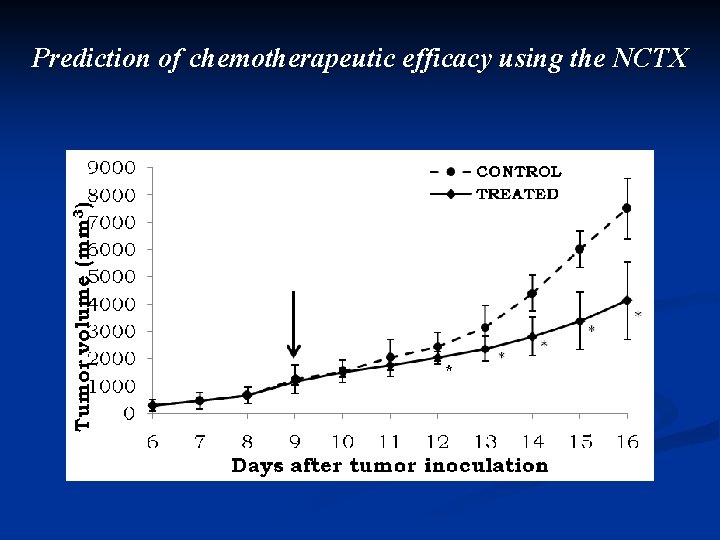
Prediction of chemotherapeutic efficacy using the NCTX
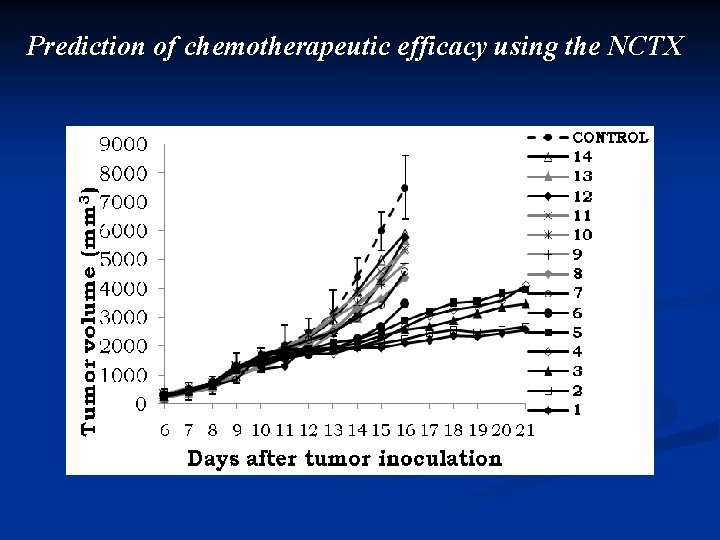
Prediction of chemotherapeutic efficacy using the NCTX
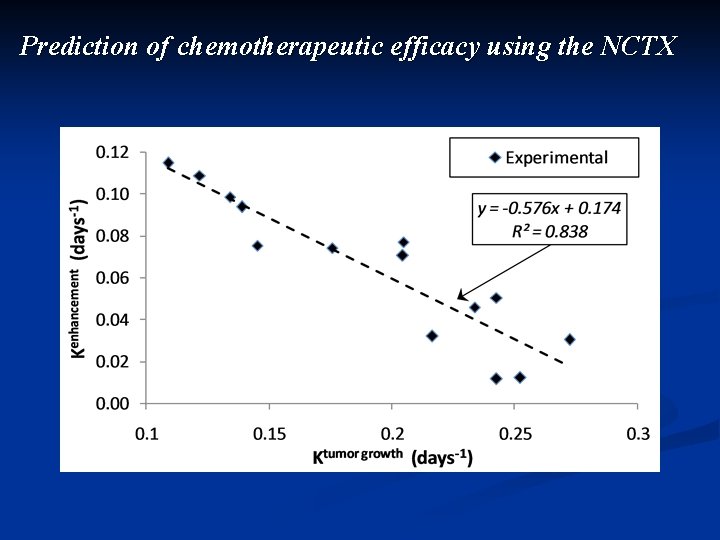
Prediction of chemotherapeutic efficacy using the NCTX
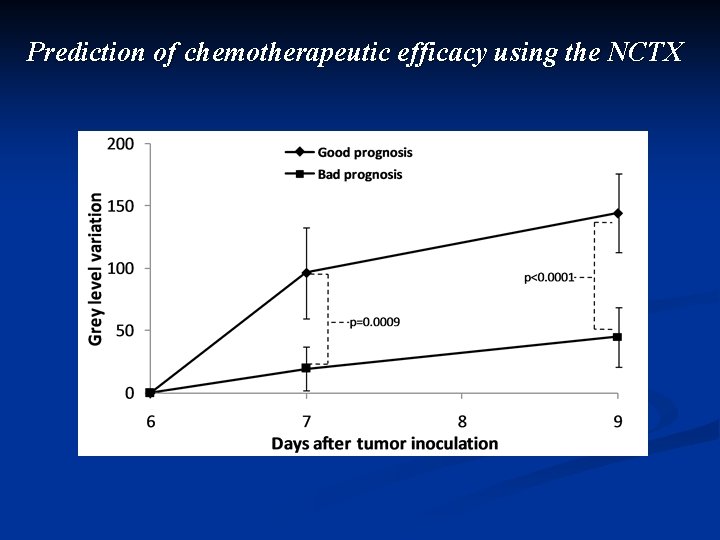
Prediction of chemotherapeutic efficacy using the NCTX
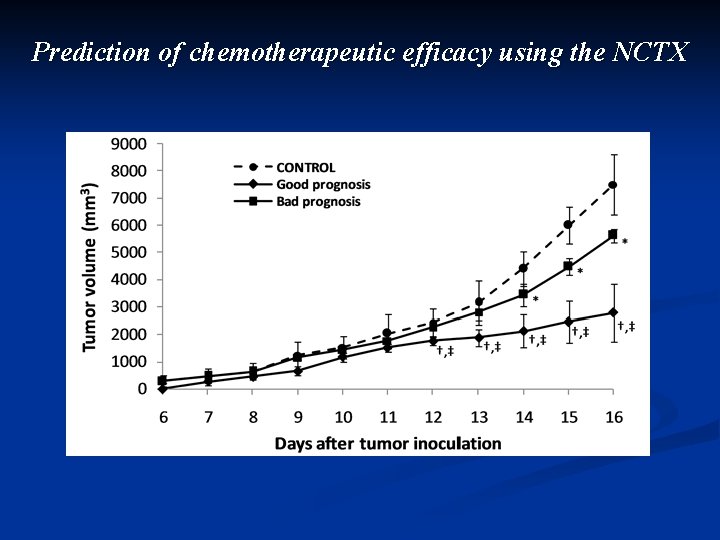
Prediction of chemotherapeutic efficacy using the NCTX
Conclusions n Nanotherapy can enable personalized tumor therapy by facilitating real-time imaging of pharmacokinetics and tumor probing in patients FUNDING: National Institutes of Health (NCI), National Science Foundation, Georgia Cancer Coalition, Wallace H Coulter Translational Research Grant, Nora L. Redman Foundation, GTEC, Marval Biosciences
- Slides: 17