
NANOPARTICLES IN NANOTECHNOLOGY Particles with size in the
- Slides: 25
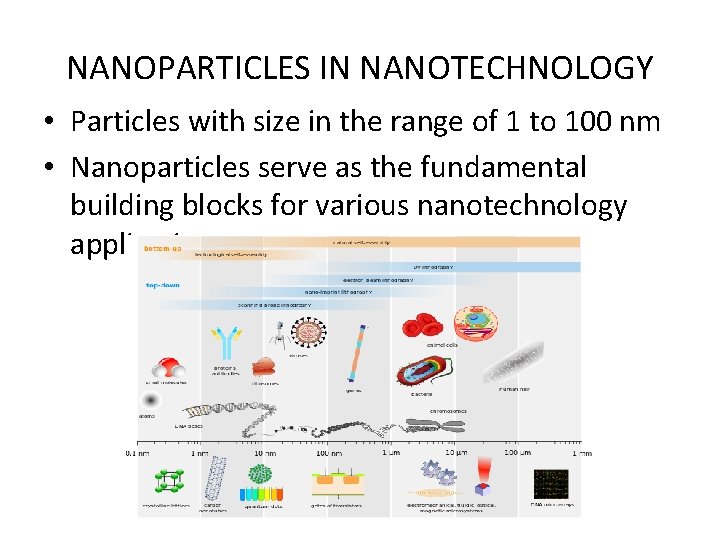
NANOPARTICLES IN NANOTECHNOLOGY • Particles with size in the range of 1 to 100 nm • Nanoparticles serve as the fundamental building blocks for various nanotechnology applications
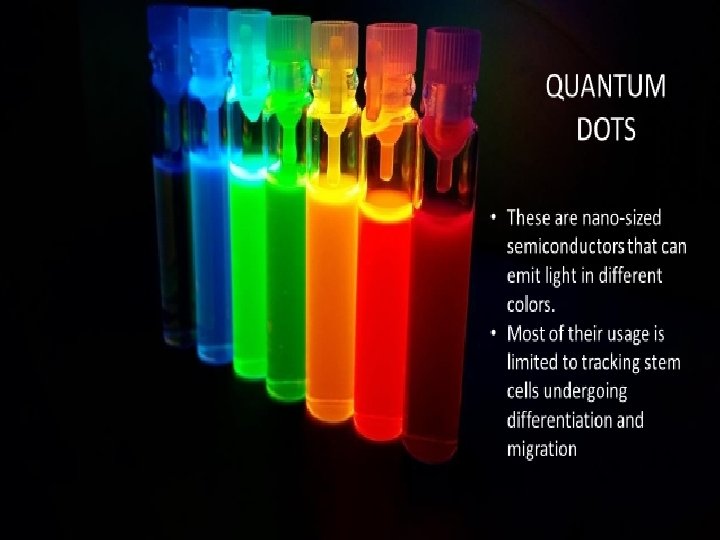
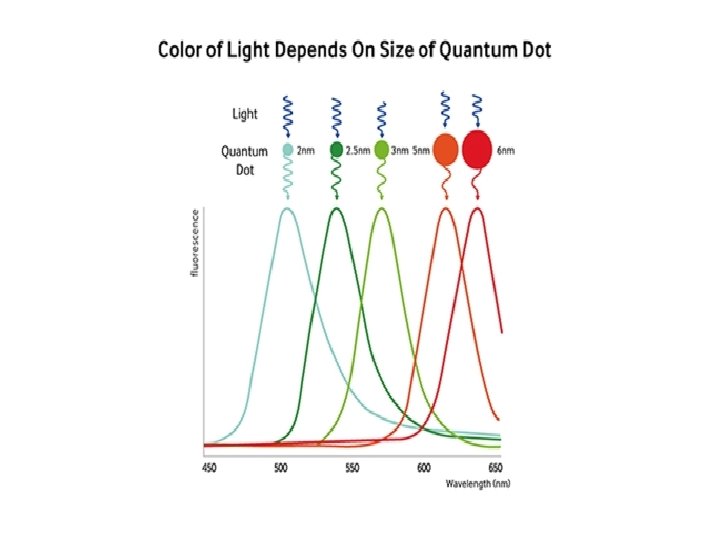
• Nanoparticles have contributed immensely in altering the physicochemical properties of the scaffold because of their variable size and shapes • Classified into five groups based on their nature: Carbon based Inorganic base Metal based Nanostructured hydrogels Quantum dots based
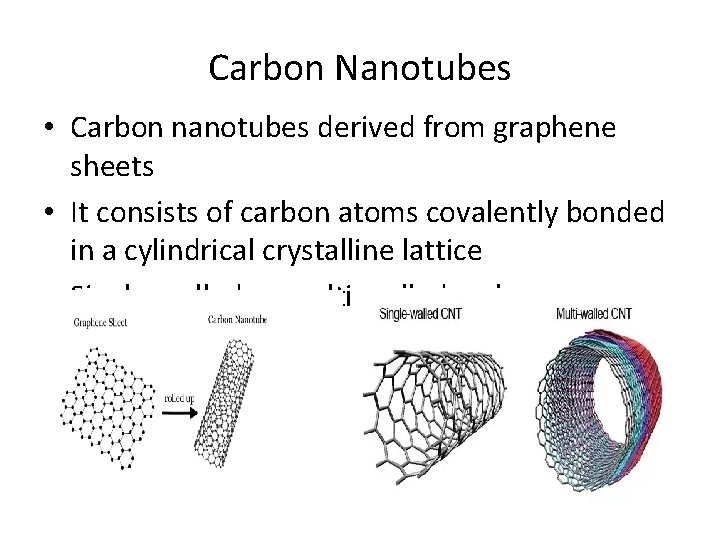
Carbon Nanotubes • Carbon nanotubes derived from graphene sheets • It consists of carbon atoms covalently bonded in a cylindrical crystalline lattice • Single-walled or multi-walled carbon nanotubes
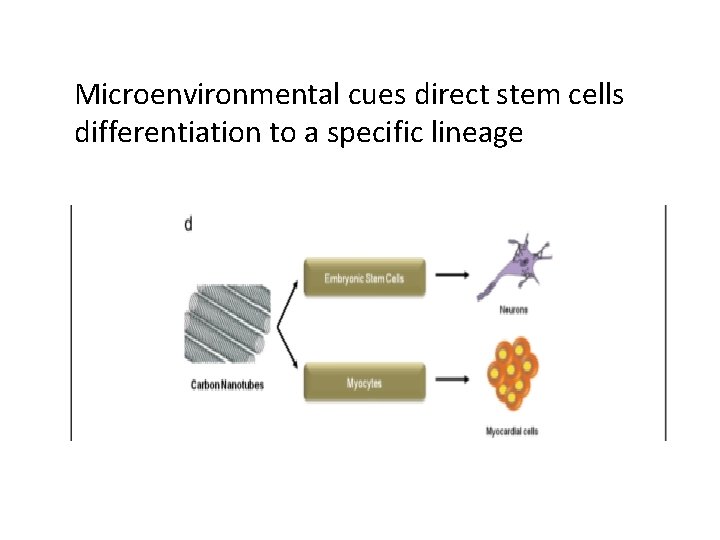
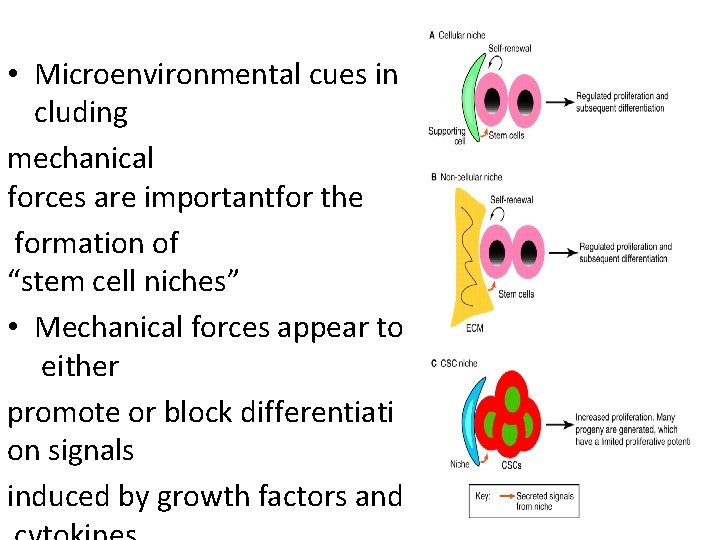
Microenvironmental cues direct stem cells differentiation to a specific lineage
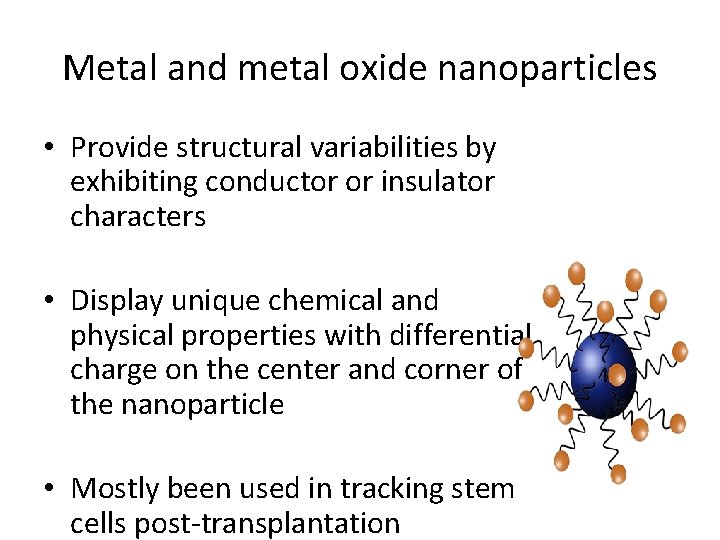
Metal and metal oxide nanoparticles • Provide structural variabilities by exhibiting conductor or insulator characters • Display unique chemical and physical properties with differential charge on the center and corner of the nanoparticle • Mostly been used in tracking stem cells post-transplantation
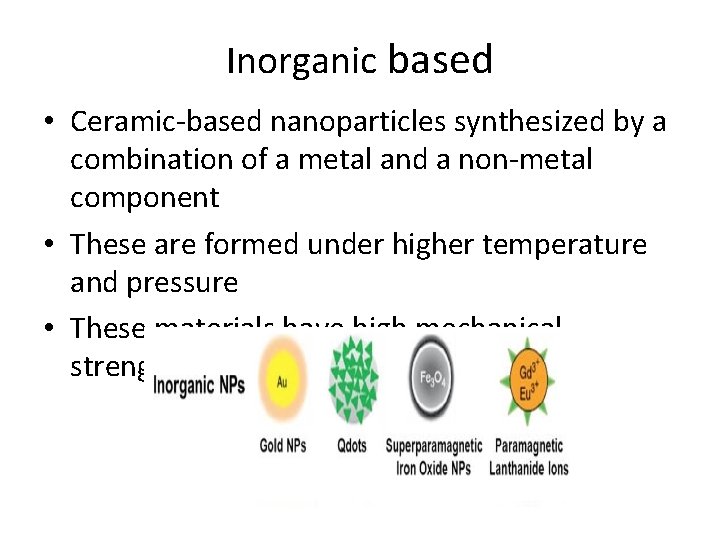
Inorganic based • Ceramic-based nanoparticles synthesized by a combination of a metal and a non-metal component • These are formed under higher temperature and pressure • These materials have high mechanical strength and low biodegradability
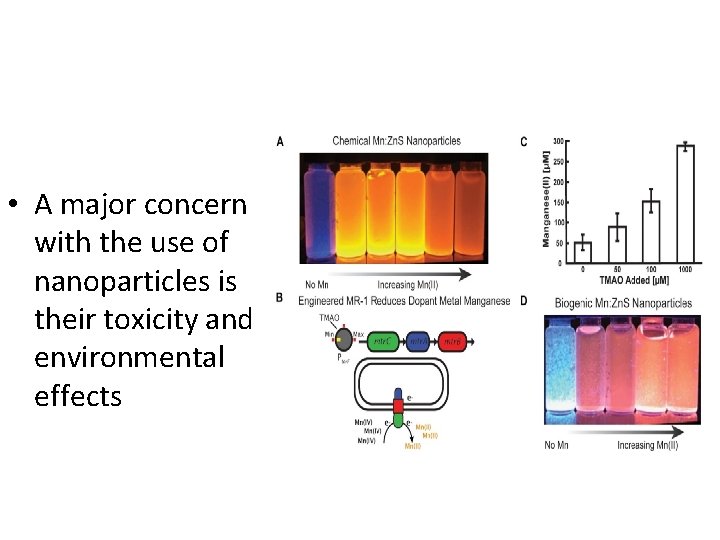
• A major concern with the use of nanoparticles is their toxicity and environmental effects
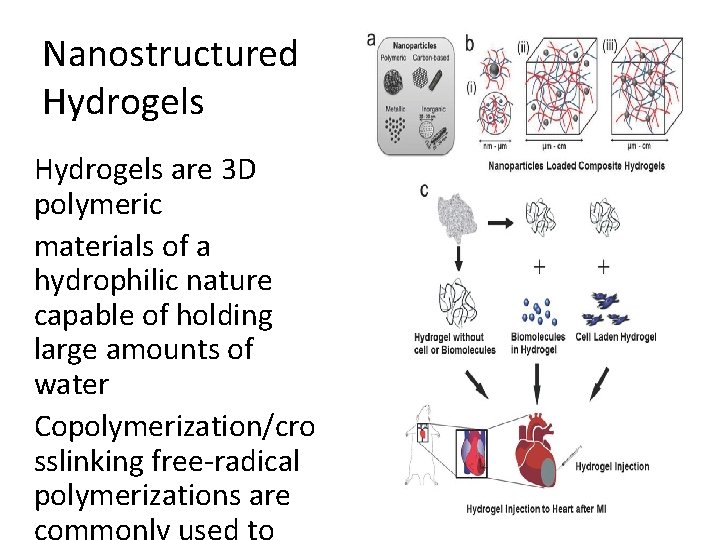
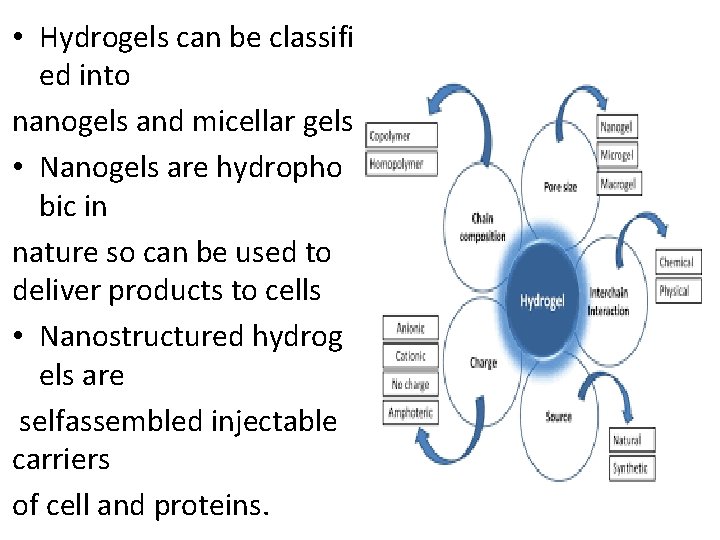
Nanostructured Hydrogels are 3 D polymeric materials of a hydrophilic nature capable of holding large amounts of water Copolymerization/cro sslinking free-radical polymerizations are commonly used to
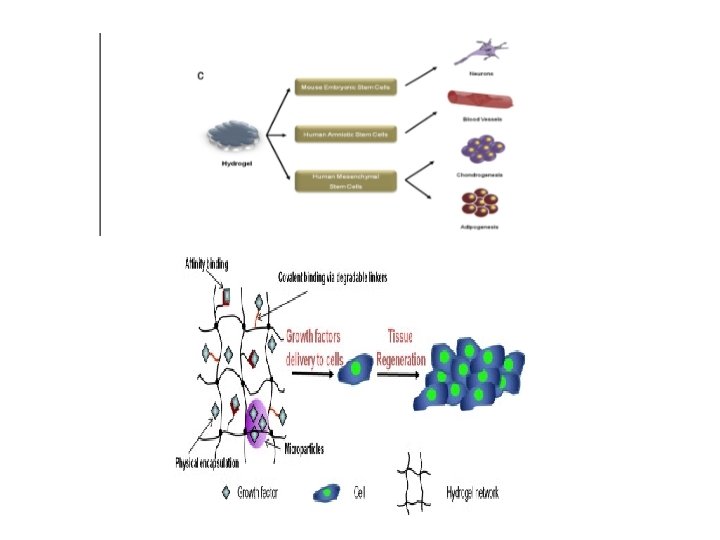
• Hydrogels can be classifi ed into nanogels and micellar gels • Nanogels are hydropho bic in nature so can be used to deliver products to cells • Nanostructured hydrog els are selfassembled injectable carriers of cell and proteins.
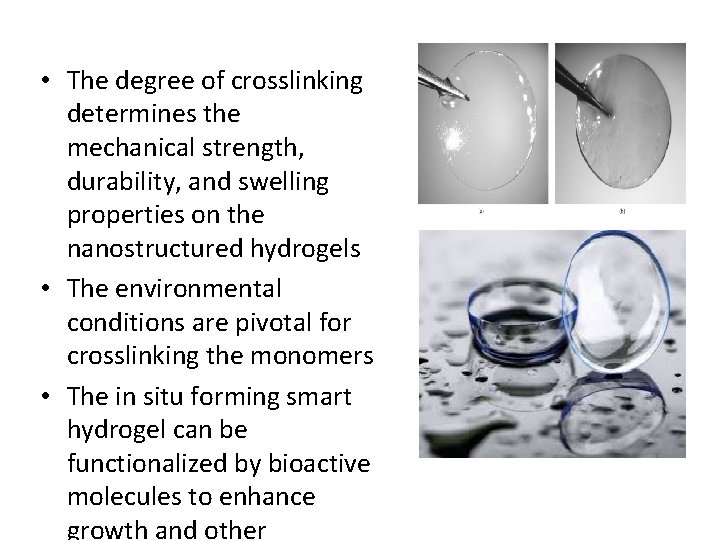
• The degree of crosslinking determines the mechanical strength, durability, and swelling properties on the nanostructured hydrogels • The environmental conditions are pivotal for crosslinking the monomers • The in situ forming smart hydrogel can be functionalized by bioactive molecules to enhance growth and other
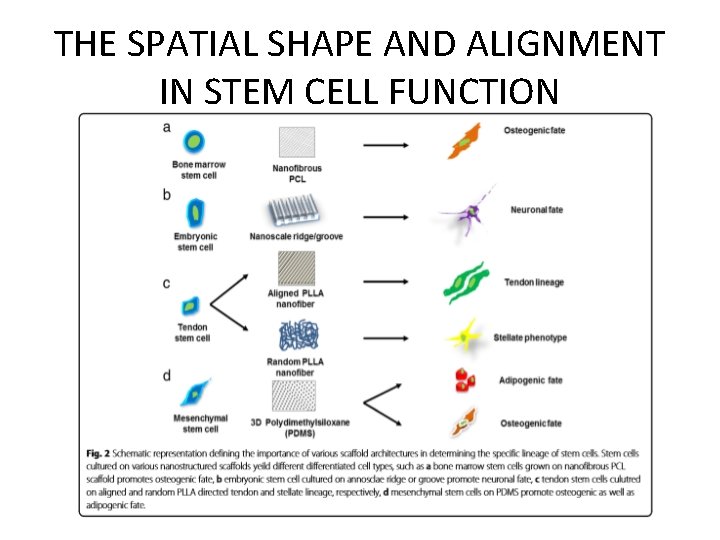
THE SPATIAL SHAPE AND ALIGNMENT IN STEM CELL FUNCTION
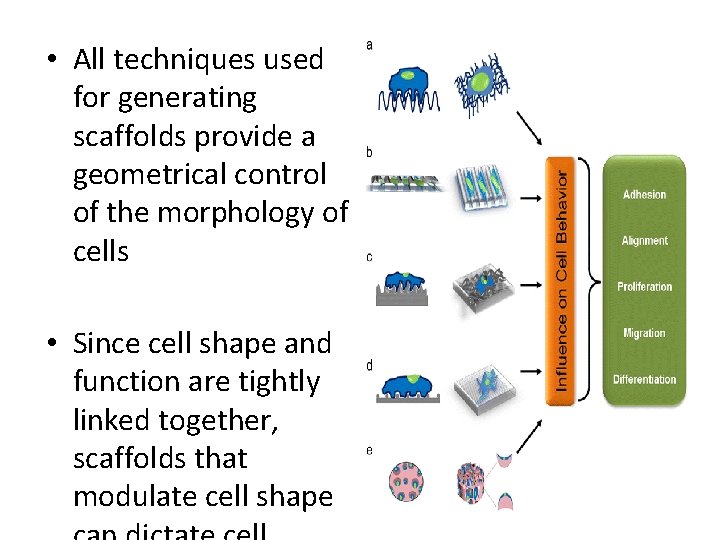
• All techniques used for generating scaffolds provide a geometrical control of the morphology of cells • Since cell shape and function are tightly linked together, scaffolds that modulate cell shape
• Microenvironmental cues in cluding mechanical forces are importantfor the formation of “stem cell niches” • Mechanical forces appear to either promote or block differentiati on signals induced by growth factors and
Biophysical regulators of stem cell fate • • MAPK, PI 3 K/Akt Rho. A/ROCK Wnt/β-cateni
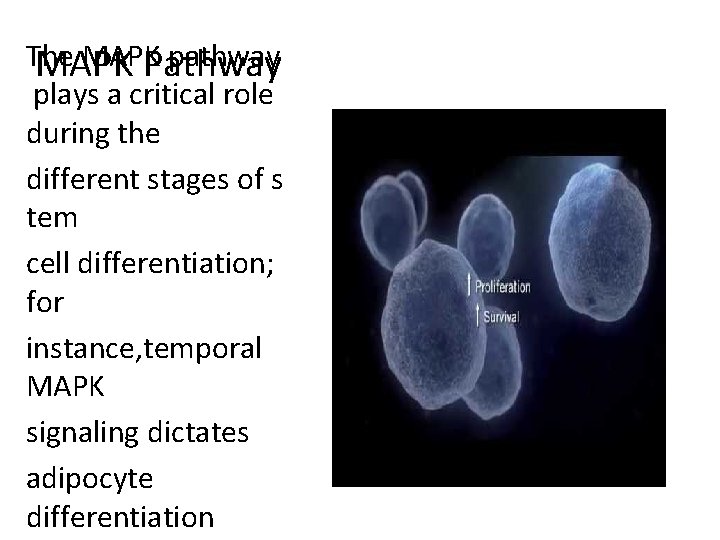
The MAPK pathway MAPK Pathway plays a critical role during the different stages of s tem cell differentiation; for instance, temporal MAPK signaling dictates adipocyte differentiation
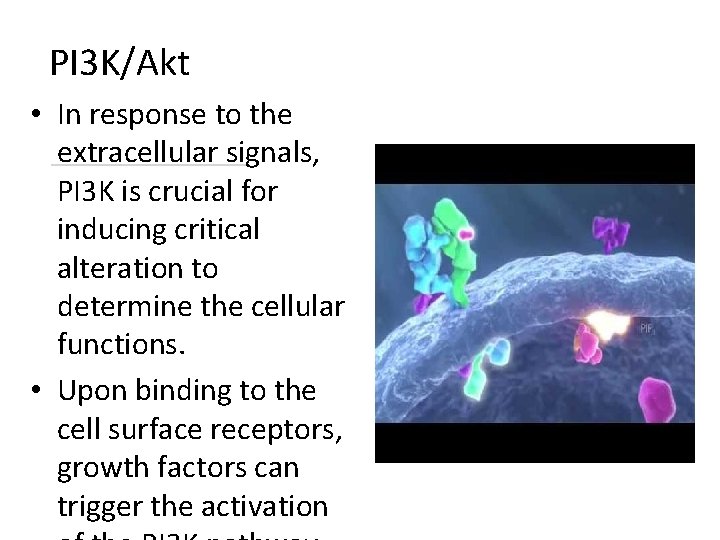
PI 3 K/Akt • In response to the extracellular signals, PI 3 K is crucial for inducing critical alteration to determine the cellular functions. • Upon binding to the cell surface receptors, growth factors can trigger the activation
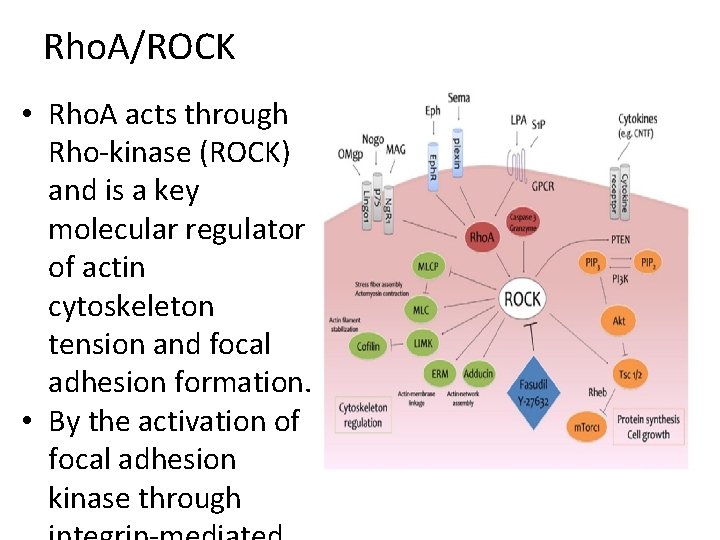
Rho. A/ROCK • Rho. A acts through Rho-kinase (ROCK) and is a key molecular regulator of actin cytoskeleton tension and focal adhesion formation. • By the activation of focal adhesion kinase through
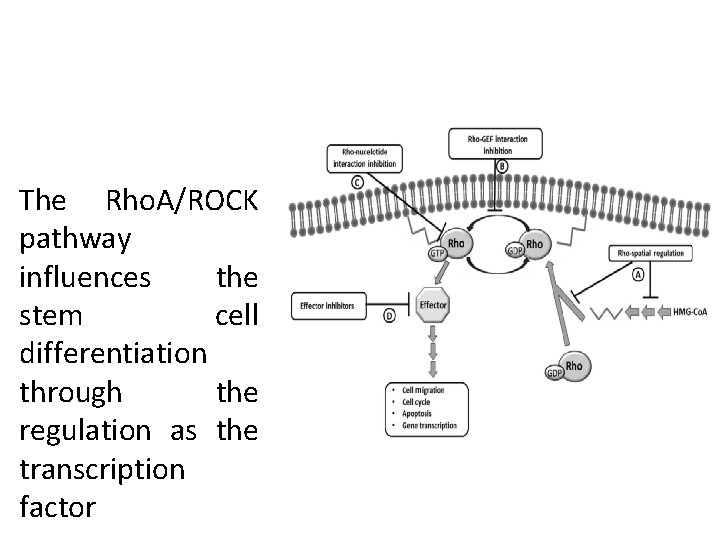
The Rho. A/ROCK pathway influences the stem cell differentiation through the regulation as the transcription factor
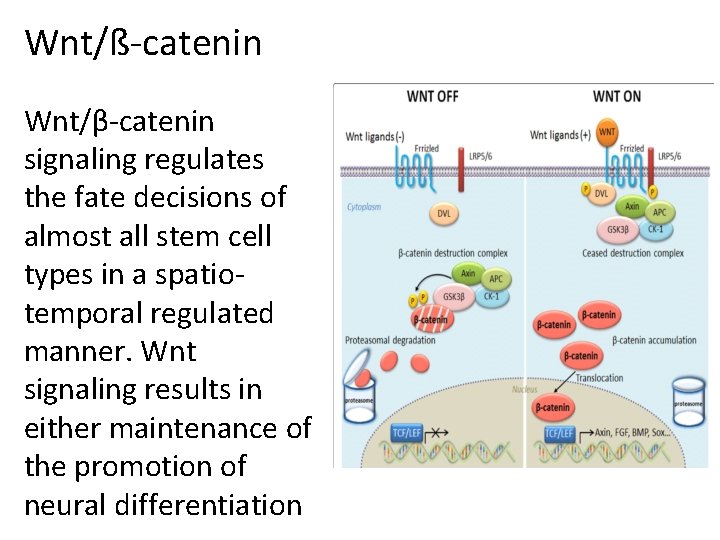
Wnt/ß-catenin Wnt/β-catenin signaling regulates the fate decisions of almost all stem cell types in a spatiotemporal regulated manner. Wnt signaling results in either maintenance of the promotion of neural differentiation